They appear out of nowhere on a scenic route in New York’s Catskill mountains, beckoning drivers to stop and check out the rest of the wonders inside the nearby shop.
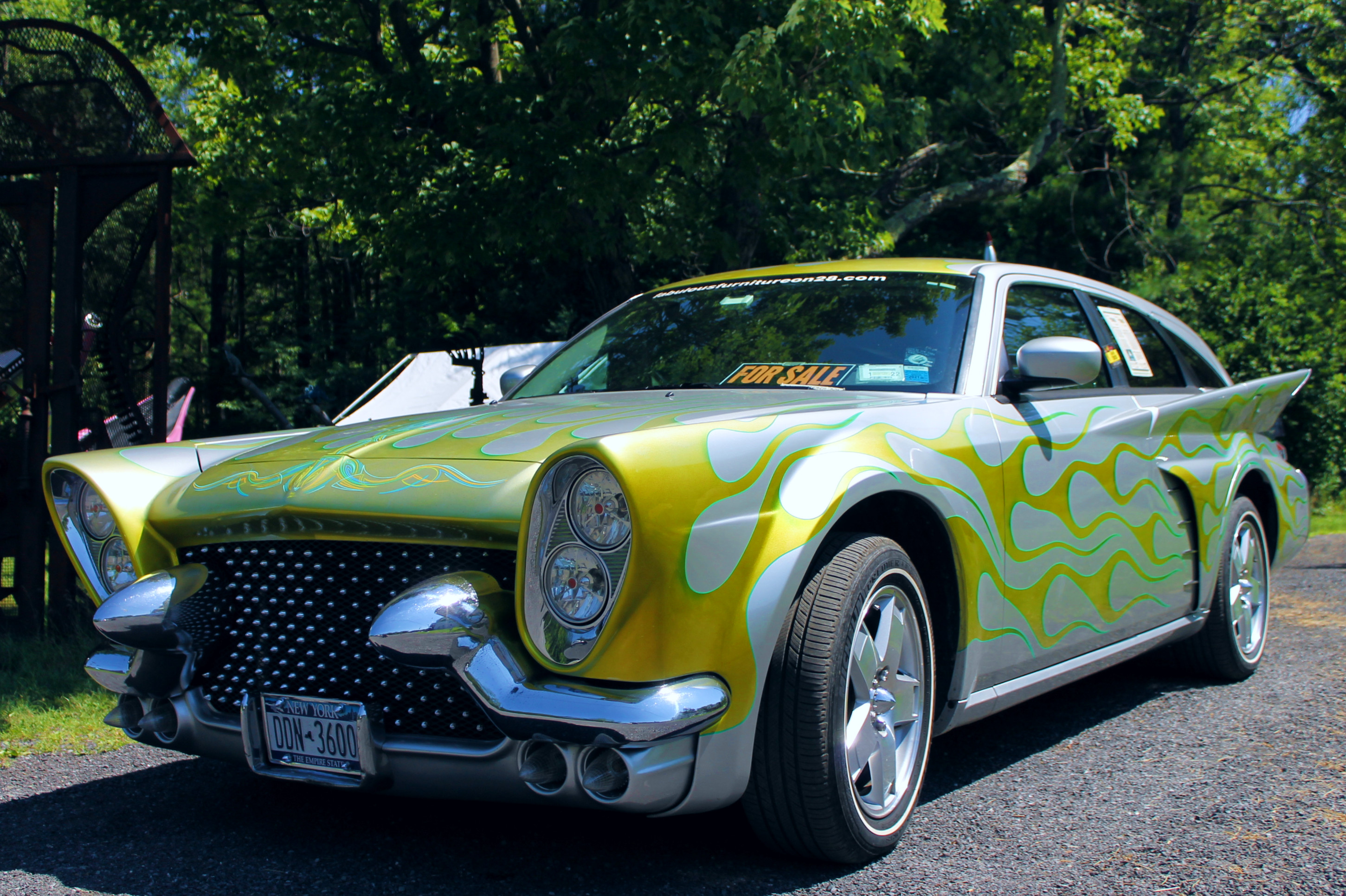
A few years ago on the way back from the Catskills, a scenic mountain belt in low-central New York, I spotted this beauty from the road and had to stop:
It’s a heavily modified, custom Dodge Magnum crafted by artist Steve Heller. The parcel of land I’d almost passed houses his shop, Fabulous Furniture On 28, one of the most unique spots you can find in the state, if not the country.
Here are a few other photos of the Cro Magnum I took that day:
Heller’s property is adorned with all sorts of retrofuturistic metallic sculptures that evoke the science fiction films and comic books of yesteryear:
The classic cars are my favorite, but unfortunately I did not get to see them all that day.
The header image and the images below are from Heller’s site, while I took the other photos on the day I stopped to look around.
The header image is another Dodge Magnum, while the beast below is The Marquis de Soto, a customized Mercury Grand Marquis:
It’s the first time a mountain lion has been spotted in New York since 2011. Authorities aren’t sure if the cat is an escaped — and illegal — pet, or if it made an epic journey from the west coast.
For the first time in 14 years, there’s a puma on the loose in New York.
The wild cat was spotted on a Rochester woman’s Ring doorbell camera padding along the sidewalk in front of her home at about 4 am on Wednesday morning.
A representative from the state Department of Environmental Conservation cautiously said the agency is working on confirming the species of cat in the footage.
But the feline’s size, gait and tail are dead giveaways, despite the dark footage and fleeting glimpse: it’s a puma.
In the brief clip, the wild feline walks past a tree, giving the DEC an important context clue. Michael Palermo, a wildlife manager with the department, said his team measured the tree, allowing them to closely estimate the animal’s size by comparing the footage to their measurements.
“If, in fact, it is some large cat, we would want to question, how did it get here? It’s not impossible for a wild cougar to travel to New York; it’s happened before,” Palermo said. “Was it a captive one that may have been legal as a licensed facility, and if so, did it escape? We still need to do some work to verify anything like that.”
While pumas were once native to New York and thrived in the forested mountains of regions like the Catskills (“cat creek” in Dutch), the last verified sighting in New York was in 2011. That cougar crossed through the Empire State after an epic journey from the west coast, a stronghold for the species.
Some people who posted to a Rochester community group on Facebook are already freaking out, and pumas are widely misunderstood, so it’s important to note the facts:
Pumas are not African lions, are not closely related to them and do not behave like them
They’re not aggressive toward people. In fact, they try to stay away from humans and will go out of their way to avoid confrontation
The exceptions are when people threaten a puma’s cubs or corner the animal, giving it no opportunity to escape
Americans are 150 times more likely to be struck by lightning than killed by a puma. There are only 27 reported cases of people killed by pumas in more than a century. By contrast, an estimated 4,300 to 10,000 Americans have been killed by dogs in that same time span. (Higher estimates include people who did not die immediately from dog bites, and people who died of infections or complications from bites.)
While some people and media reports erroneously call pumas “big cats,” they are not members of the panthera genus. They are felines more closely related to domestic cats and small wildcats. Accordingly, pumas can purr and meow, but they cannot roar
Pumas are also known as mountain lions, cougars, panthers, painters, screamers, catamounts, pangui, onca parda, cuguacuarana, katalgar, chimbica, shunta-haska, fire cats, California lions, ghost cats, and red tigers, among many other names.
In fact, the species has more names than any other animal. That’s because it’s adaptable with a historically wide and varied range. There are some 40 names for pumas in English and more than 80 in Spanish, Portuguese and the languages of indigenous Native American tribes.
The species is officially known as puma concolor, or “puma of one color” thanks to its typically biege fur that, unlike tigers, jaguars, leopards and even house cats, does not have stripes, spots or rosettes.
While it’s extremely unlikely the mystery cougar would pose a threat to people, Rochester police — who have fielded several reports of sightings in recent days — advise locals to keep their pets indoors and to exercise caution while walking their dogs.
Update: The DEC has officially confirmed the cat is a puma, although it was obvious from the footage.
In the meantime, a Rochester man says he saw the wild cat — and people running away from it — on Wednesday night.
Although that sighting has not been substantiated by authorities, it does illustrate the need to educate the public about these animals.
“You know, a mountain lion, it be ‘rawr.’ They be crawling and… serious,” Curtis Jones told WHAM, an ABC affiliate in Rochester.
“I am going to keep this bat right here, man, just in case,” he told a TV reporter. “I am going to protect us, I ain’t going to let nothing happen to us, nothing. OK?”
Let’s hope common sense somehow finds its way into the Facebook algorithm amid all the misinformation as the locals discuss the sightings online.
If you’re from the area, we beg you: please do not attack, shoot or chase after the puma with a baseball bat. The animal does not consider you food, is not a danger to you, and is probably scared and hungry.
That deserves special emphasis if, as the DEC’s staff have said, the puma is more likely an escaped captive than a long-wandering traveler from the western US.
Jones said he saw the puma “slithering” and hear it “rawr,” but it’s worth noting, again, that pumas are members of the genus felinae, meaning they’re genetically and behaviorally much closer to house cats and can meow and purr, but cannot roar. Despite their size, mountain lions are not true “big cats.”
As for Jones, we hope him and his neighbors give the cat a wide berth and let the authorities safely capture it, have a veterinarian evaluate, and figure out where it belongs.
“I don’t play with lions, I don’t play with tigers, bears, nothing in the wild, I don’t play with those, I promise you,” Jones told the station. “I don’t even do rollercoasters. I’m good.”
Cats always try to give you the cold shoulder after you’ve been gone for a few days.
My cat played it cool when I walked through the door today, acting as if he was indifferent to the fact that I’d been gone since Thursday afternoon.
I knew otherwise, of course — not only did Buddy attack his cat sitter, he also puked on two different carpets, leaving me a pair of surprises as a welcome-home gift.
As usual, the little guy couldn’t keep up the charade. After a few minutes he forgot he was supposed to be mad at me and climbed up to head bunt and reestablish his scent on me.
I enjoyed my time in the Catskills despite the heat and the pandemic. It was pretty clear some of the local businesses were hurting, especially those relying on vacationers coming through in the summer season.
For those of you unfamiliar with the region, the Catskills is an area of New York State about 120 miles north of New York City.
Most people who don’t live here think of New York as the city and its surrounding environs like Long Island and Westchester, but the vast majority of the state is rural and known for agriculture and recreation: The National Baseball Hall of Fame, Howe Caverns, Niagara Falls, the Adirondack mountains, Lake George, dozens of ski resorts, rivers for kayaking and fishing, and many other things for people who want to get away.
The Catskills does have a feline etymology, for those of you wondering. “Kill” is the Dutch word for river or creek, and the suffix is found in the names of local towns and rivers: Fishkill, Spackenkill, and Peekskill among them.
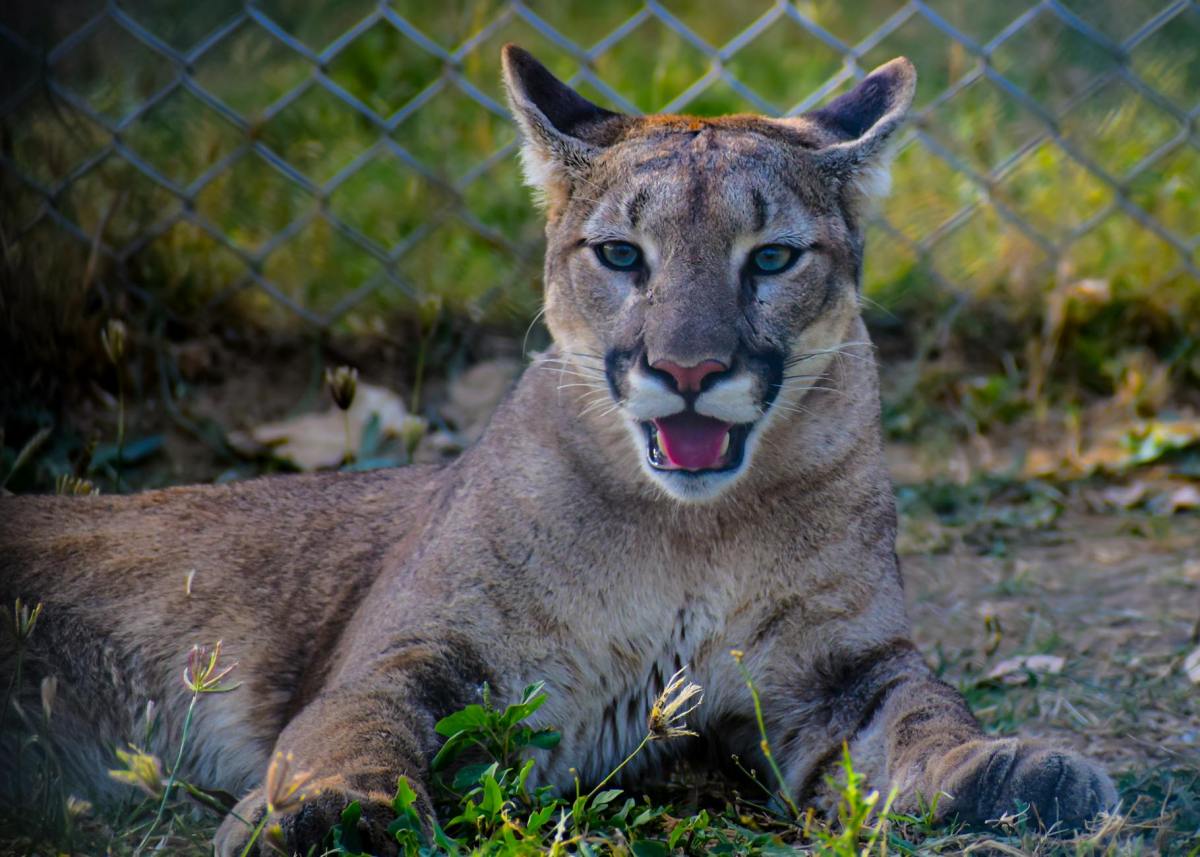
The “cat” in Catskill comes from catamount, a somewhat archaic word for a cougar, also known as a puma, mountain lion or panther. Although they’re very rare in the area these days, mountain lions were abundant in the forested valleys and mountains of the Catskill region.
Thus Catskill translates to “cat creek.”
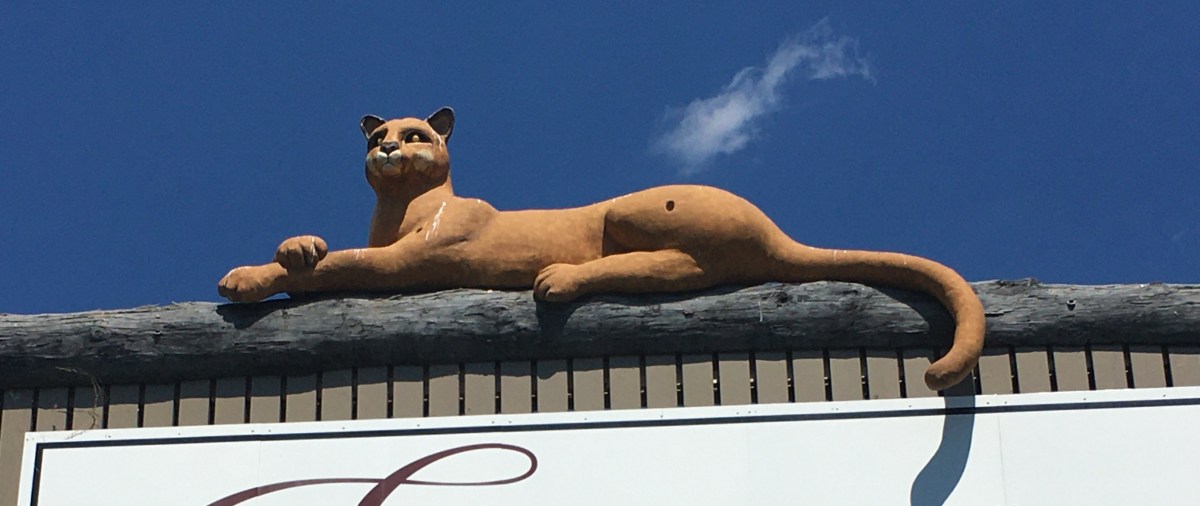
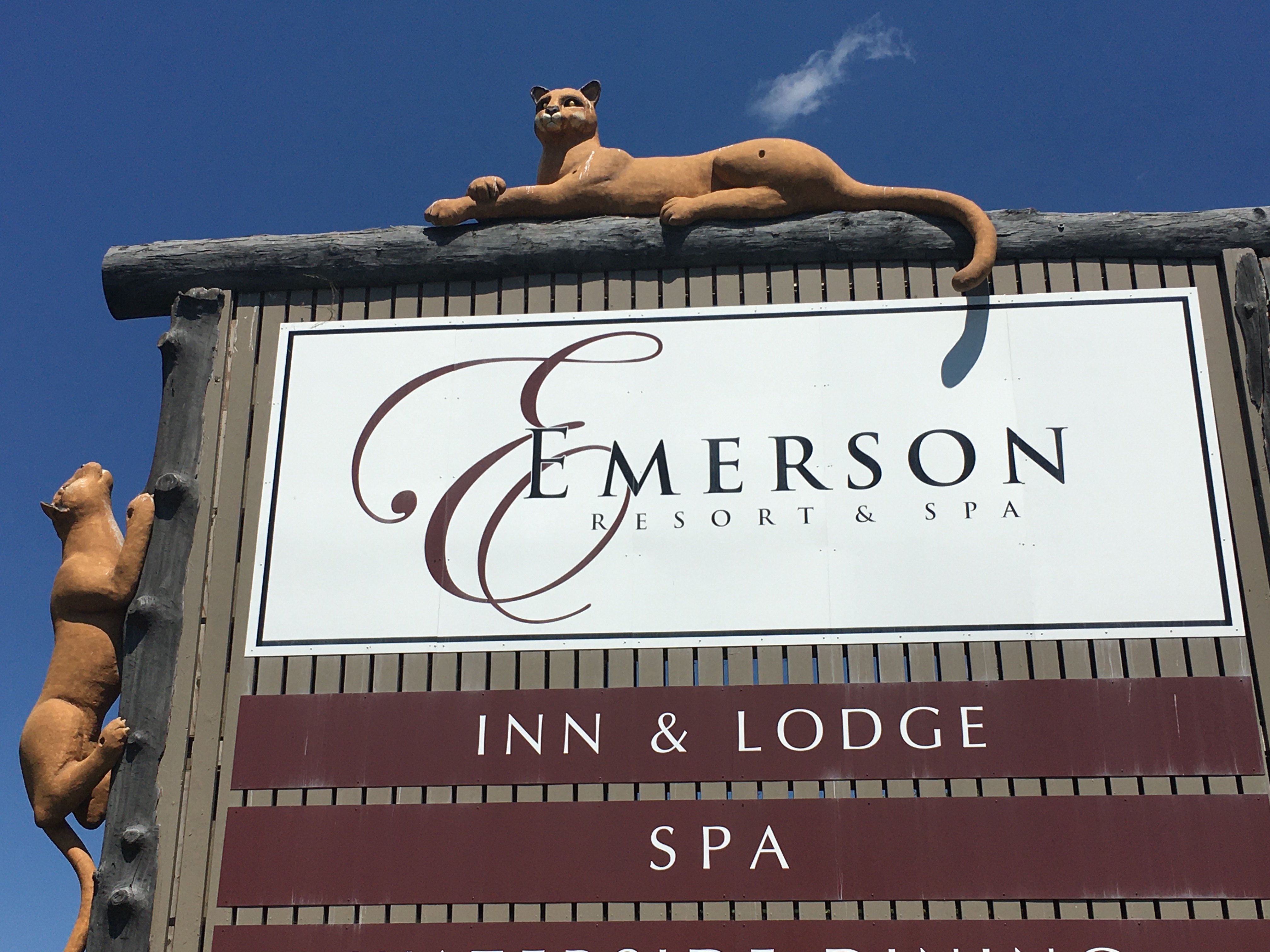
This hotel on Route 28 has a section dubbed The Catamount, with carved wooden mountain lions keeping watch over the guests:
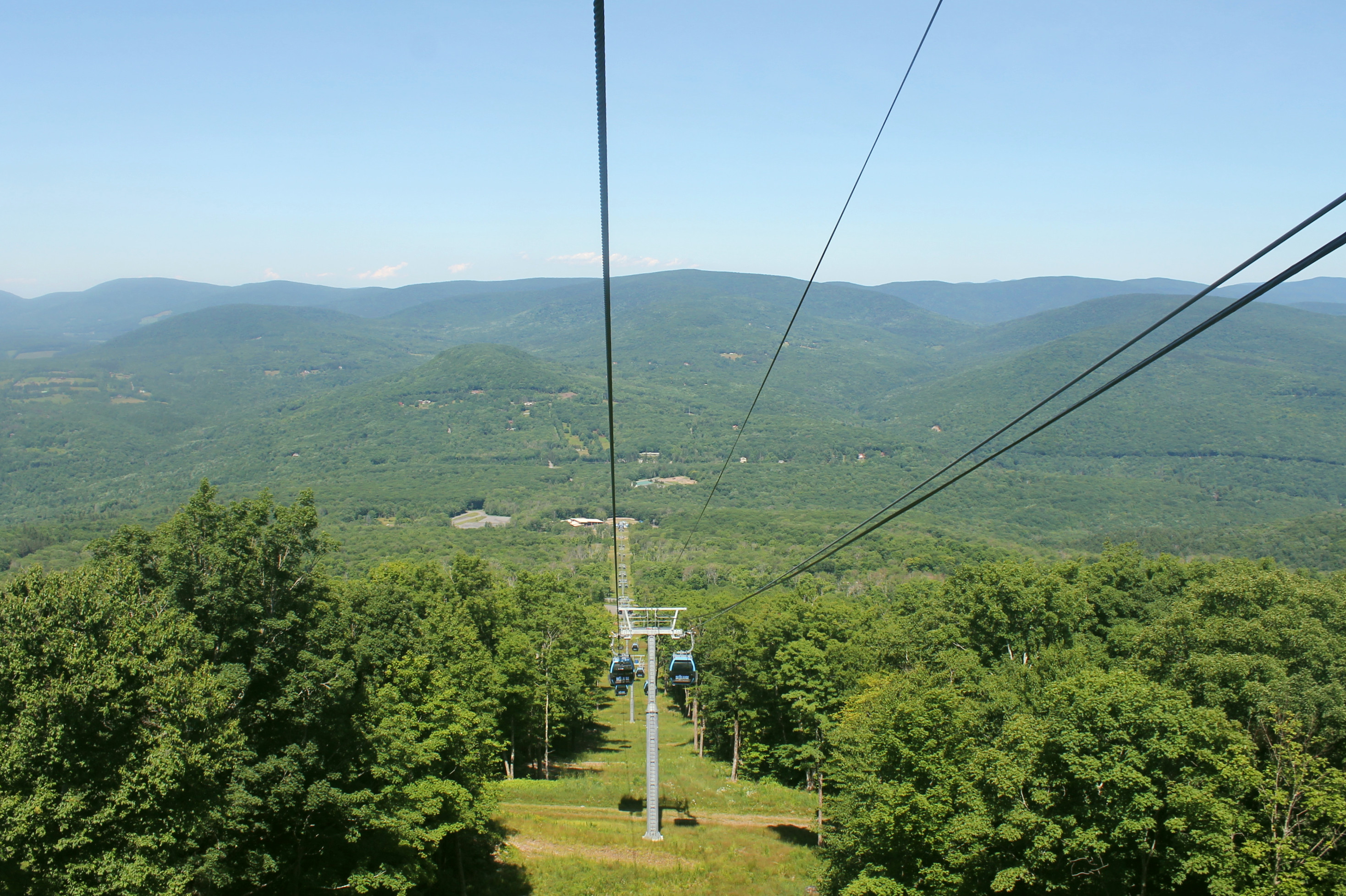
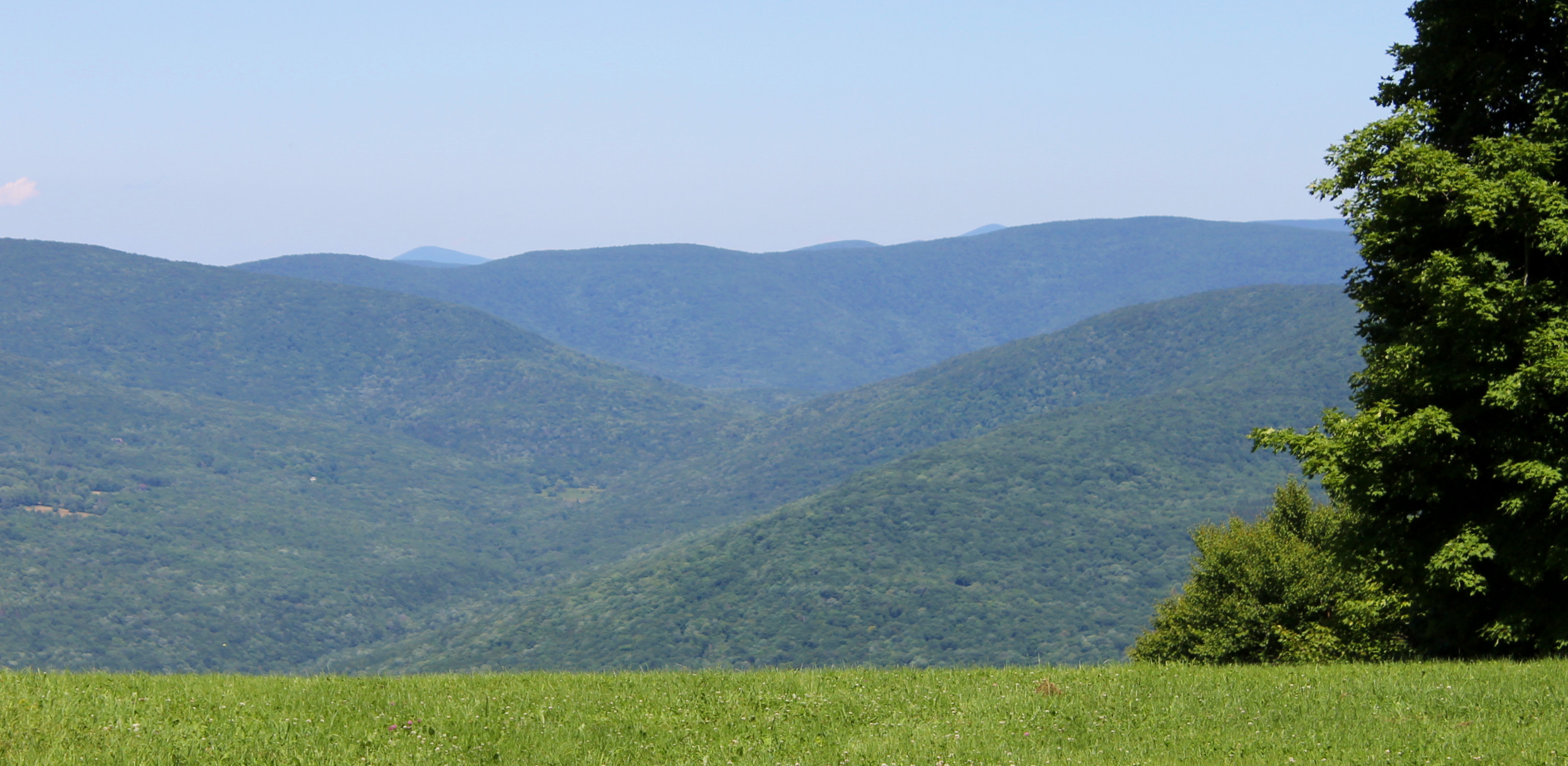
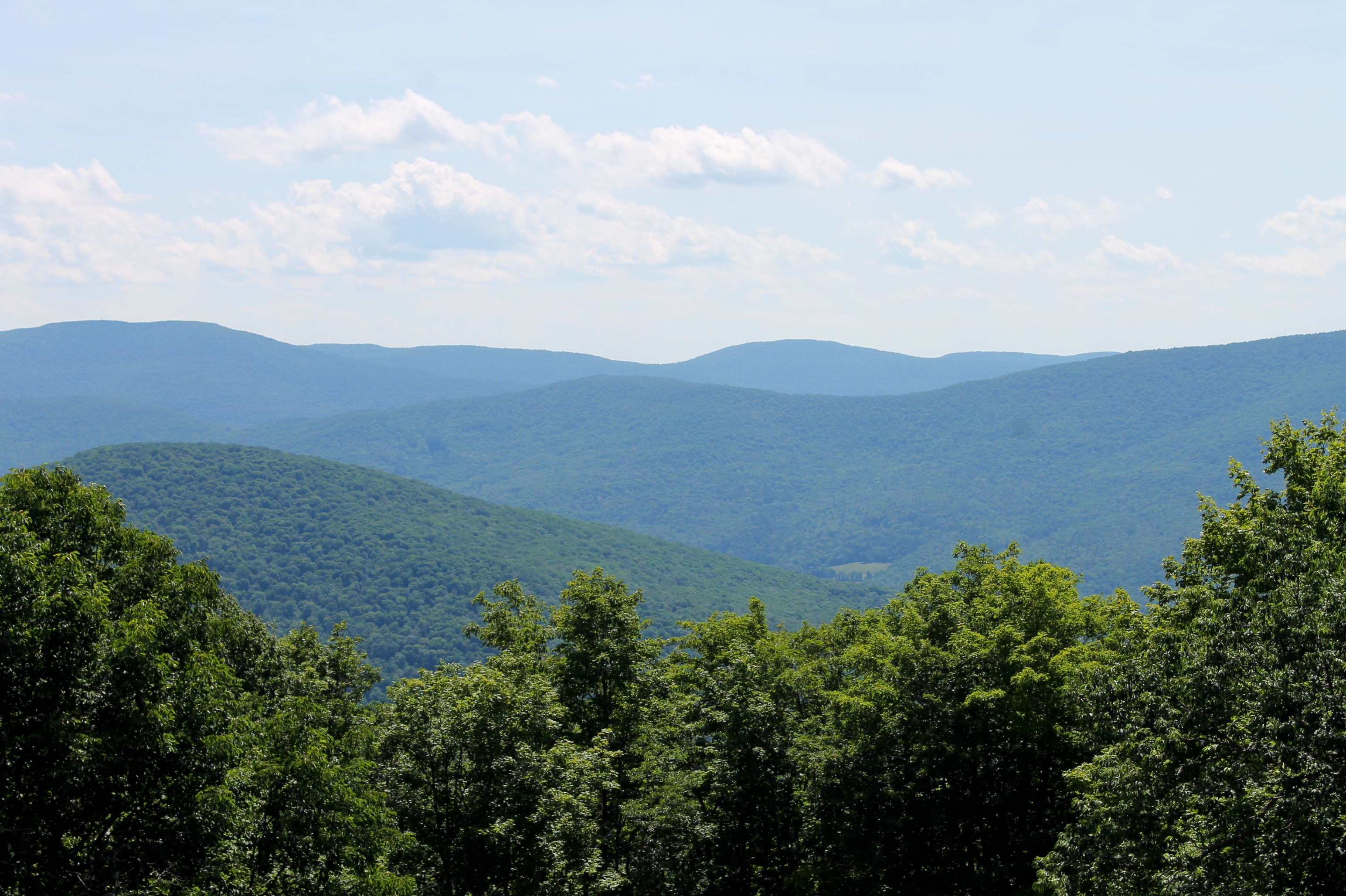
Belleayre Mountain is a ski resort that offers scenic gondola rides in the summer. Here’s the view from the gondola:
And from the mountain top:
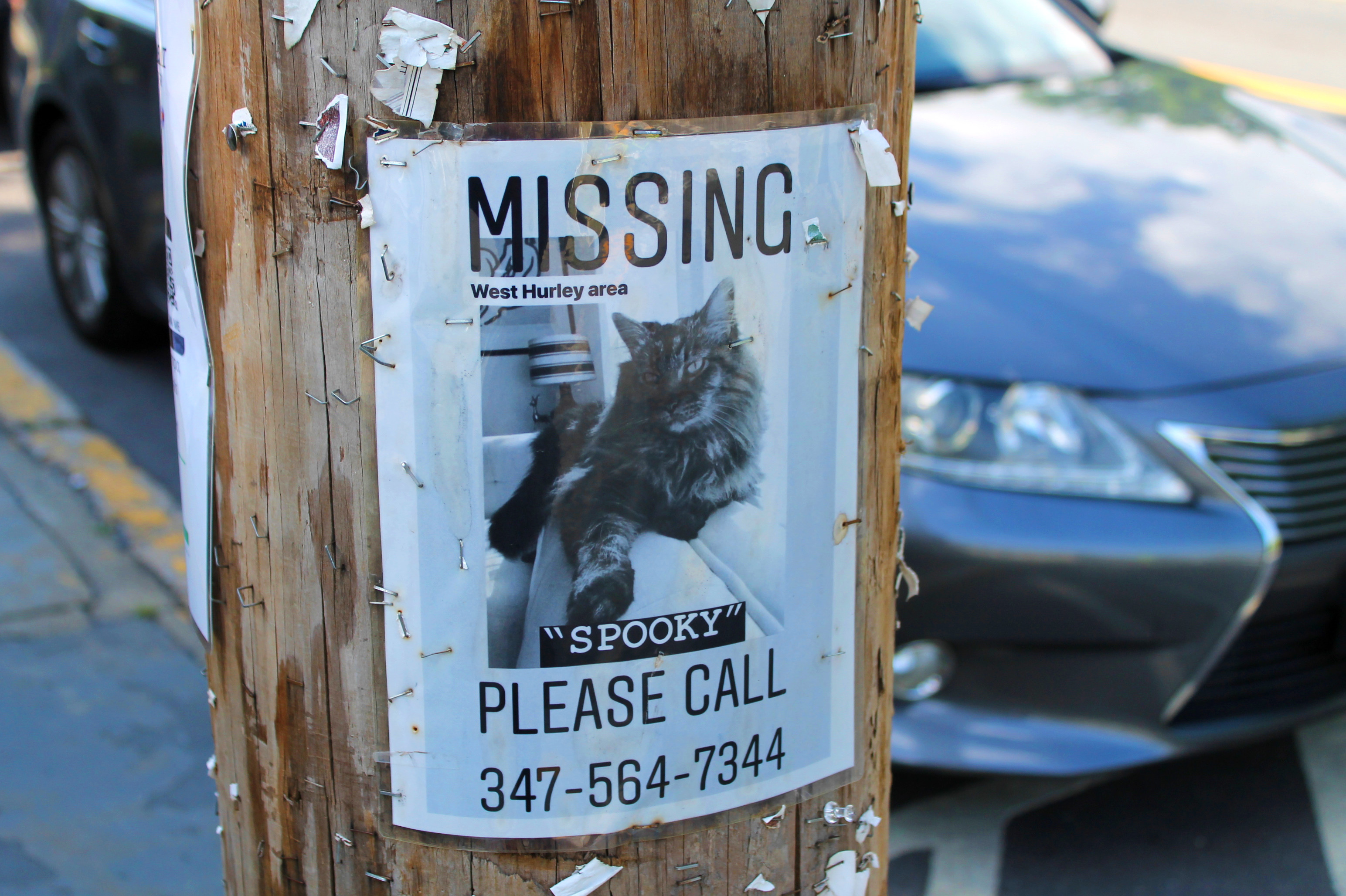
I saw this sign in Woodstock. We hope little Spooky finds her way home:
A sign declares “HIPPIES WELCOME” in Woodstock, but not today — the shop is closed because of COVID-19:
This is the interior of Candlestock, a candle shop in Woodstock, NY. As the sign says, the “drip mountain” was started 51 years ago and has grown into a monstrosity of wax:
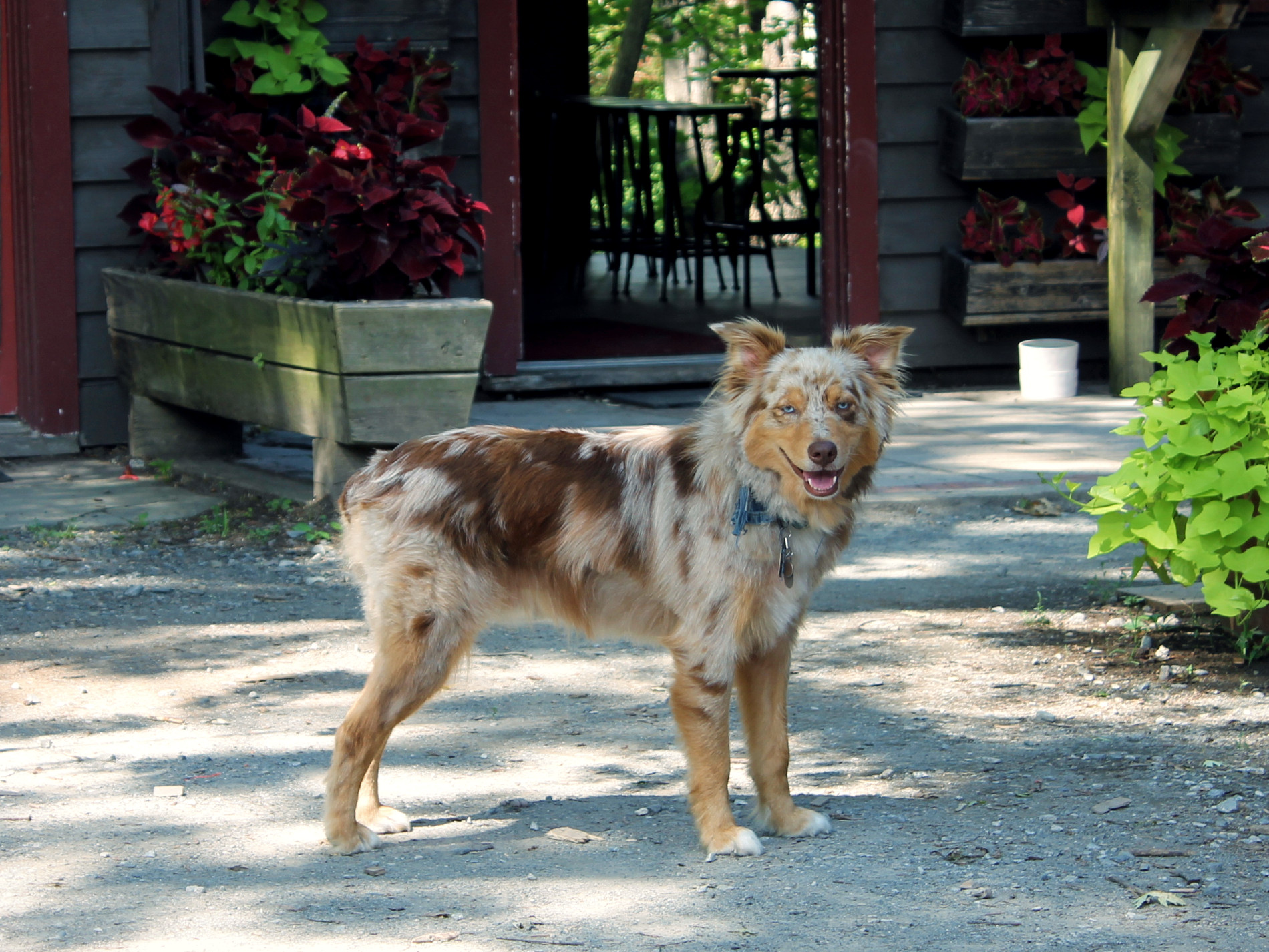
This dog was well-behaved and polite and waited for us to get up from our chairs before he swooped in for potential crumbs beneath the table. He’s got a unique coat and look, and he’s missing his tail. Does anyone know what kind of dog this is?
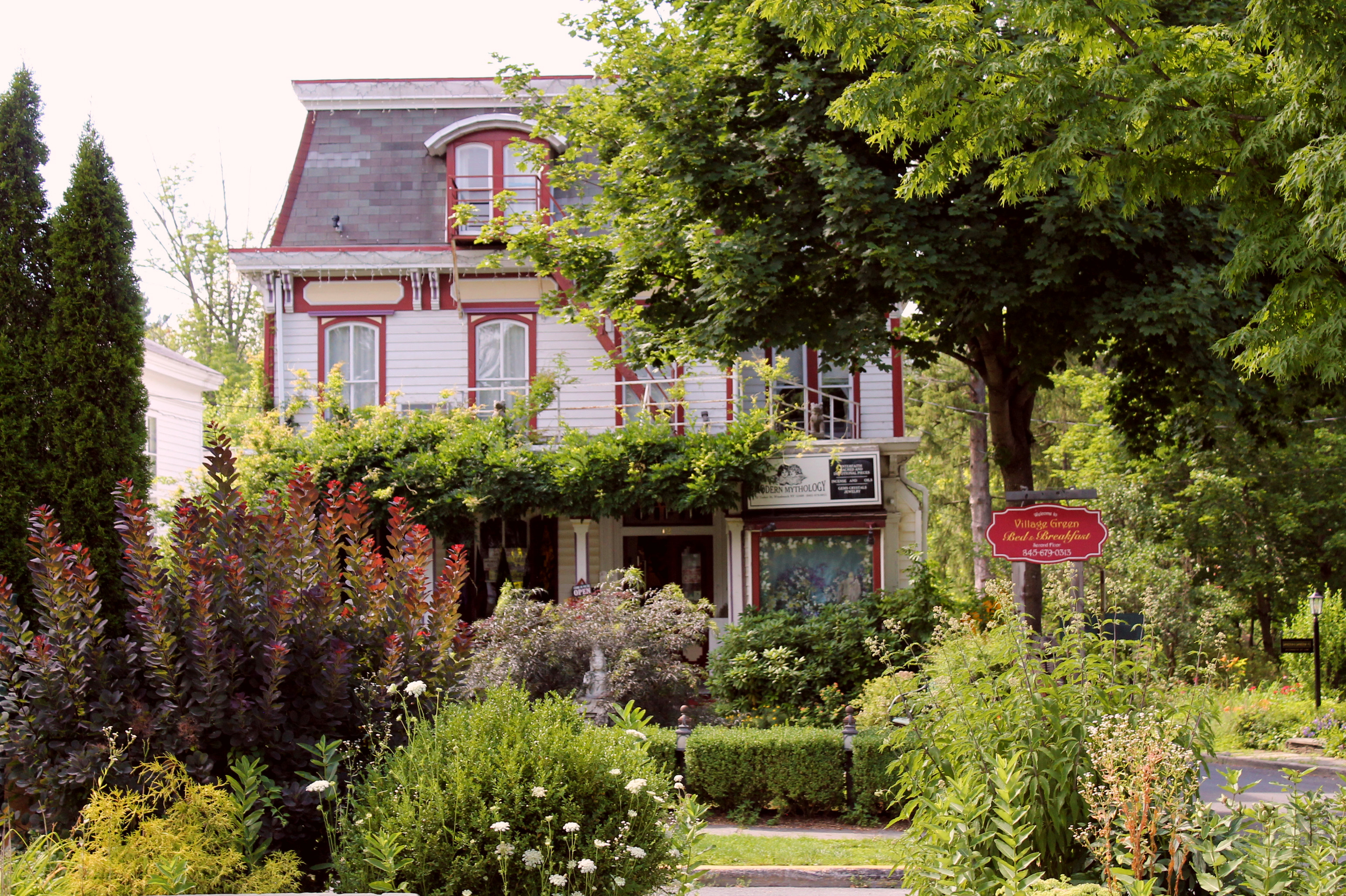
A shop called Modern Mythology on Woodstock’s main stretch:
Here’s my seven-year-old niece exploring the edge of Esopus Creek:
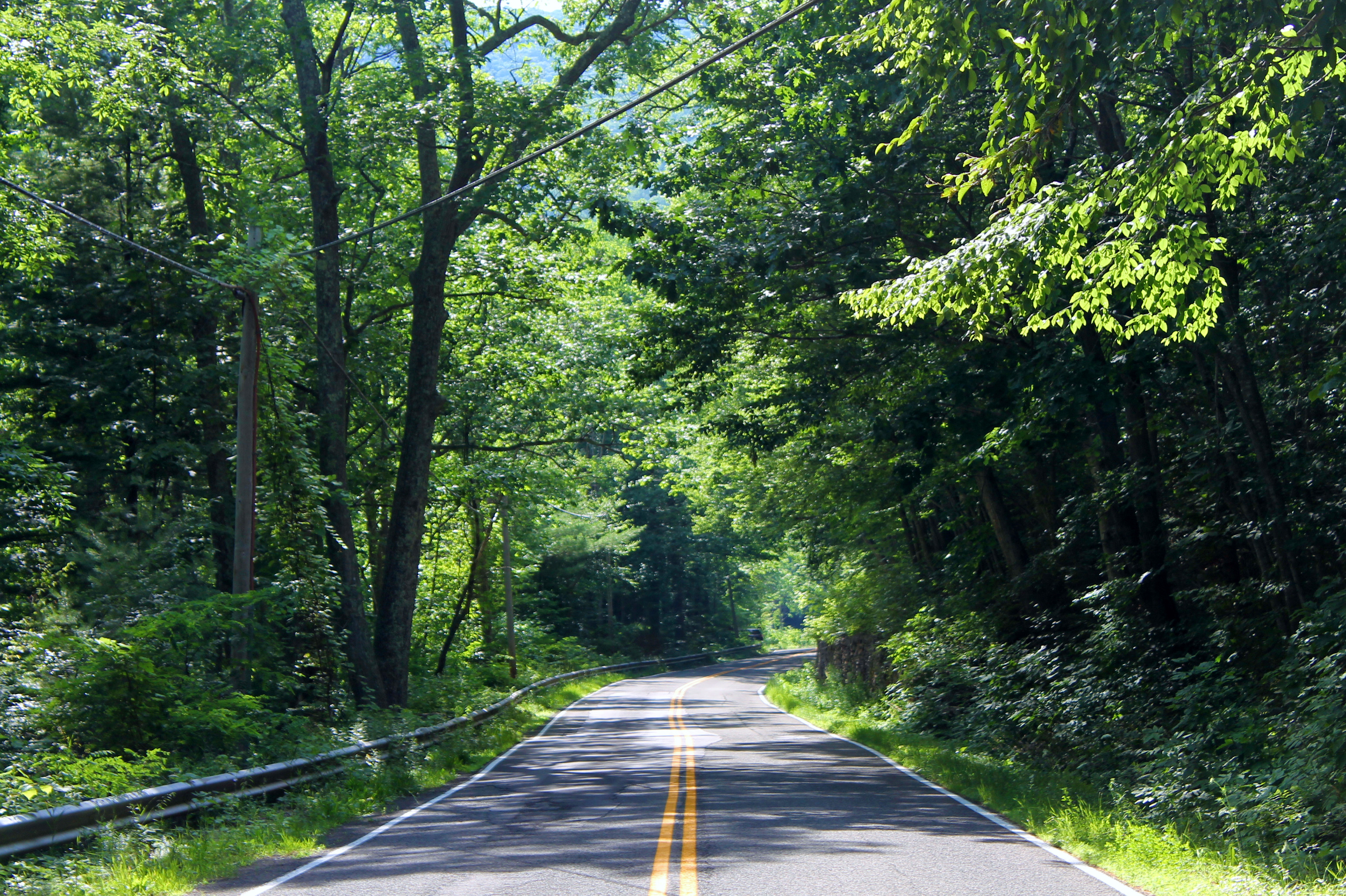
A stretch of rural road that I thought looked pretty cool:
Fabulous Furniture on Route 28 is adorned with metal sculptures of aliens, rocket ships and UFOs, all built by the store’s owner, Steve Heller:










 Pain In The Bud