What’s Good About Having A Pet? Everything!

Animals are a real source of joy in this world, and few things are better than cozying up on a couch with a book and a purring cat in your lap.

Daily writing prompt
What is good about having a pet?

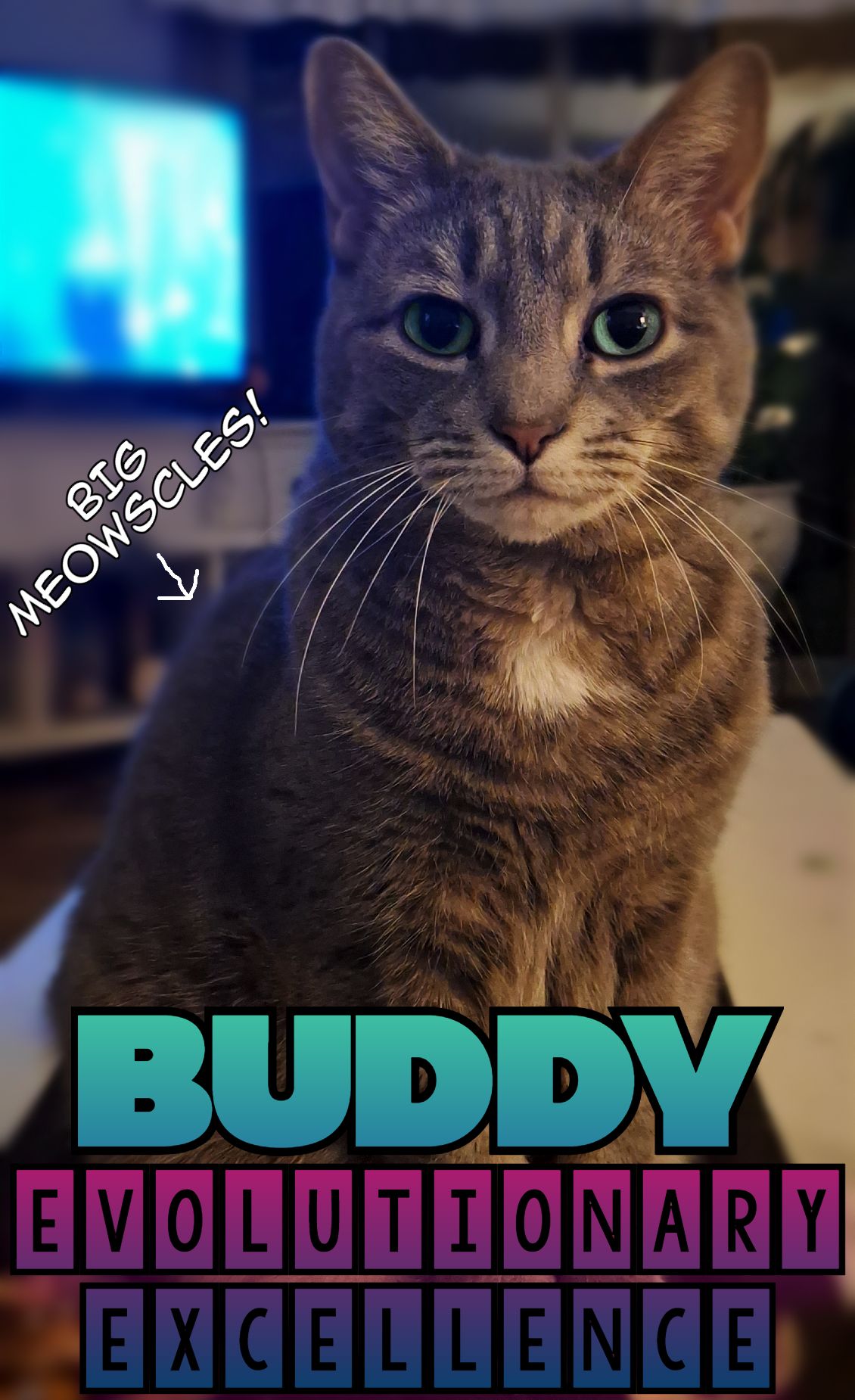
For more than two weeks after adopting him, I still didn’t have a name for my cat.

I imagined something badass, something funny, something better than all those boring pet names. But the playful, energetic, bold little kitten in front of me was no Brasidas (my favorite Spartan), Mo (my favorite pitcher) or Timothy Cavendish. (My favorite character from David Mitchell’s Cloud Atlas.)

So I kept calling him buddy while I waited for something to come to me, and then it became obvious: He is Buddy.

Original? Nah. But it describes him perfectly, and to me that’s the best part about adopting him, my first-ever pet.

We’re pals. Amigos. Chums. Accomplices. Buddies.

Buddy as he exists in his mind!

I don’t consider myself his “dad” even though I have parental, protective feelings for him. He’s my buddy who wants to be involved in everything I do, whether it’s helping me greet trick-or-treaters at the door like he did last night, batting a paw at my guitar strings to add his special touch to my recording takes, or just hanging out while I’m reading.

I knew it intuitively, but the best advice I ever got was to always remember your little friend, be it a cat or dog, has his or her own feelings.

There’s a lot of confusion around the word sentience and people often confuse it with the concept of sapience, but there is no doubt about it: mammals like cats and dogs, avian species like corvids (ravens, jays, crows and magpies), and even cephalopods like octopus are sentient.

They think. They feel. They experience emotions like joy, sadness, excitement, anxiety, love, loneliness and more, just as intensely as we do. They may not be able to articulate those feelings in words, but they’re real.

More than half a century’s worth of science has confirmed that fact at every step, and we continue to learn more about animal cognition with every advance in technology that allows us to peer deeper into their minds.

Awww, he tolerates me!

When you treat your pet with respect and keep their feelings in mind, you’ll have a friend for life.

A loyal friend whose love comes without condition.

A friend who won’t lie to you…except maybe when it comes to food. After all, Bud could win an Oscar for his role as a starving cat, even though a single glance at him confirms he’s never missed a meal.

If you’re where I was years ago and considering bringing a pet into your life, ask yourself if you’re ready for a commitment that could last two decades, if you’re ready and motivated to give an animal not just a forever home, but the best life the little one can live.

Remember that kittens and puppies grow up fast, and think about whether you’d rather have a whirlwind of energy who will wreck your sleeping habits for months, or an adult furball who is much more chill. Remember that you will have to do things you don’t like, whether it’s scooping a litter box or bagging poop on a walk. There will be expenses, scares, the occasional puked-on rug.

But the joy you’ll get, and the friendship you’ll have, will make it all worth it.

And if you’re sure, find yourself a buddy at your local shelter. Your life will be better for it.

P.S. If you’re a fool like me, you can also have fun imagining your cat or dog in absurd scenarios based on their personalities.

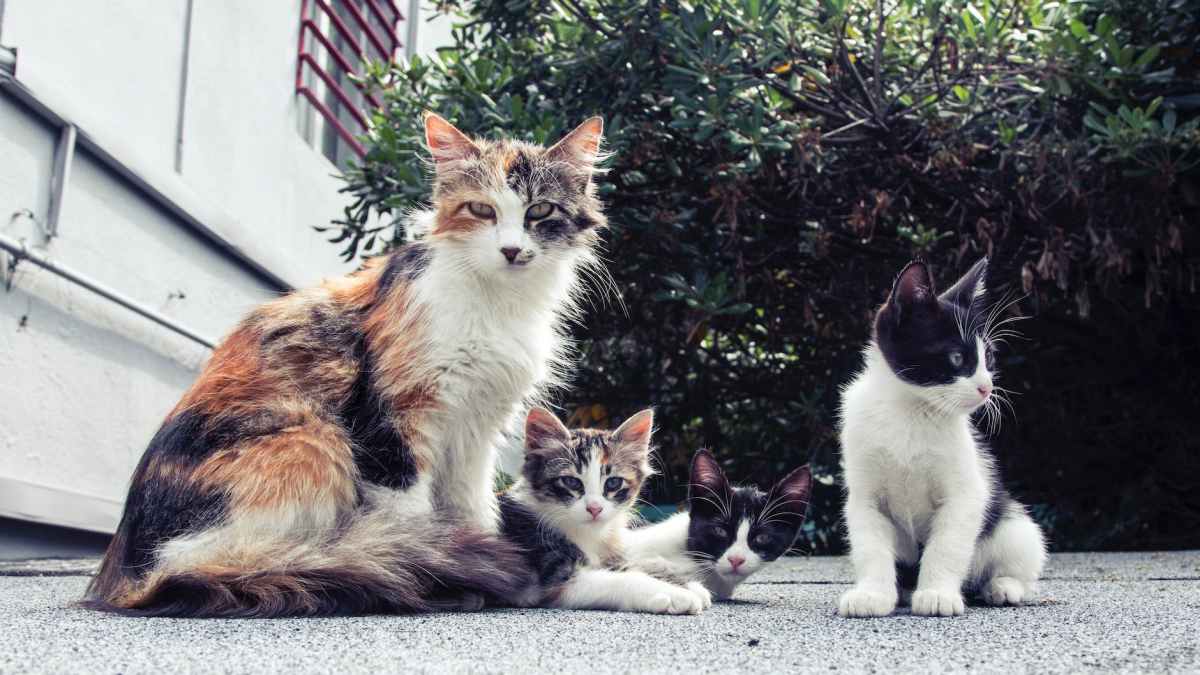
Cat Domestication Was The Start Of A Beautiful Friendship

Domestication’s real goal: to make cats cuddly as well as great mousers.

Cats have been doing things their way since the very beginning.

Unlike literally every other domesticated animal, cats were not domesticated by humans. They did it to themselves.

As if that didn’t make them unique enough, they lay claim to another major distinction: they’re the only species of obligate carnivores to undergo domestication in the entire history of human existence.

That explains why cats, more than any other animal that depends on humans, so closely resemble the wild animals they were before signing up for the good life of naps, warmth, endless rodents to hunt and free food from their new human friends.

In a new essay for The Conversation, evolutionary biologist Jonathan Losos, author of The Age of Cats: From the Savanna to Your Sofa, notes new DNA analysis settles the question of where cats came from once and for all.

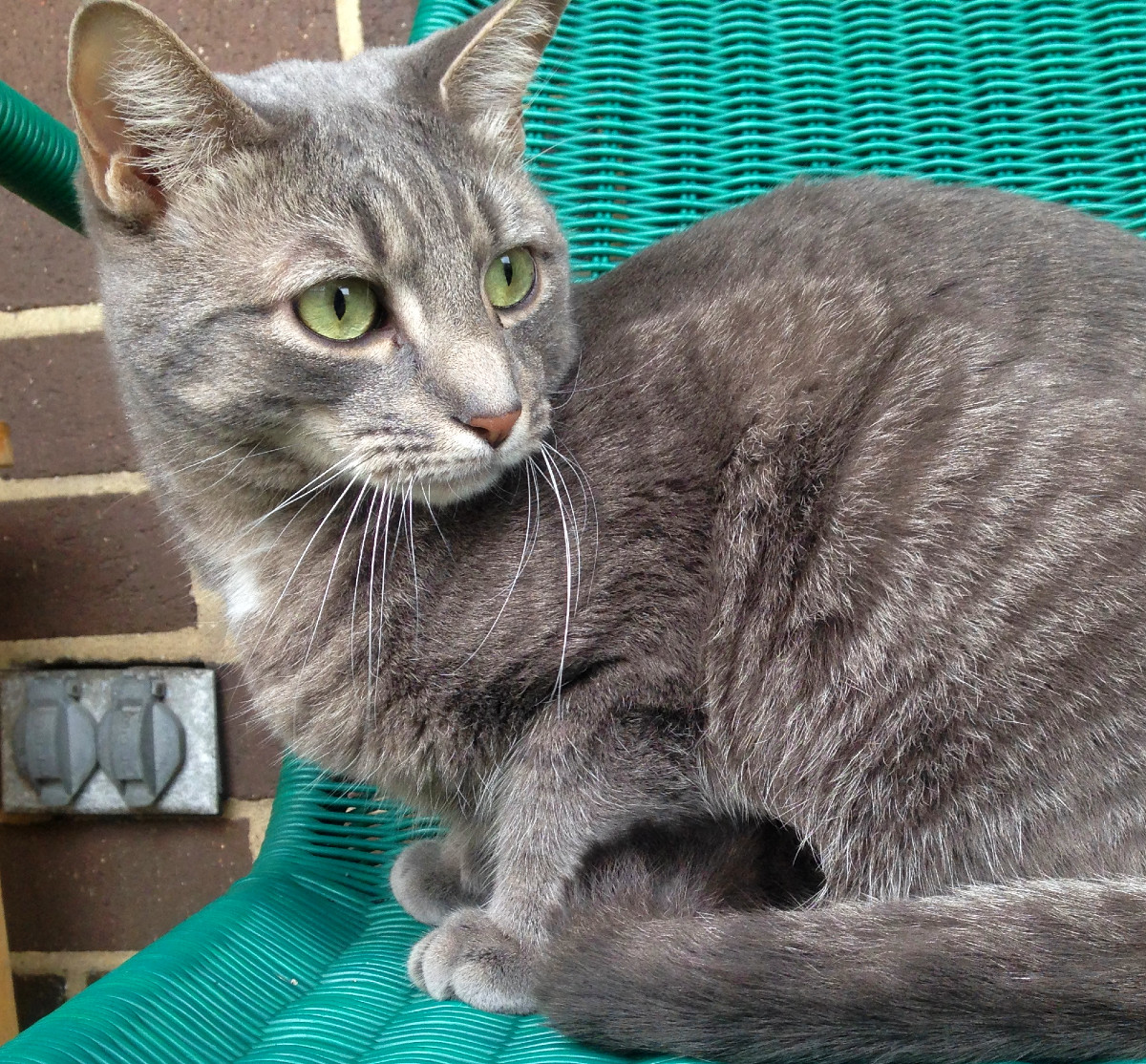
Domestic cats are descended from North African wildcats, specifically the species felis sylvestris lybica. Unlike dogs, who underwent telltale physical transformations when they evolved from wolves, house cats “appear basically indistinguishable from wildcats.”

“In fact,” Losos writes, “only 13 genes have been changed by natural selection during the domestication process. By contrast, almost three times as many genes changed during the descent of dogs from wolves.”

While the change in genetics that happen with domestication left cats pretty much as they were physically, the process made dramatic changes in the feline brain, reducing regions governing fear and expanding those related to social behavior. The result? The major difference between house cats and their wildcat ancestors is disposition.

In other words, domestication made cats cuddly.

buddyevolution
Housecat evolved.

Notably, felis sylvestris lybica had to be pretty friendly in the first place, as well as bold and driven by the now-legendary feline curiosity to risk padding into human settlements with their bright lights, strange smells, open flames and the two-legged giants striding around them.

They didn’t have a way of negotiating or signaling their intent. They couldn’t say: “Hey guys, we’re here to kill and eat the tasty rodents who have been giving you problems by chowing down on your yums, but we don’t want your yums for ourselves. Plants are disgusting!”

So they had to demonstrate their usefulness, prove their worth, and enjoy the fruits of it by curling up in front of warm fires or on human laps.

That explains why it was the African wildcat that became a human companion species and not European wildcats, whom Losos notes are often “hellaciously mean” in interactions with people, even if they’re raised around humans when they’re young. It was also a matter of being in the right place at the right time, as nascent human civilization took root in the Fertile Crescent.

But ultimately, just like cats decided to domesticate themselves and didn’t really bother to consult us about it, so too do they bend us to their will with an entire repertoire of manipulative behavior, from solicitation purrs to incessant meowing and having a talent for looking their cutest when they want something.

While we may think we set the rules and parameters of our relationship with the furry little ones, as Losos notes, “cats usually train us more than we train them.”

Read the whole thing here:

Feline evolution: How house cats and humans domesticated each other

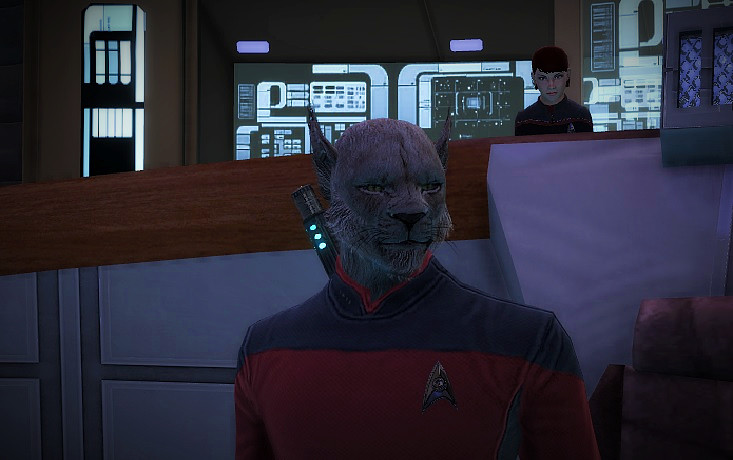
Captain Buddy and the Voyages of the USS Yums

Captain Buddy and the USS Yums arrive at the Dog 359 system to assess the species Canidae’s candidacy for membership in the Furrderation.

Catptain’s Log, Stardate 20.20 dash 6.22 dot Yums:

We have arrived in orbit around Canis Prime in the Dog 359 system, home to a primitive pre-warp species known as Canis Familiaris.

Despite the presence of a team of interpreters, our diplomats have been unable to get the inhabitants of Canis Prime to calm down and stop trying to hump them.

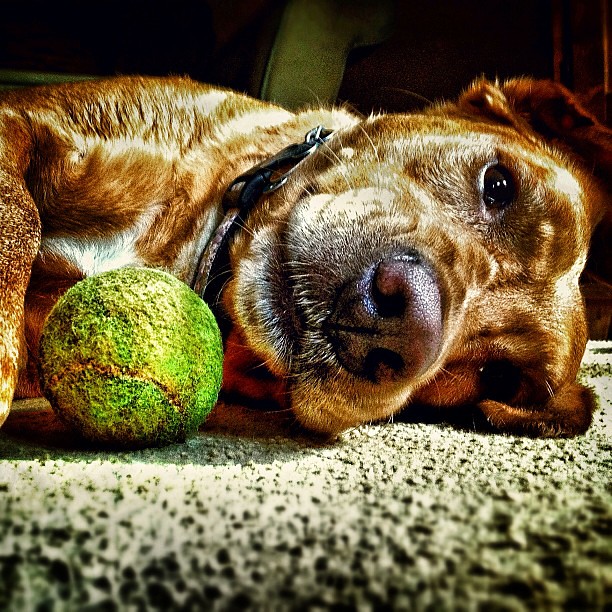
After presenting the primitive canids with a ball, a recreational object meant as a gift of goodwill, the canids pointedly refuse to accept the gift, insisting that our diplomats throw it, only for the canids to bring it back to them covered in a revolting membrane of canid slobber and demand they throw it again.

Our Interstellar Dog Intelligence and Observation Team (IDIOT) clearly failed to prepare us for these strange creatures and their repulsive rituals.

“Captain, I beg you to beam us up,” my normally stoic first officer, Commander Stryker, implored. “Please. These beings are too primitive and stupid to join the Furrderation.”

dogslobber
A member of the primitive species Canis Familiaris with the desecrated goodwill ball. Credit: Flickr

Tensions reached a boiling point when the members of my away team dug a latrine a few klicks from the primary canid settlement, Good Boyistan, and returned later to find a crowd of canids fighting amongst themselves to consume the team’s eliminations.

Shortly afterward we received a hail from the Canid Welcoming Committee on the surface, formally requesting to tour the ship, with an uncomfortably specific number of questions about our ship’s litter system, as well as how and where our waste is disposed.

I’ve ordered my Chief of Security, Lieutenant Wharf, to post guards at all privy chambers on the vessel. I will not have my ship used as a dining facility by these strange creatures.

I regret having to conclude my report by advising against allowing the Canidae membership in the Furrderation. There’s just something fishy about them, aside from the whole eating our poop and slobbering things. They are too friendly, suspiciously friendly even, and their culture does not appear to have any concept of personal space. In addition, they are embarrassingly easy to manipulate with simple praise, which would create a security risk for our Furrderation member species.

Captain Buddy out.

Lieutenant, have the transporter room recall the away team immediately and set a course for the Fowl 62c system, warp five. It’s time we get the hell away from these filthy, disgusting, smelly…is this thing still recording?