It’s Never Easy With Bud

Little man’s got acne and won’t let me use a hot compress. Will a topical cream work?

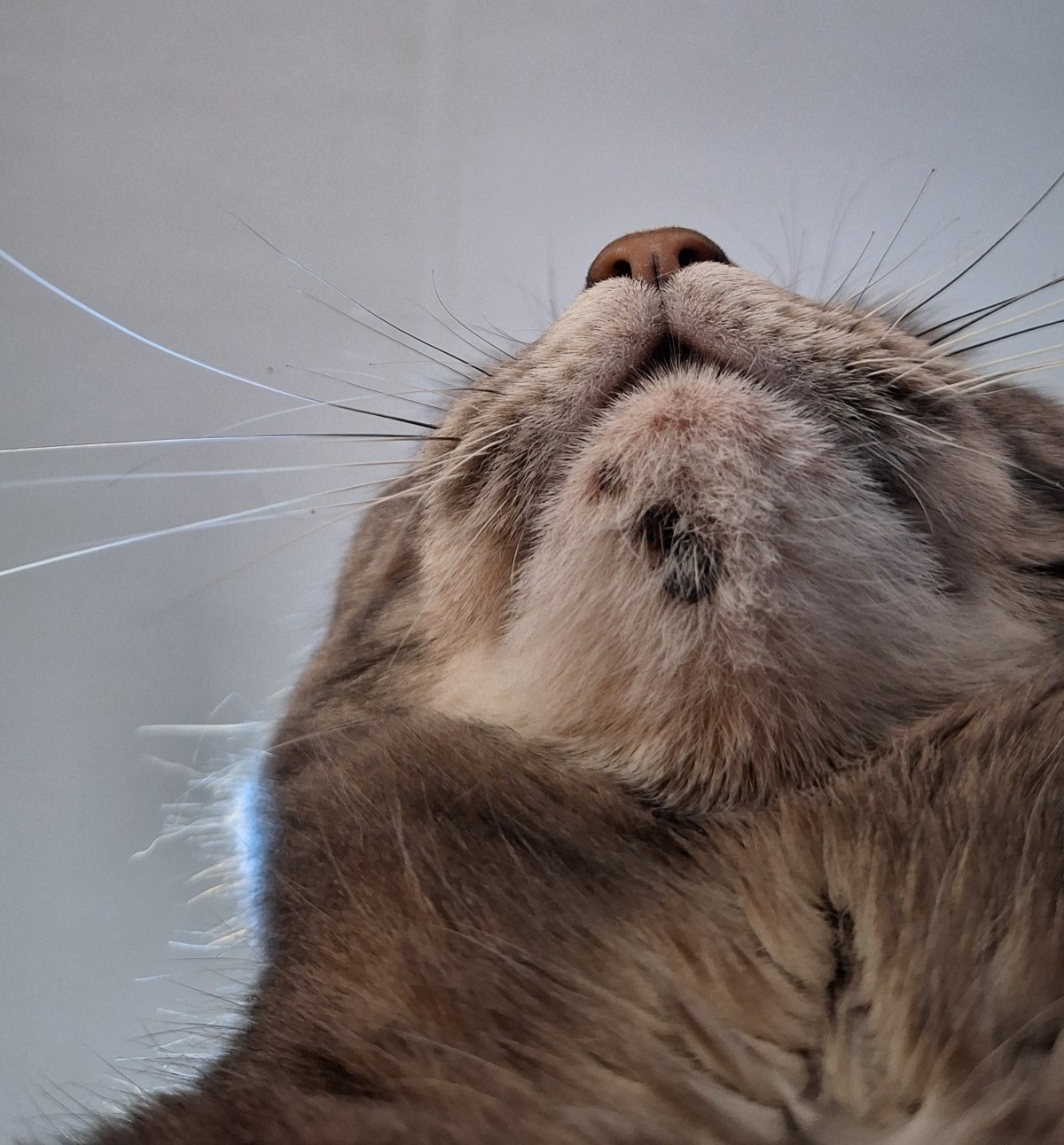
The gross picture you’re looking at is the underside of Bud’s chin.

I knew he’d gotten acne again, but was surprised to see it’s this bad.

So I turned to Google, read a bunch of stuff, and watched a video in which a veterinarian had her arm around calm cat, who allowed her to rub its chin with a warm compress and witch hazel.

These veterinarians with their calm cats! You never see them with a cat like Bud, and I know there’s no magic to their approach because I’ve warned vet techs about him before and have seen them still come away with scratches.

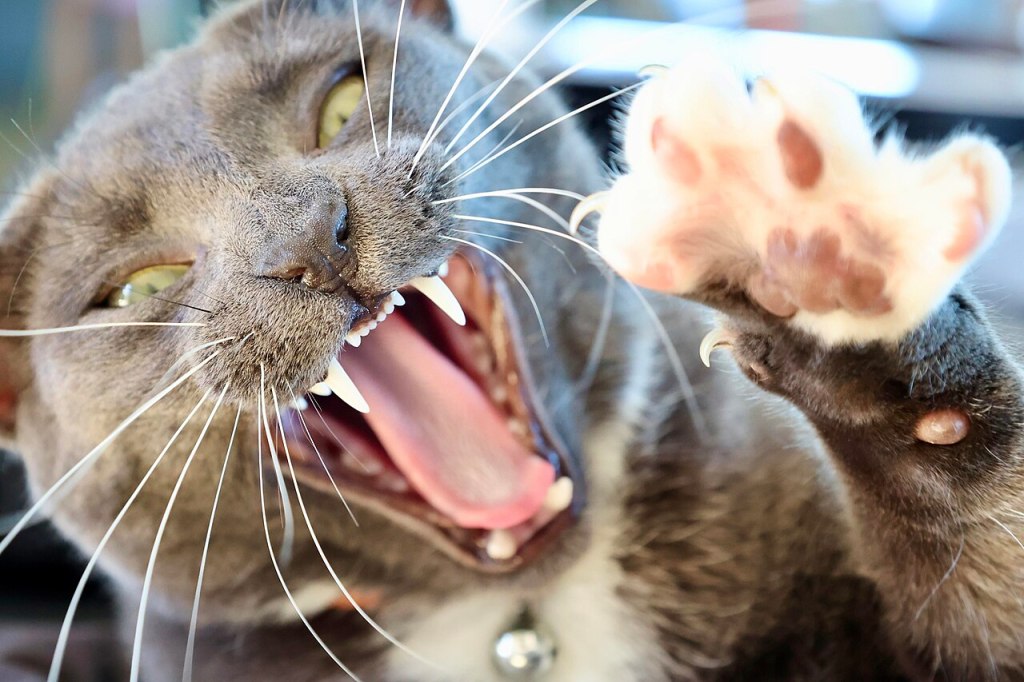
Buddy’s selfie, triggered by the little guy himself when I was trying to get a clear shot of his acne so I could assess how bad it is.

I don’t have any witch hazel, but figured a warm compress could help. I should have known better. He won’t let me do it, just like he won’t let me trim his claws, brush him for more than two seconds at a time, or do just about anything else for his benefit.

When it’s his idea, of course, I can rub his chin until his heart’s content, as well as the top of his head, his cheeks and around his ears. But at all other times? Terrible! Unacceptable!

He is such a pain in the ass. A Pain In The Bud, you might even say. I love him very much and he’s generally a good boy, but what a pain in the ass.

I already have stainless steel bowls for him, so unfortunately this may be my fault for either not cleaning them well enough or not running them through the dishwasher enough to kill off all potential bacteria with heat as well as soap. Normally I wash them by hand with soap between meals/water refilling, and once a week in the dishwasher, but it looks like I’m going to have to be a lot more thorough and really scrub the hell out of them.

In the meantime, can anyone recommend a good topical cream? Bud won’t let me apply anything with a warm cloth or even a soft tissue, but I think I may be able to distract him and apply a topical cream with a Q tip. Then hopefully he’ll realize I’m only trying to help and allow me to apply it.

Investigators Rule Sanctuary Fire ‘Not Suspicious’ As Vets And Volunteers Treat 200 Surviving Cats

As veterinarians treat the surviving animals for ailments like smoke inhalation and burned paws, donors from all over the world have contributed $750,000 to help the newly homeless moggies and ensure Happy Cat continues in some form.

Investigators are still looking for the exact cause of Monday’s fire, which claimed the life of a New York cat sanctuary founder and about 100 of its feline residents, but they now say the blaze doesn’t look suspicious.

The fire started inside the main structure at Happy Cat sanctuary, Brookhaven Fire Marshal Chris Mehrmann told local media, and investigators “cannot rule out a fire caused by propane-fed portable heaters that were in the area of fire origin.”

Happy Cat founder Christopher Arsenault, 65, was found on the second floor of the building surrounded by animals he was trying to rescue. Neighbors told investigators that they saw Arsenault emerge from the home with several cats, then dash back inside in an attempt to rescue more of the felines he cared for.

When Arsenault converted the home into a sanctuary, he cut holes in the walls and floors to create passages for the cats. Unfortunately, Mehrmann said, the fire spread more quickly because of those modifications.

In the meantime, people from the local community, the SPCA and privately run animal welfare organizations have teamed up to care for the 200 or so surviving felines. Donations have also come pouring in from all over the world, totaling more than $750,000 as of Friday morning.

More than $670,000 of the funds have come from 13,000-plus cat lovers from dozens of countries who contributed to a GoFundMe drive started by Lisa Jaeger of Jaeger’s Run Animal Rescue in nearby Port Jefferson, NY.

A memorial image created by Loving Paws, a small rescue in Suffolk County, Long Island.

The surviving cats have a range of injuries, from minor sprains to life-threatening lung damage from smoke inhalation. Volunteers have spent the past several days trying to collect the traumatized animals from the vicinity of the destroyed sanctuary.

“I knew Chris well. I knew when he started. He died doing what he loved… rescuing animals,” said Robert Misseri, co-founder of Paws of War, which brought a mobile veterinary clinic to the site of the former sanctuary this week. “The very least we can do is continue his legacy and make sure that every single one [of the] cats get the proper love and care that they need to move forward.”

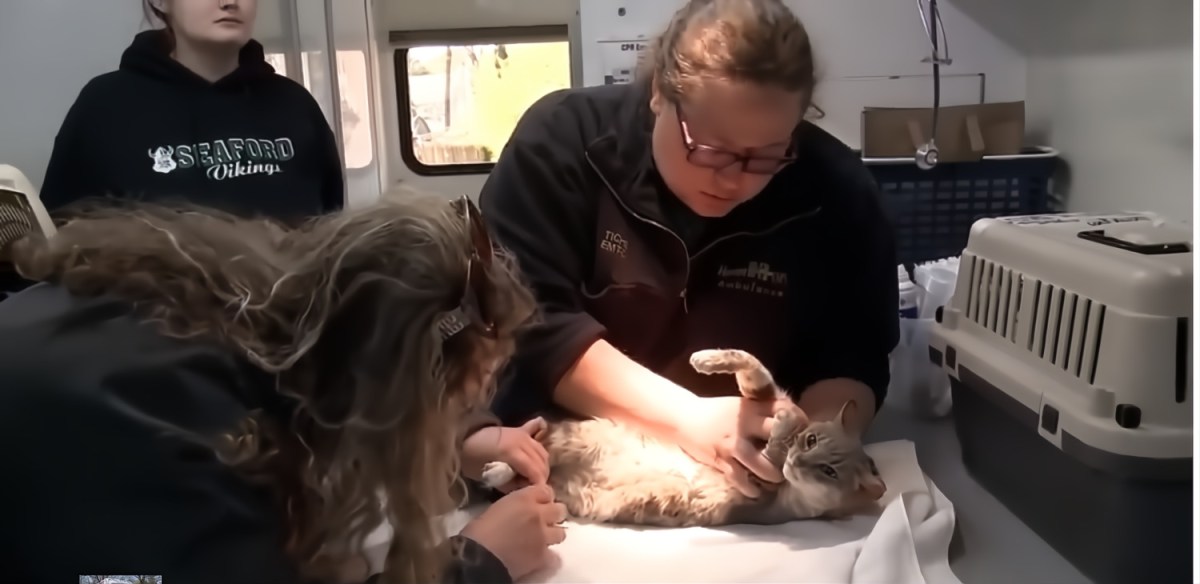
Veterinarians said they’ve treated lots of cats with burnt paws. Although the animals are skittish from the harrowing experience, rescues and shelters in the area are helping them find forever homes, veterinarian Jason Michael Heller told ABC News.

“We’re going to ask for our colleagues in the area here, hopefully, to take a few cats and try to get them healthy enough to be able to eat and be adopted,” Heller said.

People in the Long Island rescue community are also working on a public memorial for Arsenault, a man who dedicated his entire life to the animals in his care.

“There’s not going to be another Chris, ever, who does this,” said John Spat of Animal Protection Service, “and all we can do is try to recover what he was trying to do and try to move forward and help his organization work forward.”

A Cruel, Emotionally Manipulative New Scam Targets Cat Owners

“I had to leave work because I was a wreck, fully believing my cat was on the verge of life and death. It’s cruel that people do this,” one victim said.

Two weeks after his beloved cat vanished, Justin Hills received a phone call that simultaneously gave him hope and filled him with dread.

The man on the line spoke with practiced professionalism and told him that his cat, Little Wayne Shorter, had been found badly injured after he was hit by a car.

Little Wayne urgently needed surgery, said the man who identified himself as a staffer with Seattle Animal Shelter. Veterinarians were ready to begin surgery if Hills gave them the go-ahead and sent $2,800 via Venmo.

“The back of my head is screaming, ‘This is a scam. This is a scam.’ But at the same time, because it’s such an emotional pull, I’m thinking, even if there’s only a 10% chance that this is real, you know, I want to go ahead with it,” Hills told Seattle’s WKIRO.

Little Wayne Shorter

“The guy was rehearsed, was smooth. He sounded like, you know, an experienced person,” Hills said. “They had done some research on me before they called. You know, they knew my name. They knew my cat’s name, you know, the address and all this.”

When Hills called his bank, they warned him it was a scam. Hills said he’s glad he didn’t send the money but also devastated his cat is still missing — and that he was given false hope by someone trying to manipulate him in his desperation to be reunited with Little Wayne.

He’s not alone. In a post to Facebook group for missing pets in King County this week, Seattleite Harris Alex described a call from a person who claimed to work for Seattle Animal Shelter.

“They said someone found my cat, Binx, and that he had been hit by a car. They told me if I didn’t pay for surgery, he would die or be paralyzed within the next hour,” Alex wrote.

A caller said Binx, above, was seriously injured and needed urgent — and expensive — veterinary care.

Alex grew suspicious when the caller asked for a payment via Venmo, Paypal or Chime.

“I called the shelter to confirm they do not have him,” Alex wrote. “I had to leave work because I was a wreck, fully believing my cat was on the verge of life and death. It’s cruel that people do this. Be careful out there.”

Staff at Seattle Animal Shelter, which is run by the city, are aware of the scam and have gotten several calls from people asking if the shelter has their cats after being in contact with the impersonators.

“We would never ask somebody over the phone to make a payment,” said Don Baxter, manager of field services at the hospital. “We’re going to get that pet to a veterinarian and get it care and treatment, and then we’ll work out how to get the pet back to the owner after that.”

The lost/injured pet scam isn’t limited to Seattle, and the perpetrators will often switch to targets in another city if too many people become aware of their efforts, only to pop back up again later. The scam’s combination of social engineering and emotional urgency encourages victims to act quickly without giving the situation too much thought.

Experts advise people to keep their cool despite their hopes or fears, and demand proof that the person has the animal:

“This is one of the more difficult scams to deal with emotionally. If someone really has your pet, they should be able to at the very least send photos. Most people should be able to do a video call.

In general, scammers will pressure you to send money in advance. They will often make lots of excuses for not being able to provide proof they have your pet or meet in person.”

This general category of scam isn’t new, but social media has enabled scammers to believably pose as shelter staff using information pulled from the victim’s own lost pet posts and profiles, the FBI notes. The bureau also warns of several variations on the scheme.

Binx

The people running the con find their victims by scanning local missing pet groups on sites like Facebook and Reddit. They gather names and descriptive details, spin a narrative that shocks their intended victims, and create a sense of urgency by saying the cat will die if there’s any delay in performing surgery.

That’s what happened to Susan Burgess, who’d posted about her 15-year-old tabby cat, Linus, going missing. The caller said Linus was hurt and he needed to confirm her name, but Burgess realized he would have known it if he’d scanned Linus’ microchip.

She gave the scammer a piece of her mind before hanging up on him.

“On the off chance that you do have my cat, I hope that you are able to show some compassion and do the right thing,” she told the caller. “But I’m pretty sure that you don’t, and what you’re doing is very cruel.”


PSA: Speaking of scammy behavior, I can’t control the ads that are shown on PITB, but if you’re seeing ads for an amazing-looking, ultra-realistic toy rabbit presented as a great Easter gift, don’t fall for it. Here’s a video revealing what you’ll actually get from the deceptive seller:

Petition Aims To Make NYC Bodega Cats Official, Help Pay For Their Vet Care

The plan would allow bodega owners to certify their cats, eliminate city fines for keeping them, and help find homes for working felines if their stores shut down

Cats have been a fixture in New York City’s bodegas for decades, but technically they’re illegal.

The fact that they’re so widespread, and owners of the small groceries/delis don’t try to hide them, underscores the absurdity of the situation. The fine for keeping a cat in a bodega in New York is $200 for the first offense, capping out at $300, but the fine for a rodent infestation starts at $300 and can rise to as much as $2,000 for repeat offenses. That’s in addition to the cost of bringing in pest control to get rid of the rats, which can easily add hundreds or more to an expensive problem.

So given the option between a maximum $300 fine with a clean, rodent-free shop, and potentially crippling fines — plus infestation — for rodents, thousands of bodega owners opt for the former. It’s a no-brainer.

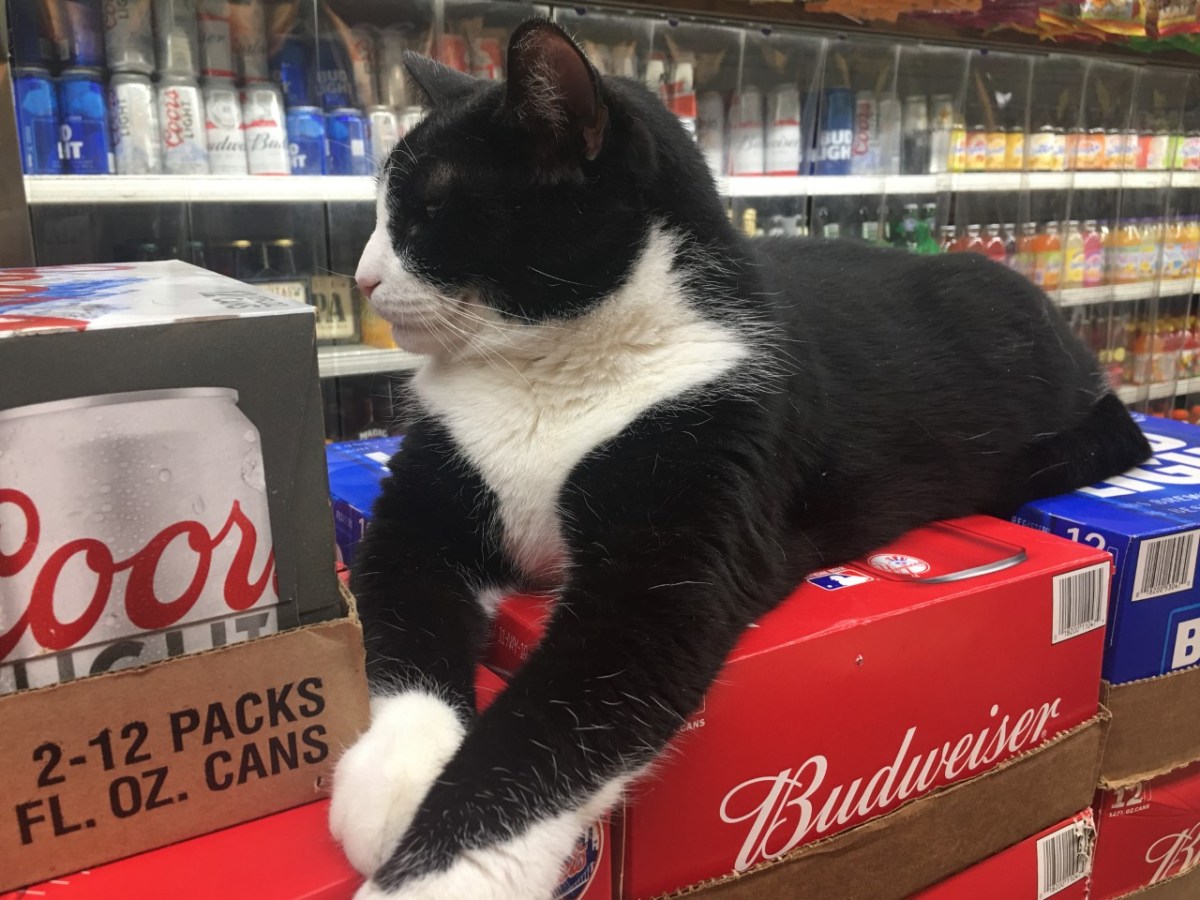
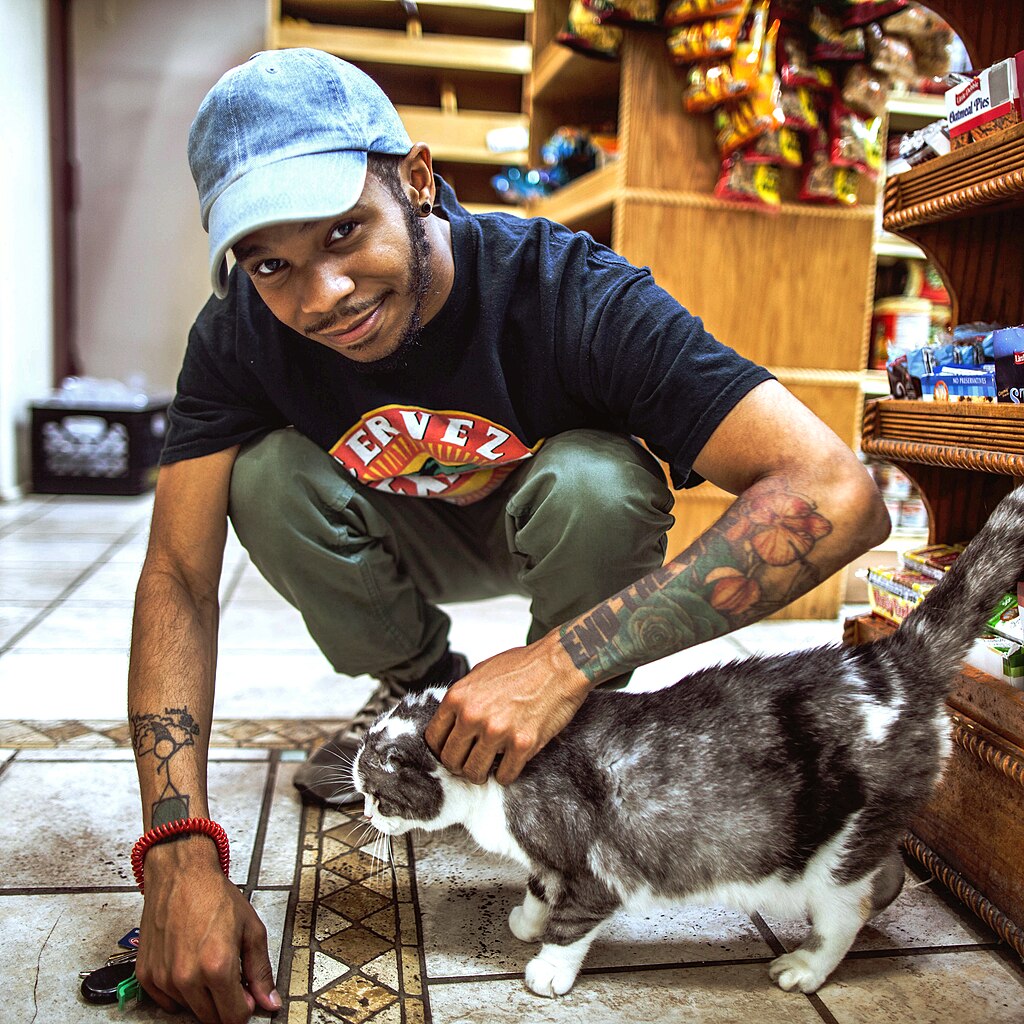
Kota, a bodega cat from Brooklyn. Credit: Wikimedia Commons

The cats are also favorites of customers, and bodega owners don’t hesitate to talk to media when their cats go missing, nor do they turn down Dan Rimada, who runs the extremely popular @bodegacatsofnewyork Instagram page.

Now Rimada is the man behind a petition that seeks to eliminate fines for the store-dwelling felines, establish a voluntary shop cat certification, and help bodega owners get veterinary care for their little helpers.

Rimada proposes soliciting seed money from city government as well as deep-pocketed donors in the pet food industry — “think Purina, Chewy, PetCo” — to establish a veterinary care fund for the city’s working cats.

“Through years of hands-on experience, I’ve witnessed both the charm of well-cared-for bodega cats and the harsh reality of neglect when standards aren’t met,” Rimada wrote in the petition, which has almost 5,000 signatures as of Feb. 28. “In conversations with rescue organizations and experts in public policy, business, and technology, we’ve designed a realistic, community-driven solution.”

Credit: @bodegacats_/Twitter

The fund would help cover the costs of care, with additional “micro-loans” available for emergencies.

Rimada envisions it as a triple win for the shop owners, rescuers who will be compensated for their time, and most importantly, the cats. If city leaders are willing to engage, Rimada says he hopes to conduct a year-long pilot program to see what works and what would need tweaks, with input from rescuers, veterinarians and the people who care for the cats.

The petition and resulting plan was inspired by cases like that of Kobe, a Hell’s Kitchen bodega cat who almost died of a urinary infection when the owners of the bodega balked at paying veterinary bills.

Vet’s Urgent Warning Over Laser Toys, Plus: US Now Has 200+ Cat Cafes

People who frequent cat cafes say they feel relaxed among the little ones. Hundreds of thousands of felines find their forever homes via cafes in the US, which are typically integrated with local shelter and rescue networks.

You may have noticed that most journalists don’t actually interview anyone these days, and the majority of “news” stories are either rewrites or lazily-assembled, 300-word virtual birdcage liners about which celebrity or influencer is “clapping back” at haters for “throwing shade” at them, with quotes directly copied and pasted from X or Instagram.

It’s cheap, easy content — far cheaper than funding war correspondents or impactful investigative journalism — and it doesn’t require reporters to leave their desks, speak to sources on the phone, or even fact-check what they’re writing.

“Well, they said it” is good enough for modern newsrooms, which is why we can’t have a national story or a disaster like the wildfires without waves of misinformation getting amplified by press and influencers alike. And the executives of the handful of remaining news companies wonder why trust in media is at historically low levels.

So these days, a veterinarian warning about laser toys via a TikTok video is considered international news. Nina Downing, a veterinarian with UK pet charity PDSA, took to the social media platform to warn about “laser pointer syndrome,” which she says can result in obsessive compulsive behavior in cats and dogs.

Our furry friends can become frustrated that they never actually capture the elusive red dot, according to proponents of the theory, and too much laser pointer play can result in a pet who barks at shadows or tries to tackle anything that moves.

“Cats have a hunting sequence to follow which is replicated in play, however if it doesn’t come to a successful capture at the end, this can cause them to become really agitated,” Downing warns.

Credit: WIkimedia Commons

Happily, Buddy is impervious to this alleged syndrome because he doesn’t actually have a “hunting sequence.” Born indoors, he’s known nothing but warmth and comfort, and food is something that’s served to him on a precise schedule, not something that needs hunting.

Accordingly, when we play with wand toys, Bud’s version of a “kill” is to grab the plush toy or feathers while dancing around on his back paws. He bobbles the toy while he dances, lets it go and resets the game.

The concept of a kill bite is completely alien to him, and apparently not even his feline instincts are enough to tell him there’s another step to “winning” the game. Still, I tell him he’s a good boy and a fierce little tiger because we can’t have fragile egos getting bruised.

That said, if you find lasers are one of the few reliable ways to get your kitty moving, it’s probably a good idea to wind down by switching to a wand toy. Let the little one simulate a kill, get a few rabbit kicks in and feel like a champ. There’s little or no research supporting the concept of laser pointer syndrome, but it still couldn’t hurt to give your feline overlord something tangible to “kill” at the end of a play session.

Cat cafes are more popular than ever in the US

USA Today has a story today about the apparent ubiquity of cat cafes in the US, and how they’re changing things for the better, for felines as well as people.

Using data from Yelp, the newspaper found there were 200 cat cafes, give or take, across the country at the end of 2024, up from about 75 in 2020.

“When we started, people weren’t quite sure what they were, there was a lot of explaining how they worked and what they were,” said Laura Konawalik, owner of a chain of three cafes featuring felines in North Carolina. “Nowadays people come in knowing the general concept.”

The same data shows searches for strings like “cat cafes near me” have increased 78,700% between February of 2020 and February of 2024, USA Today reported.

Patrons playing with cats at a cafe in Osaka, Japan. Credit: Wikimedia Commons

While cafes in some other countries are populated by felines owned by the proprietors, most cat cafes in the US are integrated with their local shelter and rescue networks, so patrons can adopt if they fall in love with the little ones they meet while having a cup of coffee or tea.

That means some of the oldest cat cafes in the country have facilitated thousands of adoptions and continue to find forever homes for their animals.

About 330,000 cats were euthanized in the US in 2023, the most recent year for which complete statistics are available, according to Shelter Animals Count, a national database that keeps track of shelter intakes and cat/dog euthanasia figures. Data for the first half of 2024 showed a decrease from the previous year’s numbers, but numbers from the latter half aren’t available yet.

Jet Taylor, a regular at Konawalik’s Mac Tabby cafes, says he keeps coming back to destress and feel calm.

“I would be willing to bet,” he said, “you could put a heart rate monitor on me and when I’m sitting there petting a cat, my heart rate goes down.”