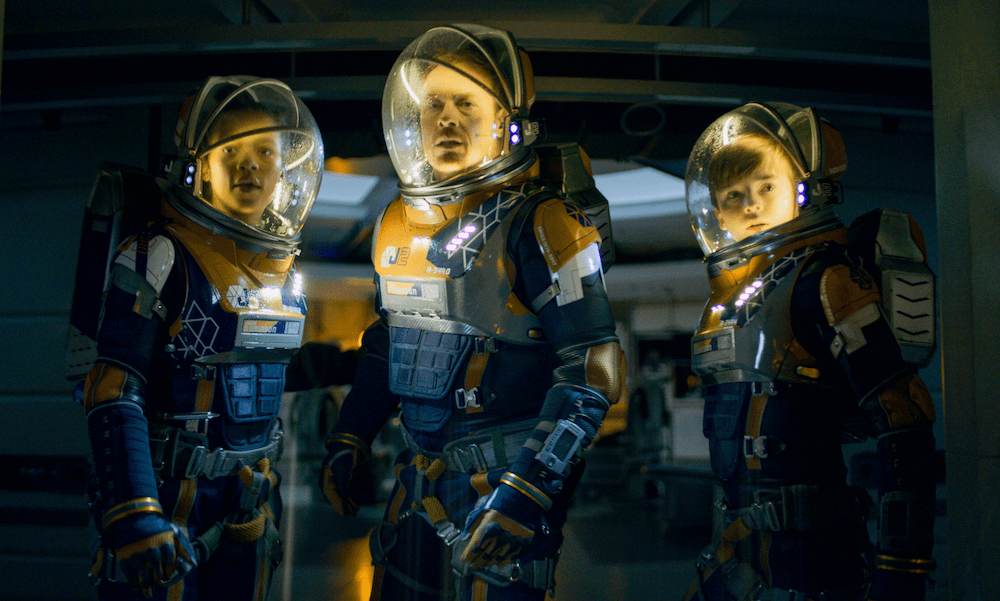
I wasn’t quite sure what to expect from Netflix’s reboot of Lost In Space.
Would it hew closely to the brightly-colored 1960s original in all its cheesy glory? Would it aim for a darker tone, as so many television series do these days? Would it be a low-effort nostalgia cash-in like so many ill-advised reboots of the past decade? And would the series, which was slated to keep things PG, have enough going on to appeal to adults as well as kids?
With Netflix delivering the third and final season last month, my verdict is in: Lost In Space is the rare worthy reboot, a visually spectacular retelling of the original that tweaks and modernizes the details in all the right places. There’s a generous amount of adventure, quiet character moments, and an overarching theme about the importance of family. Over the course of the story, the latter group that widens to include not only the Robinsons but also their closest friends who brave the cosmic dangers alongside them.
Speaking of danger, the original show’s most-used catchphrase — the robot’s “Danger, Will Robinson!” — will be familiar to almost anyone, even those of us who were born in the decades after the show went off the air. It’s become part of the pop cultural fabric.
In the original Lost In Space the Robot is a human-engineered tin can, a 1960s retrofuturistic vision of what sentient machines might look like that was dreamed up at a time when servers occupied entire rooms and a computer’s output came in the form of punch cards.
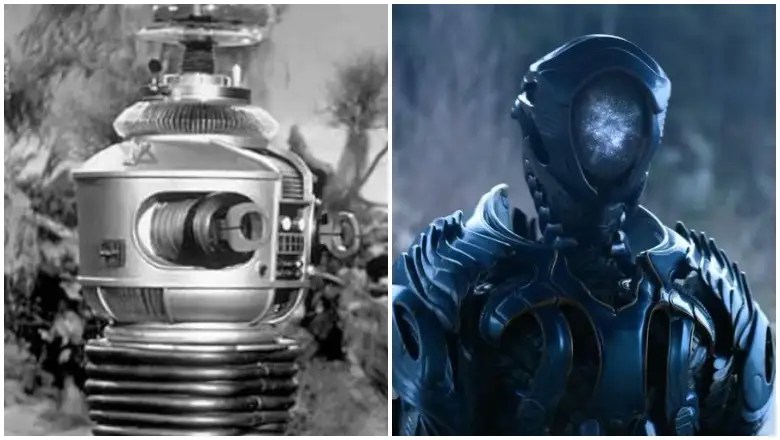
In the reboot, the Robot is an alien intelligence: a towering, six-limbed, digitigrade machine with an inscrutable face and serrated claws. Where the 1960s Robot was risible, the reboot Robot is terrifying in its default form — until a brave Will Robinson, who encounters it after crash landing on an unnamed planet, helps the dying machine repair itself.
He does so as a raging fire engulfs the forest around them, reasoning that he can’t escape, but perhaps the robot can.
The curious Robot, awash with gratitude, immediately rescues Will and, on safe ground, studies the boy for a moment before rearranging itself into an androform shape to mirror Will. From that point on, boy and Robot become inseparable.

It’s Robot who gets the Robinson family out of trouble in the first episode and many times over subsequent installments, earning the trust and eventually the love of the Robinson family, their friend, mechanic Don West (Ignacio Serricchio), and the mercurial Dr. Smith (Parker Posey).
It’s a credit to the writers and visual effects team that the series appeals to kids as well as adults. I watched the first episode with my eight-year-old niece, who’s younger than the target audience. She was absorbed in the story, her attention beginning to wane only during moments of expository dialogue.
The series is probably better suited for kids at 11 or 12 years old, as there are some relatively heady science fiction concepts and subsequent episodes range from PG to PG-13ish.
There’s no sex, the relatively little violence happens off camera, and the narrative regularly stresses the importance of family. Will, his sisters Penny and Judy, and the Robinson parents all rely on each other to meet challenges. There are, however, adult themes like divorce and near-death experiences, and occasional bad language which never gets more profane than Dr. Smith derisively calling Don West out on his “bullshit” in one episode.

The show takes off right away and delivers excitement and mystery, but it takes a little while to find its rhythm, with early episodes following a “crisis of the hour” format more suited to episodic television. The writers were clearly trying to convey the power of the united Robinson family, and how each member brings different skills and ways of thinking to the table, but the show is at its best when storylines work in service to the overarching narrative.
Mom Maureen is a brilliant engineer who designed the colony starship Resolute and its Jupiter landers. Dad John Robinson is a former Navy SEAL, a man of action who encourages his children to make bold choices. Eldest daughter Judy Robinson is a young medical doctor who, despite her obvious talent, often feels she has something to prove. Her younger sister, Penny, is the least scientifically-minded member of the family. Penny’s better with people, serving as a peacemaker and scribe who documents the Robinson family’s adventures.
Last but not least, young Will Robinson is a dreamer who marvels at alien worlds and distant stars, and takes after his mom in scientific aptitude. He becomes something of a legend among the colonists for his inexplicable bond with Robot, who is extremely protective of the boy.
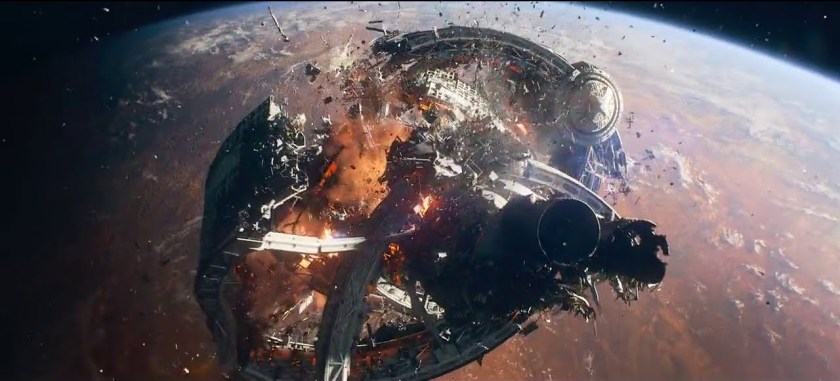
Of course there wouldn’t be much of a story to tell if the Robinsons and the other colonists simply made it to the idyllic colony at Alpha Centauri without incident. It turns out the colonists fled the Resolute — and crash landed on an inhospitable planet — because Robot’s brethren attacked the ship.
Although the viewers are shown the act of kindness that sparks the bond between Will and Robot, the other colonists aren’t as trusting once they realize Will’s seven-foot-tall protector came from the same place as the murderous machines that attacked the Resolute. Dr. Smith also has her own designs on the mysterious Robot, and the Resolute’s crew has been hiding a secret from its passengers that will come back to haunt them.
Can the colonists survive on a dangerous world without the resources they need? Will they ever reach Alpha Centauri?
Why did the robots attack the colony ship? What do they want from humans? And who made them?
Those are the questions at the heart of the mystery, but the characters can’t hope to answer them if they’re stranded on a hostile alien world.
Netflix spared no expense with Lost In Space and the writers clearly had a complete vision for the story, wrapping it up in just three seasons over the course of 28 roughly hour-long episodes. (The first two seasons had 10 episodes each, while the final season had only eight.)
In a sea of Netflix content, Lost In Space stands out as one of the streaming giant’s best original shows, especially for fans of science fiction and parents looking for a show they can watch with their kids.
Buddy’s Verdict: Four Paws out of Five 
Big Buddy’s Verdict: Recommended





![Screenshot 2021-11-07 at 06-19-42 2_1890c_Louis_Wain_CatsNightmare_IllustrationChronicles_1500 jpg (WEBP Image, 1123 × 1536[...]](https://i0.wp.com/littlebuddythecat.com/wp-content/uploads/2021/11/screenshot-2021-11-07-at-06-19-42-2_1890c_louis_wain_catsnightmare_illustrationchronicles_1500-jpg-webp-image-1123-c397-1536....png?w=169&h=231&ssl=1 "Screenshot 2021-11-07 at 06-19-42 2_1890c_Louis_Wain_CatsNightmare_IllustrationChronicles_1500 jpg (WEBP Image, 1123 × 1536[...]")