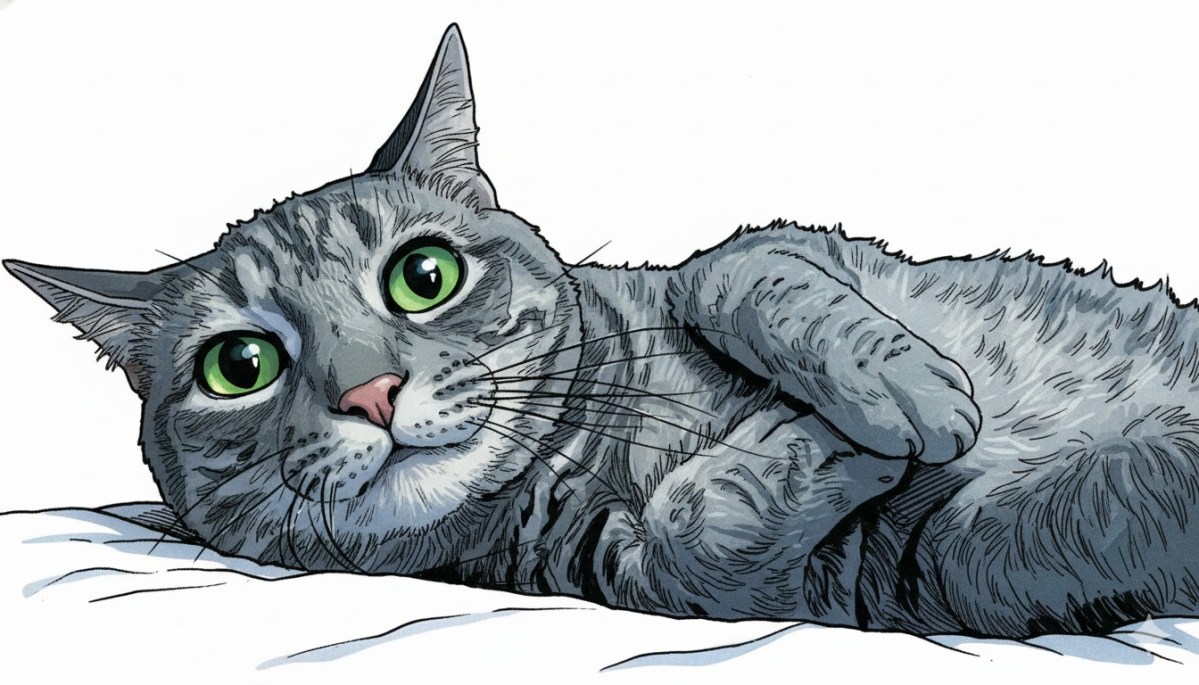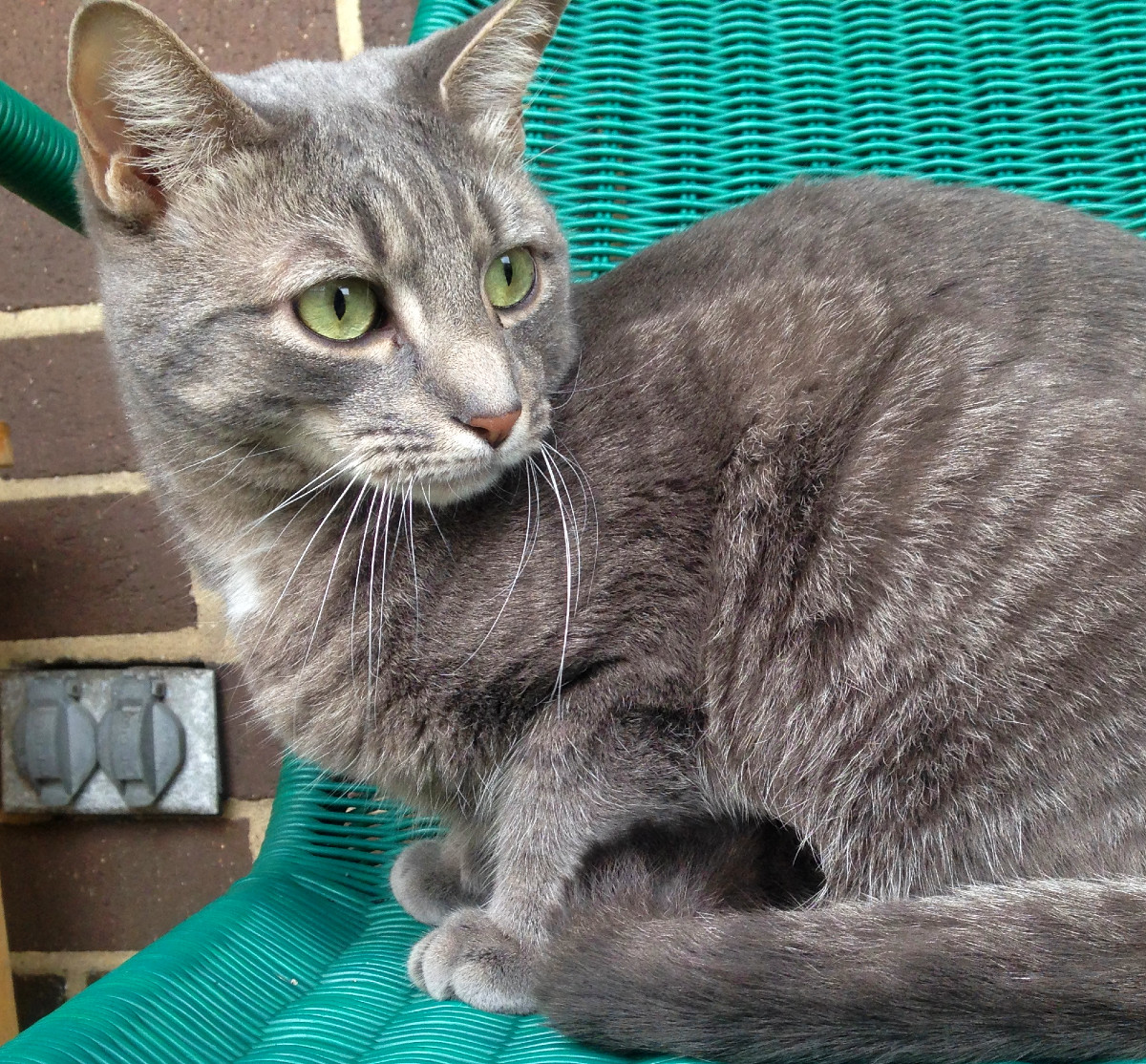
Happy National Cat Day From The Buddies!

Shelters are full of felines who need forever homes, and National Cat Day was founded to make sure they’re not forgotten.

The number of “cat days” keeps growing, with separate dates for national and international cat days, dates honoring black cats, tabbies, calicos and tortoiseshells, and more.

But National Cat Day is one of the OGs, beginning 21 years ago, and it’s endorsed by the ASPCA. The main purpose of National Cat Day, per its founders, is to help homeless kitties find forever homes by inspiring people to adopt.

So we’ll say what we always do: shelters are full of little buddies who are just as lovable and deserving as Little Buddy himself, and all they need is a home, some love and patience to help them feel secure. Once they know they’re safe and loved, their personalities shine through.

If you like feline-centric fiction, Mollie Hunt released her 12th Crazy Cat Lady Mystery novel today. It’s called Cold Case Cat and you can read more about it here.

Meanwhile over at Catwoods, Leah writes about — and includes great photos of — her “Halloween cat,” Shelley. She also revisits the Facebook hoax posts we wrote about a few weeks ago, in which users claim the big cat was spotted in places as varied as Louisiana’s bayou, the Houston region, West Virginia and Wyoming.

Finally, the satirists at McSweeney’s have a new post titled “A Brief Questionnaire Before You Adopt This Rescue Cat,” which takes aim at overzealous shelter/rescue operators who make the process of child adoption look easy by comparison, and are constantly at capacity because they’ve made perfect the enemy of good.

Wanna adopt this cat? Hand over a list of every person you associate with along with their addresses, phone numbers and social security numbers, prepare for a 30-day in-home evaluation by a shelter staffer, and agree to feed kitty a diet of sushi-grade tuna!

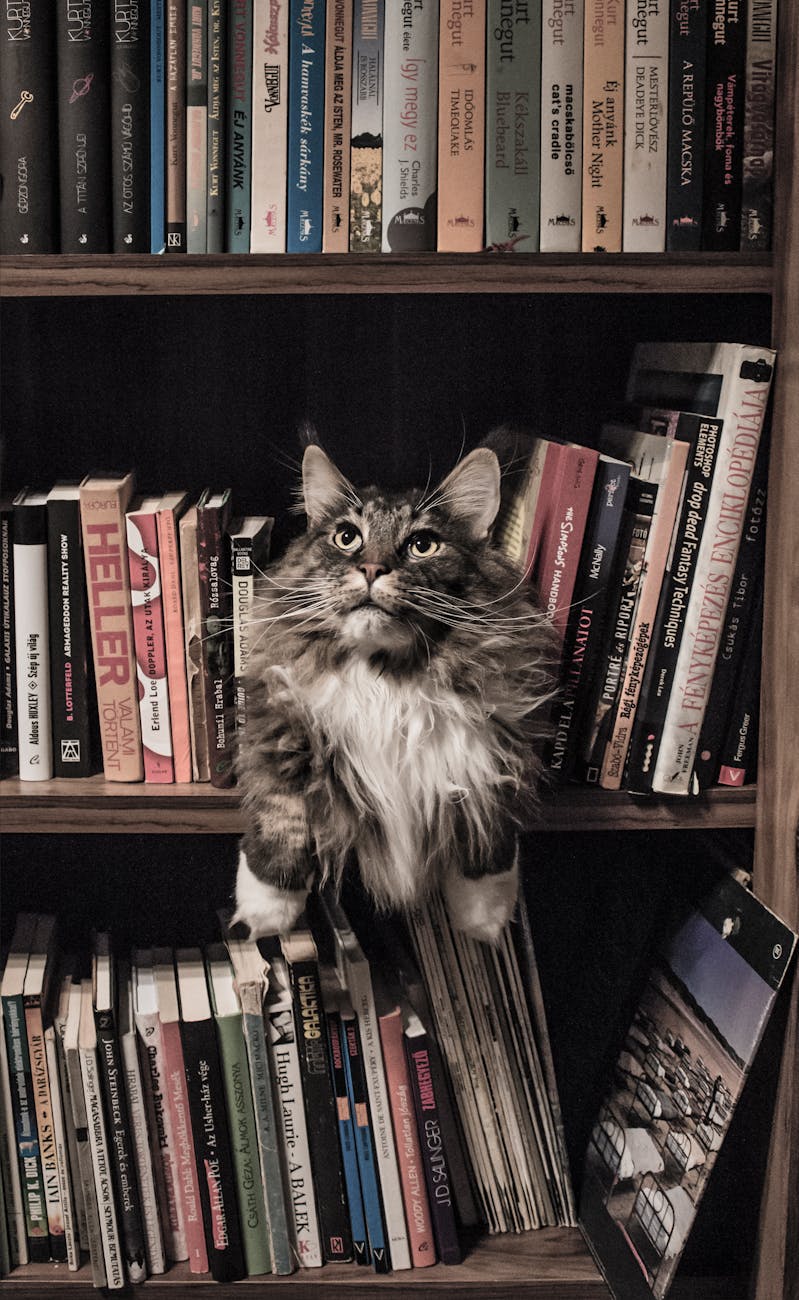
Credit: Denitsa Kireva/Pexels

While it seems outlandish, I encountered some contracts that were only slightly less onerous before I adopted Bud, and it’s obviously the McSweeney’s team has too.

Now I understand a bit more why some shelter staff are so cautious. They see some of the worst behavior, after all, including people who return cats because they’re too affectionate, animal abuse cases, and cats on death’s door because their humans ignored decades of research and tried to turn their obligate carnivore pets into vegans.

They want to make sure the cats go to good homes, which is admirable, but they shouldn’t overlook potential adopters who are well-intentioned and looking for a little pal.

His Mission: Save Cats, And Prove Men Can Love Them Too

Abdul Raheem found peace when he adopted his beloved cat, Bambi. Now he wants other men to know felines are awesome.

There’s something to the idea that people who aren’t fond of felines just haven’t met the right cat.

For me, it was the experience of interacting with a friend’s affable tuxedo — just one, since all my experiences up to that point had been with people who kept an unreasonable number of cats.

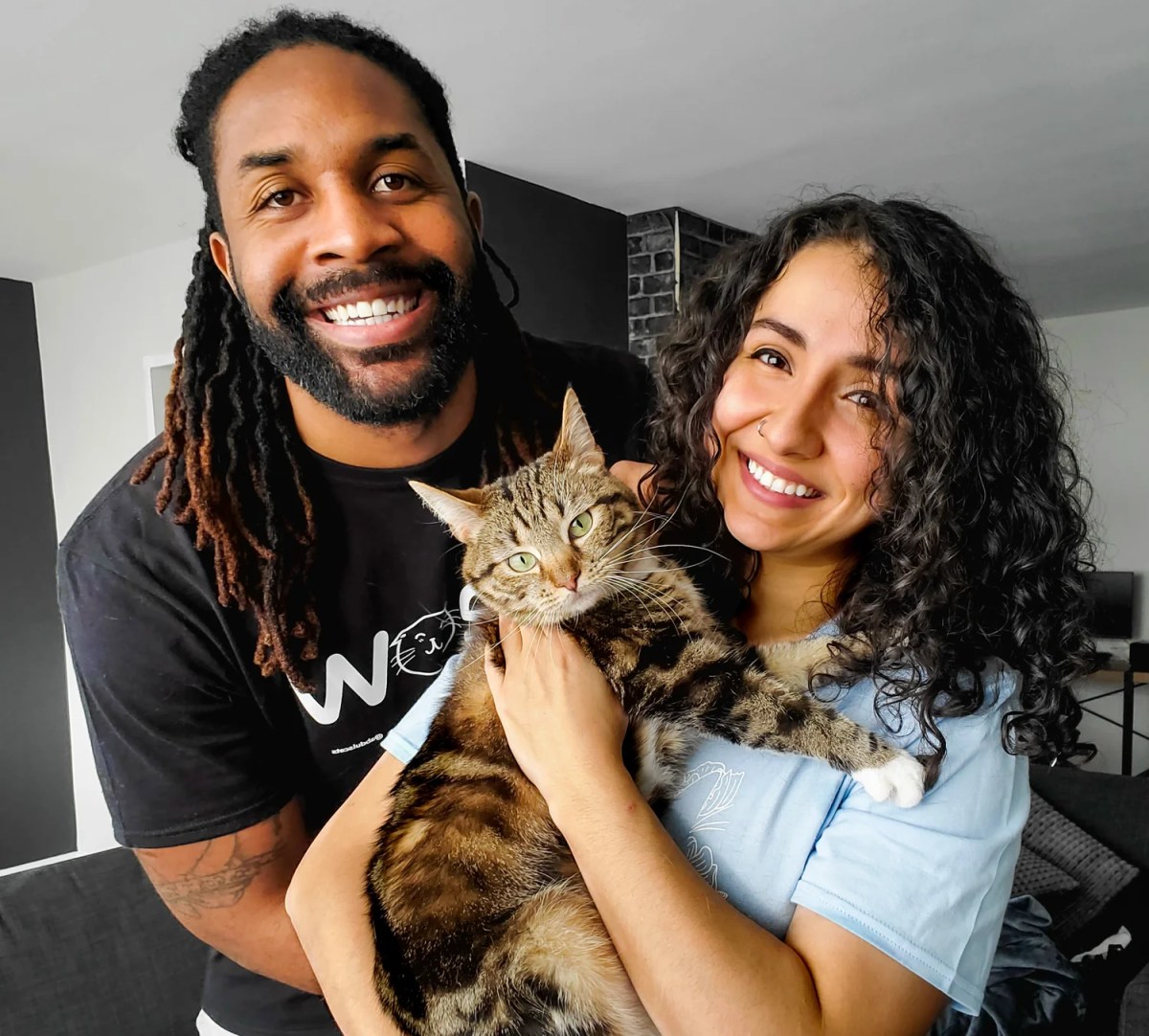
For Abdul Raheem, it was adopting a cat named Bambi after he and his wife fostered and fell in love with her.

“She brought me so much just happiness, and she made my mental health better,” Raheem told the Washington Post. “My anxiety was better when I was around her. So I just want to give other people that feeling.”

Raheem and his wife, Shamiyan Hawramani, became regular fosters for a shelter near their home, and Hawramani began filming her husband’s doting interactions with the baby felines.

Raheem with one of his bottle babies. He and his wife have fostered about 200 kittens and cats since the COVID pandemic.

Their friends found the videos amusing, and lots of people online have too. Abdul’s Cats, an Instagram account documenting Raheem caring for fosters, has a large following — including young men, many of whom are thinking about adopting a cat for the first time because Raheem is showing them something that challenges stereotypes.

My favorite anecdote is about Raheem’s enthusiasm for cats spreading to his friends. At first, they got accustomed to the idea of baby cats jumping in their laps and taking curious swipes at controllers on nights when they’d hang out and play video games.

Then they came to the same conclusion Raheem had: hanging out with cats is relaxing. Several of those friends have since adopted their own feline overlords, and Raheem says one friend now has four cats running around his house.

As for stereotypes, I think cat ladies get a bad rep. They’re the ones who do all the hard work of managing colonies, trapping, fostering, volunteering in shelters and placing cats in good homes.

When you think of the sheer volume of work, and the things they’ve accomplished — including a dramatic reduction in euthanized cats thanks to TNR efforts — they are the unsung heroes. They do it because they love cats.

Jordan Poole is one of several NBA players who have professed their love of felines. In the off-season Poole volunteers with his local shelter.

But it’s also good to toss aside labels and outdated attitudes, like the insistence that cats are companions for women only, and that adopting and caring for a feline friend is somehow unmanly.

Like Jordan Poole, the NBA guard who evangelizes the awesomeness of cats to his fellow players, men like Raheem show guys that they can adopt too.

Now if you’ll excuse me, Bud and I have a busy day of lifting weights, watching football, working on the hot rod we’re restoring in the garage, and drinking beer. Then we’re gonna chant Viking drinking songs until we pass out.

Header image credit Abdul’s Cats

Happy Tuesday Blog Hop

https://www.linkytools.com/basic_linky_include.aspx?id=317817

Brave Kitty Ready For Forever Home After Recovering From Being Set On Fire, Plus: Ohio Looks To Ban Declawing

Pixie the cat fought for his life and he’s now almost fully healed. Meanwhile, in Ohio, lawmakers want their state to become the sixth to ban declawing.

Back in April, a woman spotted a group of kids literally playing with fire, and was horrified when she got closer and realized they had set a cat ablaze.

She took the cat from the little demons and rushed him over to the ACCT Philly, where the stray — now dubbed Pixie — fought for his life as veterinary staff treated him.

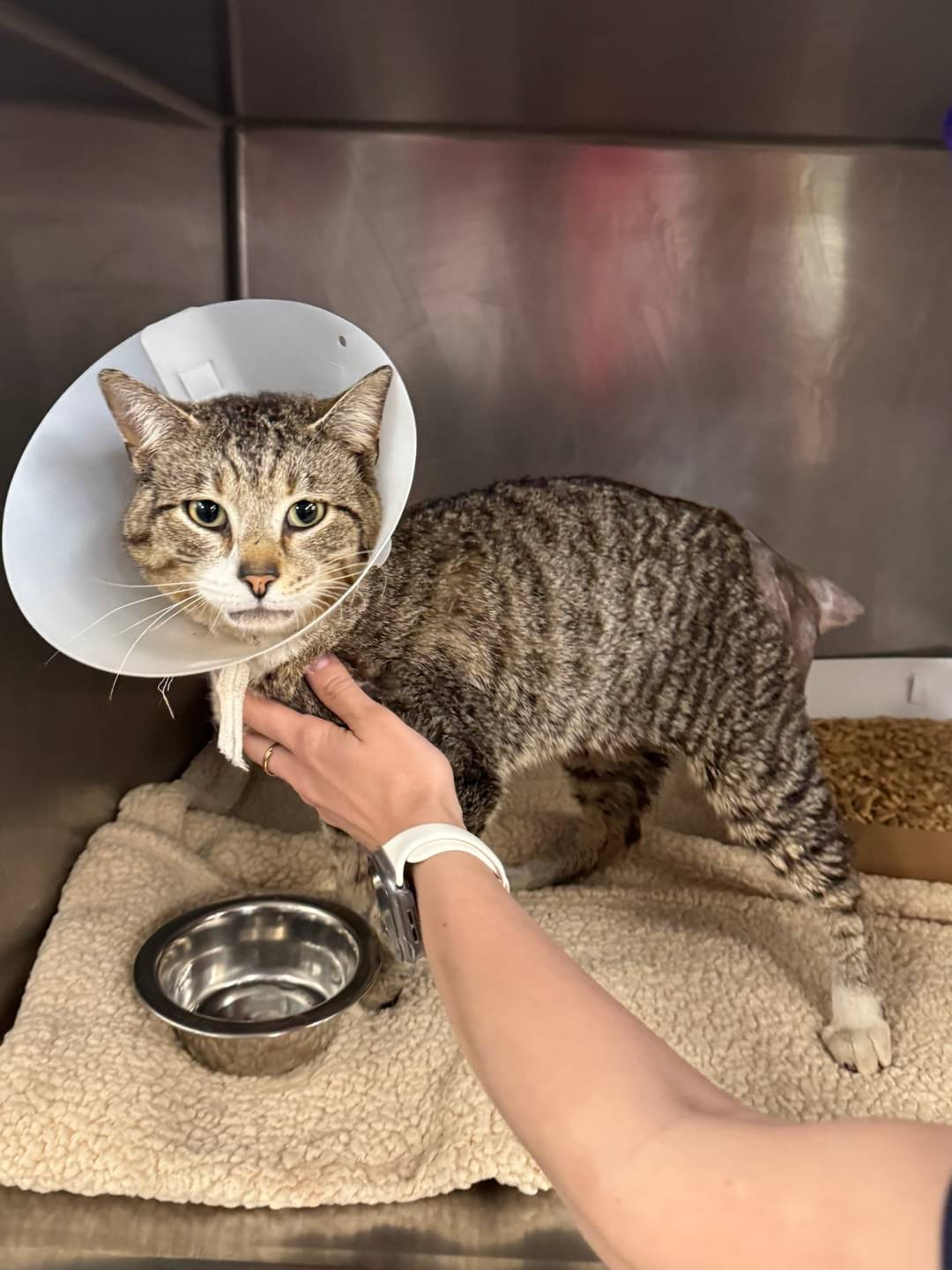
Now Pixie, who doesn’t harbor any ill will toward people and is an affectionate, loving little dude, is all healed up and ready for his forever home.

Pixie lost most of his tail and he still suffers from some incontinence episodes — which is to be expected, given the trauma he endured — but his fur has grown back, he’s healthy and he’s ready to be loved.

“Pixie’s story is hard to read. It breaks our hearts. But it’s the reality we fight every single day,” ACCT Philly’s staff posted online. “It’s why we exist – because no animal should ever face such cruelty, and every animal deserves a second chance at life.”

Pixie has recovered from his injuries and he’s ready to go to a good home. Credit: Pennsylvania SPCA

Pixie’s “spirit has been untouched” by his ordeal. If you live in the area and think you can provide a good home for the little guy — and exhibit the patience he needs with his ongoing issues from the cruelty he endured — visit ACCT Philly to fill out an adoption form. We hope Pixie gets a great home and lives his best life.

Another state looks to ban declawing

Our representaves in congress are too busy embarrassing Americans, staging Jerry Springeresque arguments in the legislative chambers and chasing TV cameras, so naturally they have no time for an insignificant issue like animal welfare.

But if they won’t act to bring our barbarian nation in line with the civilized world when it comes to banning the mutilation of cats, at least some state governments are doing what they can.

Ohio’s representatives are pushing for their state to become the sixth to ban the cruel procedure, after New York, Maryland, Virginia, Rhode Island, and Massachusetts. Washington, D.C., has also banned declawing, and a few dozen cities throughout the country have passed their own local prohibitions.

A bipartisan bill sponsored by a Republican and two Democrats has been introduced.

The usual villains in these efforts, the state’s Veterinary Medical Association, have trotted out the same tired arguments that declawing is “discouraged,” but shouldn’t be banned.

That argument doesn’t hold water when the veterinarians who hold VMA memberships are the types who offer package deals for kitten neutering and declawing. Not all or even most vets belong to state VMAs, and almost no veterinarians who specialize in feline care are members, but the vets who do support the group are the ones who see declawing as an income stream.

Their usual strategy is to call in favors from reps whose campaigns the group donates to, who in turn try to prevent declawing bans from ever reaching the floor for a vote.

After decades of successfully defeating such bans, the dam finally broke when New York passed its ban in June of 2019, becoming the first state to outlaw elective declawing.

We wish the bill’s sponsors, and their allies in local animal welfare groups, good luck in moving the legislation forward.

‘More Purring, More Buying’: Bookstores Give Readers A Reason To Drop In

In the era of Amazon, America’s independent bookstores survive by offering things the online giant can’t.

Like everything else in the realm of print media, bookstores have been having a rough go of it the last decade or two.

Waldenbooks, Crown Books and Borders no longer exist, with the latter chain shuttering its last 400 stores in 2011. Barnes and Noble is the last surviving book chain thanks to an aggressive strategy of expanding their cafe and lounge space, encouraging shoppers to hang out while they sample books and drink coffee.

There are still some 14,000 bookstores in the US, depending on how some hybrid businesses are categorized, and independent booksellers now make up the majority of real-world retail while the giant that is Amazon looms.

The key to survival is offering things Amazon can’t. Some distinguish themselves by catering to specific customers, like fans of mystery or science fiction, offering rare and signed volumes alongside their regular stock. Some pursue a Barnes and Noble-like strategy, leaning heavily into the hybrid coffee shop model. And some become community spaces for book signings and poetry nights.

Others lure customers inside — and back after they’ve already visited — with pets.

In a new story, the New York Times highlights independent book shops around the country that have dogs, lizards, turtles, rabbits, and of course, cats.

When it comes to our furry and clawed friends, some shops are populated with adoptable felines:

At the Literary Cat Co. in Pittsburg, Kansas, readers have the opportunity to adopt a pet while they shop. The store partners with a local rescue organization, hosting about seven cats at a time, along with three permanent feline “employees”: Hank, the regional manager; Scarlett Toe’Hara, the assistant regional manager (she’s polydactyl); and Mike Meowski, the assistant to the assistant regional manager.

Jennifer Mowdy, the store’s owner, described each cat’s role, personality and origin story with the air of a matriarch ticking off successful grandchildren. Speaking of the upper respiratory illness that cost Mike Meowski an eye, she sounded stoic. He was a kitten; she was there for him. They soldiered through.

Mowdy created a glass alcove for allergic customers – and to deter escapees – and a “kitty conference room” (accessible by cat door) for litter boxes. With regular scooping, four air purifiers and daily mists of Mrs. Meyers Room Spray, she said the scent of the store is neutral to positive.

In the past year and a half, the Literary Cat Co. has facilitated 50 adoptions. “We’ve only had one cat that didn’t work out,” Mowdy said. “Too much fight in her.”

Kittens tend to wreak havoc; Mowdy prefers a mature animal of the “Don’t call me, I’ll call you” variety. Felines are welcome to scale shelves and interact with readers as they please, which is their way.

“They get to practice being a good house cat,” Mowdy said. “They get socialized.” Occasionally, the right cat finds the right reader’s lap. The rest is destiny (with the rescue organization handling logistics; the Literary Cat Co. simply makes the introduction).

Check out the entire story here. (No paywall.)

Lost Photos Of Kitten Bud!

From summer 2014 when Bud was about five months old.

Bud says: “Derp derp derp! I’m a bug-eyed kitten! Derp!”
Bud says: “Now THIS is a more regal image befitting my status as a handsome feline!”
Bud says: “Here I am in action! As you can see, I was ripped but not quite as meowscular as I am now.