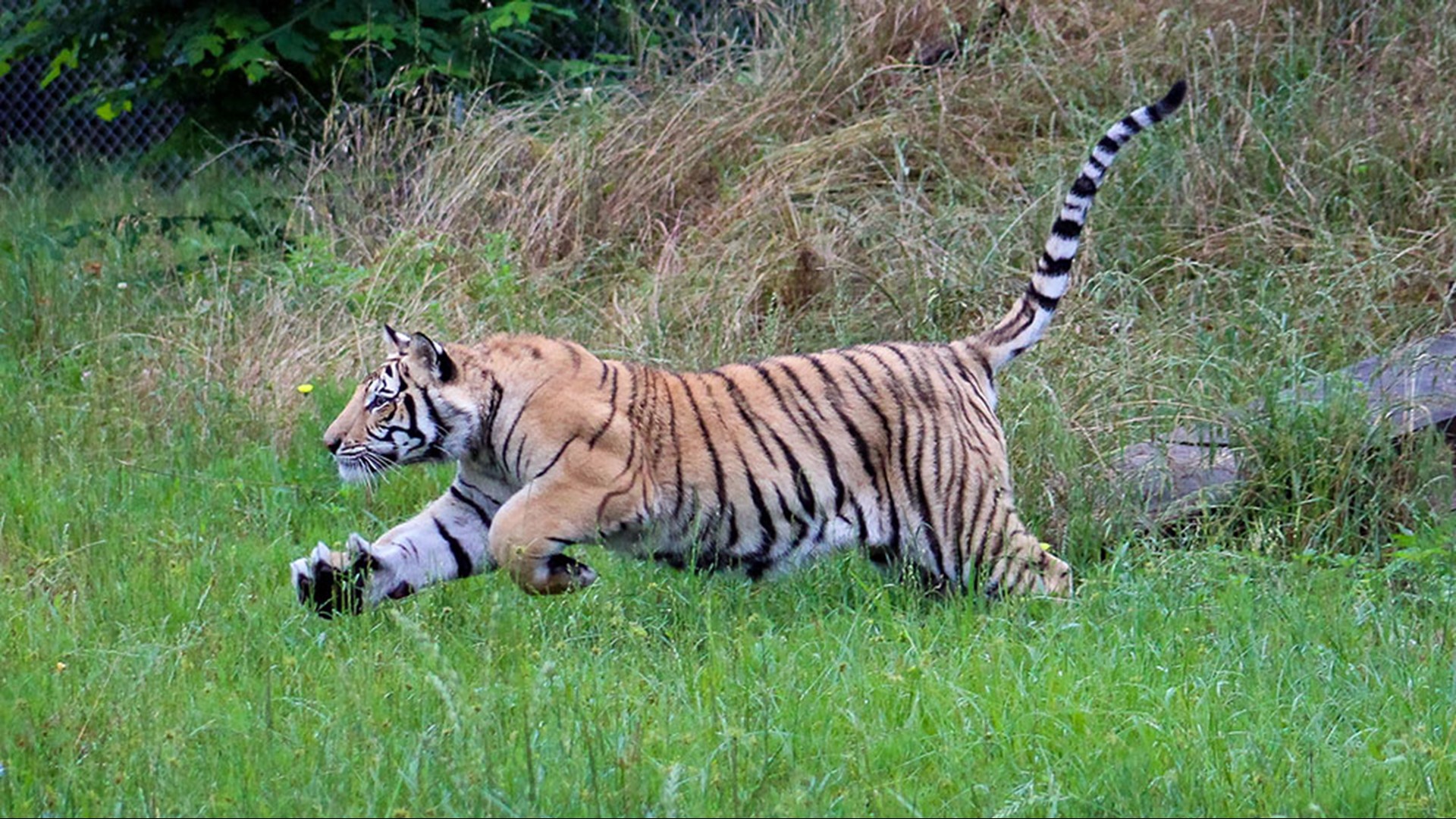
The orphaned lion cubs are among many wild animals brought safely out of Ukraine as the war there continues to rage.
As the brilliant but depressing Pride of Baghdad documented in horrific detail, war isn’t just hard on humans, it’s hell on animals too.
The real-life lions in that drama were left to fend for themselves when American and coalition aircraft began pounding Baghdad in 2003, and their harrowing journey began when an errant missile literally opened a path for them to walk right out of the otherwise abandoned zoo.
As Russian soldiers began pouring over the border into Ukraine and Moscow’s missiles and artillery struck population centers earlier this year, Ukrainian activists sought to avoid a similar fate for their animals and worked on getting wildlife out of the zoos and the country, but there was only so much capacity at sanctuaries in countries like neighboring Poland.
At the same time, remaining in Ukraine was untenable. After Russian forces suffered a series of humiliating ground defeats to a Ukrainian counteroffensive — fueled by weapons systems and tactical intelligence from the US and other NATO countries — Russian President Vladimir Putin has ordered heavy and sustained missile strikes on civilian targets and critical infrastructure in already war-torn Ukraine.
One of his goals is to completely destroy the Ukrainian power grid via missile attacks on coal and gas plants as well as electricity substations, perhaps believing Ukraine might give up its opposition as its population freezes during the region’s harsh winters. The attacks have reached far into Ukraine, hitting the capital of Kyiv and cities like Lviv, which is more than 1,000 km from Russian territory, and some missiles have even disrupted power to neighboring Moldova. The Ukrainian people have not given up despite already enduring months of Russian artillery shelling, occupation and brutality.
But without electricity or reliable access to basics like clean water, caring for the remaining animals has become an impossibility as most people struggle just to keep warm, fed and hydrated.
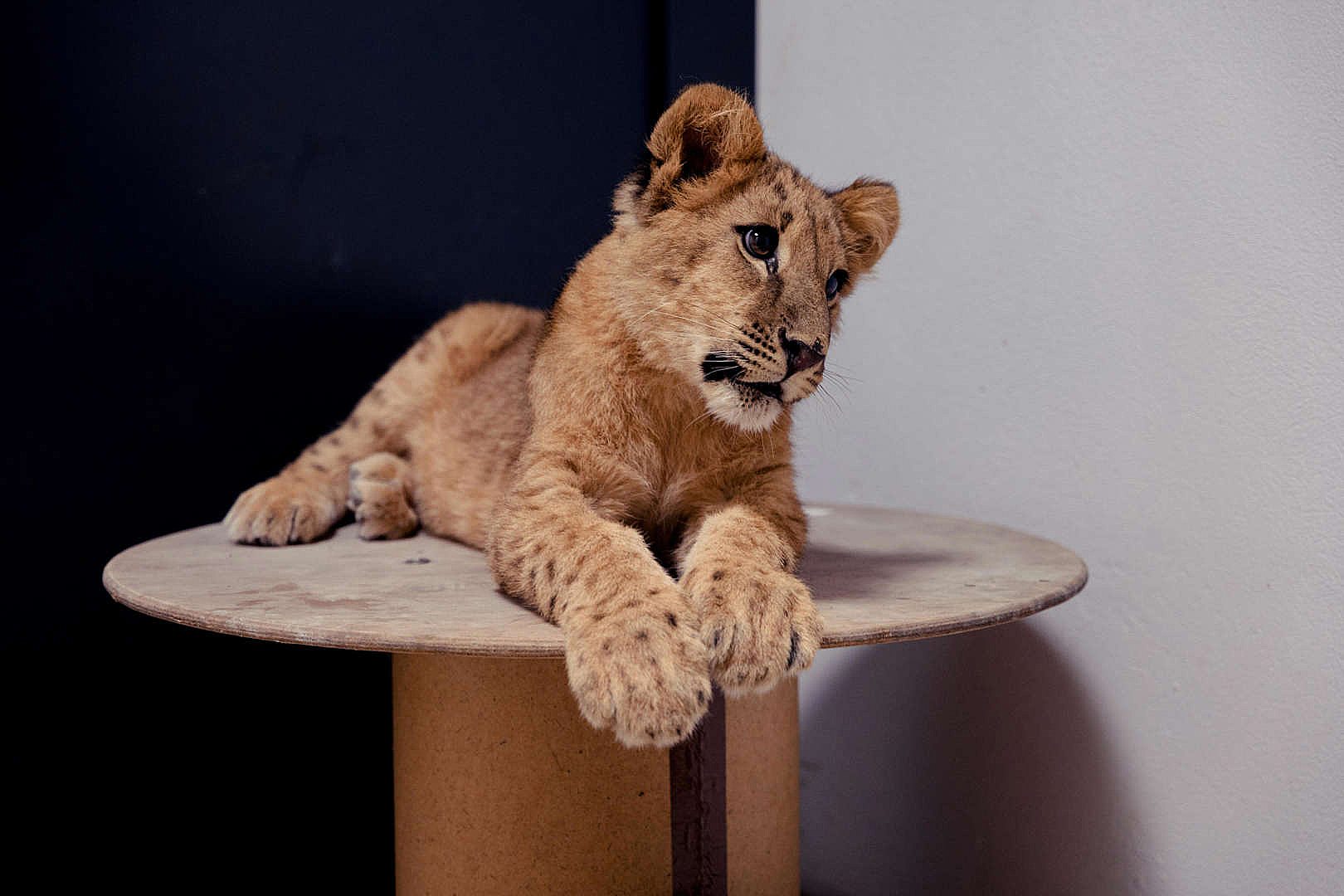
One of the cubs rescued from Ukraine, now living at The Wildlife Sanctuary in Sandstone, Minnesota. Credit: The Wildlife Sanctuary
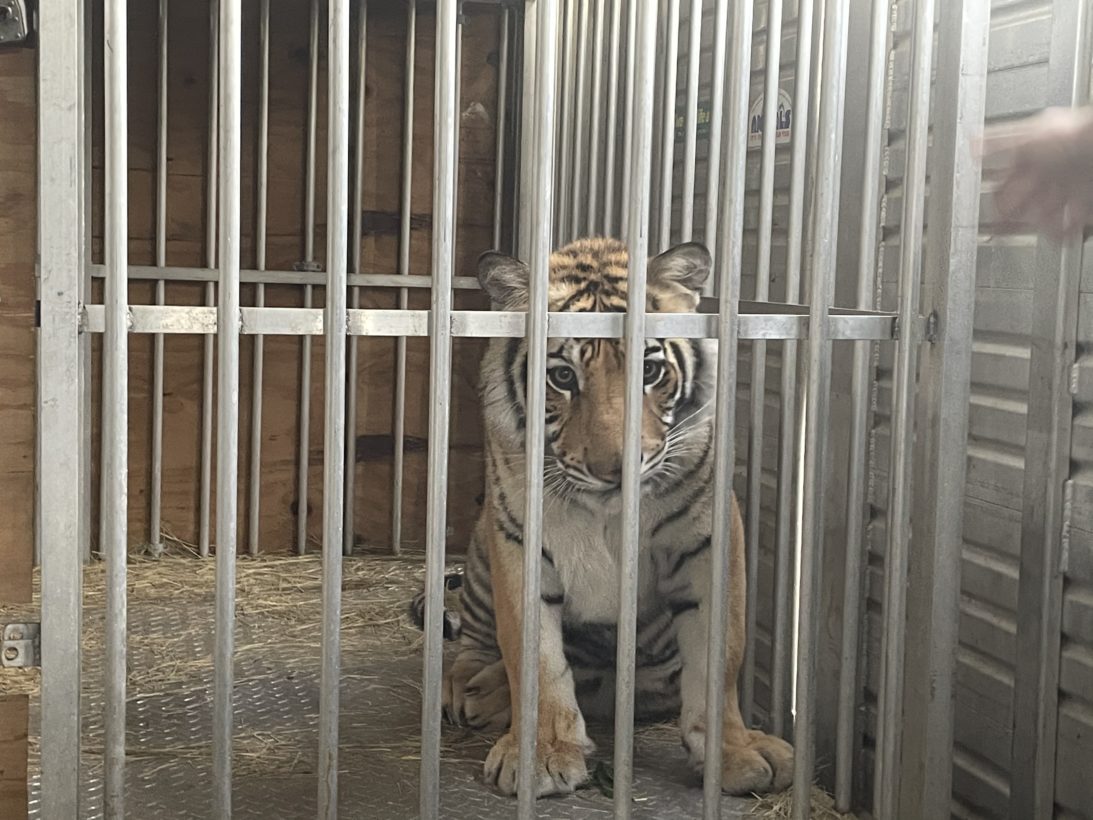
As a result, a quartet of lion cubs born several months into the war had to endure an epic, 36-hour journey that took them from Ukraine to Poland and finally to Sandstone, Minnesota, where they’re easing into their permanent home at The Wildlife Sanctuary. The facility is a non-profit and entirely funded by private donations, which means it’s not open to the public. Animals aren’t put on display, and their enclosures are built entirely for them, not for the benefit of visitor sight lines.
The lion cubs, who are all orphans, have already been indelibly impacted by the war.
“These cubs have endured more in their short lives than any animal should,” said Meredith Whitney of the International Fund for Animal Welfare, which facilitated the transport of the young cats some 5,000 miles from Ukraine to the central US.
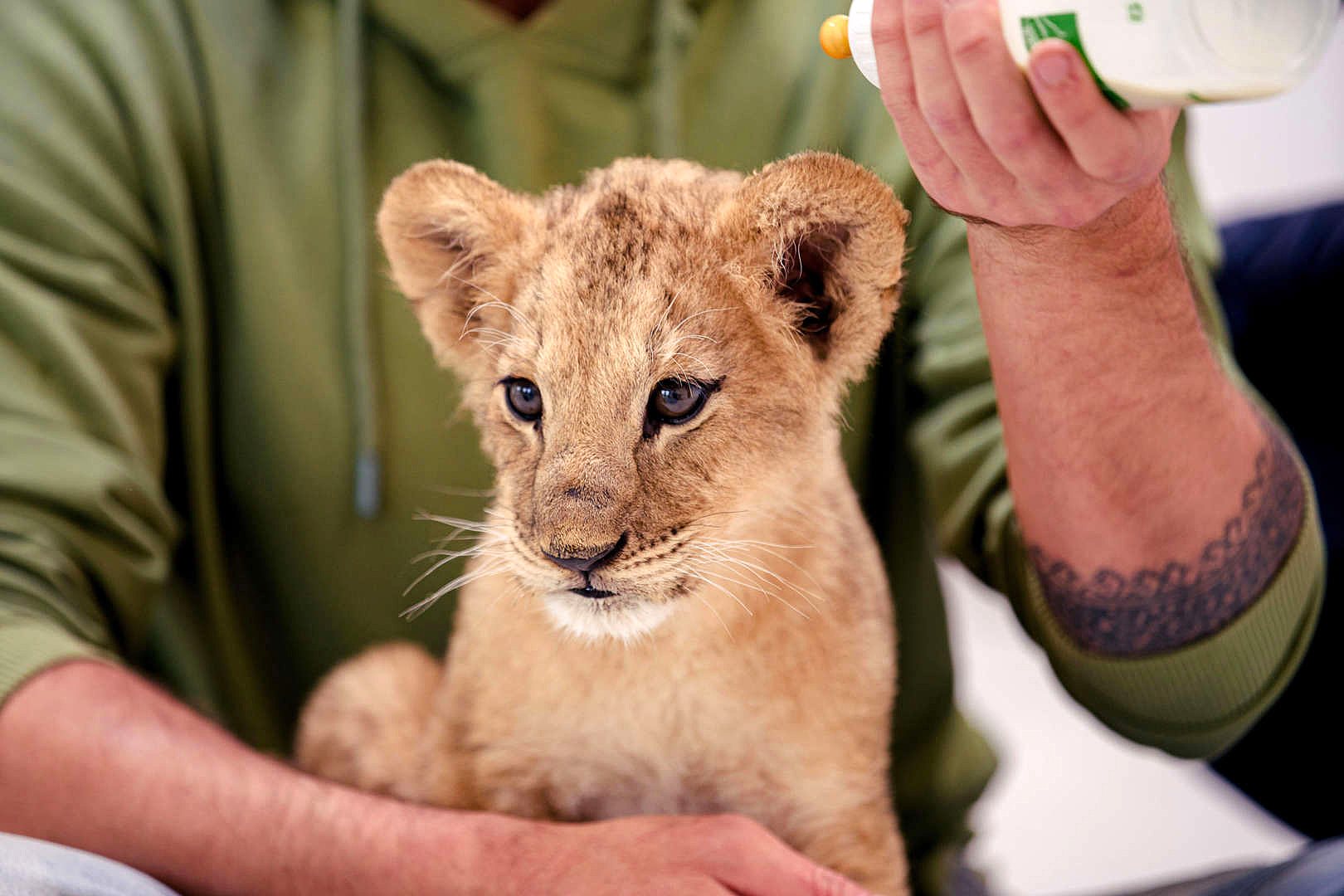
The cubs, all between four and five months old, are named Taras, Stefania, Lesya and Prada. Taras is male while the others are female.
“We’ve cared for 300 big cats at TWS and are acutely aware of the trauma many big cats around the world experience,” said Tammy Thies, the sanctuary’s founder. “From the moment IFAW reached out to request our partnership, we knew these cubs had found their forever home at our sanctuary. They have a custom, open space to explore and soft grass or hay to rest their tired bodies on. Because of the generosity of our supporters, we can provide lifelong care to big cats at our sanctuary.”
Bottle babies: The cubs are all between four and five months old and were not weaned before they were orphaned. Credit: The Wildlife Sanctuary
Pride of Baghdad is a 2006 graphic novel based on the true story of four lions who escaped Baghdad Zoo during coalition airstrikes in 2003. It’s poignant, beautifully illustrated and wonderfully told, but also harrowing and deeply upsetting.
Big cat sightings across the UK have a lot in common with UFO sightings in the US.
Shhhhh!
No one tell NewsCorp that “black pumas” don’t exist, pumas are native to the Americas, leopards are native to Africa and Asia, and a “black panther” is a color morph, not a species of cat.
A story from Fox News — prompted by a similar story in the UK’s Sun, part of the same Rupert Murdoch-owned media conglomerate — claims the British are “unnerved” by an “uptick” in sightings of cryptid big cats. The mysterious creatures are supposedly running rampant in the British countryside and in the suburbs, according to the article, which identifies them as black pumas, black panthers and black leopards.
Oddly, the story says the sightings are up significantly because there have been three “big cat” sightings in October, immediately before informing readers there are 2,000 such sightings in the UK every year.
Little Buddy and I are not exactly known for our math skills, but 2,000 sightings a year works out to 167 sightings per month, which is a lot more than three. Fifty five times more, in fact. So the story should really be about a dramatic dip in phantom big cat sightings, shouldn’t it?
What evidence does the Fox report cite for its breathless claim about big cats taking over the UK? A pair of grainy security camera videos, including one showing a “big cat sighting” at night, and the word of a “big cat sighting expert,” alternately called a “countryside expert” in other media reports, who by the way happens to be hawking a documentary on the sightings.
“It’s a crucial issue,” self-described wildcat expert Rick Minter told The Sun. “How do we come to terms with living alongside big cats in Britain?”
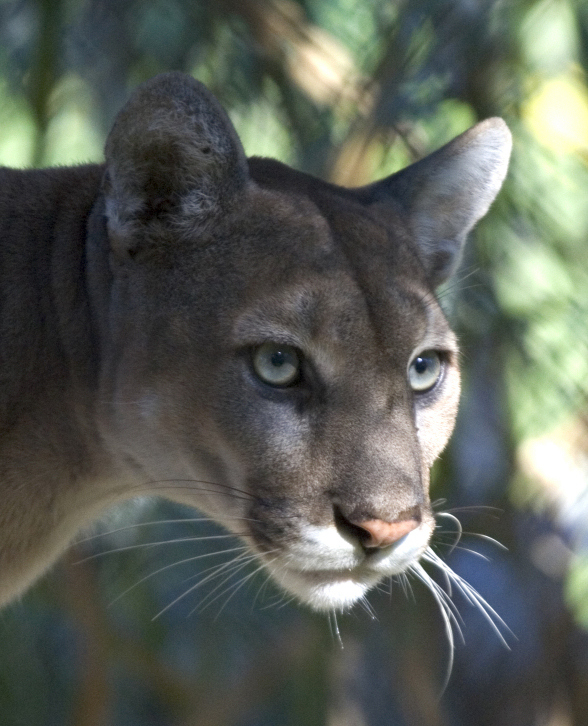
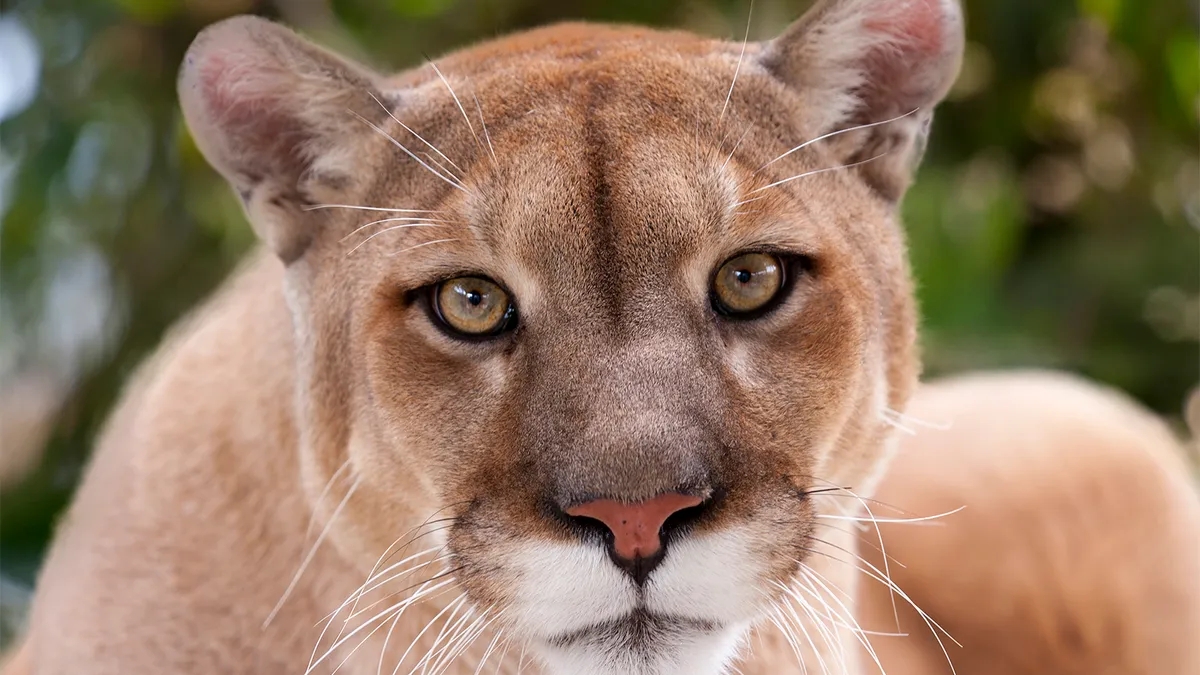
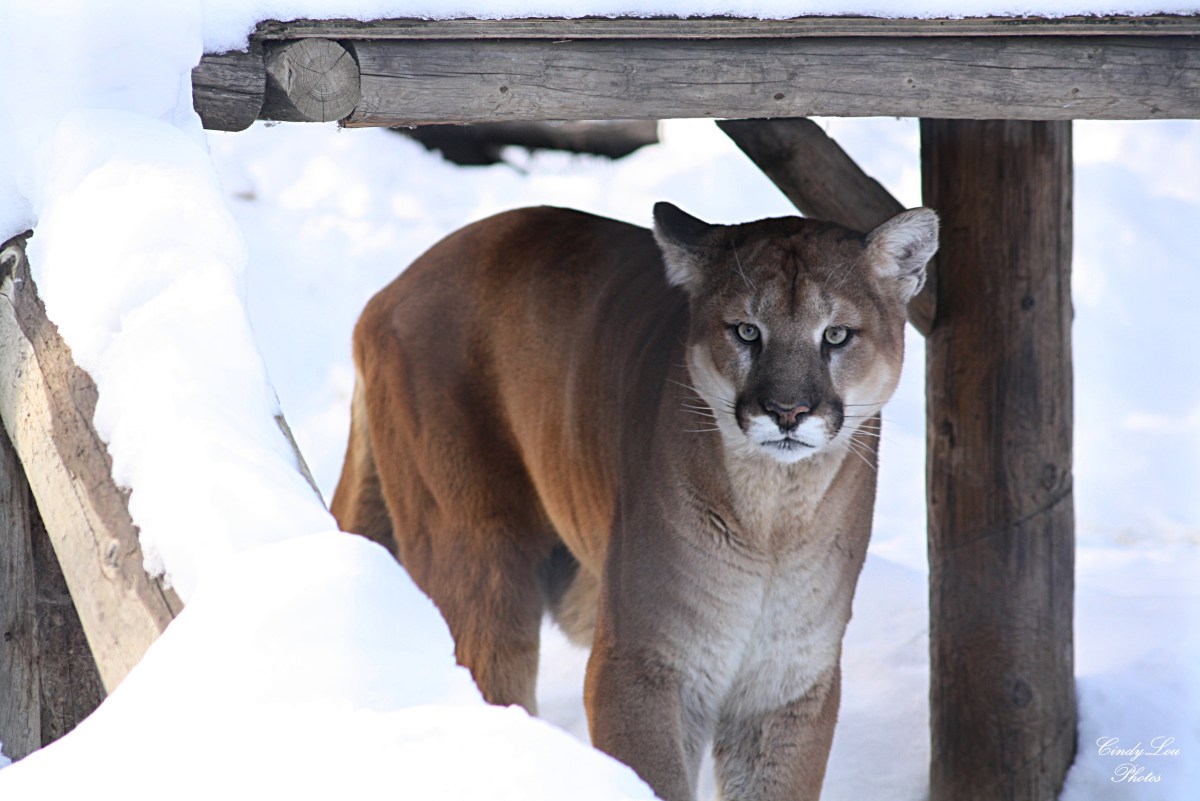
Pumas, also known as cougars, mountain lions, panthers and catamounts, are native to the Americas. Credit: Wikimedia Commons
For readers unfamiliar with the highest echelons of reputable journalism, The Sun is the UK’s foremost bastion of trustworthy reporting, a tabloid par excellence whose editorial staff are known for breaking stories about “crazed werewolves” and immigrants barbecuing the late queen’s swans when they weren’t running topless photos of models on Page 3. The Sun is owned by NewsCorp, the parent company of Fox News.
As for the two pieces of footage, one is the aforementioned blurry mess recorded by a home security camera at night, and shows a few frames of a cat’s behind and a tail as the felid walks out of the frame. The other is a blurry clip the credulous claim depicts a large cat feeding on a sheep. There’s no indication the figure is a felid of any type.
As far as we’re concerned, there are a few possible explanations for the sightings:
They’re former pets
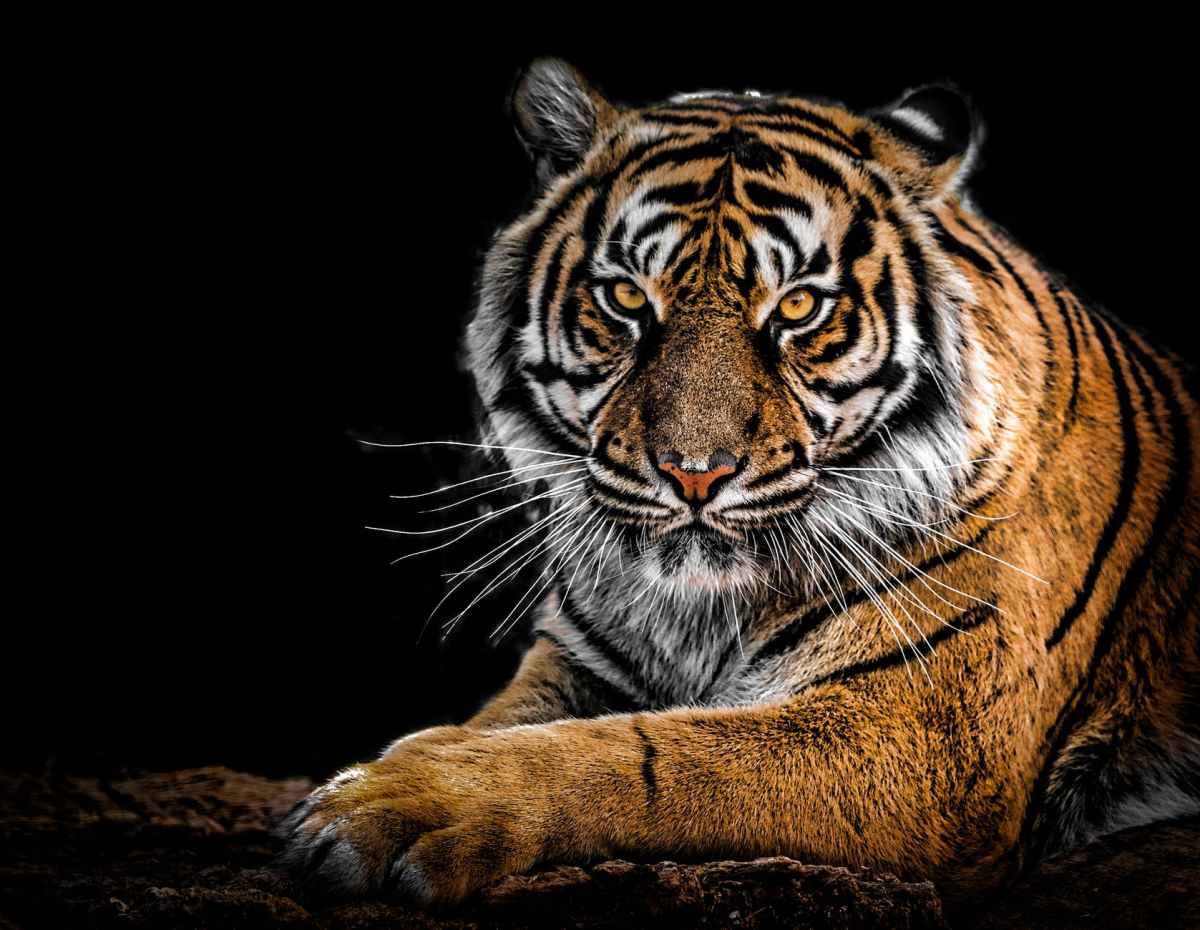
India the tiger was found wandering the suburbs of Houston in 2021. In this photo, he’s enjoying life in his sanctuary’s large enclosure where he’s got plenty of room, stimulation, toys and even his own rock pool.
If there are indeed big cats roaming the British countryside and suburbs, they would have to be former pets of people who acquired them on the illegal wildlife market, broke the law by “importing” them into the UK, then broke several additional laws by keeping them as pets until the cats quickly grew and the owners realized keeping them is untenable.
Such situations aren’t unheard of, obviously, but they can’t account for a dozen big cats on the loose at any one time, much less more than a thousand as Minter claims.
More importantly, big cats who are taken from their mothers as days-old cubs, sold as pets and later dumped are universally confused, terrified and unable to fend for themselves. They end up roaming suburbia in broad daylight, like a nine-month-old tiger named India who was spotted wandering around the outskirts of Houston in 2021, sniffing out potential food in garbage cans because they don’t know how to hunt.
If these phantom big cats were former pets, they’d be spotted, captured and taken to sanctuaries within a matter of days.
They’re small wildcats formerly native to the area, like the Eurasian lynx
The problem is, the Eurasian lynx was extirpated from the UK about 1,400 years ago. There have been debates among conservationists about reintroducing wild populations to the British countryside — and to Ireland — but no concrete plans as of yet. Proponents say the lynx could be beneficial, keeping deer populations level without major human intervention.
Eurasian lynx adults can grow to about the size of medium dogs, so it’s possible they can be mistaken for “big cats” in blurry video, especially when perspective and/or lack of other objects makes it difficult to place their actual size in context. However, as with big cats, any Eurasian lynx spotted in the UK are likely to be former pets.
They’re housecats
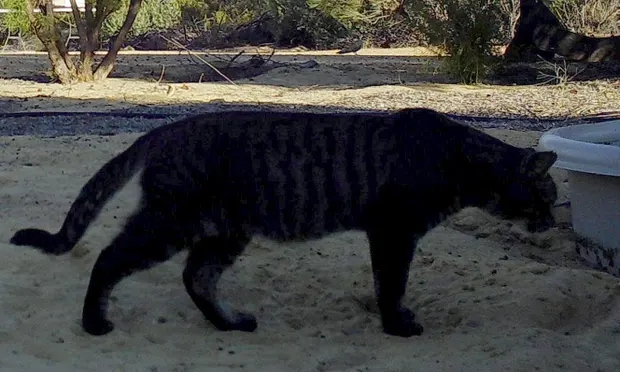
This feral cat, a plain old member of the felis catus species, was repeatedly mistaken for a big cat in western Australia back in 2018.
If witnesses in the UK are mistaking house cats for big cats, they wouldn’t be the first.
Stories abound of little cats prompting “big cat” sightings, from Vancouver (a Savannah cat) to Scranton, Pa. (a missing house cat), to San Jose (a Maine Coon) and even Australia. (A feral cat.)
One wildlife ranger in Australia became so annoyed with fielding frequent big cat reports that he implored people to educate themselves.
“People need to get over the idea the cats are panthers,” wildlife ranger Tim Gilbertson told Australia’s ABC news. “It is just not on. They are big feral cats, at least 50% bigger than a house cat and they are powerful.”
The usual issues are in play here: Fuzzy security camera footage, night sightings, confused witnesses. You’d think there would be more phantom big cat sightings in the US, since pumas can grow to the size of jaguars and could be mistaken for lions, but people who live in areas where pumas range tend to know they’re around and what they look like. They’re also the definition of scaredy cats, reluctant to let humans spot them or get anywhere near them.
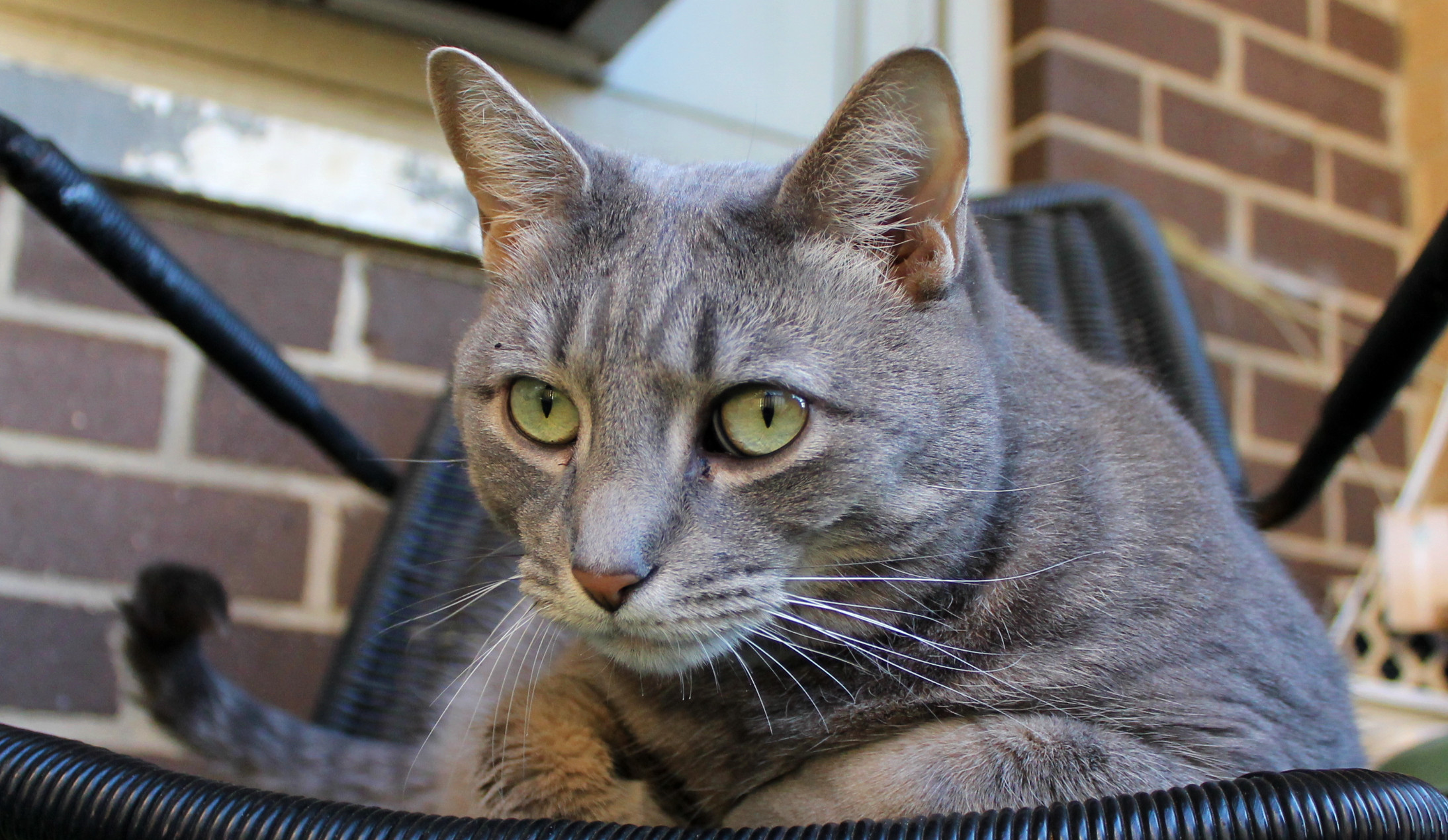
Frequently mistaken for a tiger: Buddy the Cat.
Ultimately, witness reports count don’t count for much, and not just because memory is malleable.
Thousands of people have reported seeing Bigfoot, chupacabras, the Jersey Devil and the Loch Ness monster, but those creatures are all firmly in cryptid territory.
There’s Occam’s Razor, and there’s common sense: For a primate species like Bigfoot to exist, for example, there would need to be a breeding population, enough prey for the creatures to feed themselves, and someone somewhere would have found remains at some point. (Bigfoot sightings go back to the days before Columbus set foot on New World shores, but it’s only been in the last century or so that the cryptid has entered the popular imagination via folklore and media.)
Likewise, if there are indeed 1,000 big cats prowling the British countryside, as Minter claims, there would be a breeding population, ubiquitous tracks and the remains of prey animals killed in ways consistent with big cat ambush techniques. Cats of all sizes are ambush hunters and have a distinct way of killing prey which is unlike other animals.
The UK’s big cat sightings should be treated more like the UFO sightings in the US and particularly around Area 51. They start with a kernel of potential truth — the existence of a secret base to test experimental military aircraft, or the possibility that big cats who were former pets have been let loose — which leads people to consider the possibility, then when they see something they can’t easily explain, they reach for the exceptional.
But as Carl Sagan famously said, exceptional claims require exceptional proof, and it’s no accident that things like UFOs, cryptid primates and phantom big cats only appear on the grainiest, blurriest and darkest footage.
My money is on domestic cats mistaken for their much larger cousins. Maybe Buddy’s been taking some transatlantic flights under my nose. I’ll have a little chat with him about it and ask him to kindly stop terrifying our friends across the pond.
The legislation aims to ban all private big cat ownership throughout the United States.
There are more tigers living in cramped backyards in Texas than there are in the wild.
At roadside zoos, shady people like Joseph Maldonado-Passage, Joe “Exotic” of Tiger King fame, breed big cats like rabbits so they have an endless supply of cubs to steal from their mothers before they’re weaned, pumped full of sedatives, and handed off to tourists who take selfies with them but never stop to consider the welfare of those baby cats or the harm they’re enabling.
And in states like Florida, where “Muh freedoms!” reign supreme over all other values, people can own any wild animals they want, with no real oversight and no mechanisms to ensure they’re doing right by the animals. There’s nothing forcing “exotic” animal “owners” to keep the big cats, monkeys and other mammals in proper enclosures where they have stimulation and — just as importantly — won’t escape and hurt neighbors.
India the tiger was still just a cub when he was spotted wandering through residential neighborhoods in Texas, where he’d been dumped by his former “owner.” Credit: Humane Society
Thankfully, things could change soon as lawmakers are expected to vote on the Big Cat Public Safety Act, a rare bipartisan effort that would finally make it illegal to keep tigers, lions, jaguars, leopards, cheetahs, pumas and other wildcats privately, whether in homes, businesses or non-accredited “zoos.”
Currently keeping big cats is illegal or severely restricted in most states, but like many things in the US, there’s a confusing patchwork of laws and things that would be unthinkable in other states are perfectly acceptable in places like Texas and Florida.
Because, you know, “muh freedoms.”
Now is a good time to point out that this blog has always been, and will remain, politically agnostic. I have my own political beliefs as any other person does, but PITB is a cat humor, news and advocacy blog, and the only politics we discuss here are those that relate to animal welfare. Equally important, Buddy and I want people of all political persuasions to feel comfortable as readers and commenters on PITB. (Although that could change if one or both political parties suddenly makes a move against the nation’s Strategic Turkey Supply. Then Buddy’s gonna have to get biblical.)
The Big Cat Safety Act is co-sponsored in congress by representatives Mike Quickly, D-IL, and Brian Fitzpatrick, R-PA, and in the senate by senators Susan Collins, R-ME, Tom Carpenter, D-DE, Richard Burr, R-NC, and Richard Blumenthal, D-CT.
If your congressional representative or your senators aren’t publicly on board with the Big Cat Safety Act, you can make your voice heard via the Humane Society’s site, which allows you to draft and send letters to the offices of your lawmakers.
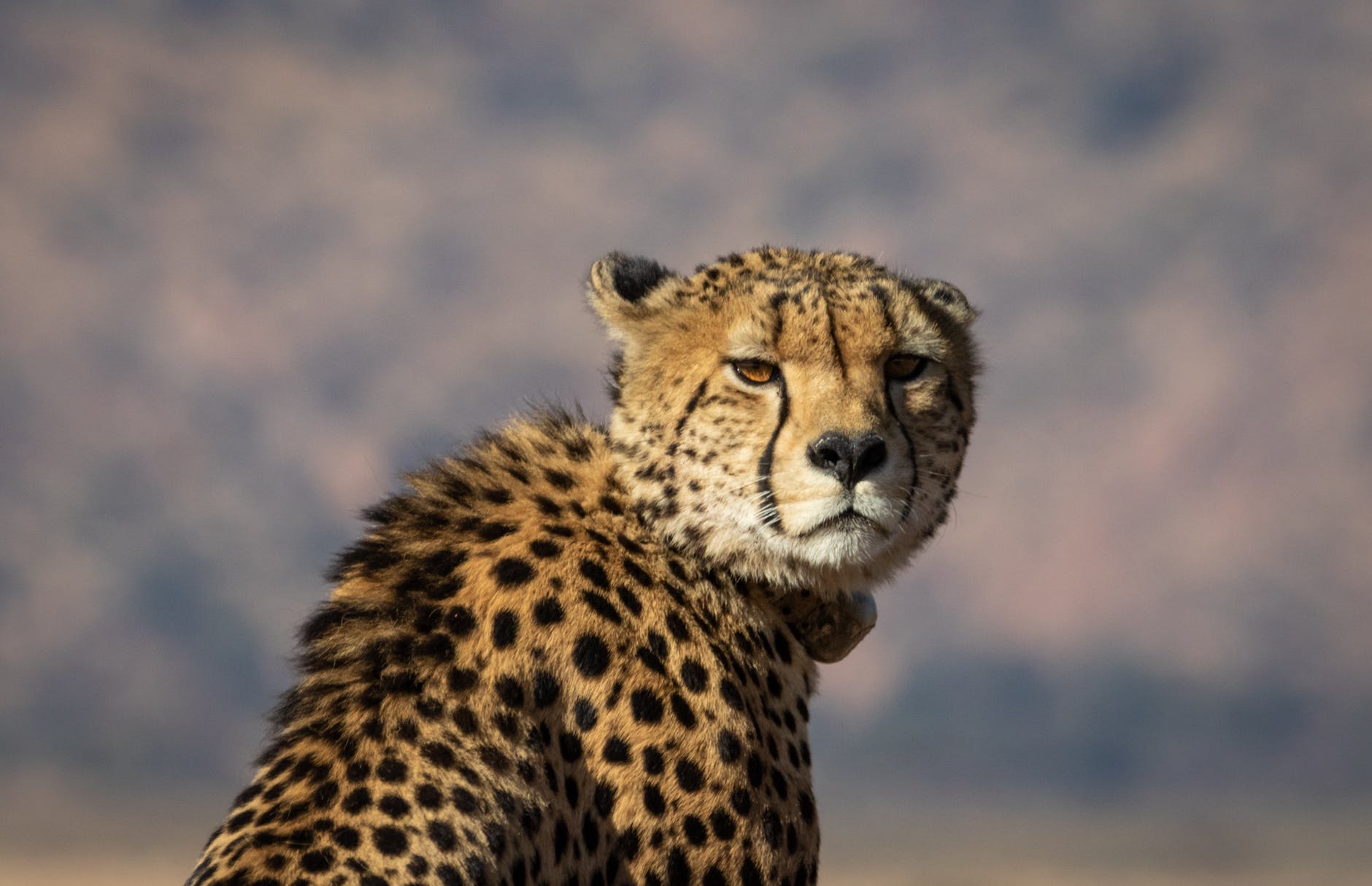
Cheetahs, already critically endangered, have been almost entirely wiped out by poachers who sell their cubs on the illegal wildlife market. Credit: Magda Ehlers/Pexels
The puma is known by more names than any other mammal, a fact that reflects its incredible resilience and wide range.
The puma goes by a lot of names. So many, in fact, that it holds the Guinness world record for the mammal with the most names, with more than 40 monikers in English alone.
Add the puma’s various appellations in Spanish and the indigenous tongues of south north America, and the large golden cat has probably had at least 100 names by a conservative estimate.
Cougar, panther, mountain lion, catamount, Florida panther, Carolina panther, ghost cat, gato monte, cuguacuarana, painter, screamer — they’re all names for puma concolor, a felid with the size of big cats in the panthera genus but genetics more closely related to non-roaring “small” cats, including felis catus.
Indeed, although pumas are famously capable of the wild cat “scream,” they’re able to purr just like house cats and their small- to medium-size wild relatives.
Why does the puma have so many monikers?
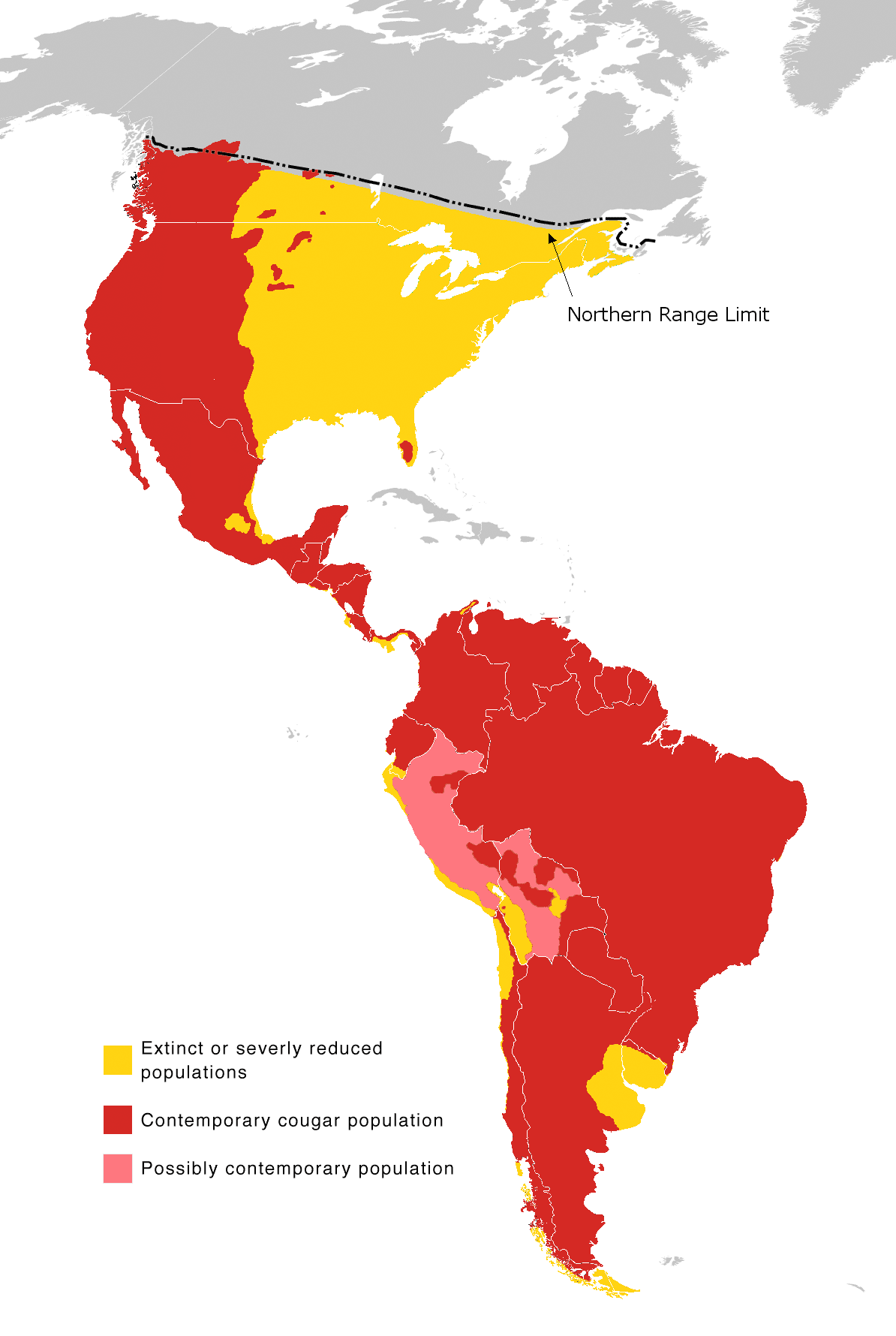
Mostly it’s because the adaptable, elusive feline has a vast range that historically covered almost the entirety of two continents:
Credit: Wikimedia Commons
Even today cougars exist in healthy numbers across most of South America and the western United States. They’re wanderers, with pockets of smaller populations in places like Florida and the midwest, and individual mountain lions have been spotted as far east as New York and Connecticut. (The New York region known as the Catskills, derived from “cat creek” in Dutch, was named after pumas when the area was part of their regular range.)
Throughout their history they’ve been familiar to a diverse group of human civilizations, societies, nations and peoples, from the Aztecs, Inca and Mayans, to the indigenous tribes of North America and the First Nations of Canada, to the inhabitants of modern-day countries like the US, Panama, Brazil, Mexico, Venezuela, Colombia, Ecuador, Paraguay, Bolivia, Chile and Argentina.
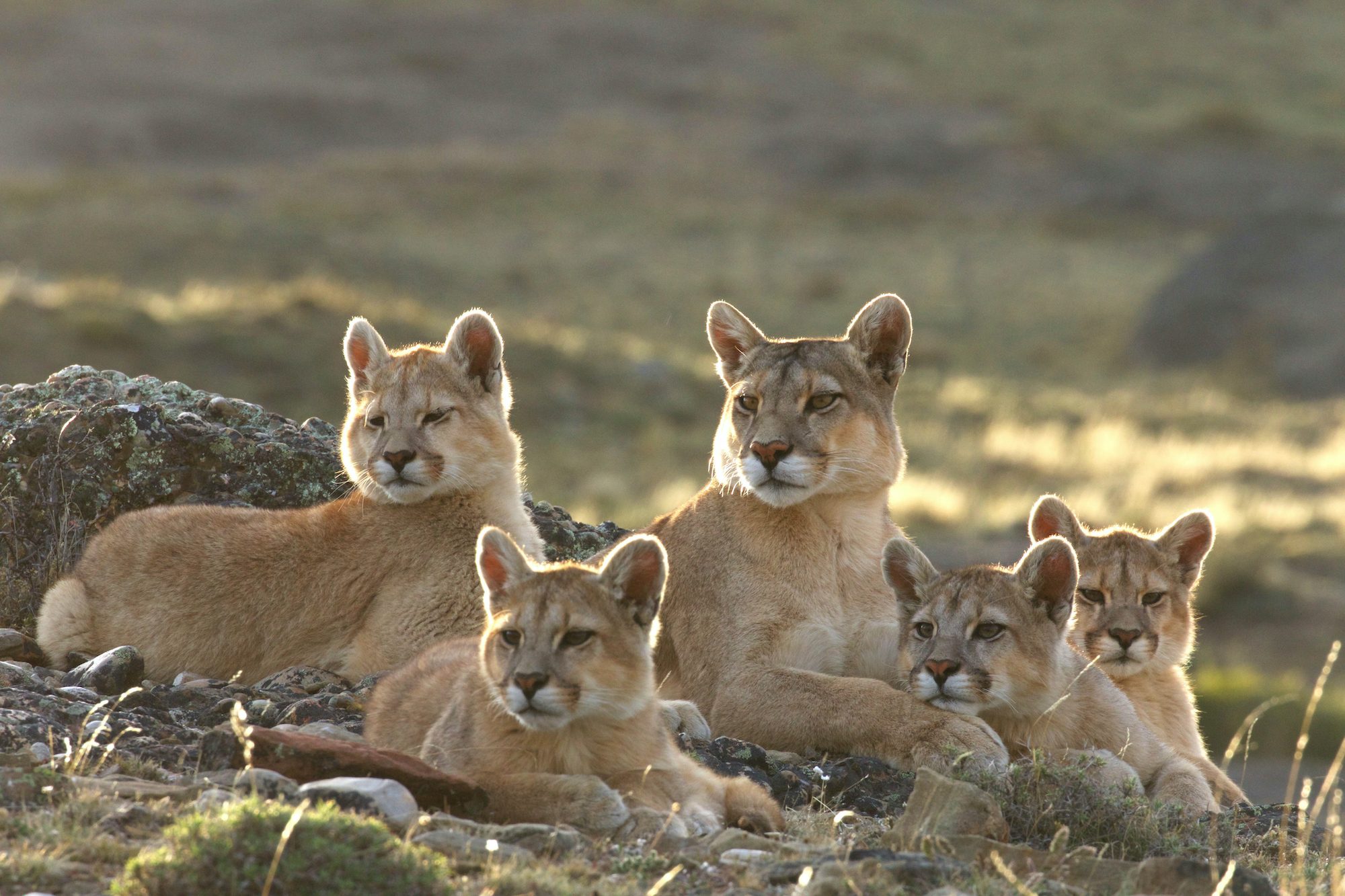
A puma with her cubs. Credit: Nicolas Lagos
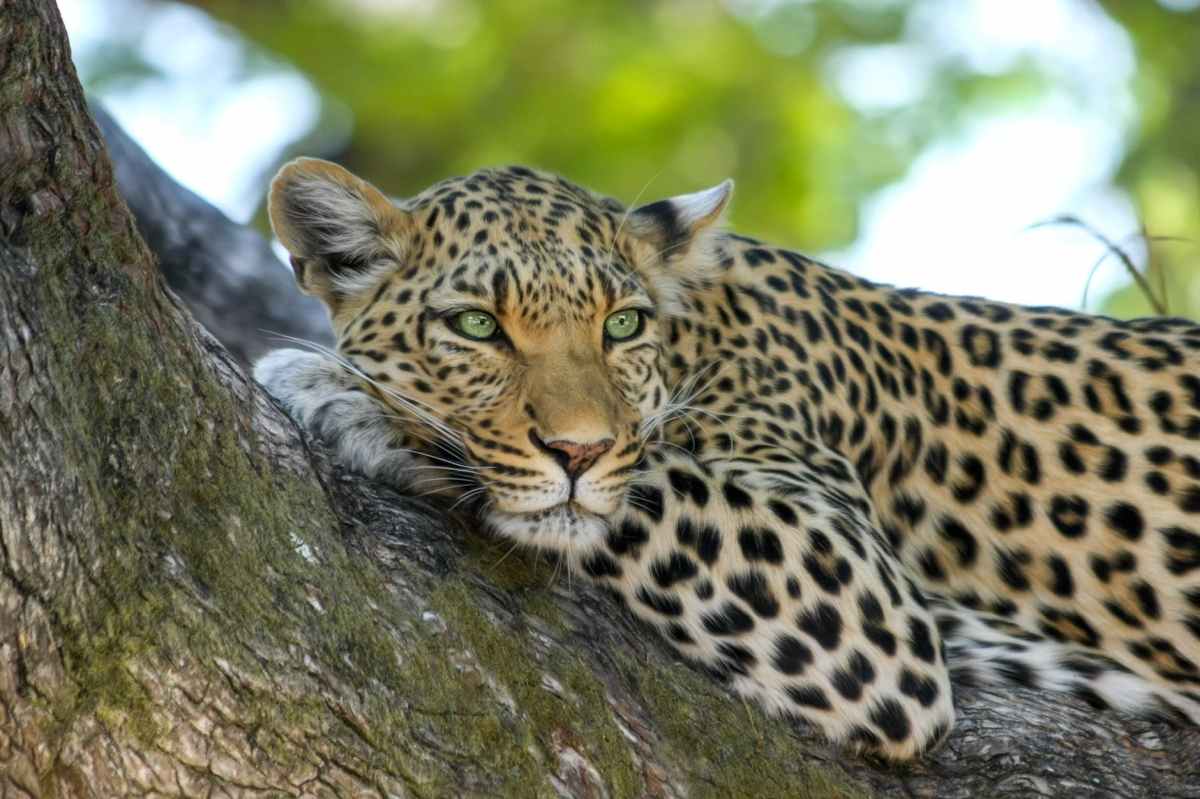
But the name confusion doesn’t just stem from the puma’s many monikers bestowed by people of different cultures across space and time. The puma is also one of three cat species that are regularly called panthers. The other two, jaguars (panthera onca) and leopards (panthera pardus), are true “big cats.” That means they’re members of the genus panthera and they can roar but not purr.
Pumas are easily distinguishable from the other two: They have smooth golden fur without adornments, while jaguars and leopards both have blotches called rosettes.
It’s difficult to tell jaguars from leopards, but the biggest giveaway is the fact that jaguars have solid dot-like markings within their rosettes while leopards do not. In addition, leopards have much longer tails than jaguars or pumas, as they need the counterbalance provided by their tails to help them climb trees and balance themselves on tree limbs.
Jaguars are excellent climbers as well, but they don’t need to be as adept at living off the ground — they are the apex predators in the Americas, while leopards coexist with lions and other large animals like Cape buffalo that present a danger to the big cats even if they’re not predators.
Which brings us to our last point: Our many-named friends, the pumas, may be big and they may look dangerous, but they’re not. There have been 27 humans killed by the elusive cats in more than a century in the U.S., according to the U.S. Fish and Wildlife Service, compared to about 3,000 deaths from dog bites over the same period. Between 30 and 50 people are killed by dogs each year.
Most confrontations between humans and pumas happen when the latter are threatened and cannot escape, or when a female is protecting her cubs.
So if you live in an area where you have a chance to see these beautiful cats, admire them and keep your own kitties indoors, but don’t freak out — the puma you see one second will be gone the next.
“He didn’t hunt the lion and he didn’t have to hike six hours to reach it. … All he did was walk to the bottom of the tree, pull the trigger and kill it.”
Montana Gov. Greg Gianforte has to go.
The so-called “avid hunter,” who once boasted of serving “mountain lion teriyaki, antelope chops wrapped in bacon, and elk tenderloin” to investment bankers visiting his home, apparently wanted to kill another puma so badly that he put the word out to fellow hunters.
On Dec. 28, one of those hunters caught sight of one of the large and elusive felids just a few miles outside of a protected area near Yellowstone. The hunter unleashed his hounds on the cat, who escaped up into a tree, and kept the dogs there for hours to prevent the puma from escaping while the Mighty Hunter Gianforte drove hours to the location, got out of his car and bravely shot the terrified animal at point blank range.
What Gianforte did was not hunting, according to retired physician, naturalist and outdoorsman E. Donnal Thomas Jr., a Montanan who is well known for writing about hunting and outdoor sports.
Driving to a place where quarry has already been trapped and shooting it is “the difference between a hunter and shooter,” Thomas told the Yellowstone Mountain Journal. “He didn’t hunt the lion and he didn’t have to hike for six hours to reach it. It sounds as if all he did was walk to the bottom of the tree, pull the trigger and kill it.”
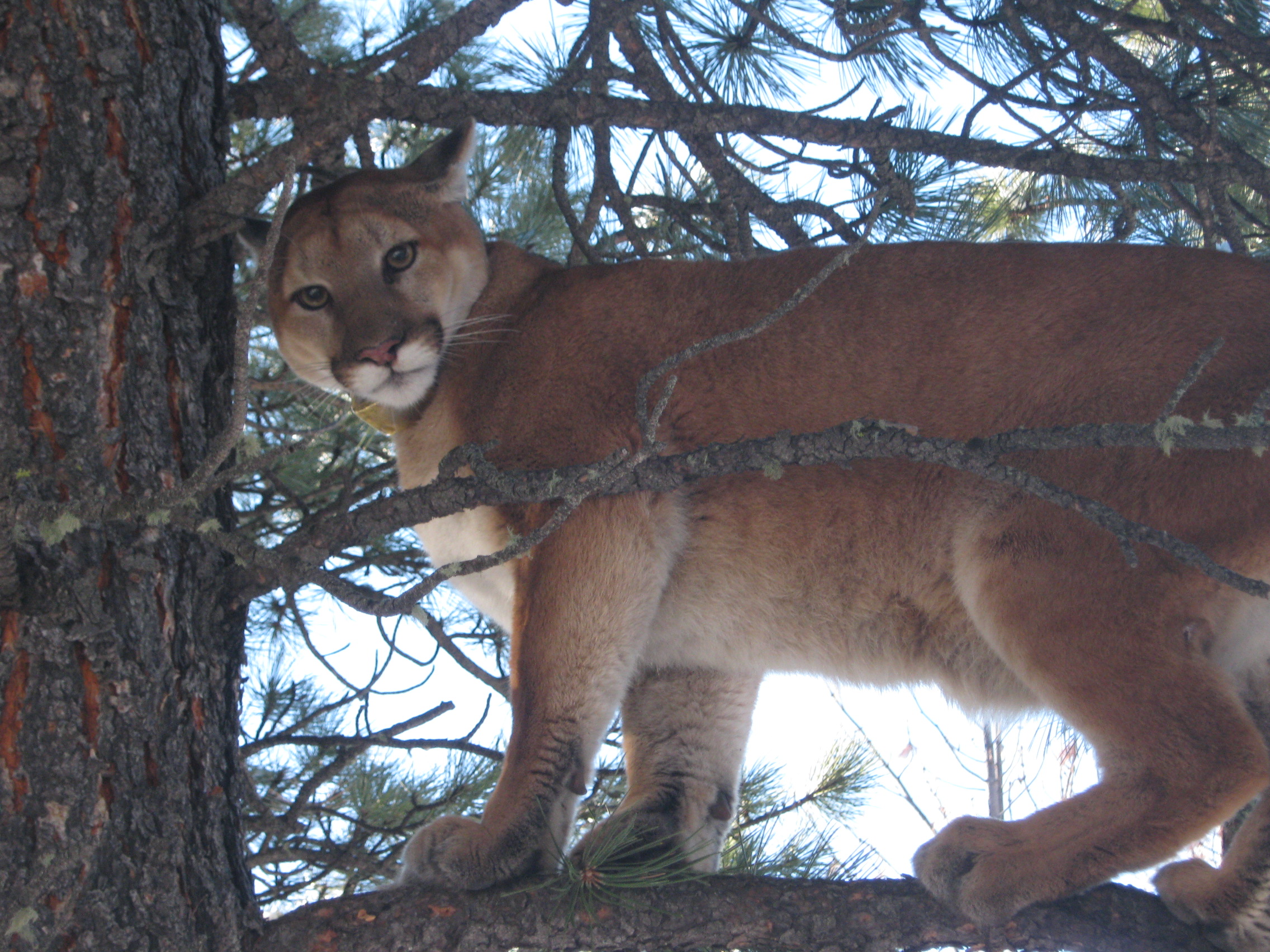
A mountain lion, also known as a puma and cougar, in a tree in Montana’s Little Belt Mountains. Credit: Forest Service Northern Region/Wikimedia Commons
The governor may have broken the law, and certainly violated ethical guidelines, by refusing to say anything about the “hunt” and having his press office ignore phone calls, emails and public records requests by journalists. That’s primarily the reason the story is breaking now, more than two months later: Journalists were finally able to track down people with firsthand knowledge of Gianforte’s “hunt” and corroborate the details with other people who were in the know.
Gianforte has had his share of hunting incidents in the past, including two incidents in which he broke the law, once for hunting an elk without a permit, and once for killing a wolf that was radio collared and actively tracked by scientists. (He was let off with a warning.)
In that incident, Gianforte killed the wolf after it ventured out of protected lands, as he did with the mountain lion, who was also wearing a tracking collar. The cat turned out to be a five-year-old male who was monitored by staff at Yellowstone park.
If you’re wondering why Gianforte’s name sounds familiar, it’s probably because he famously assaulted and body-slammed a Guardian reporter who made the mistake of doing his job and asking Gianforte — who was a congressional candidate at the time — about his healthcare policies.
“At that point, Gianforte grabbed Jacobs by the neck with both hands and slammed him into the ground behind him,” wrote Fox News reporter Alicia Acuna, who witnessed the assault. “Faith [Mangan, field producer], Keith [Railey, photographer] and I watched in disbelief as Gianforte then began punching the reporter. As Gianforte moved on top of Jacobs, he began yelling something to the effect of, ‘I’m sick and tired of this!'”
In an audio recording of the assault, an angry Gianforte screams “Get the hell out of here!” while the shocked reporter responds, “You just body-slammed me and broke my glasses!”
Hunting mountain lions should not be legal. There is no such thing as “too many mountain lions,” even by arbitrary federal standards, as the animals are rare, elusive, not hostile to humans and rarely harm people unless cornered or their cubs have been threatened. There have been between 15 and two dozen fatal encounters with mountain lions in the last century. By contrast, dogs kill an estimated 25,000 people a year.
While we refrain from discussing politics or ideology on PITB, primarily because we want all readers to feel comfortable as regulars on the site and we believe politics shouldn’t poison everything, we agree with writer Abigail Weinberg’s assessment:
“Puma. Cougar. Mountain lion. There are many names for the big cats that roam the Americas, rarely attacking humans.
But there’s only one name that springs to mind for Montana Gov. Greg Gianforte: Asshole.”