Blog Posts

Local Gov. Employees In California Are Shooting Cats To ‘Protect Wildlife’

The government agency that manages Bay Area parks initially denied killing the cats, then said its employees shot 18 strays because they were a threat to birds who migrate to the area for the winter.

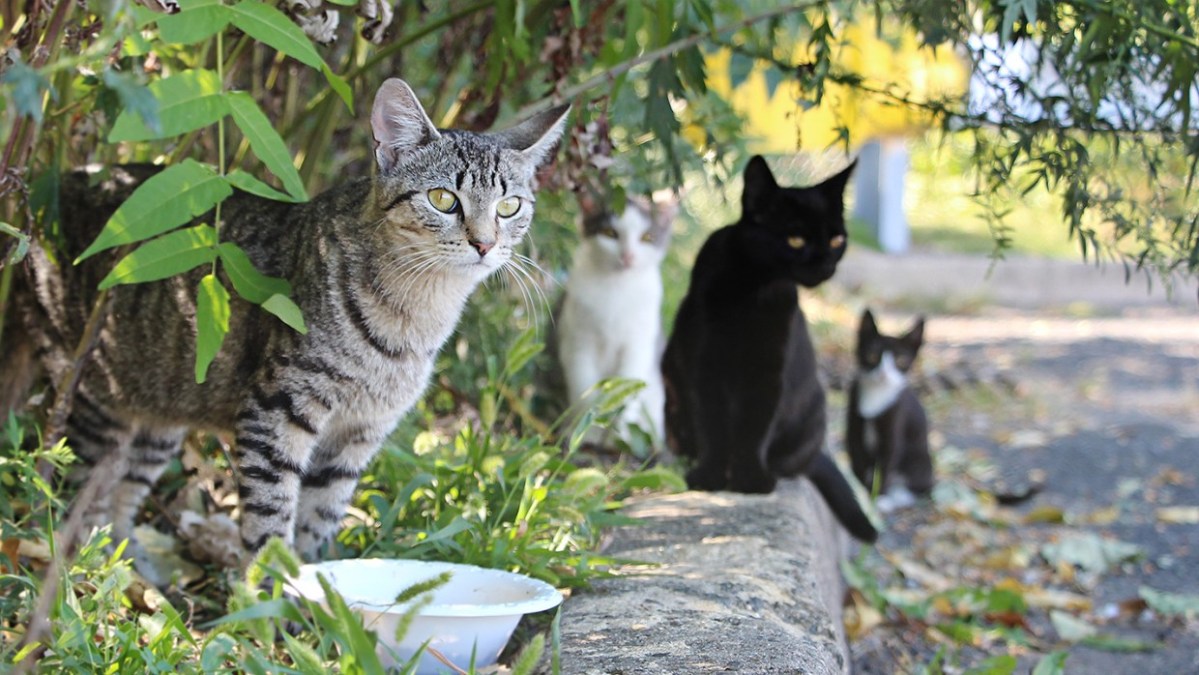
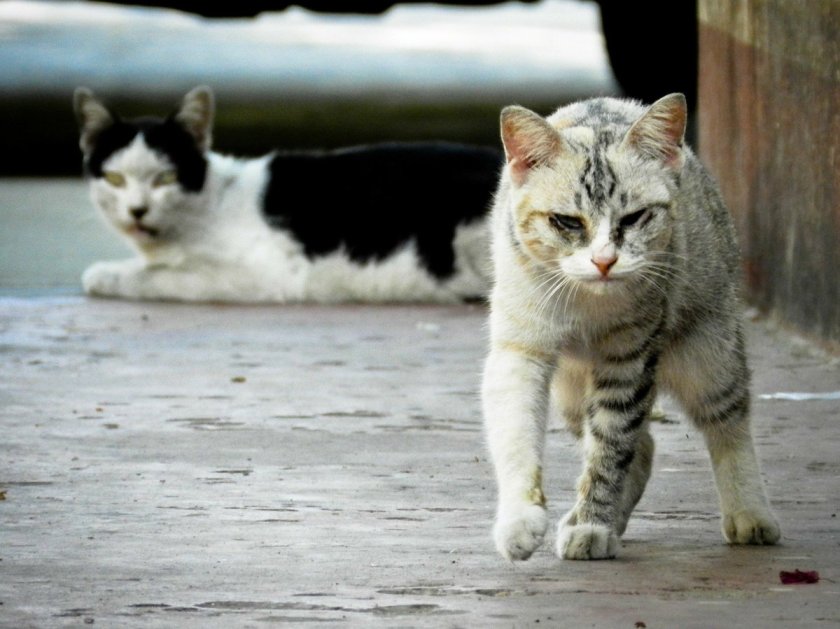
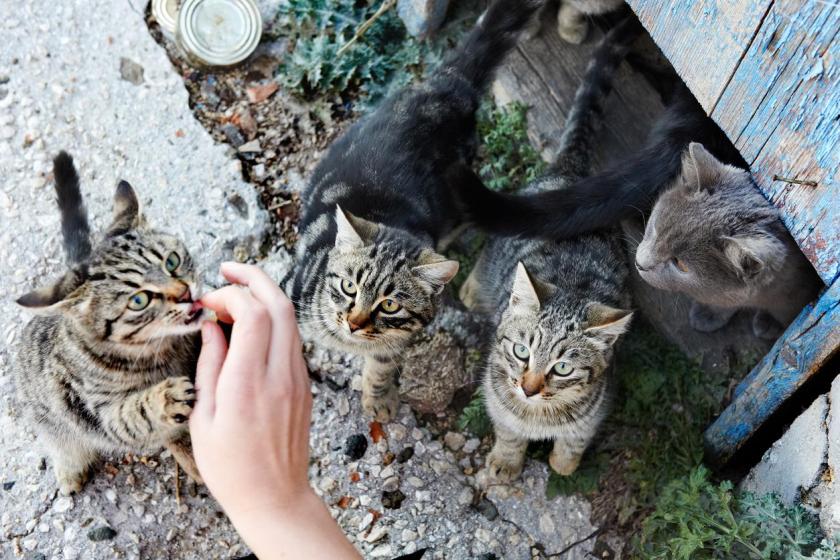
In a sickening story out of California, state government employees have admitted to shooting 18 cats and say they can’t rule out shooting more who venture too close to a marshland where thousands of birds migrate for the winter.

The cats were shot by employees of the East Bay Regional Park District, a government agency that manages parks in the Bay Area, including San Francisco, Oakland, San Jose, Palo Alto and dozens of other cities and towns in a nine-county area.

They’re operating under a broad mandate that allows them to kill any cats “that may pose a danger to wildlife,” according to a report by Bay Area ABC affiliate KGO.

It’s 7:30 at night in an East Oakland office park, Cecelia Theis is trying to trap what’s left of the colony of cats she’s cared for over the past year. She tells the I-Team, “I really want to get them out of here.”

After Theis came here to work for the county, training poll workers in the last primary election, she began helping others feed the feral cats. She fell hard for them, including the little one who climbed on her hood waiting for food, and the first cat she befriended.

“Each of them had a personality and helping them was a priority for me,” Theis said.

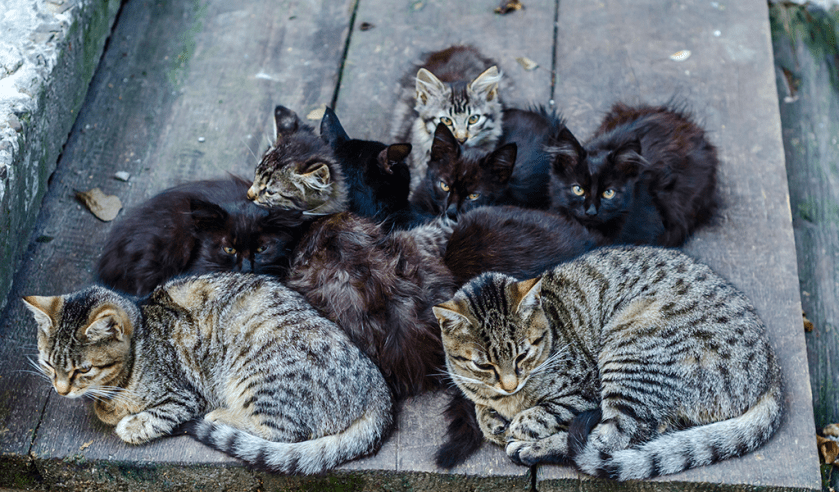
She found homes for their kittens, took the adults to be spayed and neutered; the colony was stable at 30 cats. But over the past month, most of them have disappeared.

Theis finally got East Bay Regional Park officials to admit, their staff shot and killed several of the cats that had wandered into a nearby marsh.

Her heartbreak spilled out on social media, “It’s not okay to shoot these beings; some of them were pets that were abandoned.”

The state employees who shot the cats did so without notifying the public, without talking to locals who manage and care for cat colonies in the area, and without asking for the help of local shelters and rescues whose staffers say they could have easily trapped the cats and relocated them.

In fact, the East Bay Regional Park District lied when first asked about the fate of the cats: Employees there initially told Theis and another colony manager that the cats were trapped and taken to shelters in Oakland and nearby Dublin, according to a day-old Change.org petition that already has almost 500 signatures.
3C25179C-2597-4D77-87CD-2FB9A007E358

The state employees only came clean about killing cats when Theis went to KGO and they realized their actions would be detailed in media reports. They’re still obfuscating: KGO journalists filed public records requests for documents related to the cat killings, but the agency has not fulfilled the requests.

That’s illegal according to state and federal law, which dictate that government agencies have 30 days to respond and, if they deny the open records request, must provide a compelling reason why. As a career journalist who has filed my own share of Freedom of Information Act requests over the years, I cannot fathom any valid excuse for withholding those documents from the media and thus, the public.

Policies like this one are a direct result of the dangerous misinformation peddled by a handful of academics who advocate for the extermination of cats, and claim domestic cats kill more than 20 billion birds and small mammals in the US annually.

Despite serious and deep flaws in their methodology — and the fact that the authors invented data rather than trying to gather it — the findings of those studies are reported as fact in the press, without any skepticism, despite push back from other scientists who have been sharply critical of the studies and their conclusions.
5F8F6039-255A-4706-8A34-9E7DF8DEF7C2

The result has been a panic over cats and their impact on smaller wildlife. The studies and the subsequent panic are directly responsible for policies like those adopted by some Australian regional governments, who have an open bounty on domestic cats, paying $10 for adult pelts and $5 for kitten pelts. They also fuel rhetoric of the type we witnessed in the New York Times this August, when a columnist was so incensed by reports of cats killing birds that she admitted to fantasizing about shooting a hungry, sickly stray who showed up in her neighborhood.

We have a serious problem if, on the cusp of 2021, we have government employees shooting cats and paying bounties for kitten pelts, based on the misguided idea, not supported by evidence, that violently killing small domestic animals is somehow an effective way to protect birds.

Cats are sentient creatures who feel pain, fear, anxiety, sadness and the full range of primary emotions. Moreover, they’ve been molded into companion animals who bond closely with humans. According to Theis and KGO, several of the cats who were shot were former pets.

A manager with the East Bay Regional Park District downplayed the shootings, saying there was a “communications breakdown” between his team and local rescues as well as colony caretakers.

“We feel horrible about this, you know, this is really one thing that’s just really sad,” Matt Graul, “chief of stewardship” for the agency, told KGO. “And we really don’t want to ever have to take this step. You know, we are compassionate, and love all wildlife. And many of our staff have cats as pets.”

Despite that, Graul would not rule out killing more cats and his agency has not complied with state public records law, nor did he say why the agency lied to colony caretakers about the fate of the strays. We hope Bay Area media organizations are getting their lawyers involved and working with the state’s open government office to force the East Bay Regional Park District to obey the law and release its records on the cat shootings.

This is unacceptable, and it should be stopped before government officials with too much zeal and too little skepticism enact similar policies in other states.
94744672-DA95-48BA-92AC-A0C6518D9619

Does Your Cat Tolerate A Collar?

Some cats don’t tolerate collars, clothes or costumes.

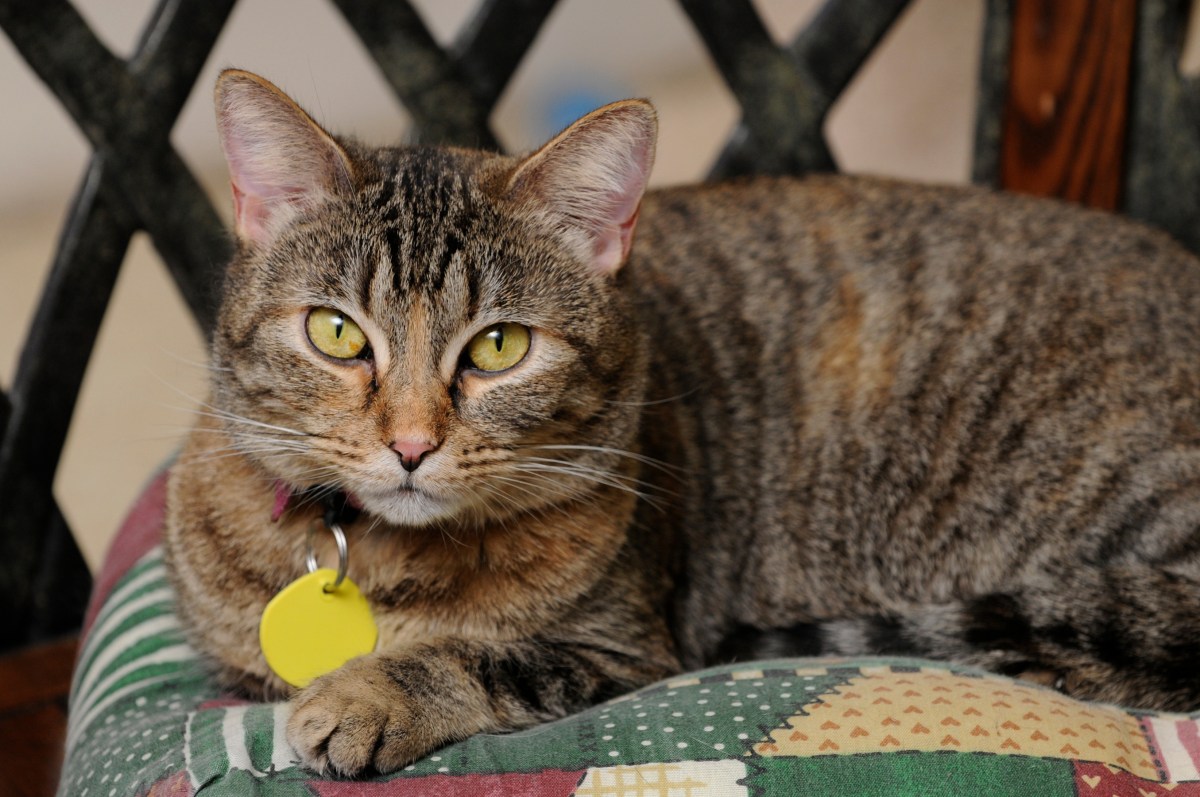
Even indoor cats should wear collars, according to a pair of veterinarians who spoke with PopSugar.

Megan McCorkel, a veterinarian who writes for Better With Cats, said collars can make a difference if the unexpected happens and your cat gets outside:

While it might not seem as necessary to put a collar on an indoor cat as an outdoor cat, accidents can still happen, Dr. McCorkel said. Even indoor-only cats can venture out of the house unexpectedly. However, because indoor-only cats don’t have the street savviness of outdoor felines, they might be in a bit of panic when they first get out, she explained. Luckily, a collar helps people realize that your stressed-out kitty doesn’t belong outside, prompting them to return your lost cat home safely and quickly. “I think of a collar on an indoor cat like an insurance plan,” Dr. McCorkel said. “I hope I don’t need it, but when I do, I’ll be glad it’s there.”

The last time I tried to put a collar on Buddy was six years ago, and he was miserable with it on. At the time I tried the gradual approach, leaving it on him for short spurts and giving him extra treats and praise when he had it on.

Eventually I left it on Bud for the better part of a day. He whined and cried and never forgot it was around his neck.

Finally he managed to contort himself so he could get a hind paw underneath the collar and pull on it with his front paws. He trilled with anticipation, sliding it up his neck toward his ears — then lost his grip, and the collar snapped back like a rubber band.

I will never forget his shriek of unmistakable frustration in that moment. I knew he was miserable, and I took the collar off immediately.

Screenshot_2020-12-05 Cat-wearing-a-collar-Vets-Now webp (WEBP Image, 1333 × 1000 pixels) — Scaled (96%)

Right now I’m not worried about him getting outside because I live in an apartment building, meaning Bud would have to get through three or four sets of doors, and primarily because he wants nothing to do with the outdoors. As an indoor cat, Buddy gets overwhelmed by the sights, sounds and smells outside, and that’s when he’s on his harness with me as his safety blanket. He enjoys sunbathing on the balcony, but he won’t even step out there unless it’s a perfect 75-degree day.

I’ve made the determination that it’s not worth making him suffer. That could change in the future when my living circumstances are different.

What about your cats? Do they tolerate collars? Do you think they’re necessary?

Buddy Caught Editing His Own Wiki Entry

When Wikipedia didn’t acknowledge Buddy’s accomplishments, the sneaky tabby took things into his own paws.

NEW YORK — Buddy the Cat was temporarily banned from Wikipedia on Tuesday after he was caught editing his own Wiki entry, the site’s moderators confirmed.

The vandalism was spotted over the weekend, when an editor noticed the infamous tabby cat’s entry had been significantly altered. The original entry, moderators said, met Wikipedia’s standards for neutral language and facts attributed to authentic sources:

“Buddy the Cat (born February 2014) is a domestic shorthair house cat best known for a disastrous term as president of the Americats [1], several appearances on Modern Cat magazine’s annual list of the 100 Most Ridiculous Cats [2], and as the leader of an alleged catnip smuggling ring responsible for importing more than 300 tons of catnip and silvervine annually, according to authorities. [3]”

The new version of the Wiki entry was immediately flagged due to its inclusion of unverified and unsourced claims:

“Buddy the Cat (born on the summer solstice of 2014 on the peak of Mount Olympos, Greece, during a meteor shower) is a purebred Buddinese tiger best known for a tremendously successful term as president of the Americats, a triumphant appearance on TIME magazine’s list of the 100 Most Influential Cats, and as an international feline sex symbol whose rugged good looks and muscular physique have earned him the admiration of female cats from New York to Tokyo.

Already an icon and movie action star, Buddy was elected as leader of the free cats in a surge of unprecedented patriotism and enthusiasm in 2016, as his campaign slogan — Make Yums Delicious Again — resonated with cats from coast to coast who were tired of the same old kibble. To date he is the only Americat president who has made turkey and bacon rain down from the sky.”

Moderator u/Librarian28 affixed a warning to the entry before reversing the vandalism and restoring the original content to the Wiki entry.

Edit, 11/22/2020: Entry has been vandalized and does no longer meet Wikipedia standards. Update, 11/24: The vandalism has been reversed and the original content restored.

The fix was short-lived, however, and within a few hours the second entry had been restored, along with a new subsection detailing Buddy’s acting career and his exploits as a covert operative for the Feline Bureau of Investigation (FBI).

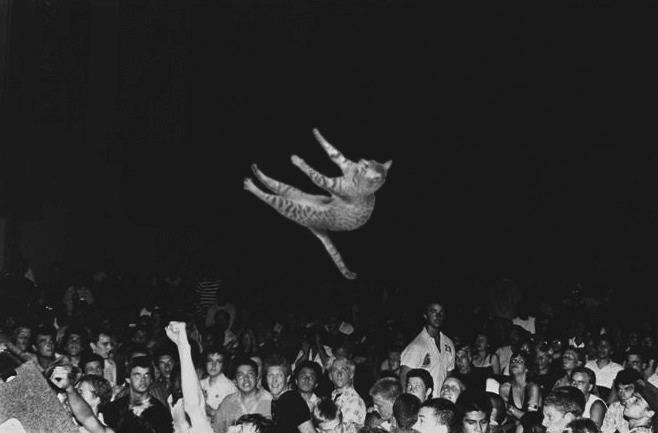
stagedive
Buddy energizes the crowd by stage diving during a performance by his band,

Early life and education

After earning a degree in litter box etiquette and play time socializing from the University of SPCA’s Kitten Kindergarten Behavior School, Buddy earned his meowster’s degree from the FBI (Feline Bureau of Investigation) school of cat crime and worked ultra-secrete awesome clandestine missions for the bureau. During this time he was known only by the mysterious moniker “Grey Tiger” and was feared by felines the world over.

Buddy subsequently left the bureau to pursue a career as a Hong Kong action star, appearing in films such as The Way of the Claw and Enter the Tabby. In 2017, he earned international fame as Shiva, a tiger companion to the character Ezekiel on The Walking Dead. That summer he earned rave reviews for his performance in Cats, the long-running musical at New York City’s Winter Garden Theatre.”

Soon after the second set of edits to the Wikipedia page, moderators issued a two-week ban for the domestic shorthair cat, who had also been cited for vandalizing the Wiki entry for the Los Gatos and the cartel’s leader, Pawblo Escobar.

Johnny Clawchrane, Buddy’s attorney, denied that his client was behind the online vandalism.

“Ipso facto, my client remains innocent until proven guilty, and under the statutes of e pluribus unum a priori a la carte, he is entitled to an appeal post haste ad mausoleum, quid pro quo per se.”

Floppy Fish II: The Floppening

If your cat is terrified by Floppy Fish, use it as a Ssscat to protect your stuff from getting swiped to the floor!

I promised an update on Buddy and his new Floppy Fish toy, confident he would get over his trepidation and start playing with it eventually. More than half a dozen attempts later I’ve succeeded only in making him more skittish.

Our readers will recall Buddy got his first look at his new toy last week, and he was terrified of it.

He stepped back warily as I flipped the on switch and placed the flopping fish on the floor. When it stopped thrashing — which it does after a few seconds to save battery life, relying on a motion sensor to tell it to move again — Buddy slowly, cautiously edged his way over.

With a wary eye on the toy fish, Buddy gave it a nudge with his paw, then jumped back as it sprang to life again, making a mechanical SWISH-SWISH sound as it thrashed.

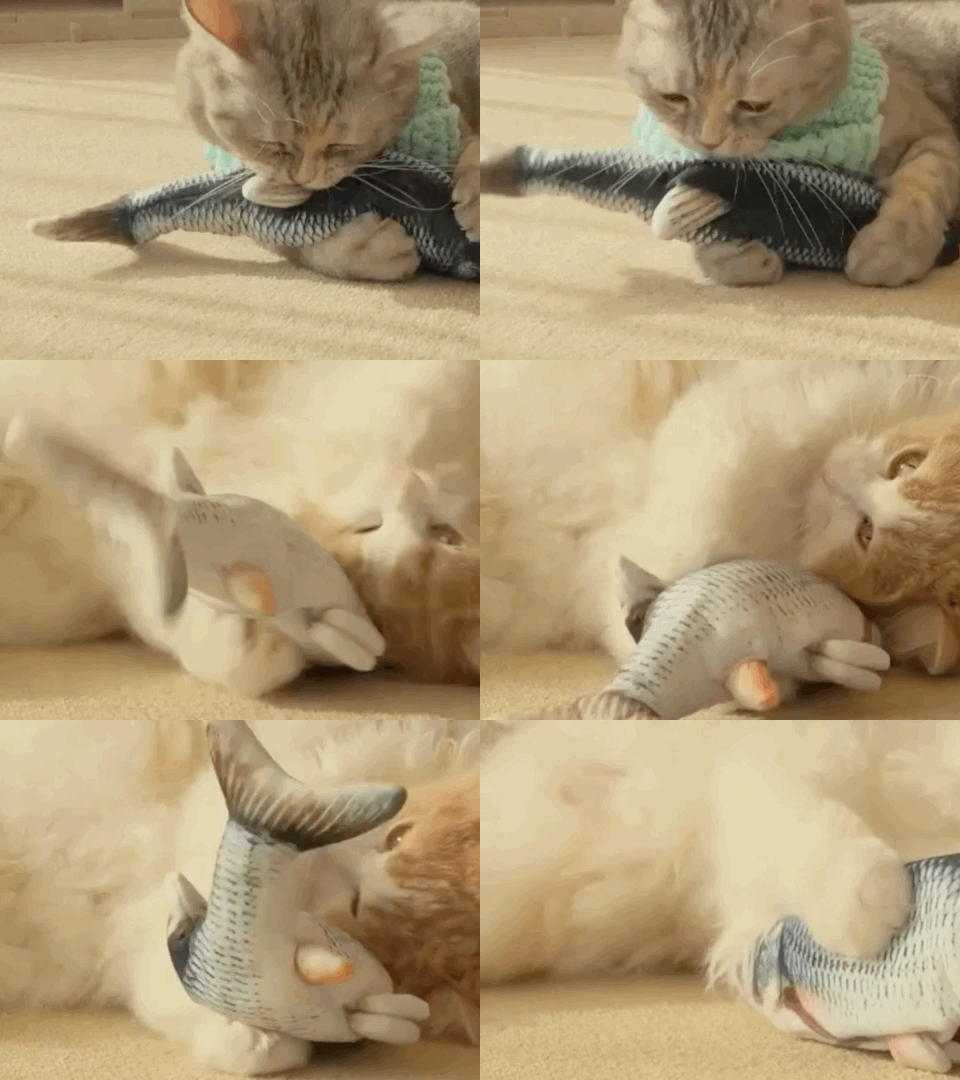
floppyfish3

I tried to get him interested in the fish the next day and again the following night. It was late. Buddy hopped up to the coffee table and padded over to me, nuzzling me with his cheeks in hello.

He’s relaxed, I thought. Good opportunity to try the fish again!

I should have kept the power off. He wasn’t playing with the fish, but he wasn’t hissing at it or running away.

Stupidly I allowed impatience to get the better of me. I switched it on, and he freaked out and ran away. After that he wouldn’t even go near the thing even as it sat dormant. He probably thinks it’s like Ssscat, the motion-triggered compressed air spray that startles cats to keep them off kitchen counter tops, tables and other surfaces.

Come to think of it, maybe I can find a use for the fish yet. If I want to protect a fragile item on a flat surface, all I need to do is place the fish in front of it and Bud will never go near the thing. 🙂


‘Social Influencer’ Thinks He Saw A Panther…In New Zealand

Local papers are calling the mystery cat the Canterbury Panther.

A New Zealand man says he filmed a “panther” after taking blurry footage of a house cat.

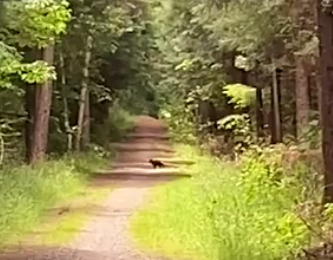
Kyle Mulinder does his best Steve Irwin impression with a breathless “Look at that thing! Amazing!” while zooming in on what looks an awful lot like a domestic cat.

Mulinder continues to provide commentary and generously estimates the cat at “four foot high” as it dashes off a dirt road into a wooded area in New Zealand’s Hanmer Springs Heritage Forest.

Here’s a screenshot of the cat. I wasn’t able to embed the video, so you’ll have to visit the New Zealand Herald to watch it.

Screenshot_2020-11-30 Canterbury mystery Is it a cat or is it a panther - NZ Herald

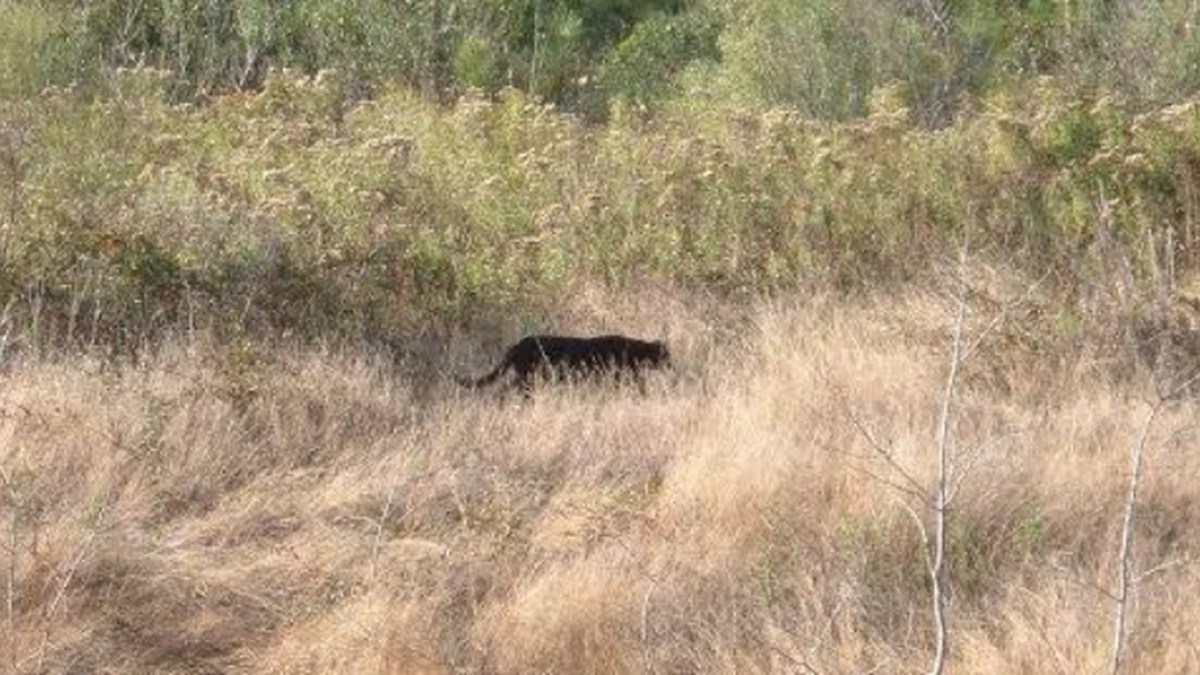
A handful of New Zealanders have said they’ve seen a large cat since at least this summer, long enough for the local press to dub the cat the Canterbury Panther. Various reports identify the cat as grey, tawny or black.

Mulinder, who calls himself Bare Kiwi online, demonstrated a flair for the dramatic while telling his tale to the Herald.

“It was about 50 metres away, strolling in the other direction but it sat down, turned and looked into my soul,” Mulinder said. “It was a very emotional experience. I was fearing for my life.”

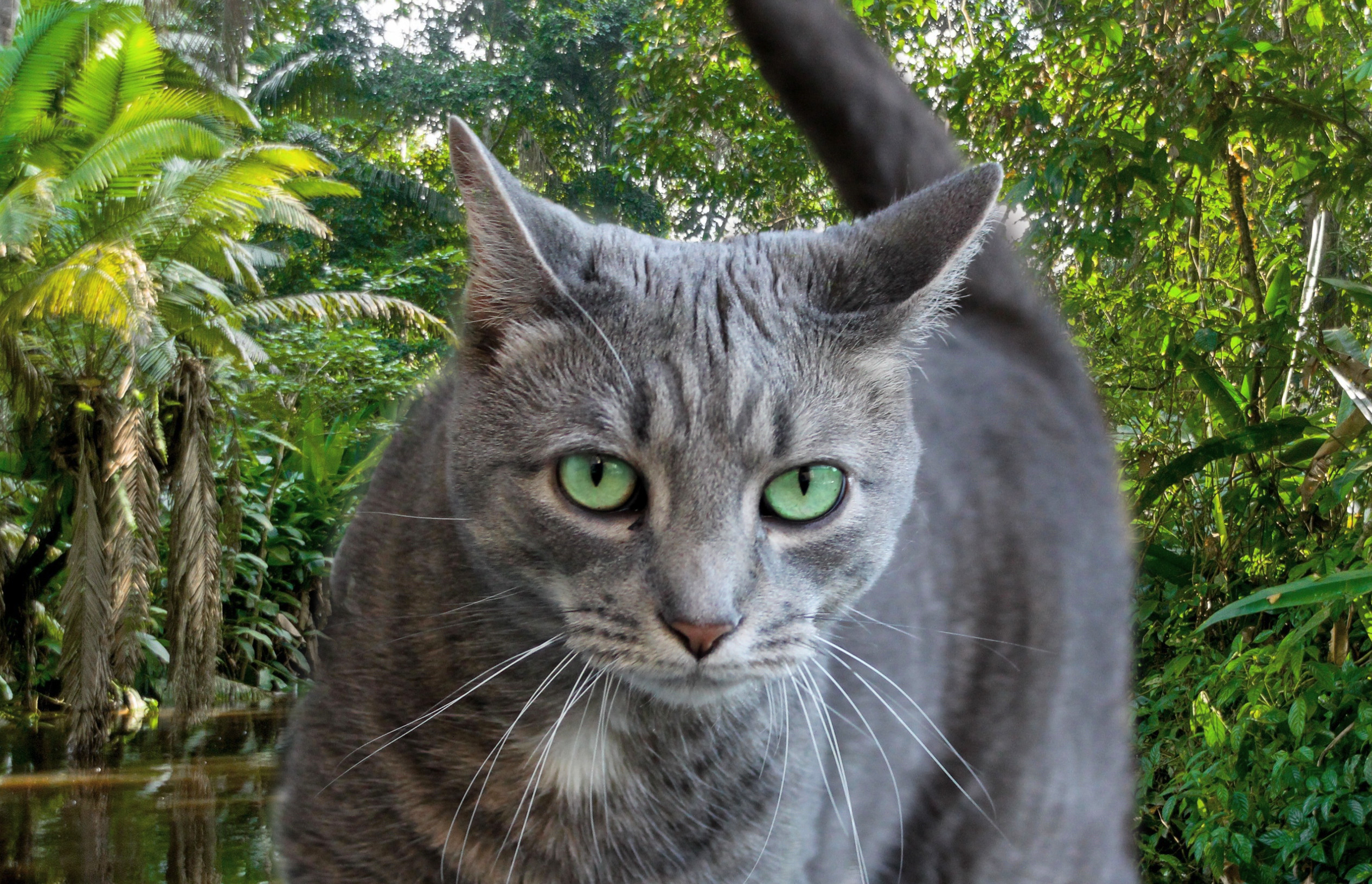
(Insert terrifying Buddy joke here.)

junglebuddy_horizontal

Yolanda van Heezik, a zoologist at New Zealand’s Otago University, said the chances of a big cat on the loose are “extremely unlikely.”

Aside from the lack of convincing footage of the Canterbury Panther, there aren’t any obvious signs of a mountain lion, jaguar or leopard, van Heezik said. Those signs could include scratches from large claws high up in trees, widespread scent-marking and the trail of prey that would be left by a large carnivore.

“No one’s ever caught one, no one’s ever got really good evidence that they are something different from just a large feral cat,” she said earlier this month. “And there’s also a complete lack of evidence that is indirect like if you had a really big cat like that you would expect there to be more stock kills, for example, but we don’t really have that evidence either.”

blackjaguar

Aside from the cat’s small size, there are other obvious reasons why it’s unlikely to be a panther. The word panther can refer to a cougar, also known as a mountain lion or puma. It can also refer to a jaguar or a leopard.

None of those cats are found on New Zealand: Pumas and jaguars are native to the Americas, while leopards exist in Africa and parts of Asia.

Of course it’s possible someone purchased a big cat from the illegal wildlife market and the animal escaped or was let go, but those cases are rare and big cats tend to be the “toys” of the ultra-wealthy. Local authorities have ruled out the possibility of a large cat escaping from any nearby zoo or wildlife facility, according to the Herald.