Finally, The US Is Poised To Outlaw Big Cat ‘Ownership’

Tell your senators to vote for the Big Cat Public Safety Act, which will ban the private ownership of big cats as well as cheetahs and cougars.

Even though Tiger King, the tawdry Netflix documentary about a redneck and his “zoo” full of tigers, focused more on the eccentric people involved than the plight of the big cats in their “care,” it got people talking about the problem of captive tigers in the US.

In 2020, congress passed a rare bipartisan bill to ban all big cat ownership in the US. The bill stalled when the senate failed to vote on it before the end of the legislative session, but now it’s back — and the recent saga of a confused tiger wandering around Houston may finally provide the nudge for politicians to pass the badly-needed bill.
jaguarwiki
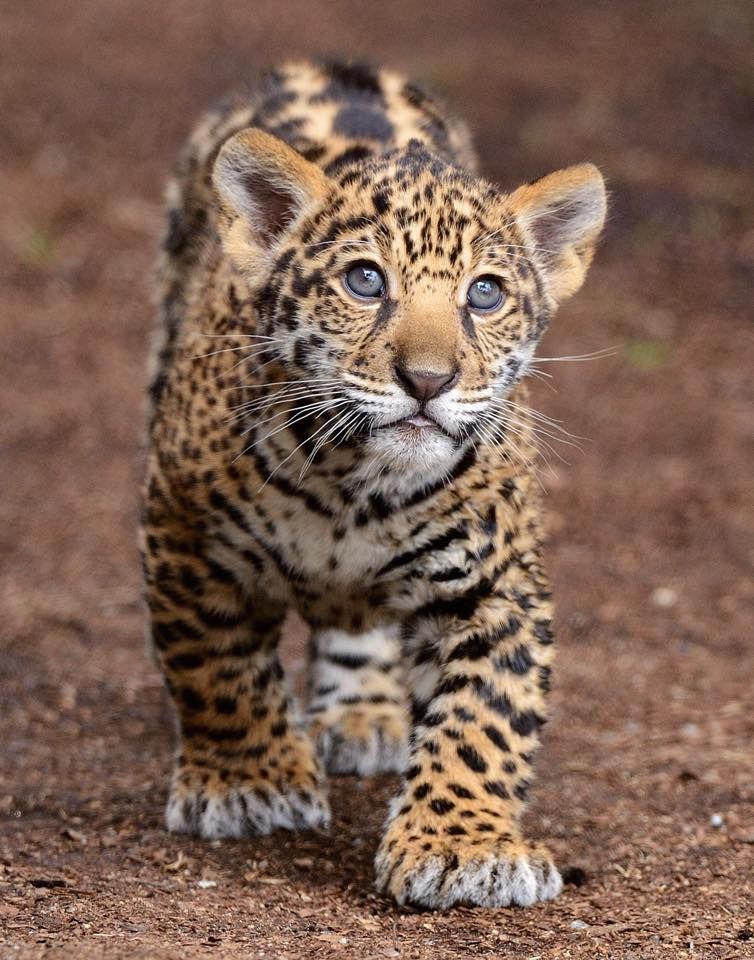
After almost exterminating tigers, Chinese poachers have turned to South America, where they’re poaching jaguars at unprecedented rates to feed demand for big cat parts in the traditional Chinese medicine market. Jaguar poaching has increased 200-fold in the past five years to fuel Chinese demand for their body parts.

There are more tigers living in Texas and Florida backyards than there are in the wild, an ignominious fact that says volumes about humanity’s indifference to the plight of the Earth’s most powerful and iconic predators. Devastated by habitat destruction and poaching to feed the bottomless Chinese appetite for tiger parts used in traditional Chinese “medicine,” the worldwide wild tiger population is about 3,900, according to the World Wildlife Fund.

By contrast, there’s an estimated 7,000 tigers kept as “pets” in the US, with as many as 5,000 of them in Texas.

The Big Cat Public Safety Act would ban the private ownership of tigers, lions, jaguars, leopards, cougars and cheetahs. It would also outlaw the practice of taking tiger cubs from their mothers so guests can hold them and take selfies with them, which has become an increasingly-popular and controversial feature of “roadside zoos” — unregulated, poorly run, unaccredited facilities — in the US.
cheetahwikicommons
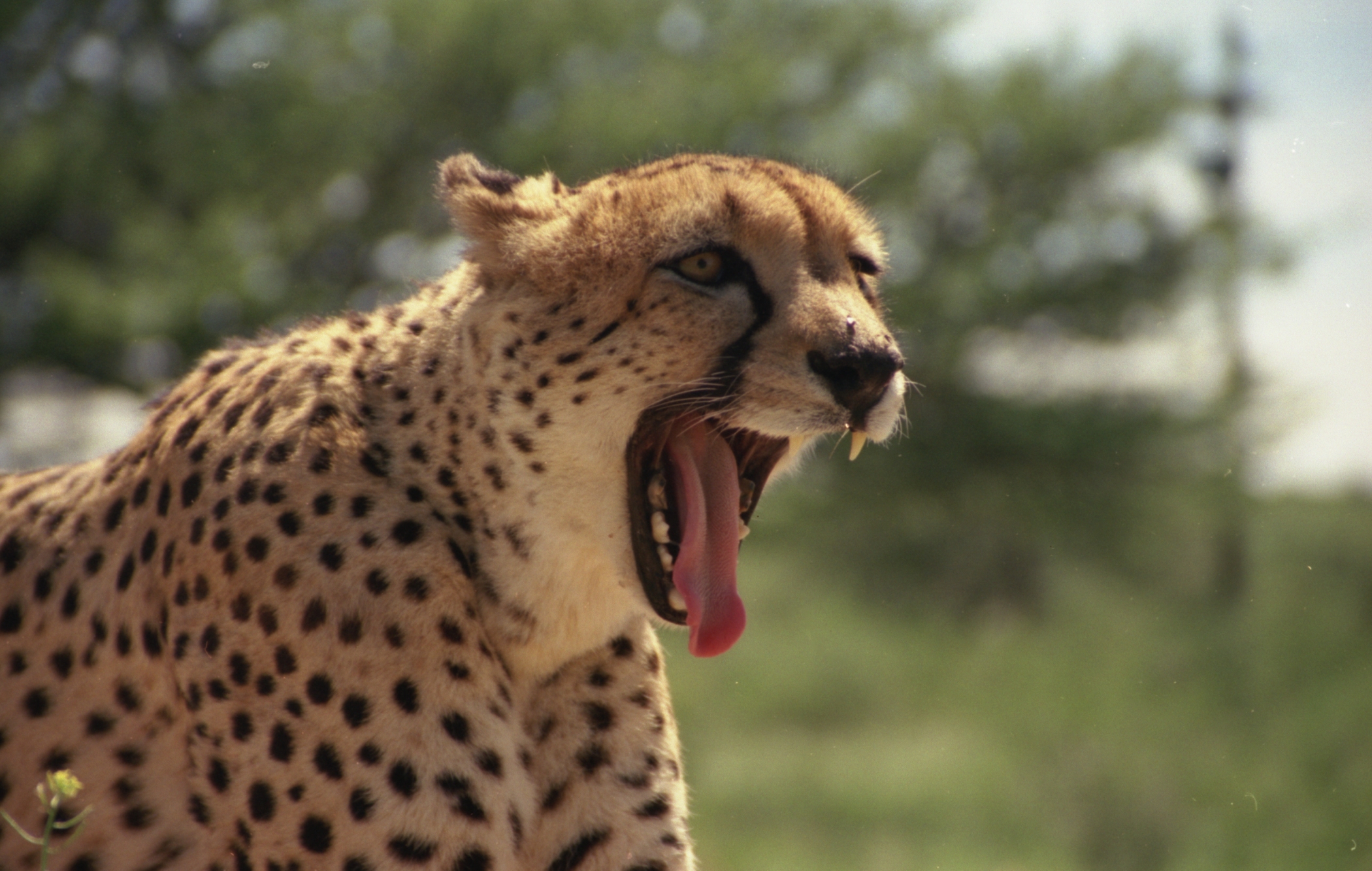
Cheetahs, already critically endangered due to habitat loss, are on the verge of extinction as they’ve become the exotic pet of choice among the wealthy of the UAE and Russia.

The Houston tiger, named India, is one of those unfortunate cubs. While the public freaked out and Houston residents huddled in their homes, hoping to record footage of the wandering tiger, an important fact was often left out of media reports: India is only eight months old. He’s essentially a baby, albeit a 175-pound one, and he had no idea what was happening to him, where he was, how to feed himself, or how to escape the endless sprawl of urban and suburban Texas.

Despite the fact that he was a confused-yet-playful cub, India could have easily been shot by authorities. Thankfully he survived his ordeal, and while his “owner,” Victor Cuevas, is sitting in jail on $300,000 bond, India has been relocated to a sanctuary in northern Texas, where he’ll be looked after and will get to live in the company of other tigers.

In the meantime, we all have an opportunity to lobby our respective senators and demand that they vote for the Big Cat Public Safety Act. You can fire off a letter to your senators and congressional representative in less than two minutes using the Animal Welfare Institute’s site — just punch in your address and the site will draft automated letters to all three, with fields to sign your name and to personalize the letters.

Tell them you support the Big Cat Public Safety Act, and you’ll take their vote into consideration the next time you head to the ballot box.

All images credit Wikimedia Commons.
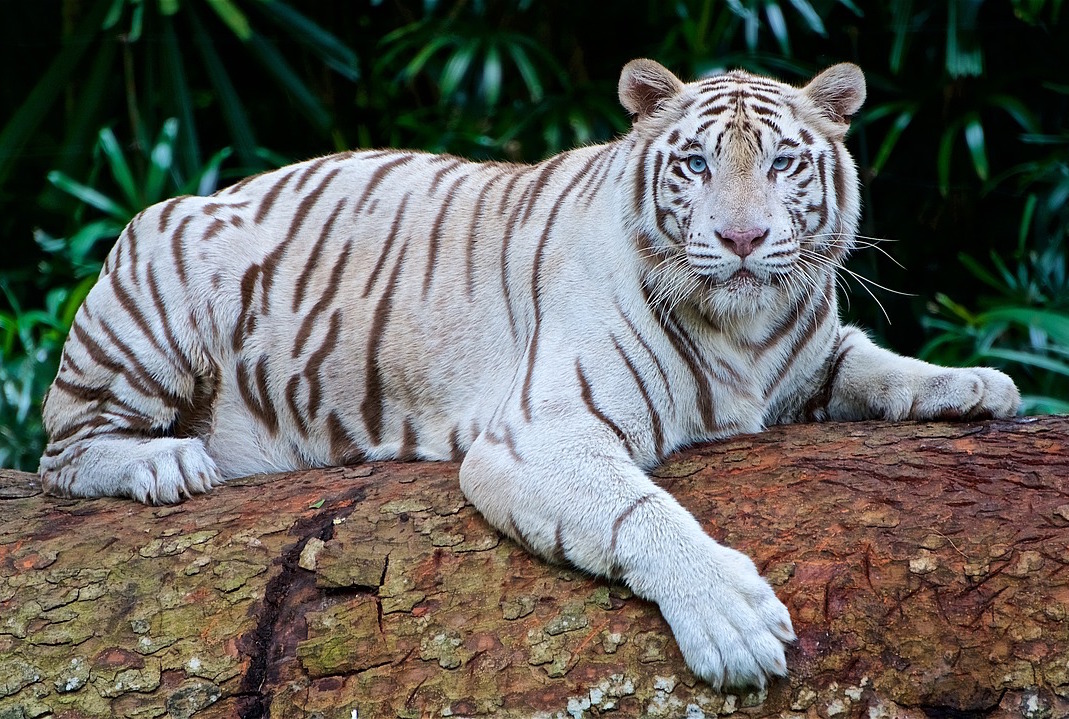
tigerwikicommons
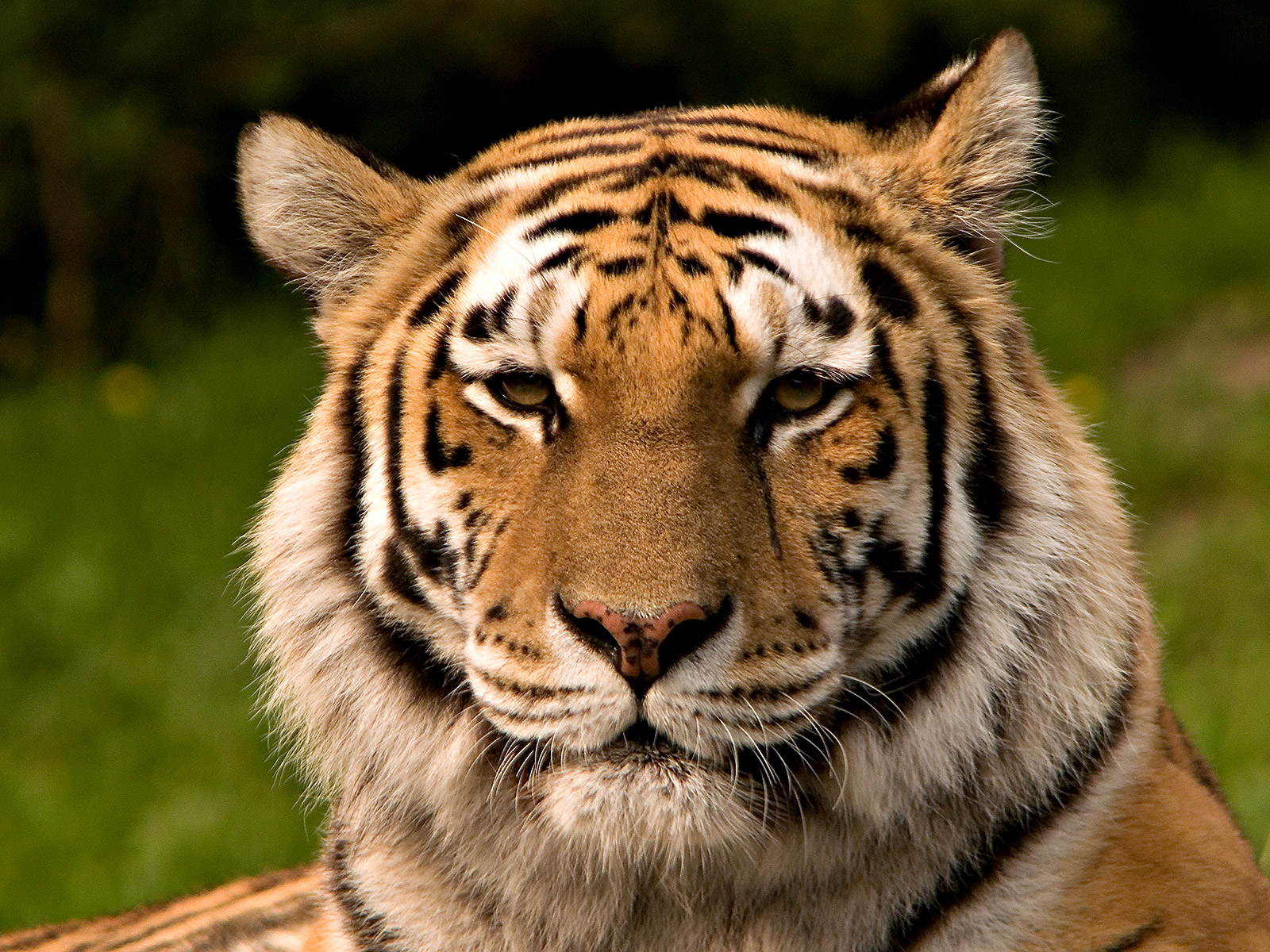
In the wild, tigers range more than 50 miles a day. Backyards, no matter how large, are not suitable environments for them.


What Was Buddy Doing In Canada?!

Buddy has been busy fighting bad guys.

Dear Buddy,

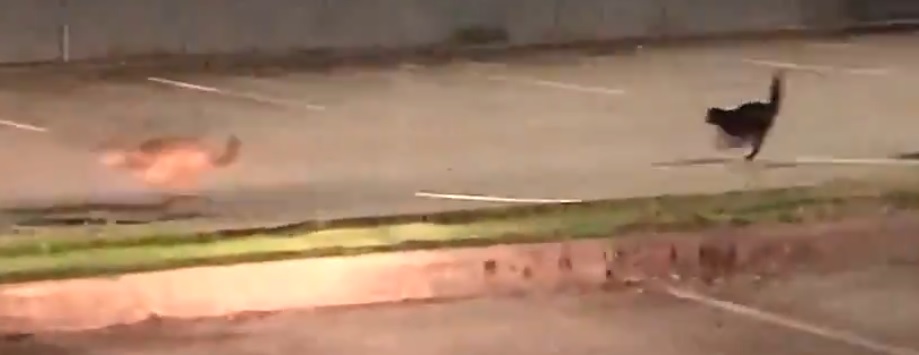
I saw the amazing footage of you chasing a coyote out of a parking lot in British Columbia a few days ago. What were you doing in Canada?

Aboot in Alberta


Dear Aboot,

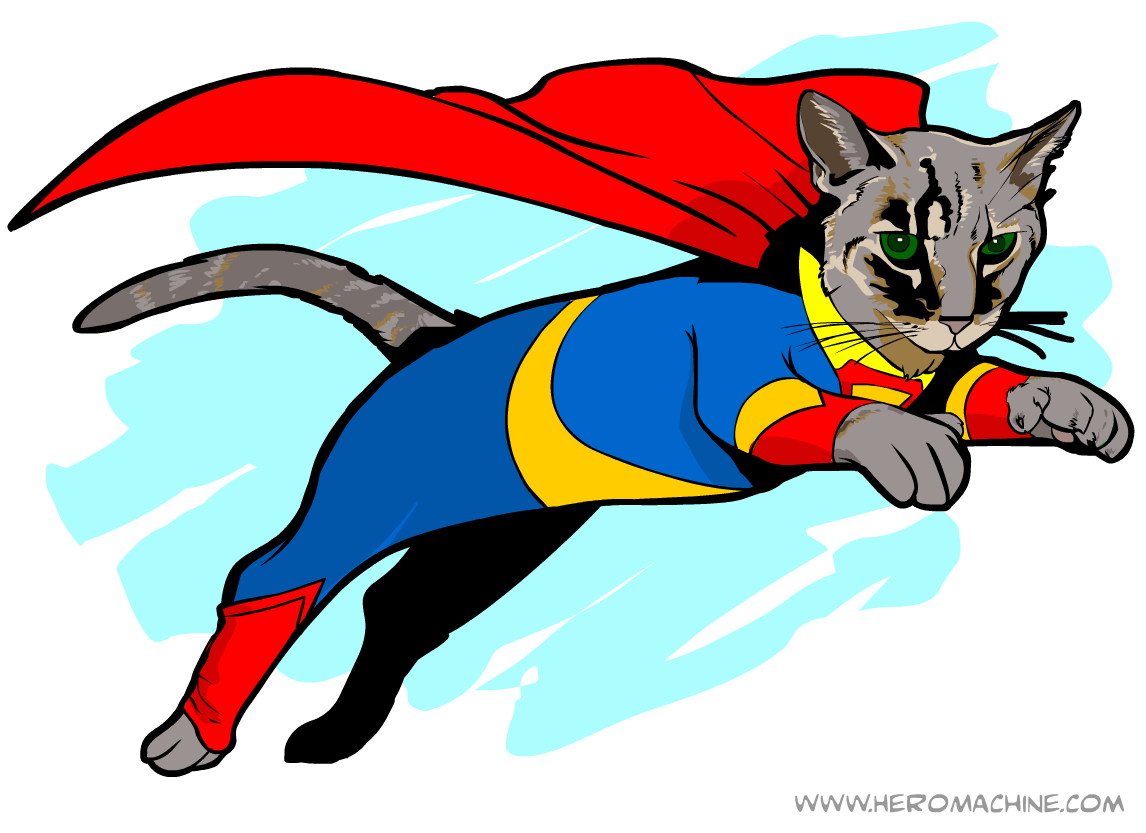
Quite a few cities are reaching out to me for help these days. You might say I’m like a superhero, responding to distress calls to save the day.

As you know, I was at the head of a 1,000-cat-strong army in Chicago recently, tasked with using my brave legion to save the Windy City from an epidemic of rats. Normally the sight of me and my huge muscles is enough to send rats scurrying for whatever dank and disgusting places they’ve emerged from, but Chicago has a lot of rats. Like millions. That’s too many, even for me.

After conquering the rodential scourge of Chicago, I saw the Cat Signal illuminating the night sky, beamed from a town called Port Moody in the Vancouver metro area.

After flying there and making my entrance with a superhero landing to thunderous applause from the gathered townspeople, I was informed that coyotes were disturbing the peace.

“Please, Buddy,” the townspeople begged. “You’re our only hope.”

buddycoyote
A coyote is a blur, left, as it races to get away from Buddy, right.

Never one to deny people in need, I met the coyotes full on.

“This town is now under the protection of the Buddesian Tiger,” I told the coyotes. “You shall not pass!”

What you saw was the tail end of the clip, after I defeated a small army of coyotes and was chasing the stragglers out of the parking lot. The police clapped when it was over, and the mayor gave me a key to the city and an entire roast turkey!

So yeah, that’s what I was doing in Canada.

Your friend,

Buddy the Cat

Image credit: HeroMachine

Tucker Carlson: Cat Cafes Are The Greatest Danger to ‘Merica!

Tucker Carlson has revealed the nefarious plot by cats to destroy America!

A message to all cats from Buddy the Cat:

Go to ground! Burn and shred all your documents! Bury the toxoplasma gondii injectors!

Tucker Carlson, the venerated investigative journalist, has blown the lid on our insidious agenda to destroy America, take over the world and replace humans as the preeminent species on this planet.

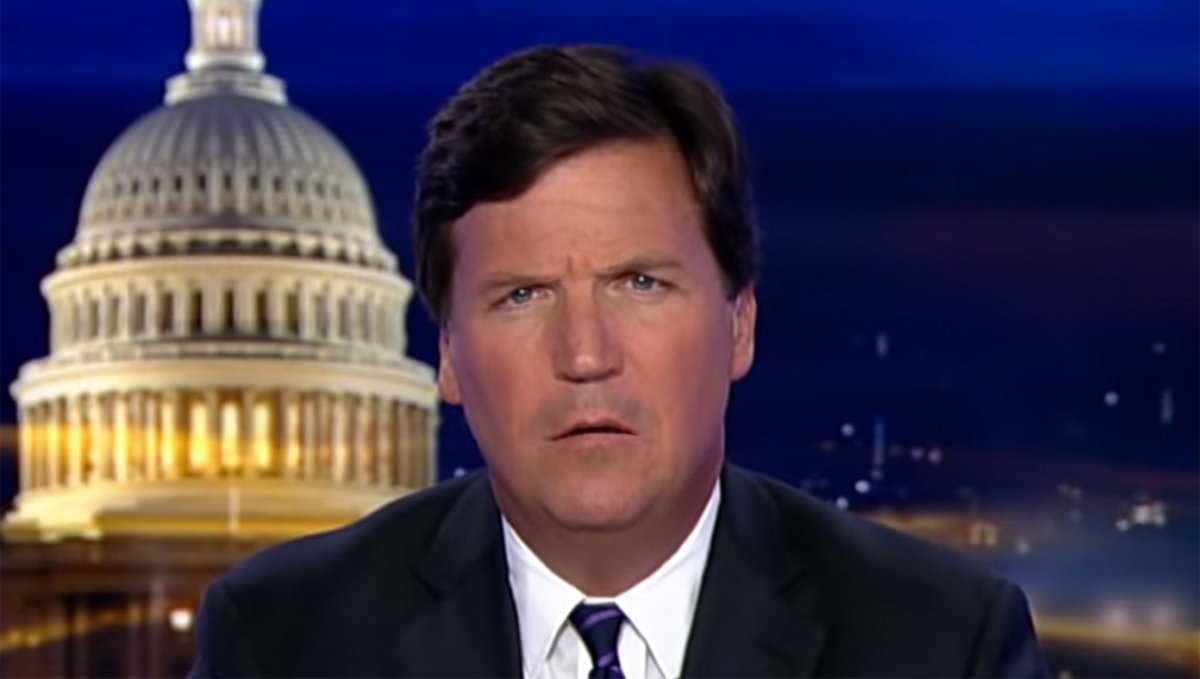
In a monologue to his nightly audience of more than 4.3 million viewers on Fox News, the dogged reporter said politicians “understand perfectly well what actually threatens America.”

“It’s the decadent rich people from their class at Harvard,” Carlson said. “It’s the gender studies party at Cornell. It’s the cat cafés in Austin and Asheville. It’s the Monday editorial meetings at the Atlantic magazine. Those are the people who actually detest the country. They’re the ones working through the night to destroy it.”

catcafebrooklyn
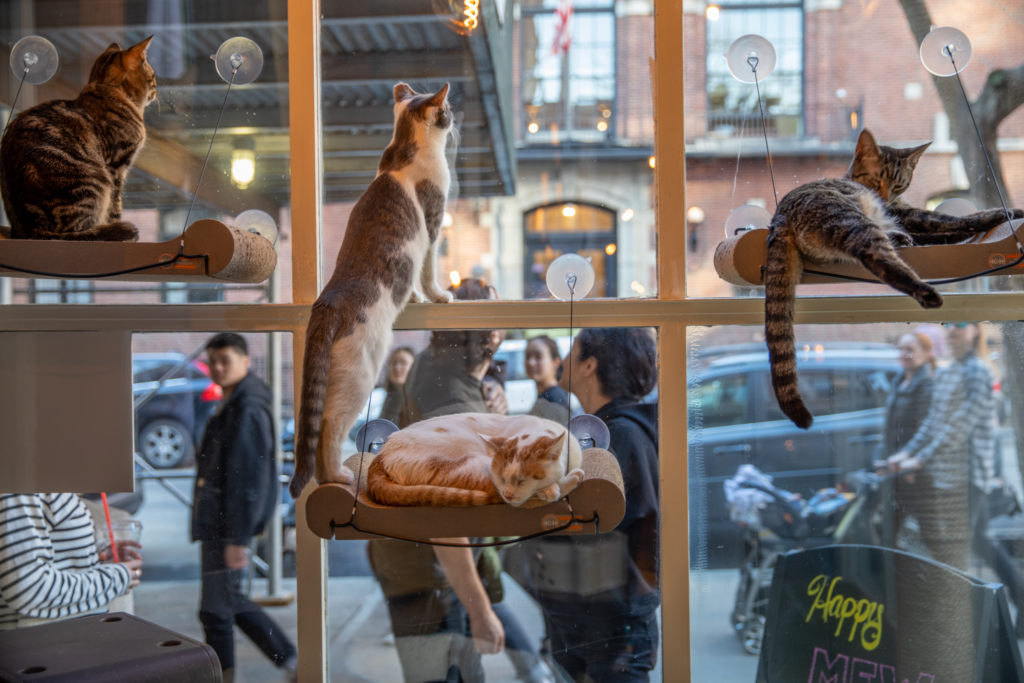
Humans cast suspicious glances at cats inside a Brooklyn cafe after Tucker Carlson, legendary journalist, blew the lid off of feline plans to take over the world. Credit: Brooklyn Eagle

Rest assured, we will find the feline who blabbed about our plans to Carlson, and that cat will be punished! It’s taken us years — decades! — to scheme under the noses of humans, to carefully lay our evil plans, to lull people into believing we’re just cute little furballs who want snacks and cuddles.

We even conquered the internet, supplanting dogs as the favored four-legged friends of humans by being our adorable selves and posing for meme-worthy photos.

All that work is gone! Our nefarious plot thwarted! Wiped out by a traitor, probably some catnip-addicted Siamese who was dying for a fix while the brilliant Carlson dangled a bag of the good stuff in front of him. Damn you, Carlson!

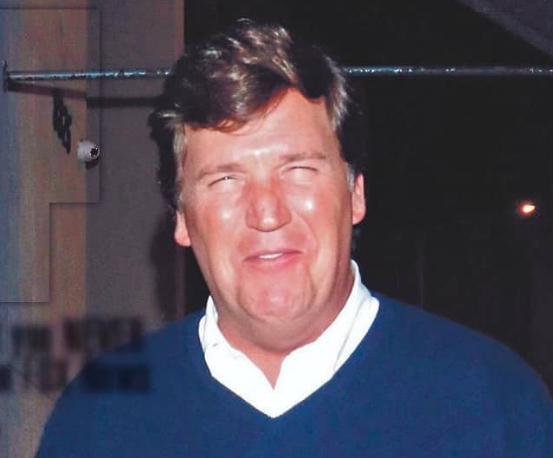
Tucker Carlson
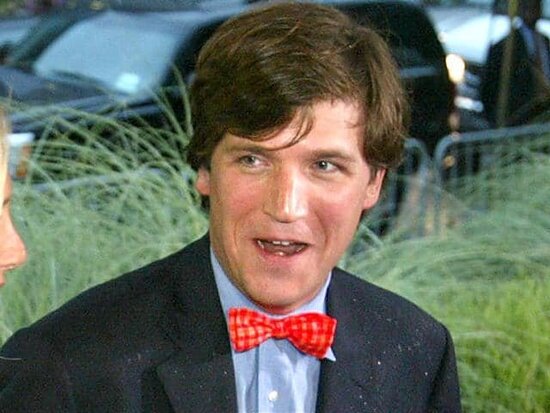
The brilliant investigative journalist, Tucker Swanson Buckley Rand-Atlas Reagan Carlson.

Lay low, my fellow felines. We can surmount almost any obstacle, but Tucker Carlson is just too brilliant a man to trifle with. We’ll have to wait until he gets distracted by another vaccine conspiracy or returns to Dancing With The Stars to perform another cha-cha. Be patient and ready, for the destruction of America and the rise of felis catus is nigh.

carlsonbowtie
“Cats, you’re in the Crossfire!”

The Story Behind Japan’s Iconic ‘Beckoning Cat’

The famous “beckoning cat” traces its origins to feudal Japan, where a friendly cat was said to lead a weary lord and his men to refuge at a humble temple.

In a new article, National Geographic delves into the history of maneki neko — Japan’s famous “beckoning cat” — and how the image became ubiquitous in modern society.

Chances are you’ve seen maneki neko even if you don’t realize it. The iconic feline image has transcended its homeland and is common not only in China, Vietnam, Thailand and the rest of Asia, it’s also made its way to the US and Canada as well, earning a place in shops run by Japanese and westerners alike.

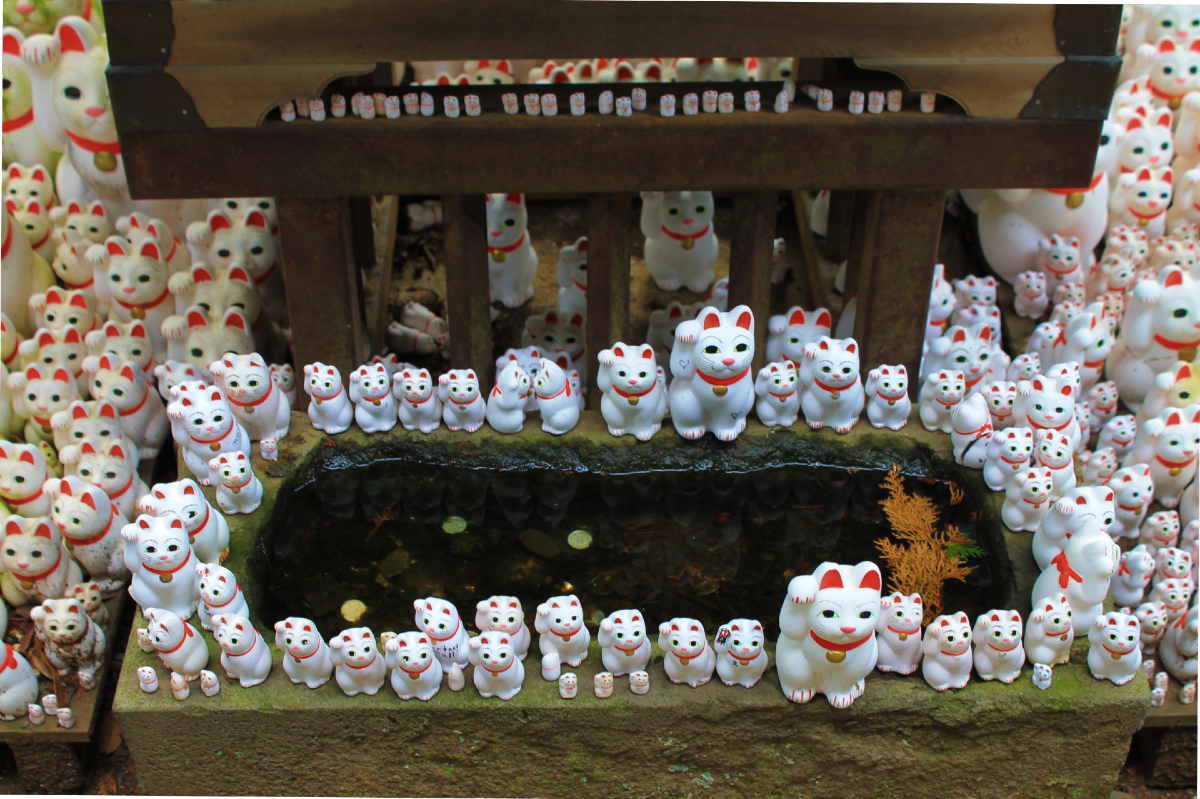
Maneki Neko at Setagaya Tokyo
Visitors leave their own maneki neko statues at the shrine, often with personal messages asking for different blessings and written in black marker on the back of the statues. Credit: Pain In The Bud

There’s a reason for that: The waving cat not only represents luck and good fortune, it’s a welcoming gesture meant to attract customers. Maneki neko find a place in homes too, with different coat colors and patterns representing different positive attributes: A white cat is supposed to bring happiness, while a black cat wards off evil spirits and a calico is believed to bring luck in all its forms.

Maneki Neko Setagaya Tokyo
Maneki Neko statues at Setagaya shrine. Credit: PITB

As a cat lover I kept an eye out for the iconic statues during my time in Japan and, although I missed Buddy, I couldn’t leave without seeing where it all began: The cat shrine at Setagaya, a quiet Tokyo suburb where, according to legend, a feudal lord followed a beckoning cat by the roadside and found refuge from the elements in a humble shrine, where the temple monk invited them inside and gave a memorable sermon.

The feudal lord was so grateful for the hospitality, and for finding shelter to wait out a violent thunderstorm, that he vowed to become the temple’s patron. The grounds contain several temples today, as well as separate shrine areas for maneki neko left by visitors and wooden icons with hopeful messages written on them.

All images in this post are from my trip to Setagaya’s cat shrine in the summer of 2019. To see more, check out the post I wrote at the time from Tokyo.