Geniuses Pull Wild Bear Cubs Off Tree To Take Selfies, Orphaning One

A group of people in North Carolina plucked two bear cubs off of a tree, dancing and laughing as they took selfies with the traumatized baby animals.

The World Wildlife Federation’s last Living Planet Report warned in 2022 that 69 percent of all wildlife has disappeared since 1970. A terrifying report from conservationists this year brought news that the natural world has fallen silent, with billions of animals erased from existence.

Why?

Because humans reproduce and rampage across the planet, no longer subject to survival of the fittest, with absolutely no regard for the species we share our world with.

That was proven again this week when a group of five people spotted bear cubs clinging to a tree not far from an apartment complex in Fairview, North Carolina, and decided the best course of action was to tear the terrified cubs off the branches so they could take selfies with them.

“So she can say, ‘Here, take my picture, post it all over. I’m holding a black bear,'” a horrified witness, 21-year-old Rachel Staudt, said as she filmed the group on Tuesday. “That’s insane. That’s 100% what she’s doing. She’s taking pictures of him.”
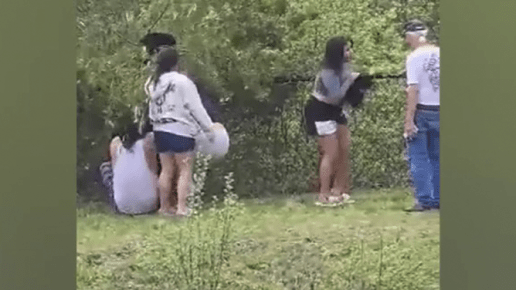
People taking selfies with bear cubs
A still from Staudt’s video shows members of the group holding the bear cubs.

The woman called the authorities, who responded with a biologist from the North Carolina Wildlife Resources Commission, but not before the damage was done.

“Did she just drop it?” the woman filming the group said as one of the group members did a “celebratory dance move,” dropped one of the cubs, then chased it to get it back and take more photos.

The group told police and the biologist that both bears had “escaped,” but the biologist found one of the traumatized cubs near a retention pond on the property.

“The cub appeared to be lethargic and frightened. It looked to be favoring one of its front paws and was wet and shivering,” Game Mammals and Surveys Supervisor Colleen Olfenbuttel told CBS News. “The cub’s condition is likely a result of the unnecessary and irresponsible actions of the people involved.”

That cub has now been orphaned, as authorities said it’s not in any condition to be returned to the wild and will have to be raised and rehabilitated for the next four to six years. The other cub couldn’t be found. Hopefully it escaped.
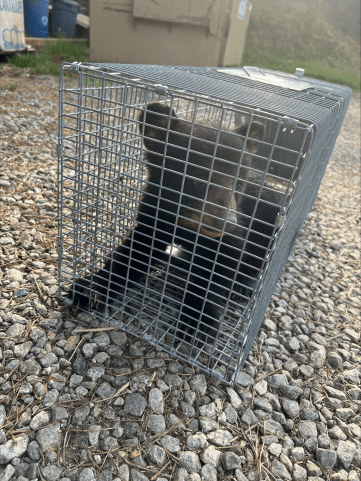
Bear cub
The orphaned and traumatized bear cub that was recovered Tuesday after a group of people plucked the cub and its sibling out of a tree to take selfies with them.

Authorities noted it’s not uncommon for mother bears to leave their cubs briefly to go foraging, much like mother cats do with kittens and cubs when they need to hunt to feed themselves.

Common sense and a basic respect for wildlife is usually enough to keep people from snatching the animals, but much like people who pay money to take selfish with tigers who have been sedated to their eyeballs, any concern for the welfare of animals — if it existed in the first place — is quickly shelved as people can’t resist the opportunity to grab a selfie in the age of narcissism-fueled social media.

Authorities say they’re conducting an investigation, although it’s not clear what needs to be investigated. The people involved documented their behavior with selfies, and Staudt’s video clearly shows them handling the confused and scared baby animals.

The kind of ignorance demonstrated by the group doesn’t remedy itself. Authorities should make an example of them by prosecuting them to the fullest extent of the law while redoubling efforts to educate people about keeping their distance from wild animals. And if that’s not enough motivation, or if people can’t be bothered to respect wildlife, they should consider that this would be a very different story if the cubs’ mother had been nearby.

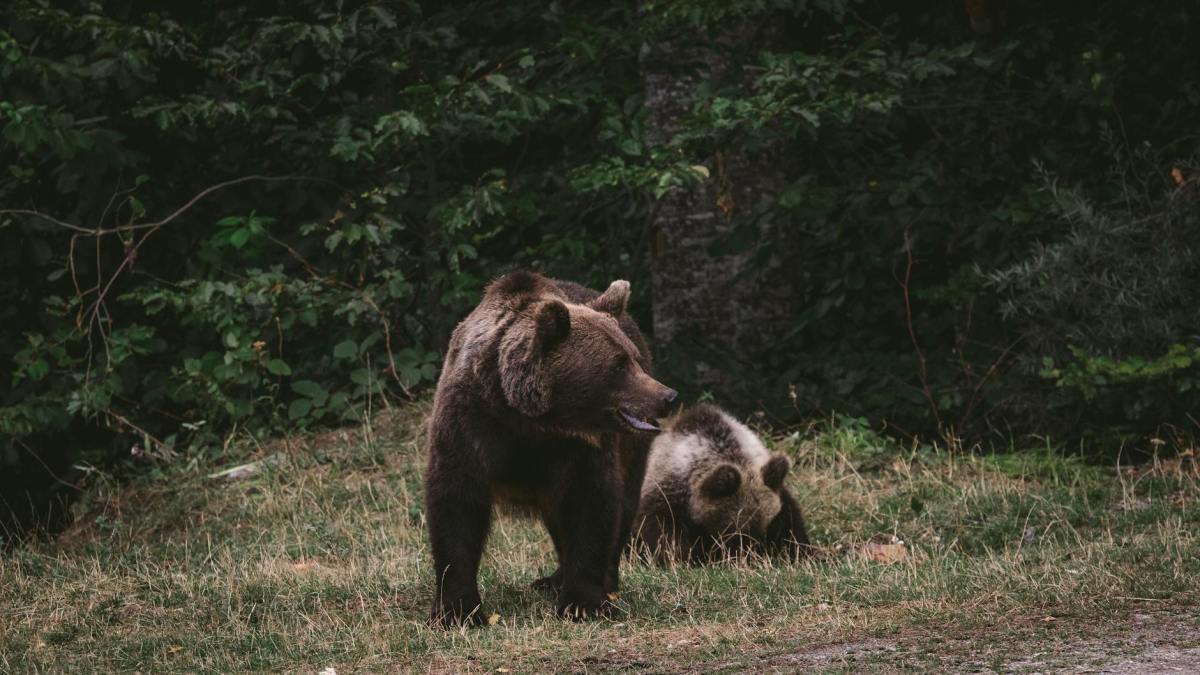
Top image courtesy of Pexels
Finally, The US Is Poised To Outlaw Big Cat ‘Ownership’

Tell your senators to vote for the Big Cat Public Safety Act, which will ban the private ownership of big cats as well as cheetahs and cougars.

Even though Tiger King, the tawdry Netflix documentary about a redneck and his “zoo” full of tigers, focused more on the eccentric people involved than the plight of the big cats in their “care,” it got people talking about the problem of captive tigers in the US.

In 2020, congress passed a rare bipartisan bill to ban all big cat ownership in the US. The bill stalled when the senate failed to vote on it before the end of the legislative session, but now it’s back — and the recent saga of a confused tiger wandering around Houston may finally provide the nudge for politicians to pass the badly-needed bill.

jaguarwiki
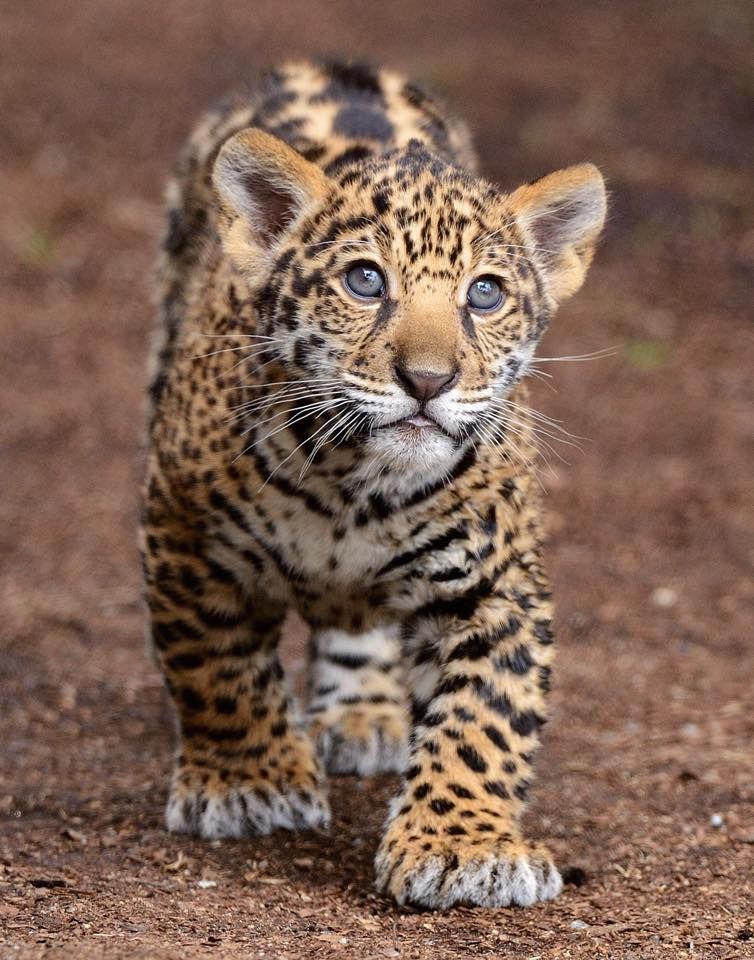
After almost exterminating tigers, Chinese poachers have turned to South America, where they’re poaching jaguars at unprecedented rates to feed demand for big cat parts in the traditional Chinese medicine market. Jaguar poaching has increased 200-fold in the past five years to fuel Chinese demand for their body parts.

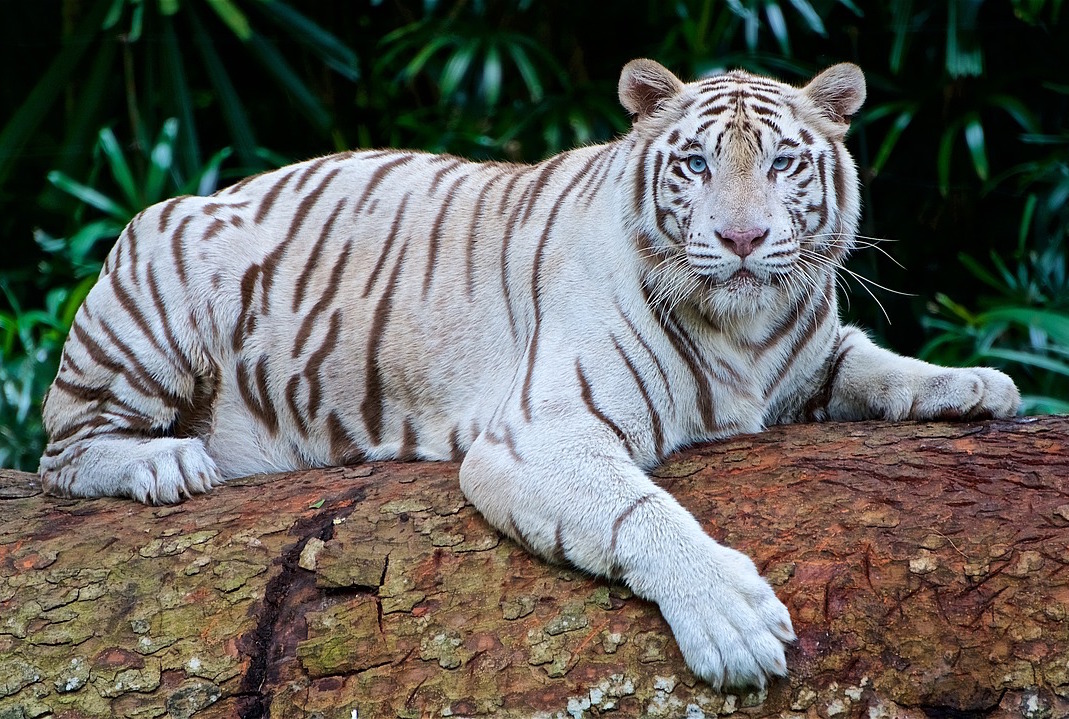
There are more tigers living in Texas and Florida backyards than there are in the wild, an ignominious fact that says volumes about humanity’s indifference to the plight of the Earth’s most powerful and iconic predators. Devastated by habitat destruction and poaching to feed the bottomless Chinese appetite for tiger parts used in traditional Chinese “medicine,” the worldwide wild tiger population is about 3,900, according to the World Wildlife Fund.

By contrast, there’s an estimated 7,000 tigers kept as “pets” in the US, with as many as 5,000 of them in Texas.

The Big Cat Public Safety Act would ban the private ownership of tigers, lions, jaguars, leopards, cougars and cheetahs. It would also outlaw the practice of taking tiger cubs from their mothers so guests can hold them and take selfies with them, which has become an increasingly-popular and controversial feature of “roadside zoos” — unregulated, poorly run, unaccredited facilities — in the US.

cheetahwikicommons
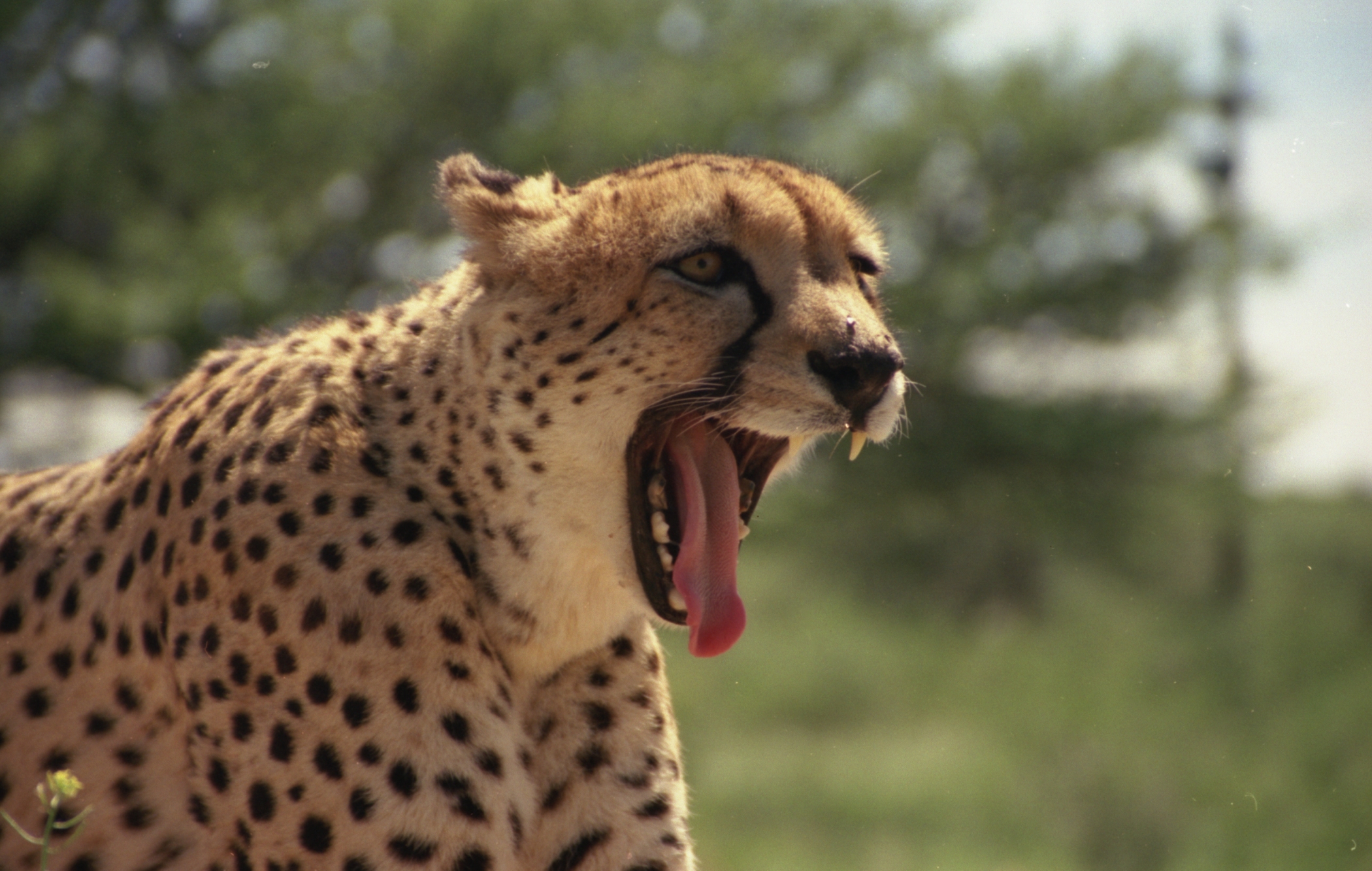
Cheetahs, already critically endangered due to habitat loss, are on the verge of extinction as they’ve become the exotic pet of choice among the wealthy of the UAE and Russia.

The Houston tiger, named India, is one of those unfortunate cubs. While the public freaked out and Houston residents huddled in their homes, hoping to record footage of the wandering tiger, an important fact was often left out of media reports: India is only eight months old. He’s essentially a baby, albeit a 175-pound one, and he had no idea what was happening to him, where he was, how to feed himself, or how to escape the endless sprawl of urban and suburban Texas.

Despite the fact that he was a confused-yet-playful cub, India could have easily been shot by authorities. Thankfully he survived his ordeal, and while his “owner,” Victor Cuevas, is sitting in jail on $300,000 bond, India has been relocated to a sanctuary in northern Texas, where he’ll be looked after and will get to live in the company of other tigers.

In the meantime, we all have an opportunity to lobby our respective senators and demand that they vote for the Big Cat Public Safety Act. You can fire off a letter to your senators and congressional representative in less than two minutes using the Animal Welfare Institute’s site — just punch in your address and the site will draft automated letters to all three, with fields to sign your name and to personalize the letters.

Tell them you support the Big Cat Public Safety Act, and you’ll take their vote into consideration the next time you head to the ballot box.

All images credit Wikimedia Commons.

tigerwikicommons
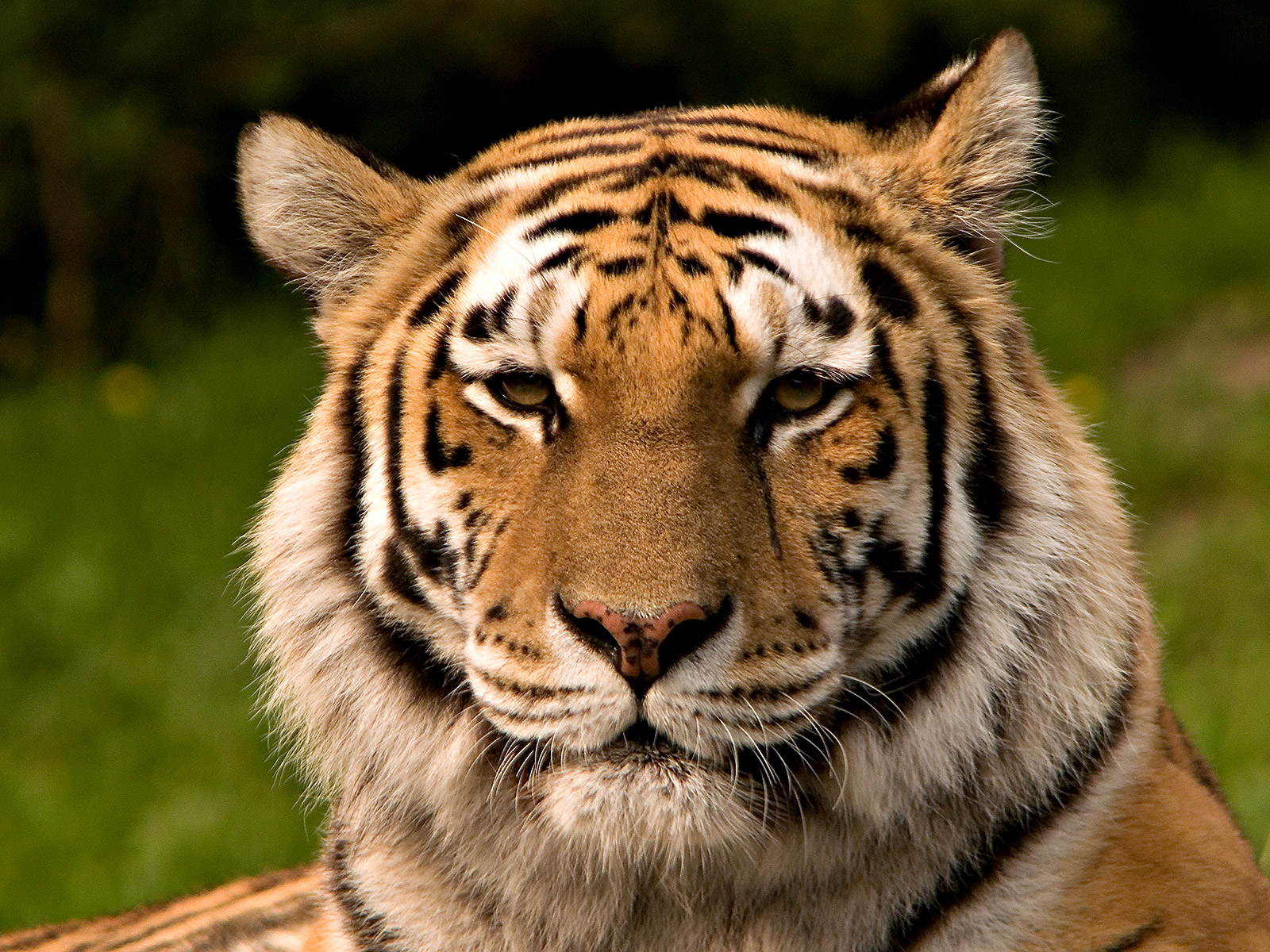
In the wild, tigers range more than 50 miles a day. Backyards, no matter how large, are not suitable environments for them.


Memorandum To Human, re: Disgusting New Bug-Based Cat Food

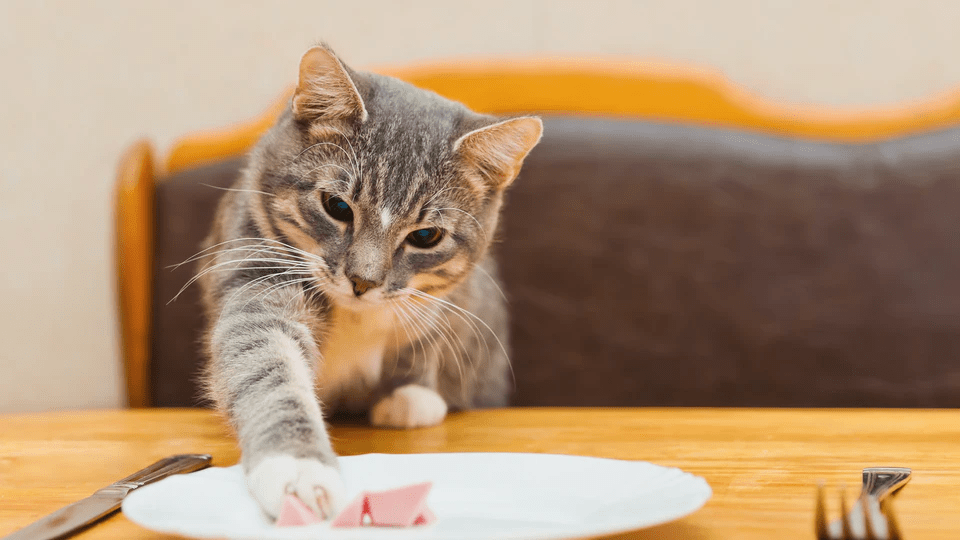
Little Buddy makes it clear he sure as hell won’t eat insect larvae cat food. Yuck!

Dear Big Buddy,

You find yourself in receipt of this notice so there exists a written record of the amendment to section 176.2 in the Little Buddy Care Agreement, forbidding the use of repugnant and objectionable non-approved yums.

Specifically we refer to the so-called “alternative proteins” hawked by Nestle’s Purina brand, which substitutes Glorious Yums like turkey, chicken and turkey, for unacceptable ingredients such as “fly larvae protein.”

As the language of the new LBCA amendment makes clear:

“At no time shall human serve any Purina products or any products containing ‘alternative proteins’ including, but not limited to, fly larvae protein, invasive Asian carp protein, and any alleged ‘cat food’ that includes insects or non-approved yum ingredients.”

nastyshit
No. Don’t even think about it.

purinabeyondnature
Insect larvae-based pet food is attractively packaged.

Please keep in mind, dear human, that section 176.1 still applies:

‘At no time shall Buddy the Larger serve Little Buddy any abhorrent meat substitute or so-called ‘vegan cat food.’ Violations are punishable by biting and shitting in your shoes.”

We acknowledge that Nestle claims it’s motivated by “the need to diversify sources of protein in food for a variety of reasons, including environmental goals such as fighting climate change and protecting biodiversity.”

But that just means the cheap bastards are looking to increase profit margins beyond the sky-high margins it enjoys for the lowest-grade quasi-meat it uses for its existing pet food lines.

After all, a company run by the environmentally conscious wouldn’t destroy entire swaths of Indonesia and Malaysia, endangering the health of locals and children, and directly driving the pending extinction of orangutans.

As always, we expect you to adhere to the Little Buddy Care Agreement. Violations will be recorded and will negatively effect your score on the annual Service Quality Report Card, so remain vigilant. Only the best yums will do.

Sincerely,

Little Buddy, Esq.