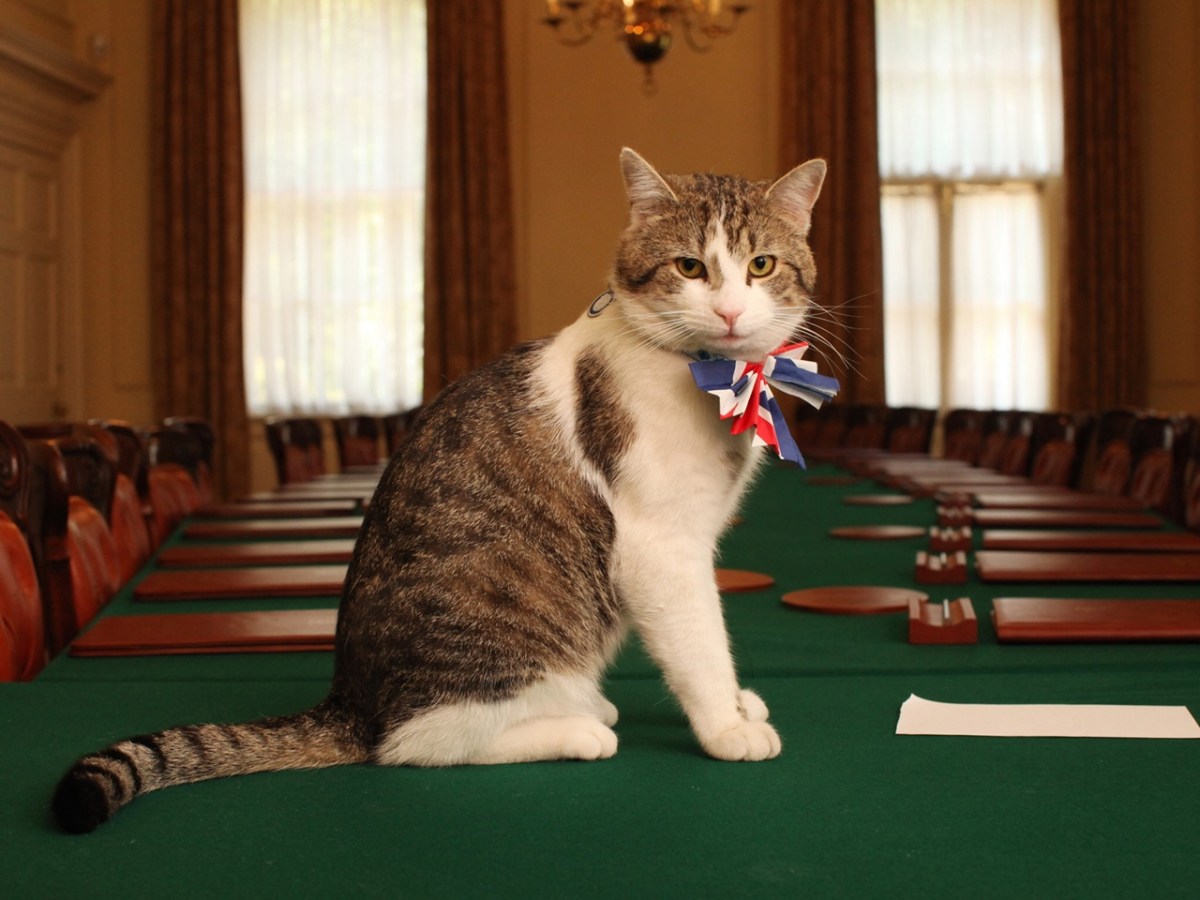
Sunday Cats: A Lost Cat Story With A Happy Ending, UK Takes Cat Abuse Seriously

The UK demonstrated it doesn’t tolerate animal abuse with severe punishments for a star soccer player who abused his cat.

A North Carolina woman suffered a roller coaster of emotions after she lost her cat, then found out the local SPCA had taken her cat in, only for the shelter’s staff to tell her a family had already adopted the cute tuxedo.

Chevelle Griffin of Asheville says her cat, Sally, went missing on Oct. 18. She didn’t know what happened until a few days later when she saw a Facebook post indicating a neighbor had taken Sally to the local SPCA. Sally was wearing a flea collar, but not an ID collar and was not microchipped.

Griffin blamed herself.

“That was my fault,” Griffin said. “That was my mistake. I should have had her chipped, but I didn’t and she’s mine and I want her back.”

She wasn’t happy when staff at the shelter “very bluntly” told her Sally had already been adopted out.
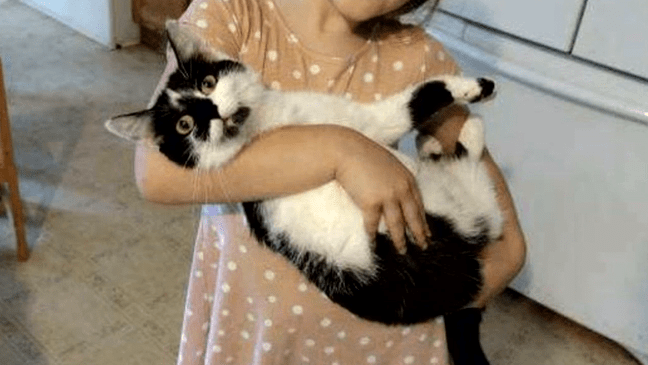
Sally the Cat
Sally was taken to the SPCA by a neighbor.

Lisa Johns, chief operating officer for the local SPCA, told local ABC affiliate WLOS that the shelter takes in as many as 35 cats a day and holds new animals for 72 hours. After that, if they have no health issues they’re put up for adoption.

Fortunately, the story has a happy ending. After Griffin lobbied the SPCA and WLOS began looking into the incident, SPCA staff contacted the family that had adopted Sally and asked if they would be willing to return her. They agreed, and Griffin said she’s relieved and has learned from the experience.

“I’ve kicked myself so much,” Griffin said. “If I’ve learned anything from this, get your pets chipped.”

It’s a tough balance for shelter operators dealing with overcrowding and the need to constantly free up spaces for new strays, but should the hold period be extended beyond 72 hours?

Zouma apologizes again
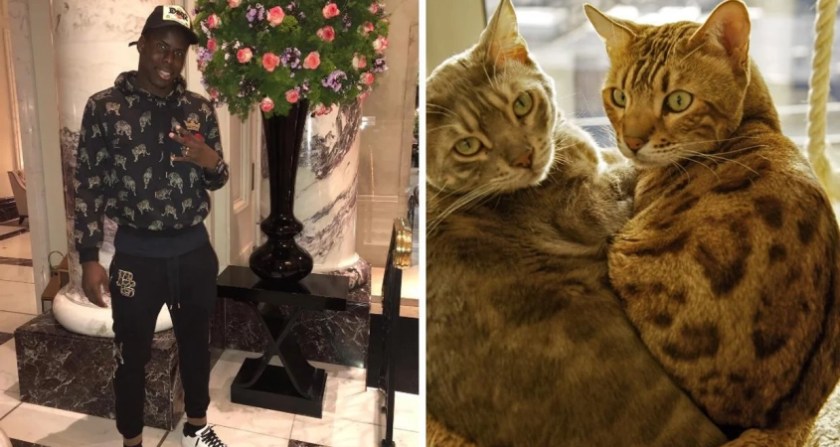
zoumabengals
Zouma, left, and his Bengal cats, right. Both cats were confiscated and remain in the care of the RSPCA. As part of the sentencing agreement for his animal abuse plea, Zouma will not be permitted to own a pet for at least five years.

Kurt Zouma — the West Ham player who ignited a firestorm earlier this year when his brother uploaded video of Zouma slapping, kicking and harassing one of his own cats — said he learned his lesson and again expressed remorse after he was sentenced by a magistrate’s court.

Zouma, a French national, faced consequences that would be unheard of in the US as a result of the abuse: He lost all his sponsorship contracts, was fined the maximum amount by his club team (£250,000, equal to about $338,00 at the time, a full one fifth of his salary), paid court fines of £9,000, is prohibited from owning pets for at least five years, and was ordered to complete 140 hours of community service. West Ham donated Zouma’s fined salary to animal charities in the UK.

He was persona non grata in the UK football world, subject to hearty boos and chants from crowds any time he touched the ball, and his cats were taken from him and placed in the care of the RSPCA. In addition, he was not selected for the French national team, meaning he won’t compete in the World Cup.

Following his sentencing this week in his first public comments about the controversy — aside from a terse apology in the form of a written statement issued months ago — Zouma said he acknowledges the video was “very tough for people to watch” and admitted he’d “done something very bad.”

Zouma’s brother Yoan was also convicted of animal abuse, receiving court fines and 140 hours of community service for participating in the abuse and filming it in front of his brother’s young son. Our readers might recall the brothers were turned in by a woman who was courted by the younger Zouma and was disgusted when she saw the video.

The woman had initially agreed to meet Yoan Zouma for an informal date, but told him to keep his distance after she saw the abuse clip, then reported the brothers to authorities.

“I don’t think hitting a cat like that is OK – don’t bother coming today,” she wrote in a message to Yoan Zouma at the time. “I do not want to associate with people who find that funny, in front of a child as well.”

Although what Zouma did was terrible, it feels like justice was served and the UK did right by the cats by taking the abuse seriously, both criminally and professionally. Instead of “canceling” Zouma, as would have likely been the response here in the US, the authorities in government and the Premier League made sure the footballer understood the gravity of his actions and took responsibility for them. Hopefully it served as an example to others who would think of harming their pets.

Sunday Cats: Larry Welcomes A New Servant To No. 10 Downing, More Cats Rescued From Ukraine

Happy National Cat Day! PLUS: Some changes to PITB.

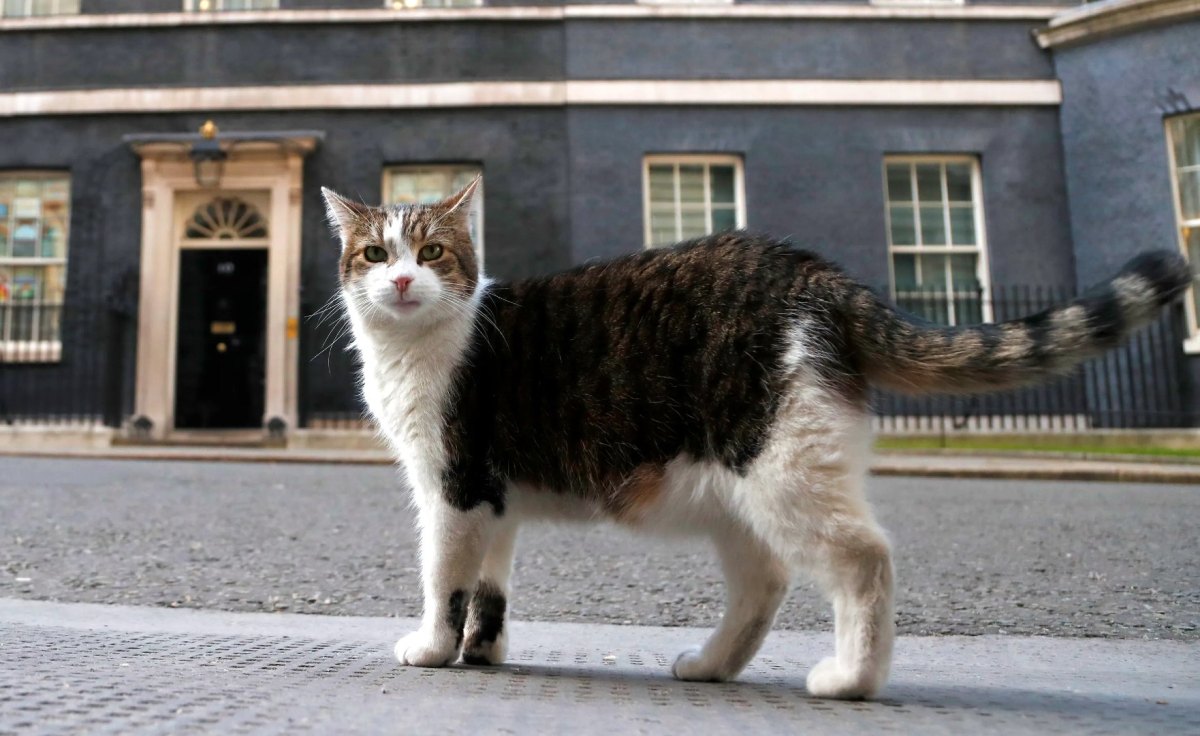
Larry the Cat, official mouser in chief at 10 Downing Street, is now on his fifth prime minister.

After the disastrous and short-lived tenure of his predecessor, Lizz Truss, new PM Rishi Sunak officially moved into the UK prime minister’s residence earlier this week — and walked right past Larry without acknowledging him:

Note the reporter doing a live broadcast, which you can hear in the background.

“He is arriving now…the new prime minister of the United Kingdom!” the reporter said as Larry padded his way down the sidewalk and stopped.

Failing to acknowledge the true power at No. 10 is an ill portend for Sunak and the UK. What kind of person doesn’t greet his boss on his first official day of work? Larry will get him sorted in short time, undoubtedly.

Big and small cats from Ukraine find homes in Poland and the US

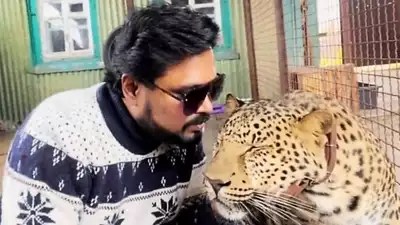
During the opening phase of the Ukraine war, there was an Indian national webcasting from Donbas, constantly asking for money to keep his “pet jaguars” — actually leopards — safe from the advancing Russians.

idiotandhisjaguar

It was one of the most infuriating aspects of the young war. The guy was keeping the big cats in an apartment, referred to them as his “children” despite not even knowing their species or how to care for them, and he lied to his audience, claiming he’d purchased them from the Kyiv Zoo. He didn’t. Zoos don’t sell big cats to people. He got them on the illegal wildlife market.

I don’t know if those particular leopards are among the big cats rescued from Kyiv in recent weeks, but a new report says illegally kept pets are among the felids who were rescued from Kyiv and Odessa — two of the hardest-hit cities — and brought to sanctuaries in Poland.

That’s good news. Hopefully any remaining wild animals are taken out of the hands of private owners and put in sanctuaries where they belong. Big cats don’t belong in a war zone, and they don’t belong in private hands.

Meanwhile, Homeward Trails Animal Rescue in Washington, D.C., has house cats from Ukraine up for adoption.

Most of the little ones were rescued from warn-torn areas in the eastern part of the country, and the rest were moved from a Ukrainian shelter just in time, as the building was hit by Russian missiles shortly after the animals were cleared out. Some of the cats were found wandering amid the ruins and destruction in towns and villages that had been hit hard by the invading Russians, Homeward Trails’ Sue Bell told WTOP.

The US non-profit will continue to work with a shelter in Ukraine, which rescues cats from heavily impacted areas.

“Right now, Homeward Trails is the only organization taking cats from this new Ukraine shelter,” Bell said. “And so, for every cat that we took from the shelter, that not only gave that cat an opportunity for a home, but it created a space in that shelter for the team to go out there and bring more cats in.”

budandwhitetiger2

A belated happy National Cat Day!

There are so many cat days, I lose track, so apologies for missing this one.

Happy National Cat Day to all PITB readers and your beautiful kitties! It’s a good excuse to spoil our little buddies and remind them how much we appreciate them.

Changes to PITB

You may have noticed, if you don’t have ad blockers installed on your browser, that I enabled ads in mid-September. I strongly dislike ads and I don’t like clutter on the site, but after three years of operating and publishing PITB, I decided to enable a limited number of ads in an effort to get PITB to pay for itself and hopefully a few upgrades that would be helpful in making the site more accessible, while also providing the tools to expand PITB’s content offerings.

Please send us your feedback. If you see an ad that covers the content, let me know. If you see an inappropriate ad, let me know. You should see ads for cat-related products and/or ads for things you may have expressed interest in before — due to the way ad networks use cookies and data from services you use, which is perfectly normal — but I want to make sure no one’s having a bad experience here.

Hilarious News Report Claims ‘Black Pumas’ Are Rampaging Across The UK

Big cat sightings across the UK have a lot in common with UFO sightings in the US.

Shhhhh!

No one tell NewsCorp that “black pumas” don’t exist, pumas are native to the Americas, leopards are native to Africa and Asia, and a “black panther” is a color morph, not a species of cat.

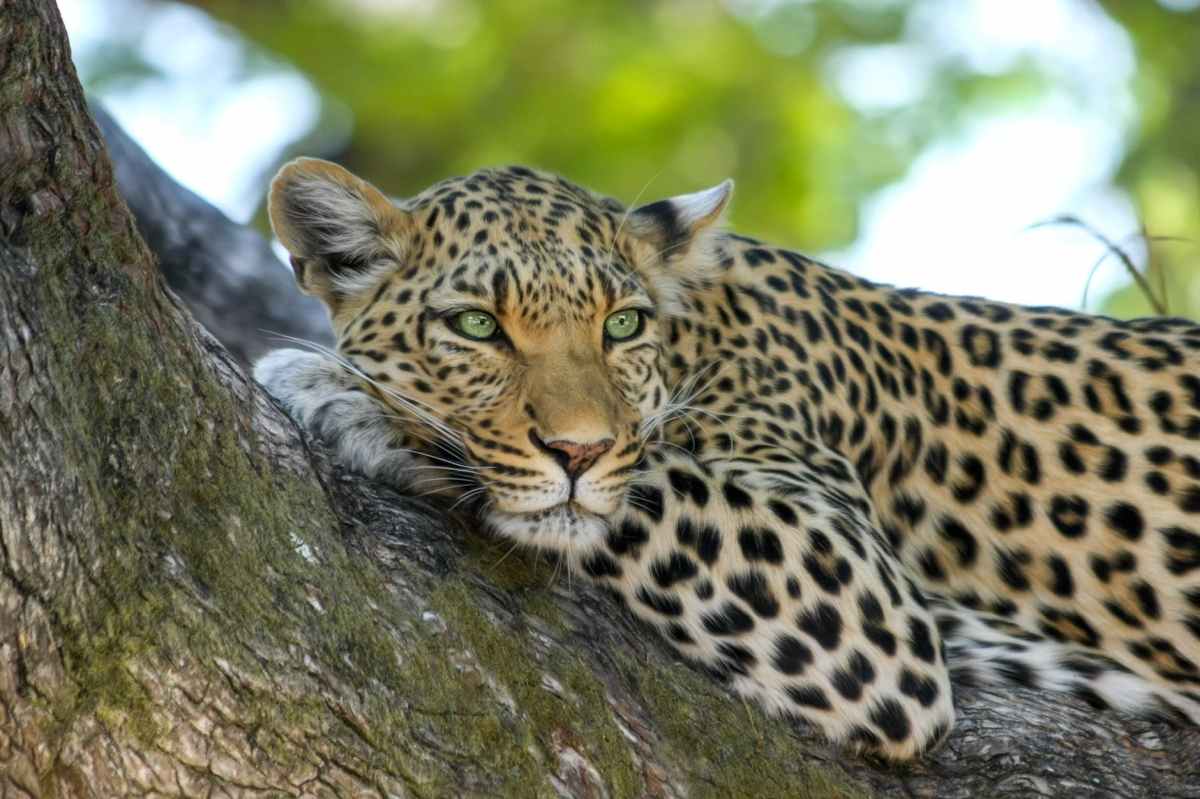
A story from Fox News — prompted by a similar story in the UK’s Sun, part of the same Rupert Murdoch-owned media conglomerate — claims the British are “unnerved” by an “uptick” in sightings of cryptid big cats. The mysterious creatures are supposedly running rampant in the British countryside and in the suburbs, according to the article, which identifies them as black pumas, black panthers and black leopards.

Oddly, the story says the sightings are up significantly because there have been three “big cat” sightings in October, immediately before informing readers there are 2,000 such sightings in the UK every year.

Little Buddy and I are not exactly known for our math skills, but 2,000 sightings a year works out to 167 sightings per month, which is a lot more than three. Fifty five times more, in fact. So the story should really be about a dramatic dip in phantom big cat sightings, shouldn’t it?

What evidence does the Fox report cite for its breathless claim about big cats taking over the UK? A pair of grainy security camera videos, including one showing a “big cat sighting” at night, and the word of a “big cat sighting expert,” alternately called a “countryside expert” in other media reports, who by the way happens to be hawking a documentary on the sightings.

“It’s a crucial issue,” self-described wildcat expert Rick Minter told The Sun. “How do we come to terms with living alongside big cats in Britain?”

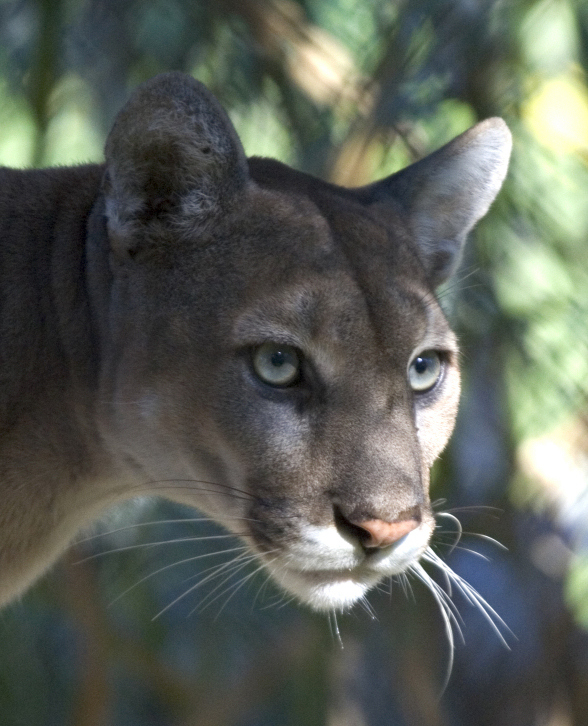
Puma
Pumas, also known as cougars, mountain lions, panthers and catamounts, are native to the Americas. Credit: Wikimedia Commons

For readers unfamiliar with the highest echelons of reputable journalism, The Sun is the UK’s foremost bastion of trustworthy reporting, a tabloid par excellence whose editorial staff are known for breaking stories about “crazed werewolves” and immigrants barbecuing the late queen’s swans when they weren’t running topless photos of models on Page 3. The Sun is owned by NewsCorp, the parent company of Fox News.

As for the two pieces of footage, one is the aforementioned blurry mess recorded by a home security camera at night, and shows a few frames of a cat’s behind and a tail as the felid walks out of the frame. The other is a blurry clip the credulous claim depicts a large cat feeding on a sheep. There’s no indication the figure is a felid of any type.

As far as we’re concerned, there are a few possible explanations for the sightings:

They’re former pets

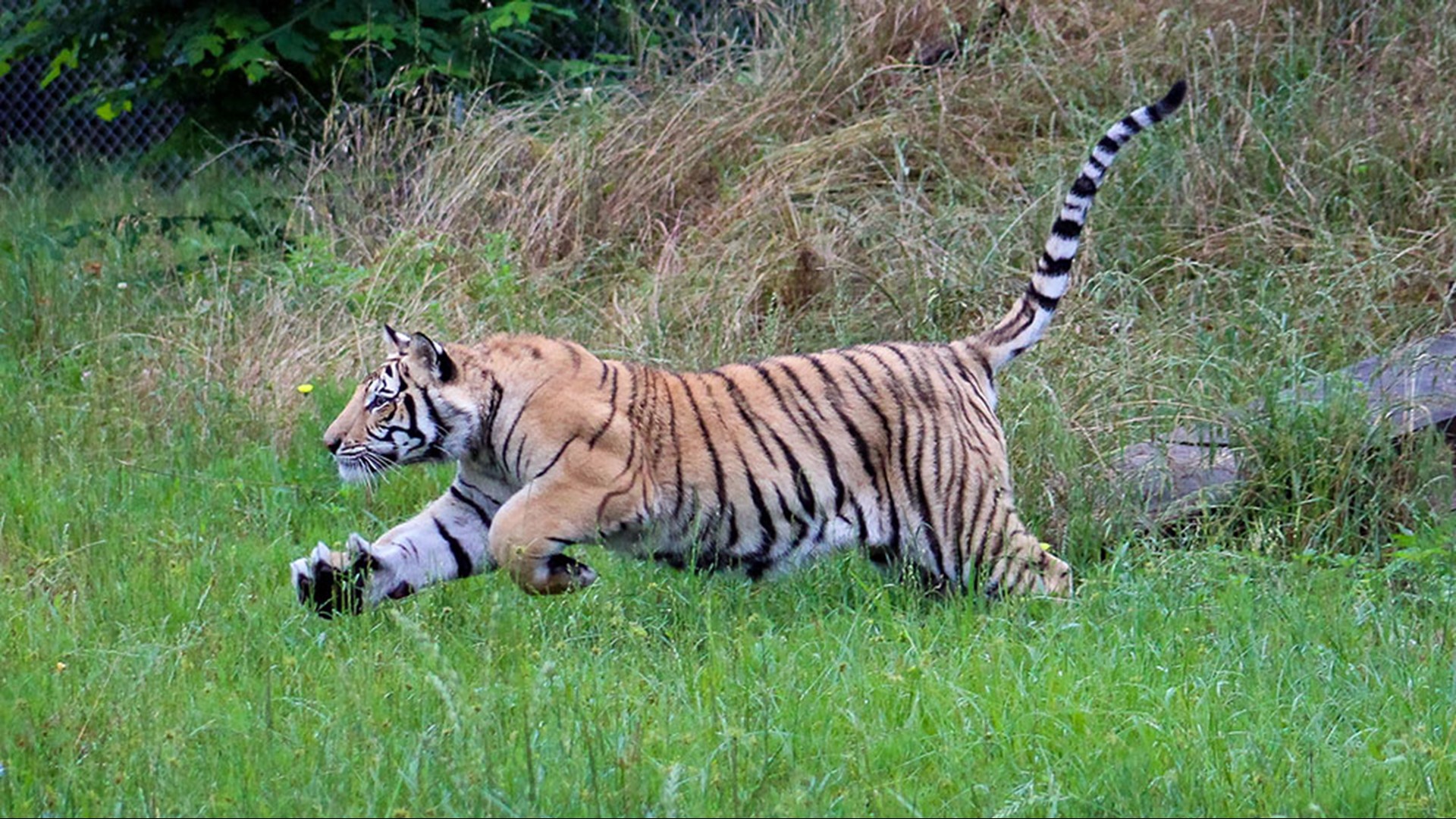
India the tiger
India the tiger was found wandering the suburbs of Houston in 2021. In this photo, he’s enjoying life in his sanctuary’s large enclosure where he’s got plenty of room, stimulation, toys and even his own rock pool.

If there are indeed big cats roaming the British countryside and suburbs, they would have to be former pets of people who acquired them on the illegal wildlife market, broke the law by “importing” them into the UK, then broke several additional laws by keeping them as pets until the cats quickly grew and the owners realized keeping them is untenable.

Such situations aren’t unheard of, obviously, but they can’t account for a dozen big cats on the loose at any one time, much less more than a thousand as Minter claims.

More importantly, big cats who are taken from their mothers as days-old cubs, sold as pets and later dumped are universally confused, terrified and unable to fend for themselves. They end up roaming suburbia in broad daylight, like a nine-month-old tiger named India who was spotted wandering around the outskirts of Houston in 2021, sniffing out potential food in garbage cans because they don’t know how to hunt.

If these phantom big cats were former pets, they’d be spotted, captured and taken to sanctuaries within a matter of days.

They’re small wildcats formerly native to the area, like the Eurasian lynx

The problem is, the Eurasian lynx was extirpated from the UK about 1,400 years ago. There have been debates among conservationists about reintroducing wild populations to the British countryside — and to Ireland — but no concrete plans as of yet. Proponents say the lynx could be beneficial, keeping deer populations level without major human intervention.

Eurasian lynx adults can grow to about the size of medium dogs, so it’s possible they can be mistaken for “big cats” in blurry video, especially when perspective and/or lack of other objects makes it difficult to place their actual size in context. However, as with big cats, any Eurasian lynx spotted in the UK are likely to be former pets.

They’re housecats

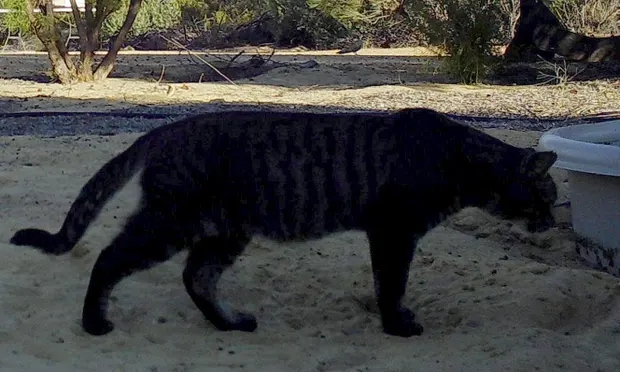
bigkitty
This feral cat, a plain old member of the felis catus species, was repeatedly mistaken for a big cat in western Australia back in 2018.

If witnesses in the UK are mistaking house cats for big cats, they wouldn’t be the first.

Stories abound of little cats prompting “big cat” sightings, from Vancouver (a Savannah cat) to Scranton, Pa. (a missing house cat), to San Jose (a Maine Coon) and even Australia. (A feral cat.)

One wildlife ranger in Australia became so annoyed with fielding frequent big cat reports that he implored people to educate themselves.

“People need to get over the idea the cats are panthers,” wildlife ranger Tim Gilbertson told Australia’s ABC news. “It is just not on. They are big feral cats, at least 50% bigger than a house cat and they are powerful.”

The usual issues are in play here: Fuzzy security camera footage, night sightings, confused witnesses. You’d think there would be more phantom big cat sightings in the US, since pumas can grow to the size of jaguars and could be mistaken for lions, but people who live in areas where pumas range tend to know they’re around and what they look like. They’re also the definition of scaredy cats, reluctant to let humans spot them or get anywhere near them.

Buddy
Frequently mistaken for a tiger: Buddy the Cat.

Ultimately, witness reports count don’t count for much, and not just because memory is malleable.

Thousands of people have reported seeing Bigfoot, chupacabras, the Jersey Devil and the Loch Ness monster, but those creatures are all firmly in cryptid territory.

There’s Occam’s Razor, and there’s common sense: For a primate species like Bigfoot to exist, for example, there would need to be a breeding population, enough prey for the creatures to feed themselves, and someone somewhere would have found remains at some point. (Bigfoot sightings go back to the days before Columbus set foot on New World shores, but it’s only been in the last century or so that the cryptid has entered the popular imagination via folklore and media.)

Likewise, if there are indeed 1,000 big cats prowling the British countryside, as Minter claims, there would be a breeding population, ubiquitous tracks and the remains of prey animals killed in ways consistent with big cat ambush techniques. Cats of all sizes are ambush hunters and have a distinct way of killing prey which is unlike other animals.

The UK’s big cat sightings should be treated more like the UFO sightings in the US and particularly around Area 51. They start with a kernel of potential truth — the existence of a secret base to test experimental military aircraft, or the possibility that big cats who were former pets have been let loose — which leads people to consider the possibility, then when they see something they can’t easily explain, they reach for the exceptional.

But as Carl Sagan famously said, exceptional claims require exceptional proof, and it’s no accident that things like UFOs, cryptid primates and phantom big cats only appear on the grainiest, blurriest and darkest footage.

My money is on domestic cats mistaken for their much larger cousins. Maybe Buddy’s been taking some transatlantic flights under my nose. I’ll have a little chat with him about it and ask him to kindly stop terrifying our friends across the pond.


Larry The Downing Street Cat Outlasts Another PM, Plus: The Reason For The Loaf

Loafing Larry’s outlasted Liz and Liz’s lettuce. Lucky lad!

No. 10 Downing Street in London is supposed to be the official residence and office of the UK’s prime minister, but we think it should be called Larry’s House.

Larry, the official mouser in chief since 2011, has now outlasted four prime ministers: David Cameron, Theresa May, Boris Johnson, and the short-tenured Liz Truss, who lasted just 44 days. (And became the butt of jokes when The Daily Star set up a live webcast of a head of iceberg lettuce, betting that Truss’s time as PM would be over by the time the lettuce wilted. The lettuce won.)

Now Larry, the de facto leader of the UK, will be served by a fifth prime minister. There’s also a chance he’ll see his fifth prime ministerial term, if not officially a fifth prime minister, if Johnson manages to return to power. Apparently there’s a real chance of that happening.

Why the loaf?

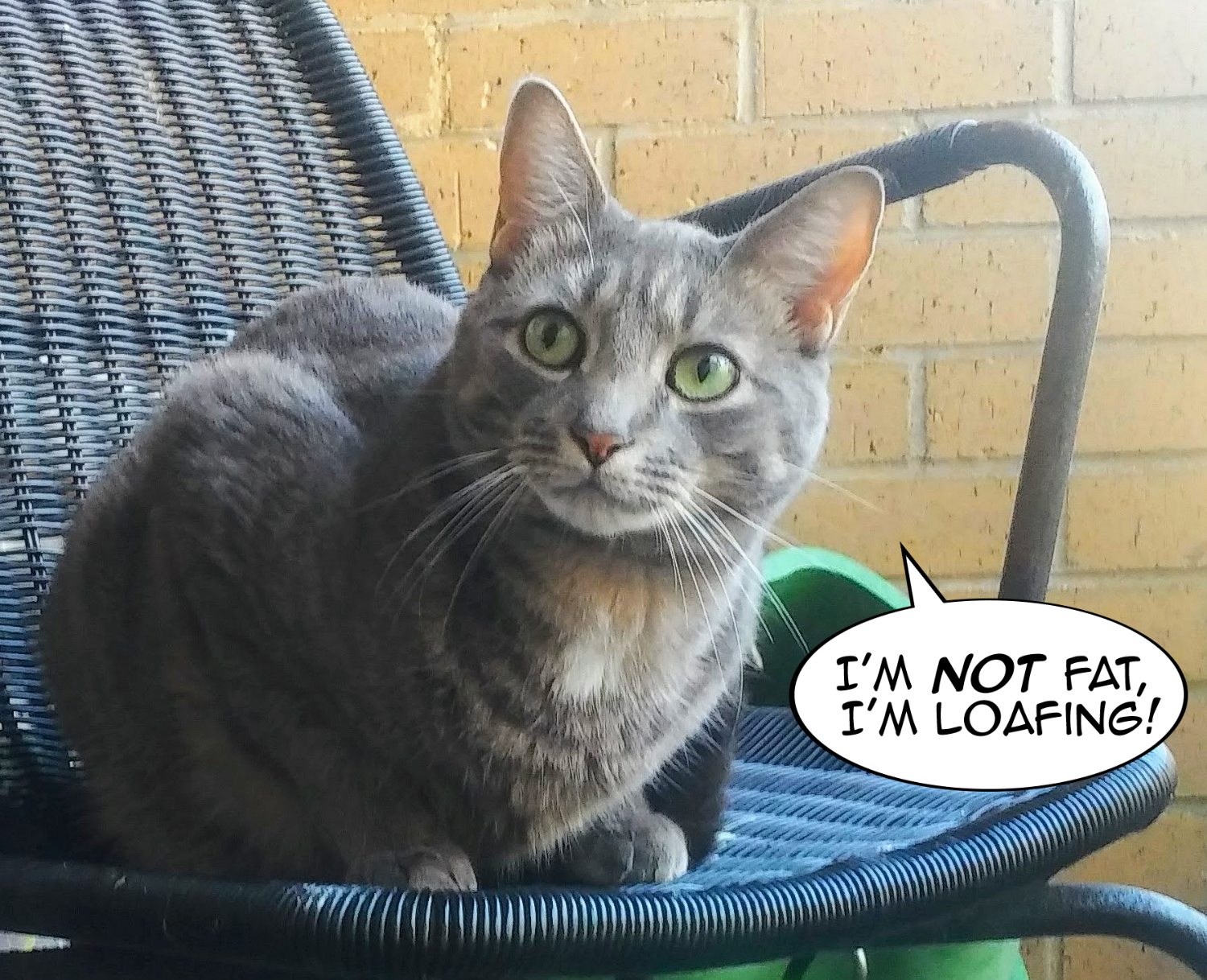
Buddy Loafing
How dare you suggest Buddy is chubby!

If you’ve ever wondered why your cat likes to lay in the famous loaf position, Jackson Galaxy has weighed in on the matter. (There’s a British theme here too. For some reason Galaxy, real name Richard Kirschner, uses a British accent to explain loafing behavior, and it’s…not good.)

“The first thing that we want to look at is the position itself; we’ve got paws tucked under the whole body resting basically on arms,” Galaxy says in a video. “This look right here is decidedly cat. Because what this is saying is I’m not going anywhere.”

Cats loaf to conserve body heat while remaining in a position that allows them to quickly get up if need be. Galaxy cautions, however, that a “half loaf” position could indicate your cat isn’t feeling too hot, health-wise.

If a cat is half-loafing, he says, that could mean she’s not getting completely comfortable because she feels vulnerable, and for evolutionary reasons (cats are both predator and prey) cats in pain feel particularly vulnerable. Most predators go for the easy kill, which is why cats go to great lengths to disguise pain and discomfort, as opposed to us humans, who whine and complain and make sure everyone knows how lousy we feel.

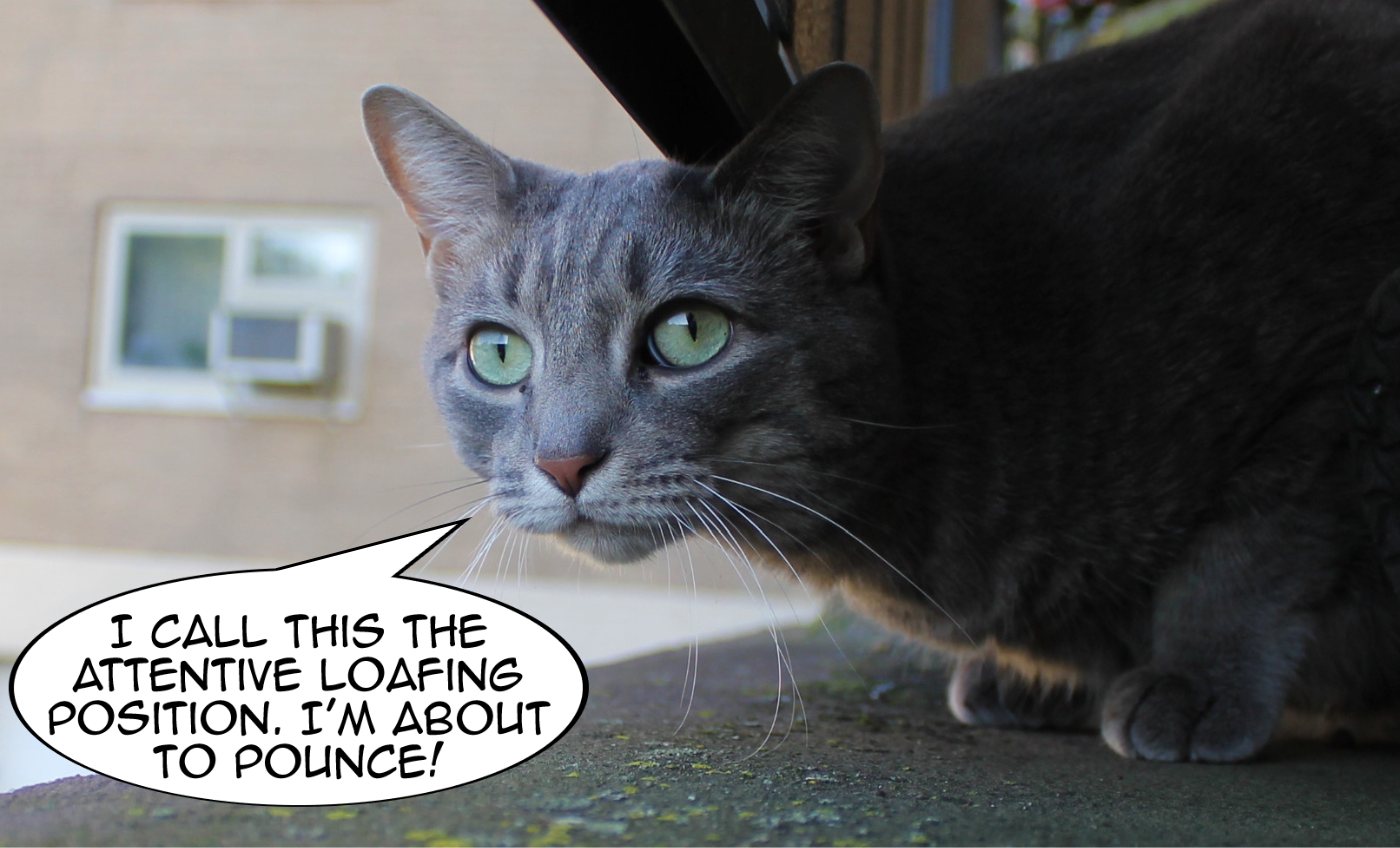
Bud Attentive Loafing
Meowscles coiled, ready to unleash feline fury!

Larry The Cat Defends UK Prime Minister’s Home From A Fox

No. 10 Downing Street’s chief mouser shows he’s capable of defending his home from all manner of animal intruders.

Larry the Cat has been the official chief mouser at the UK’s prime minister’s home since 2011.

Now he should be bestowed with a new title — chief foxer.

The famous tabby was lounging guarding No. 10 Downing Street on a recent evening when a fox approached the property. Larry slow-walked the canid intruder back to an adjacent garden, but wasn’t satisfied when the fox lingered, so he laid the smacketh down to show foxy who was boss.

The thick-headed vulpine interloper tried a third time to get closer to the house, but Larry wasn’t having it.

The encounter was a reminder that Larry can handle business when sufficiently motivated.

Larry is a former stray rescued by London’s Battersea Dogs and Cats and was four years old when he got the job on the strength of the shelter’s claim that he was an excellent hunter who would solve No. 10’s rodent problem. Bringing in a capable kitty became a priority in 2011 when the rats on site became so bold, they’d walk right past reporters and TV cameras outside the prime minister’s official residence and office.

The long-tenured mouser got a bad rep in his early days, when critics complained he “does little besides sleep” and spend time with his “lady friend,” Maisie, while also depositing hair on Prime Minister David Cameron’s suits.

But it’s Larry who’s had the last laugh as his tenure has outlast those of three prime ministers — Cameron, Theresa May and Boris Johnson. He’s now on his fourth PM, Liz Truss.

According to his official profile on the UK government’s website, “Larry spends his days greeting guests to the house, inspecting security defences and testing antique furniture for napping quality. His day-to-day responsibilities also include contemplating a solution to the mouse occupancy of the house. Larry says this is still ‘in tactical planning stage.'”