Ryan Easley “wanted to be the one with the most tigers in the ring at one time,” Joe “Exotic” Maldonado said of the Oklahoma man.
A circus big cat trainer and associate of so-called “Tiger King” Joe Maldonado was mauled to death by a tiger at a roadside zoo on Saturday.
Authorities say 37-year-old Ryan Easley was conducting a “show” at the Growler Pines Tiger Preserve when a tiger he “owned” turned on him. The captive predator mauled Easley, attacking his neck and shoulders “in full view of a group of visitors, including children,” PETA wrote in a statement calling on federal authorities to cancel the facility’s licenses.
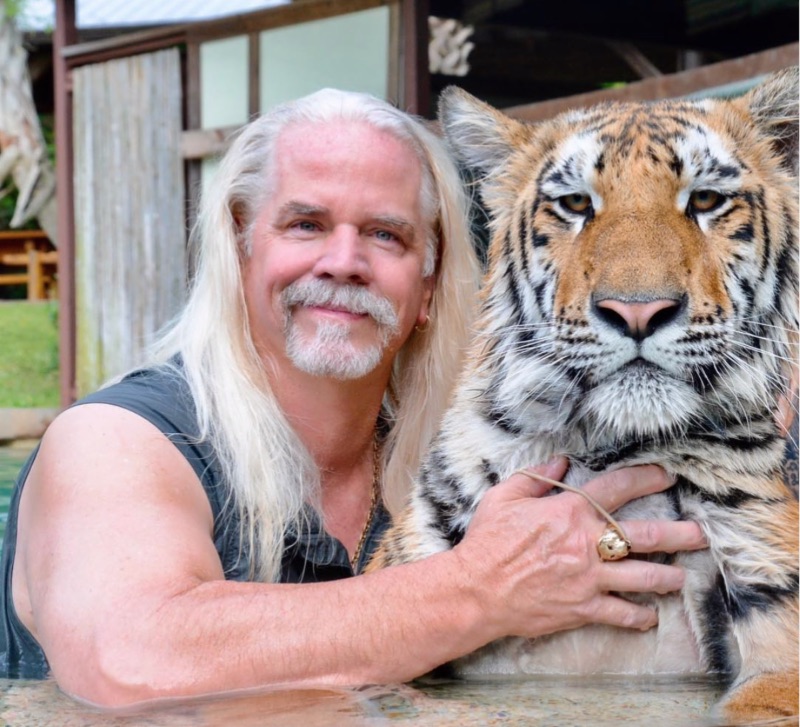
Easley with a white tiger. Credit: Ryan Easley/Instagram
While Easley called the facility a preserve, others described it as a roadside zoo, and genuine animal sanctuaries do not put animals on public display. The roadside zoo description aligns with the Oklahoma man’s past as a circus trainer of big cats, and Maldonado — who was the subject of the popular 2020 Netflix documentary, Tiger King — seemed to confirm that description when he issued a statement on his friend’s death.
“He wanted to be the one with the most tigers in the ring at one time,” Maldonado wrote in a statement from prison. “Some of his cats were crazy in the head, but it was about having the most performing at one time at all costs.”
Easley acquired some of his tigers from Maldonado, who was convicted of conspiracy to commit murder for hire and 17 counts of violating federal conservation laws in 2019. Maldonado, who remains incarcerated in a federal prison in Fort Worth, Texas, tried in 2017 to hire two men to kill Big Cat Rescue’s Carole Baskin, an activist with whom he had a years-long feud. One of the men Maldonado tried to hire was an FBI informant.
Maldonado is serving a 21-year federal prison sentence. Mugshot credit: Santa Rosa County Jail
PETA has accused Easley of mistreating, neglecting and abusing the tigers at his facility. Tigers are apex predators and hyper-carnivores who do not recognize social hierarchy or have any innate compulsion to follow orders from humans, so “taming” them and getting them to “perform” involves coercion, including physical punishment, withholding food and torture. The brutal mistreatment required to force elephants, lions, tigers and other animals to perform is one reason why traditional animal circuses no longer exist in the west.
Maldonado admitted as much in his statement, noting “you don’t get a tiger to jump through a hoop of fire because they love you.”
“It’s never safe for humans to interact directly with apex predators, and it’s never a surprise when a human is attacked by a stressed big cat who has been caged, whipped, and denied everything natural and important to them,” PETA’s Debbie Metzler wrote in a statement.
Former big cat handler and caretaker Katherine Lee Guard, who is now an activist against keeping big cats as pets and using them in the entertainment industry, spoke to PITB about her experiences in 2023. She noted tigers can turn on their handlers at any time, even if the latter hand-reared the felids since infancy. Once their predatory instincts are triggered, the apex predators feel a powerful compulsion to attack.
Even in accredited zoos where tigers are provided with large enclosures designed for their well-being, given plenty of enrichment and stimulation, and fed well, Guard said people should never enter an area without barriers between themselves and the big cats.
“The cost is too great if something goes wrong,” she said. “And something always goes wrong given enough time.”
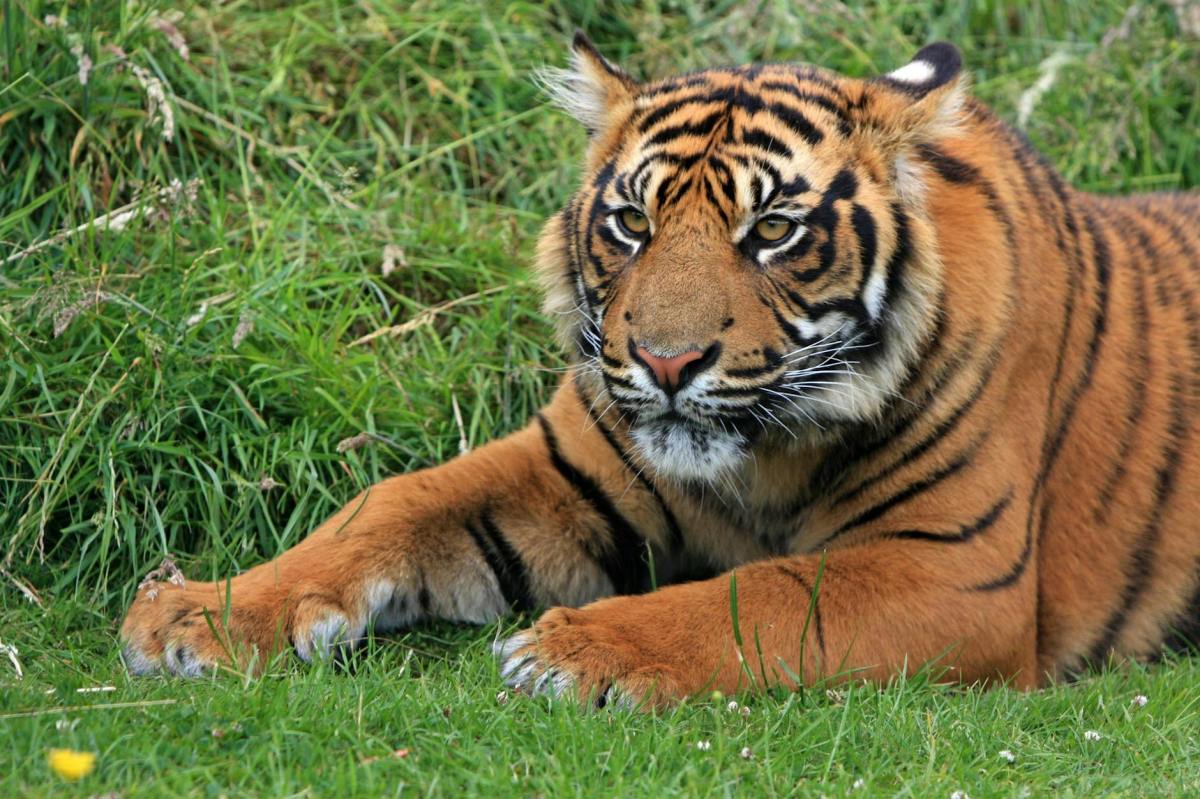
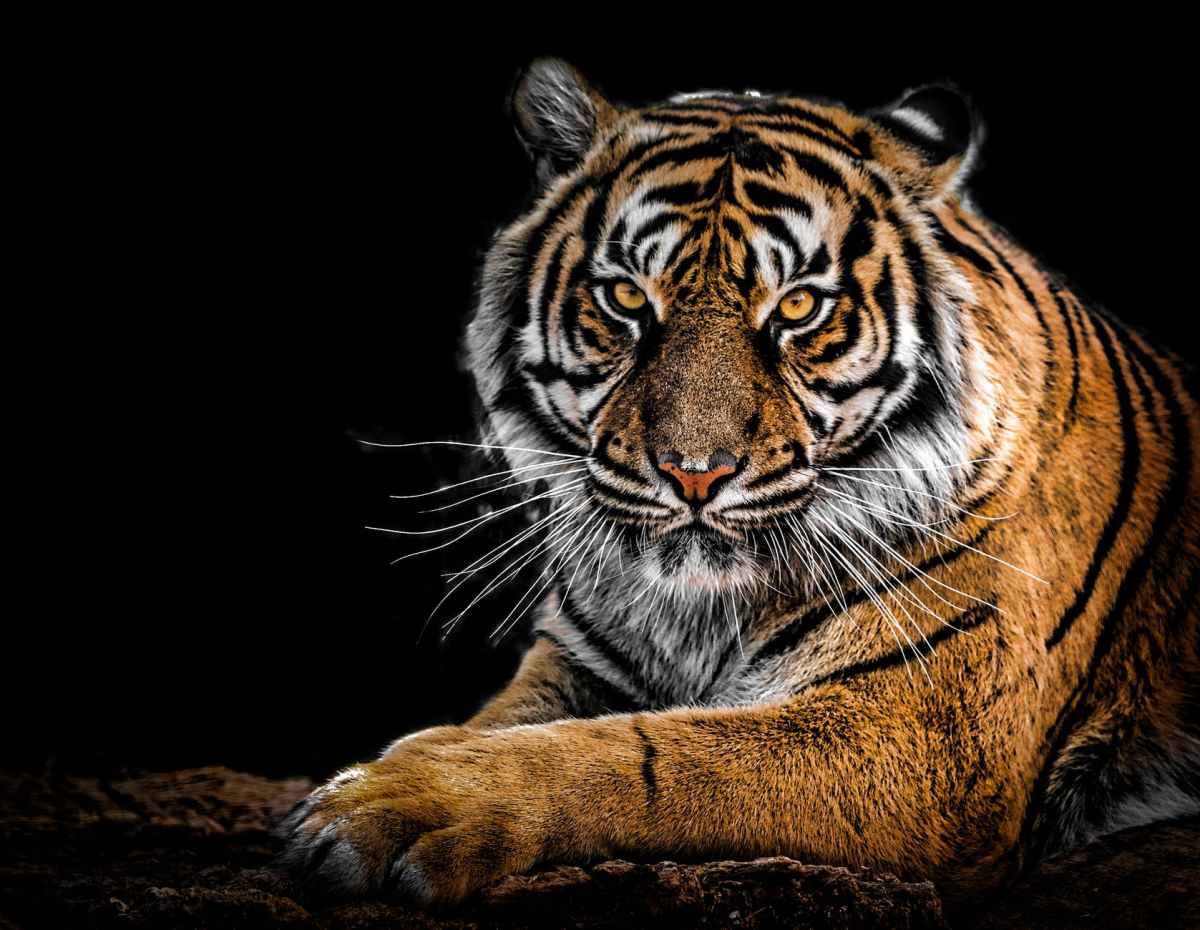
Header image of a Sumatran tiger via Pexels. Do you enjoy reading PITB? Please consider whitelisting us on your ad blocker so we can keep the lights on. Thanks!
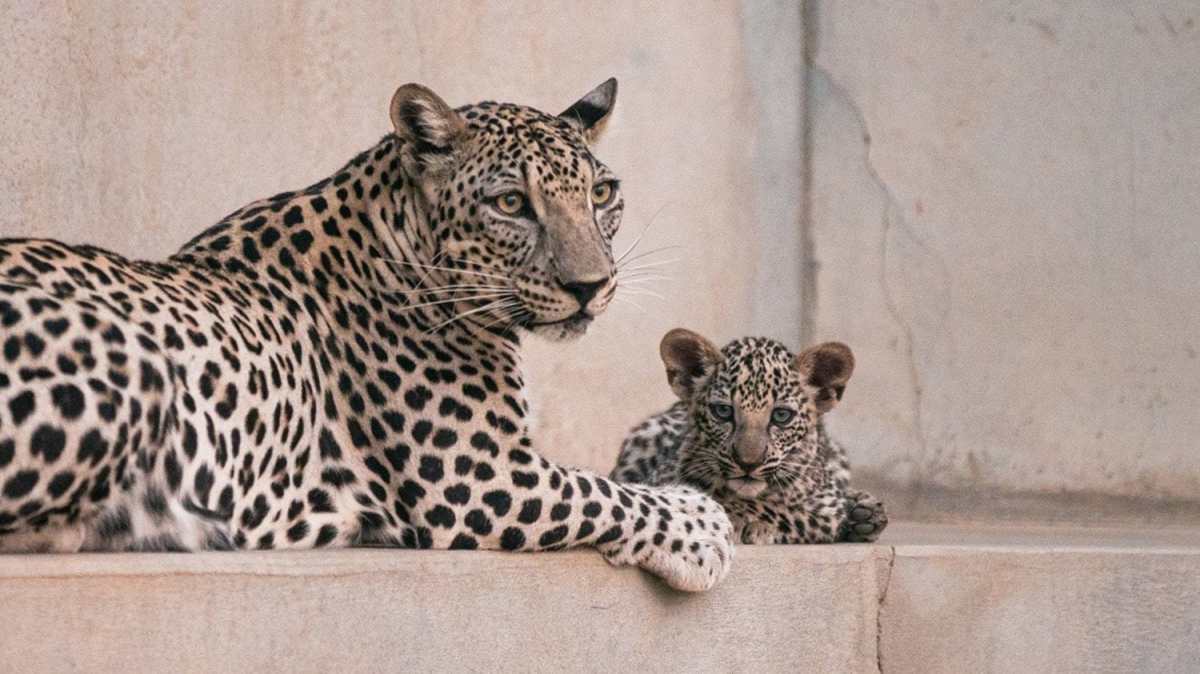
Arabian leopards are among the most rare of all cats, with only about 120 left living in the wild. Trump was taken with them on a recent visit to Saudi Arabia.
I can practically hear Donald Trump bragging about the new pair of extremely rare Arabian leopards the Saudis will send stateside as a deal-sweetener between the countries.
“They’re tremendous cats, just terrific,” he’ll say. “The most ferocious cats you’ve ever seen, believe me. It’s incredible. A lot of people are saying — and by the way, did you know leopards eat up to 40 pounds of meat a day? They’re tremendously powerful animals, very powerful.”
As the New York Times notes, Trump is just as beguiled by dangerous apex predators as he is with dangerous “strong men” tyrants:
Mr. Trump does not own pets and, unlike his sons, he does not hunt big game. But he has shown a particular fascination for animals at the top of the food chain. Last year, he talked constantly on the campaign trail about shark attacks. While campaigning in 2015, he was nearly mauled by a bald eagle he posed with in Trump Tower for a Time magazine photo shoot. (“This bird is seriously dangerous but beautiful!” he chirped after the raptor lunged at his head.)
During his first term, Mr. Trump asked aides about dropping snakes and alligators into a hypothetical moat he wanted built on America’s southern border. He also reportedly became fixated on the viciousness of badgers, badgering his former chief of staff Reince Priebus, who is from the Badger State, as Wisconsin is known, about whether badgers were mean or friendly, according to “Sinking in the Swamp,” a book about the first Trump administration. (Mr. Priebus did not respond to multiple requests for comment.)
Trump viewed the leopards and spoke to a zookeeper while he was in Saudi Arabia to complete a recent arms deal. (The U.S. will sell $142 billion in high tech weapons to Saudi Arabia so the kingdom can more effectively slaughter Yemeni civilians in its ongoing proxy war with Iran.) The American president wanted to know all about the big cats, including how big they are and what they eat. The zookeeper, who routinely handles those sorts of questions from visiting classes of elementary school children, happily indulged his interest.
Arabian leopards are fierce, but they’re somewhat smaller than their Asian counterparts. Panthera pardus nimr, as the species is known, generally has a lighter, tan-colored coat that provides more camouflage in desert and arid environments.
An Arabian leopard Arabia’s Wildlife Center in Sharjah, United Arab Emirates. Credit: Arabia Wildlife Center
The Times also quotes Joe Maldonado, aka Joe Exotic, who spoke to a reporter from prison, where he’s serving a 21-year sentence for trying to have Big Cat Rescue’s Carole Baskin murdered. Maldonado is keenly aware of Trump’s recent streak of handing out pardons to reality TV grifters, like Todd and Julie Chrisley, who stole almost $40 million, as well as less famous scammers like convicted crypto bros. (The Chrisleys, who were convicted of bank fraud and tax evasion, declared bankruptcy to avoid paying back their victims, and will now launch a new reality TV show detailing their post-prison lives. ‘Merica!)
Now Maldonado sees an opportunity.
The former “Tiger King” says Trump should have leopards and other big cats prowling the grounds of the White House, which is the kind of thing dictators like Vladimir Putin and Saddam Hussein have been known for.
“I think it would be absolutely amazing if he would put some endangered cats like that around the White House,” Maldonado said. “I’ve never been there. I don’t know how big the Rose Garden is, but I would imagine you could build a pretty nice size complex.”
Perhaps Trump can threaten to feed congressmen and senators to his new leopards if they defy him and don’t vote for legislation like the “big, beautiful bill” he’s been pushing.
Maldonado admitted that even he’s never seen an Arabian leopard, an animal so rare that only an estimated 120 of them remain in the wild. Still, he thinks he can handle them for Trump.
“Let me out,” Maldonado said, “and I’ll come take care of ’em!”
It took a tiger swiping at her for her to wake up from the dream of being close to big cats. Now Katherine Lee Guard’s mission is to educate people about the animals and how helping them means keeping a healthy distance.
No one knew Saigon better than Katherine Lee Guard.
When he arrived at the wildlife ranch in Thermal, Calif., as a baby in the mid-90s, it was Guard who stayed up with him at night, bottle-feeding the orphan cub and swaddling him in soft blankets. She was by his side as he grew, tending to his needs, taking walks with him through the desert and scrubland on the compound that was his home.
Then one day the massive Amur tiger turned on her.
“It was just so shocking even though I knew it could happen,” Guard recalled. “I thought I knew but until it happened, I had no idea. It was terrifying and oddly a weird ‘How dare you!’ kind of feeling that came over me. Like ‘How dare you come at me after all I’ve done for you?’ Because I’d raised him, bottle fed him, been up all night with him.”
Guard was equally surprised by her own reaction, which she described as “more indignation than fear,” but it was that indignation that “allowed me to shelve my fear long enough to get away and out of the enclosure.” If Saigon had sensed her fear, his predatory instincts could have overridden the maternal affection he felt for her.
Saigon never tried to kill Guard. If he had, she wouldn’t be here to tell the story. He was merely warning her that he didn’t want her near him that day, and he made sure she got the message.
Katherine and Saigon on a happier day when the massive tiger was in a better mood. Credit: Katherine Lee Guard
Amur tigers, also known as Siberian tigers, are the largest big cat subspecies in the world, topping out at 700 pounds, with males spanning 10 feet from nose to tail.
But the encounter — a growl, a much-less-than full strength swipe and a warning bump — was enough to turn Guard into “a nervous, vomiting wreck” once she extricated herself from the enclosure.
“Getting swatted by a paw, even with sheathed claws, hurts like hell,” Guard told PITB. “I’d feel trounced, disappointed and relieved at the same time. And stupid for being in there with them, although I never would have admitted that to anyone back then.”
That first bad encounter with Saigon, and similar encounters with a lion named Tsavo that Guard had also bottle-fed when he was a cub, planted seeds of doubt in her mind about what she was doing on that California ranch, working with a man who had previously used the big cats in circus performances.
Years earlier when Guard’s mom came to visit her, Guard came out to meet her with baby Saigon in her arms, feeding him from a bottle.
Her mother stopped and took in the scene. “That’s not the baby I imagined for you,” she said flatly.
“I never forgot it,” Guard said.
Later, while caring for a female Bengal named Bombay, Guard had an epiphany. Like so many others who make it their life’s work to be near big cats, she had always been beguiled by the beautiful, powerful and dangerous animals. Looking at Bombay, Guard realized the regal tiger was “totally without pretense,” moving with the purpose and grace of a being self-assured in her existence.
“She was purposeful and unyielding and for the first time I felt separate from her and it didn’t bother me,” Guard said. “It was beautiful to realize that she didn’t need me or anyone else. Had she been given a chance in the wild, she would have flourished. The desire to know her thoughts and be her friend lessened in me because I started to appreciate her for her, not for how she could make me feel. ‘She’s not existing for me! She exists for herself!’ We don’t ‘own’ Bombay. Bombay ‘owns’ herself.”
“It was a light bulb moment, and in hindsight I think it was the beginning of the change in my mindset.”
Guard stopped the practice of going “full contact” with the big cats — meaning caring for them without any barriers or safety measures in place, relying on luck to avoid death or dismemberment — and eventually left the ranch around 2003.
In the two decades since, she’s been focused on educating the public about big cats, supporting conservation efforts and trying to rescue the unfortunate tigers, lions, jaguars, leopards and other wild felids who have the misfortune of living in roadside zoos where they’re sedated and exploited for customer selfies, or living sedentary, unnatural lives in cramped backyards in states like Texas and Florida.
Tsavo the lion, who was rescued from “a shitty private owner,” was another one of Guard’s bottle babies at the sanctuary.
Like many others who have dedicated their lives to helping those animals, Guard is encouraged by the 2022 passage of the Big Cat Public Safety Act — but also miffed that it took lawmakers so long, and worried that loopholes in the law will be exploited by people determined to “own” Earth’s endangered apex predators.
The world of big cat handling is a small one, and the people in that world tend to know each other if not always well, then by reputation or in passing. Guard remembers meeting Joe Exotic, the “star” of the infamous Netflix documentary Tiger King, in the late 1990s. Her boss and mentor at the time, Wayne Regan, wanted Exotic to surrender some of his cats to the sanctuary. Regan and Guard had seen “Exotic’s” handiwork up close when they examined some of the tigers another sanctuary had managed to wrangle out of his care. The tigers were stressed, suffered from poor nutrition and were not well cared-for.
Exotic came to the meeting with a sickly, malnourished lion cub as if taunting the pair.
“I hated him immediately,” Guard said.
She was overcome with a desire to “steal the poor malnourished cub he had with him,” but Regan cautioned her against it. Knowing what “Exotic” — real name Joseph Allen Maldonado — is capable of, it’s probably a blessing that she didn’t, but she still thinks of the cub all these years later.
Exotic remains in a federal prison in Fort Worth, Texas, where he’s serving a 21-year sentence after he was convicted of two counts of trying to hire a hitman to kill his arch-nemesis, big cat sanctuary operator Carole Baskin. He was also convicted of 17 counts of animal abuse, and his name is synonymous with the horror and suffering big cats endure when they’re in the possession of private “owners” and roadside zoo operators.
Joe Allen Maldonado, who styled himself as Joe Exotic, was the subject of the infamous documentary Tiger King detailing his exploitation of big cats and his outlandish criminal activity. Maldonado remains imprisoned in a federal facility after he was convicted of trying to have sanctuary operator Carole Baskin killed.
Big cat advocates lament the fact that the documentary, as popular as it was, spent more time focusing on Maldonado’s eccentricities, Machiavellian maneuvering and manipulation of people in his orbit than it did on the suffering of the animals in his “care,” but it did draw attention to his crimes and the plight of tigers in the US.
“He tortured and killed and exploited so many animals,” Guard told PITB. “He is a coward piece of shit who is right where he should be. He is no ‘Tiger King’ and never should have had a minute of fame.”
She has a similarly low opinion of Kevin “Doc” Antle, another eccentric animal abuser featured in the documentary. Antle has provided big cats and other animals for projects including the Ace Ventura films, a Jungle Book adaptation, a Britney Spears performance and an appearance on Oprah Winfrey’s talk show.
Earlier this year he was convicted of illegal wildlife trafficking in Virginia, where authorities said he tried to buy endangered lion clubs in violation of federal law. He’s racked up almost three dozen USDA violations for mistreatment of animals over the years, has been accused of gassing adult tigers to “make room” for more cubs, and faces a slew of additional charges related to money laundering and the alleged import of wild animals, including a chimpanzee and a cheetah.
Kevin “Doc” Antle, who now calls himself Bhagavan Mahamayavi Antle,
Antle has also raised the ire of animal welfare advocates and conservationists for the controversial practice of breeding ligers — massive cats that are the result of breeding male lions with female tigers — and inbreeding tigers to produce a color morph commonly known as white tigers. While the latter are beautiful, majestic and rare, intentionally trying to breed them often results in cubs with malformations who either die in infancy or live short, brutal lives.
Guard does not regret the time she spent working with big cats on Regan’s ranch, just the naïve way she went about it. Like others who have spent years thinking about how to best protect and save big cat species, she’s come to the conclusion that the majestic felids are best helped — and appreciated — from a distance.
At the ranch, some of the felids were former show animals rescued from the entertainment business. Some, like Saigon, were abandoned young by people who had planned to use them in shows. Others were like Tsavo the lion, who “came from a shitty private owner.”
Regan was a former tiger trainer for circuses but had changed his views on using the animals for entertainment. He “was fastidious about taking care of the cats, very invested in their welfare and had only the best care for them,” she said. The ranch was sprawling, with enrichment items and toys everywhere, as well as a large lake with an island in the middle so the cats — particularly tigers, who are known for their love of water — could swim and play. At night they settled into their own individual habitats, each equipped with smaller pools, entertainment items and bedding.
In addition Wayne, Guard and their volunteers were reluctant to display the cats for anyone, even donors. They felt it would be a betrayal to the animals to be gawked at in a place that had become a haven for them.
Regan had learned the business from a man named Ron Whitfield, who remains active in the big cat community as the large carnivore curator at the San Francisco Zoo and trained animals for 30 years at the now-defunct Marine World in San Francisco.
“The business is so small that word gets around and Wayne, and Ron too, were known as good people to care for unwanted animals,” Guard said.
Guard and Saigon.
Tsavo as an adult.
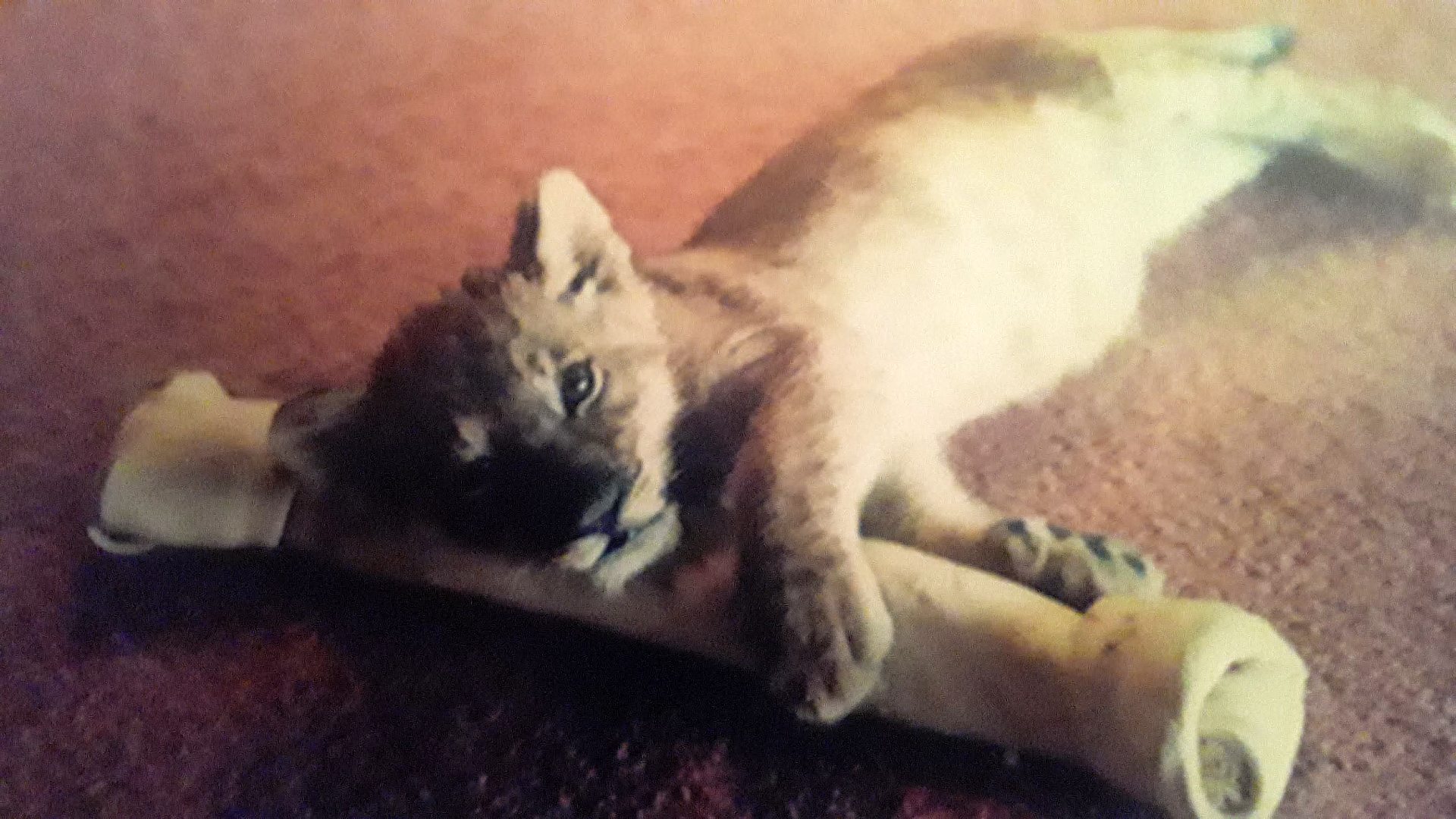
Baby Saigon
These days, Guard cares for small cats too as a caretaker and feeder of stray cat colonies in her California neighborhood. It’s a reminder of the good people can do in their own backyards, and of the need that exists in a country where some 800,000 unwanted felines are euthanized every year despite Herculean efforts to push spaying and neutering. (Those efforts have been very successful, and euthanizations of cats and dogs are only a fraction of the millions they were just 15 years ago, but the fact that so many unwanted animals are still killed illustrates the enormity of the problem.)
Mostly, she wants people to know that the idea of having a big cat for a companion, or even living in something resembling harmony with them, “is a fool’s paradise.” Luck is the only determining factor in whether a handler lives or, as Siegfried and Roy can attest, suffers life-altering injuries from accidentally triggering the ever-present predatory instinct of tigers, lions and other big cats like jaguars and leopards.
They are, after all, the planet’s apex predators, hyper-carnivores designed by nature with the most deadly weapons of any extant animal.
Guard says she hopes the practice of keeping big cats truly ends after the current generation of panthera “pets” — those grandfathered in under the Big Cat Public Safety Act — pass on. And she hopes that young people who are as “spellbound and mesmerized” by the spectacular felids as she was don’t follow her lead and endanger their lives, which is why she’s brutally honest about her own experiences and makes no pretense about benefiting from any factor other than luck.
“It’s been a long road for me to go from there to here,” she said. “I’m glad I can recognize my mistakes and hope I can prevent others from doing the same. I don’t know why people are drawn to do dangerous things but for me I didn’t think about the danger because I just wanted to be close to my cats.”
She understands the allure, but always comes back to the same conclusion: humans and big cats are not meant to live side by side.
“The cost is too great if something goes wrong,” she said. “And something always goes wrong given enough time.”
Did you like this story? Read some of PITB’s other long-form journalism and essays:
The legislation aims to ban all private big cat ownership throughout the United States.
There are more tigers living in cramped backyards in Texas than there are in the wild.
At roadside zoos, shady people like Joseph Maldonado-Passage, Joe “Exotic” of Tiger King fame, breed big cats like rabbits so they have an endless supply of cubs to steal from their mothers before they’re weaned, pumped full of sedatives, and handed off to tourists who take selfies with them but never stop to consider the welfare of those baby cats or the harm they’re enabling.
And in states like Florida, where “Muh freedoms!” reign supreme over all other values, people can own any wild animals they want, with no real oversight and no mechanisms to ensure they’re doing right by the animals. There’s nothing forcing “exotic” animal “owners” to keep the big cats, monkeys and other mammals in proper enclosures where they have stimulation and — just as importantly — won’t escape and hurt neighbors.
India the tiger was still just a cub when he was spotted wandering through residential neighborhoods in Texas, where he’d been dumped by his former “owner.” Credit: Humane Society
Thankfully, things could change soon as lawmakers are expected to vote on the Big Cat Public Safety Act, a rare bipartisan effort that would finally make it illegal to keep tigers, lions, jaguars, leopards, cheetahs, pumas and other wildcats privately, whether in homes, businesses or non-accredited “zoos.”
Currently keeping big cats is illegal or severely restricted in most states, but like many things in the US, there’s a confusing patchwork of laws and things that would be unthinkable in other states are perfectly acceptable in places like Texas and Florida.
Because, you know, “muh freedoms.”
Now is a good time to point out that this blog has always been, and will remain, politically agnostic. I have my own political beliefs as any other person does, but PITB is a cat humor, news and advocacy blog, and the only politics we discuss here are those that relate to animal welfare. Equally important, Buddy and I want people of all political persuasions to feel comfortable as readers and commenters on PITB. (Although that could change if one or both political parties suddenly makes a move against the nation’s Strategic Turkey Supply. Then Buddy’s gonna have to get biblical.)
The Big Cat Safety Act is co-sponsored in congress by representatives Mike Quickly, D-IL, and Brian Fitzpatrick, R-PA, and in the senate by senators Susan Collins, R-ME, Tom Carpenter, D-DE, Richard Burr, R-NC, and Richard Blumenthal, D-CT.
If your congressional representative or your senators aren’t publicly on board with the Big Cat Safety Act, you can make your voice heard via the Humane Society’s site, which allows you to draft and send letters to the offices of your lawmakers.
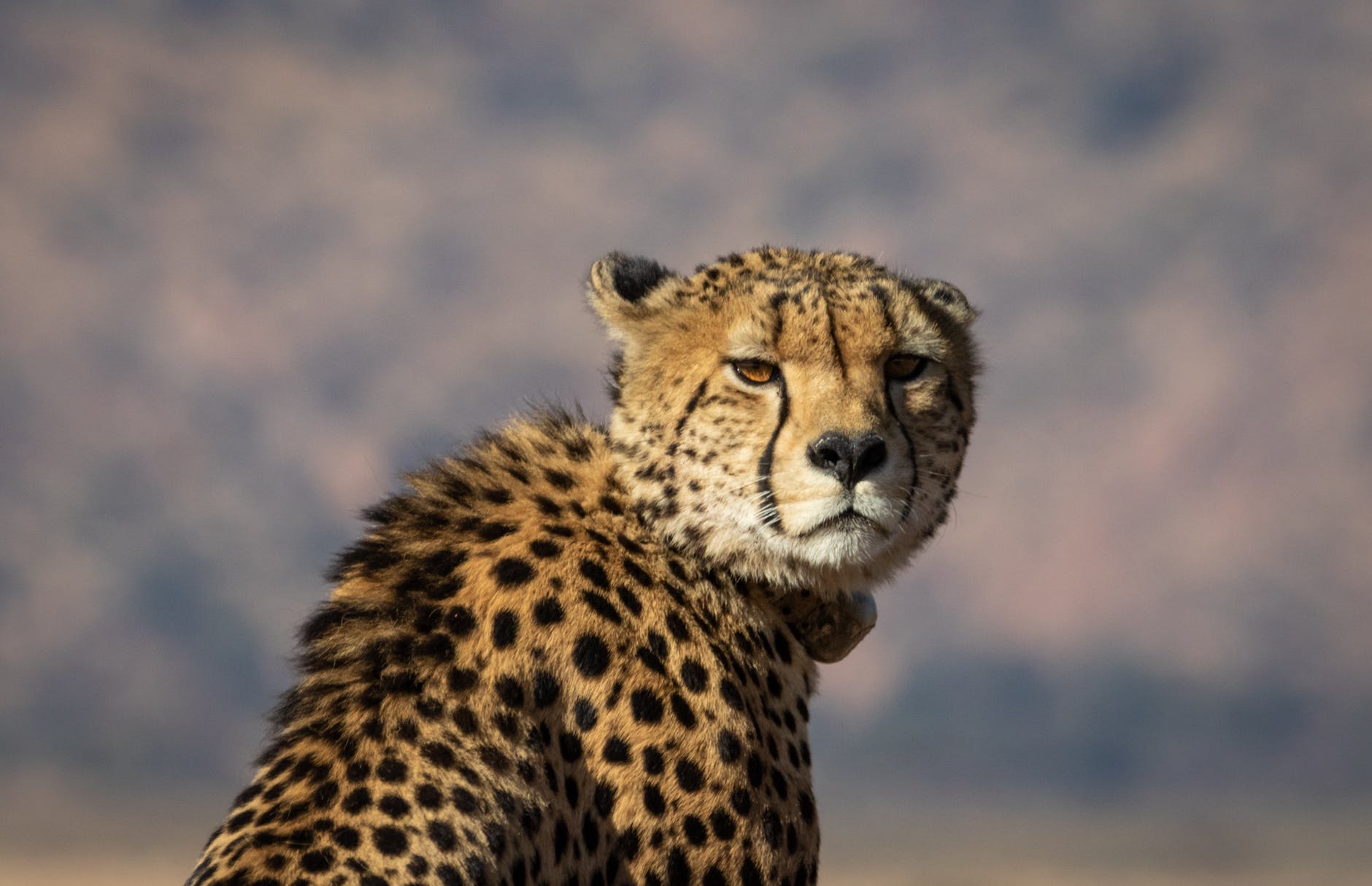
Cheetahs, already critically endangered, have been almost entirely wiped out by poachers who sell their cubs on the illegal wildlife market. Credit: Magda Ehlers/Pexels








 Pain In The Bud