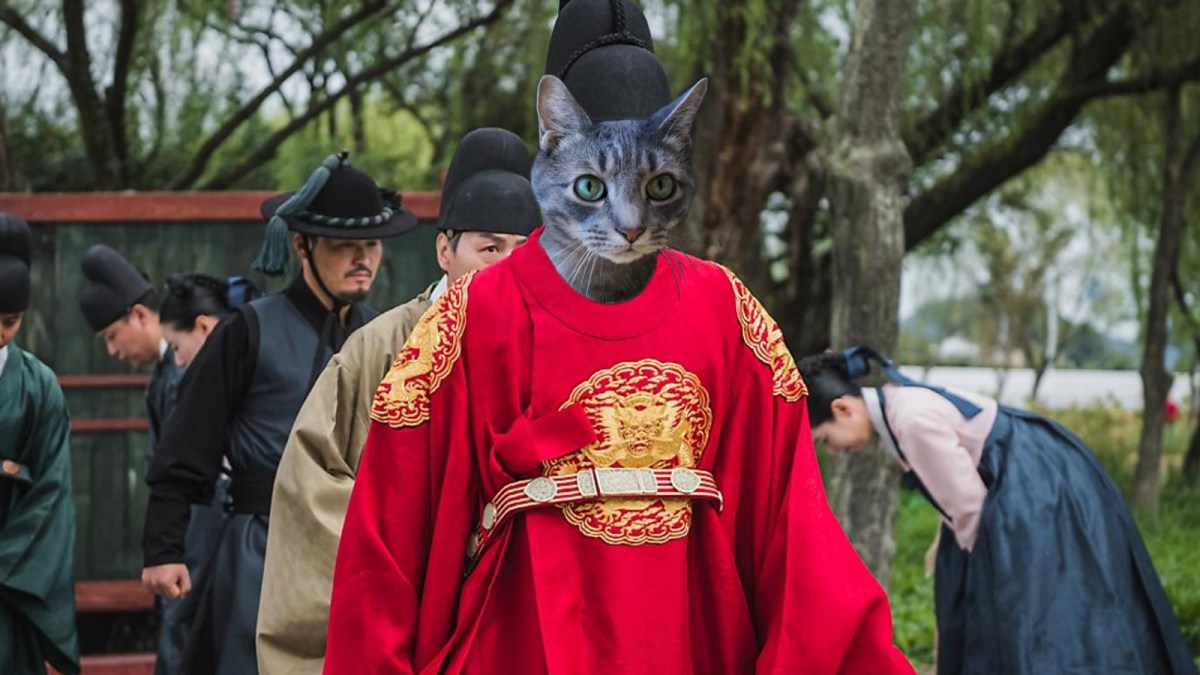
Buddy has taken to styling himself as a Joseon king after gorging himself on Korean period dramas set during the long-enduring dynasty.
NEW YORK — Buddy the Cat has taken to wearing Joseon dynasty royal robes and insisting others call him “Jeonha” — a style of address for a king which means “Your Highness” — after binging Korean historical dramas over the last several months.
The silver tabby, who once pretended to be Spanish and has previously tried to ingratiate himself with lion prides and zoo tigers, took on the persona of a king of Joseon, the historical name for the kingdom of Korea as it existed for half a millennium. The move followed an extended TV binge during which Buddy watched Netflix’s Kingdom, The Crowned Clown and Six Flying Dragons.
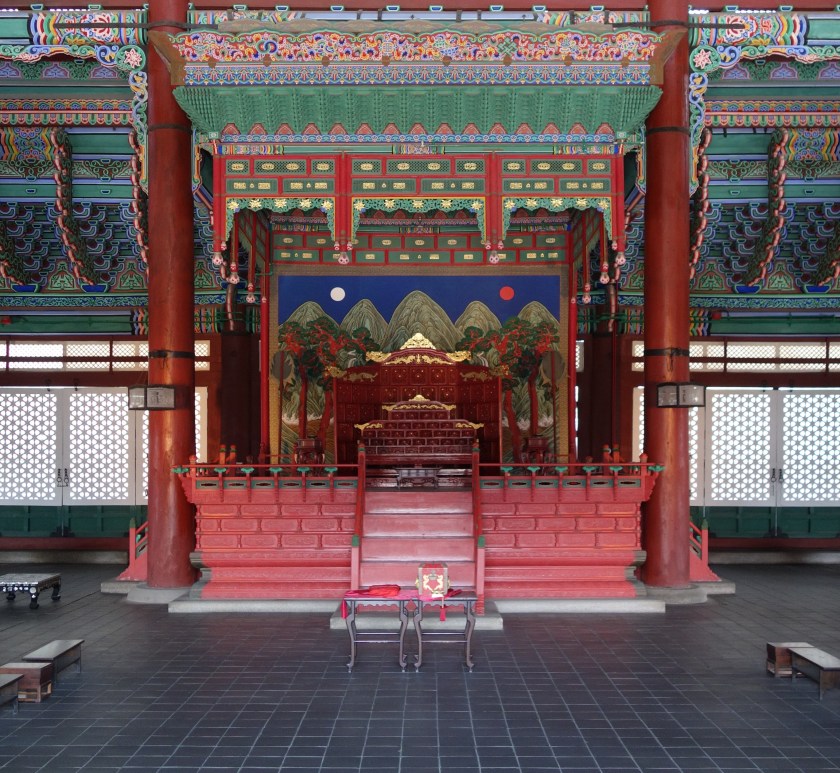
“Where is the Left State Councilor?” Jeonha Buddy shouted on Friday while lounging atop a replica of the famously elaborate Phoenix Throne. “The Ministry of Yums is late with my dinner once again. This will not be overlooked!”
Committing fully to his cosplay, Buddy designated each floor in his apartment building as its own “province,” appointing cats in other apartments as governors, Confucian scholars and tax officials. In addition, he created a court schedule dictating three official audiences per week, demanding reports on “the state of the cat food cupboard” and vigilance in looking for signs that a Japanese neighbor, Mr. Fuji, planned to invade his realm.
“We must not underestimate the Shogunate,” he said. “Have the Chief Secretary draw up an official mobilization order for the Five Armies so that we may have a regiment stationed along the border in case Mr. Fuji has military intentions.”
“Yes, Jeonha!” the other cats said, bowing. “Your grace is immeasurable!”
Asked on Sunday what he thought of the group of cats who stood watch outside his apartment, Mr. Fuji said: “I like cats!”
Most of Jeonha Buddy’s royal decrees, however, have dealt exclusively with food. Royal Proclamation #11, for example, specified the size and serving time of the king’s late night snack, while Royal Proclamation #19 clarified that seafood must not be served two meals in a row, and should be served only after meals of poultry or beef.
Meanwhile, Royal Proclamation #22 sought to appoint Big Buddy as the king’s eunuch.
“You’re pressing your luck, ‘Jeonha’,” the human said, glaring at Buddy. “I still have my balls. You, however, do not.”
As of press time, Buddy consulted the basket that holds his many toys and confirmed that he did indeed still possess his balls, including one that lights up and makes a beeping sound when it’s batted around.
“My court eunuch is a liar,” Jeonha Buddy declared. “Eighty lashes for him!”
Felines play a major role in Ghostwire: Tokyo, a horror adventure from Japanese studio Tango.
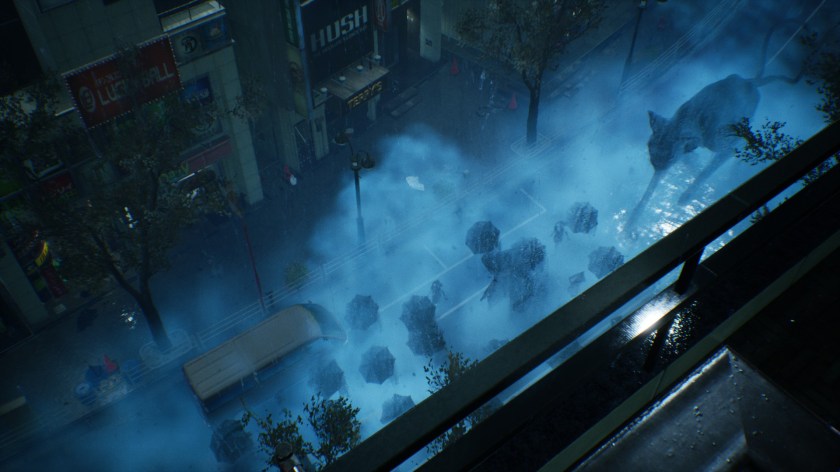
The premise of Ghostwire: Tokyo is simple: The entire human population of the city has vanished in some mysterious, cataclysmic supernatural event, leaving the heart of Tokyo silent, vacant and draped in an ethereal fog.
Instead of the bustle of humanity, the city is now populated by demons and yōkai, which are roughly equivalent to ghosts in Japanese folklore.
Only one human survives: Akito, our protagonist. He remains alive due to pure luck after a spirit named KK inhabits his body, intending to use it to fight the supernatural forces that have emptied Tokyo of its human inhabitants.
Akito and KK come to an uneasy truce sharing one body due to their aligned goals. KK’s presence not only allows Akito to survive the malevolent forces at work, but also imbues him with fantastic elemental powers to wield against the yōkai prowling the otherwise empty streets: He can summon wind, fire and water, and cleanse spirits and locations with Shinto prayer rituals.
A torii gate.
Akito performs a ritual to cleanse a torii gate.
Akito is set on rescuing his sister from sharing the same fate as hundreds of thousands of others, while KK spent his human life — and now his afterlife — trying to stop the mysterious figure behind the spirit invasion from harvesting human souls. For Akito to do the former, he and KK must do the latter.
Oh, and there are animals — lots of scared, confused cats and dogs who don’t know what to make of the city’s supernatural new inhabitants and don’t understand why the humans have gone missing. KK’s powers allow Akito to read animals’ thoughts.
“I can’t smell my buddy anywhere,” a confused dog tells me early in the game, whimpering as he wanders near the Shibuya scramble crossing.
It’s worth paying attention to Ghostwire’s lost pets. Feed a dog and the good boy could lead you to a cache of cash or a Jizo statue where you can say a prayer and augment your powers. Stop to pet and talk to a cat, and she might tell you a yokai is hiding nearby, disguising itself as an every day object.
True to a country obsessed with felines going back centuries, a cat isn’t always just a cat in the world of Ghostwire: Tokyo.
There are your regular domestic pets and strays, which are simply called neko, the Japanese word for cat. Akito encounters them often, comforts them and can read their thoughts with KK’s powers. Like the dogs, they’re confused, scared and hungry.
A cute cat warns me about nearby malevolent spirits.
A good boy leads me to a statue of Jizō Bosatsu, a deity who watches over children and travelers, and eases the suffering of lost souls.
“You’ve gotta spend money to make money, so why not spend it here with meow?”
This nekomata was meowing a hilariously out-of-tune song when I passed his shop stall.
Akito with a cat.
Then there are nekomata, which are the spirits of domestic cats who have become yōkai. Nekomata have made themselves at home in the absence of humans, showing their entrepreneurial spirit. The ghost cats have taken over every convenience store and kiosk in the city, urging Akito and KK to buy their snacks and supernatural wares to “be purrpared” for what awaits them.
“You’ve gotta spend money to make money,” one nekomata tells me, “so why not spend it here with meow?”
Nekomata are not to be confused with bakeneko, who are also yōkai but differ from their spirit cat cousins in subtle ways. Bakeneko can be friendly, mischievous or ambivalent, they can move without making a sound, and like nekomata they can speak and understand human language. Unlike nekomata, which have two tails, bakeneko only have one.
Finally, there are maneki neko. You’ve seen maneki neko even if you don’t realize it, probably on the counter of your local Japanese grocery, sushi house or Chinese restaurant. They’re the smiling, beckoning cats who are said to bring good fortune, health and other benefits. They’re based on the legend of a friendly cat who led a road-weary Japanese feudal lord and his men to a sanctuary just before a violent thunderstorm centuries ago, and have become ubiquitous in Japan and wider Asian culture.
For a game with a grim premise set in an empty but lived-in city, there’s plenty of bizarre humor as well. One mission has you delivering toilet paper to a human spirit who really, really needs to wipe after an epic bowel movement before he can move on and rest easy in the afterlife.
On another occasion I stopped to admire the detail and near-photorealistic beauty of a street bordering a shrine when I heard a nekomata hilariously meowing a cheerful song out of tune. When I turned toward the little cat, I saw him floating in the air and bouncing to his happy song.
As Akito, the player is tasked with lifting the fog from neighborhoods of central Tokyo, rescuing the spirits of deceased humans before they can be harvested by the demons and yōkai, and investigating the what, why and how of Tokyo’s takeover by malevolent spirits.
Akito and KK accomplish the former by “cleansing” Tokyo’s many shrines using a ritual performed at the shrine torii gates. Once a torii gate is cleansed, the fog around it subsides and more of Tokyo opens up for exploration and investigation. Meanwhile, Akito and KK must fight off yōkai to reach the floating spirits of Tokyo’s citizens, using a talisman to secure them. The duo can then “wire” the spirits to an ally outside the city, who helps return them to their bodies. The game keeps track of how many souls are saved, with the count rising to the hundreds of thousands for adept players.
One of the nastier yokai, toting an umbrella.
A yokai who takes the form of a headless, ethereal Japanese schoolgirl. If you let them get too close, they can seriously hurt and even kill you.
Akito performs a ritual to cleanse a torii gate.
The game remains true to Japanese folklore in the way it presents enemies, who are usually corruptions of human souls who have deep regrets about their lives. The spirits represent anxieties unique to, or prevalent in, Japanese society.
There are Rain Walkers, unnaturally thin salarymen toting umbrellas who advance on you inexorably, representing the angry spirits of men who spent their entire lives in service to a corporation, hardly spending time with their families or raising their kids because they work so much.
There are the Students of Pain and Misery, headless schoolgirls and schoolboys representing the spirits of teenagers whose grades couldn’t carry them into good universities, damning them to a life of tedious, low-paying jobs. Those are real concerns in a country where students spend in excess of 10 hours a day, six days a week in school. Teenagers are under enormous pressure to get top grades, and teen suicide is a major contributor to the country’s unusually high suicide rates.
Spirits of Lamentation are dangerous and move in sickeningly unnatural ways as spirits of people who were estranged from loved ones, while the small, raincoat-clad Forsaken are the spirits of abused children.
These malevolent spirits and others wander the streets, linger in alleys and leap across rooftops, but they also form groups called Hyakki Yagyo, which are parades of oni and yōkai who march through the streets of Japanese cities on summer nights, according to folklore.
You’ll hear the Hyakki Yagyo before you see it, tipped off by the booming taiko drums that accompany the ghostly parade.
The arrival of Hyakki Yagyo in Ghostwire is impressively atmospheric: Lights and neon signs flicker and die out, while taiko drums boom from the mists. Then you see the spirits — yōkai with their umbrellas, massive demons, bizarre apparitions.
The first time I encountered a Hyakki Yagyo, I was so engrossed in watching the procession that I didn’t realize I was in its path until it was too late. I learned that if you get too close, the spirits yank you into an ethereal plane and surround you in numbers, determined to end your physical existence and make you one of them. Those encounters are among the most difficult in the game, but they’re also a fun test of skill.
Ghostwire gives us the most complete recreation of Tokyo in any game to date, and it’s magnificent. The metropolis extends seemingly forever in every direction, with 36 million people living a metro area that sprawls for almost 1,000 square miles. (That’s three times the size of New York with all its boroughs.)
Because of that, no game studio can handle the challenge of recreating the entire city on a 1:1 scale, and Ghostwire doesn’t attempt it. Instead the game world encompasses the famous Shibuya district and part of Minato City, two of the most bustling and famous districts in the heart of Tokyo. It’s a massive playground stretching from west of the scramble crossing, through Roppongi and all the way to Tokyo Tower.
Ghostwire is beautiful, polished and a hell of a lot of fun to play. You’re not going to find the gloriously intuitive combat of a game like Control, or even an experience like the fluid melee action of Shadow Warrior 2. Ghostwire’s combat is pedestrian compared to those games, but it becomes more fun and interesting as the game progresses and you’re given different powers and options to deal with a growing variety of ghastly enemies.
The lure of a game like this is its moody atmosphere, magnificent visuals, tense sound design and a plot that weaves hundreds of years of Japanese folklore into the mix, creating a world unlike anything else in gaming.
The writing deftly transitions between serious and funny, tense and lighthearded, and the partnership between Akito and KK allows for a running dialogue throughout the game, with the two of them asking each other questions, arguing over tasks and reacting to the craziness around them. What starts out as an uneasy alliance held together by necessity becomes grudging mutual respect and eventually friendship.
Rounding out the cast of characters are Mari, Rinko, KK’s friend Ed, and the masked protagonist. Rinko is the spirit of a woman who worked with KK in their human lives. Rinko and KK were killed for their determination, and in death they continue the fight against the malevolent spirits. Ed is a weirdo: He’s KK’s man on the outside, helping to reunite the severed souls of Tokyo with their human bodies when Akito and KK rescue them, but the only way to talk to Ed is by payphone — and even then, he only answers in recordings.
Mari is Akito’s sister, who was unconscious and helpless in a hospital when everyone vanished. More than anything, Akito wants to protect her.
Finally, there’s the man in a oni mask, the mysterious mastermind behind the supernatural takeover of Tokyo. Who is he? What does he want? Can he be defeated?
To answer those questions requires an adventure very much worth having.
Title: Ghostwire: Tokyo Release date: March 25, 2022 Platforms: PC, Playstation 5 Audience: Mature Cats: Many
Akito pulls the “cores” from two yokai during a battle sequence in Ghostwire: Tokyo.
A cat stares out from a living portrait in a
A maneki neko during a warped reality sequence.
A trio of stray cats who tell Akito they’re worried about the vanishing humans.
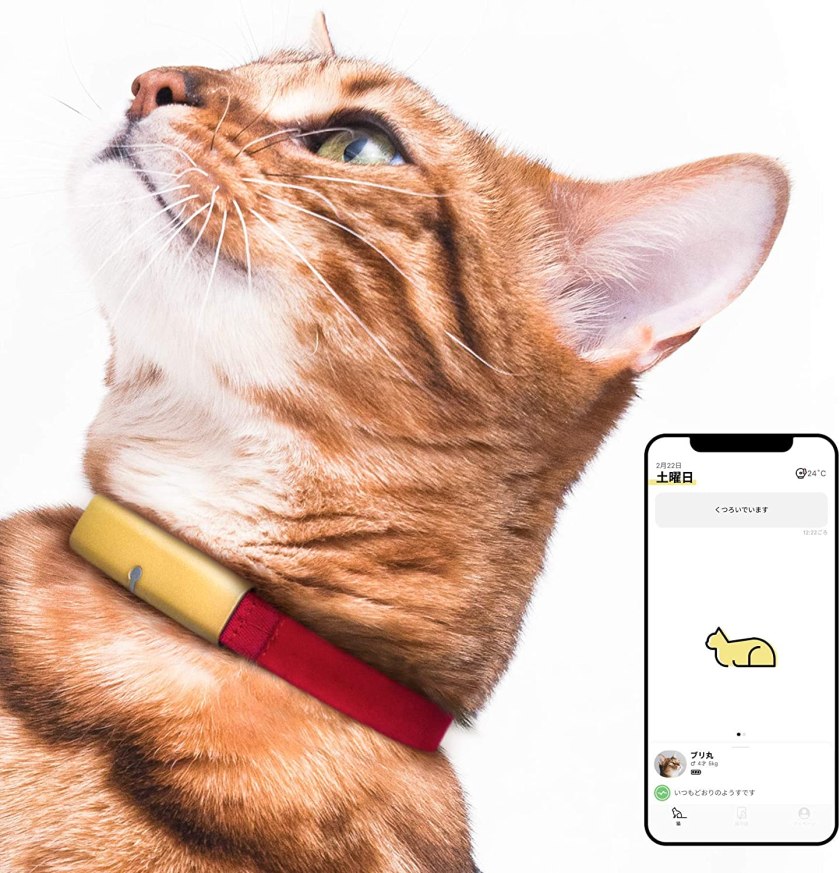
Now you can track how much time your cat spends exercising, grooming herself and sleeping.
A Japanese company that sells FitBit-like devices for cats released its first data-driven report this week and promises new revelations to come as more people buy the devices for their cats, leading to more data.
The company and its device are both called Catlog. To mark “Cat Day” in Japan, which falls on Feb. 22, researchers at the Shibuya, Tokyo-based firm issued a report saying data shows cats sleep progressively longer as they age, and cats in general sleep longer in winter.
Yeah. Not exactly a whopper.
Still, it’s one thing to know something anecdotally and another to prove it, and there are tantalizing possibilities as more kitties are equipped with Catlog. The collar-like device uses “biologging” technology to record and sort data on things like eating, drinking, sleeping, grooming and exercise. The data is relayed to caretakers via a mobile app and added to the information coming from every other Catlog, giving the research team behind the app hard data for cats across all ages and breeds.
The Catlog has received Japan’s Good Design Award, a sought-after mark of excellence among Japanese products.
Catlog looks like a regular collar with an unobtrusive device attached.
Unfortunately Buddy won’t be contributing to that data even if Catlog pushes into the US market. Little dude won’t tolerate a collar at all and is not shy about loudly, repeatedly, incessantly communicating when he doesn’t like something. 🙁
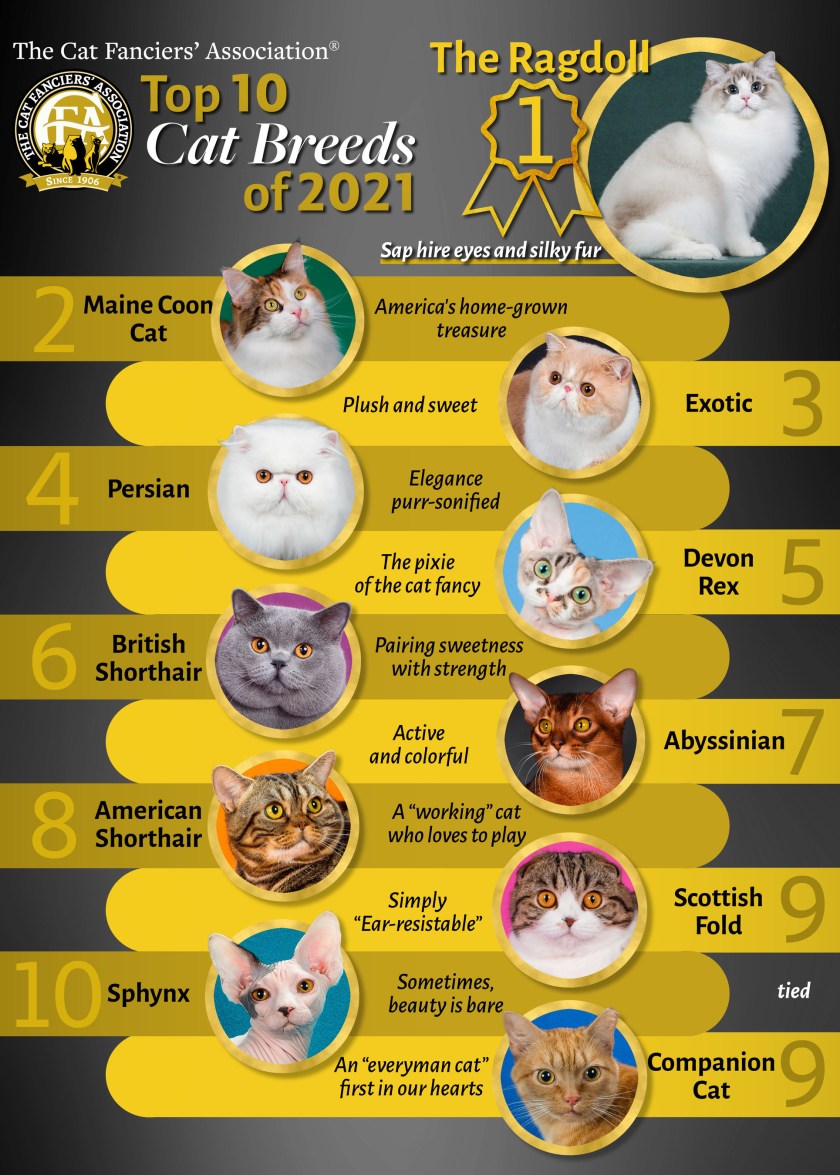
Most Popular Cat Breeds of 2021, According to CFA
The Cat Fanciers’ Association has released its annual list of the most popular cat breeds. While the CFA recognizes 45 breeds and registers “non-pedigreed” cats as well, the list is based only on CFA registered cats. That means it provides a good snapshot of which breeds are trendy, but it’s not a definitive most popular breeds list.
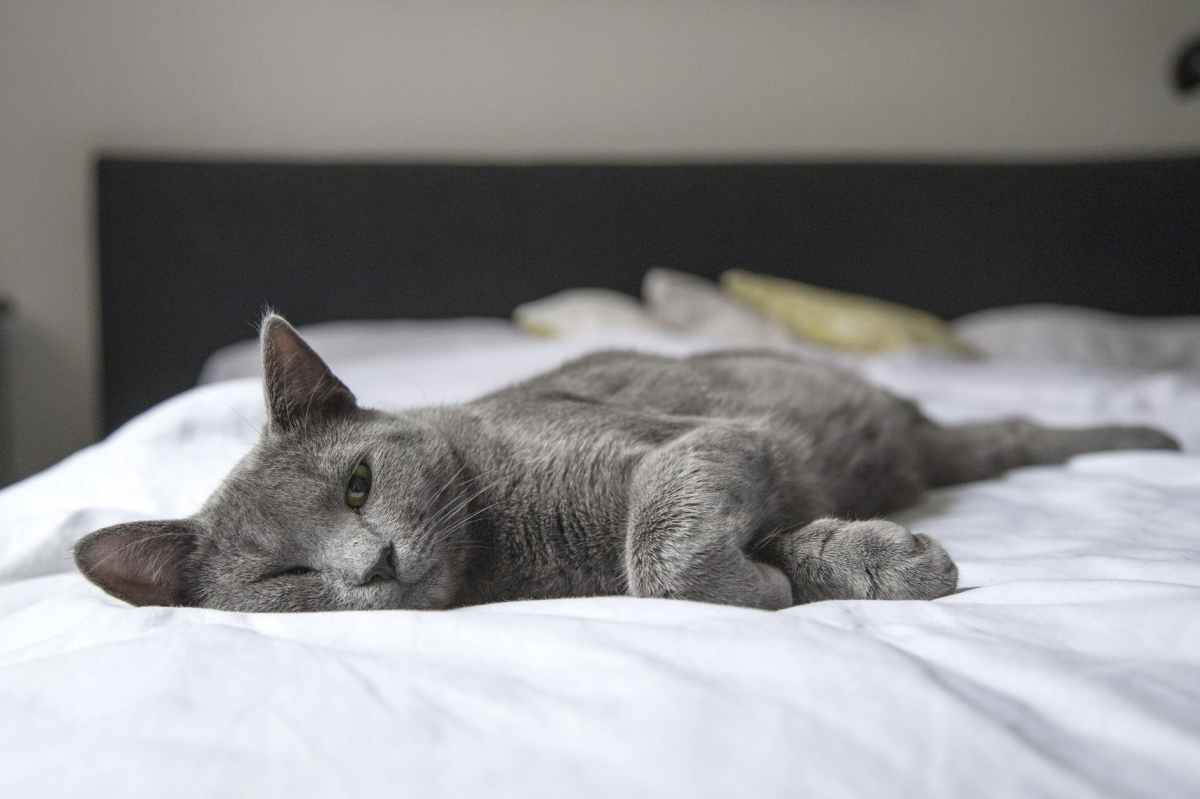
Cats without a particular breed still account for the vast majority of all pet felines, but among people who registered their cats with CFA, Ragdolls were the most popular in 2021, followed by gentle giant Maine Coones and exotic shorthairs. (Note that this list does not include the fearsome and elusive Buddinese Tiger.)
The world’s largest registry of pedigreed cats has again determined the world’s most popular cat breeds, based on registrations. This year’s Top 10 list reflects the increasing popularity of certain breeds. However, registrations of ALL cats have increased substantially, reflecting the growing popularity of pet cats since the beginning of the pandemic.
For the first time ever, a US city has conducted a true cat census using scientifically proven methods, including doing it the hard way — by counting. The project’s authors hope other cities follow their lead.
The last decade has seen something of a renaissance in cat-related research, with insightful studies about feline behavior coming from researchers in the US and Japan.
On the other hand there’s been a glut of research into feline predatory impact and public policy, and the majority of those studies have been deeply flawed. They’re based on suspect data and tainted by the interests of people who are more interested in blaming cats for killing birds than they are in learning about the real impact of domestic felines on local wildlife.
Those studies have all taken extreme shortcuts — using data that was collected for entirely different studies, for example, or handing out questionnaires that at best lead to highly subjective and speculative “data” on how cats affect the environment.
Several widely-cited studies that put the blame on cats for the extirpation of bird species have relied on wild guesses about the cat population in the US, estimating there are between 20 million and 120 million free-roaming domestic cats in the country. If you’re wondering how scientists can offer meaningful conclusions about the impact of cats when even they admit they could be off by 100 million, you’re not alone.
No one had ever actually counted the number of cats in a location, much less come close to a real figure — until now.
When leaders in Washington, D.C., set out to tackle the feral cat problem in their city, they knew they couldn’t effectively deal with the problem unless they knew its scope. They turned to the University of Maryland for help, which led to the D.C. Cat Count, a three-year undertaking to get an accurate census with the help of interested groups like the Humane Society and the Smithsonian.
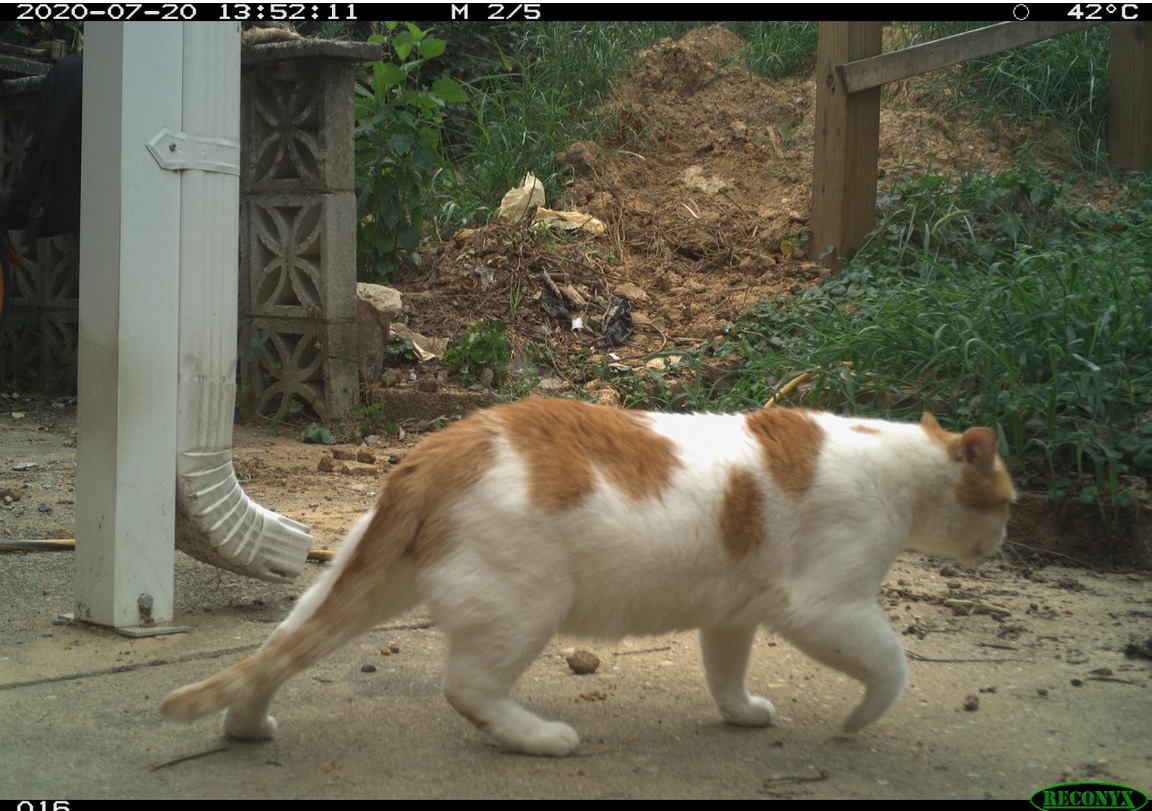
An image from one of 1,530 motion-activated cameras deployed for the D.C. Cat Count. Credit: D.C. Cat Count
The researchers approached each of their local shelters and rescues for data, then assembled a meticulous household survey to get a handle on how many pet cats live in the city, and how many have access to the outdoors.
Finally — and most critically — they used 1,530 motion-activated cameras, which took a combined 6 million photos in parks, alleys, public spaces, streets and outdoor areas of private residences. They also developed methods for filtering out multiple images of individual cats, as well as other wildlife. And to supplement the data, team members patrolled 337 miles of paths and roads in a “transect count” to verify camera-derived data and collect additional information, like changes in the way local cats move through neighborhoods.
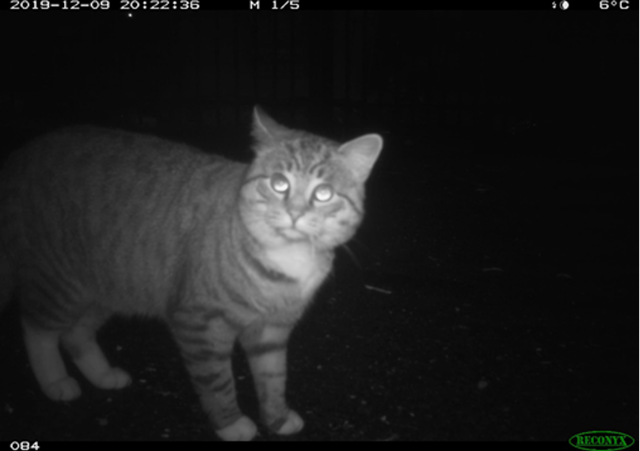
A cat who looks a lot like the Budster was captured in this 2019 photo from a motion-activated camera with night vision. Credit: DC Cat Count
Now that all the data’s been collected and analyzed, the D.C. Cat Count finally has a figure: There are about 200,000 cats in the city, according to the study.
Of those, 98.5 percent — or some 197,000 kitties — are either pets or are under some form of human care and protection, whether they’re just fed by people or they’re given food, outdoor shelter and TNR.
“Some people may look at our estimate and say, oh, well, you know, you’re not 100% certain that it’s exactly 200,000 cats,” Tyler Flockhart, a population ecologist who worked on the count, told DCist. “But what we can say is that we are very confident that the number of cats is about 200,000 in Washington, D.C.”
The study represents the most complete and accurate census of the local cat population in any US city to date, and the team behind it is sharing its methods so other cities can conduct their own accurate counts. (They’ll also need money: While the D.C. Cat Count relied on help from volunteers and local non-profits it was still a huge project involving a large team of pros, and it cost the city $1.5 million.)
By doing things the hard way — and the right way — D.C. is also the first American city to make truly informed choices on how to manage its feline population. No matter what happens from here, one thing’s certain — the city’s leaders will be guided by accurate data and not creating policy based on ignorance and hysteria painting cats as furry little boogeymen.
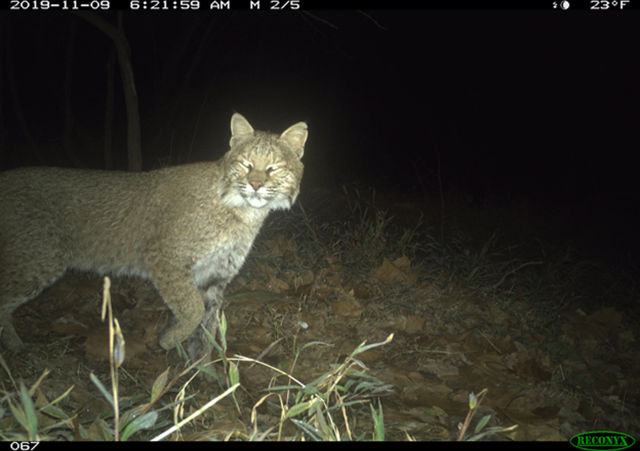
Not all the photos captured images of cats, and not all the felines were little: In this 2019 night image, a bobcat wanders in front of a trail camera. Credit: DC Cat Count
The famous “beckoning cat” traces its origins to feudal Japan, where a friendly cat was said to lead a weary lord and his men to refuge at a humble temple.
In a new article, National Geographic delves into the history of maneki neko — Japan’s famous “beckoning cat” — and how the image became ubiquitous in modern society.
Chances are you’ve seen maneki neko even if you don’t realize it. The iconic feline image has transcended its homeland and is common not only in China, Vietnam, Thailand and the rest of Asia, it’s also made its way to the US and Canada as well, earning a place in shops run by Japanese and westerners alike.
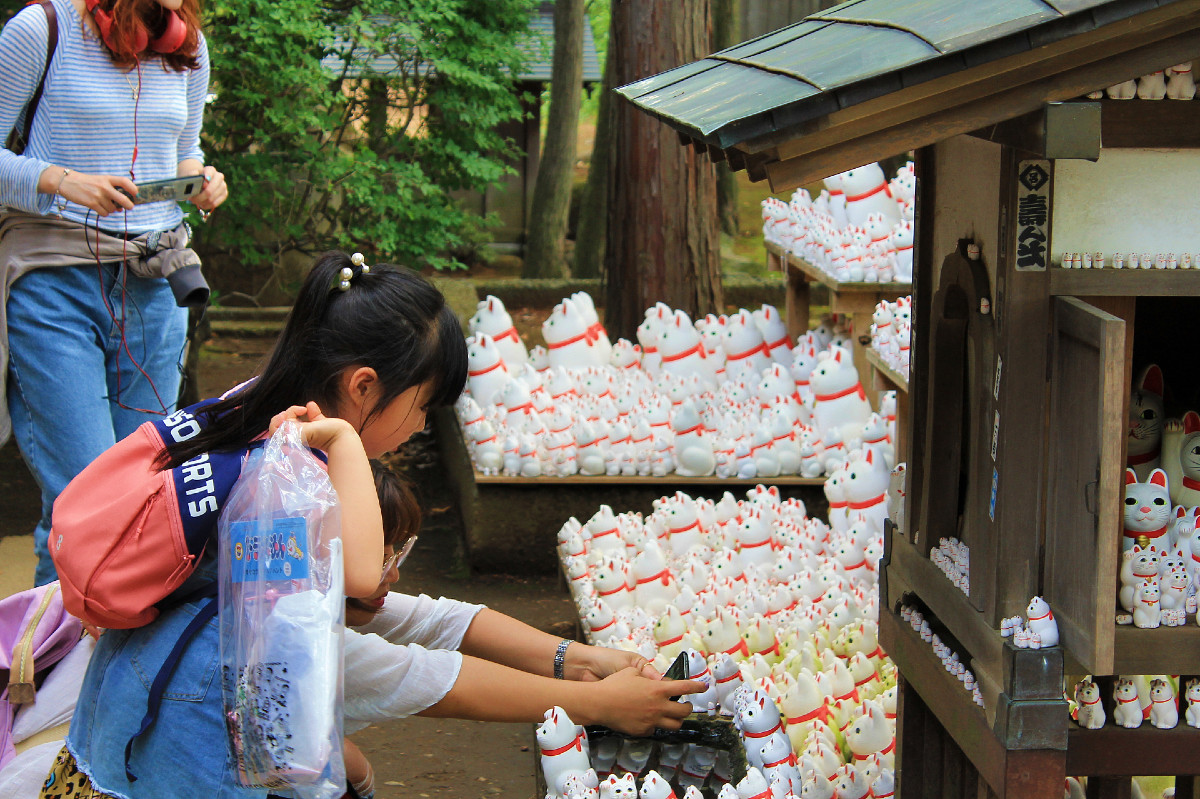
Visitors leave their own maneki neko statues at the shrine, often with personal messages asking for different blessings and written in black marker on the back of the statues. Credit: Pain In The Bud
There’s a reason for that: The waving cat not only represents luck and good fortune, it’s a welcoming gesture meant to attract customers. Maneki neko find a place in homes too, with different coat colors and patterns representing different positive attributes: A white cat is supposed to bring happiness, while a black cat wards off evil spirits and a calico is believed to bring luck in all its forms.
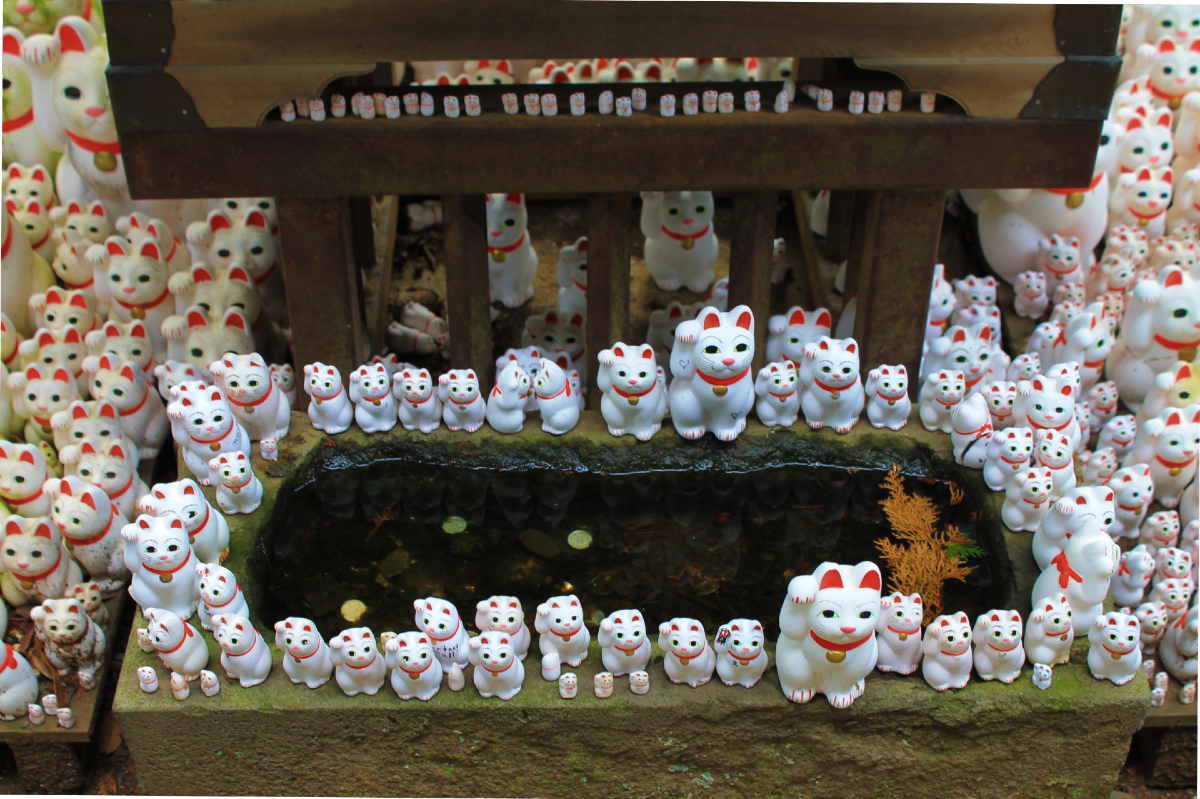
Maneki Neko statues at Setagaya shrine. Credit: PITB
As a cat lover I kept an eye out for the iconic statues during my time in Japan and, although I missed Buddy, I couldn’t leave without seeing where it all began: The cat shrine at Setagaya, a quiet Tokyo suburb where, according to legend, a feudal lord followed a beckoning cat by the roadside and found refuge from the elements in a humble shrine, where the temple monk invited them inside and gave a memorable sermon.
The feudal lord was so grateful for the hospitality, and for finding shelter to wait out a violent thunderstorm, that he vowed to become the temple’s patron. The grounds contain several temples today, as well as separate shrine areas for maneki neko left by visitors and wooden icons with hopeful messages written on them.
All images in this post are from my trip to Setagaya’s cat shrine in the summer of 2019. To see more, check out the post I wrote at the time from Tokyo.