Camera Traps Spot Wildcat That Hadn’t Been Seen In 30 Years

The species has webbed feet and lives in some of the most remote regions in the world.

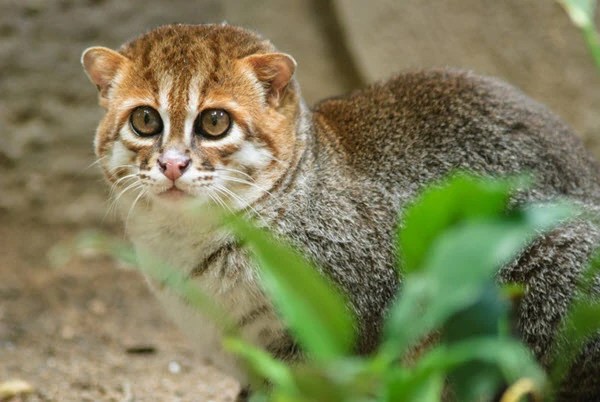
The flat-headed cat is one of the most elusive and rare felines in the world, and for three decades conservationists thought it had died out in Thailand, leaving only a handful of places where the species still eked out an existence.

Now there’s good news: the tiny feline, which weighs about half as much as a house cat, has been spotted in a remote region of the country.

Camera traps set up for an ecological survey starting last year detected flat-headed cats 29 times in Thailand’s Princess Sirindhorn Wildlife Sanctuary, according to the country’s Department of Parks, Wildlife and Plant Conservation. One of the sightings was a female and her cub, an encouraging sign that shows the local population is breeding.
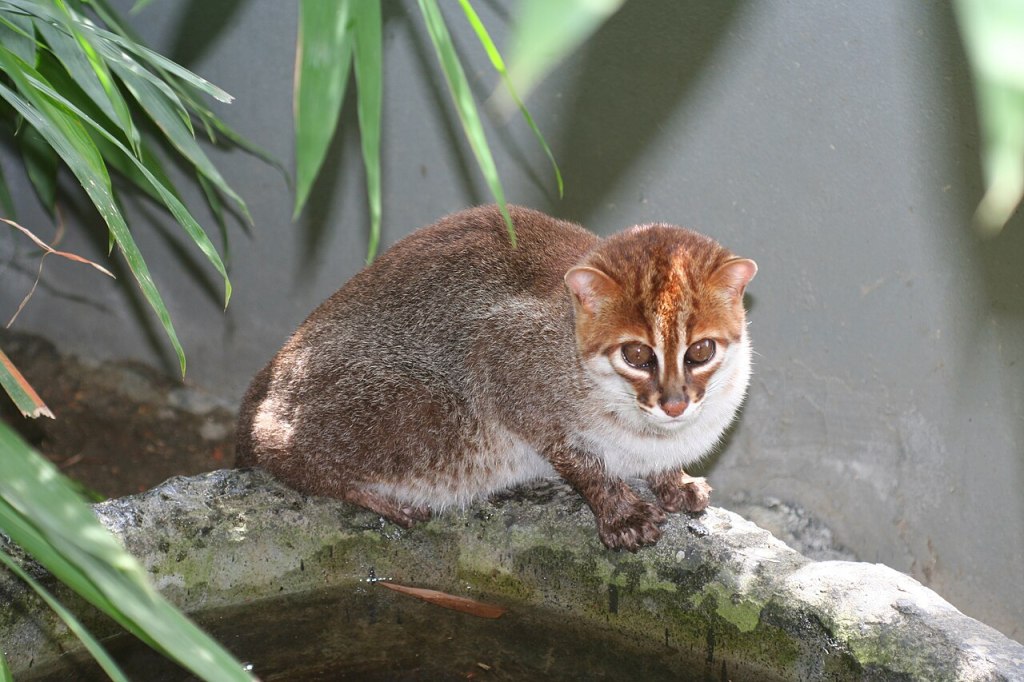
Credit: Jim Sanderson/Wikimedia Commons

The sanctuary covers five square kilometers of rainforest and peat swamps. Along with the flat-headed cat and several unique species of birds, it’s also home to the endangered hairy-nosed otter.

Conservationists believe about 2,500 flat-headed cats remain in the wild. The species is mostly nocturnal and has webbed feet, helping the tiny wildcats navigate mangrove swamps and rivers in its rainforest habitat. Known as Prionailurus planiceps in scientific nomenclature, the flat-headed cat is most closely related to the fishing cat (Prionailurus viverrinus), which also has webbed feet, and the leopard cat.

Finding evidence of the endangered feline in Thailand is “exciting, yet concerning at the same time,” said Kaset Sutasha of Kasetsart University.

That’s because it means the surviving population is severely fragmented, which makes it more difficult for the cats to breed and could lead to genetic bottlenecks.

But Atthapol Charoenchansa, director general of Thailand’s parks department, also called it a “significant win” for conservation efforts. Knowledge of its presence in Thailand provides more opportunity to study the rare felines to better understand their behavior and protect them from extinction.
Spectacular Tigress Image Wins Wildlife Photo Of The Year

An ethereal photo shows an Amur tigress scent-marking an ancient tree in Siberia.

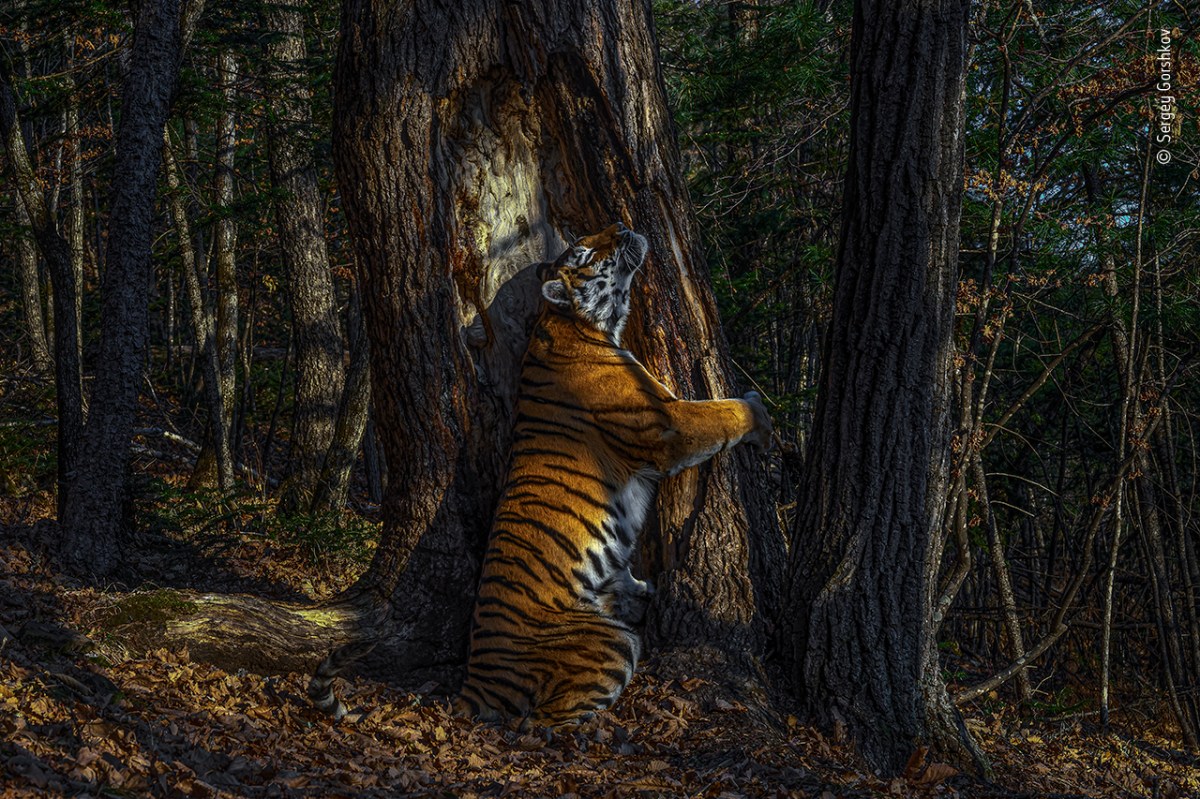
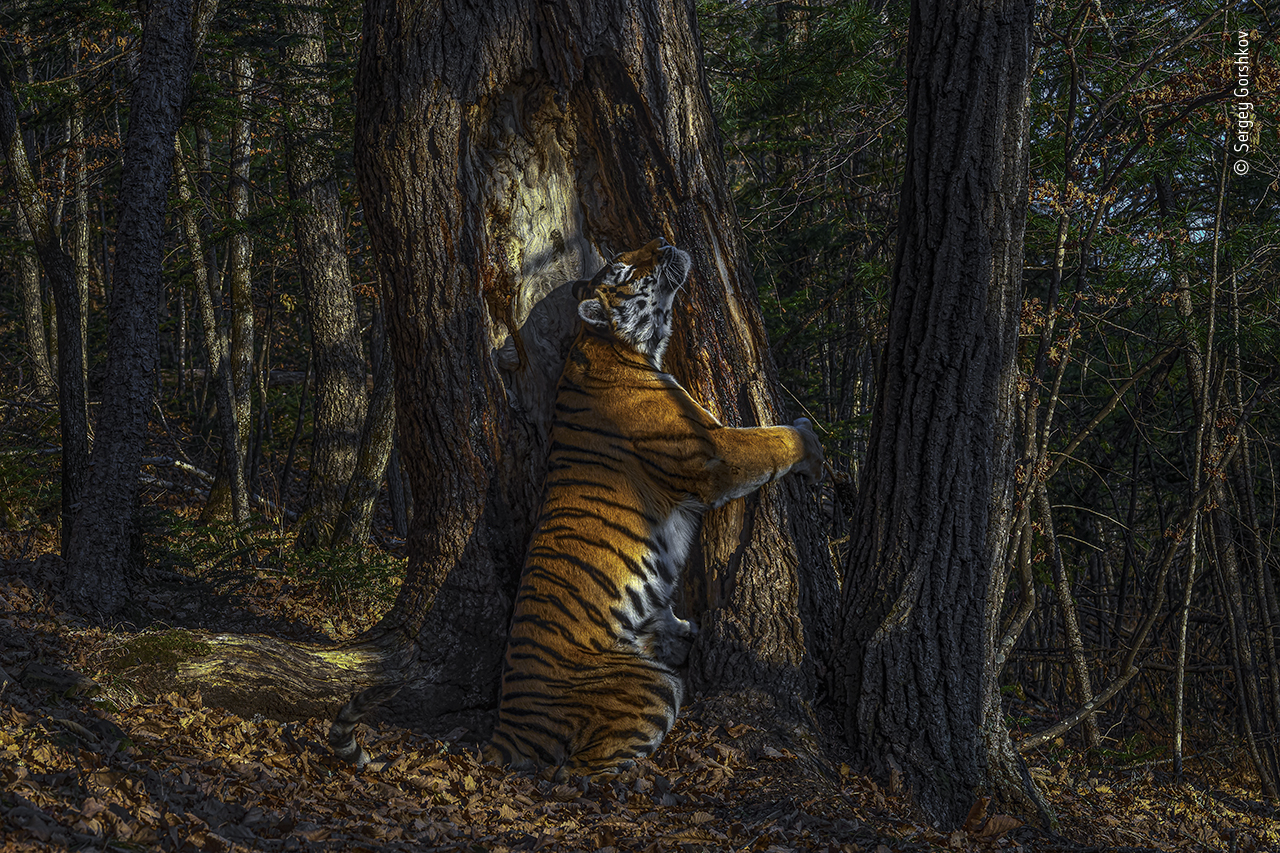
A photo of a tigress hugging a tree in Siberia has won the prestigious Wildlife Photo Of The Year from London’s Natural History Museum.

Photographer Sergey Gorshkov beat out almost 50,000 other entrants with his winning photograph, taken in Land of the Leopard National Park, a large reserve for tigers and leopards in Far East Siberia.

Gorshkov set up his camera facing a tree that already had claw marks, signaling that it’s been used as a territorial marker by at least one of more than 30 adult tigers in the park.

Sure enough, a tigress stopped to claw new marks on the tree and rub her scent on it, which is the same behavior we see with house cats when they rub on objects — and people — in the home. Cats have scent glands on their faces and paws which allow them to mark objects with pheromones. It’s a cat’s way of leaving a “sign” saying “This is mine.”

The photo has an ethereal quality, with the tigress and tree illuminated by shafts of sunlight poking through the canopy of the ancient forest.

Wild and free Siberian Tiger!

An announcement from the park’s staff describes the scene:

The photo titled “Hugs” shows the moment in which the rarest Amur tiger hugs a century-old fir to mark the target tree with its scent. Sergey Gorshkov, with the support of professional guides from Land of the Leopard, took a picture using a professional camera with a motion sensor.

“This is a scene like no other, a unique look at an intimate moment deep in a magical forest,” said Rose Kidman Cox, chairwoman of the contest’s jury.

The photo “inspires hope” for the endangered Amur tiger, Cox said. In addition to the 30-plus tigers, Land of the Leopard National Park is also home to at least 10 tiger cubs and almost 100 leopards.

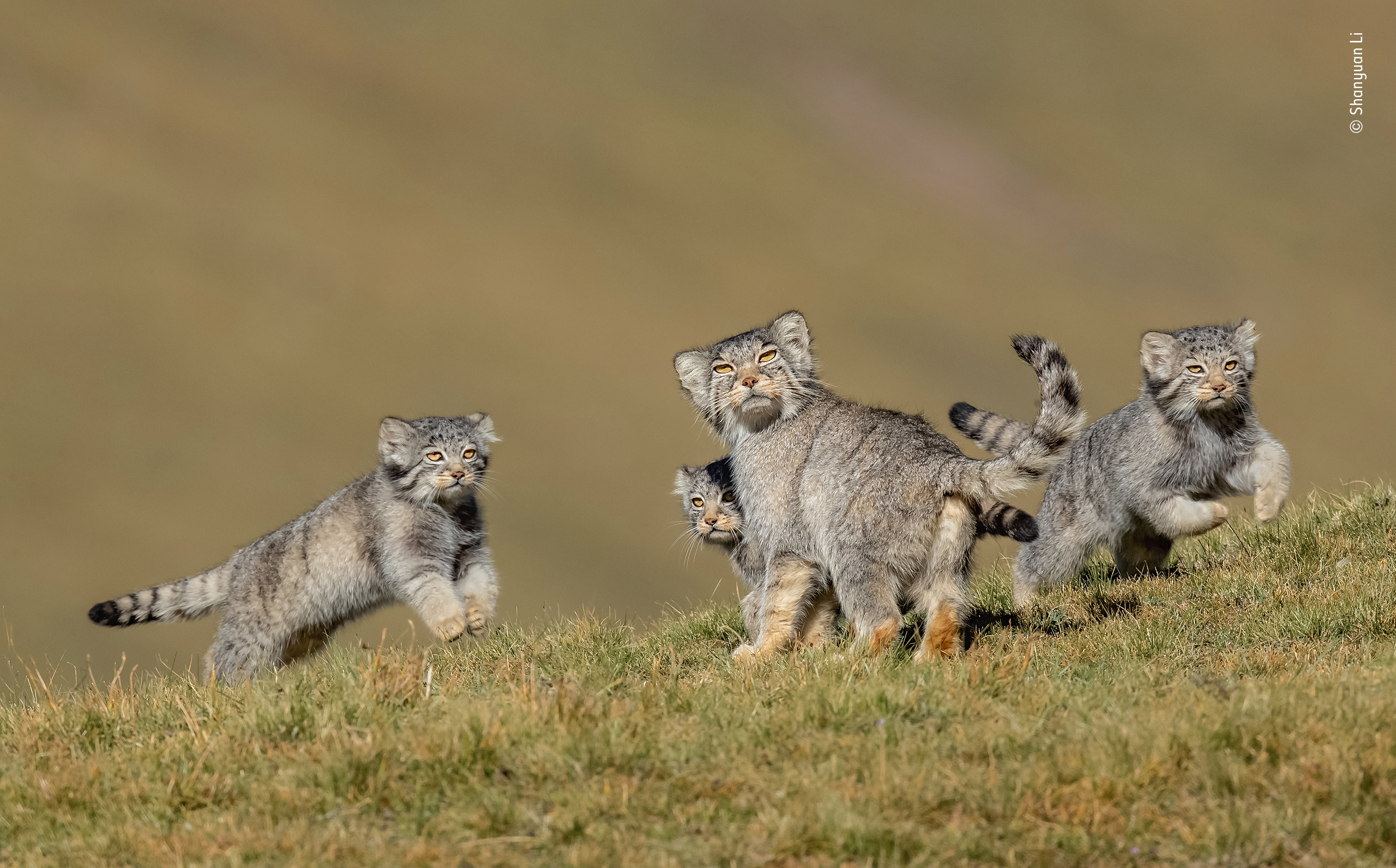
Gorshkov’s photo wasn’t the only feline winner this year. “When mother says run,” a photograph by China’s Shanyan Li, shows a trio of Pallas’ cubs with their mother “on the remote steppes of the Qinghai-Tibet Plateau in northwest China.” The photograph won in the mammalian behavior category.

4b3cafb5-321e-44ba-a7d0-468b2447f9f8