Ban On Big Cat Pets Heads To Biden’s Desk

The Big Cat Safety Act will put an end to the era of cub petting mills at roadside zoos and private “ownership” in states like Texas and Florida.

All that awaits is a stroke of President Joe Biden’s pen.

The Big Cat Safety Act was passed by the US Senate this week, clearing its last legislative hurdle. The law would ban the “ownership” of big cats as pets and would end their exploitation by roadside zoo operators, while also outlawing big cat breeding by private parties.

It’s a bipartisan effort that gained steam after years of efforts by animal rights organizations and documentaries like Netflix’s infamous Tiger King, which showed millions of viewers how the majestic felids are kept in cruel conditions and chained to an endless breeding treadmill to provide a constant supply of cubs. Those cubs are taken away from their mothers shortly after birth and used as props in lucrative “selfie with a tiger” offerings at unaccredited roadside zoos.

Private “ownership” of big cats has been a contentious issue and an embarrassment for American animal rights activists, particularly because almost all big cat species are critically endangered. There are more tigers living in backyards in Texas and Florida, for example, than there are living in the wild in the entire world.

Breeding for conservation is a process that involves careful planning by experts at accredited zoos and sanctuaries. Because there are so few big cats left, with some subspecies down to just a few hundred living animals, mates must be carefully chosen to avoid genetic bottlenecks and to ensure healthy and viable breeding populations in the future. As private breeders and roadside zoos breed the animals without regard to subspecies or genetic diversity, they do not contribute to species conservation in any meaningful way and can do harm with indiscriminate matches, conservationists say.
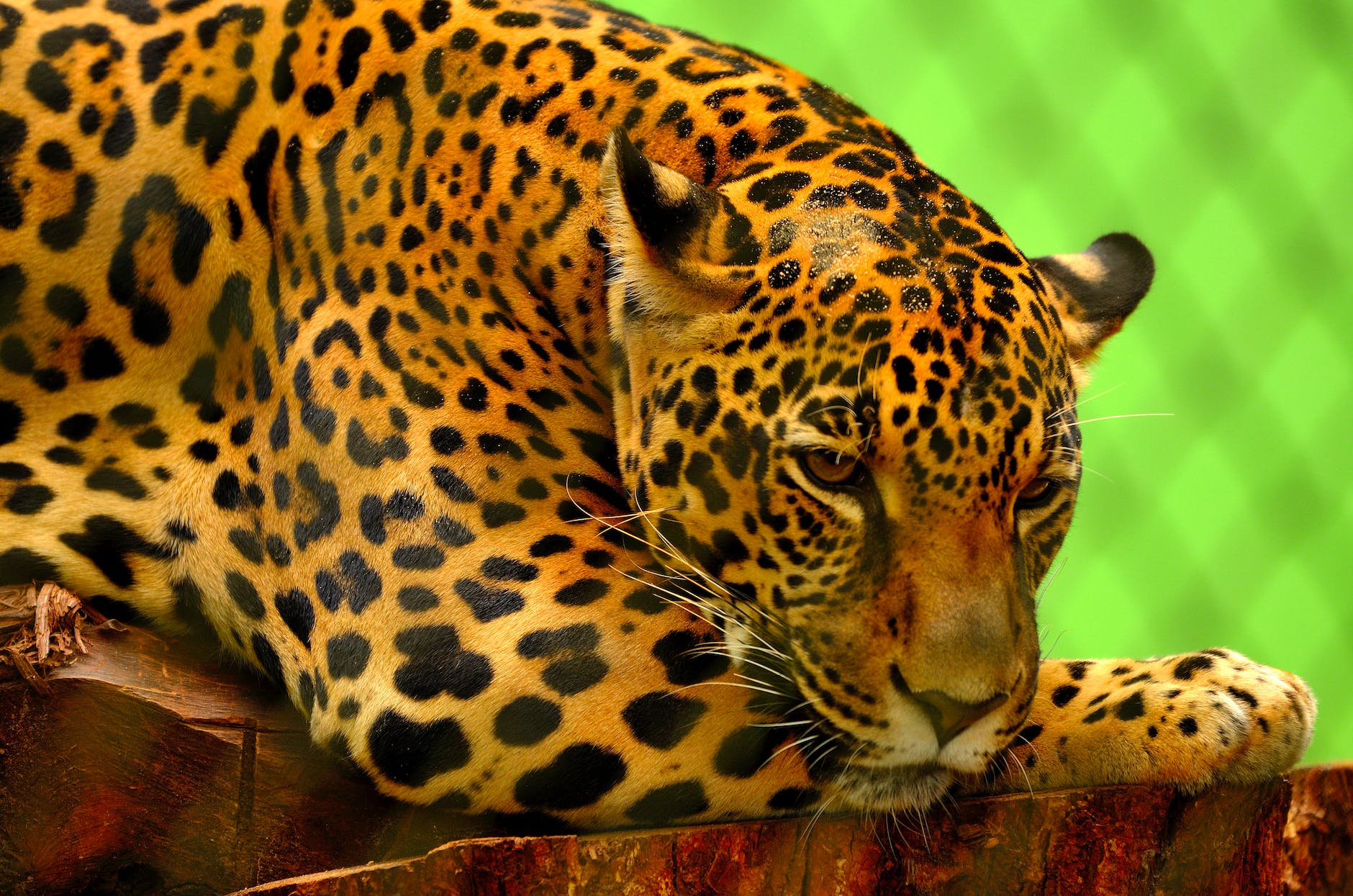
leopard on brown log
Credit: Pexels

While the bill outlaws private ownership, it still allows sanctuaries, zoos and universities to keep big cats in regulated facilities that meet their physical and psychological needs. It also permits programs like the statewide puma project in California, which has been tracking the elusive felines for more than two decades and involves occasional sedation and temporary custody so the team can provide veterinary care.

“An extraordinarily cruel era for big cats in the U.S. finally comes to an end with the passage of the Big Cat Public Safety Act,” said Kitty Block, president of the Humane Society of the United States. “We’ve been fighting for this moment for years because so many so-called ‘Tiger Kings’ have been breeding tigers and other big cats to use them for profit. And once the cubs grow too large for cub-petting or selfies, these poor animals get dumped at roadside zoos or passed into the pet trade, which is not only a terrible wrong for the animals, but also a threat to public safety. Now that the Big Cat Public Safety Act will become law, it’s the beginning of the end of the big cat crisis in the U.S.”

The Big Cat Safety Act cleared congress in mid summer, and its passage in the senate means it will get to Biden’s desk with several weeks to go in the current legislative session. Biden is expected to sign it without delay.

“For me, this fight for the big cats was never personal,” said Carole Baskin of Florida sanctuary Big Cat Rescue. “This was always about developing a national policy to shut down the trade in these animals as props in commercial cub handling operations and as pets in people’s backyards and basements.”

The new law does nothing for big cats currently in captivity, unfortunately. Current “owners” will be grandfathered in, although they won’t be able to replace their “pets” legally, as breeding and purchasing the animals will be illegal. The last “pet” members of the panthera genus in the US will die out within the next two or three decades, assuming no major outliers in lifespan.
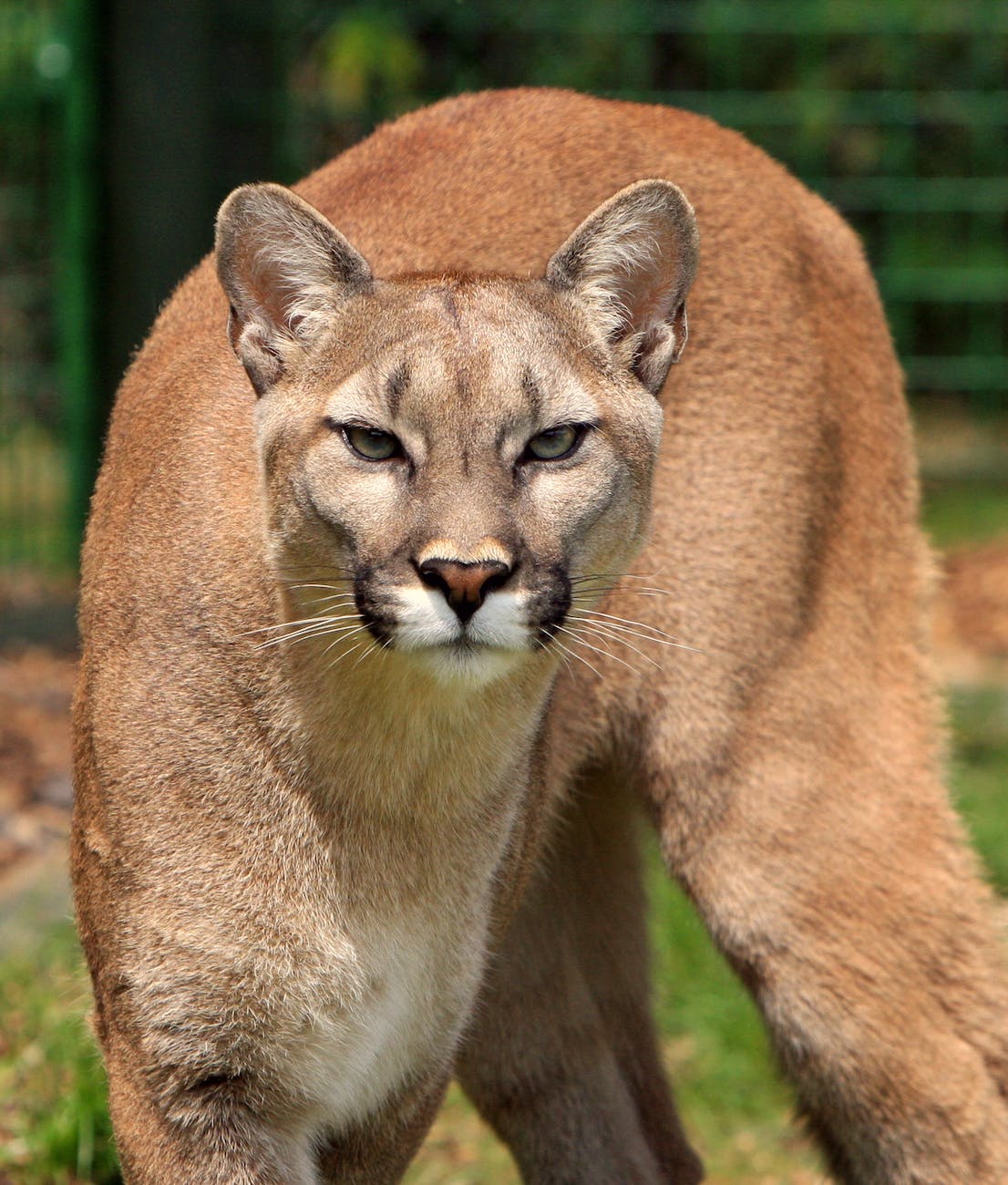
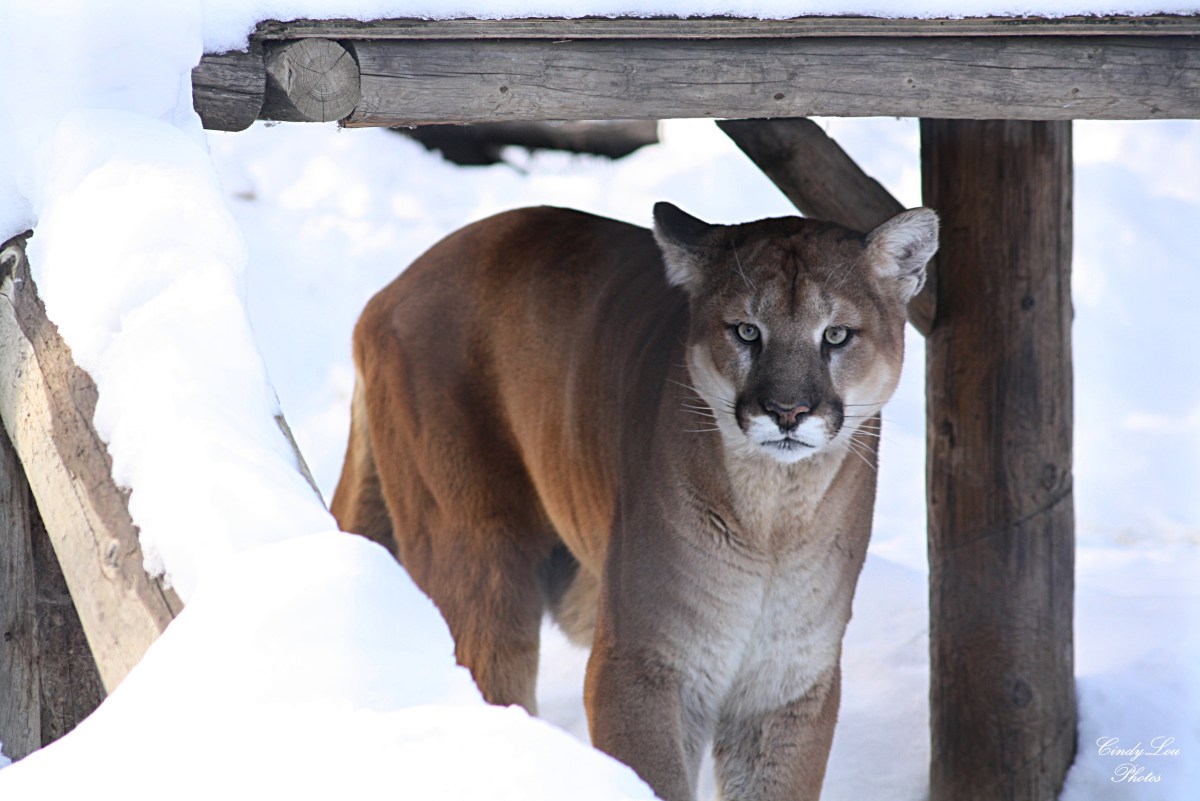
Puma
As felines who can purr but not roar, mountain lions are not technically “big cats,” but they’ll also be protected under the new law. Credit: Pixabay/Pexels

Finally, Wild Cat ‘Ownership’ Could Be Banned Under The Big Cat Public Safety Act

The legislation aims to ban all private big cat ownership throughout the United States.

There are more tigers living in cramped backyards in Texas than there are in the wild.

At roadside zoos, shady people like Joseph Maldonado-Passage, Joe “Exotic” of Tiger King fame, breed big cats like rabbits so they have an endless supply of cubs to steal from their mothers before they’re weaned, pumped full of sedatives, and handed off to tourists who take selfies with them but never stop to consider the welfare of those baby cats or the harm they’re enabling.

And in states like Florida, where “Muh freedoms!” reign supreme over all other values, people can own any wild animals they want, with no real oversight and no mechanisms to ensure they’re doing right by the animals. There’s nothing forcing “exotic” animal “owners” to keep the big cats, monkeys and other mammals in proper enclosures where they have stimulation and — just as importantly — won’t escape and hurt neighbors.

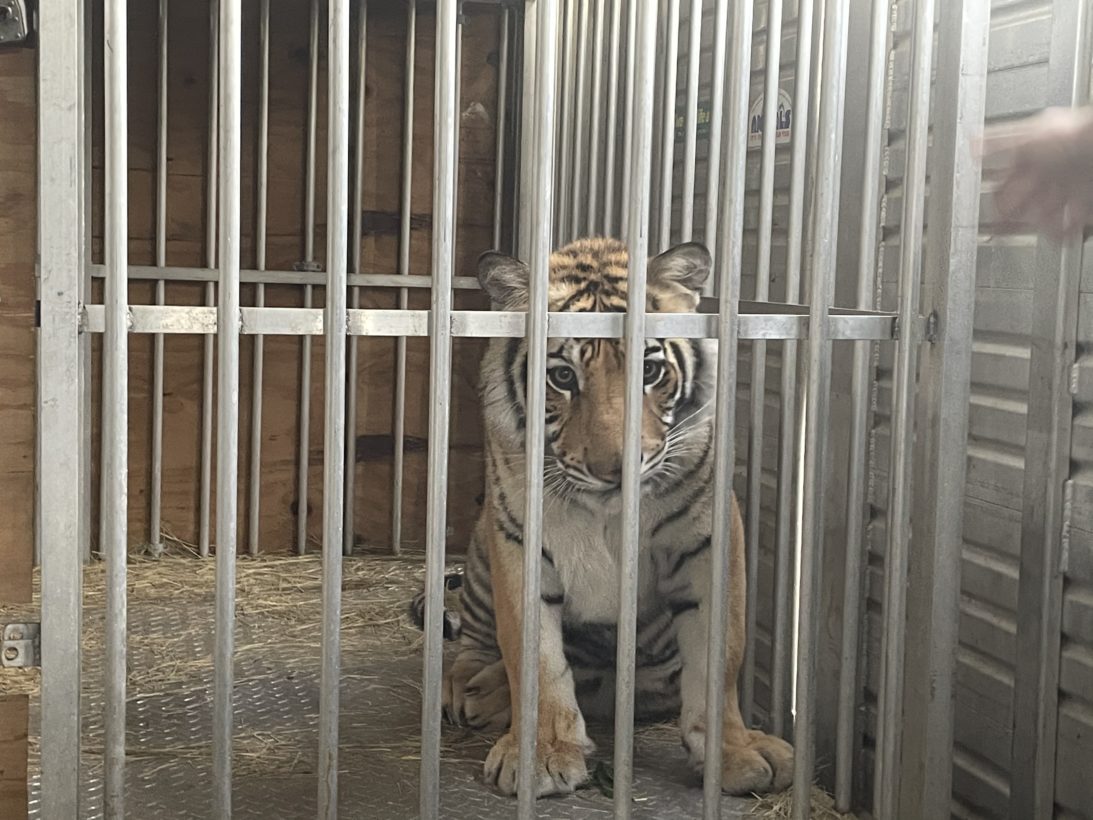
India the tiger Transported to BBR
India the tiger was still just a cub when he was spotted wandering through residential neighborhoods in Texas, where he’d been dumped by his former “owner.” Credit: Humane Society

Thankfully, things could change soon as lawmakers are expected to vote on the Big Cat Public Safety Act, a rare bipartisan effort that would finally make it illegal to keep tigers, lions, jaguars, leopards, cheetahs, pumas and other wildcats privately, whether in homes, businesses or non-accredited “zoos.”

Currently keeping big cats is illegal or severely restricted in most states, but like many things in the US, there’s a confusing patchwork of laws and things that would be unthinkable in other states are perfectly acceptable in places like Texas and Florida.

Because, you know, “muh freedoms.”

Now is a good time to point out that this blog has always been, and will remain, politically agnostic. I have my own political beliefs as any other person does, but PITB is a cat humor, news and advocacy blog, and the only politics we discuss here are those that relate to animal welfare. Equally important, Buddy and I want people of all political persuasions to feel comfortable as readers and commenters on PITB. (Although that could change if one or both political parties suddenly makes a move against the nation’s Strategic Turkey Supply. Then Buddy’s gonna have to get biblical.)

The Big Cat Safety Act is co-sponsored in congress by representatives Mike Quickly, D-IL, and Brian Fitzpatrick, R-PA, and in the senate by senators Susan Collins, R-ME, Tom Carpenter, D-DE, Richard Burr, R-NC, and Richard Blumenthal, D-CT.

It’s endorsed by a wide range of groups, from the National Association of Zoos and Aquariums to the Humane Society and various bar associations. The proposed legislation also has the support of the White House, which released a statement this week urging its passage.

If your congressional representative or your senators aren’t publicly on board with the Big Cat Safety Act, you can make your voice heard via the Humane Society’s site, which allows you to draft and send letters to the offices of your lawmakers.

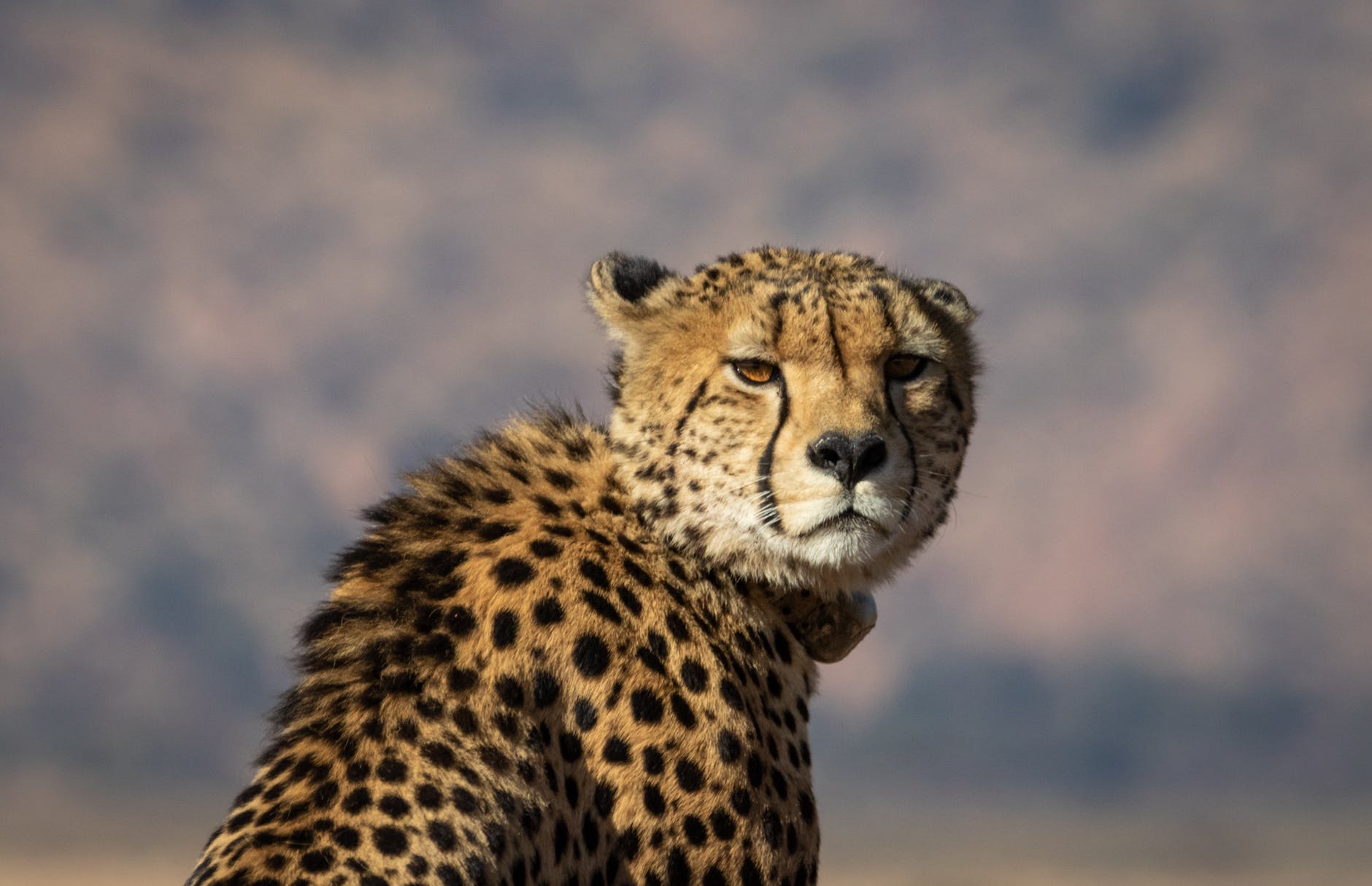
shallow focus photography of cheetah
Cheetahs, already critically endangered, have been almost entirely wiped out by poachers who sell their cubs on the illegal wildlife market. Credit: Magda Ehlers/Pexels

Montana’s Governor Killed A Mountain Lion In One Of The Cruelest Ways Imaginable

“He didn’t hunt the lion and he didn’t have to hike six hours to reach it. … All he did was walk to the bottom of the tree, pull the trigger and kill it.”

Montana Gov. Greg Gianforte has to go.

The so-called “avid hunter,” who once boasted of serving “mountain lion teriyaki, antelope chops wrapped in bacon, and elk tenderloin” to investment bankers visiting his home, apparently wanted to kill another puma so badly that he put the word out to fellow hunters.

On Dec. 28, one of those hunters caught sight of one of the large and elusive felids just a few miles outside of a protected area near Yellowstone. The hunter unleashed his hounds on the cat, who escaped up into a tree, and kept the dogs there for hours to prevent the puma from escaping while the Mighty Hunter Gianforte drove hours to the location, got out of his car and bravely shot the terrified animal at point blank range.

What Gianforte did was not hunting, according to retired physician, naturalist and outdoorsman E. Donnal Thomas Jr., a Montanan who is well known for writing about hunting and outdoor sports.

Driving to a place where quarry has already been trapped and shooting it is “the difference between a hunter and shooter,” Thomas told the Yellowstone Mountain Journal. “He didn’t hunt the lion and he didn’t have to hike for six hours to reach it. It sounds as if all he did was walk to the bottom of the tree, pull the trigger and kill it.”

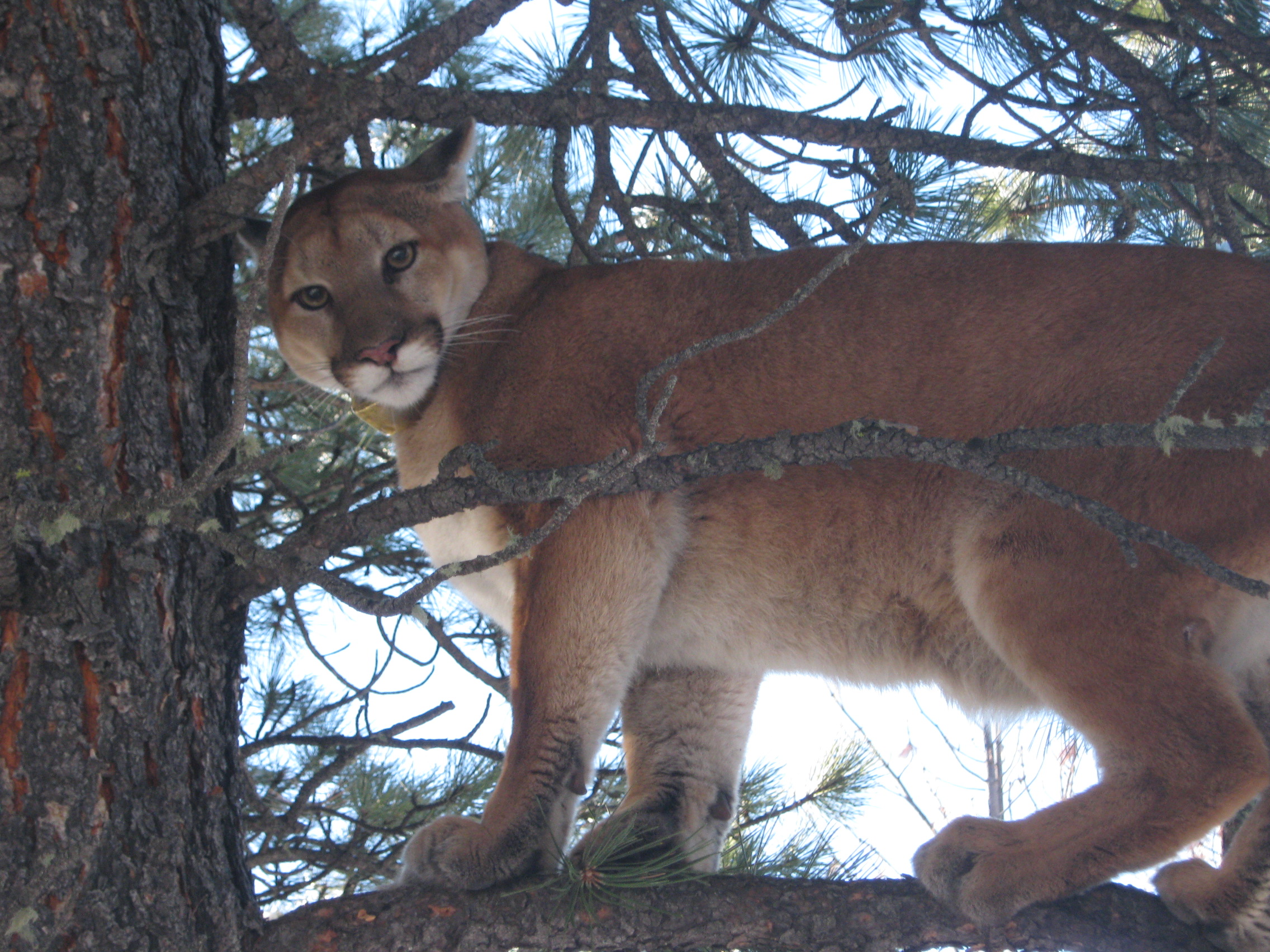
Mountain lion in a tree
A mountain lion, also known as a puma and cougar, in a tree in Montana’s Little Belt Mountains. Credit: Forest Service Northern Region/Wikimedia Commons

The governor may have broken the law, and certainly violated ethical guidelines, by refusing to say anything about the “hunt” and having his press office ignore phone calls, emails and public records requests by journalists. That’s primarily the reason the story is breaking now, more than two months later: Journalists were finally able to track down people with firsthand knowledge of Gianforte’s “hunt” and corroborate the details with other people who were in the know.

Gianforte has had his share of hunting incidents in the past, including two incidents in which he broke the law, once for hunting an elk without a permit, and once for killing a wolf that was radio collared and actively tracked by scientists. (He was let off with a warning.)

In that incident, Gianforte killed the wolf after it ventured out of protected lands, as he did with the mountain lion, who was also wearing a tracking collar. The cat turned out to be a five-year-old male who was monitored by staff at Yellowstone park.

If you’re wondering why Gianforte’s name sounds familiar, it’s probably because he famously assaulted and body-slammed a Guardian reporter who made the mistake of doing his job and asking Gianforte — who was a congressional candidate at the time — about his healthcare policies.

“At that point, Gianforte grabbed Jacobs by the neck with both hands and slammed him into the ground behind him,” wrote Fox News reporter Alicia Acuna, who witnessed the assault. “Faith [Mangan, field producer], Keith [Railey, photographer] and I watched in disbelief as Gianforte then began punching the reporter. As Gianforte moved on top of Jacobs, he began yelling something to the effect of, ‘I’m sick and tired of this!'”

In an audio recording of the assault, an angry Gianforte screams “Get the hell out of here!” while the shocked reporter responds, “You just body-slammed me and broke my glasses!”

Hunting mountain lions should not be legal. There is no such thing as “too many mountain lions,” even by arbitrary federal standards, as the animals are rare, elusive, not hostile to humans and rarely harm people unless cornered or their cubs have been threatened. There have been between 15 and two dozen fatal encounters with mountain lions in the last century. By contrast, dogs kill an estimated 25,000 people a year.

While we refrain from discussing politics or ideology on PITB, primarily because we want all readers to feel comfortable as regulars on the site and we believe politics shouldn’t poison everything, we agree with writer Abigail Weinberg’s assessment:

“Puma. Cougar. Mountain lion. There are many names for the big cats that roam the Americas, rarely attacking humans.

But there’s only one name that springs to mind for Montana Gov. Greg Gianforte: Asshole.”

Montana, you can do better.


All images from Wikimedia Commons.

UPDATE: Airline Investigates Cat Breastfeeding Incident, Flight Attendant Speaks Out

There have been more than 5,000 confrontations involving unruly passengers on airlines in 2021, on pace for more than all other years combined.

When we first heard about an airline passenger grossing out her fellow travelers by breastfeeding her cat, we figured at least kitty was happy with the situation — but apparently not, according to a flight attendant who was involved in the incident.

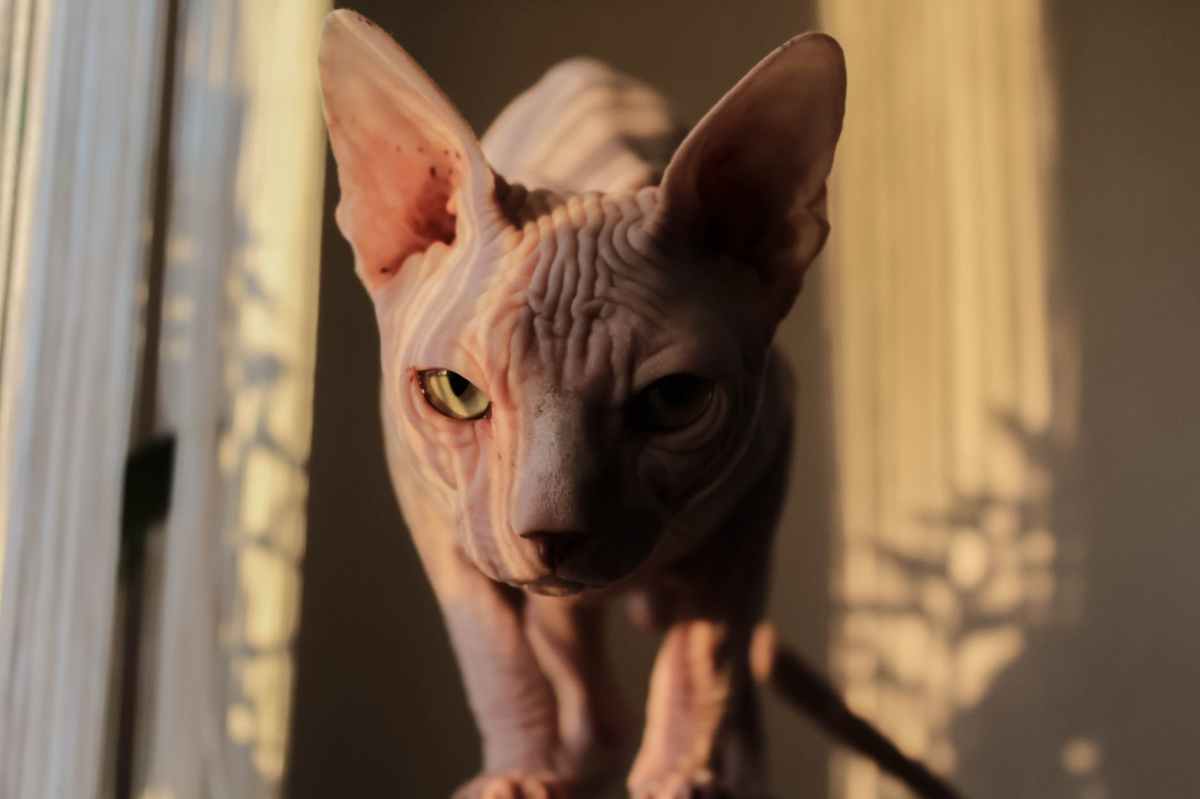
Instead of purring and kneading in a milk coma, the cat — likely a Sphinx — wanted nothing to do with feeding from the woman’s breast on the flight in late November, flight attendant Ainsley Elizabeth said.

“This woman had one of those, like, hairless cats swaddled up in a blanket so it looked like a baby,” Elizabeth said in a video about the incident. “Her shirt was up and she was trying to get the cat to latch and she wouldn’t put the cat back in the carrier. And the cat was screaming for its life.”

“What does she do at home if she’s doing that in public?” Elizabeth asked. “And then security met the flight just to tell her that she couldn’t do that again, cause it was weird and gross.”

Elizabeth has since deleted the social media account she used to upload the video.

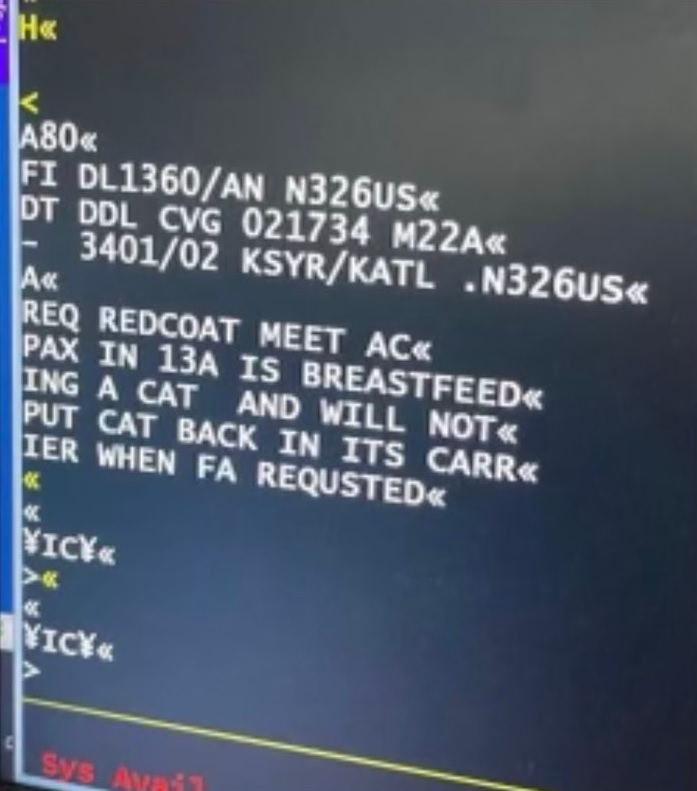
As we noted in our earlier post, the woman was uncooperative when flight attendants asked her to stop, prompting the pilot to send a message ahead to the destination airport via ACARS, short for Aircraft Communications Addressing and Reporting System.

acarscat
An ACARS message sent from Delta Air flight DL1360 to ATL, Hartsfield-Jackson Atlanta International Airport.

The bizarre incident happened aboard a Delta Airlines flight from Syracuse, NY, to Hartsfield-Jackson Atlanta International Airport in Georgia.

Meanwhile, Delta airlines has begun an investigation into the Great Breastfeeding At 40,000 Feet saga, after the incident went viral last week and garnered headlines around the world — including newspapers in the UK, Australia, New Zealand and dozens of non English-speaking nations.

Initially the passenger was reprimanded, but an investigation could result in more serious consequences, like a ban on using the airline.

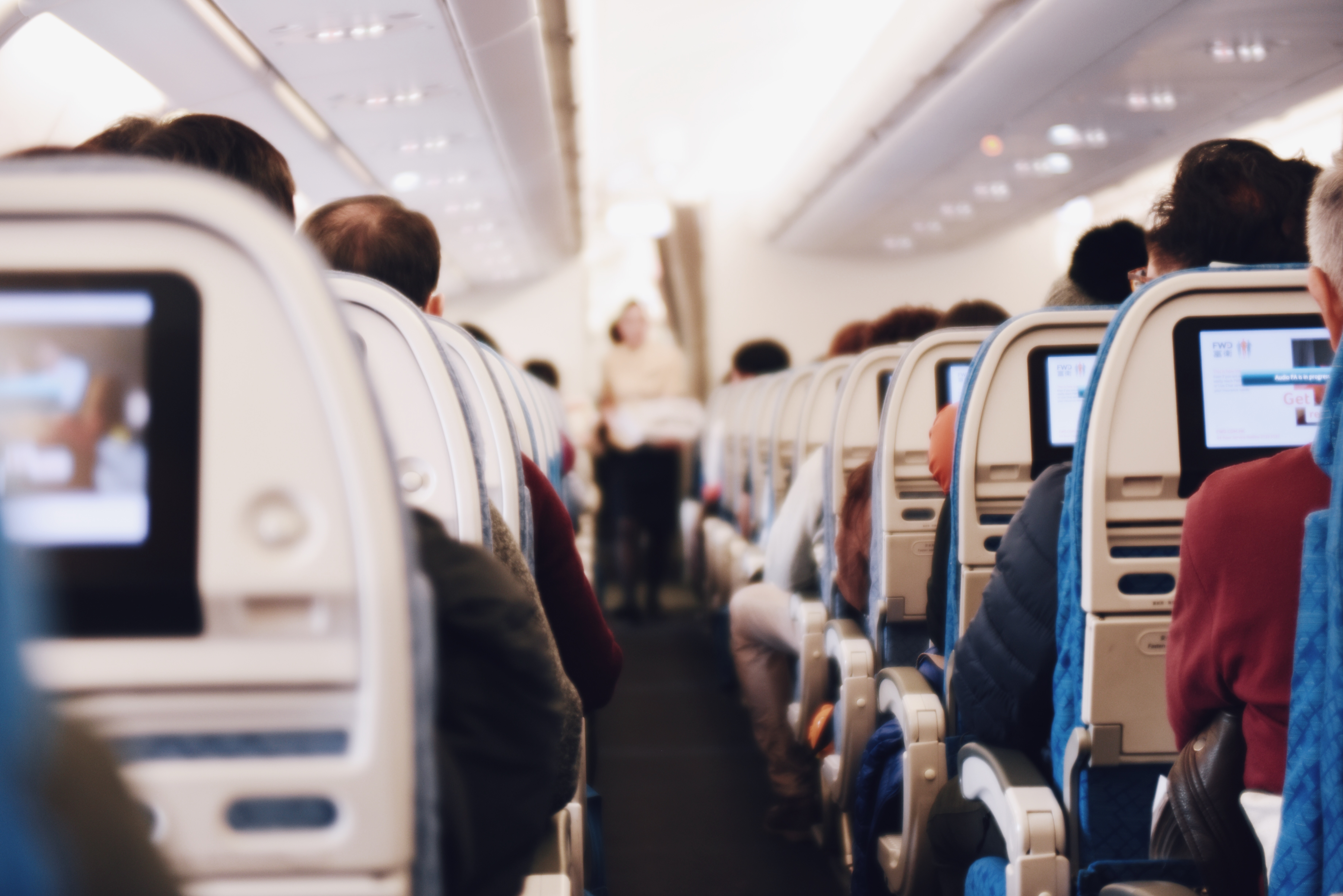
Airline aisle during flight
In-air confrontations have skyrocketed in 2021, mostly due to disagreements over COVID-19 safety rules such as wearing masks. Credit: Wikimedia Commons

The story comes amid a general surge in violent attacks and tense confrontations aboard passenger jets — and now the FBI is getting involved.

As of Nov. 4, the FAA had logged 5,033 cases involving “unruly passengers,” including 37 that were referred to the FBI for criminal prosecution.

That puts 2021 on track for more cases than all other years combined, according to the Association of Professional Flight Attendants. The majority of those incidents — as many as three out of every four — are related to confrontations over mask policies due to the Coronavirus pandemic.

Teddy Andrews, a long time flight attendant with American Airlines, testified before a congressional committee in September, recalling an incident in which a passenger called him the n-word when Andrews asked the man to wear his mask.

“These days I come to work anticipating disruptive behavior,” Andrews told USA Today. “Our colleagues are anxious, fearful. What is going to happen on the next flight? How will this passenger react if I remind them to wear their mask? Will complying with airline policies set them off? Can I avoid engaging, or would that be an evasion of my duties?”

Finally, The US Is Poised To Outlaw Big Cat ‘Ownership’

Tell your senators to vote for the Big Cat Public Safety Act, which will ban the private ownership of big cats as well as cheetahs and cougars.

Even though Tiger King, the tawdry Netflix documentary about a redneck and his “zoo” full of tigers, focused more on the eccentric people involved than the plight of the big cats in their “care,” it got people talking about the problem of captive tigers in the US.

In 2020, congress passed a rare bipartisan bill to ban all big cat ownership in the US. The bill stalled when the senate failed to vote on it before the end of the legislative session, but now it’s back — and the recent saga of a confused tiger wandering around Houston may finally provide the nudge for politicians to pass the badly-needed bill.

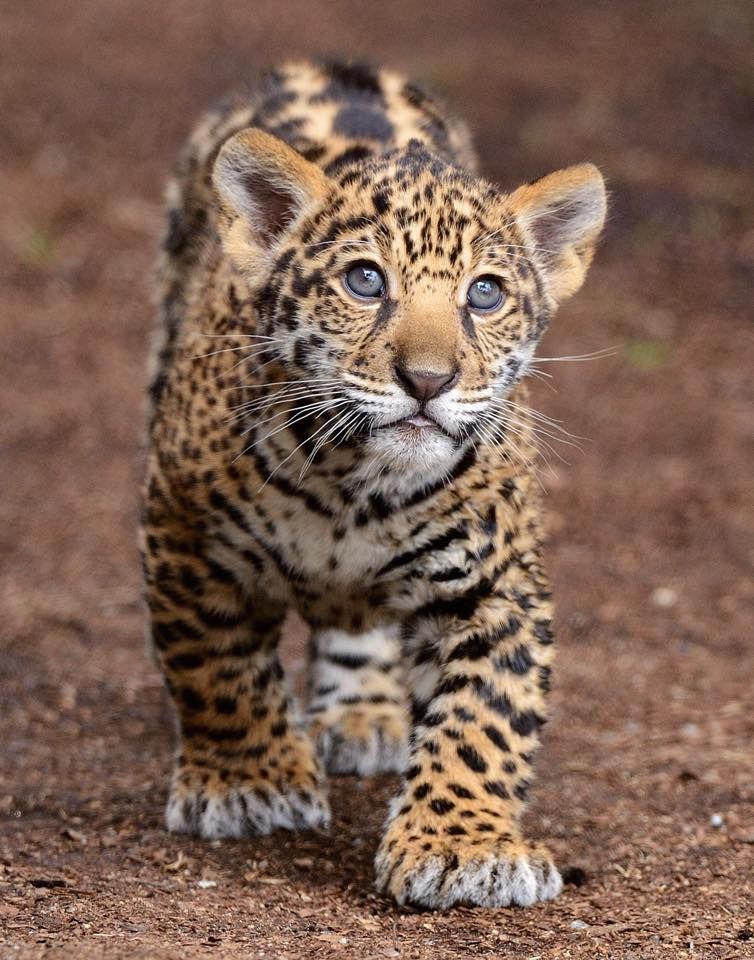
jaguarwiki
After almost exterminating tigers, Chinese poachers have turned to South America, where they’re poaching jaguars at unprecedented rates to feed demand for big cat parts in the traditional Chinese medicine market. Jaguar poaching has increased 200-fold in the past five years to fuel Chinese demand for their body parts.

There are more tigers living in Texas and Florida backyards than there are in the wild, an ignominious fact that says volumes about humanity’s indifference to the plight of the Earth’s most powerful and iconic predators. Devastated by habitat destruction and poaching to feed the bottomless Chinese appetite for tiger parts used in traditional Chinese “medicine,” the worldwide wild tiger population is about 3,900, according to the World Wildlife Fund.

By contrast, there’s an estimated 7,000 tigers kept as “pets” in the US, with as many as 5,000 of them in Texas.

The Big Cat Public Safety Act would ban the private ownership of tigers, lions, jaguars, leopards, cougars and cheetahs. It would also outlaw the practice of taking tiger cubs from their mothers so guests can hold them and take selfies with them, which has become an increasingly-popular and controversial feature of “roadside zoos” — unregulated, poorly run, unaccredited facilities — in the US.

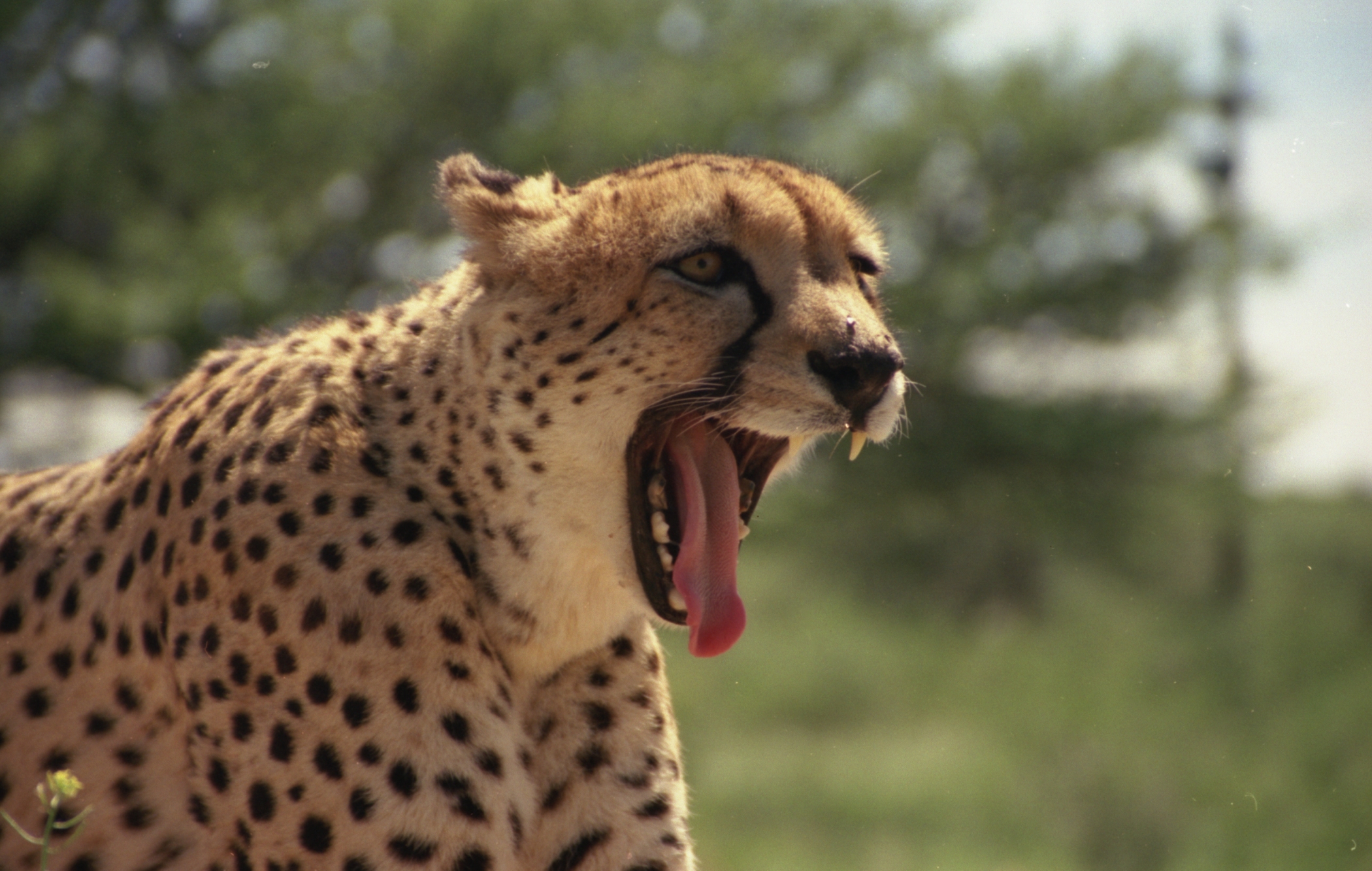
cheetahwikicommons
Cheetahs, already critically endangered due to habitat loss, are on the verge of extinction as they’ve become the exotic pet of choice among the wealthy of the UAE and Russia.

The Houston tiger, named India, is one of those unfortunate cubs. While the public freaked out and Houston residents huddled in their homes, hoping to record footage of the wandering tiger, an important fact was often left out of media reports: India is only eight months old. He’s essentially a baby, albeit a 175-pound one, and he had no idea what was happening to him, where he was, how to feed himself, or how to escape the endless sprawl of urban and suburban Texas.

Despite the fact that he was a confused-yet-playful cub, India could have easily been shot by authorities. Thankfully he survived his ordeal, and while his “owner,” Victor Cuevas, is sitting in jail on $300,000 bond, India has been relocated to a sanctuary in northern Texas, where he’ll be looked after and will get to live in the company of other tigers.

In the meantime, we all have an opportunity to lobby our respective senators and demand that they vote for the Big Cat Public Safety Act. You can fire off a letter to your senators and congressional representative in less than two minutes using the Animal Welfare Institute’s site — just punch in your address and the site will draft automated letters to all three, with fields to sign your name and to personalize the letters.

Tell them you support the Big Cat Public Safety Act, and you’ll take their vote into consideration the next time you head to the ballot box.

All images credit Wikimedia Commons.

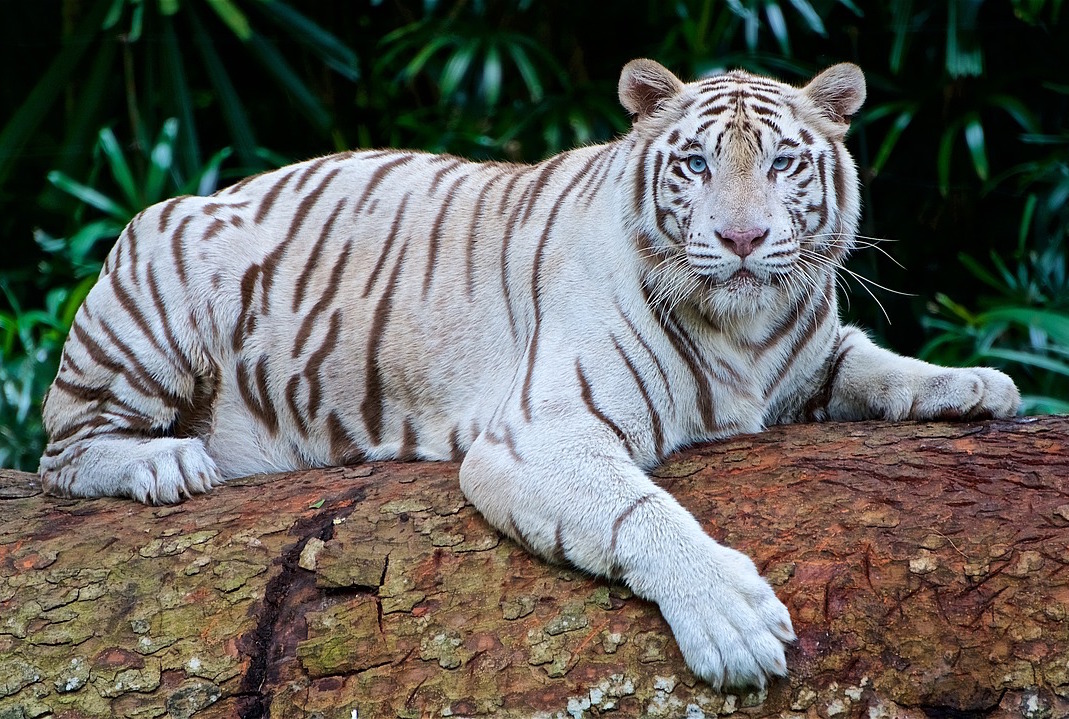
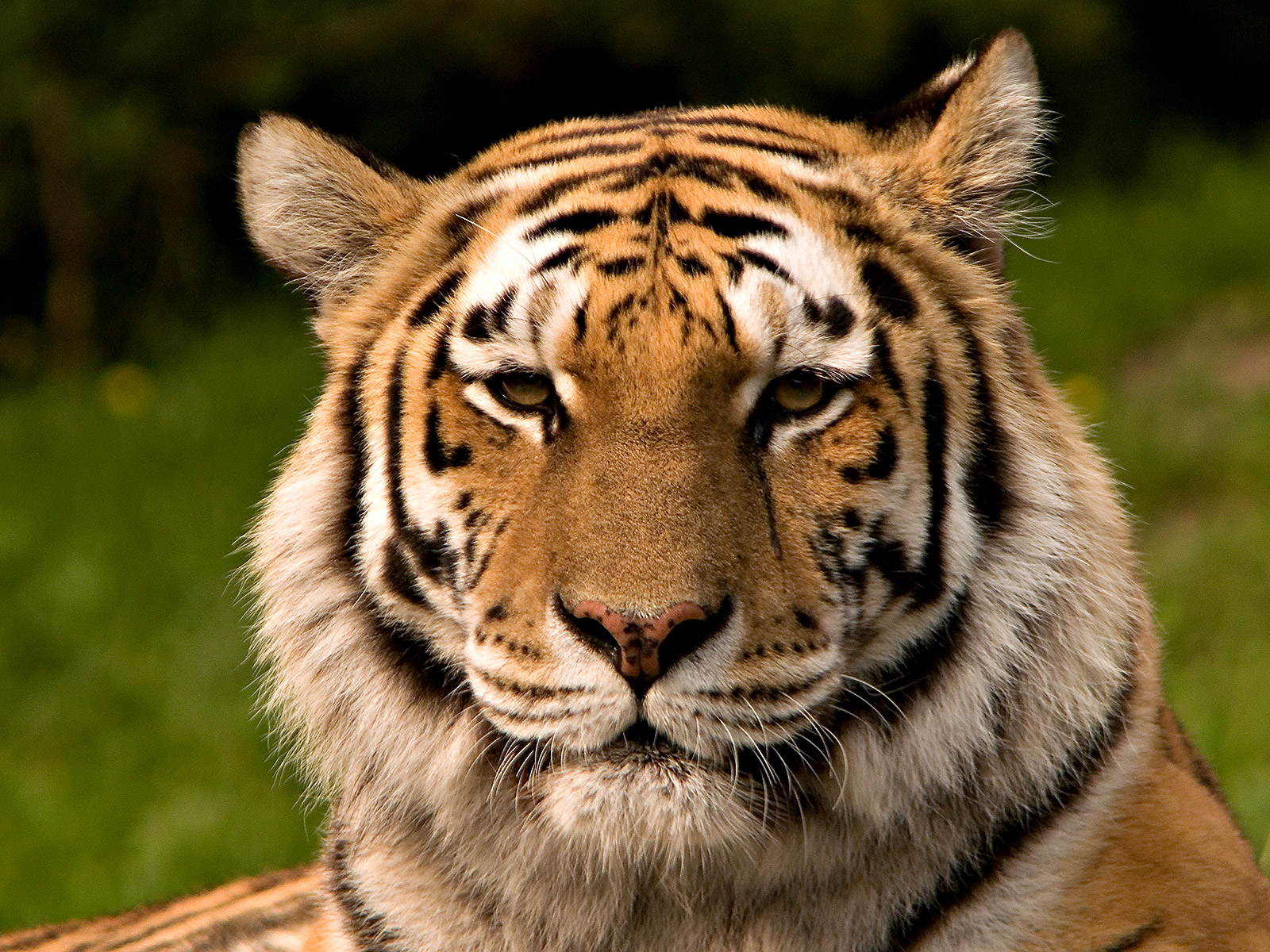
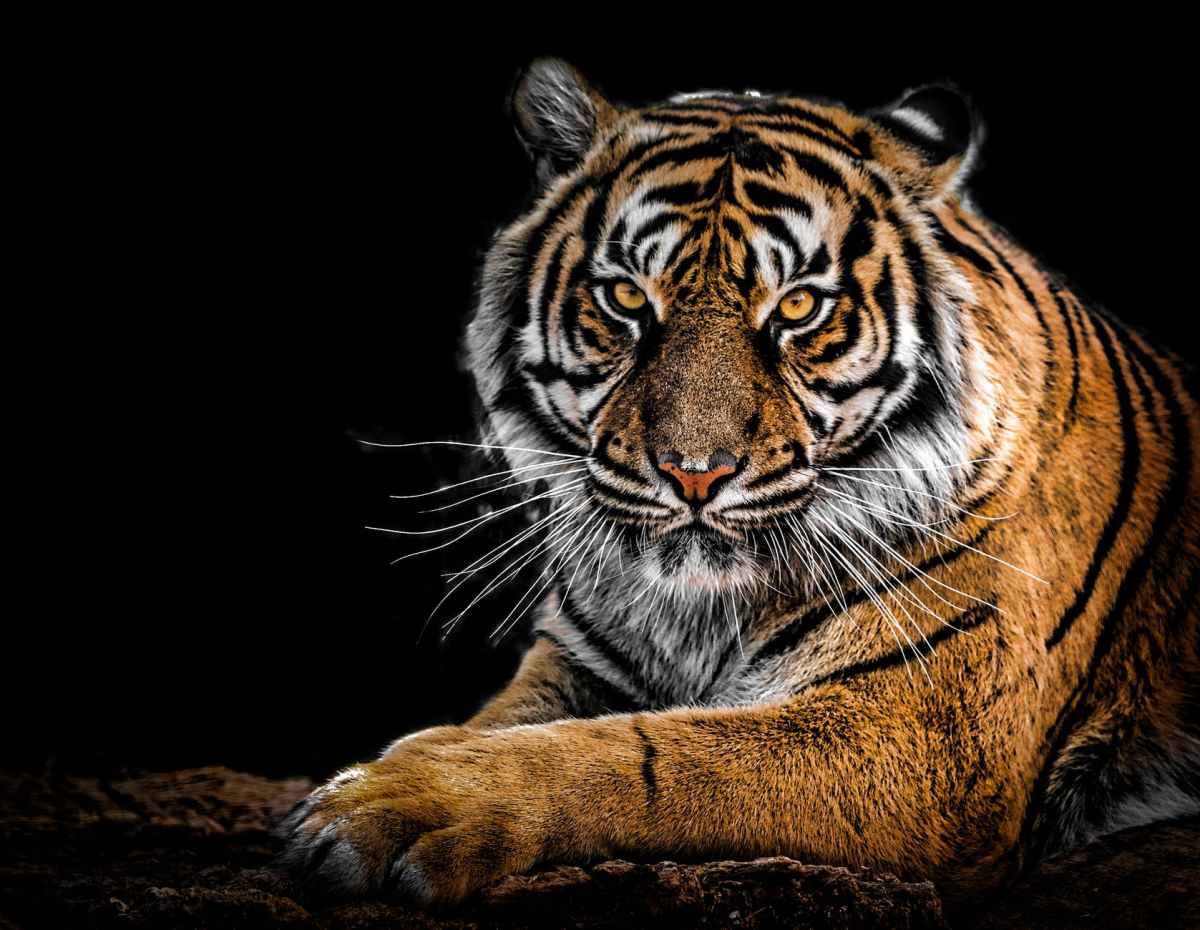
tigerwikicommons
In the wild, tigers range more than 50 miles a day. Backyards, no matter how large, are not suitable environments for them.