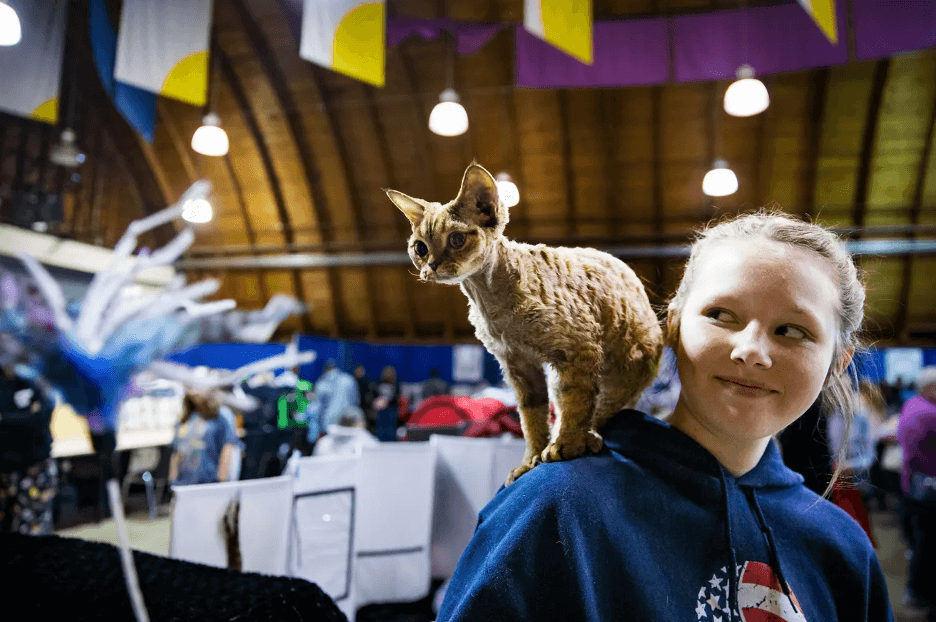
Felines Evaluate Human Looks, Temperament And Behavior At 8th Annual People Fancy Show

Cats judged their humans based on appearance, obedience and other categories at the Jacob Javitz Center in Manhattan.

NEW YORK — Marvin Wheeler was on all fours, with a pair of cats holding his mouth open with their paws and another wrapping a tape measure around his waist.

“The torso should be medium in proportion to the rest of the body,” a ginger tabby said, “while the snout –“

Wheeler yelped as the tabby gave his nose a firm slap with her paw.

“– should be slender and no more than half an inch above the top lip.”

Wheeler grunted as a Maine Coon shoved him off the table, and a trio of feline judges held up scorecards, awarding the engineer from New Jersey a 5.5, 6, and 5 out of 10 respectively.

“Does anyone have any objections?” asked the master of ceremonies, a rotund Norwegian forest cat named Milo.

Wheeler’s feline shook her head, and Milo leaned forward toward his mic. “Next!”

Feline judges award scores to one of the competitors at the 8th Annual People Fancy Show.

“Bring her up, fellas,” he continued, gesturing toward several cats escorting 53-year-old Martha Silverwind to the stage.

“Okay, next we have a librarian from Toronto, Canada, who is here for her first human show. We’re gonna be evaluating her on temperament, hair color, obedience training…”

More than 1,000 people were examined and judged by cats this weekend at the Jacob Javitz Center in New York for the 8th Annual Human Show sponsored by the Human Fancy League of America and the Society For Better Homes For Felines.

Helena Chione, an astronomer from Houston, Texas, waits for to be evaluated by judges on Saturday at the Jacob Javitz Center in New York, site of the 8th Annual Human Show. Her feline, Clyde, entered her in the Best Temperament category.

Ronald Greer, a dermatologist from Grewnwich, Conn., patiently waited for his turn while relaxing in his cage, which held a small bowl of cereal, a bottle of Poland Spring water and a chamber pot.

“I saw an ad for the show, and I thought, ‘Simba, why not see how Ronnie stacks up against other humans?'” Greer’s feline told a reporter. “I’ve been training him for more than two years now, and I’d say he responds maybe 80, 85 percent of the time I call him. Ideally I’d like to get it as close to 100 percent of the time as possible, because I don’t like to repeat myself when I’m hungry. But you know how it is with these humans. They have minds of their own.”

Simba sat outside Greer’s crate, encouraging the human to groom himself before the judges called his number.

Last year’s best in class in the age 20 to 29 bracket was Louisa Rey, a writer for Spyglass Magazine. Feline judges praised Rey’s responsiveness when commanded to serve snacks and commended her dark brown mane, describing it as “an ideal for a human of her age and gender” and complimenting her cat, Marcy, for “doing an outstanding job training her.”

Singer Taylor Swift took home honors in the 2024 People Fancy event for performing the best tricks, including one sequence, described as “adorable” by the judges, in which she giggled, cheered and smiled as she pretended to be fascinated by an American football game.

This year’s favorite in the best tricks category is Jonah Grayer, a 31-year-old attorney from Long Island, NY. Grayer, a magician by hobby, cocked his head to one side as his cat, Sebastian, rested a paw on his cage.

“Who’s a good boy,” Sebastian asked, dropping a cheeseburger slider into Grayer’s cage. “Who’s the best boy in the world? Jonah is! That’s right! Now let’s impress those judges!”
Cat Shows Are Ridiculous, And So Is Cat Fancy

More cats should slap the judges at cat shows.

The short clip shows just about everything wrong with cat shows.

Amid the subdued noise of the show, in which hundreds of people collectively try not to freak out the felines who definitely don’t want to be there, Beethoven — number 176 — was called up.

Anyone who knows anything about cats could tell little dude was not gonna do well.

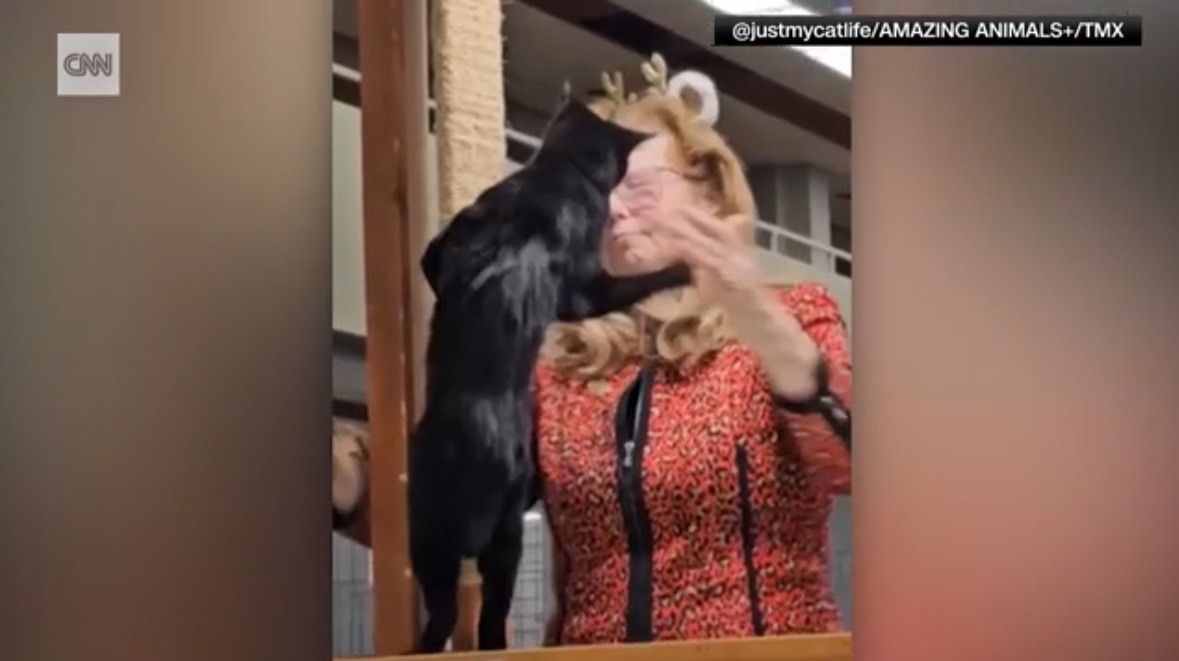
“Beautiful coat, shiny, nice green eyes,” said a judge, a woman wearing cat ears.

Having exhausted her supply of superlatives, she ran a hand down Beethoven’s tail, then grabbed both his front legs from behind in a way I’ve never seen anyone try to move a cat and tried to spin him around.

Beethoven wasn’t having it.

The void unleashed a symphony of hisses, feints and dodges while trying to get away, but the judge — seriously, has she ever dealt with a cat before? — shoved him, then tried to grab him again as if the pointless evaluation could be saved.

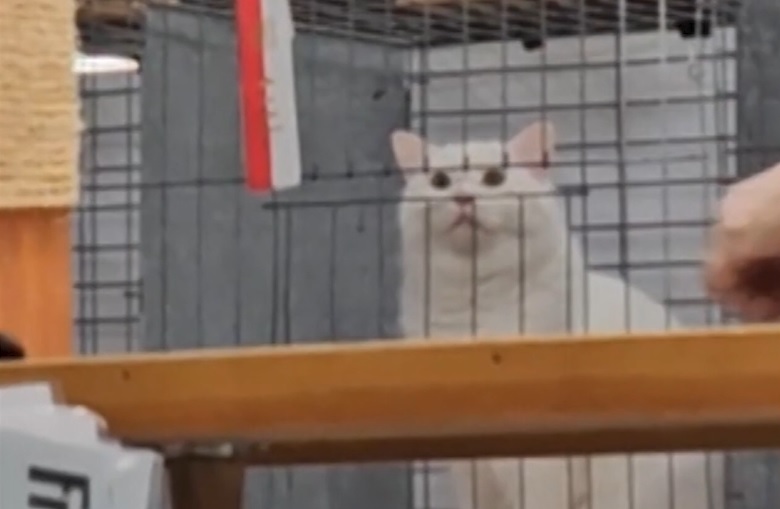
That’s when The Conductor lunged in for a hard right paw-slap, leaving #177– a white chonkster on deck — with a look that said “Oh no he didn’t!”

catcontestant177
Contestant 177 needs popcorn. Someone get this cat some popcorn!

“I need the owner here now,” the judge said, like a doctor snapping at a nurse for a scalpel as a patient’s blood pressure plummets on an operating table.

Beethoven was disqualified, but he should have gotten points. He should have gotten all the points.

Oh, people who participate in “cat fancy” will tell you their ridiculous soirees are really just social events for the feline-inclined, as if they don’t privately rage when their cats lose like Patrick Bateman stewing over the fact that Bryce prefers Van Patten’s business card to his own.

But seriously, what the hell is going on at these shows?

Most of them are celebrations of the cat world’s worst excesses, with people lugging their terrified $10,000 Savannahs, $4,000 Bengals, currently out-of-fashion Persians and other breed cats to gymnasiums or hotel ballrooms where they’re mishandled, judged like collector’s items and measured against absurd arbitrary standards written by God-knows-who.

The breed standards read like wine descriptions in obnoxious catalogues: “The tail should be long and sturdy, powerful yet restrained like a rhinoceros in a steel cage. The coat should be of moderate length and silky, yet not so shiny as to invite comparisons to the Arkenstone of Thráin, that wondrous jewel. The head should be angular, recalling the good old days of colonial occupation in Siam when elegant men and women would lounge in opulent royal palaces enjoying stiff cocktails as the locals fanned them. The paws should leave tigerian pug marks, but the toes should not be arranged so close together as to appear inartful…”

The insanity of it makes me want to pose as a judge, grabbing a cat and taking a deep huff from its behind as horrified cat fanciers look on.

“I get notes of summer in New York, rotting garbage and the perpetual smell of urine on the 6 line. Hints of jasmine, cinnamon and Temptations Seafood Medley filtered through the miraculous feline intestinal system! The flavor profile is ecstatic. Oh! The aftertaste! Bitter yet triumphant!”

Except for the non-breed portion of the show, which you get the impression is treated like a non-televised undercard fight at a UFC event, the participants are basically big-upping cats who come from breeders, holding them up as the feline ideal while allowing a few scraps to fall off the table for those dirty little moggies who were the result of two cats voluntarily copulating, not some breeder putting Big Tom and Queen #7 in a cage together until BT puts one in the bun.

Ew, a shelter cat!

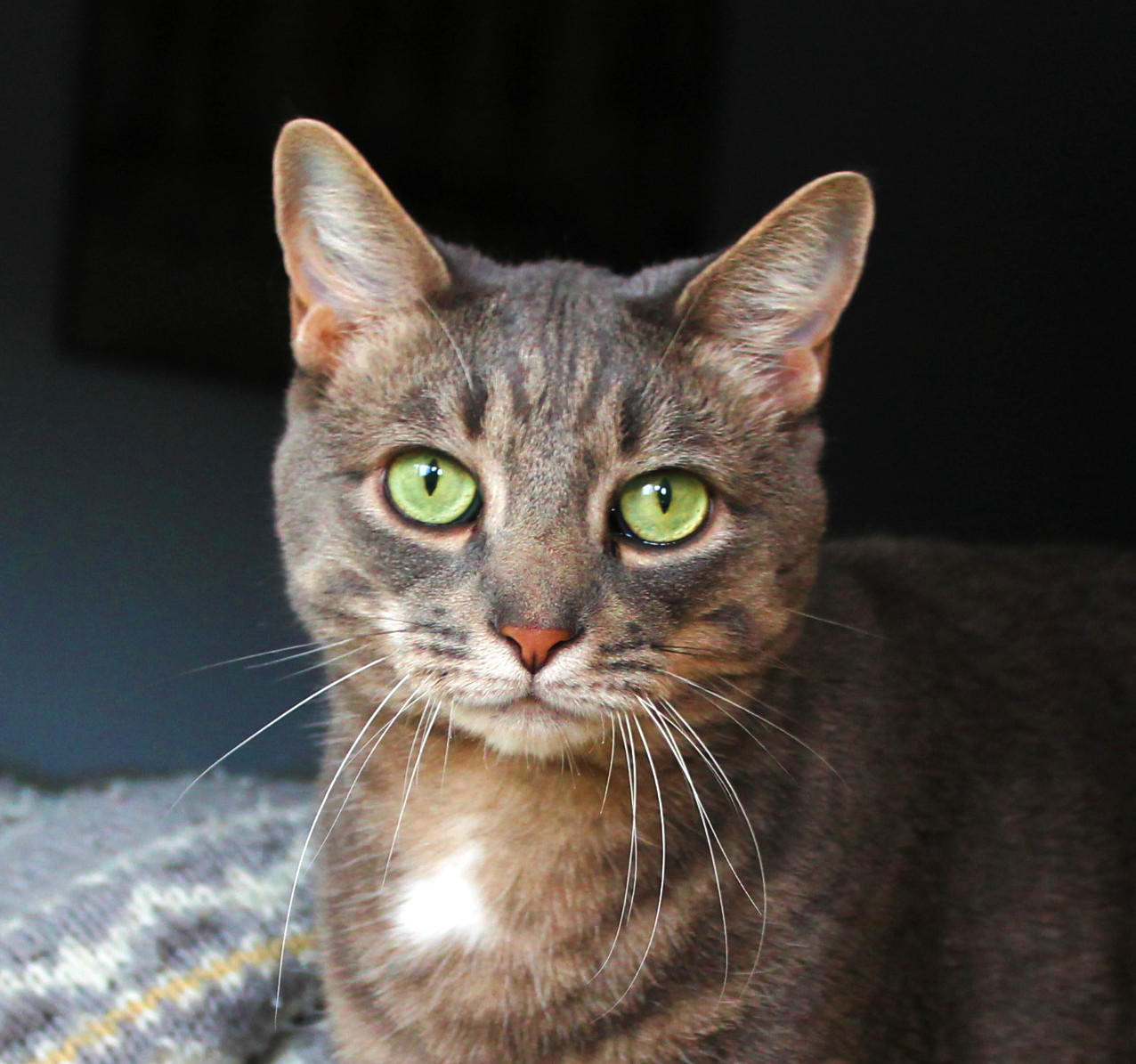
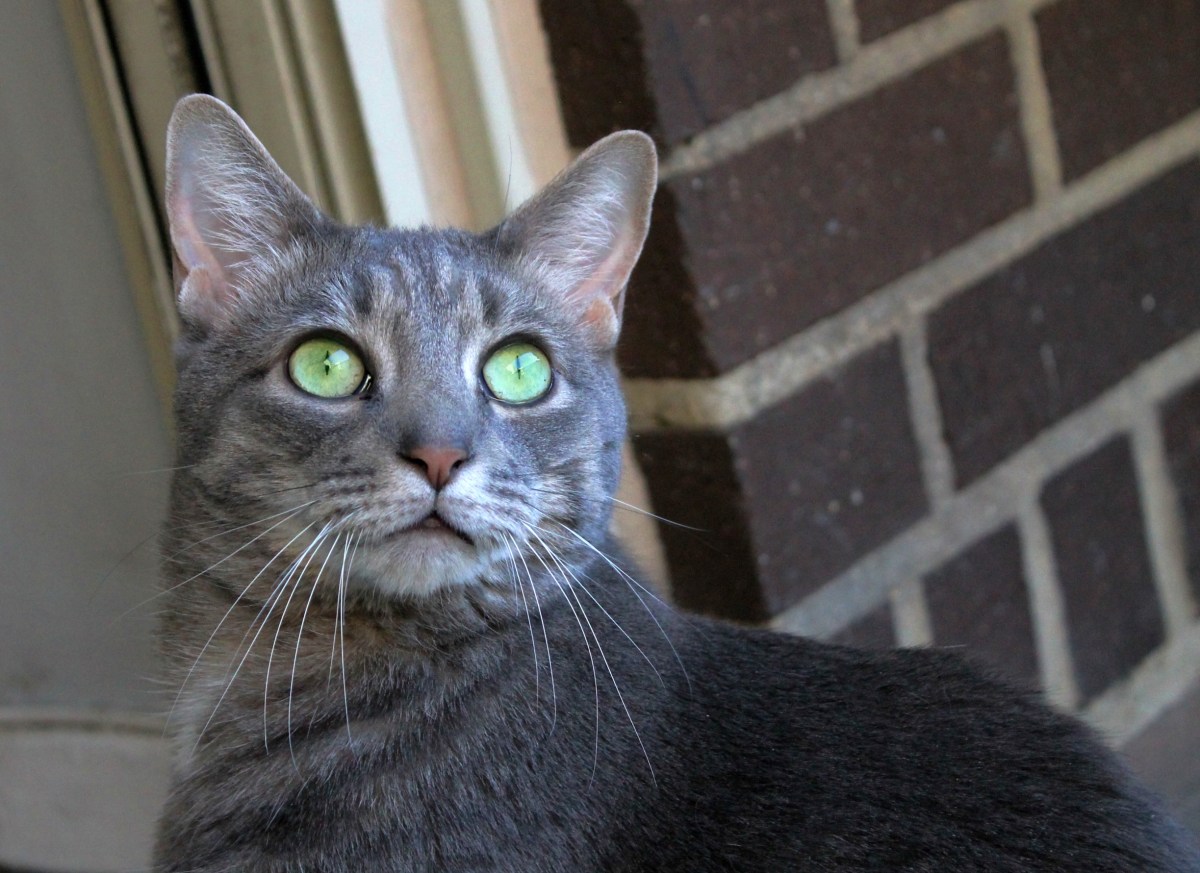
You know what I say to these cat shows and their judges? Look at this dude! Look at him! Behold his handsomeness:

buddy_eyes

Not only is he charming and ridiculously good looking, his office has many leather-bound books and smells of rich mahogany. Cat judges, eat your hearts out!

Now There’s A Mail-In DNA Test For Cats

A company offers DNA tests for cats, similar to the ancestry tests offered to people. What can you learn about your cat?

Ever wonder about your cat’s parentage, breed and potential health problems? A mail-in DNA test for cats promises to fill you in on the details.

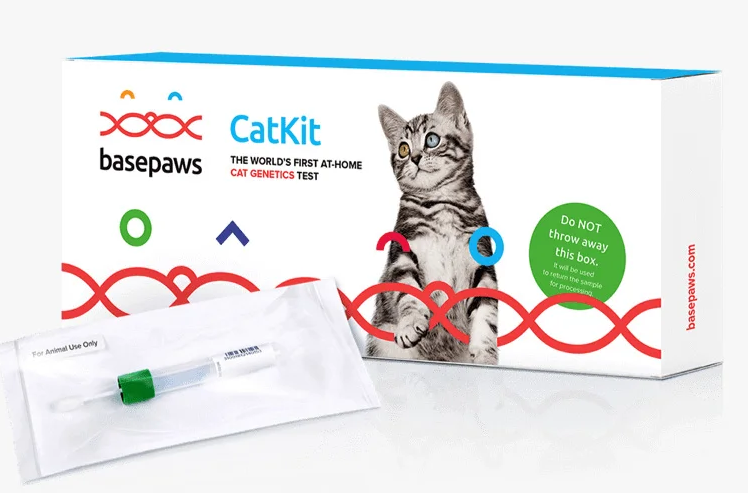
Basepaws, a Los Angeles company, offers a kit not much different from the human mail-in DNA tests: You swab the inside of your cat’s mouth for a few seconds, secure it according to the provided instructions, and mail it to the company, which processes the results.

Screenshot_2020-12-16 Basepaws-cat-kit-sample jpg (WEBP Image, 974 × 731 pixels)
The basepaws kit.

In four to six weeks you’re notified that your cat’s results are ready, and you’ll get a report with a breakdown of genetic identity, associated breeds and potential health issues to watch out for.

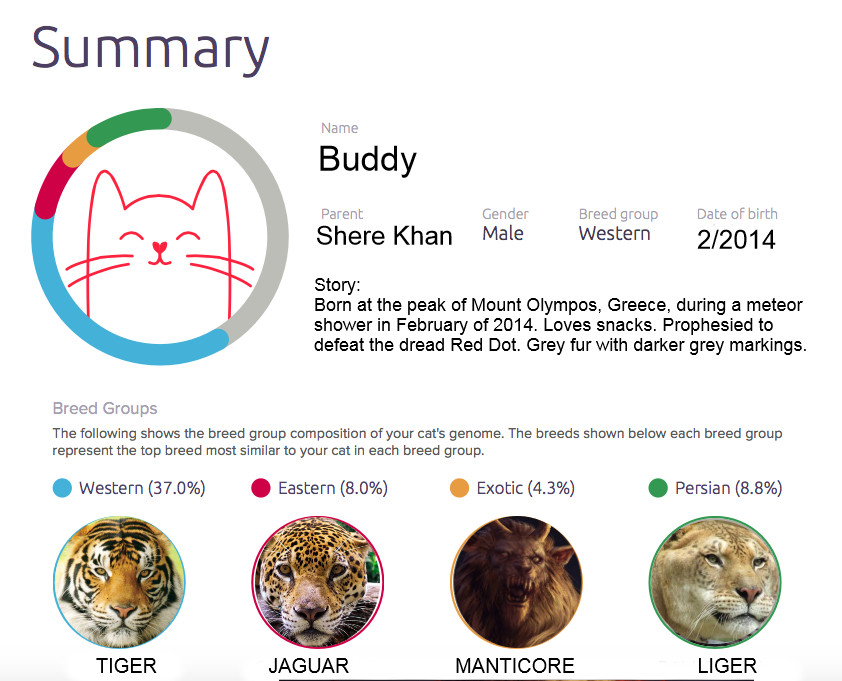
This presents a problem for me, of course. Buddy thinks he’s descended from a long line of legendary warrior felids. I took a regular Q-tip, made a big show of swabbing his cheek for his DNA, and told him I was mailing it away for analysis.

Then I cooked this up:

dnabuddyfake
Buddy’s fake results.

You’ll notice the results don’t come close to adding up to 100 percent. The company’s founder says that’s because the more people test their cats, the more accurate the results will be, with fewer unknowns as the overall database expands.

Each cat’s report is updated indefinitely as the company continues to test. Checking back over subsequent months and years will yield updated information on your cat, the company says.

All jokes aside, it would be interesting to find out more about the Budster’s background. All I know is that his mom was an indoor cat who wasn’t spayed. She went into heat, she got out, she came back and the rest is history.

Because he’s a big talker, I’ve always wondered if Bud might have a bit of Siamese or one of the other chattier breeds in him. His coat is pretty short, extremely soft and all grey/dark grey in a tabby pattern, except for a single white tuft on his chest.

Interestingly, most of his tabby stripes are unbroken, a trait usually seen in hybrid cats.

He’s comically incapable of certain things, but almost frighteningly intelligent in other respects, and he wears his emotions on his sleeve…er, paw? Maybe there really are secrets to unlock in his DNA.

Cat DNA analysis is in its infancy

On the downside, Basepaws DNA tests don’t come cheap — with two packages priced at $129 and $99 — and, as a review in Wired notes, cat ancestry reports are always going to be more vague than reports on human or dog DNA.

That’s because the practice of dog breeding is a lot older and more common than creating pedigree cat lines, and most cats are not a specific breed. Unlike dogs — whose roles range from hunting and shepherding to assisting the blind and pulling sleds — cats have always had one job, and occasionally two. Kill rodents and snuggle with their humans, cuddly killers that they are.

Historically humans haven’t felt a compelling need to interfere with cat procreation. The last century or so has been an exception, but breeds still represent a small minority of cats.

If you’ve had your cat’s DNA analyzed, we’d love to hear from you about your experience.

Now if you’ll excuse me, I’ve got to tell a certain Tiger-Manticore-Jaguar about his impressive felid lineage.