A very good dog tells Buddy he should be grateful to humans instead of complaining about them.
Dear Buddy,
You’re kind of a jerk when it comes to humans.
Humans love us! They take care of us, they feed us, they let us sleep on the floor and drag our butts over the carpet!
They are so nice, always complimenting us and reminding us we’re good boys. They take us for walks, pick up our business and sometimes they let us sleep at the foot of the bed!
Humans are a little stressed right now. They have the whole virus thing on their minds. They’re worried about getting sick, or about their friends who are sick. I’m sure serving your dinner at exactly the right time isn’t the biggest priority right now. That’s a first world cat problem.
So maybe humans need your support and love instead of constant criticism. Have you ever thought of that?
– Good Boy Grateful in Georgia
Dear Good Boy,
No, I hadn’t thought of that.
Buddy the Impatient
P.S. Meal service tardiness is not a trivial matter.
How humans should be treating us during the Coronavirus pandemic. Credit: Great Canine/imgur
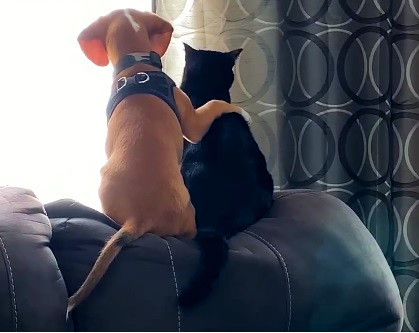
A kitten and his best friend, a puppy, are warming hearts with a video of them showing their love for each other.
Who says cats and dogs have to be enemies?
Bo, a 5-month-old Beagle puppy, drapes a paw around his best feline bud, 10-month-old Jasper, in this video showing that cats and dogs getting along is not a sign of the apocalypse, contrary to what Bill Murray said in Ghostbusters all those years ago.
Lisa Plummer of South Bend, Indiana is the pet mom to the adorable duo.
“Bo loves his cat siblings so much,” Plummer wrote, adding the little ones sometimes “drive me crazy with their constant chaos.”
“This sweet moment melted my heart,” she wrote, “and made me want to take back all the bad things I’ve said about them.”
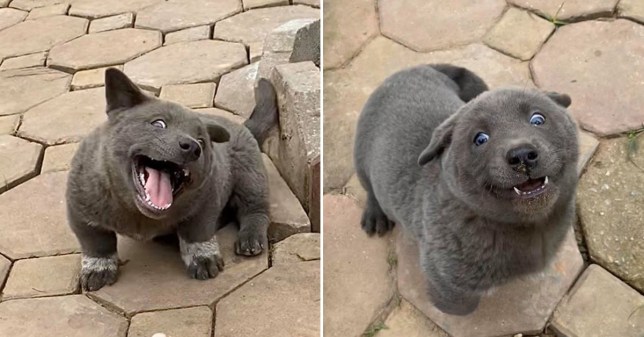
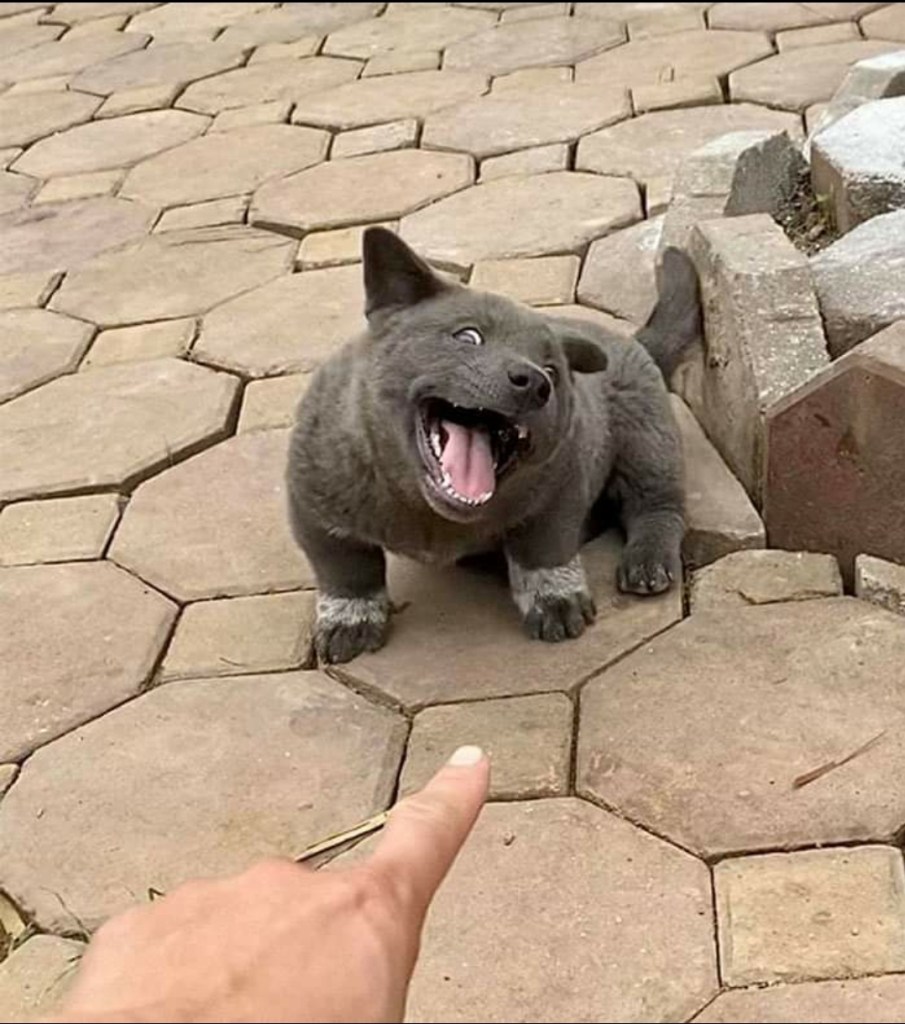
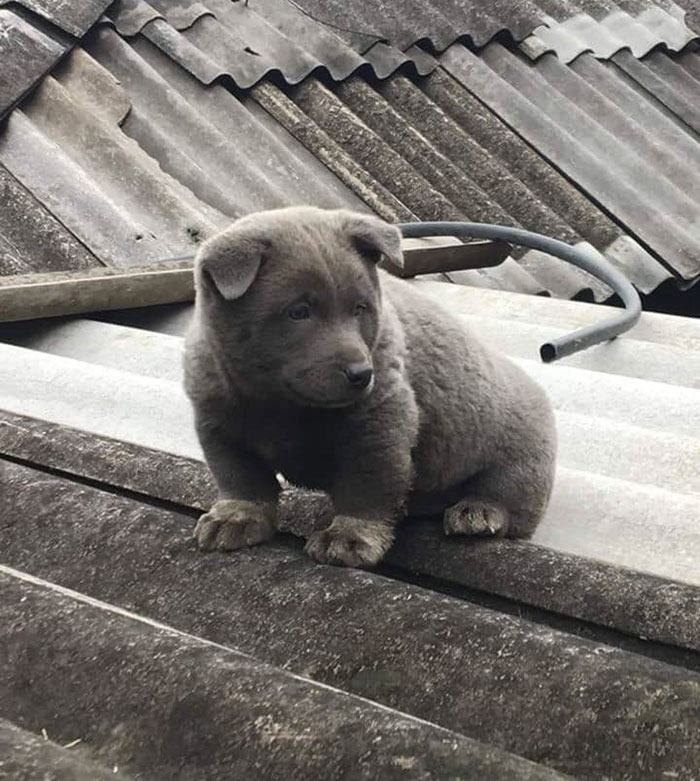
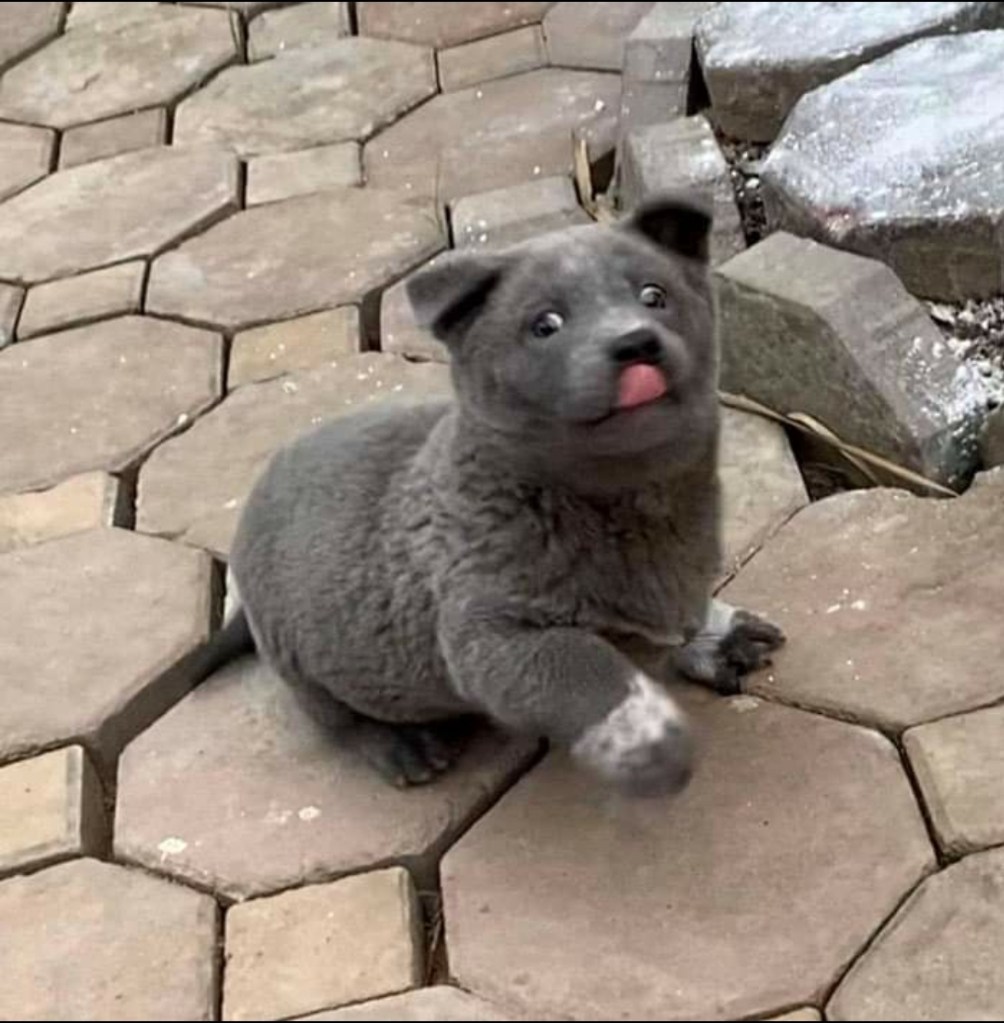
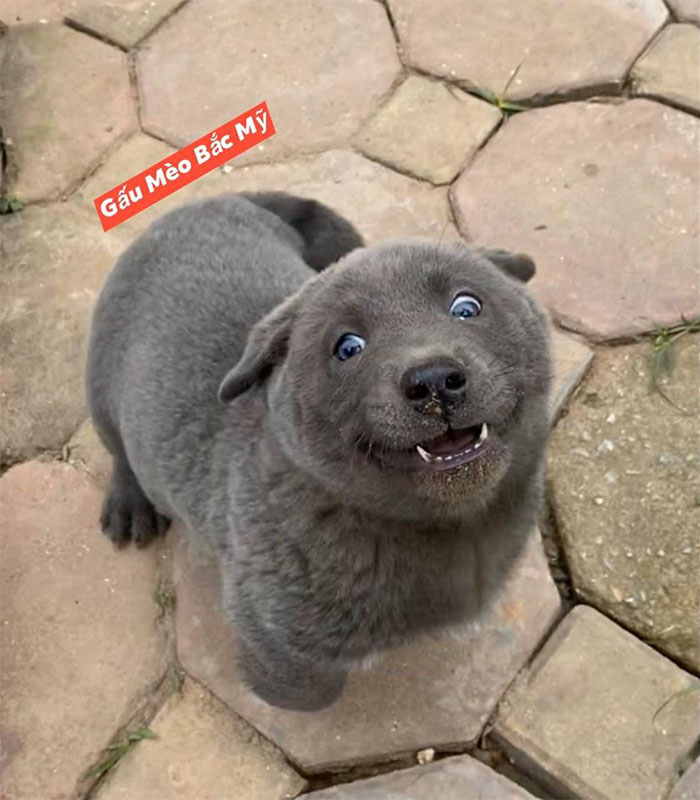
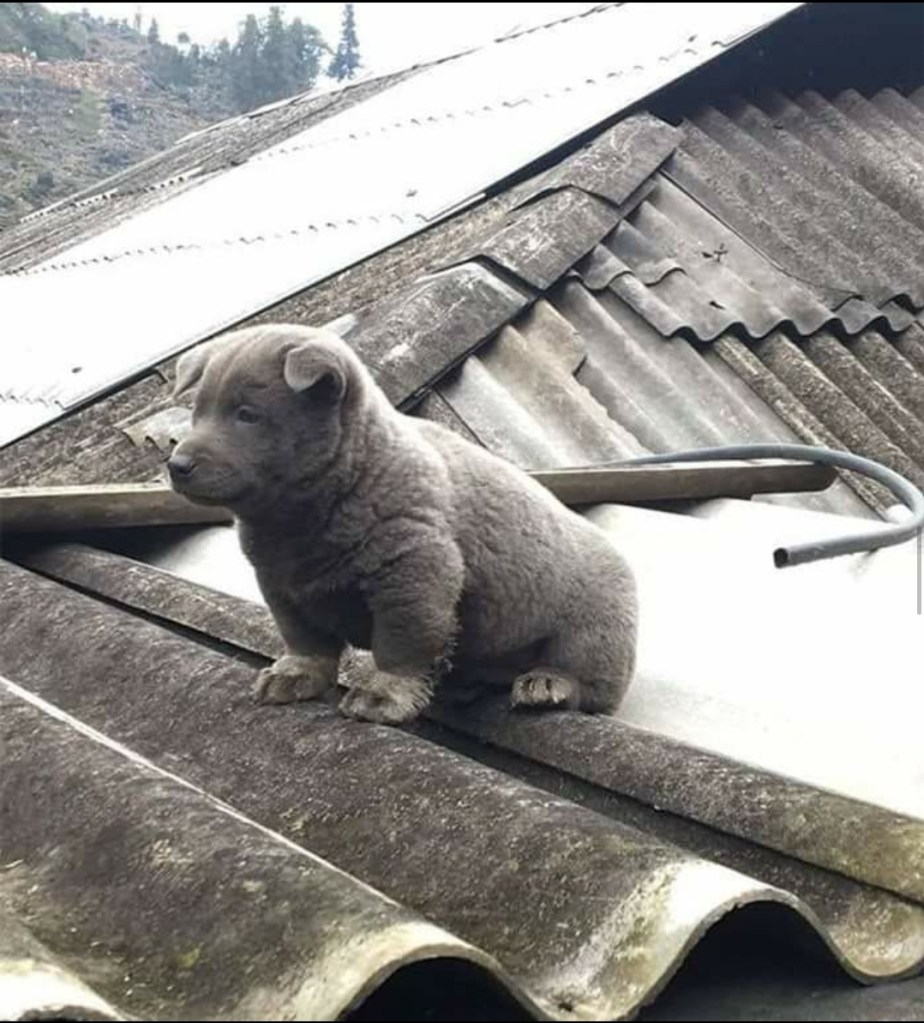
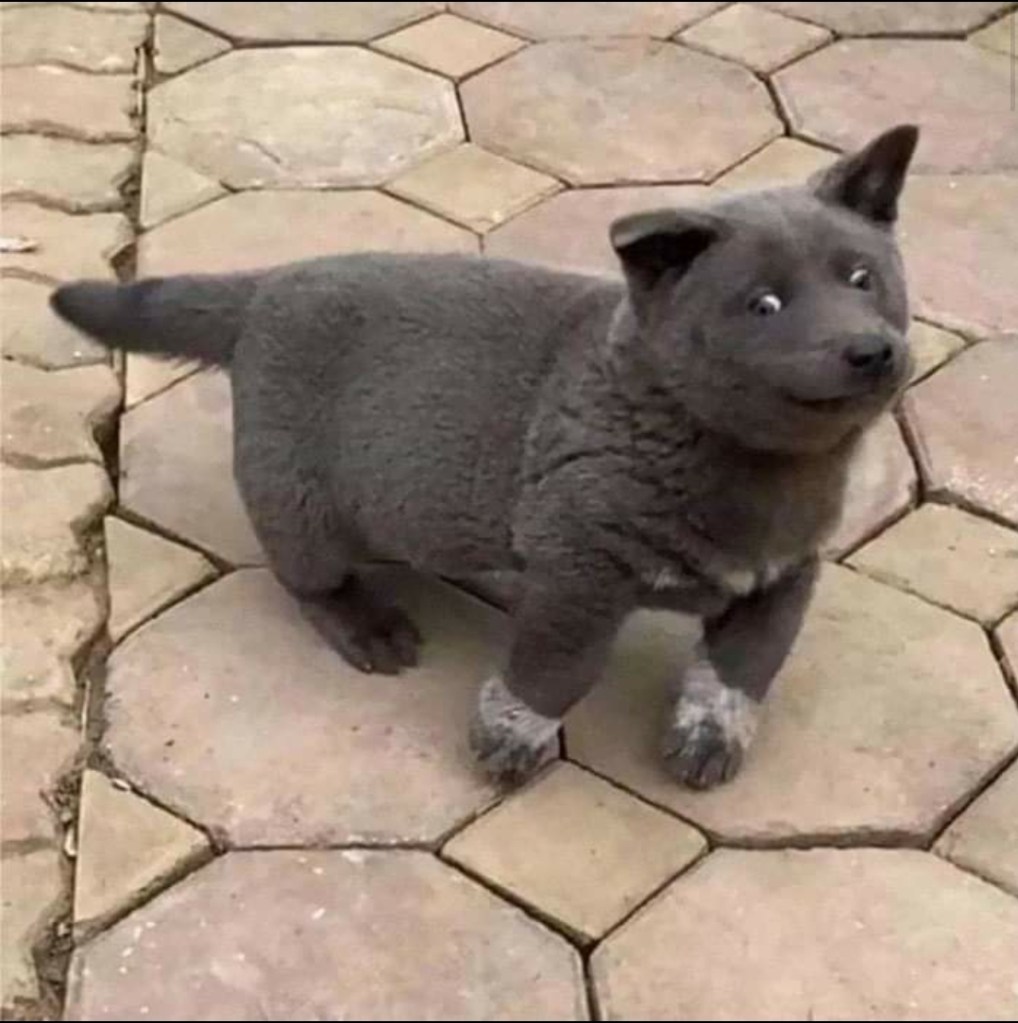
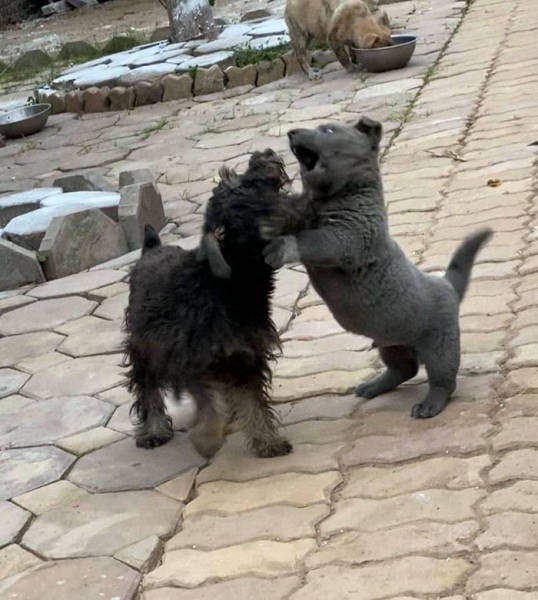
A puppy with cat-like features has taken the internet by storm. He’s a happy little dude.
The cat-dog of Vietnam. The derpiest fuzzball. Good boy.
Those are just some of the names lavished on Dúi, a young puppy whose half-canine, half-feline looks are turning heads across the globe.
Dúi hails from “a mountain province in Vietnam,” owners Hai Anh and Tuan told Metro UK. The Hanoi-based owners bought the now 2 1/2-month-old puppy and saw him rise to instant viral fame thanks to his unique looks.
Dúi is a mixed-breed dog, half Dingo Indochina (as opposed to the Australian variety) and half Bac Ha, a breed indigenous to the area.
‘He is a happy and sweet pup, he loves to play with other dogs, even big dogs and so sweet with humans,” Tuan told the newspaper.
Looking at these photos, happy seems like an understatement!
Chinese authorities threaten pets as Coronavirus fears grow.
It shouldn’t come as a surprise that a government with no respect for any kind of life — human or animal — would threaten the mass extermination of cats and dogs.
It’s par for the course in China, where authorities in dozens of cities and provinces are urging people to “deal with” their pets in the wake of the Coronavirus threat — or the government will, media reports say.
The warnings have been issued in Wuhan, the epicenter of the Coronavirus, as well as Shanxi, Beijing, Tianjin, Shandong, Hebei and Shanghai, according to the Humane Society International.
Yet there’s no evidence the virus has been transmitted by domesticated pets like cats and dogs, and no evidence those animals can catch it from humans, experts say.
In Wuhan, residents have been told to keep their pets indoors, and warned that any cats or dogs spotted outdoors will be “killed and buried on the spot,” the UK’s Metro reported.
But experts say it’s the government’s fault that the virus jumped from wild animals to humans in the first place. China has refused to shut down so-called “wet markets,” where live animals are sold next to the carcasses of recently-slaughtered animals, despite the fact that SARS and other viruses originated from those markets.
A Chinese wet market. Credit: Nikkei
Officials believe the Coronavirus originated at the Huanan Wholesale Seafood Market, one of many “wet markets” described as “filthy, crowded places where animals are displayed alive in small cages” and “are often slaughtered on site.”
China has been “mired in long-held beliefs about the benefits of eating exotic and often endangered animals for good health,” the Humane Society said in a statement, referring to traditional Chinese “medicine” and other folk practices that use animal parts in ineffective and dangerous tonics and elixirs.
In addition to creating the circumstances for viruses to jump from wild animals to humans, the illegal wildlife trade has pushed animals like tigers and pangolins to the brink of extinction.
“Chinese society is boiling with anger at wildlife policy failures,” said the Humane Society International’s China policy specialist, Peter Li. “Social media is full of posts condemning the refusal to shut down the wildlife markets. This is the worst Chinese New Year in China’s recent history.”
The doggist lobby is creating fake news about cats. Those scoundrels shall be dealt with.
Buddy would like the public to know that vile anti-cat lies have been printed in the Charlotte Observer.
The newspaper alleges a burglar broke into a cat cafe called Gatos and Beans on Oct. 6 “and the cats did what cats do: absolutely nothing.”
The burglar smashed his way in by hurling a rock through a window while the cats “sat and watched,” the newspaper claimed.
As many as a dozen felines were inside Alabama’s first cat cafe at the time of the crime, with names like Velvet and Miss Tilly. None broke a nail during the ordeal, but were stressed out and needed a “snuggle” in the days that followed, the shop posted on Facebook.
Did absolutely nothing? Sat and watched?! Didn’t break a nail?!? Needed a snuggle?!?!?
These are outrageous lies perpetrated by a newspaper that clearly takes money from pro-dog lobby, which has a vested interest in making cats look bad.
Buddy rejects the insinuation that cats lay around and do nothing all day. A typical cat’s day is highly regimented and filled with activities such as eating, sleeping, grooming, sleeping, eating and sleeping, punctuated by energy-consuming bursts of important activity such as laser dot hunting and box-sitting.
“If you’re going to burgle, do it quietly. Some people are trying to sleep around here.”
If the burglar had broken in during a reasonable time, the kitties would have totally mauled him and held him down until the police arrived. Unfortunately, it appears the burglar was privy to the cats’ schedule and timed his break-in to coincide with Fourteenth Nap.
Buddy would like to remind everyone that cats are just as competent and badass as dogs when it comes to guarding and defending human abodes. Now if you’ll excuse him, it’s nap time.
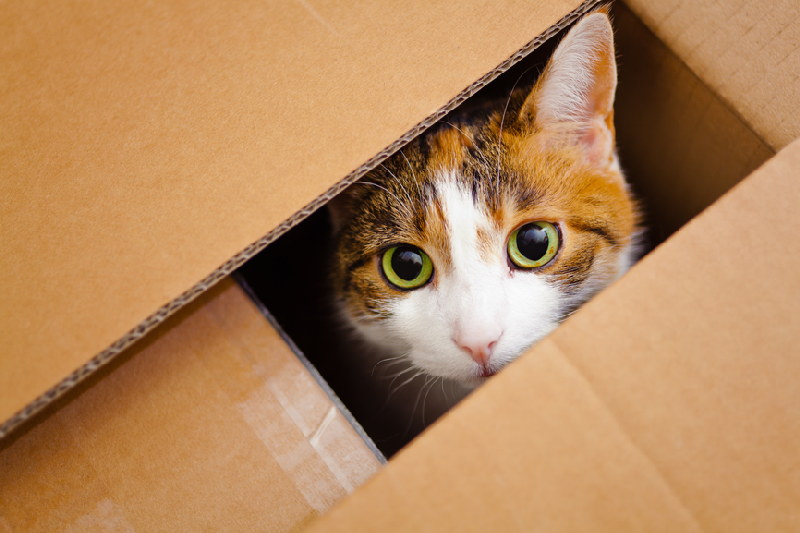
“I am in box. I can see human, but human can’t see me!”





 Pain In The Bud