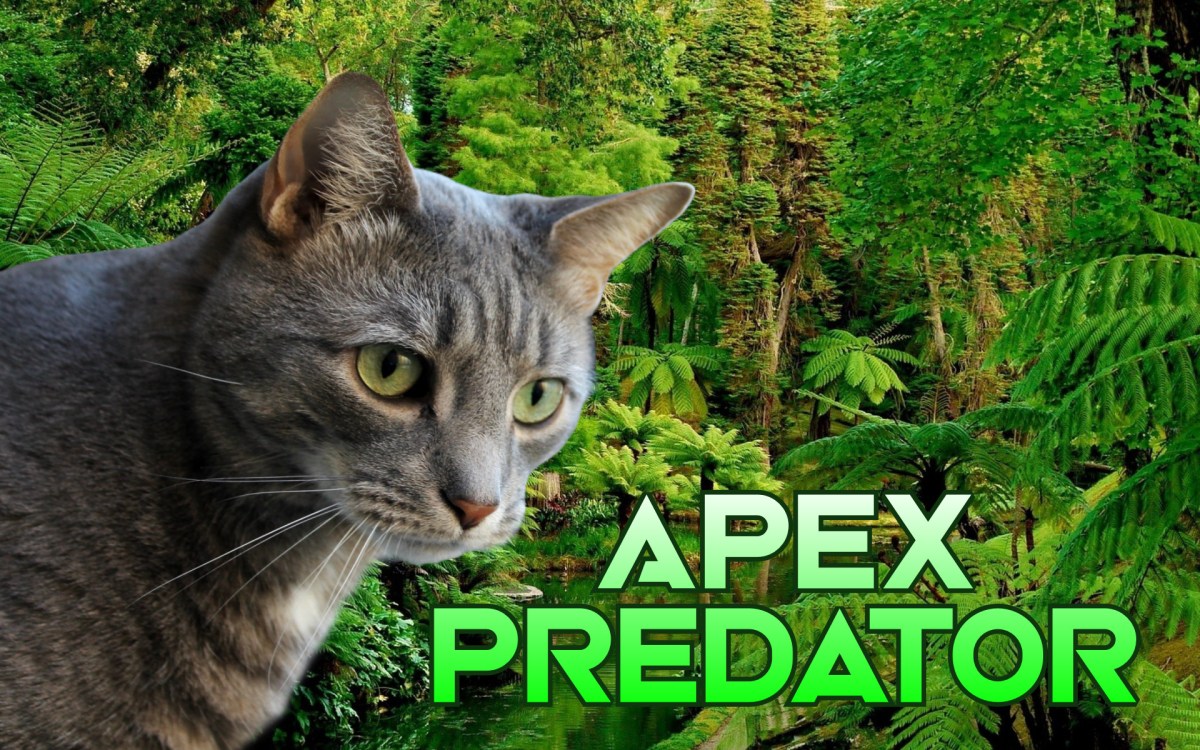
The apex predator of the household failed to wake up when a mouse invaded his territory, but totally would have taken care of it had he been awake, obviously.
NEW YORK — Buddy the Cat didn’t even lift a paw when a mouse invaded his domicile on Tuesday.
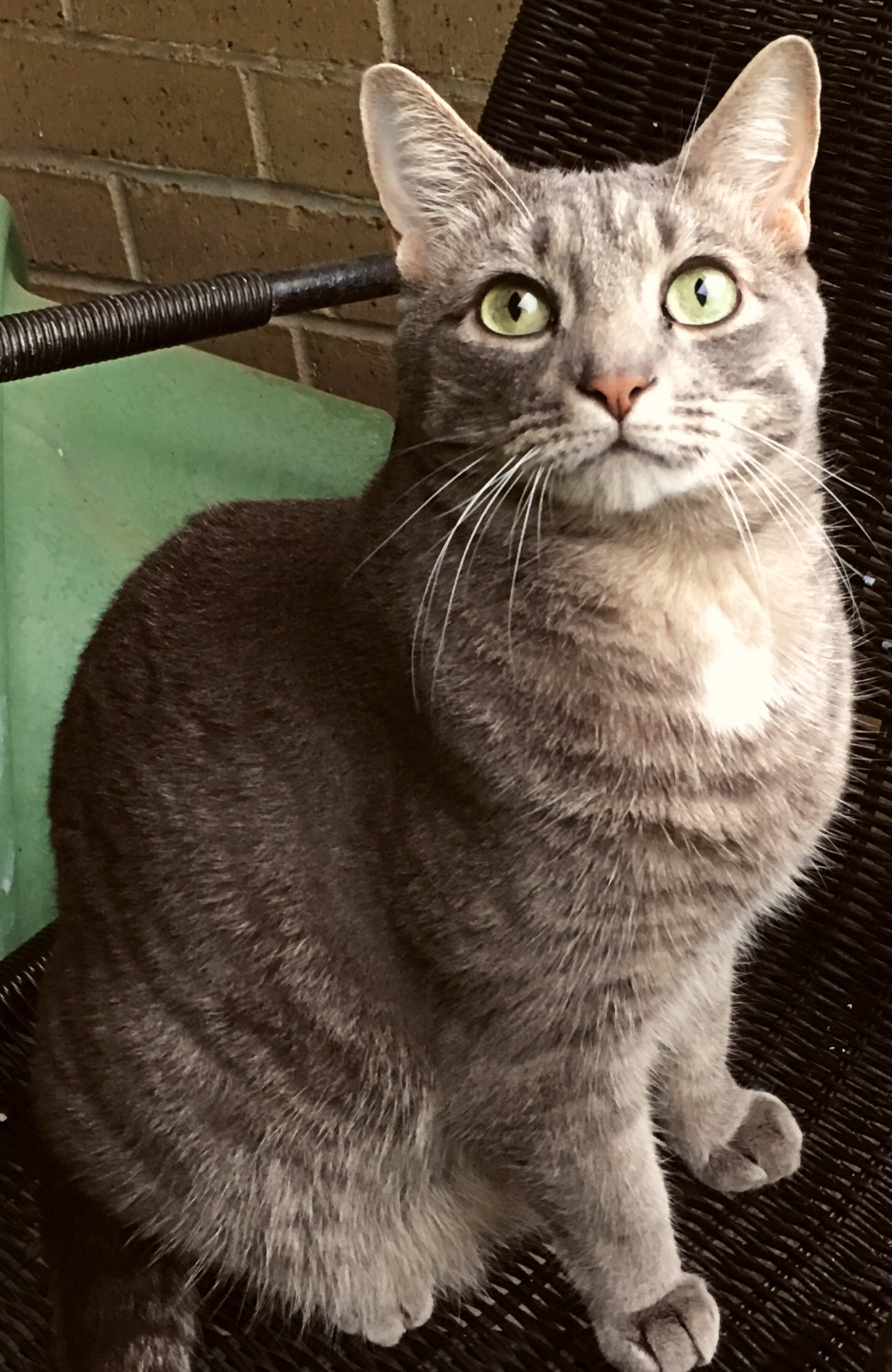
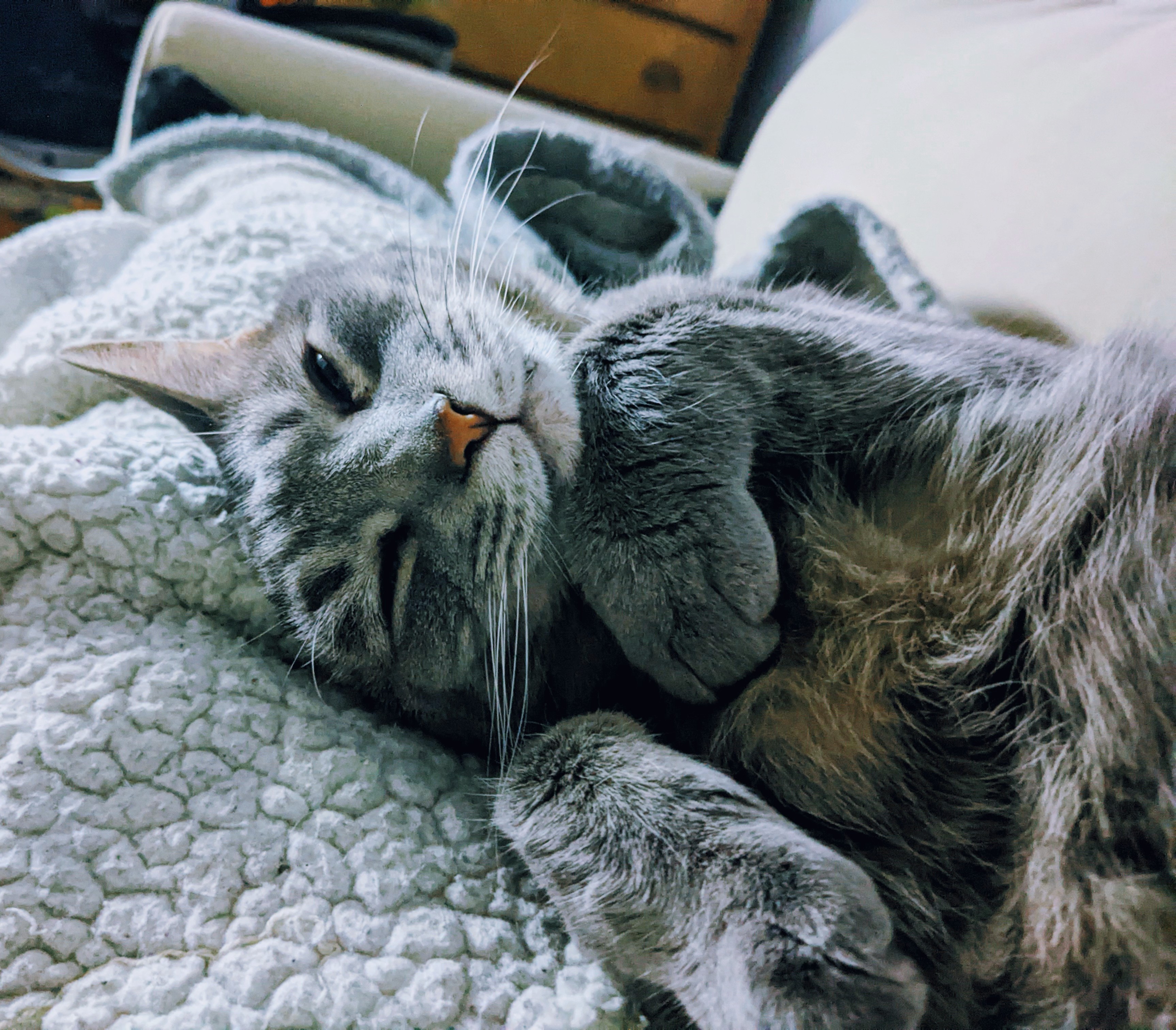
The gray tabby cat, who often brags of his “huge meowscles” and martial prowess, did not stir from his nap and remained asleep for the duration of the encounter, witnesses said.
“He was completely, utterly useless,” his human, Big Buddy, said. “Aren’t cats supposed to be the bane of rodents? Don’t they have super sensitive hearing that can home in on the high frequency squeaks of mice?”
Buddy, who only stirred after the mouse was removed from the premises, stood up and yawned, then asked what all the commotion was about.
“Oh,” he said. “Well that mouse was really lucky I was napping, otherwise I’d do something totally badass.”
As of press time, human concern was centered on acquiring mouse traps at the store, but Buddy insisted that wouldn’t be necessary.
“I will roar and the mouses won’t come near here again,” he said, bellowing in his Elmo-like voice. “There. Problem solved.”
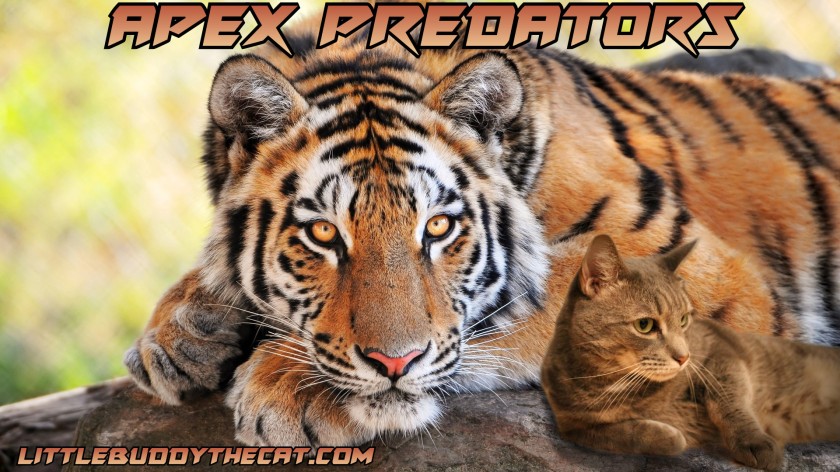
Update: In honor of Buddy’s glorious and momentous victory, we’ve created the following artwork:
Most tomcats aren’t interested in their offspring, but some are excellent and devoted fathers. This little guy has apparently fallen in love with his kiddos.
A cat has been hailed as a better father than many humans after his people uploaded a video of the proud father holding paws with his “baby mama” while she nurses their kittens.
Momma cat went into labor and the chivalrous tomcat “was with her the whole way,” user Anaya wrote in the caption. The short video pans over the top of a cardboard box where the happy couple lounge protectively around their babies.
“That’s very sweet, assuming of course you’re the type of male cat who wants to settle down and raise a family,” he said. “But some of us are so popular with the ladies that it would be a crime to remove ourselves from the field, so to speak. Did you know my tour bus was once overturned by thousands of screaming school girls in Japan? Yeah. I mean, no big deal.”
It’s been confirmed Buddy does not know he’s neutered. When his human tried to carefully broach the subject, the silver tabby declared it “fake news” before checking his toy basket to confirm that he does indeed still possess all of his balls.
“You can’t fool me,” Buddy said afterward. “When it’s time to settle down and I find the right kitty, we’ll make lots of beautiful kittens and grant awesome names to my issue, at which time I’ll name a successor. You know I’m an earl in the UK, don’t you? Yeah. Queen Elizabeth herself created my peerage. No big deal.”
Above: Buddy says it would be unfair to female cats across the world if he were to settle down and take himself off the dating market.
More cats and dogs go missing this holiday weekend than at any other time of year.
Here in ‘Merica, more pets go missing on July 4 weekend than at any other time in the year.
While you’re firing up the grill, catching up with friends and having a few beers, your poor cat — or dog — could be suffering from spiking anxiety, especially if you live in a neighborhood like mine where kids are constantly setting off fireworks on the nights leading up to the holiday.
Nationally, animal control departments across the nation report a 30 to 60 percent jump in missing pet reports during the holiday weekend, according to statistics compiled by PetAmberAlert. Private shelters see a similar size uptick in lost cats and dogs who end up in the system. All kinds of cats are at risk for bolting, but Persians, Siamese and domestic shorthairs top the list, according to the lost pet tracking service.
We all know that Buddy is a particularly brave cat who once defeated a fly in single combat, has never lost a duel with a stuffed animal, and has a sterling reputation for facing down even the most terrifying threats. Buddy’s also got an advantage thanks to growing up less than a block from a public park where our town hosts its annual Independence Day fireworks show. The little guy has been hearing — and seeing — fireworks this time of year since he was a kitten, so he just shrugs it off.
If your cat isn’t as incredibly brave as Buddy, however, there are precautions you can take:
Make sure Fluffy has a secure, up-to-date collar and a microchip.
Keep your cat(s) in a closed area of the house or in one room before sundown, and make sure there are no open windows. Places to hide are okay as long as you can keep track of who’s hiding.
Distract, and deaden or mitigate the sound. You can distract your furry friends with toys, a new box to play with or some catnip, which can act like a sedative if your cat eats it. Turn on the stereo and choose something you know has a calming effect on your cat(s).
If your little one is especially anxious or jumpy, consider a pheromone diffuser like Feliway and/or a ThunderShirt. Make sure you get one for cats, not dogs.
Play with your feline friend(s) before sundown to tire them out before fireworks start. Things’ll go a lot easier if your cat lays down for a nap and some relaxing music muffles the booming outside.
Screen videos of Buddy the Cat. His heroic demeanor and cool under pressure will inspire your cat(s) to rise to the occasion.
Good luck!
*Claims about Buddy’s bravery are not to be taken literally. Exceptions to Buddy’s bravery include sudden movements, rustling paper bags, vacuums, truck backup beepers, images of Steven Tyler, certain smartphone ringtones, the Seinfeld theme music, blenders, oscillating fans, oven timer chimes, the Windows 10 error sound, Tic-Tacs rattling, certain types of snoring, and the sound of his own farts. This is not a comprehensive list, and Buddy may be startled and/or terrified by other sensory input.
Cats and humans began their grand partnership some 10,000 years ago, when kitties handled humans’ pesky rodent problem and people repaid the felines with food, shelter and companionship.
Now the deal’s off, apparently.
Yesterday a Reddit user shared a video titled “When you get a cat hoping it will help you get rid of the big rat in your yard.”
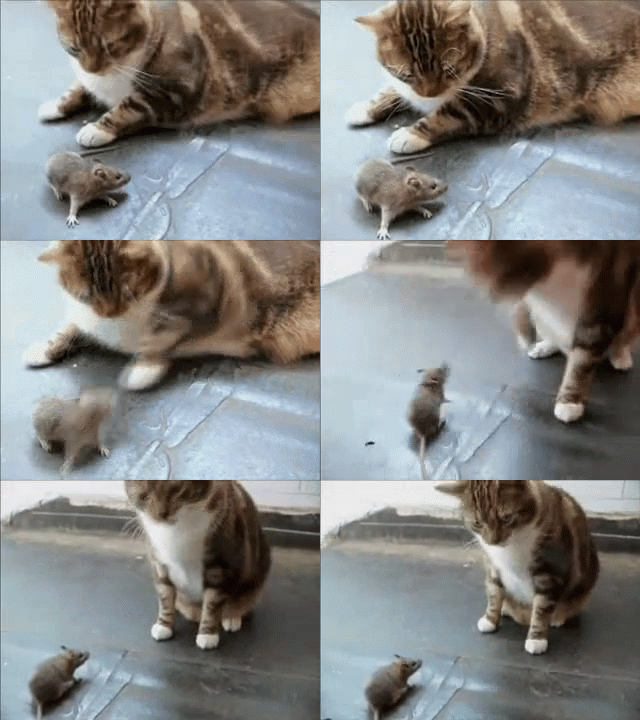
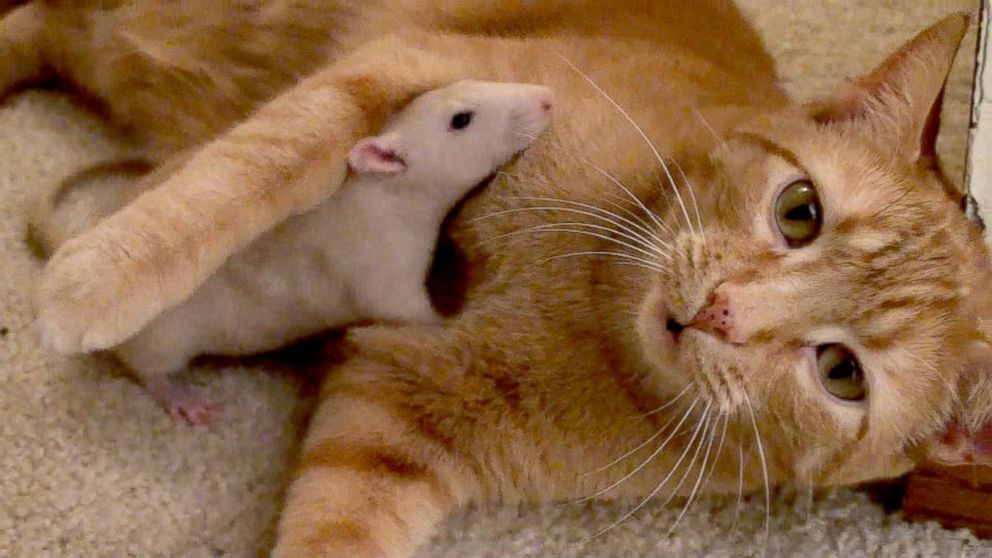
The video shows the user’s new cat, a tortoiseshell/calico, “solving” the rat problem by befriending the rodent, playing with it and even grooming it.
The video has amassed almost 86,000 upvotes in 24 hours.
The odd friendship between feline and rodent is not without precedent. Studies have shown that cats are not effective rodent hunters in urban settings where rats have gone unchallenged for so long that they rival or exceed the size of most members of Felis catus.
In certain neighborhoods of New York City, for example, researchers observed cats essentially ignoring massive rats and in some cases eating trash side by side with them. The largest rats, apparently aware of the truce, are equally unconcerned by the presence of the cats. Other rats were more cautious around kitties.
The scene reminded me of the time my brother wanted me to bring Bud over to handle his rat problem. At the time he was living on 88th St. in Manhattan, less than a block from Gracie Mansion. His apartment had an unusual perk for Manhattan living — it was a spacious ground floor flat that opened up into a private, fenced-in backyard with grass and a few trees.
Tremble before him! Buddy the Mighty Slayer of Rodents!
In fact, it was one of the first places I took Buddy after adopting him. He was just a kitten, maybe 14 weeks old, and I brought him with me on a warm summer day when my brother had a few friends over for a barbecue.
Buddy made fast friends with my brother’s Chihuahua-terrier mix, Cosmo, and spent the day playing with his doggie cousin, frolicking in the grass and chasing bugs around the yard. Then he got a treat: Steak from the grill, chopped into tiny Buddy-size pieces.
Having a backyard in Manhattan was awesome, but there was a downside. At night the yard was like a stretch of highway for marauding rats who ran across it in numbers with impunity, probably en route to raiding the garbage bins of a bodega on the corner of 88th. The rats were so emboldened and so numerous, you could hear them scurrying across the yard at night.
My brother proposed bringing Buddy over and letting him loose in the yard after dark, letting his claws and predatorial instincts thin the rodential herd.
I declined, using the excuse that Bud could pick up diseases from going to war with the rats. That was true, but I’m sure it wouldn’t have come to that: At the first sign of those rats, Buddy would have run screaming!
(We don’t acknowledge that around him, of course. Officially, Buddy was not set loose upon the Manhattan rats because it would be grossly unfair to unleash such a meowscular, brave and battle-hardened feline warrior upon them.)
It’s one thing if Buddy won’t kill rats. He’s a wimp. But as the Reddit video illustrates, we are apparently closing the chapter on 10,000 glorious years of human-feline partnership, and officially entering the Era of Zero Reciprocity.
We do everything for our cats, and in return they nap, eat and allow us to serve them. From their point of view, it’s a fine deal.
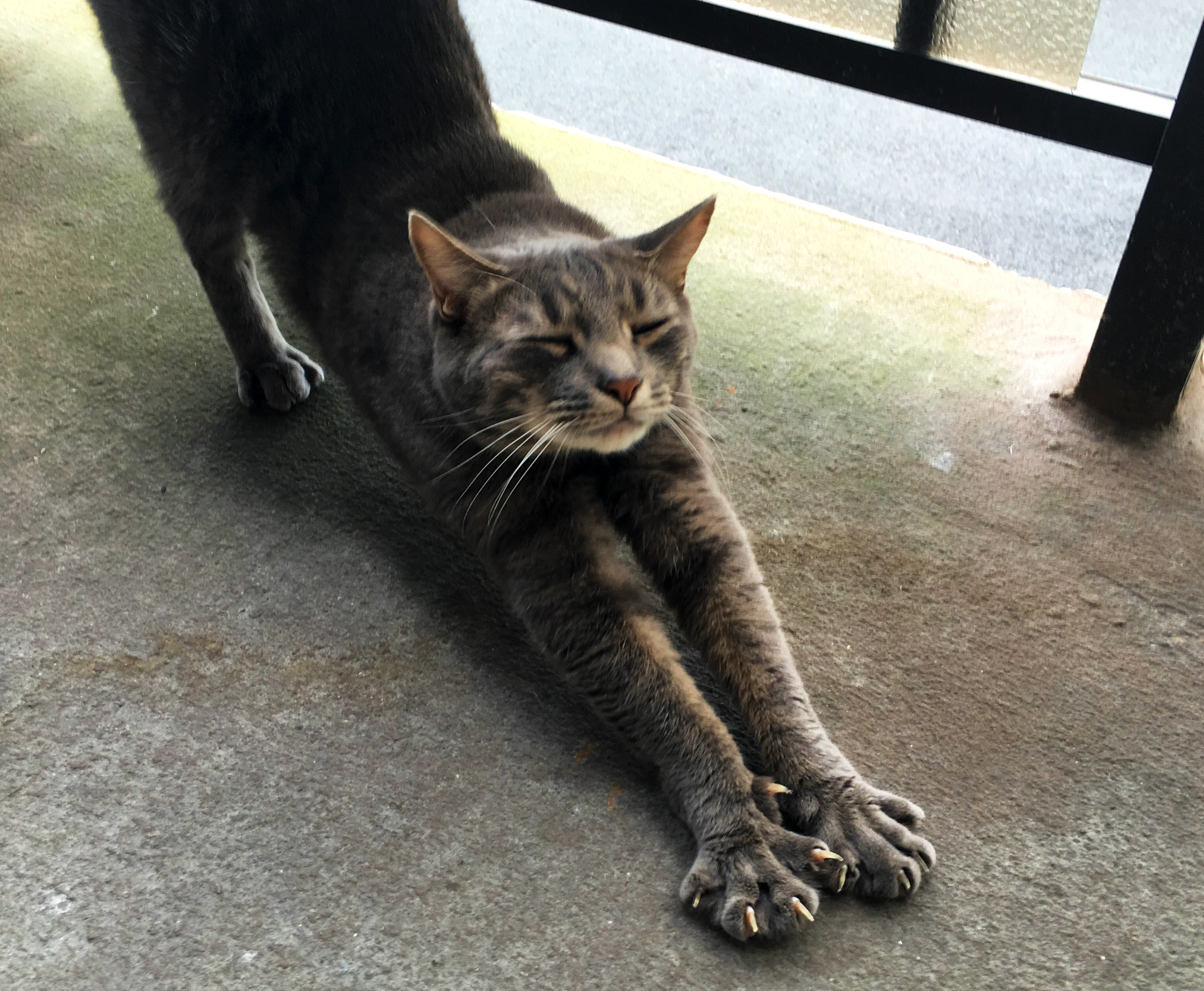
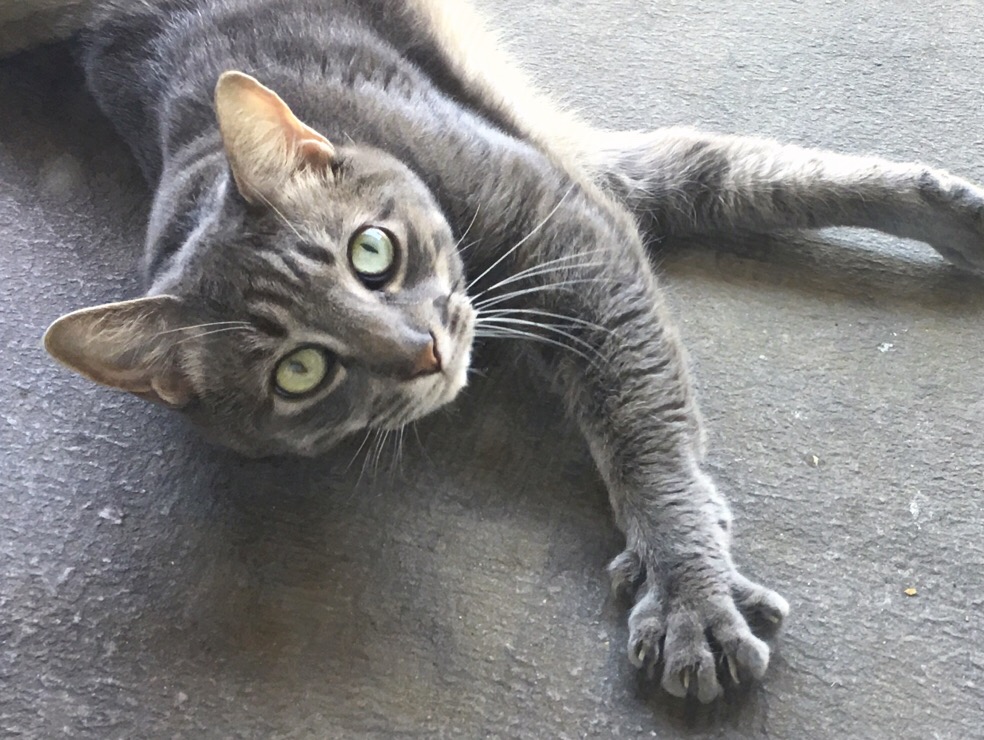
Just look at those meowscular guns and vicious claws!
We’ll assume people who like to snooze with their furry buddies have normal cats. Buddy is not a normal cat.
Do you sleep better with your cat or dog in bed?
A significant majority of respondents in a recent survey said yes. British polling and survey firm OnePoll asked 2,000 Americans that question, with about 70 percent saying they get better rest with their furry friend next to them.
Most said having their cat or dog snoozing with them made them feel safer and more comfortable, while 58 percent admitted they sleep better with their pet in the bed than their significant other. While most people like having their animals sleep in their beds, some said pets could disrupt their sleep.
Of course if you’re like me, you never really had a choice. There was no adjustment period when I brought Buddy home for the first time. He didn’t hide under the bed and refuse to come out, or dash for the nearest small space.
That’s pedestrian behavior for a cat of his stature. Instead, the little guy came striding out of his carrier like a feline Genghis Khan and immediately started conquering territory.
“So this is my new bedroom, huh?” Buddy the Kitten seemed to say as he mewed excitedly. “Oh, look at this bed. Mine! Hey, that’s a sweet chair. Mine! I’m just gonna climb up onto your desk and survey my new territory if you don’t mind. The desk, by the way? Mine!”
He decided from the very beginning that my bed was his bed, and while I was to be his butler, waiter, masseur and personal groomer, I would also make a fine human mattress.
Thus our nightly routine: Buddy watches me impatiently as I get settled in bed, then makes himself comfortable either by draping himself over me, or wedging himself between my legs.
Readjusting and changing sleeping positions are severely frowned upon. I swear I can hear the annoyance in Bud’s voice, and his impatience as he waits for me to turn over so he can attend to what’s really important — his comfort.
“You should be deeply honored that I have deemed you acceptable to sleep upon. Now stop moving and don’t toss and turn during the night. I need my beauty sleep!”
Do I sleep better with him there? Mentally, yes. Physically, no.
Recently I wrote about his new habit of getting “sleep scritches,” which came about after he realized he could get me to raise my hand while I sleep. It took me a while to realize it was happening: At most I was dimly aware until I had a dream I was petting him, woke up and realized I was holding my hand up while Buddy was rubbing his face against my palm and purring happily.
He doesn’t wake me up for food, since I set aside a bowl of dry kibble and a bowl of fresh water for him before bed every night. If he gets hungry, he slides lazily off the bed, pads over to his little dining nook and quietly munches a snack before going back to sleep.
The little stinker’s proximity, and his tendency to meow in his sleep, also means he gate crashes my subconscious while I’m sleeping and appears in my dreams.
I can’t get away from him, but that’s okay with me.



 Pain In The Bud