Pet Cats Lead To ‘More Mental Health Problems’ For Kids, Authors Of New Study Claim

Not all pets are created equal, but not all studies are either.

A new study claims we’ve gotten it wrong all these years, that pet cats and dogs aren’t good for young children, while kids who grow up with pet fish, turtles and hamsters learn empathy and develop better mental balance.

The authors of the study claim cats are “the only common pet linked to more mental health problems in children.”

Furthermore, the authors claim, pets like turtles, fish and hamsters are “linked to” positive mental health in children, while data shows dogs have no effect.

To understand what we’re dealing with here, we’ve got to break down “study,” “linked to” and “data” in relation to the report by researchers at the University of Valencia in Spain.

“Study” here means a meta-analysis of data collected by the INMA Project, a collaboration of universities, biomedical institutes and medical conglomerates in Spain. INMA is primarily concerned with researching the impact of environmental pollutants on early childhood development.

The INMA data was not collected specifically for this new study dealing with pets.

Secondly, while INMA did “track” some 1,900 participants from birth through six or seven years old, the “data” itself primarily consists of subjective reports by the parents of the children along with “environmental measurements and clinical tests.”

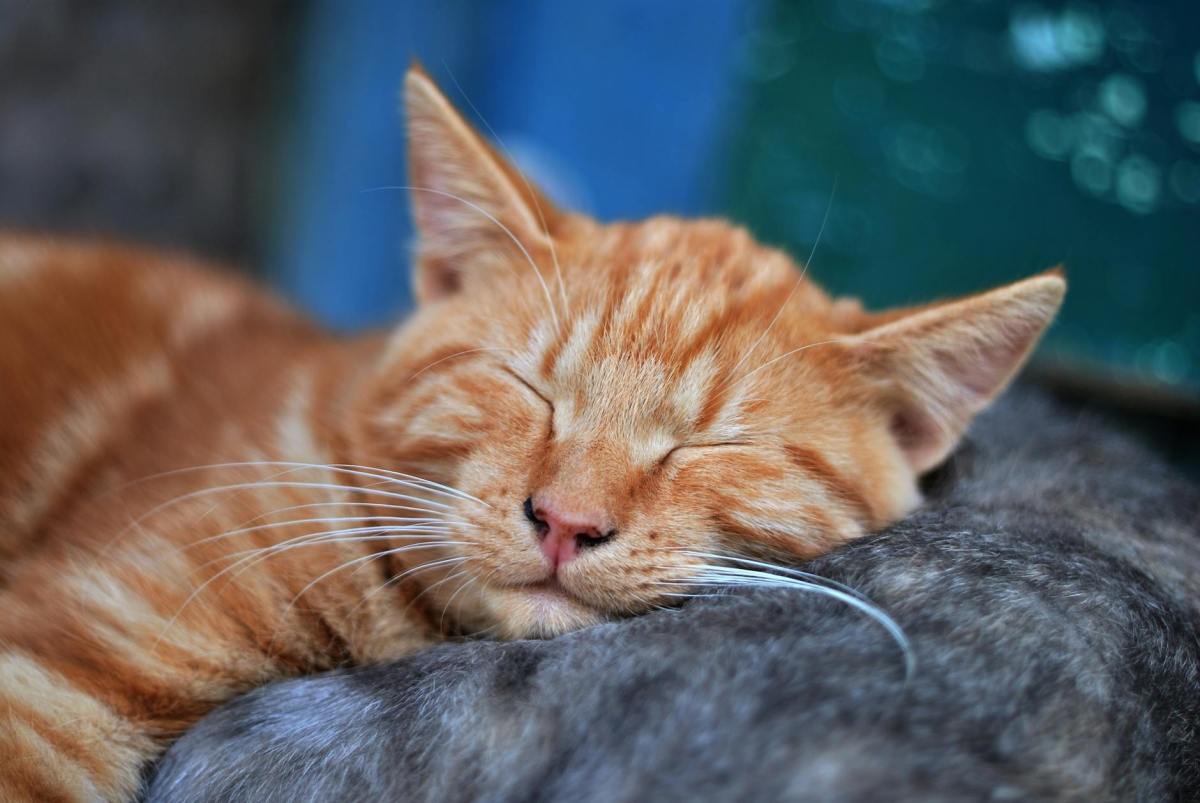
Credit: isaac mijangos/Pexels

It’s not clear if the original data collection effort had anything to do with the presence of pets in the homes, or if that was just one of many data points gathered in a larger assessment. For example, the INMA questionnaires may have simply asked if the families have pets and what kind of pets they have without any further elaboration or information about whether, or how often, the children interact with the pets. There can be enormous variation in that area alone.

Then there’s “linked to,” a very specific choice of words by the authors. They’re using “linked to” instead of “caused by” because the data they have – if you can appropriately use the word data to describe the results of self-reported questionnaires based on subjective feelings – cannot distinguish between correlation and causation and really says nothing at all except certain animals were present in the homes of young children.

In all, 8.7 percent of the children lived in homes with a cat, which works out to a sample size of 165, all from Spain.

So we’re already on really shaky ground here. I don’t think there’s any real scientific value in information that comes from questionnaires distributed to parents, and certainly not when it comes to topics like mental health and behavioral problems.

The definition of bad behavior varies widely between parents in different families and even mothers and fathers in the same family. Was there a baseline? Did the participants receive instructions on how to describe their assessments so they’d at least roughly resemble uniform reports? Were there other commonalities among the children who lived in homes with cats? We don’t know the answers to these questions.

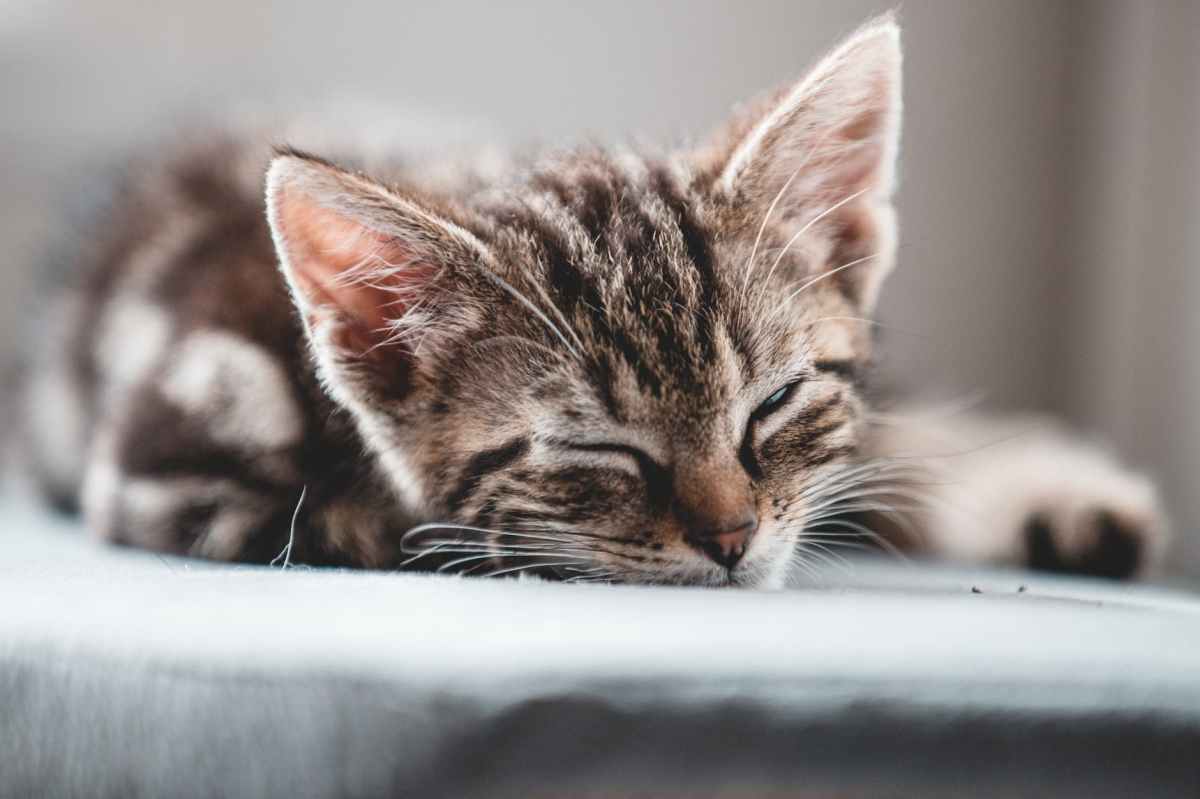
Credit: David Brown/Pexels

What we do know is that, putting all other concerns aside, the report claims that 165 children live in homes that have cats, or had cats at one time, and some of them have varying degrees of behavioral problems.

That the conclusions are vaporous becomes even more obvious when the authors go on to speculate, with no data, why children who live with, or previously lived with, cats are allegedly more likely to suffer behavioral issues.

They repeat common misconceptions about felines being aloof, claiming the nature of cats “limits emotional bonding” compared to other companion animals.

“Having fish, turtles and hamsters on a constant basis does seem to protect children from mental health problems,” the authors concluded, although again the reasons are pure guesswork.

I’m not sure how anyone can say feline behavior “limits emotional bonding,” then in the very next paragraph claim fish and turtles, animals with which there can be very little or no real interaction, “protect” kids from mental health issues. Not even “help protect,” but full on “protect.”

The authors also point to a common boogeyman, toxoplasma gondii. The parasite can be transmitted to humans dozens and potentially hundreds of different ways, including contaminated water and undercooked meat, but cats are blamed because they’re easily infected by it and can pass it to humans.

To be clear, toxoplasma gondii does not figure anywhere in the data and the researchers did not test the children for infection.

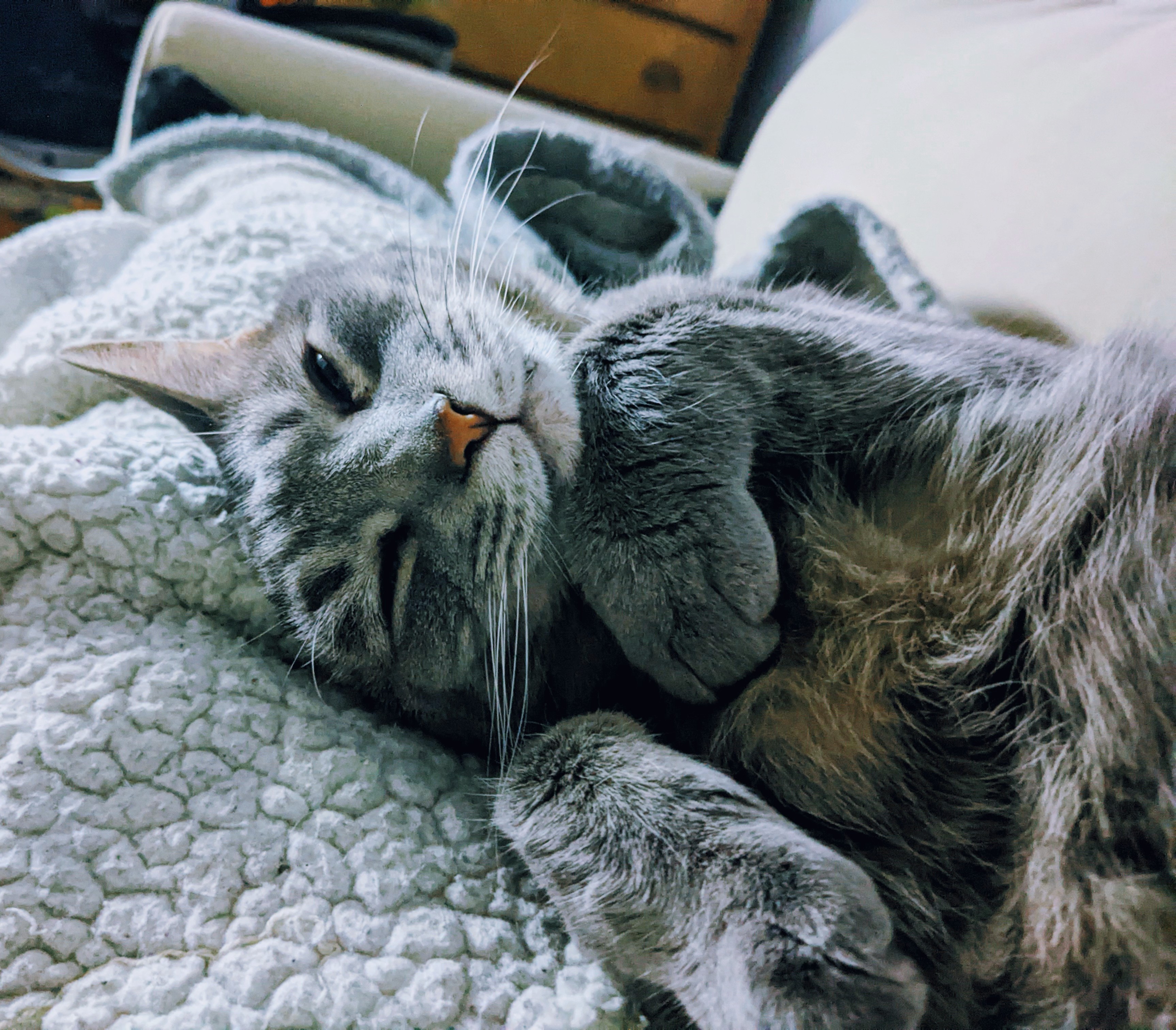
Credit: Cristian Loayza/Pexels

But the bit that sets off the most alarm bells in my mind is the claim that dogs have no impact on the mental health of children.

That should have immediately prompted the research team to go back and figure out where their analysis went funky.

There are so many studies linking cats and dogs, and especially dogs, to tangible improvements in mental health and mood that anyone who claims the opposite has a lot of work ahead of them to demonstrate why their findings are accurate and the abundance of studies that concluded the opposite are flawed. (Dogs are better studied than cats because they’re easier to control, so the abundance of studies on dogs shouldn’t be confused for a stronger impact on human health.)

Whenever I write something like this, I always worry I’m contributing to the anti-science positions of some people who view the entirety of science with suspicion.

Science is nothing more than a formal process for learning about the natural world. It doesn’t have an agenda. It’s important for us to separate our qualms with the methods and standards of particular studies from the idea of science itself. A study may be flawed, but the scientific method remains the best, most time-honored way to expand human knowledge we’ve managed to come up with.

There are also major differences between “soft” sciences like psychology and hard sciences like physics and chemistry. The latter are primarily black and white, true or untrue, while the former deal with uncountable shades in between. It’s hard to quantify human feelings, thoughts and behaviors.

I’m sure the researchers involved in this project mean well, but unless we begin to see other studies placing fish, turtles and hamsters atop the pet hierarchy for their impact on mental health, I think we can file it as an anomaly and move on.

Cat Brains Age Like Ours, Research Shows

Lifelong changes in the brains of felines more closely resemble aging in human brains. Studying cognition and cognitive decline in cats could help us better understand brain aging in general, scientists say.

For almost the entire history of modern science, rodents have served as a stand-in for humans in research into everything from metabolism to autoimmune responses.

They’ve even been the go-to for studies examining cognitive decline, diseases and neural mechanisms.

But now research shows there’s a better model closer to home. It turns out cat brains more closely resemble human brains in many respects, particularly in terms of aging and its effect on our mental faculties.

From Nature:

“As cats age, their brains show signs of atrophy and cognitive decline that more closely resemble the deterioration seen in ageing humans than do the changes in the brains of ageing mice, according to findings presented last month at the Lake Conference on Comparative and Evolutionary Neurobiology near Seattle, Washington.

The results are part of a large project, called Translating Time, that compares brain development across more than 150 mammal species, and is now expanding to include data on ageing. The hope is that the data will aid researchers trying to crack the causes of age-related diseases, particularly conditions that affect the brain, such as Alzheimer’s disease.”

One drawback to using mice is they simply don’t live long enough for their brains to deteriorate in ways many human and non-human animals do, scientists told Nature. They also have species-specific mechanisms that ward off certain degenerative diseases, including Alzheimer’s.

Not only do cats live longer, but their brain development and decline mirrors our own on a shorter time scale, scientists say. Tracking brain changes in cats is also more helpful than doing the same with dogs, who have been radically changed by breeding. Felines are mostly left to mate as they please, meaning they’re closer to their natural form, allowing for more useful data.

a cute cat lying on the couch
Credit: Pranjall Kuma/Pexels

Looking to our furry friends makes sense anecdotally as well. Every cat lover has seen the unfortunate confusion and forgetfulness that can afflict senior cats. Older cats tend to sleep a lot more, which is significant for a species notorious for its extravagant snoozing habits.

Thankfully, efforts like the Catage Project do not result in more cats being used in laboratory experiments. Researchers draw their data from veterinary records, brain scans and blood samples.

When asked about how his species could help humans better understand things like cognitive diseases and decline because of their similarity to humans, Buddy the Cat declared the research “fake news.”

“Where’s my bumblebee toy?” Buddy asked. “Did you hide my bumblebee toy? I’ve been looking everywhere for it!”

When told the toy was right were it’s supposed to be, in his toy basket, the 10-year-old tabby grew irritated.

“Fake news!” he meowed. “You put it back there just to mess with me. I’m onto your games! Now where did I put my favorite milk bottle cap?”

Survey: 7 In 10 Americans Say They Sleep Better With Pets In Bed, Obviously Haven’t Met Buddy

We’ll assume people who like to snooze with their furry buddies have normal cats. Buddy is not a normal cat.

Do you sleep better with your cat or dog in bed?

A significant majority of respondents in a recent survey said yes. British polling and survey firm OnePoll asked 2,000 Americans that question, with about 70 percent saying they get better rest with their furry friend next to them.

Most said having their cat or dog snoozing with them made them feel safer and more comfortable, while 58 percent admitted they sleep better with their pet in the bed than their significant other. While most people like having their animals sleep in their beds, some said pets could disrupt their sleep.

Of course if you’re like me, you never really had a choice. There was no adjustment period when I brought Buddy home for the first time. He didn’t hide under the bed and refuse to come out, or dash for the nearest small space.

That’s pedestrian behavior for a cat of his stature. Instead, the little guy came striding out of his carrier like a feline Genghis Khan and immediately started conquering territory.

PXL_20211212_072907627.NIGHT~4

“So this is my new bedroom, huh?” Buddy the Kitten seemed to say as he mewed excitedly. “Oh, look at this bed. Mine! Hey, that’s a sweet chair. Mine! I’m just gonna climb up onto your desk and survey my new territory if you don’t mind. The desk, by the way? Mine!”

He decided from the very beginning that my bed was his bed, and while I was to be his butler, waiter, masseur and personal groomer, I would also make a fine human mattress.

Thus our nightly routine: Buddy watches me impatiently as I get settled in bed, then makes himself comfortable either by draping himself over me, or wedging himself between my legs.

Readjusting and changing sleeping positions are severely frowned upon. I swear I can hear the annoyance in Bud’s voice, and his impatience as he waits for me to turn over so he can attend to what’s really important — his comfort.

buddy_bed
“You should be deeply honored that I have deemed you acceptable to sleep upon. Now stop moving and don’t toss and turn during the night. I need my beauty sleep!”

Do I sleep better with him there? Mentally, yes. Physically, no.

Recently I wrote about his new habit of getting “sleep scritches,” which came about after he realized he could get me to raise my hand while I sleep. It took me a while to realize it was happening: At most I was dimly aware until I had a dream I was petting him, woke up and realized I was holding my hand up while Buddy was rubbing his face against my palm and purring happily.

He doesn’t wake me up for food, since I set aside a bowl of dry kibble and a bowl of fresh water for him before bed every night. If he gets hungry, he slides lazily off the bed, pads over to his little dining nook and quietly munches a snack before going back to sleep.

The little stinker’s proximity, and his tendency to meow in his sleep, also means he gate crashes my subconscious while I’m sleeping and appears in my dreams.

I can’t get away from him, but that’s okay with me.

The OnePoll survey was commissioned by Sealy, the mattress company.

Do your cats sleep in your bed? Does their presence make your quality of sleep better or worse?