Blog Posts

Shelter Throws A Birthday Party For An Adoptable Cat, No One Shows Up

She’s been at the shelter for 115 days and is waiting for a human and a home to call her own.

To our British readers,

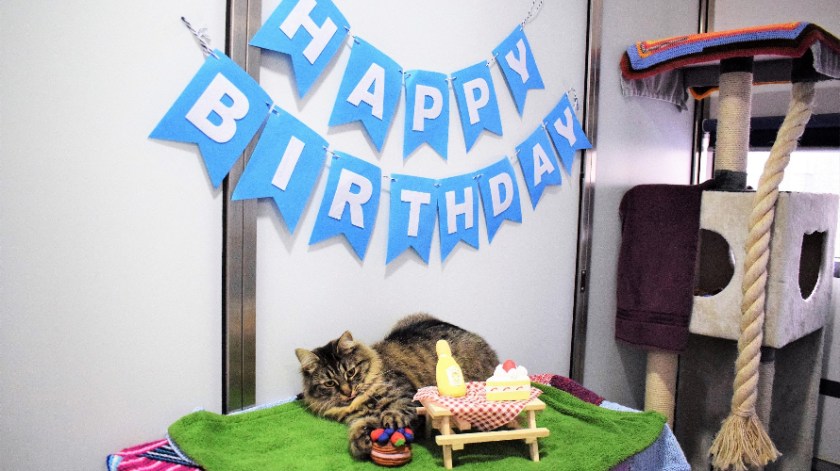
Employees at a South London shelter threw a birthday party for a two-year-old cat who’s been in the shelter for 115 days, and not one of you jerks showed up.

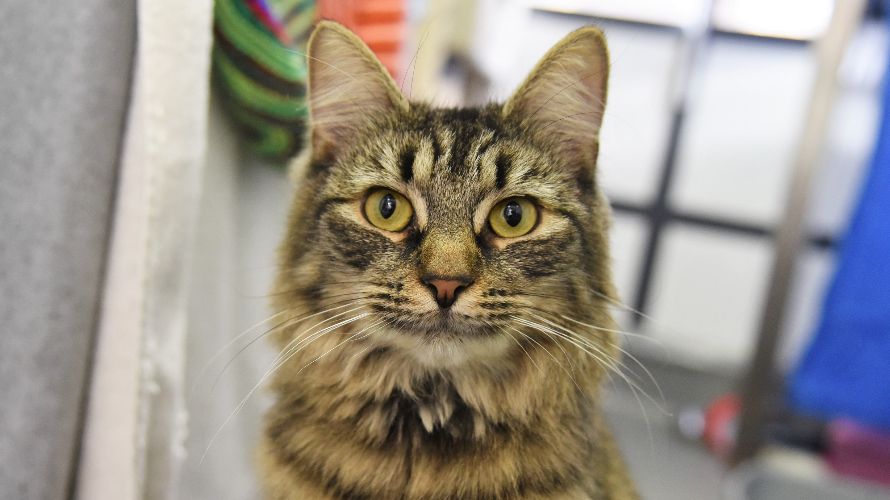
Look at her. Just look at this beautiful tabby girl, hopeless and dejected because none of you soulless people could find it in your heart to drop by for a cuppa and kibble. Notice the sad little eyes, their accusatory glance seeming to say: “You’ve failed me, British people! I just wanted a forever home!”

I mean, we all know you guys can be cold, but who thought you’d be this heartless and cruel?
monique5
Poor Monique had no one to celebrate with. Credit: Battersea Dogs and Cats

Has our guilt trip made you feel bad yet? 🙂

On a more serious note, this was actually a clever move by the shelter, Battersea Dogs and Cats. With tens of thousands of adoptable animals on sites like Petfinder and Craigslist, and every rescue contending for attention, shelter staff have to think creatively to break through the noise and help get their strays and abandoned pets into real homes.

In 2020, the cat who becomes a meme is rewarded with a home of her own, and the shelter also benefits with a bump in exposure and potential new donors.

In that sense, the birthday party didn’t fail at all: Monqiue the tabby will almost certainly find a real home soon thanks to follow-up articles and the attention they’ve brought to her story.

CATS GOING VIRAL

We’ve seen plenty of shelter stories go viral over the past year: There was Nevada, the sweet abandoned tabby who just wanted a hug, a surrender named Barsik who was dubbed “New York’s fattest cat” at a whopping 41 pounds, a fellow Chonkster named Bazooka whose dementia-inflicted former human fed him constantly, and Plankton, who proved good things come to those who wait when he finally found a home after 2,432 days at a New York shelter.

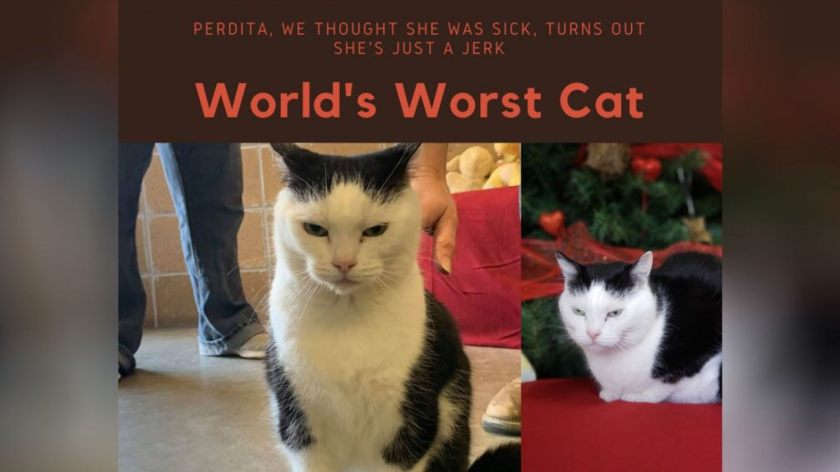
Perhaps the best example of clever cat marketing was a North Carolina rescue’s adoption ad for the “world’s worst cat.” The scowling black-and-white Perdita was a “jerk,” according to Mitchell County Animal Shelter’s sarcastic and highly amusing ad.

The listing worked, quickly going viral on Facebook and prompting more than 50 local applications within 24 hours.
perdita
Perdita quickly found a forever home thanks to her viral post. Credit: Mitchell County Animal Shelter

Monique has tested positive for Feline Immunodeficiency Virus, according to the shelter, and undoubtedly her bad luck can be chalked up to fewer adopters willing to take a cat with FIV. Despite that, Monique is expected to live a long and full life.

Here’s to hoping she finds her very own humans soon.

All photos courtesy of Battersea Dog and Cats. Click the thumbnails for larger versions:

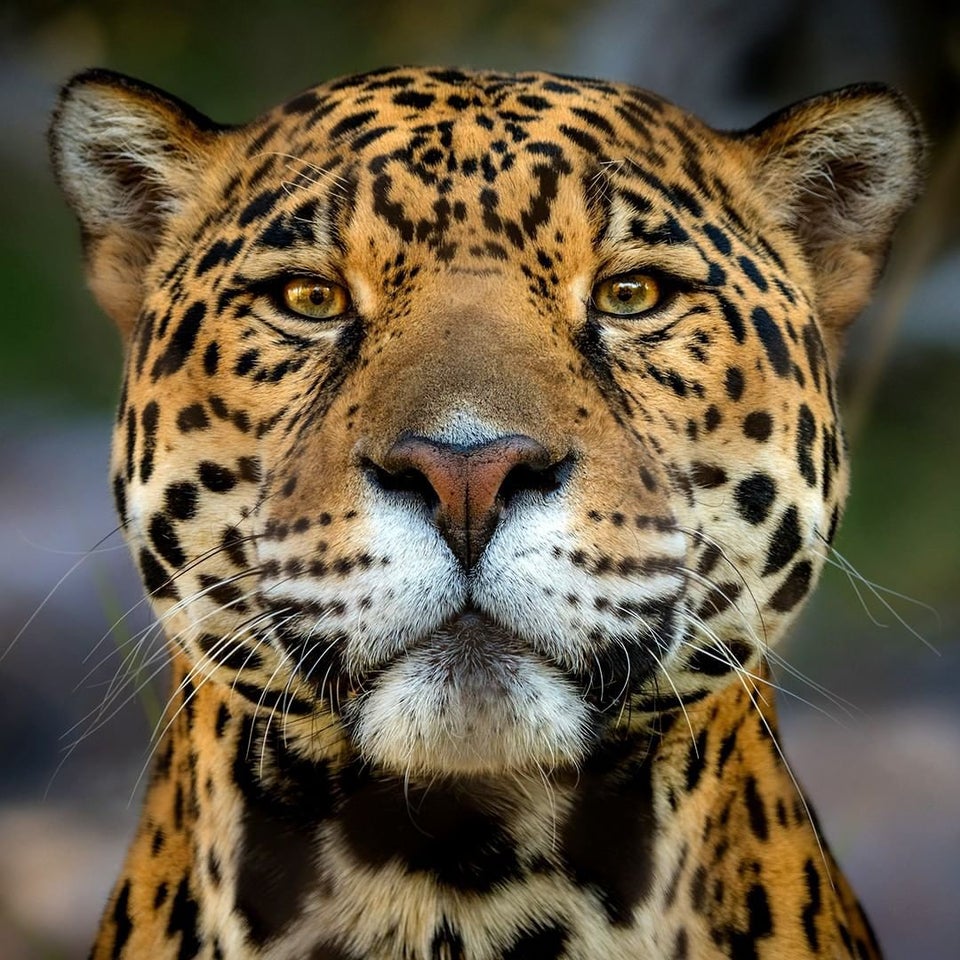
Amazing Cats: He Who Kills With One Bound

The name jaguar comes from the indigenous Tupian word yaguara, meaning “he who kills with one bound.”

On the Scale of Badassery that’s an 11, which is appropriate for such a regal, ephemeral creature who seems to exist only in glimpses before melting back into the jungle.

From ancient chronicles etched in Mayan pictograms to modern-day descriptions of encounters with jaguars, one thing is consistent: When you’re fortunate enough to set eyes on a jaguar, it’s because the animal allows you to.

The world’s most elusive hunter is like smoke: There one moment, gone the next, without any physical evidence that it was present in the first place.

There’s a lot of confusion about jaguars, so let’s get that out of the way first. The jaguar is the third-largest-cat on the planet, behind tigers and lions. Jaguars are the largest cats in the Western Hemisphere and are the apex predators in the Americas.

They’re often confused with leopards, the other spotted big cats, but aside from living on different continents, jaguars are visibly larger, heavier and more sturdy than their African cousins.

Compounding the confusion is the widespread habit of using “panther” to describe both jaguars and leopards, and sometimes other cats too, like pumas.

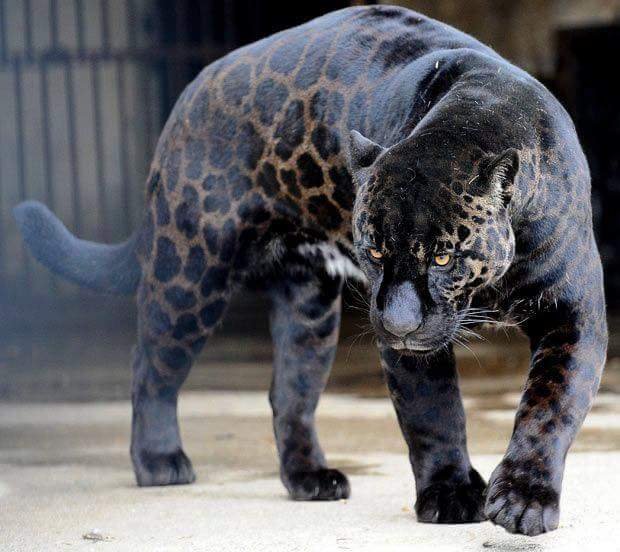
A panther isn’t a type of cat: Panthera is the genus to which big cats — tigers, lions, jaguars and leopards — belong, while a black panther can refer to any melanistic jaguar or leopard.

jaguaryawn

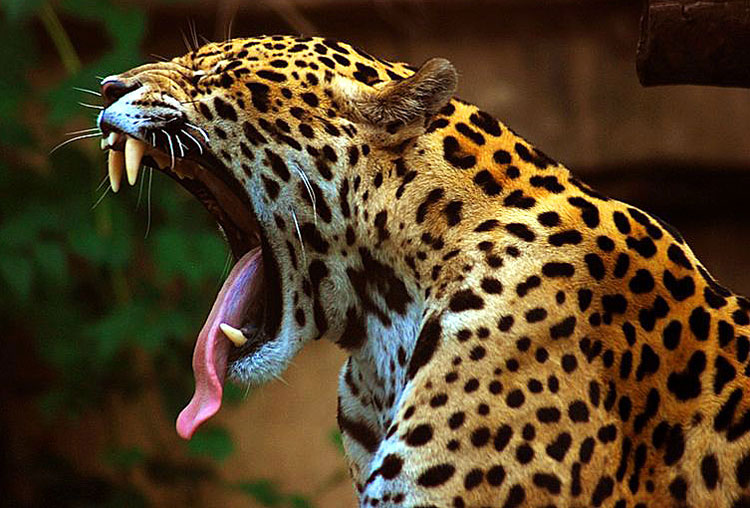
Like its cousins in the genus, the jaguar is an ambush hunter.

But unlike tigers, leopards and lions, jaguars do not kill by going for the spinal cord — they go for the head itself, puncturing skulls, turtle shells, heavily armored caiman scales and anything else they want to make a meal of.

That’s where the “one bound” in their name comes from: By the time a jaguar pounces, it’s already too late for the victim.

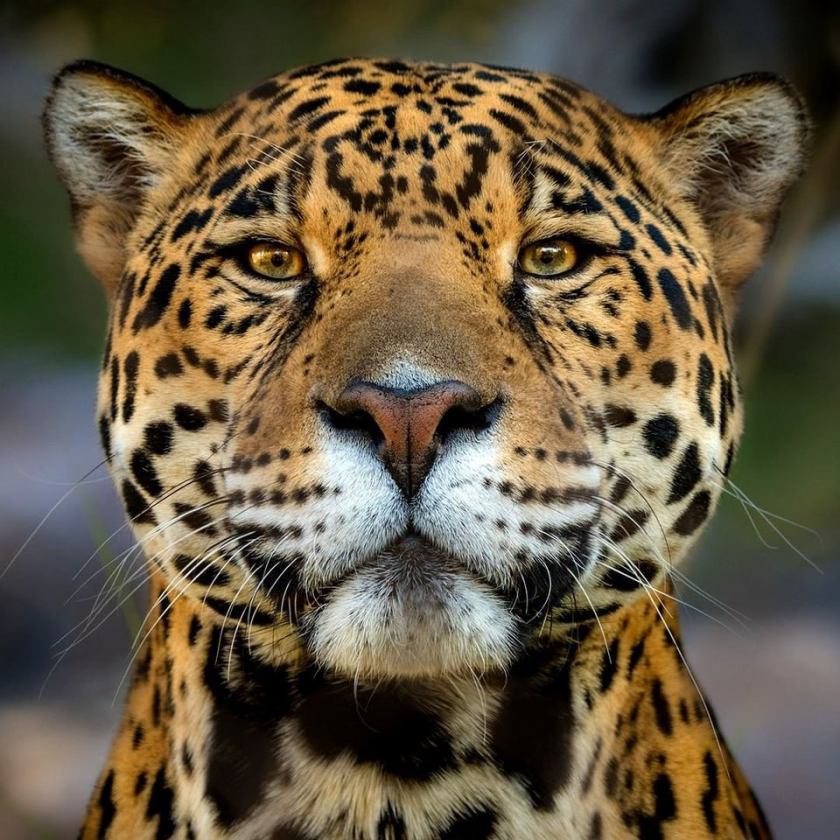
Jaguars are paragons of feline grace, yet even among cats they’re strikingly beautiful animals:

6DD23C8C-F9F4-4AFB-B7F9-43709046ED16

FC9F02C8-D401-4747-8810-2B5F2744E6C7

Unlike tigers and lions, there are no recorded cases of prolific man-eaters among jaguars, and the mysterious cats are careful to avoid conflict with humans. The one exception is when a female jaguar feels her cubs are threatened.

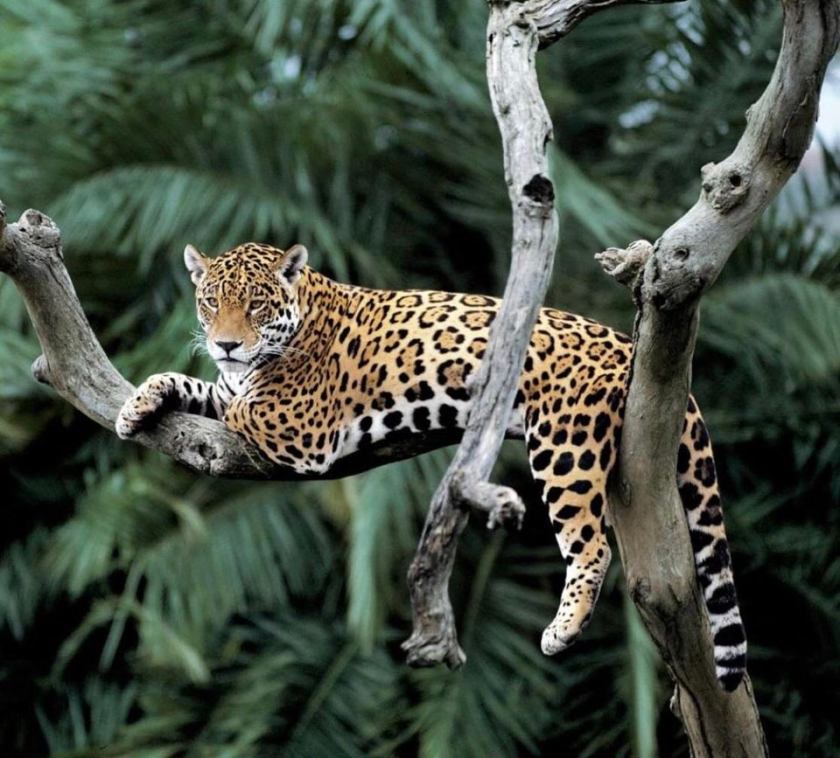
Travelers who brave the untamed, near-impenetrable remote rainforests of South America may not see jaguars on their journeys, but the jaguars see them: Humans who venture into the thick tangle are “calmly watched by a jaguar or two” and most of them “don’t realize they’re under surveillance,” Nadia Drake wrote in a 2018 Atlantic story about encountering the enigmatic felids in Peruvian jungles:

Those who have studied jaguars say they sense a kind of preternatural consciousness in the beasts, a combination of disciplined energy and shrewd awareness that allows the jaguar to unleash its power in calculated ways. Alan Rabinowitz, struggling to find the right words, calls it simply “jaguarness.”

The ancient Aztecs saw that same cunning in the eyes of jaguars, naming them the “kings of the animal world” and employing jaguar motifs on statuary, stone reliefs and other artwork. Jaguar imagery was common throughout the pre-European Americas, and at the time the animal ranged across North and South America without a true rival at the apex.

Like tiger imagery is used to denote power, grace and agility in Asian cultures, the jaguar’s image was used for similar purposes, associating the animals with royalty and gods.

In Mayan culture, deities took the form of jaguars, and the big cats were known as gods of the underworld, fertility, war, protection and fire. Ek Balam, for example, was the Mayan god of the underworld, and was depicted as a black (melanistic) jaguar.

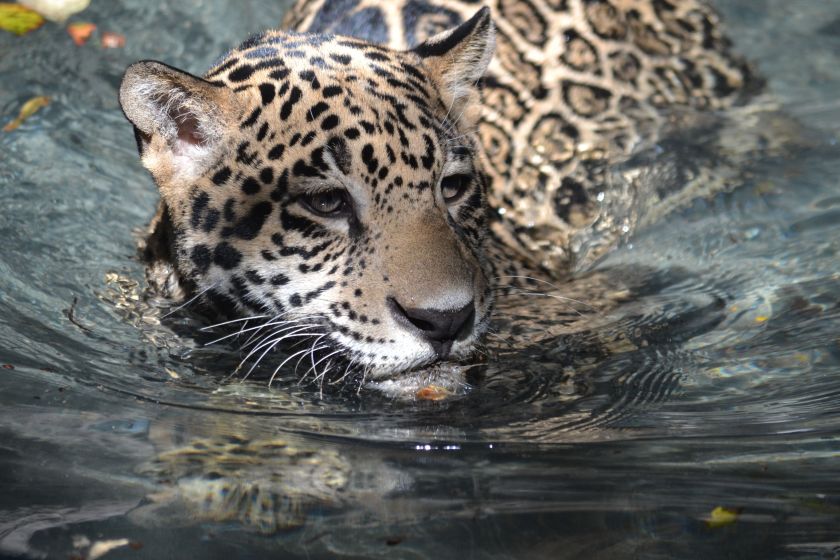
Jaguars share another quality with tigers, one that’s rare among cats: They not only enjoy the water, they excel at swimming and even hunting in rivers and swamps. While most cats will do almost anything to avoid entering water, jaguars and tigers have no reservations about immersing themselves, particularly on hot days.

jaguarwater

Like all big cats, jaguar numbers are decreasing. The animal is classified as “near-threatened on the IUCN Red List of Threatened Species as its habitat has been fractured.

Unlike the other members of the panthera genus, habitat loss hasn’t led to conflicts between humans and the majestic cats. Jaguars, it seems, would rather retreat deeper into the jungle than go to war with humans. It’s crucial to preserve what’s left so these beautiful, amazing cats still have a jungle to go back to.

All photos courtesy of National Geographic and Mexico Lore.

790EB2B3-1CA8-4201-B980-B8129826AAC3

Japanese Real Estate Agency Deals Exclusively In Cat-Friendly Homes

Nekorepa’s homes and apartments are designed with cats in mind.

Proving once again that their country is home to some of the most enthusiastic cat-servants, Japan now has a real estate agency that lists only cat-friendly homes and apartments.

Actually, cat-friendly might be an understatement. Nekorepa Real Estate (neko is Japanese for cat) aims to hook people and their furry buddies up with homes built with cats in mind.

What does that mean? Bathrooms that have built-in cat doors, for example, so renters and homeowners can keep litter boxes there, and presumably put a permanent end to the never-ending feline freak-outs when cats are left out while their humans occupy the throne.

Others have custom-built alcoves in less-trafficked areas where litter boxes can be tucked, with ventilation fans built into the spaces. Almost all of them have an array of perches and comfortable cat-size window spots.

A home earns Nekorepa’s official seal of approval if it meets three criteria, Japan Today reports: “[A]bundant natural sunlight (to facilitate cozy cat naps), floors and walls with scratch-resistant surfaces (so your pet can run and play to its heart’s content), and a design that ensures your furry friend can’t slip out of the apartment and get lost while you’re away from home.”

Click on the images below for larger versions. These are some sweet cat digs:

Pretty much every Nekorepa home has built-in feline-friendly features, like easy-to-reach window perches, plus platforms, bridges and walkways for when cats feel like viewing their kingdoms from above.

It’s worth noting that there’s a legitimate need for a service like this in Japan. Space is at a premium, rental prices are sky high, and it’s not easy to find landlords who allow pets. That’s one reason cat cafes were born in Japan and continue to enjoy success — they cater to people who love cats but can’t have them in their homes.

If you’re living in Tokyo you’ll have the most options, but the company says it’s expanding throughout the country. As for the rest of us, let’s hope a few cat-loving real estate agents read this…

Best Buddies: You’re Not So Bad For A Cat!

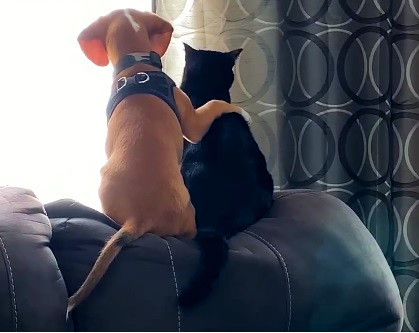
A kitten and his best friend, a puppy, are warming hearts with a video of them showing their love for each other.

Who says cats and dogs have to be enemies?

Bo, a 5-month-old Beagle puppy, drapes a paw around his best feline bud, 10-month-old Jasper, in this video showing that cats and dogs getting along is not a sign of the apocalypse, contrary to what Bill Murray said in Ghostbusters all those years ago.

Lisa Plummer of South Bend, Indiana is the pet mom to the adorable duo.

“Bo loves his cat siblings so much,” Plummer wrote, adding the little ones sometimes “drive me crazy with their constant chaos.”

“This sweet moment melted my heart,” she wrote, “and made me want to take back all the bad things I’ve said about them.”

Cat Food Is Loaded With Mystery Ingredients, Study Says

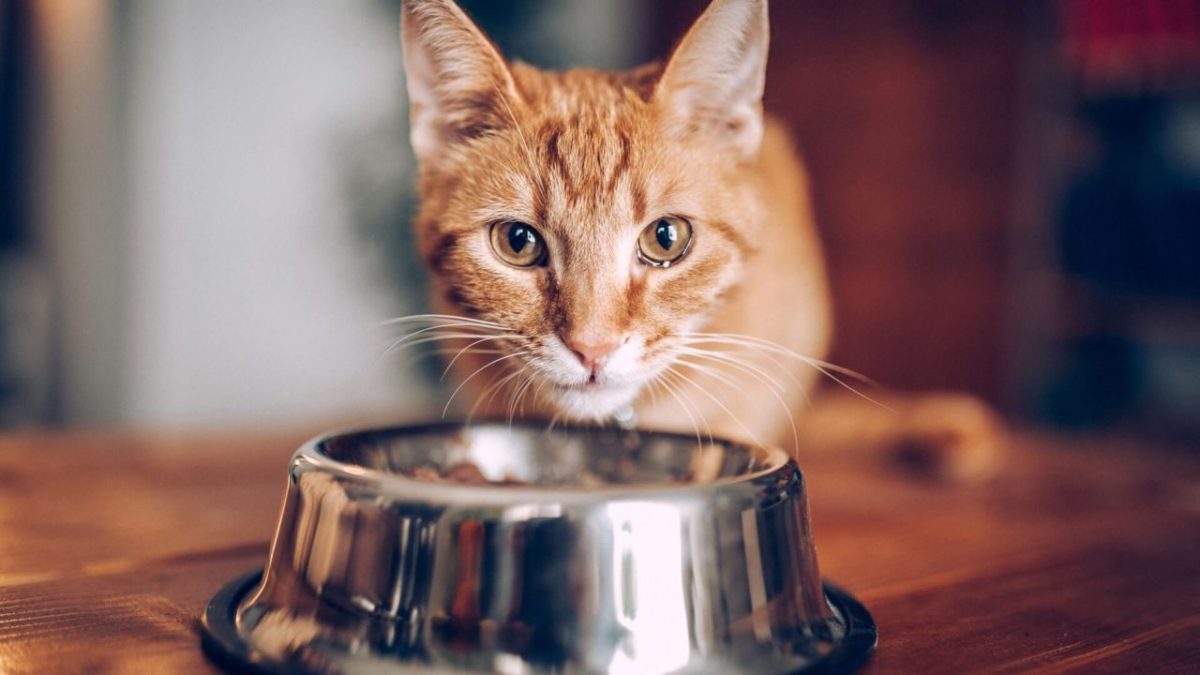
Ingredients can change without any indication on pet food packaging or acknowledgment from the companies that manufacture pet food, the study revealed.

We’ve all heard the oft-quoted factoid claiming domestic cats kill billions of birds and small animals every year, and unsurprisingly that number is contested and controversial.

One reason skeptics doubt those numbers is because researchers didn’t observe cat behavior and extrapolate the ecological impact — they handed out questionnaires to owners and asked them how often their cats brought dead animals home. To get accurate results, researchers have to be confident people are answering honestly and have reliable memories. It’s really not the best way to do a study.

So a team at North Carolina State University came up with a better way to measure cat predation on wildlife: They’d take hair samples from more than 400 cats, which would reveal how much of their diets consist of cat food versus prey.

Hair analysis can reveal different isotopes, so the team would be able to directly note each cat’s diet by distinguishing between pet food isotopes and those from prey animals. As the team explained:

A common way to understand the composition of animal diets is to collect samples of fur, nails, or blood from an animal and analyze its carbon and nitrogen isotopes. All organic materials contain isotopes of elements that get locked into body tissues, following the basic principle that you are what you eat. For example, the ratios of nitrogen isotopes present in carnivores are dependably distinct from those of plant eaters. Similarly, researchers can distinguish the types of plants that an animal eats by measuring the ratio of carbon isotopes.

It was a good idea, but the study was derailed by an unexpected discovery: No one knows what the heck is in pet food.

Cat food manufacturers fill their products with mystery ingredients, the team found, which means one bag of kibble or one can of wet food doesn’t have the same ingredients as the next, even if they’re the same flavor from the same company.

Cat Eating
Although they can meow in protest, our cats can’t tell us their food tastes different. (Source)

Additionally, pet food manufacturers can — and do — change what they put in their products without notifying customers or acknowledging the changes on the packaging.

As a result, the research team couldn’t identify which isotopes were from cat food and which ones were from hunted meals.

“We really thought this was going to be an ideal application of the isotope methodology,” said scientist Roland Kays, a co-author of the study. “Usually these studies are complicated by the variety of food a wild animal eats, but here we had the exact pet food people were giving their cats.”

That discovery essentially rendered the study useless for its original purpose, but like all good scientists, the North Carolina State team realized that failure reveals just as much as success, even if it’s not necessarily what you’re looking for.

They published their results in the journal PeerJ, explaining what they’d learned.

“This isn’t what we aimed to study, but it is important in as much as there are hundreds of millions of cats (perhaps more) on Earth,” said Rob Dunn, a professor in NC State’s Department of Applied Ecology and co-author of the study. “The diets of cats, dogs and domestic animals have enormous consequences for global sustainability, cat health and much else. But they are very non-transparent. In short, at the end of this study we are still ignorant about why some cats kill more wildlife than others, and we have also found we are ignorant about something else, the shifting dynamics of ‘Big Pet Food.'”

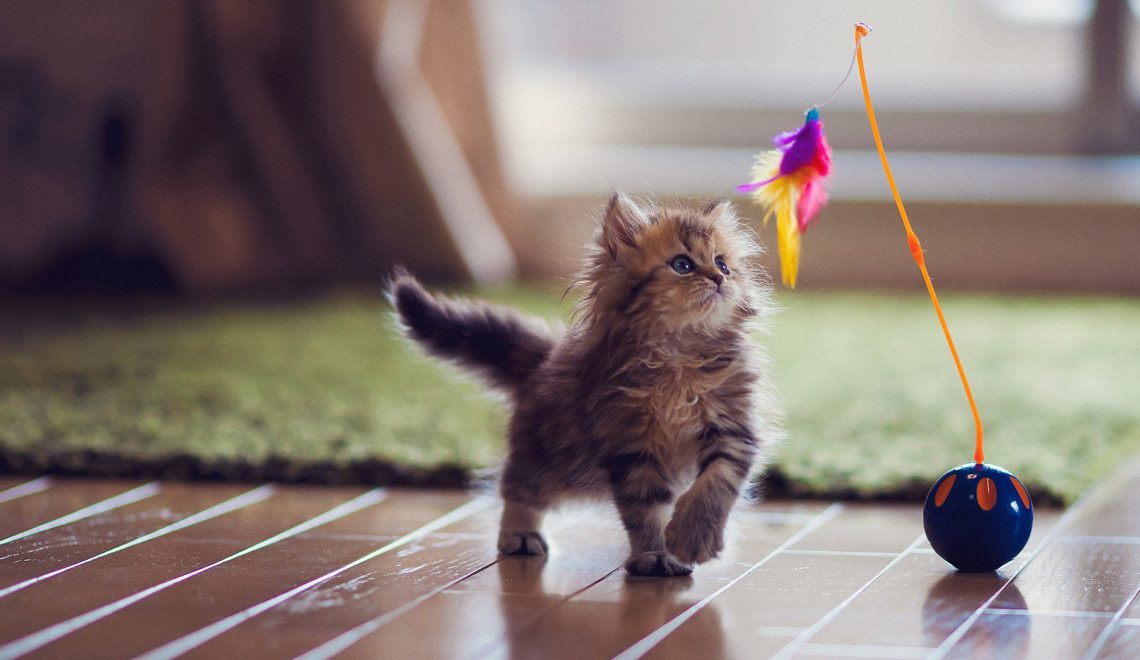
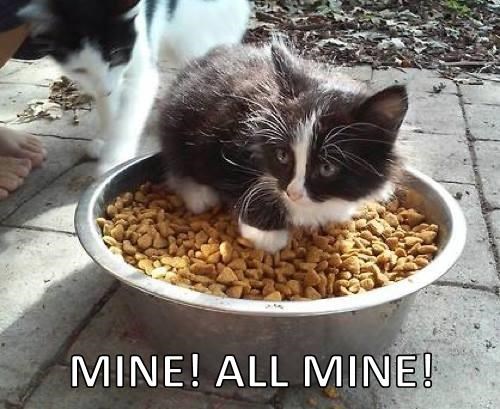
kitteneating
A happy kitten. (Source: ICanHazCheezburger)

As veterinarian Shawn Messonnier put it in an editorial for Pet Age, “the pet food industry remains shrouded in mystery about what’s really inside the pet food bag and how it’s created.”

Calling for more transparency in the manufacture and packaging of pet food, Messonnier pointed out ingredients can have a drastic effect on the health of our furry friends.

“For pet parents, a big leap of faith is required of them because unlike fresh human food, you can’t visually verify the ingredients used, their sources, freshness or the safeness of their handling,” he wrote. “Label language can be difficult to discern, too, so people rely mostly on the observations and opinions of friends and family they trust. Inevitably, people hope what goes in the bowl will translate into well-being and happiness for their dog or cat.”