Ruh Roh: As Pet Thefts Rise, Cops Advise Against Posting Photos Online

Pet thieves can find easy targets online as owners happily share photos and information about their furry family members.

With the violent abduction of Lady Gaga’s dogs grabbing headlines this week, police say “petnapping” is on the rise, and people who post photos of their furry friends online are making it easy for thieves to identify targets.

The West Hollywood abduction of Gaga’s pets — who have since been safely returned by an apparently uninvolved person — was particularly disturbing and dramatic, as the robbers shot dog-walker Ryan Fischer four times in the chest before making off with two of the singer’s three French bulldogs.

Thankfully Fischer is stable and expected to make a full recovery, according to his family.

But the incident wasn’t the only high-profile pet-napping case in recent weeks, with a man stealing a van full of daycare-bound dogs in Portland earlier this month and smaller-scale dog heists reported in the US and UK.

“We have two types of crime here. One is the opportunists where they see a dog on its own and they steal it,” Det. Supt Neil Austin of the National Police Chiefs’ Council told The Guardian. “And the other is the more organised element where they target breeders or people who are selling puppies online.”

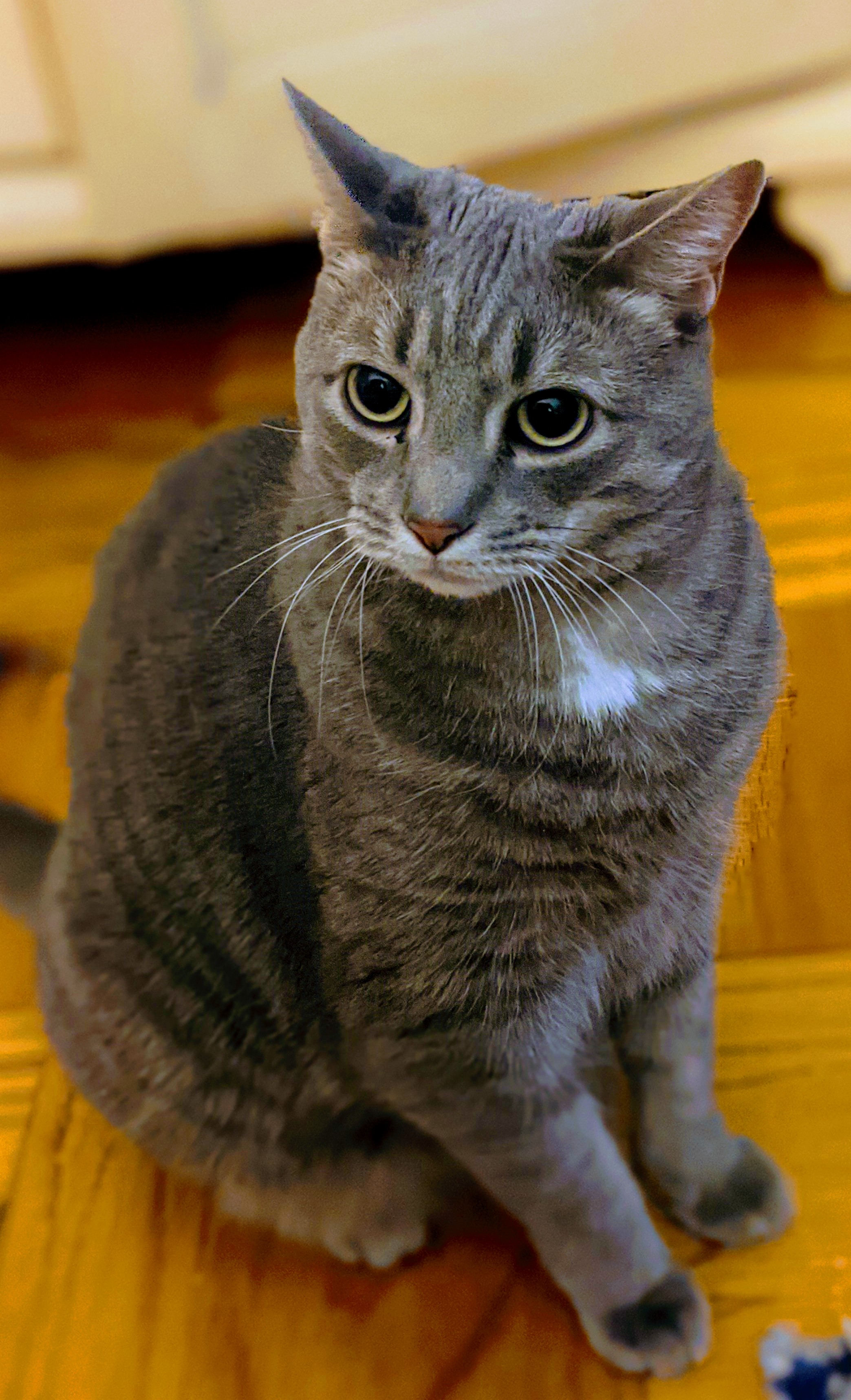
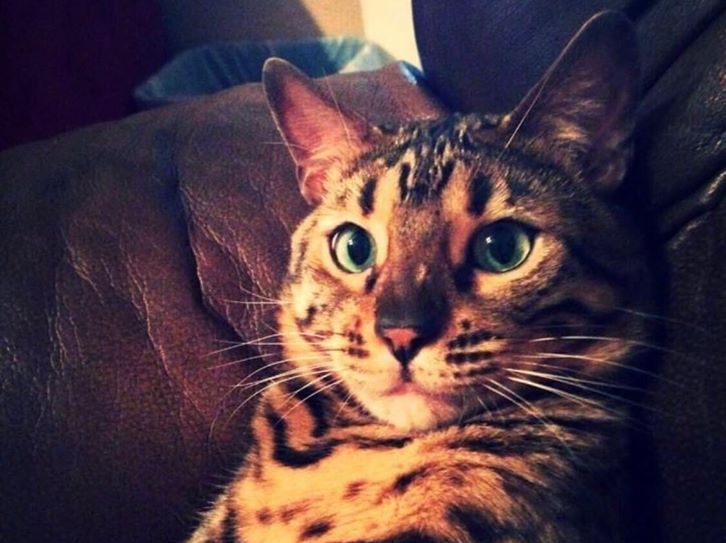
Mighty Buddy
Thieves have not targeted Buddy, probably because they’ve heard stories about how mighty he is and they’re scared of being disemboweled by his razor sharp claws.

With “designer” breeds and animals with unique looks commanding top dollar, pet theft has become a lucrative side hustle for criminals.

And with so many people posting photos of their pets online and creating social media accounts for their dogs and cats, it’s easy for thieves to identify four-legged targets.

“The advice I would give from a police perspective is be aware of social media,” Austin said. “People share pictures of their dogs and puppies on social media and very often haven’t got their privacy settings set correctly, and they use tags which obviously show where you live which is something to be aware of.”

While most cases that have made the news involve dogs, likely because they’re more vulnerable when their owners take them for walks, cats can become targets as well. Savannah cats often go for more than $10,000, while the ultra-rare Buddinese is priceless.

Which brings us to our next point, a crucial one. Buddy would like everyone to know he does not actually live in New York, and that his true location is a secret.

“I could be living in Rome,” the troublemaking tabby cat said. “I could be Luxembourgish. Maybe I live in Königreich Romkerhall or the Principality of Sealand. You just don’t know.”

“The one thing you can be certain of is I definitely don’t live in New York.”

Kingdom of Buddy
Maybe Buddy lives here.

Bomb Squad Opens ‘Suspicious Package,’ Finds Kittens Inside

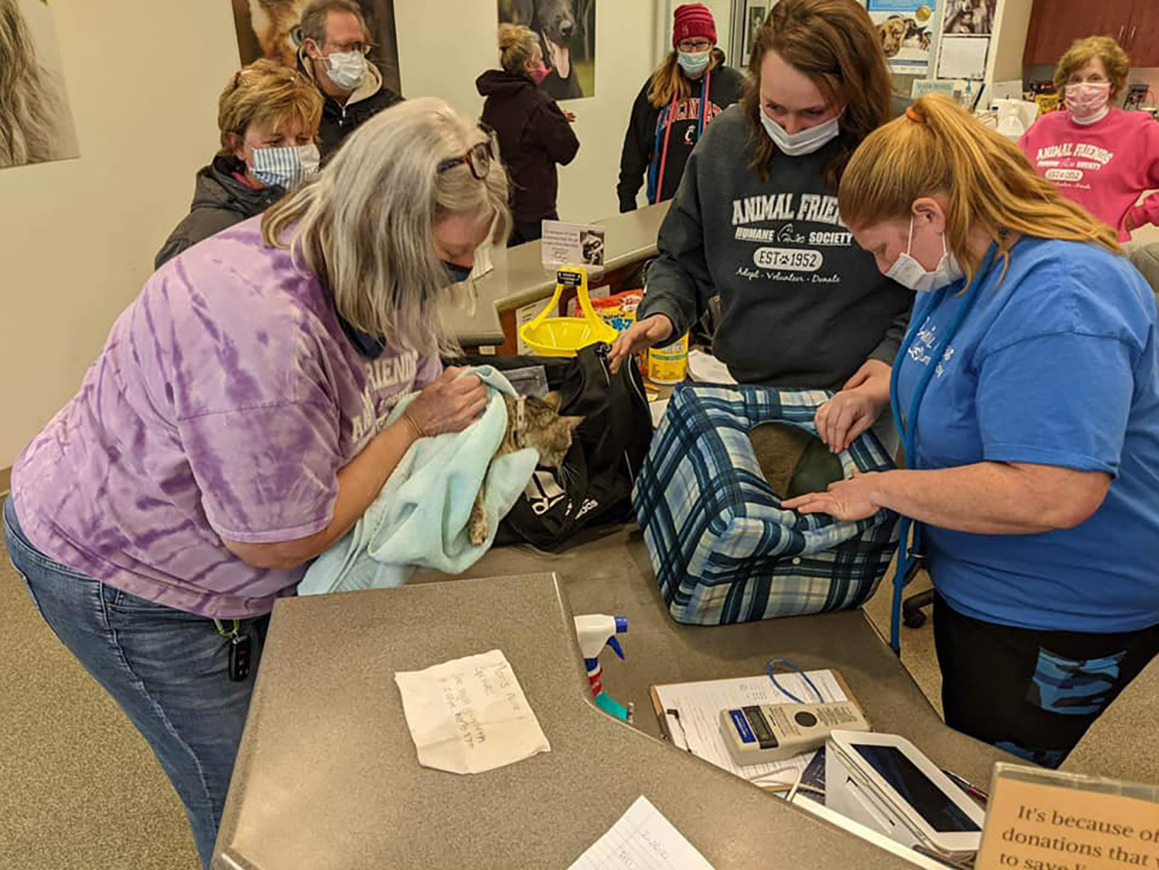
Police dispatched a bomb squad when a suspicious package was left outside an Ohio church on Feb. 17. Instead of an explosive, they found a mom and her newborn kittens.

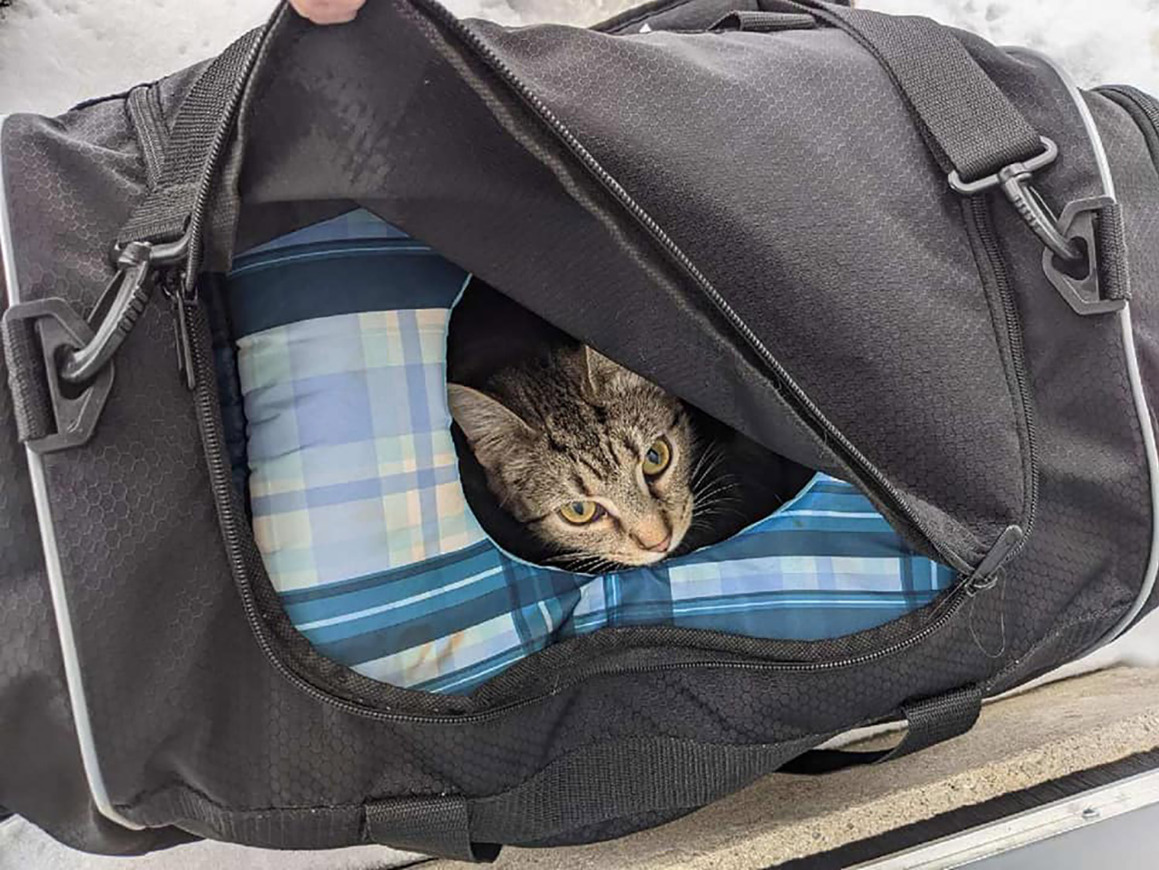
Authorities dispatched a bomb squad after they received a call about a suspicious package left outside an Ohio church on Wednesday, but instead of a ticking counter the explosives experts heard another rhythmic sound — a female cat purring to keep her babies calm.

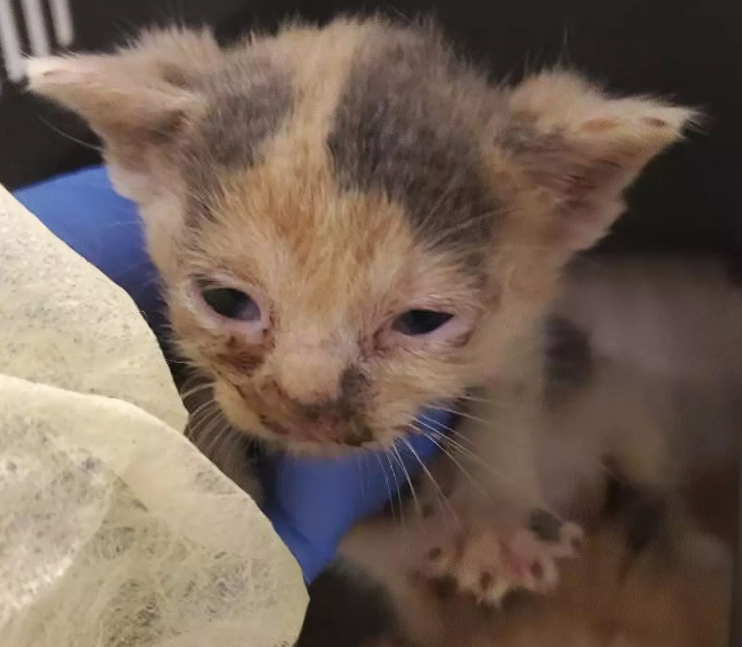
After confirming via x-ray that the bag contained cats and not a catastrophe, deputies from the Butler County Sheriff’s Office contacted Animal Friends Humane Society and put the mom and her kittens in the care of the shelter staff.

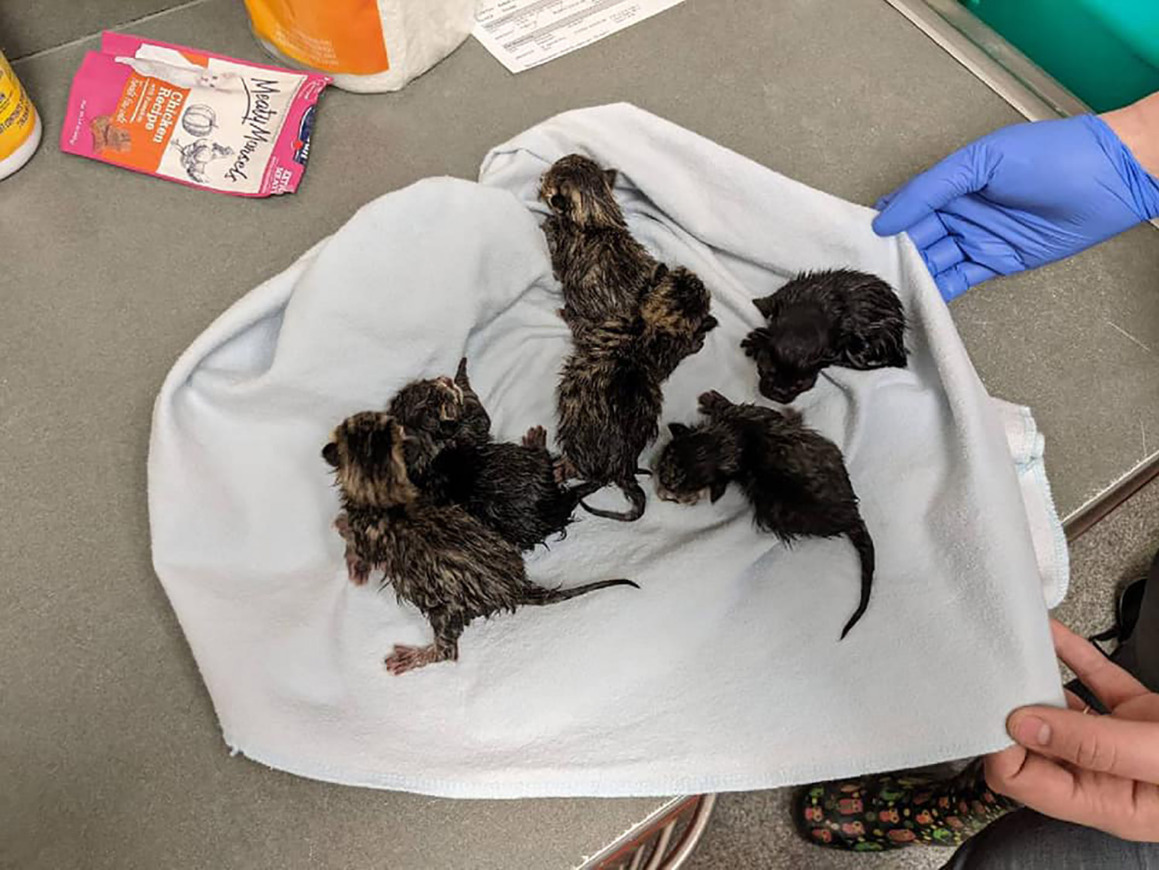
Kittens found abandoned in bag
Six day-old kittens were found inside the bag along with their mother, whose constant purring kept her babies calm. Credit: Animal Friends Humane Society

A note provided some information, but didn’t say why the writer abandoned the cat and kittens.

“The note inside the bag said the mom’s name was Sprinkles, and she began giving birth at 2:00 pm on Wednesday,” Animal Friends Humane Society staff wrote on Facebook. “Sprinkles and her newborns were immediately brought to Animal Friends for care late Thursday afternoon. They were all soaked in mom’s urine and needed gentle baths when they arrived. Sprinkles, purring throughout it all, received her vaccines and blood test and appears to be in good health. She’s doing a fantastic job nursing and caring for her babies.”

Sprinkles and her little ones were transferred to a foster home, where they’ll remain while the kittens grow.

“Last year, we provided care to over 1,300 at-risk kittens,” shelter staff wrote in their post. “This was only possible thanks to support from our community.

“Volunteer foster families take on the burden of caring for orphaned kittens in their home until they’re ready to be adopted. Many of them getting up every 2 hours in the middle of the night for feedings. All needed supplies and medical costs are offered for free to these foster families, and this is thanks to our generous donors who give monetary donations or donate supplies from our wish lists.”

Animal Friends: Mom and Kittens Found Inside Bag
Volunteers remove Sprinkles the cat and her kittens from the bag in which they were found on Feb. 17. Credit: Animal Friends Humane Society

If you’d like to help the busy shelter and cats like Sprinkles, you can donate directly to Animal Friends here or purchase supplies for the non-profit via its Chewy wish list. The shelter needs cat food, litter, wipes, collars and treats, among other essentials for the animals they care for.

Cat’s Brutal Murder May Be A Hate Crime, Police Say

The cat belonged to a police officer, which may be why he was targeted.

After Josie Saltarelli’s cat, Capone, went missing for a few days, it was her 13-year-old daughter who found him — directly across from the family’s driveway and cleaved neatly in two, as if to send a message.

“I don’t know how anyone could do that to an animal,” Saltarelli told a local TV news channel in Oklahoma. “The last image we have of him is cut in half and gutted. My 13-year-old daughter had to see that and that is our memory of him, and it’s awful.”

Capone had been with the family his entire life, for nine years, and was well-loved, his family and neighbors told local media. He was found on Aug. 20.

Police and a local veterinarian have ruled out another animal, due to the precision of Capone’s wounds and the fact that the cat was placed in front of their home.

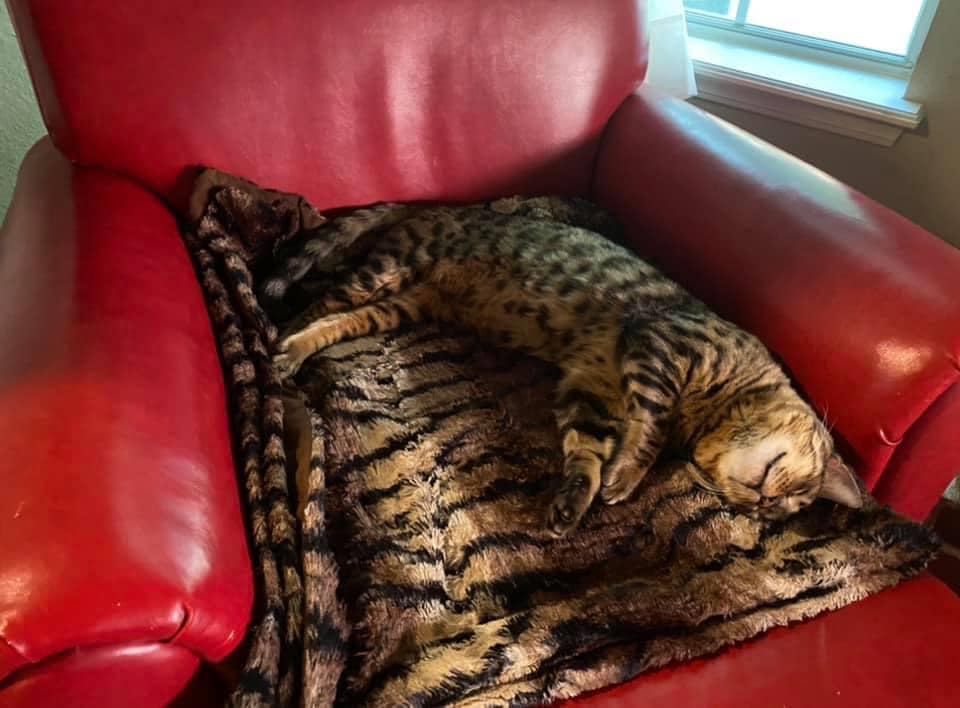
capone2
Capone in his family’s home.

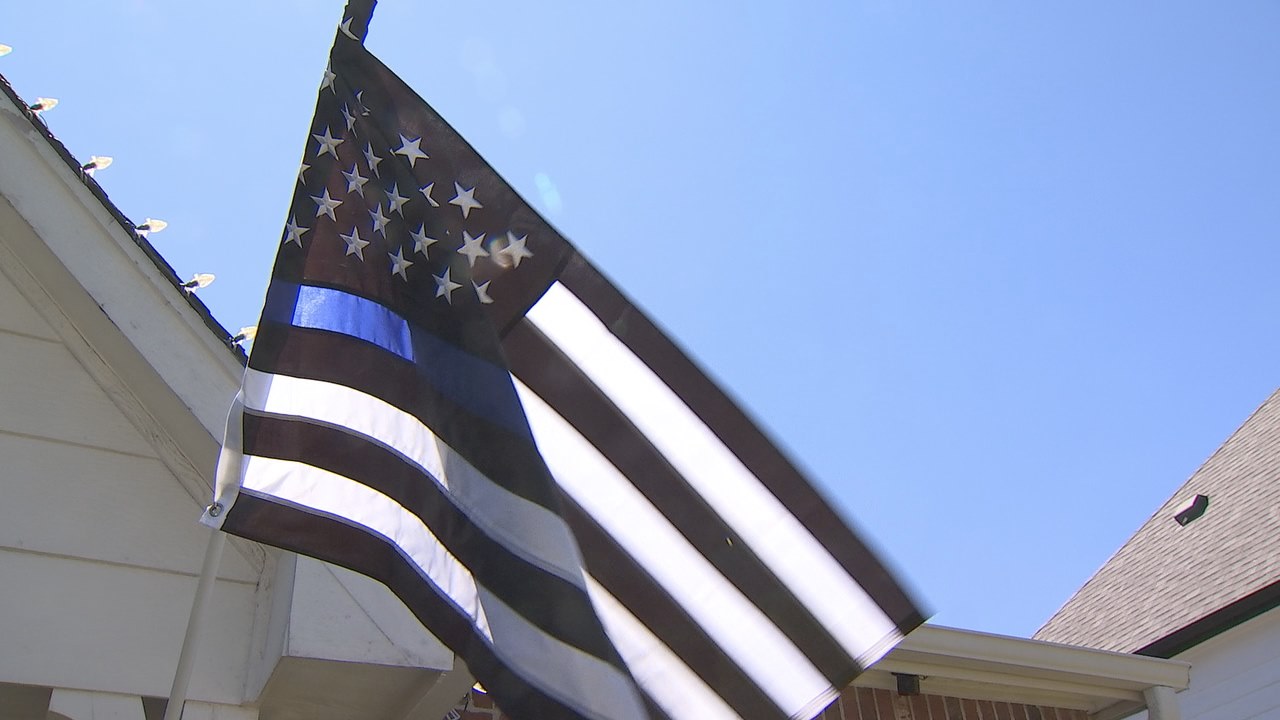
Now there’s a $2,500 reward for information leading to the arrest, and police in Tulsa are treating the killing as a hate crime. They suspect the cat was killed because Saltarelli’s boyfriend is a police officer, and the family flies a “Thin Blue Line” flag in front of their home as a message of support for law enforcement. Like officers in many smaller jurisdictions, Saltarelli’s boyfriend also drives his patrol car home and parks it in his driveway.

“For that reason, investigators believe someone could be targeting the officer and his family,” the Tulsa Police Department wrote in a press release about the case.

The Oklahoma Alliance for Animals is offering a $2,500 reward for information leading to the arrest and conviction of the person responsible for killing Capone.

“It is well documented and proven that violence and abuse against animals leads to other major crimes,” the group wrote in a Facebook post about the killing, “including violence against children and elders. We need to find the person who did this.”

thinblueline
The pro-law enforcement flag in front of the family’s Tulsa home.


Cats Suffer From Human Mental Illness Too

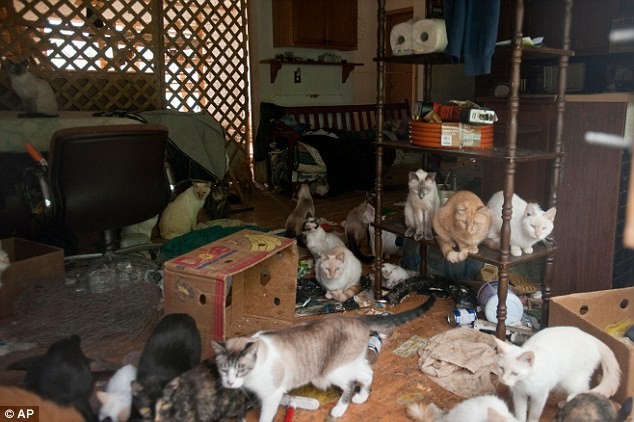
Hoarding conditions mean misery and death for the unfortunate cats involved.

Having Google alerts set up for cat-related new can yield some pretty awesome and unique stories as fodder for this blog, but it can also be seriously depressing, with story after story about cats getting shot with arrows, pellets and bullets, cats poisoned with antifreeze, cats abused for online fame and even cats killed by psychotic ex-boyfriends or girlfriends.

There are, unfortunately, plenty of hoarding stories as well, and they’re a reminder that cats don’t just suffer physical abuse at the hands of humans, they suffer mental abuse and neglect by mentally ill people.

That’s the case in Park Township, Michigan, where authorities acting on a tip found more than 150 cats living in “deplorable conditions”. Even protective gear couldn’t entirely filter the smell inside the home, animal control officers said.

The town declared the house unfit for human habitation and the local animal authority, St. Joseph County Animal Control, needed help from nearby animal shelters and rescues to confiscate the cats, who will be given veterinary care and rehabbed before they’re offered for adoption.

The raid was “by far” the “biggest animal seizure we’ve done,” animal control supervisor Greg Musser told the local NBC affiliate.

The cats range in age from newborn kittens to adults. Two cats were euthanized. Taking in more than 150 cats is no small task, and the shelter is asking for help with cat/kitten food, litter and other supplies.

“We have been working tirelessly to take care of all these cats on top of the normal business,” the shelter’s Facebook page reads. “We are doing our best to answer the phone and return messages. We are in need of wet and dry kitten food, litter, pee pads, laundry detergent and bleach. We are also in need of gently used baby blankets.”

In an updated story, authorities in a nearby town found similar hoarding conditions in a second property owned by the same woman, who moved some of the cats between them after a natural gas leak at the first home.

Screenshot_2020-08-12 150 cats rescued from Toronto home

While the number of cats is unusual, the story is not: Rescuers confiscated 50 cats and 30 raccoons from a home in Ohio on Aug. 6, following the rescue of 97 cats from another Ohio home two weeks earlier. Less than two weeks ago, the SPCA pulled more than 30 dog and cats from a Pennsylvania home in which the inside temperature exceeded 100 degrees. Authorities found 150 cats in a Toronto home last month, including several kittens who were in seriously bad shape.

Those are just a sampling pulled from the first few results on Google News. Doubtless a lot of these people mean well when they start taking in cats, and the behavior is the result of untreated mental illness. But what can be done to protect cats from these situations?

Featured image credit Chamber of Hoarders. It depicts another hoarding situation, similar to the Michigan case.

‘The Beast of Billionaire’s Row’: Wealthy Londoners Have Little Patience For Abandoned Cat

They’re behaving as if a tiger is loose in their neighborhood, despite police concluding the domestic cat isn’t a threat.

The saga continues in the case of the big Savannah who was mistaken for a leopard or cheetah in London earlier this week.

The hybrid cat — whose appearance prompted a massive police response that included helicopters and heavily armed squads — has been stalking the gardens of an opulent London burb for months, neighbors claim.

The British press dubbed the Savannah “The Beast of Billionaire’s Row” after it popped into a back garden in the upscale neighborhood of Hampstead on Monday, scaring a mom and daughter who were eating dinner outside.

They called the police to report a large wildcat, and authorities responded in force before realizing the mysterious felid was a Savannah, a cross between a Serval and a domestic cat. A wildlife expert confirmed the cat wasn’t dangerous and police stood down, leaving the cat to its own devices.

And that’s exactly the problem, homeowners in the neighborhood told UK newspapers: They say the rare feline has been wandering the area for eight months, and believe it was abandoned by its owner or escaped from its home.

“Anyone saying it’s a recent escape is talking absolute rubbish,” said Kate Blackmore of Highgate, an adjacent neighborhood less than a mile from Monday’s sighting.

B5FB469B-6394-4781-8785-1C0DEC36BD04
The cat was scared during an encounter with a woman in her backyard. Credit: Kate Blackmore

Blackmore told the Daily Mail she’s seen the cat in her yard 10 times over the months, and shot video of the hybrid in September when it crossed her yard.

“Look at you, you’re massive. Wow! Where do you come from?” Blackmore says in the video. “What’s with the growling, mate?”

The cat looks underfed and scared, making unmistakably nervous noises as the camera rolls. At one point Blackmore raises her voice and the cat flashes its teeth in response, hissing anxiously.

Blackmore told the Daily Mail she thinks the large hybrid may have chased one of her cats, who turned up dead in a nearby road last year, but admits it’s speculation. That hasn’t stopped the Mail from reporting the Savannah “has savaged a kitten” with nothing but Blackmore’s word to go on.

Blackmore told the Daily Mail she’s “really passionate about rehoming this cat,” which contradicts statements she gave to the Sun and other newspapers, in which she seems determined to blame the scared ex-pet. She’s the sole source for several irresponsibly speculative articles claiming the Savannah has been eating pets in the neighborhood.

“We have had ten visits from the Savannah. It scared one kitten away and eight weeks later it was found dead,” Karen Kate Blackmore told the Sun. “So you can understand my rage towards the cat — it could be killing other people’s pets.”

Blackmore’s crusade against the Savannah seems especially odd considering she has two Bengal cats, which are also hybrids. Bengals are a mix of domestic felines and Asian leopard cats(*). Like Savannahs they’re sold for thousands of dollars, valued for the wild-looking rosettes on their coats, and can wreak havoc if they’re not provided with enough attention and stimulation.

blackmore
Kate Blackmore with one of her Bengal cats.


F2872079-4ABF-4D6A-9D1F-66695CD11D31
The Savannah at a local park, where it cozied up to a family. Credit: Laura Rosefield.

Other neighbors say they’ve encountered the animal and haven’t seen any signs of aggression. Laura Rosefield, who lives nearby, told the Sun she interacted with the cat in a neighborhood park, calling it “very tame.”

“I suddenly went ‘Oh my god what is that?’ and we saw the cat and said ‘It’s a leopard, it’s a mini leopard,’” Rosefield said.

She said the “shockingly beautiful” hybrid even sat with her family and was comfortable around people.

“We were ohh-ing and ahh-ing, and it padded around us for quite a long time, it padded over my foot for quite a long time,” she said. “My partner stroked it and it purred along while he was stroking it.”

EFD54B2A-C236-4F59-8BB6-702BE1AE05BD
Credit: Laura Rosefield

Looking at the cat’s condition and body language in the video, it doesn’t seem like a well-loved pet out for a fun stroll near its home — it looks like a sad, confused and abandoned former pet.

Savannah cats retain the energy and intelligence of their wild cousins and are similar to working dogs in that they need near-constant stimulation and socialization. If their needs aren’t met they can become bored, destructive and could escape to make their own adventures.

First-generation hybrids, known as F1 Savannahs, are considered too wild to be kept as pets and are used as breeders. Typically pet Savannahs are third- or fourth-generation (F3 or F4), retaining the rosette-and-dot coat pattern of their wild forebears and most of their size, but with dispositions more like typical house cats.

The animals can fetch up to $20,000 in the US, with F1s commanding the highest prices. Unlike the US, where many caretakers keep their cats indoors for their safety, it’s common for owners in the UK to allow their cats to wander outside.

CORRECTION: An earlier version of this post misstated the origins of the Bengal breed. Bengals are hybrids of the domestic cat, felis catus, and the Asian leopard cat, Prionailurus bengalensis. Thanks to reader M.A. for pointing out the error.