A British man killed this weekend by a zoo tiger was mentally “vulnerable” and behaved bizarrely before and during his grisly encounter, police and witnesses said.
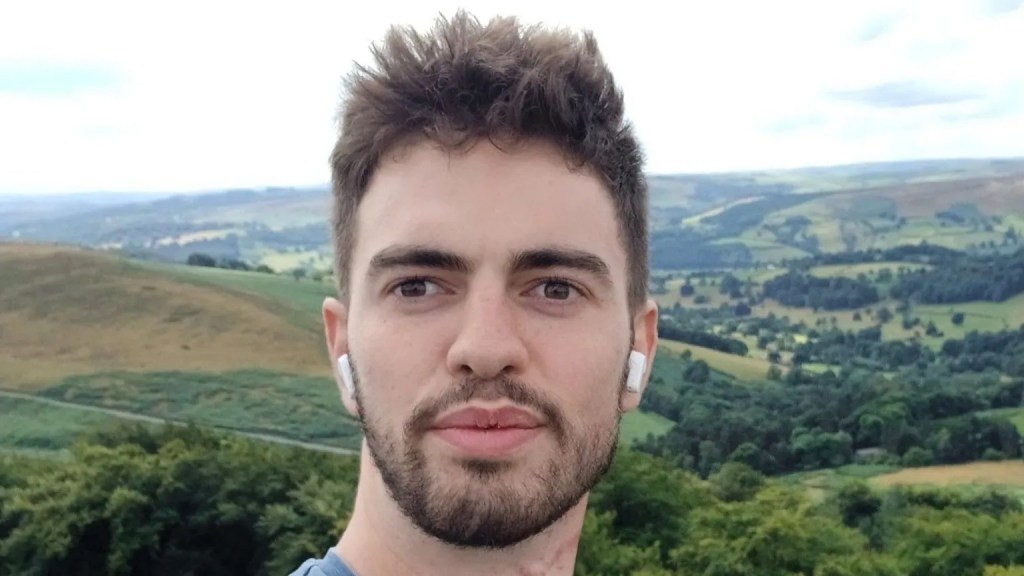
William Chapman, described in media reports as “in his early 20s,” was seen laughing and dancing before he hopped the barriers separating guests at Yorkshire Wildlife Park from its Land of the Tigers exhibit.
Chapman suffered from “significant mental illness,” his family wrote in a statement.
In audio captured a few minutes before Chapman’s 1:30 pm death on Oct. 10, the late Briton handed his smartphone to another visitor and asked the woman to take photos of him with the tiger in the background.
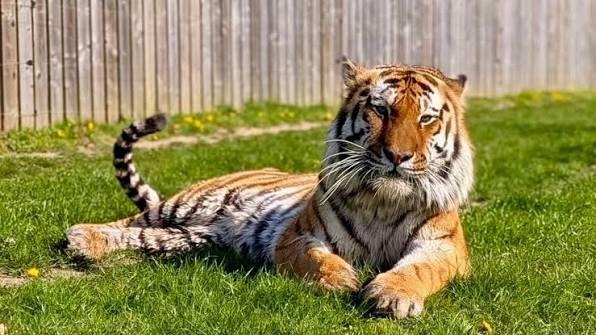
“Thank you, lady,” he’s heard saying on the recording before he climbed the barriers in front of horrified guests and dropped into the enclosure housing Altai, an Amur tiger who just turned five years old about two weeks ago.
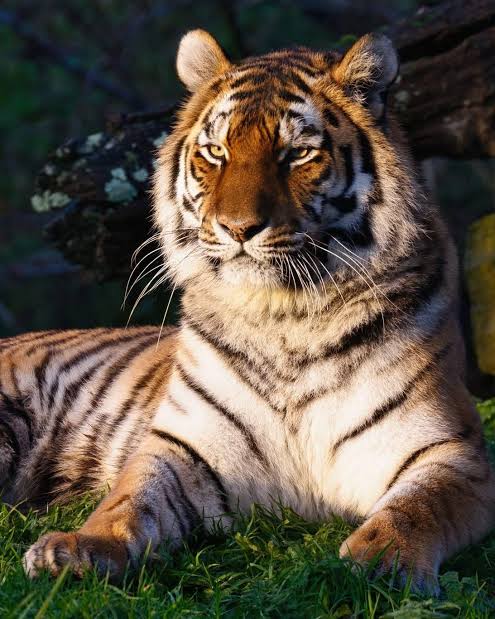
The encounter took an even stranger turn from there as Chapman, who was live-streaming to Instagram, seemed to welcome Altai. The curious big cat hopped down from a wooden platform where he’d been soaking up the sun and padded unhurriedly toward Chapman, who spread his arms theatrically.
“It looked like a performance,” bystander Anthony Hunt said. “He got down where everyone could see him in the main viewing area. He was on all fours, praying and bowing down to the tiger. It was like he was waiting for the tiger.”
Still images show Altai standing in a confused, non-aggressive posture, with telltale “helicopter ears” indicating curiosity and hesitation about how to respond.
Chapman’s behavior didn’t fit Altai’s cognitive script.
The tiger’s hardwired instincts told him incursions from other members of his species are threats. His experiences in captivity told him humans are caretakers who show up at predictable times as part of a daily routine to feed him, repair his enclosure or introduce enrichment items. This was something entirely new.
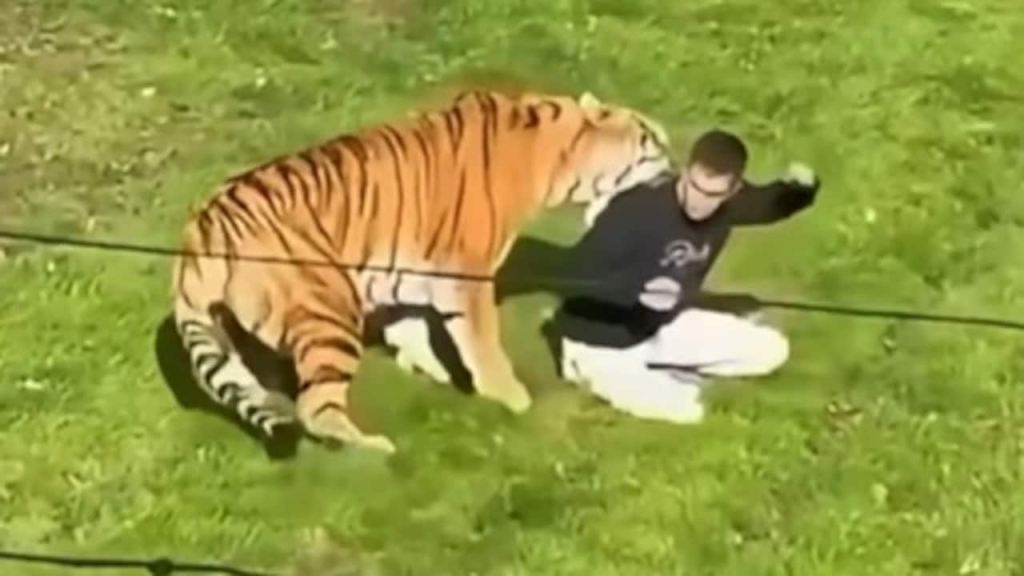
While I’ve learned my lesson when it comes to watching video of things I can’t unsee and have no desire to watch footage of a man’s life ending in a violent mauling, I did watch short clips of the preceding moments. They were compiled from recordings by bystanders and Chapman’s own feed.
The moment the situation changed was unambiguous, and you can see exactly when Altai became overstimulated and his predatory drive kicked in: Chapman dropped to all fours, reducing his physical profile until he resembled prey, and the panicked screams from the crowd of onlookers pushed Altai into overstimulation and hypervigilance.
He knew the encounter had taken a turn, and that’s when he took his first few exploratory swipes, still pulling his punches as he tried to figure out what was happening.
Chapman responded by assuming a defensive posture, raising a finger to the big cat while shouting “No! No!” and chiding him for being “naughty.” To the tiger, Chapman confirmed he was prey.
At the same time the screams from above grew louder. Altai’s predatory instincts were fully engaged, and according to reports that’s when he mauled Chapman and delivered a kill bite to the UK man’s neck.
Zookeepers who rushed to the scene fired warning shots, sending Altai scurrying for the safety of his den. A medical airlift helicopter arrived a few minutes later, but by then it was too late. Chapman had bled out and was pronounced dead at the scene.
Authorities erected screens to conceal the carnage as staff closed the zoo. Footage of guests leaving showed bystanders in shock, discussing what they’d just witnessed as they shuffled through the exit.
One woman, a mother who tried to stop Chapman from leaping, was particularly disturbed. She did not speak to reporters.
Chapman “looked like he was taking selfies” after dropping into the habitat, 21-year-old Scarlet Hogan told The Telegraph.
“Up until he got attacked, it was like he was in a trance, not in reality at all,” Hogan said.
“He had arms wide open ready for the tiger to attack him. It was quite bad. We were just stood there, frozen… the last thing we saw was the tiger’s jaw on his neck.”

Chapman, who had traveled from nearby Doncaster to the zoo, was an actor who had roles in productions by the BBC and ITV.
“The man who I saw on the bridge with his AirPods in, dancing, was happily enjoying seeing the tiger,” witness Marie Miller said.
Park staff said Altai, whose subspecies is critically endangered, will not be euthanized, and witnesses who spoke to the BBC said staff promptly took control and shut the park down.
Neither the zoo nor the tiger were at fault, said the University of Reading’s Campbell Murn, a former member of the UK government’s Zoo Experts Committee.
“I view it in the same way a determined thief will get into somebody’s house or somebody’s car,” Murn said, “and despite the best security systems and enclosures sometimes these things happen.”