The Massachusetts law is a significant victory in the quest for a national ban on the cruel procedure, which involves amputating cat toes at the first knuckle
There’s good news today from Massachusetts, which just joined New York and Maryland in banning cat declawing.
The bill, signed Friday by Massachusetts Gov. Maura Healey, prohibits all declawing surgery except for rare circumstances when it’s medically necessary, like cancer in the nail bed.
Veterinarians who violate the law face fines up to $2,500 and professional discipline if they continue the practice.
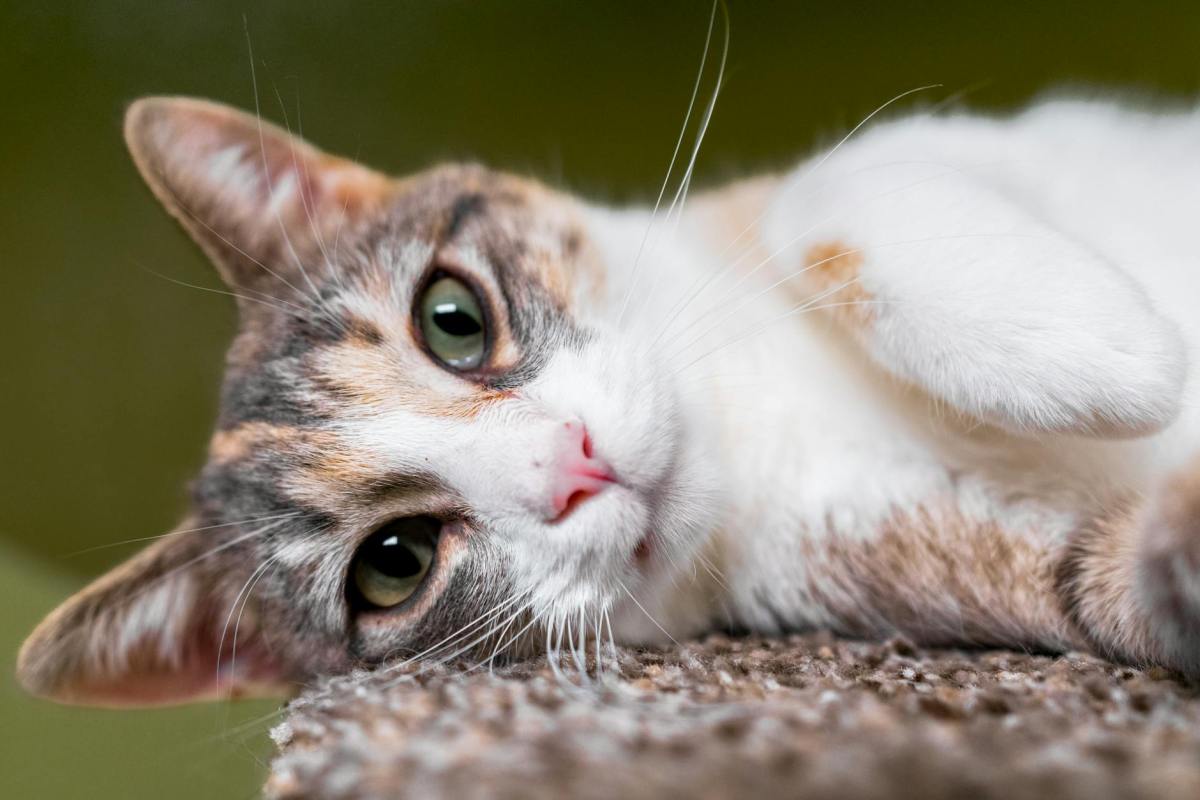
Despite its name, declawing is the partial amputation of cat toes, equivalent to cutting off human fingertips at the last knuckle.
Photo credit: Alex Ozerov-Meyer/Pexels
Declawing changes a cat’s gait, causing the animal pain when it walks, and usually leads to early arthritis. It causes cats to stop using their litter boxes, because the act of standing on and shoveling litter becomes painful for them.
Last but not least, it has a profound psychological impact on felines, making them vulnerable by taking away their primary form of defense. Consequently, cats who are declawed are much more likely to bite than those with intact claws.
Most of all, declawing is cruel and inflicts a lifetime of pain on innocent animals, punishing them for doing what cats naturally do.
Aside from New York, Maryland and Massachusetts, a few dozen cities and counties have banned the procedure, ranging from places like St. Louis, Missouri, to Austin, Texas, and eight cities in California, including Los Angeles and San Francisco.
“If you feed your pet contaminated raw meat or milk, they will likely die. I’m not exaggerating, just giving it to you straight,” one infectious disease specialist warned.
In more disconcerting news from the bird flu front, a new study warns of exceptionally high mortality rates for cats who are infected with the virus.
That applies to all species of cats, from the true big cats in the panthera genus — tigers, lions, jaguars and leopards — to felines, a broad group that includes domestic cats, lynx, cheetahs, pumas, ocelots, servals, jaguarundis and others.
“We don’t know if the cats are more susceptible than anybody else,” the American Veterinary Medical Association’s Michael Bailey told USA Today. “It’s just the fact they’re exposed to higher viral burdens because of where they go.”
Whether cats are more susceptible is up for debate, but one SPCA chapter said felids of all species are “uniquely vulnerable” to avian influenza because there are so many ways it can be transmitted to them by doing nothing more than what they typically do.
The @SeattleTimes reported on the first 2 cases of Avian bird flu that’s killed 2 wild #cougars in Washington, as discovered by Panthera #Puma Program and Washington Department of Fish & Wildlife. Learn more from Puma Program Director Dr. Mark Elbroch: https://t.co/feOcHnPpWTpic.twitter.com/v2nrM1jDOC
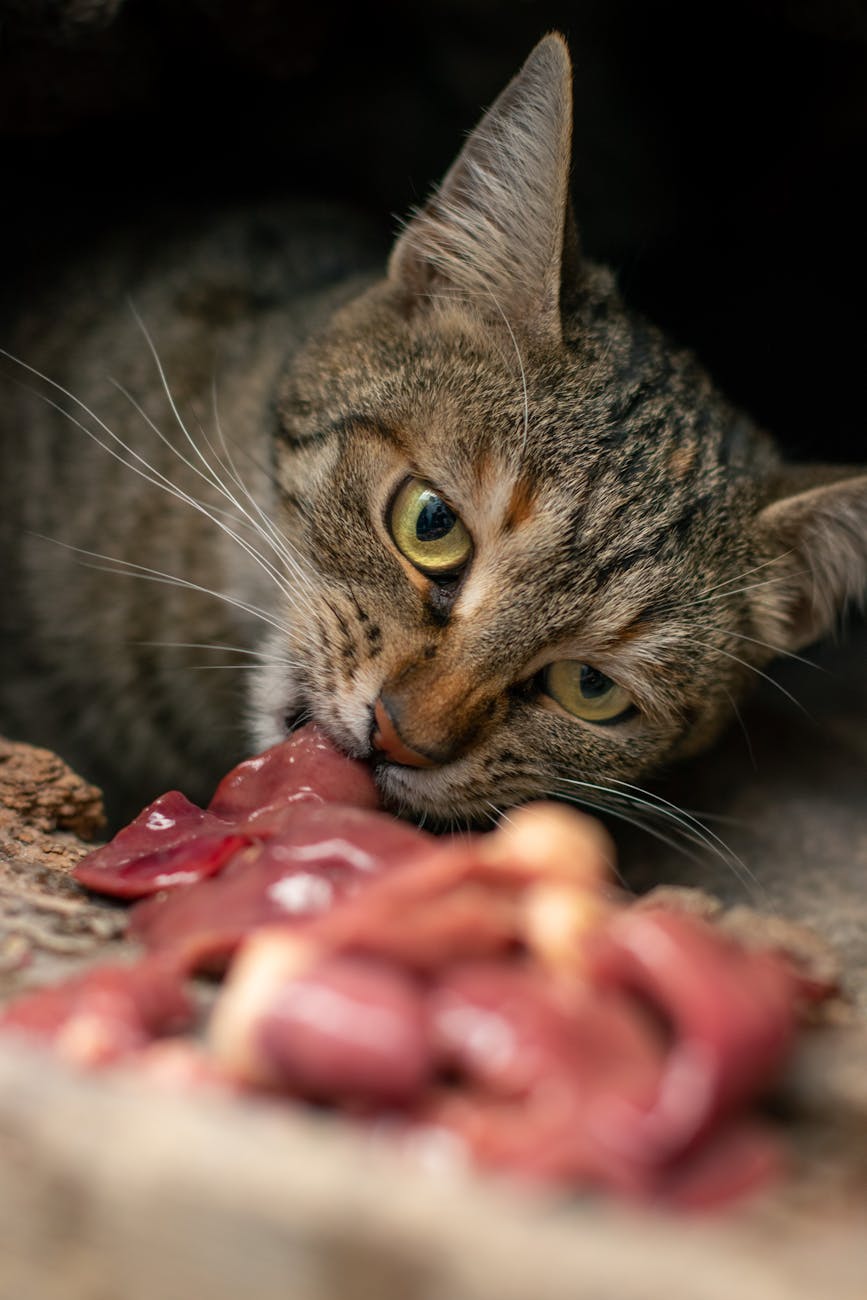
Cats can be infected by catching and eating birds and mice, drinking raw milk, eating raw meat (including commercial raw pet food), and exposure to infected animals, including cows.
In Washington state, two wild pumas died after contracting the virus from prey, a development Panthera puma director Mark Elbroch called “troubling.”
“It certainly raises eyebrows and makes one wonder: is it indicative of a bigger pattern out of sight?” Elbroch asked, noting pumas are at the top of the food chain in the Pacific northwest.
To date, as many as 900 cattle herds across the US have tested positive for bird flu, according to the US Department of Agriculture, while two thirds of California’s dairy farms — 660 out of 984 — had confirmed cases as of Dec. 26.
Bird flu was the confirmed cause of death in a house cat from Washington who died after eating Northwest Naturals commercial raw food, which has since been recalled. Three house cats in Texas succumbed to the virus, which they possibly contracted from hunting mice. The bird flu was also responsible for the deaths of two domestic cats in California who drank raw milk, and 20 of 37 wild cats — including a tiger, several pumas, bobcats and a Geoffroy’s cat (pictured at left) — at the Wild Felid Advocacy Center, a sanctuary in Washington.
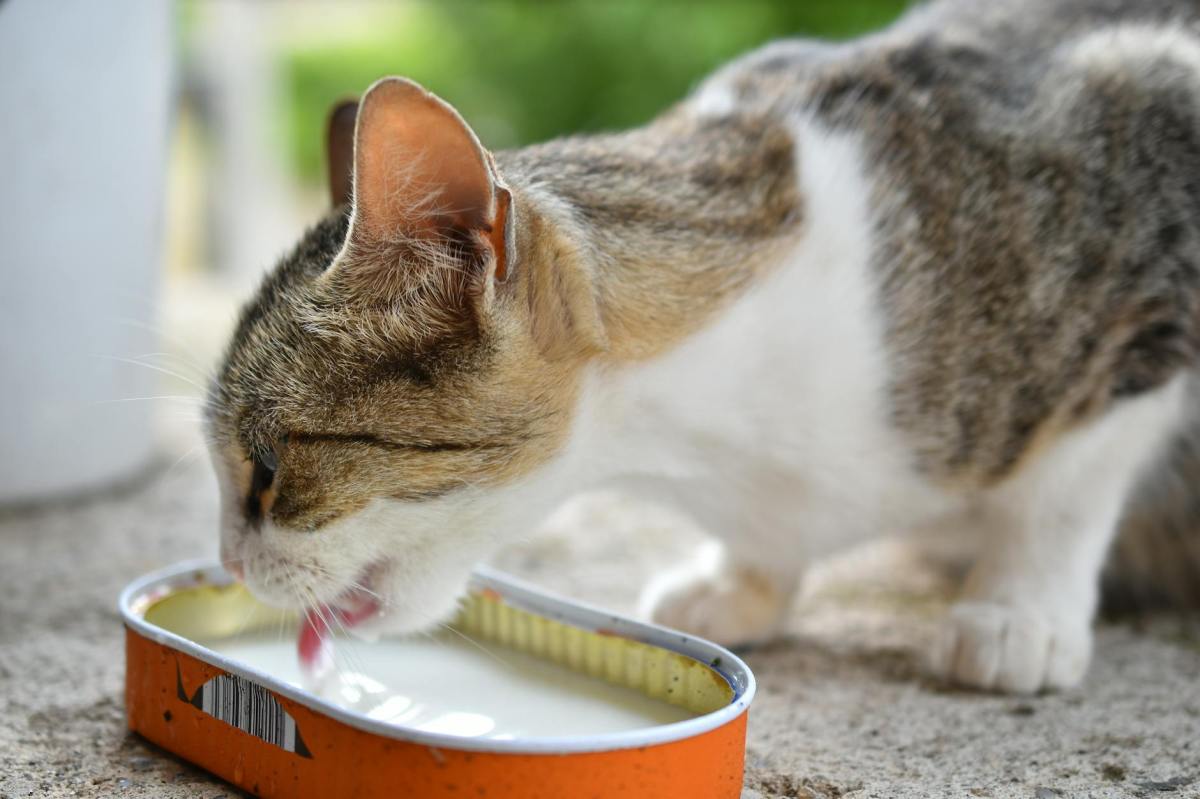
Contrary to popular belief, cats are typically lactose intolerant. Credit: DHG Photography/Pexels
Veterinarians are warning people to keep their cats indoors and to avoid raw meat diets, which have become more popular in recent years. Cats should not be given cow’s milk anyway, since most are lactose intolerant. As a general rule, kittens should consume milk from their mothers or kitten-specific formula, but should not be given milk from any other source.
“If you feed your pet contaminated raw meat or milk, they will likely die. I’m not exaggerating, just giving it to you straight,” tweeted Dr. Kristen Coleman, an assistant professor at the University of Maryland’s School of Public Health.
While the west coast accounts for the majority of confirmed bird flu infections, the virus continues to spread. A map from the Centers for Disease Control shows where infections have been verified as of late December:
Credit: Centers for Disease Control
Unfortunately, the bird flu outbreak comes on the heels of a heavily politicized pandemic and a major loss in trust in American institutions like the CDC after efforts to obscure the origins of SARS-CoV2, the virus that causes COVID-19.
It’s not clear if the fallout will make Americans less likely to heed warnings about bird flu and other potential viruses, but animal welfare groups and virologists say people can keep their cats safe with a handful of common-sense steps.
So far there are no cases of cats infecting humans, but a new study published Tuesday warns the virus easily mutates in infected felines.
Health officials have identified at least five cases of domestic cats infected with H5 bird flu in California, and they’re warning of multiple vectors of transmission now that both outdoor and indoor cats have been infected.
Two cats were infected after drinking raw milk from a dairy farm in Fresno, California, according to the Los Angeles Department of Public Health. That’s also how a dozen barn cats died in April after drinking raw milk from infected cows on a Texas dairy farm, the CDC said.
But three other cats who tested positive for bird flu were indoor-only, lived in the same home, and did not consume raw milk, authorities said. They’re looking into the possibility that the felines were infected through raw meat or by hunting mice.
So now it’s not only confirmed that cats are vulnerable to highly pathogenic avian influenza, or HPAI H5N1, but that they can be infected in different ways.
To be clear, it’s not a cause for panic and it doesn’t mean people should isolate from their cats, but it does mean we should be smart and considerate when it comes to protecting our pets and reducing the possibility that they can be infected.
Because millions of felines live with humans, the fear is that they can pass the virus onto us. So far there have been no confirmed cases, but a study published on Tuesday confirmed that the virus can easily mutate in cats. That means the more domestic cats are infected, the greater chance the virus mutates in a way that allows it to “bridge” to humans.
At least two people — one in Wisconsin and one in Louisiana — have tested positive for the virus and were hospitalized this week. One worked on a farm and the other may have consumed raw milk. In the meantime, health officials are monitoring the people whose three cats were infected, and they’re urging people to take precautions.
“To avoid the spread of disease, including H5 bird flu, we strongly encourage residents and their pets to avoid raw dairy and undercooked meat products, limit contact with sick or dead animals, report sick or dead birds, and keep pets or poultry away from wild animals and birds,” said Dr. Barbara Ferrer, director of the Los Angeles County Department of Public Health.
The felines were found deceased near open tins of tuna, and laboratory tests confirmed they’d been poisoned.
In early October, a woman who helps manage a colony of stray cats in South Carolina’s Lowcountry stopped by to feed them and was distraught by what she saw.
Six cats lay dead not far from several open tins of tuna. After the woman called for help and a larger group searched the area, they found the bodies of seven more cats and three opossums, the Berkeley County Sheriff’s Office said.
The cats were spayed/neutered and managed by volunteers from Lowcountry Trap, Neuter and Release Network, meaning their population was controlled and they were routinely monitored and given veterinary care.
Tests showed the cats were poisoned, according to the Professional Veterinary Pathology Services in Columbia and the Michigan State University Veterinary Diagnostic Laboratory.
While police were looking into the poisoning, they got a tip that a local man had been complaining about the cats and claiming they were a nuisance.
On Thursday, police charged 28-year-old Andrew Dock and 45-year-old Charles Waylon Ulmer with 13 counts of felony ill-treatment to animals with torture and one count of conspiracy. Dock’s wife, Sara Rose Dock, 23, and his mother, Laura Mary Dock, 61, were charged with conspiracy along with Michael Jeffrey Kemmerlin, 30. All five suspects live in or near Summerville, a town about 25 miles northwest of Charleston.
Each felony count is punishable by as many as five years in prison and a $5,000 fine, per South Carolina penal code.
Credit: Berkeley County Sheriff’s Office
Dock was the ringleader of the group, according to police, and enlisted the others to help him poison the cats.
“Anyone that is capable of putting out poison and creating that level of pain and suffering is a concern to me as a human in our community,” Carol Linville, founder of a local nonprofit called Pet Helpers, told Lowcountry news station WCSC. ”That is a dangerous person. If they can do it to a cat, they can do it to a dog or do anything else that they deem they don’t want around.”
Locals involved with colony management and animal rescue praised the Berkeley County Sheriff’s Office for seeing the investigation through and arresting the suspects.
“The fact that the law enforcement took this seriously and really wanted to see justice and really do their due diligence to make sure that justice is really coming for these cats. I am, I’m very grateful,” said Kayte Williams, one of the women who cared for the colony. “Hopefully nothing like this happens again because the public will know if this happens, you will be prosecuted, you will be charged and you are not going to get away with it.”
Andrew and Sara Rose Dock. Credit: Facebook
On his social media accounts, Dock describes himself as a former welding instructor at Horry-Georgetown Technical College originally from Newark, New Jersey.
All five suspects were released after posting bond, according to the Berkeley County Sheriff’s Office. It wasn’t immediately clear if they had retained lawyers, or if they were given return dates for preliminary hearings.
Allexis Ferrell pleaded guilty to felony animal abuse, but she still hasn’t explained her actions.
A judge struggled to find words for his anger while handing down a sentence to an Ohio woman who ate a cat in front of her home this summer.
On the night of Aug. 16, 27-year-old Allexis Ferrell grabbed a stray cat and began eating it while it was still alive. Footage from freaked-out neighbors shows Ferrell on all fours in a driveway as she devoured the poor animal.
When horrified police officers arrived and asked Ferrell why she ate a cat, the woman — whose mouth was covered in blood — had no answer.
She still hasn’t explained her actions.
“This is repulsive to me. I mean, that anyone would do this to an animal. And an animal’s like a child. I don’t know if you understand that or not,” said Stark County Judge Frank Forchione. “I can’t express the disappointment, shock, disgust that this crime has brought to me.”
The judge says he considers Ferrell a threat to the community.
Shocked neighbors called the police when Ferrell attacked the cat.
On Monday, Forchione sentenced Ferrell to a year in prison, which she’ll serve in addition to 18 months’ prison time for two earlier cases involving theft and child endangerment. The one-year sentence is the maximum for felony animal cruelty in Ohio.
The incident made national headlines not only because it was vile, but also because the details weren’t made public until September — after then-candidate Donald Trump claimed immigrants in Springfield, Ohio, were eating pets.
Unscrupulous social media influencers and clickbait “news” sites added to the confusion by initially tagging Ferrell as one of the pet-eating immigrants, despite Canton’s location some 170 miles northeast of Springfield. Ferrell is an American citizen and was born here.
Oddly, although follow-up stories reported Ferrell’s attorneys petitioned the judge for drug and alcohol abuse treatment for their client, there was no mention of Ferrell being under the influence of drugs or alcohol the night she killed the cat.
Here on PITB we’ve flagged stories that illustrate the disturbing normalization of violence toward cats and other animals, but this incident defies categorization. Hopefully Ferrell is given the help she needs and is prevented from ever owning or interacting with animals in the future.