Today’s a good day to do something special for your little pal(s), and to help spread awareness that felines are sentient, intelligent animals with feelings.
Happy International Cat Day!
Today marks the 23rd annual observance of the special day, which was established by the International Fund for Animal Welfare, a nonprofit originally founded in the late 1960s to stop the commercial hunting of seals off Canada’s coasts.
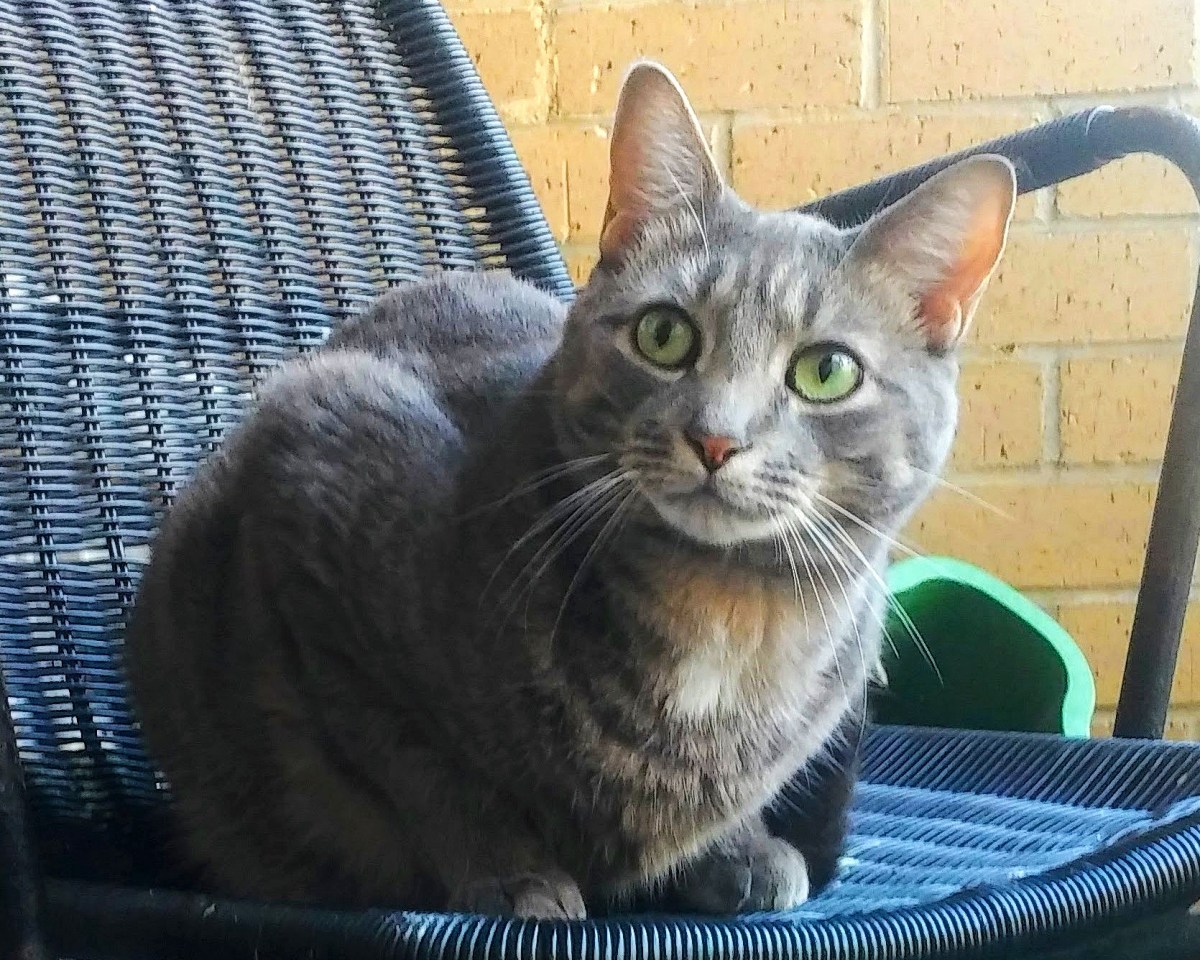
Buddy sits on his vanquished foe, an alien xenomorph. “I don’t understand how these things gave humans so much trouble,” he said.
In more than half a century since, the group has expanded to an international operation with projects aimed at improving conditions for wild and domestic animals. They do wildlife rescue, rehabilitation, preserve management and more.
International Cat Day was intended to help raise awareness about cats, their behaviors and the best ways to interact with them and give them good homes.
For those of us who are already wrapped around the paws of our feline overlords, it’s an occasion to do something extra for our buddies. Here at Casa de Buddy, that means spending more time with little man, giving him catnip, and his favorite human food treat: cheese.
The thing that matters most to him is Buddy Time, when we hang out, play games with his wand toys, and eventually he snuggles up in my lap.
We hope all of you are enjoying International Cat Day and have the opportunity to spend some extra time with your furry pal(s) today. For all they do to improve our lives, a little expression of gratitude is the least we can do.
The orphaned lion cubs are among many wild animals brought safely out of Ukraine as the war there continues to rage.
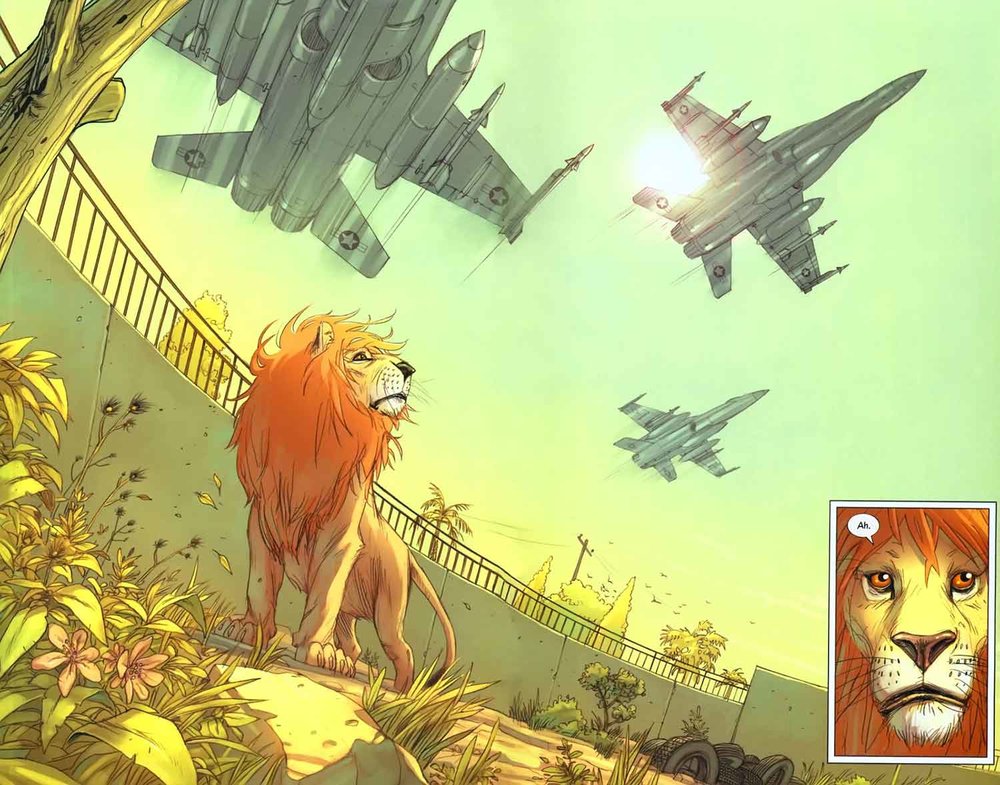
As the brilliant but depressing Pride of Baghdad documented in horrific detail, war isn’t just hard on humans, it’s hell on animals too.
The real-life lions in that drama were left to fend for themselves when American and coalition aircraft began pounding Baghdad in 2003, and their harrowing journey began when an errant missile literally opened a path for them to walk right out of the otherwise abandoned zoo.
As Russian soldiers began pouring over the border into Ukraine and Moscow’s missiles and artillery struck population centers earlier this year, Ukrainian activists sought to avoid a similar fate for their animals and worked on getting wildlife out of the zoos and the country, but there was only so much capacity at sanctuaries in countries like neighboring Poland.
At the same time, remaining in Ukraine was untenable. After Russian forces suffered a series of humiliating ground defeats to a Ukrainian counteroffensive — fueled by weapons systems and tactical intelligence from the US and other NATO countries — Russian President Vladimir Putin has ordered heavy and sustained missile strikes on civilian targets and critical infrastructure in already war-torn Ukraine.
One of his goals is to completely destroy the Ukrainian power grid via missile attacks on coal and gas plants as well as electricity substations, perhaps believing Ukraine might give up its opposition as its population freezes during the region’s harsh winters. The attacks have reached far into Ukraine, hitting the capital of Kyiv and cities like Lviv, which is more than 1,000 km from Russian territory, and some missiles have even disrupted power to neighboring Moldova. The Ukrainian people have not given up despite already enduring months of Russian artillery shelling, occupation and brutality.
But without electricity or reliable access to basics like clean water, caring for the remaining animals has become an impossibility as most people struggle just to keep warm, fed and hydrated.
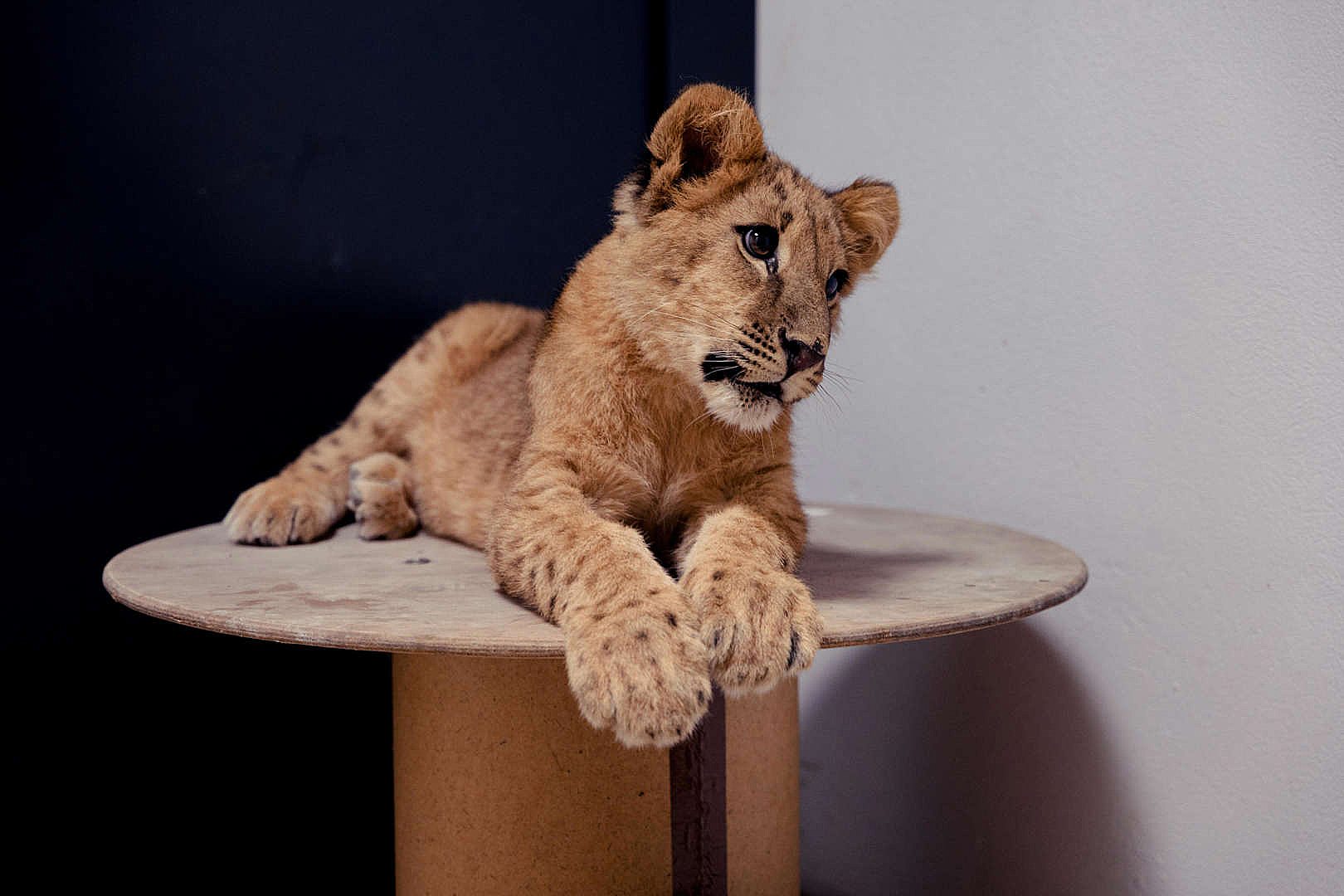
One of the cubs rescued from Ukraine, now living at The Wildlife Sanctuary in Sandstone, Minnesota. Credit: The Wildlife Sanctuary
As a result, a quartet of lion cubs born several months into the war had to endure an epic, 36-hour journey that took them from Ukraine to Poland and finally to Sandstone, Minnesota, where they’re easing into their permanent home at The Wildlife Sanctuary. The facility is a non-profit and entirely funded by private donations, which means it’s not open to the public. Animals aren’t put on display, and their enclosures are built entirely for them, not for the benefit of visitor sight lines.
The lion cubs, who are all orphans, have already been indelibly impacted by the war.
“These cubs have endured more in their short lives than any animal should,” said Meredith Whitney of the International Fund for Animal Welfare, which facilitated the transport of the young cats some 5,000 miles from Ukraine to the central US.
The cubs, all between four and five months old, are named Taras, Stefania, Lesya and Prada. Taras is male while the others are female.
“We’ve cared for 300 big cats at TWS and are acutely aware of the trauma many big cats around the world experience,” said Tammy Thies, the sanctuary’s founder. “From the moment IFAW reached out to request our partnership, we knew these cubs had found their forever home at our sanctuary. They have a custom, open space to explore and soft grass or hay to rest their tired bodies on. Because of the generosity of our supporters, we can provide lifelong care to big cats at our sanctuary.”
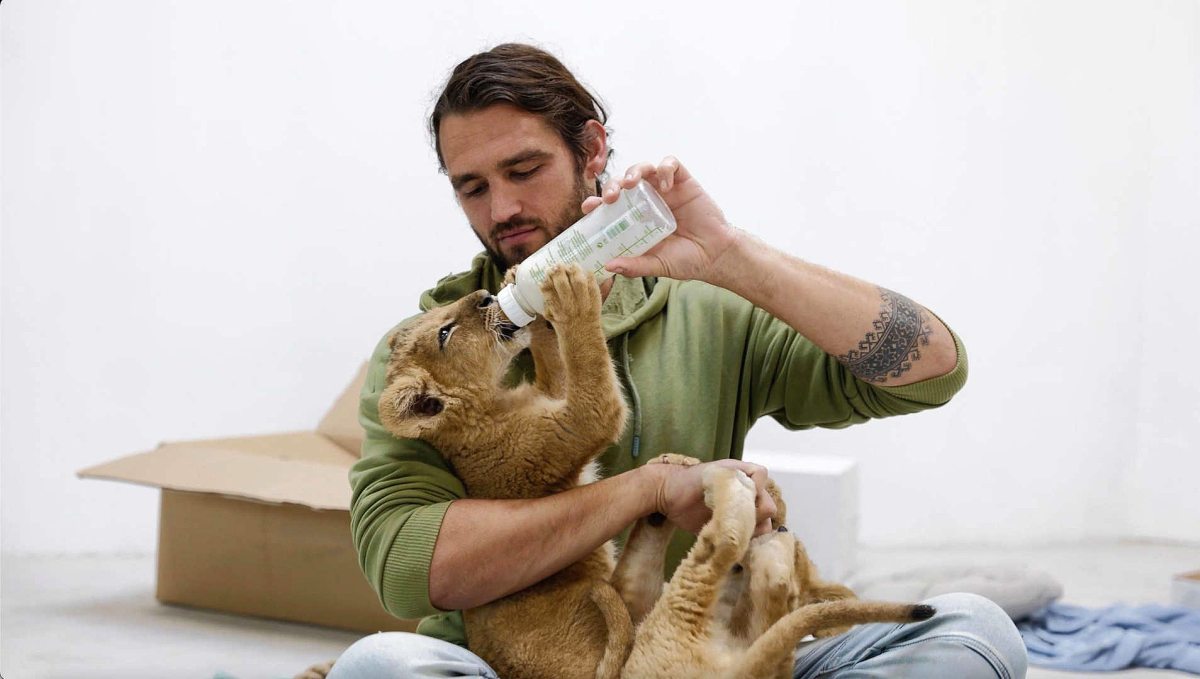
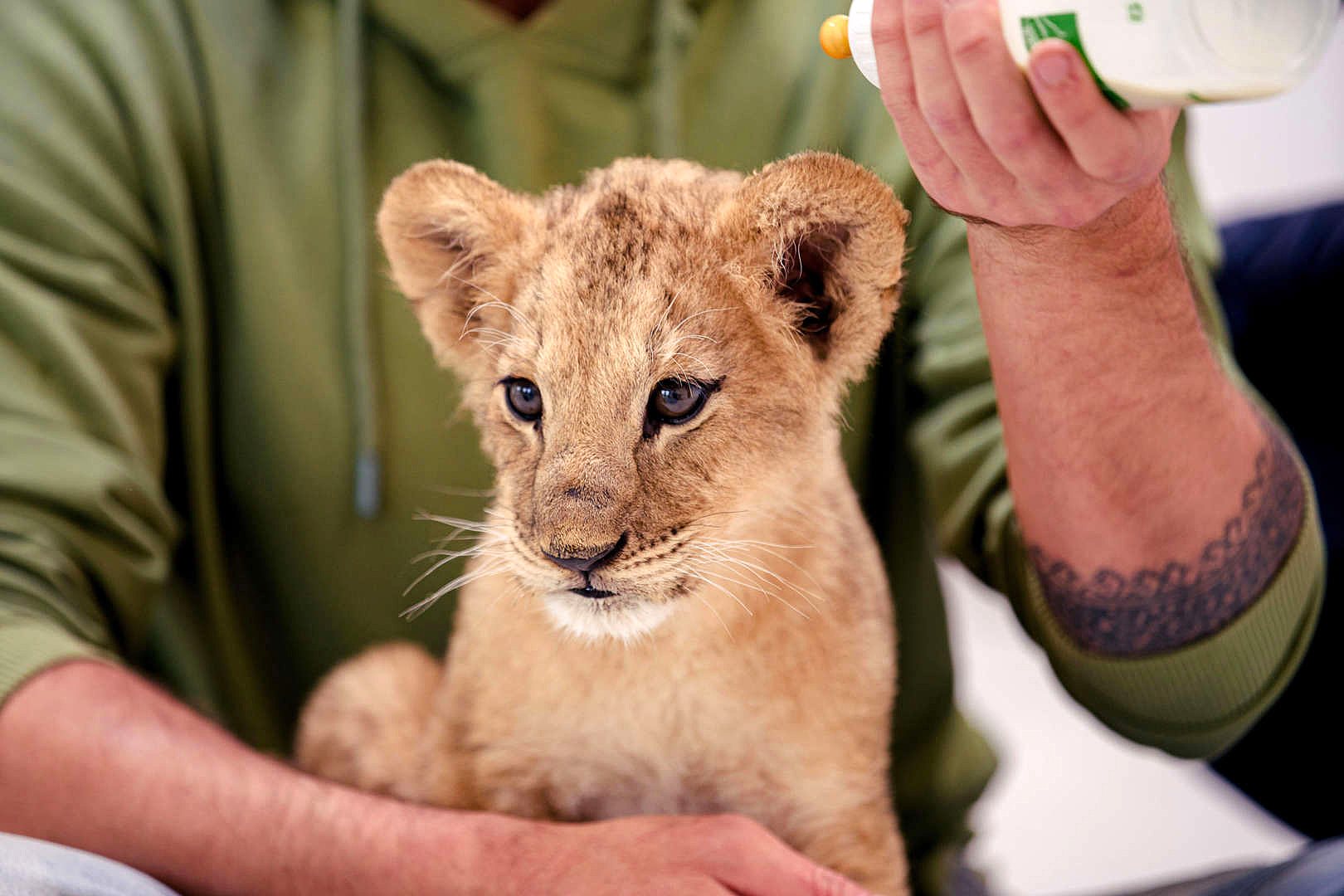
Bottle babies: The cubs are all between four and five months old and were not weaned before they were orphaned. Credit: The Wildlife Sanctuary
Pride of Baghdad is a 2006 graphic novel based on the true story of four lions who escaped Baghdad Zoo during coalition airstrikes in 2003. It’s poignant, beautifully illustrated and wonderfully told, but also harrowing and deeply upsetting.



 Pain In The Bud