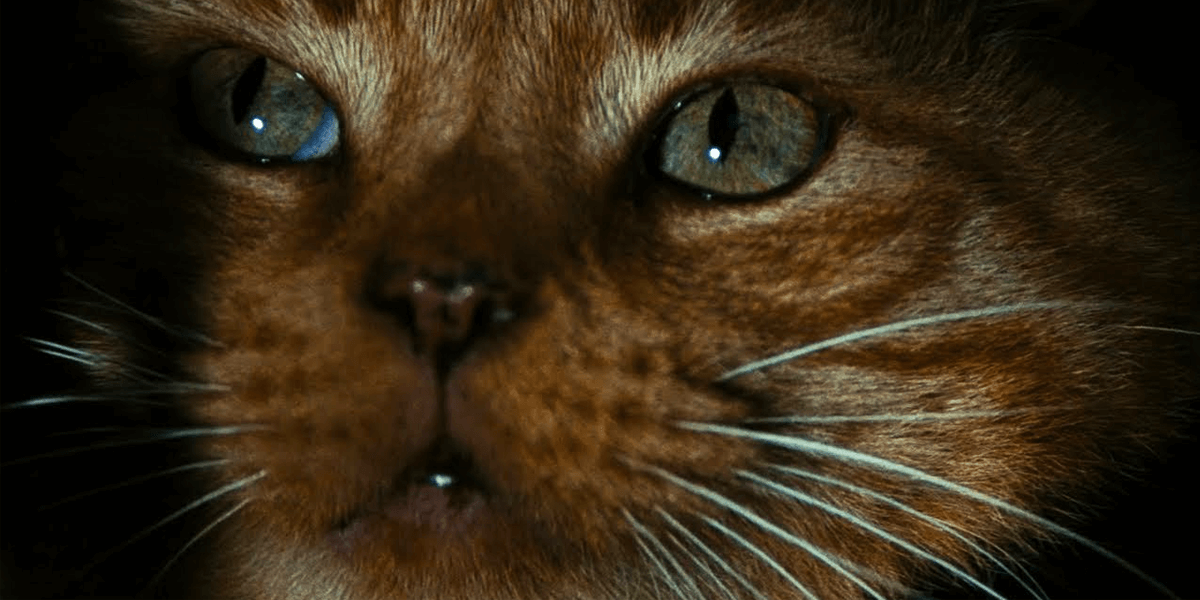
The Greatest Feline In Science Fiction Film History Is About To Turn 45

Making his debut in 1979’s Alien, Jonesy is one of the most famous felines in cinema history.

There’s a popular meme among Alien fans that depicts Jonesy the Cat walking nonchalantly down one of the starship Nostromo’s corridors with his tail up, carrying the corpse of the recently-spawned alien in his mouth like he’s about to present a dead mouse as a gift to his humans.

The joke is self-evident: if the crew of the Nostromo had allowed Jonesy to take care of business from the get-go, the alien would have been disposed of before it had the chance to grow into the monstrosity that haunted the decks of the Nostromo and the nightmares of viewers.
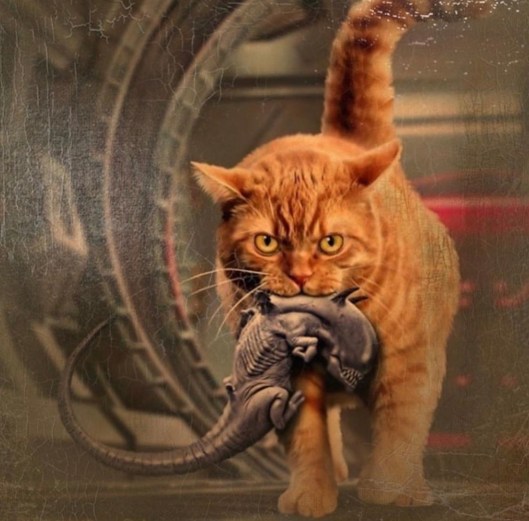
Jonesy Alien
“Who’s a good boy? Who just saved his crew from certain violent death at the claws of a ruthless alien predator? That’s right, you did!”

Of course then there’d be no movie. No ripples of shock in theaters across the US as audiences were confronted by something more nightmarish and utterly alien than popular culture had ever seen before. No indelible mark left on science fiction.

Despite the film’s retrofuturistic aesthetic, it’s difficult to believe Alien first hit theaters almost half a century ago.

That’s testament to director Ridley Scott working at the height of his powers, the carpenters, artists and set dressers who created the starship Nostromo’s claustrophobic interior, the design of the derelict starship where the alien was found, and the bizarre creature itself.

The alien ship and creature designs were the work of Swiss surrealist H.R. Giger, who was little-known at the time but floored Scott and writer Dan O’Bannon with his hyper-detailed paintings of grotesque biomechanical scenes.

Giger’s work, specifically his 1976 painting Necronom IV, was the basis for the titular alien’s appearance. The alien, called a xenomorph in the film series, is vaguely androform while also animalistic. It is bipedal but with digitgrade feet and can crawl or run on all fours when the situation calls for it. It hides in vents, shafts and other dark spaces, coiling a prehensile tail that ends in a blade-like tip.

But it’s the creature’s head that is most nightmarish. It’s vaguely comma-shaped, eyeless and covered in a hard, armored carapace that ends just above a mouth full of sinister teeth like obsidian arrowheads. There’s perpetually slime-covered flesh that squelches when the creature moves but there are also veins or tendons or something fully exposed without skin, apparently made of metal and bone. Maybe those ducts feed nutrients and circulate blood to the brain. Maybe they help drain excess heat from the creature’s brain cavity.

Regardless, it’s a biomechanical nightmare that the Nostromo’s science officer, Ash, admiringly calls “the perfect organism” whose “structural perfection is matched only by its hostility.”

The alien, Ash declares, is “a survivor, unclouded by conscience, remorse, or delusions of morality.”
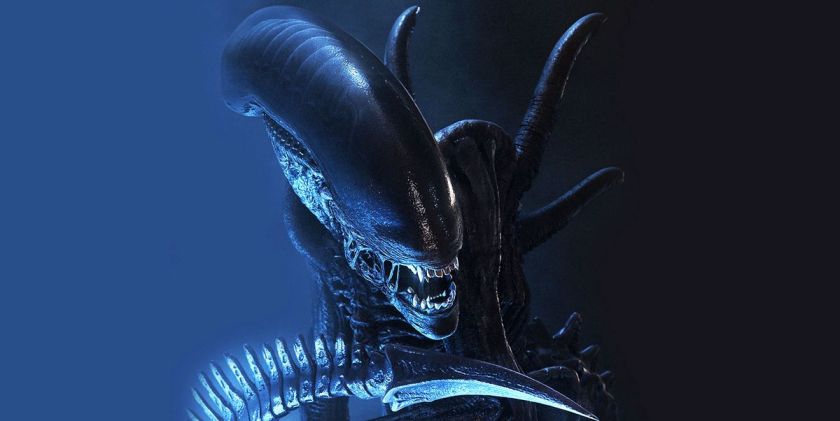
Alien xenomorph
The alien, also referred to as a xenomorph, “that thing,” a “dragon,” “the perfect organism” and various other names by characters in the series. Credit: 20th Century Studios

Part of what makes Jonesey so beloved is the fact that, together with the xenomorph and Ripley, he completes the triumvirate of survivors. We see Jonesy scurry into the protection of tiny confined spaces to escape the alien, hissing at it in the dark. We see him dart into the bowels of the ship after sensing the stalking creature, adding another blip to the crew’s trackers. Finally we see him settling into a cryosleep pod with Ripley, like so many other cats with their humans, when the threat has passed.

Jonesy — affectionately referred to as “you little shithead” by Ripley in the second film — appears in the franchise’s two most famous films, his own comic book series titled Jonesy: Nine Lives on the Nostromo, a 2014 novel (Alien: Out of the Shadows), and in hundreds of references in pop culture over the last half century, from appearances in video games (Halo, World of Warcraft, Fortnite) to references and homages in movies and television shows.
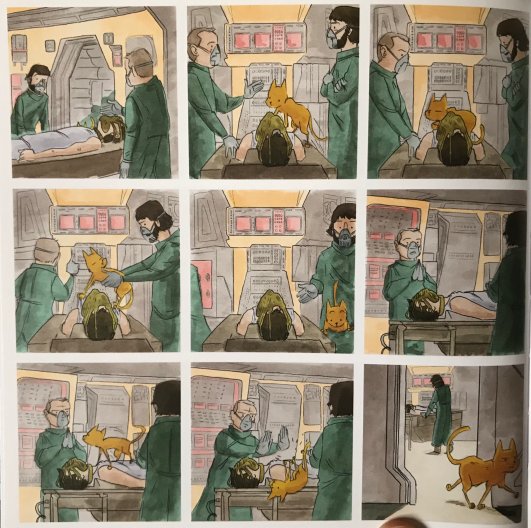
Jonesy: Nine Lives On The Nostromo
A page from Jonesy: Nine Lives On The Nostromo, which tells the story of Alien from the cat’s perspective. These panels depict Jonesy watching Ash and Dallas examining Kane in the ship’s medical lab.

He’s like the anti-xenomorph. Cats are predators, after all, and Jonesy might be the xenomorph to the ship’s rodents just like every ship’s cat in thousands of years of human naval endeavors. But to the crew members Jonesy’s a source of comfort, a warm, furry friend to cuddle with. Unlike the xenomorph he’s got no biological programming urging him to impregnate other species with copies of himself in one of the most horrific gestation processes imaginable.

Xenos are like predators on steroids, gorging themselves on their victims to fuel unnaturally swift cell reproduction and growth. As a result, over the decades some have speculated that the alien simply ignored the cat, deeming its paltry caloric value unworthy of the effort to kill.

The idea that Jonesy was too small to interest the alien is proved a fallacy in later franchise canon when we see the aftermath of a xenomorph consuming a dog. It’s indiscriminate in its quest for energy, feasting on adult humans and animals alike until two or three days pass and it’s a 12-foot-tall, serpentine nightmare the color of the void of interstellar space.


Just imagine sitting in a theater in 1979. Your idea of science fiction is sleek jet-age spacecraft, Star Trek and Stanley Kubrick’s clinical orbital habitats from 2001: A Space Odyssey. You’re expecting astronauts, heroes, maybe a metal robot or an alien who looks human except for some funky eyebrows, green skin or distinct forehead ridges.

Instead you get a crew of seven weary deep space ore haulers inhabiting a worn, scuffed corporate transport ship, complaining about their bonuses and aching for home, family and the familiar tug of gravity.

But home will have to wait. The ship has logged an unusual signal of artificial origin broadcasting from a small planet in an unexplored star system. The crew has no choice but to investigate. It’s written into their contracts, which stipulate the crew will forfeit their wages if they disregard the signal.

So they land, suit up, move out and find a derelict starship. An incomprehensibly massive vessel so strange in detail and proportion that it could only have been built by an alien mind, with unknowable motivations and psychology.
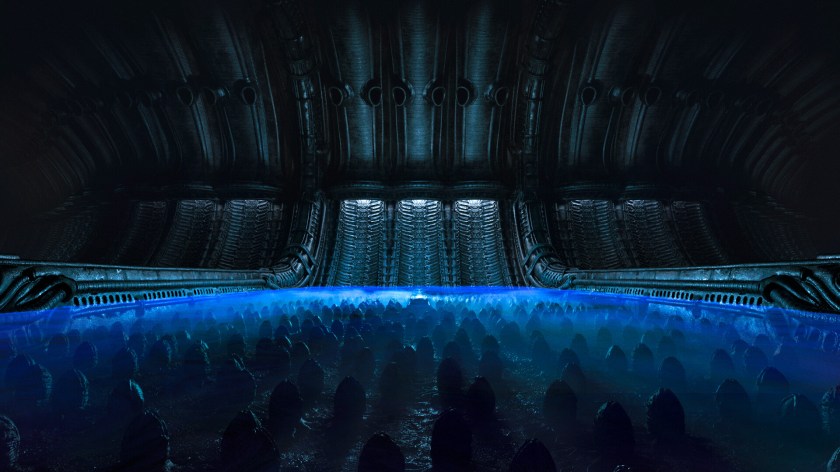
The Egg Chamber
The egg chamber of the derelict alien ship, designed by Giger.

Inside, hallways that look like ribcages lead to vast chambers with utterly bizarre, inscrutable machinery that seems to consist of biological material — skin, bone, joints, organs — fused with metal. In one of them the corpse of an alien, presumably a pilot, is integrated into a complex array. It’s at least twice the size of a large human man. Its elephantine head is thrown back in the agony of its last moment, when something exploded outward from its body, leaving a mangled ribcage, torn papery skin and desiccated organs.

And beneath that, a shaft leading to another horror — a chamber that seems to stretch for kilometers in either direction, where leathery eggs are cradled in biomachinery and bathed in a bioluminescent cerulean mist.

The decision to enter that chamber sets off one of the most shocking scenes in cinema history, leads to the birth of pop culture’s most terrifying monster, and sent millions of theater-goers home with nightmares in the spring and summer of 1979.

It’s almost too much to handle. But take heart! The unlikely female protagonist makes it to the end, and so does the cat. What more can you ask for?


Jonesy on the Nostromo
Jonesy grooming himself on the flight deck of the starship Nostromo. Credit: 20th Century Studios

Bud’s Book Club: The Man-Eaters of Kumaon & The Game of Rat and Dragon

Join us in reading stories of cats in space and big cats in the jungles of India.

Welcome to the inaugural post of Buddy’s Book Club, where we’ll read stories about cats and stories involving cats!

We’re going to start things off easy with a classic short story of the cat canon, which is available for free online via Project Gutenberg, and a seminal book about big cats from a man whose name is indelibly linked with them.

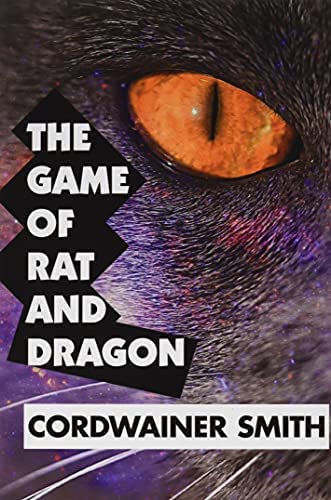
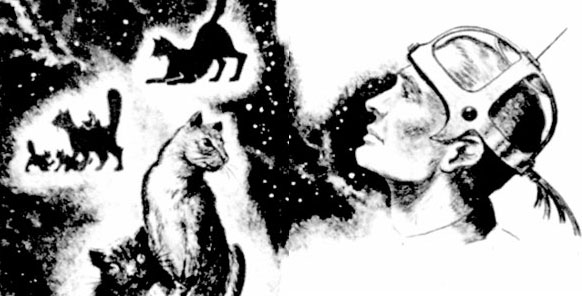
The Game of Rat and Dragon (1954) by Cordwainer Smith

51Aneono5KS._AC_SY1000_

Read it here for free from Project Gutenberg, a collaborative effort to create a digital archive of important cultural literary works that have fallen into the public domain. For those unfamiliar with Project Gutenberg, it’s completely above-board, legal and safe for your devices, and the story opens in plain HTML with illustrations included as image files. You can read the story in a browser or download it onto a reading device, tablet or phone.

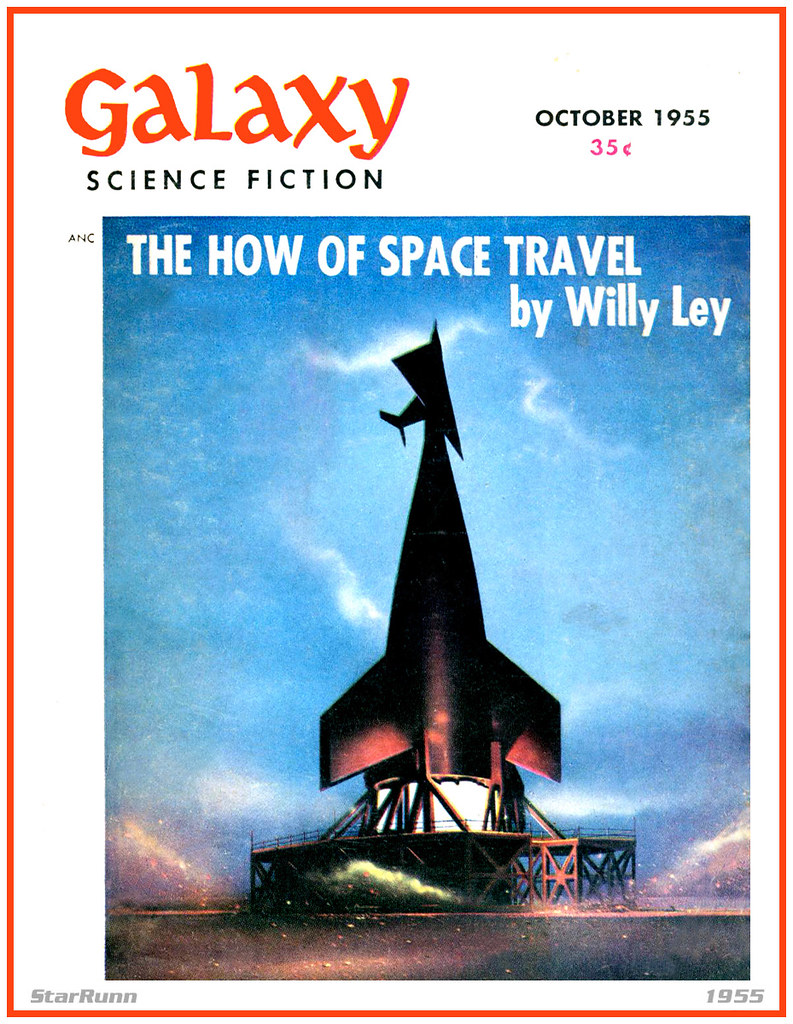
The Game of Rat and Dragon first appeared, as so much short fiction of the era did, in a digest. Although Smith had penned it the year before, the story was published in Galaxy Science Fiction’s October 1955 issue and became an instant classic among cat-lovers and science fiction aficionados. (There is considerable overlap between the two, not surprisingly: Introverts whose imaginations run wild when they look to the stars tend to have many of the same personality traits as people who prefer the more sublime antics of cats.)

The Game of Rat and Dragon imagines a far future in which humanity has become a star-faring culture, meaning we’ve conquered interstellar flight and have begun to colonize planets in star systems other than our own.

There is, of course, a problem. The dark, lonely void between stars isn’t as empty as we thought it was, and is inhabited by invisible (to the human eye), inscrutable, inexorable entities eventually dubbed “dragons.”

When dragons attack they leave only death and insanity in their wake, putting the entire idea of interstellar travel at risk. Imagine if there was a not-insignificant chance of your passenger jet being attacked by impervious creatures every time you hopped on a plane. It wouldn’t be long before the entire air industry collapsed and the world suddenly became a much bigger place, with other continents unreachable by air.

Who can help humans with this problem? Cats, of course! To say more would be to spoil the fun. Meow!

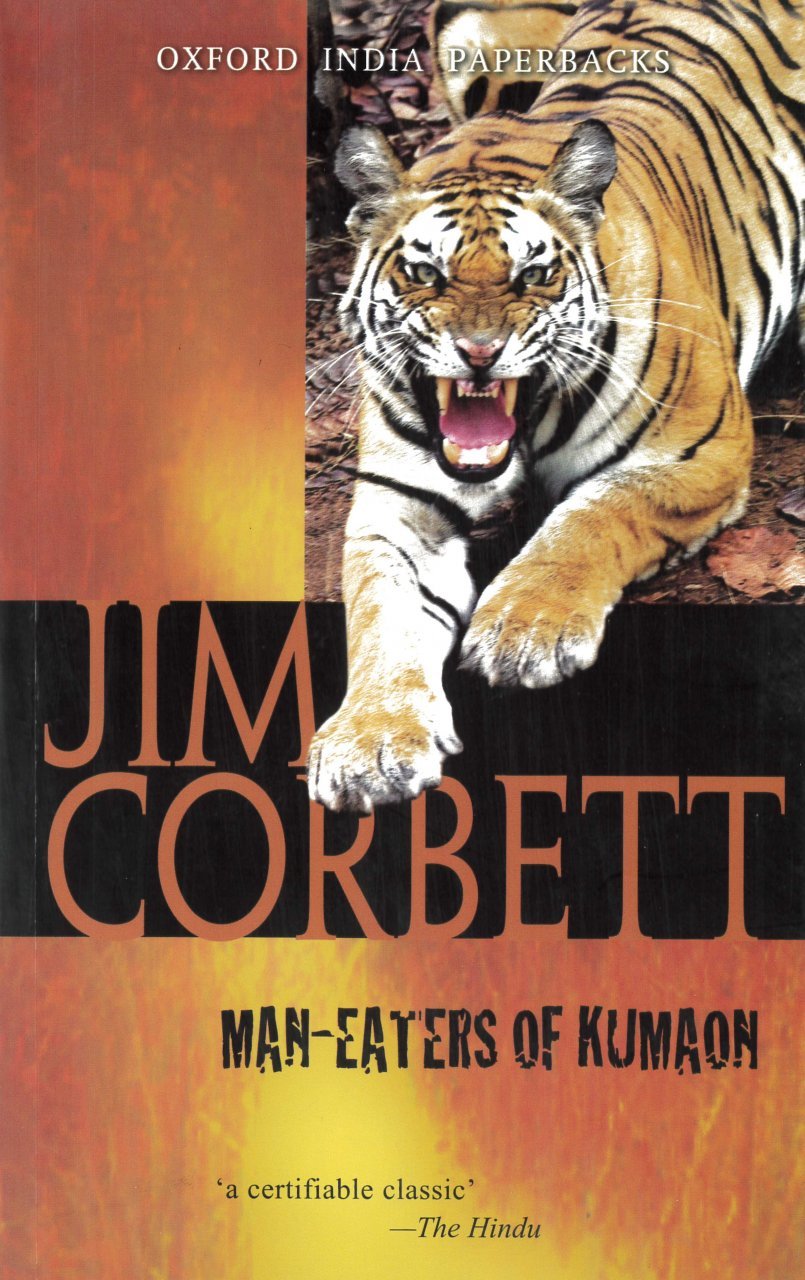
Man-Eaters of Kumaon (1944) by Jim Corbett

201355

Available as an ebook for 99 cents from Barnes and Noble.

Jim Corbett was a sportsman, the son of a government official in the British Raj who was raised in India’s jungles and came to know them intimately. He’s best remembered as the fearless hunter who finally brought down the infamous Champawat tigress, who officially claimed 436 lives over a years-long rampage as a man-eater, and likely many more that went unrecorded.

To understand the gravity of Corbett’s accomplishments, it’s necessary to understand the effect of a man-eater on rural India. The people living in India’s tiny villages are subsistence farmers. If they don’t farm, they don’t eat.

But when a man-eater as dangerous as the Champawat tigress claims an area as its hunting grounds, everything grinds to a halt: Farmers refuse to tend their fields, villagers disappear behind locked doors, and a simple walk to a neighboring village becomes an impossibility unless escorted by a group of two dozen or more armed men. Even then it’s a risk, for as Corbett notes, when tigers become man-eaters they have no fear of humans and will kill people in broad daylight, even when they’re in groups.

And yet for all their power and predatory instincts, tigers are never deliberately cruel and don’t harm humans willingly. Tigers become man-eaters by unfortunate circumstance, usually due to negligence or stupidity on the part of humans.

The Champawat tigress, for example, was like any other big cat until a human hunter took aim and shot her in the mouth, destroying one lower canine completely and shattering another. The tiger could no longer take down her usual prey, or at least not without serious difficulty. At some point — perhaps after encountering the body of a person it did not kill — the tigress realized she could survive on human flesh.

If that hadn’t happened, those 436-plus souls wouldn’t have been lost, an entire region wouldn’t have been brought to its knees, and the tigress would have continued life as normal.

The vast majority of the time, tigers are content to let humans be.

“I think of the tens of thousands of men, women and children who, while working in the forests or cutting grass or collecting dry sticks, pass day after day close to where tigers are lying up and who, when they return safely to their homes, do not even know that they have been under the observation of this so called ‘cruel’ and ‘bloodthirsty’ animal,” Corbett writes.

Despite his reputation as the man to enlist when a man-eater terrorized a region, Corbett saw the way things were trending a century ago, and begged people to let the big cats live undisturbed.

“A tiger is a large-hearted gentleman with boundless courage,” he wrote, “and that when he is exterminated — as exterminated he will be unless public opinion rallies to his support — India will be the poorer by having lost the finest of her fauna.”

Corbett would undoubtedly be deeply disturbed by the situation today, with only some 4,000 wild tigers remaining in the entire world, and the glorious species mostly reduced to spending life in captivity, constantly sedated so that idiots can pay to take selfies with them.

The Man-Eaters of Kumaon follows Corbett on 10 hunts of man-eating tigers and leopards. It’s also a story of life in the British Raj, rural life in India, Corbett’s jungle adventures, his love for his loyal hunting dog and his turn toward conservation.

Schedule:

We can do the short story in a week, yeah? Let’s shoot for one week for The Game of Rat and Dragon, and two weeks for The Man-Eaters of Kumaon. We’ll adjourn and discuss in follow-up posts. Happy reading!

Cats In Games: Cyberpunk 2077

In Cyberpunk’s future, all animals are gone…except roaches and pet cats.

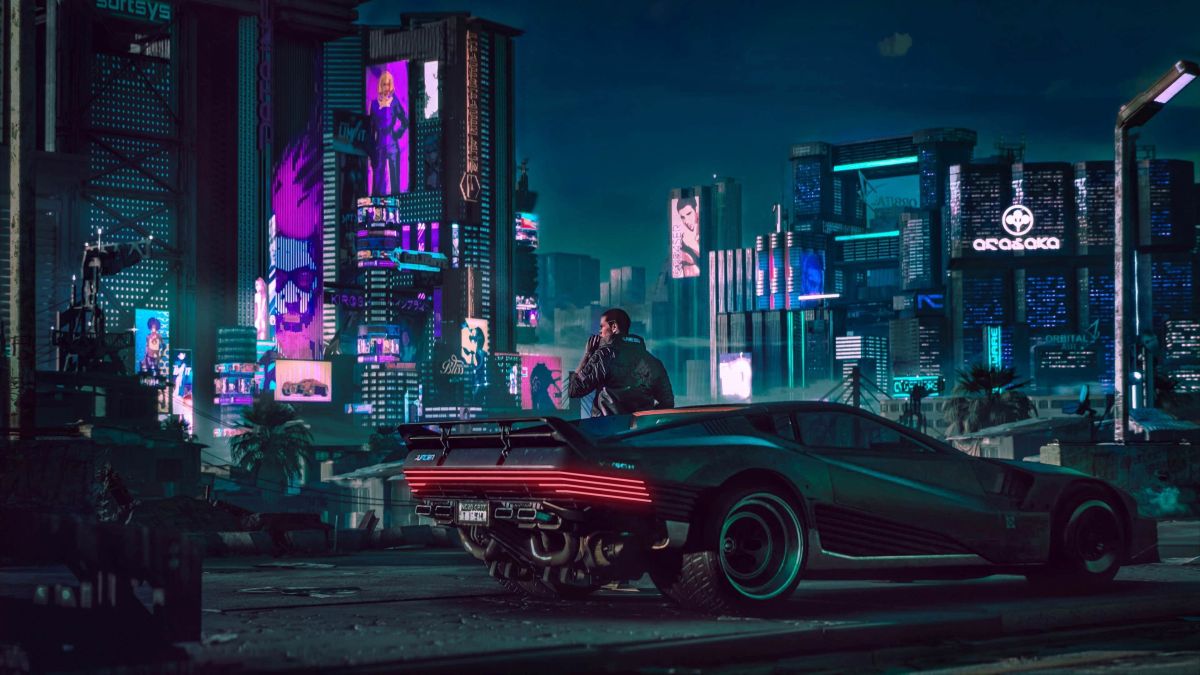
I’ve been playing Cyberpunk 2077 lately, as readers of this blog may have guessed by some of the references, and it is everything the hype said it would be: A dystopian story set in a grim, hyper-corporatized, ultra-capitalist future in which the masses worship the gods of consumption, virtually everything that humans come in contact with is synthetic, and nature is a forgotten dream that may or may not exist beyond the seemingly-infinite concrete and chrome of human sprawl.

It’s Bladerunner writ large and interactive, a retrofuturistic nightmare in which people voluntarily have their own eyes plucked out to replace them with brain-interfaced digital lenses and biomechanical grotesqueness is the societal norm. A future in which a person’s life amounts to the price their internal organs can fetch on the black market and the only civil liberties that exist do so by the forbearance of megacorporations.

Even if you’re not a gamer, unless you’ve been living under a rock you’ve probably heard of the game. It is, after all, one of the most highly-anticipated pieces of consumable media in modern history, and familiar actors have lent their voices and likenesses to the production.

One of the most depressing aspects of 2017’s Bladerunner 2049, the long-awaited sequel to the 1982 Ridley Scott classic, is the utter disconnect from anything natural.

Future Los Angeles is so choked with smog that the city exists in a perpetual twilight gloom. Animals have been purged from the Earth, and humanity has turned to farming insect larvae for protein in processed foods. Vegetation is so rare that the sight of a single sprout near the dusty carcass of an old oak tree fascinates Ryan Gosling’s antagonist character, K.

Drawing heavily on Bladerunner — as well as the seminal 1988 Japanese film Akira, William Gibson’s 1984 novel Neuromancer, Luc Besson’s The Fifth Element (1997), and even the 1979 action thriller Warriors (which is itself based on Xenophon’s Anabasis from 370 BC) — Cyberpunk 2077 is about violence, hedonism and human greed.

There is no room for the beauty of animals or nature in a future like this.

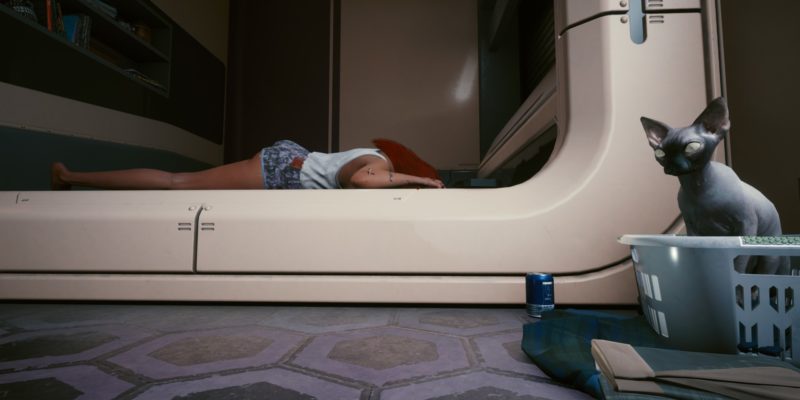
That’s why it’s surprising to find cats stalking the dim alleys of Cyberpunk 2077’s Night City.

Keanu and the cat.
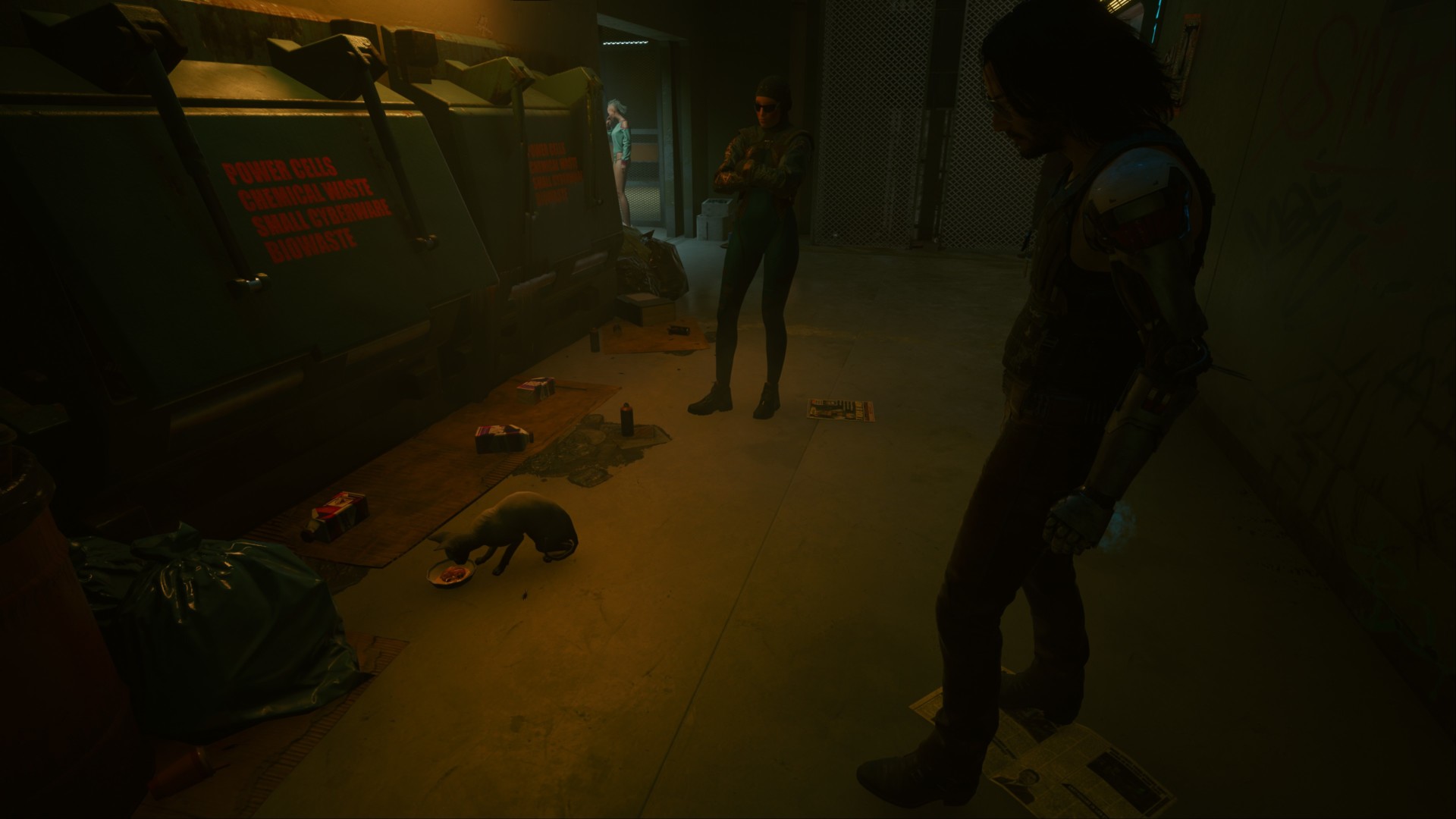
Keanu Reeves’ character, Johnny Silverhand, is quite enamored with Nibbles the Cat.

Nibbles the Cat.
A Sphinx cat in Cyberpunk 2077.

The player’s character, V, can stop and pet stray cats he encounters throughout the game.

There’s even a hidden opportunity to adopt your own stray and take it back to your apartment in the game. Johnny Silverhand, the wise-ass character played by Keanu Reeves, is particularly fond of Nibbles the stray, who can be found amid piles of trash in the hallway outside V’s apartment.

Nibbles “doesn’t really do much besides lay around and take up space,” Screenrant notes. “Basically exactly what a cat does in real life. What an immersive experience.”

In another scene, V is conducting recon on a corporate target with Takemura, a Japanese ally, when a cat slinks by and lays down about 20 feet away.

Takemura says the cat is the first animal he’s seen in Night City, “except for the cockroaches, of course.” Then he wonders if the cat is a bakeneko, a Japanese spirit.

Night City is a technological achievement so impressive that it takes many hours just to get your head wrapped around how big and detailed it is. It’s easily the largest virtual city ever created, but it’s not just about sprawl — the city is truly vertical, from hidden subterranean depths and accessible street-level locales to highways, apartments and offices that claw at the sky, their peaks towering over ubiquitous flying car traffic.

The game is a form of entertainment, but it’s also a warning: This could be our future. Some would say it’s even likely to be our future.

Most of us are disconnected from nature. We’ve forgotten the stars and the night sky, which have been blotted out by smog and light pollution. We have wiped out more than two thirds of all the wildlife on the Earth and innumerable species teeter on the edge of extinction, including almost every example of iconic megafauna, from tigers and jaguars to orangutans, chimpanzees and elephants.

The interregnum caused by the global pandemic has reminded us that we share this planet with billions of other minds, with animals cautiously poking their heads out at the edges of civilization, wondering where all the humans have gone.

It’s fun to play in a dystopian future, but I don’t want to live in it.

cyberbud2077_webfinal

Cats In Movies: 1985’s ‘Explorers’

A cat sets off the events of 1985’s Explorers by doing what cats do best: Jumping on a keyboard.

When I was a kid, my best friend’s dad had a trove of science fiction on VHS tapes, running the gamut from 1950s flying saucer classics to 80s fare like The Last Starfighter, Flight of the Navigator and Explorers, a little-known Disney film that quietly came and went from theaters in 1985.

The Joe Dante-directed movie attained cult status in subsequent years via home video, and it’s easy to see why: Explorers is the stuff kids’ dreams are made of.

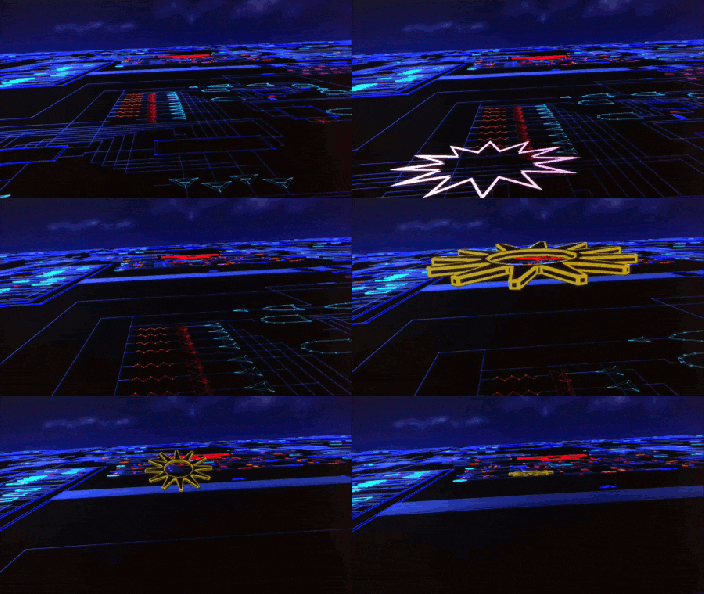
The movie follows three boys who dream of a bizarre symbol — a symbol that, when entered into a computer, spawns self-writing code that generates a floating sphere.

The sphere is an an airtight, transparent, inertia-less magnetic bubble. The boys soon realize they can make the sphere move and manipulate its size. More importantly, they can ride in it.

Exploradores
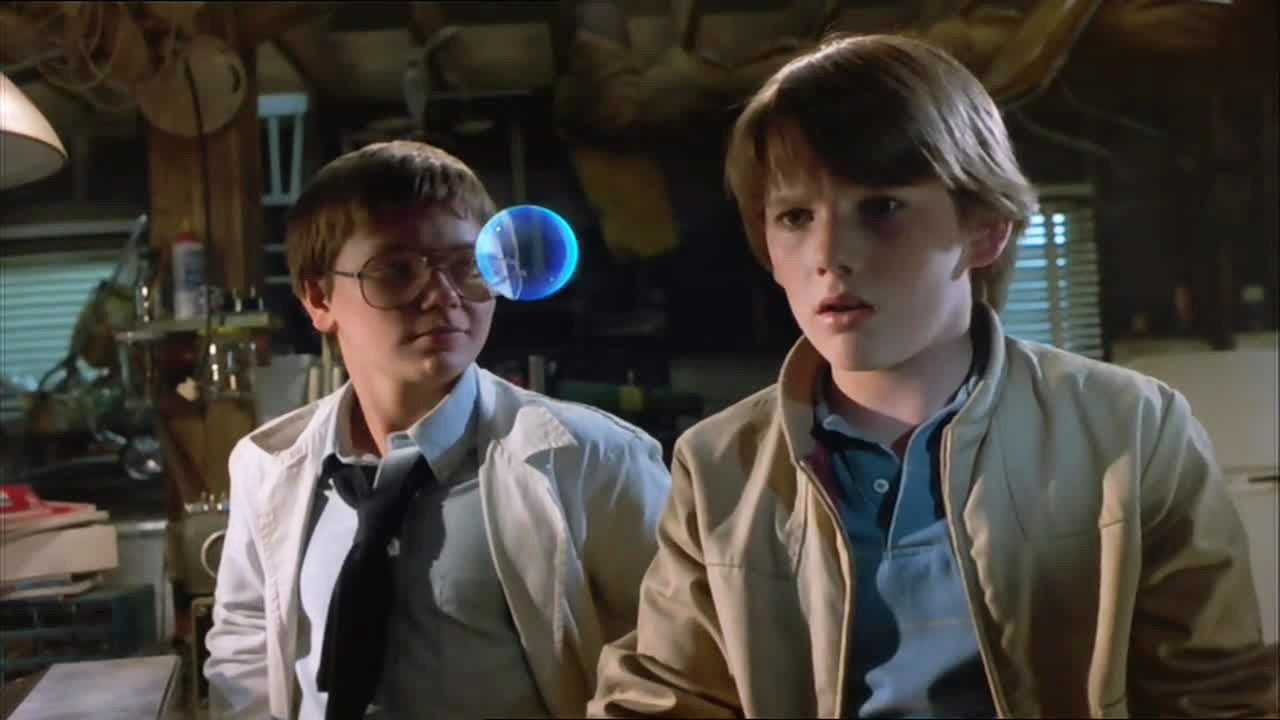
Wulfgang (River Phoenix) and Ben (Ethan Hawke) activate the sphere for the first time, before Wulfgang’s cat shows them how to make a space ship out of it.

explorersdream
The dream symbols from Explorers: Not bad for 1985 computer-generated graphics.

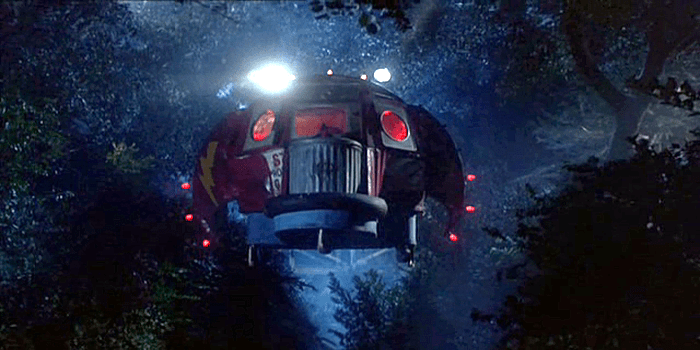
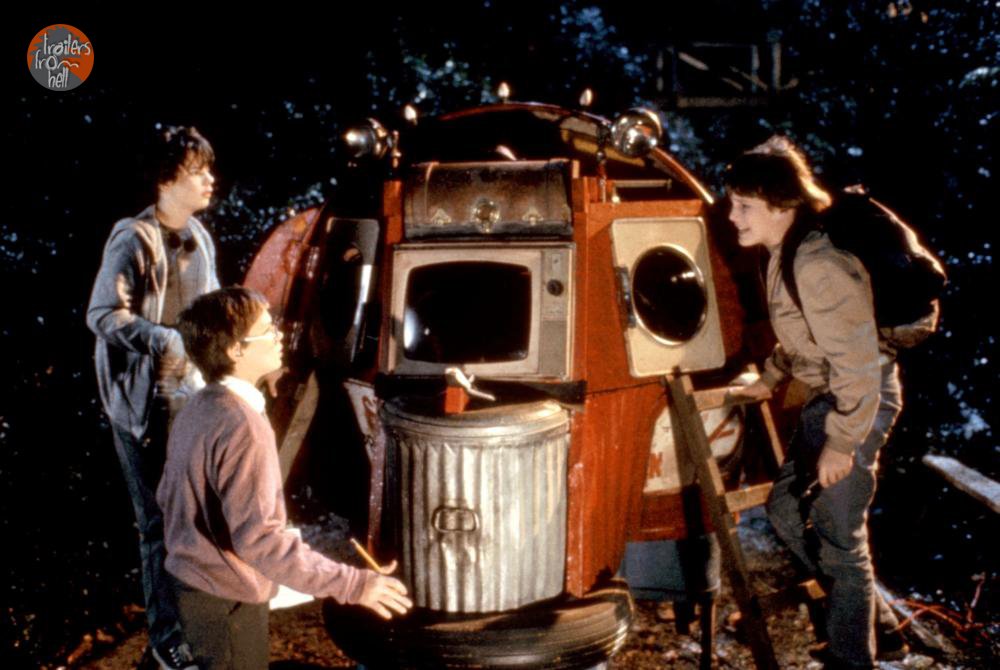
Naturally, they build their own space ship out of junk parts — an old Tilt-A-Whirl ride, a garbage can, a TV screen and washing machine doors for windows — and use the magnetic bubble as its invisible shell.

explorers8
The boys build a space ship, which they dub Thunder Road, out of parts found in a junkyard.

https://youtu.be/Q2PglNitsbs

After their first flight — in which they lose control of their new ship, crash through the snack bar at a drive-in theater and draw the attention of police — the kids refine their invention, discovering a way to reach outer space.

Explorers is Ethan Hawke’s first movie. He plays Ben, the dreamer of the trio, the kid who lays on his roof at night and gazes at the stars, wondering what’s out there.

The late River Phoenix also made his film debut with Explorers and plays Wulfgang, the proud nerd and young scientist who uses his computer to control the ship-in-a-bubble.

And former child actor Jason Presson plays Darren, the kid who comes from a rough existence with an alcoholic dad, and befriends Ben and Wulfgang when he defends them from bullies at school. (This being the 80s, the bullies are very blond, very stupid and very cruel.)

So where does the cat come in? By showing the three kids the potential of their invention, of course.

explorerscat
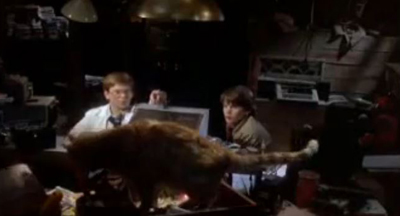
Wulfgang’s cat jumps on the keyboard, sending the sphere zig-zagging through his basement.

Wulfgang and the boys first conjure their magnetic sphere into existence in using a computer in Wulfgang’s basement lab, and marvel at it as it hangs in the air, impenetrable and seemingly immobile.

That’s when Wulfgang’s orange tabby does what cats do and flops down on the keyboard, sending random spatial coordinates to the sphere which then zig-zags throughout the basement. As the sphere tears holes in old junk, punctures a window and comes to rest a few feet away, the boys realize it can not only move, it can be guided.

explorers2
Takeoff!

Every boy dreams of exploring space at some point, and Explorers is that dream realized through a child’s eyes. Three kids from the suburbs build a ship that can reach outer space, offering answers to the tantalizing questions about what’s out there.

We’re not the only ones with fond memories of the movie. A Hollywood script-writing duo which includes the director of True Detective has been working on an updated version that would play out as a live-action TV series. Here’s to hoping if their project gets the greenlight, the cat stays in.

explorers6

Book Club: The Game of Rat and Dragon

Humans turn to cats to help them battle a cosmic threat in this classic science fiction story.

In what I hope will become a semi-regular feature, we’ll recommend a book or short story prominently featuring cats, then follow it up with a discussion post.

The Game of Rat and Dragon is a good pick to start us off easy: Humans turn to cats to help them overcome a cosmic threat in this classic science fiction tale. It’s a short story and the entire text is available online from Project Gutenberg.

Casual readers shouldn’t have any trouble following along even if they’re not familiar with the SF genre.

Click here to read The Game of Rat and Dragon by Cordwainer Smith, one of the most imaginative and influential SF scribes of the 1950s.

The story was originally published in Galaxy Science Fiction in October of 1955 and has been featured in countless SF collections and digest in the decades since.

We’ll follow up with a discussion post in a week or so. Happy reading!

galaxy1955hd
The story originally appeared in the October 1955 issue of Galaxy Science Fiction.

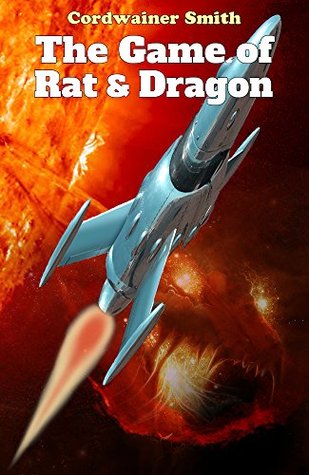
ratanddragon3
Alternate book cover.

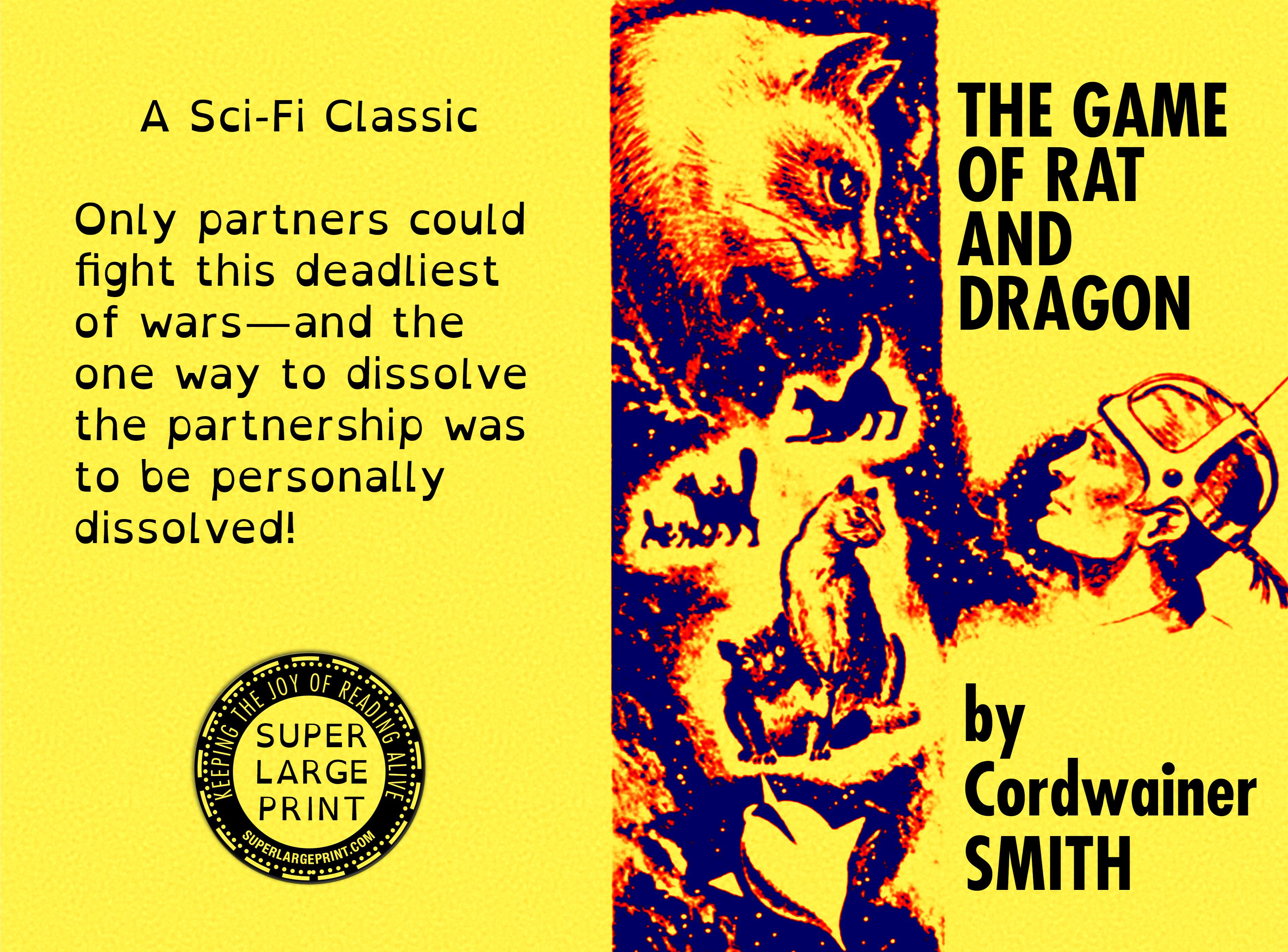
ratanddragon
The cover design from the online edition of the story.