So far there are no cases of cats infecting humans, but a new study published Tuesday warns the virus easily mutates in infected felines.
Health officials have identified at least five cases of domestic cats infected with H5 bird flu in California, and they’re warning of multiple vectors of transmission now that both outdoor and indoor cats have been infected.
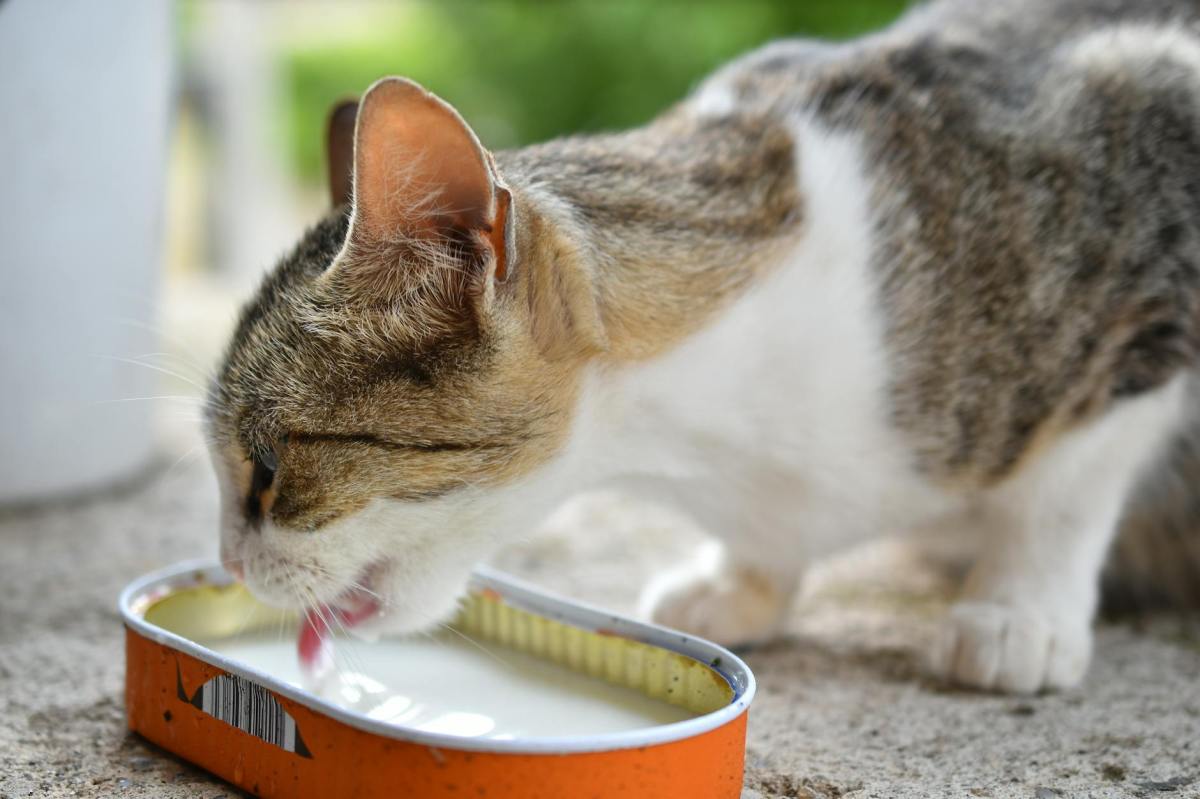
Two cats were infected after drinking raw milk from a dairy farm in Fresno, California, according to the Los Angeles Department of Public Health. That’s also how a dozen barn cats died in April after drinking raw milk from infected cows on a Texas dairy farm, the CDC said.
But three other cats who tested positive for bird flu were indoor-only, lived in the same home, and did not consume raw milk, authorities said. They’re looking into the possibility that the felines were infected through raw meat or by hunting mice.
So now it’s not only confirmed that cats are vulnerable to highly pathogenic avian influenza, or HPAI H5N1, but that they can be infected in different ways.
To be clear, it’s not a cause for panic and it doesn’t mean people should isolate from their cats, but it does mean we should be smart and considerate when it comes to protecting our pets and reducing the possibility that they can be infected.
Because millions of felines live with humans, the fear is that they can pass the virus onto us. So far there have been no confirmed cases, but a study published on Tuesday confirmed that the virus can easily mutate in cats. That means the more domestic cats are infected, the greater chance the virus mutates in a way that allows it to “bridge” to humans.
At least two people — one in Wisconsin and one in Louisiana — have tested positive for the virus and were hospitalized this week. One worked on a farm and the other may have consumed raw milk. In the meantime, health officials are monitoring the people whose three cats were infected, and they’re urging people to take precautions.
“To avoid the spread of disease, including H5 bird flu, we strongly encourage residents and their pets to avoid raw dairy and undercooked meat products, limit contact with sick or dead animals, report sick or dead birds, and keep pets or poultry away from wild animals and birds,” said Dr. Barbara Ferrer, director of the Los Angeles County Department of Public Health.
With much of the US already sweltering under a summer heat dome, architectural engineers warn most American buildings aren’t designed for extreme temperatures, while energy experts warn of more rolling blackouts.
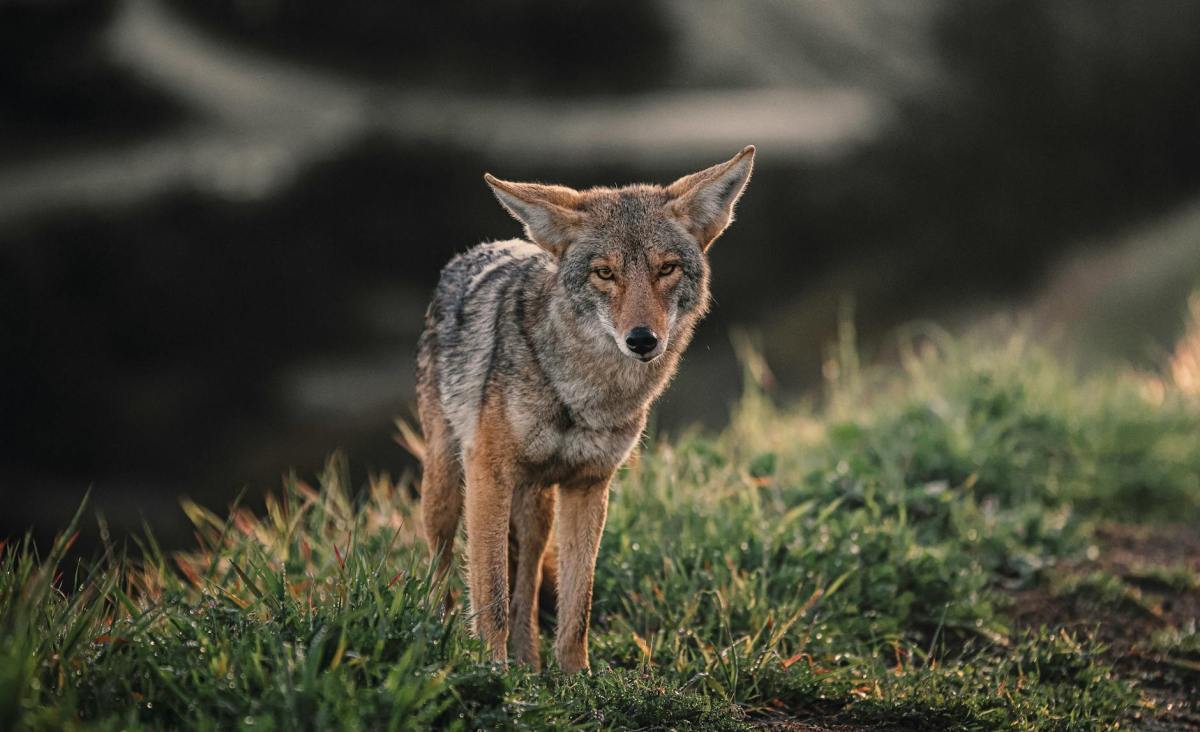
A family in Mission Viejo, Calif., heard a series of loud crashes at their back door, then reviewed their doorbell camera footage to find a determined coyote had been trying to attack their cat.
The footage shows the coyote repeatedly throwing itself at the screen door, which might have buckled if there hadn’t been a baby gate reinforcing it.
“We ended up putting a baby gate up to keep the cats inside,” homeowner Cindy Stalnaker told KABC. “That ended up being what prevented the coyote from getting inside the house because that’s what he was banging into repeatedly.”
Coyotes weigh about 30 to 35 pounds and will attack potential prey smaller than they are, which includes pets as well as young children.
The canids aren’t usually keen on approaching human homes, but in many places they’ve run out of room to roam as towns and cities clear more wild land for new developments. Less habitat means less prey, which can also lead the animals to scavenge and hunt on the fringes of residential and urban neighborhoods.
Stalnaker said she was grateful the baby gate held, but she’s looking into a more stable and permanent solution to keep her cats safe from coyotes.
What if air conditioning isn’t enough?
Human activity isn’t just driving wild animals to extinction, it’s killing them off with temperature extremes, and a Tuesday story from The Guardian provides a bleak look at how our present situation threatens human life as well: Buildings in most US cities aren’t built to mitigate excess heat, air conditioners weren’t designed to keep on chugging indefinitely with temperatures around 100 degrees, and power grids can’t keep up with the demand when millions of AC units are drawing power simultaneously.
At the same time, summers keep getting hotter and there’s no reprieve in sight.
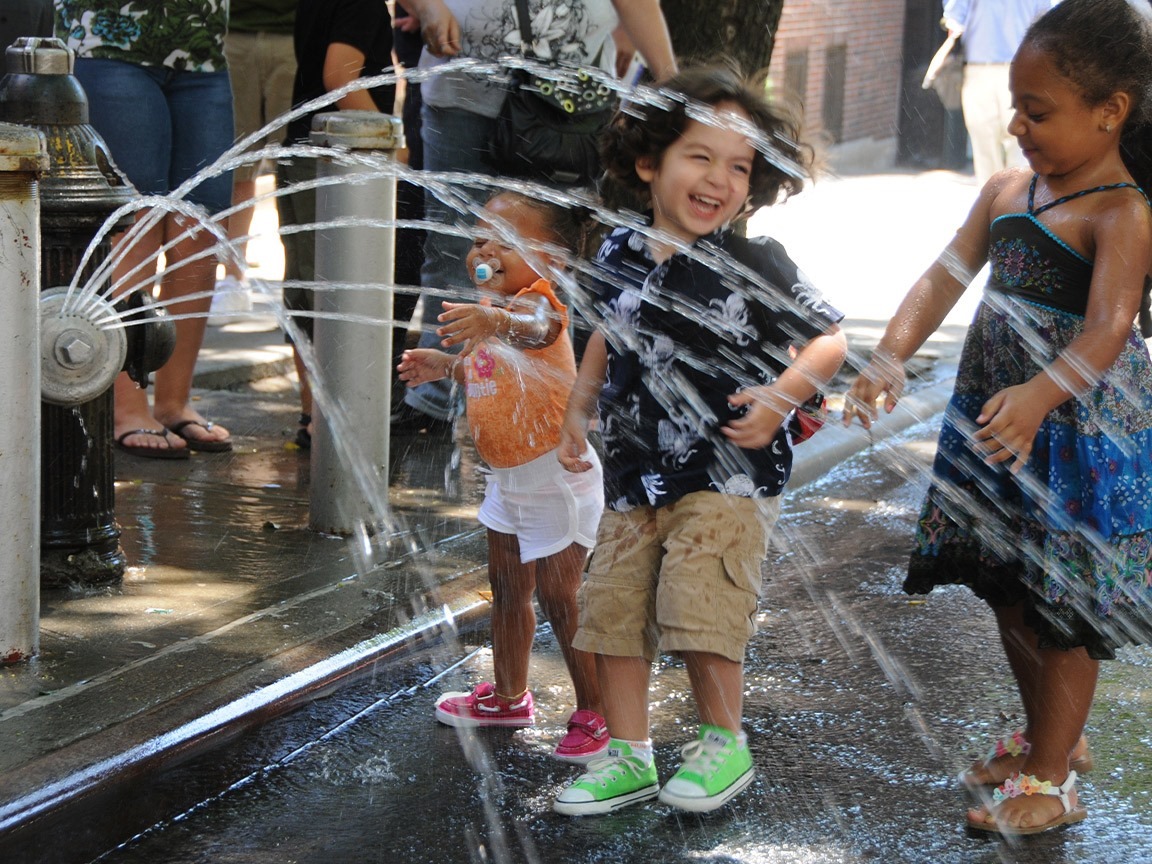
Legal or not, New Yorkers turn to fire hydrants to get relief during heat waves. Credit: NYC Office of Emergency Management
While the heat has major ramifications for animals and sea life, it’s also directly endangering human life now:
“Some experts have begun to warn of the looming threat of a “Heat Katrina” – a mass-casualty heat event. A study published last year that modeled heatwave-related blackouts in different cities showed that a two-day blackout in Phoenix could lead to the deaths of more than 12,000 people.”
An architectural engineer tells the newspaper that temperatures have spiked so much in recent summers that cooling “systems that we sold 10 years ago are not able to keep up with the weather we have.”
The result for people in America’s hottest cities is that even AC doesn’t provide relief.
In the meantime we’re likely to see more headlines about rolling blackouts, punishing energy bills and people dying in their homes, scientists say. Fusion power and significant leaps in battery technology can’t come soon enough.
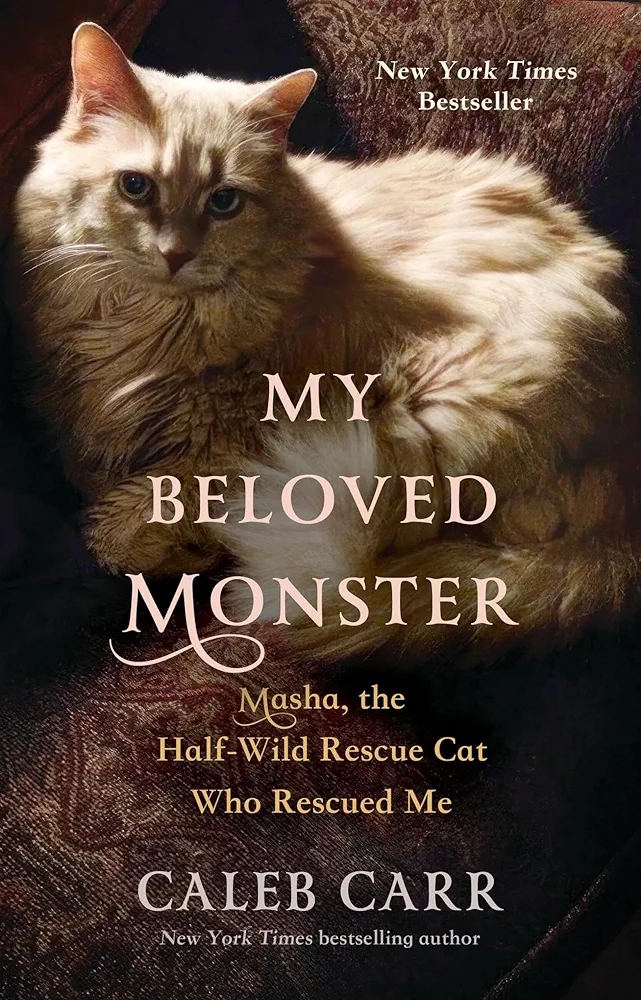
Caleb Carr credits cats for showing him love during his difficult childhood when he was frequently beaten by his father.
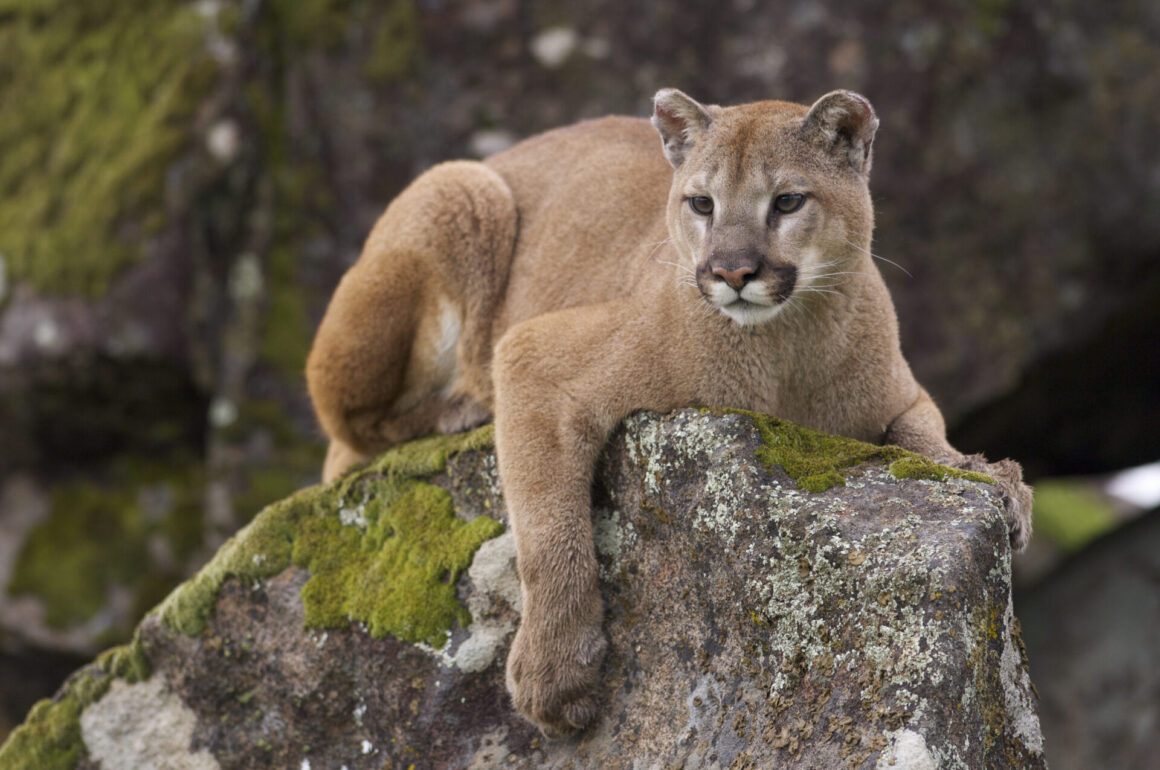
A “mountain lion” spotted near a trail in Ventura County, California, was actually just a house cat, authorities said this week.
California’s Department of Fisheries and Wildlife dispatched staff to the area in question, the Los Padres trail in Thousand Oaks, after neighbors there reported what they thought was a baby mountain lion. One family had footage of the interloper captured on a doorbell camera.
The alleged puma turned out to be a house cat, which is a surprisingly common outcome when authorities look into alleged mountain lion sightings. Despite their size, pumas are genetically closer to felines — small and medium-size cats that can purr and meow — than they are to panthera, the genus that includes tigers, lions, jaguars and leopards.
Their gait is almost identical to that of familiar felis catus, their golden coats can look dark at night, and cats can look like pumas — or the other way around — when there’s not enough visual context to gauge the animal’s size, especially in footage captured on cell phones and security cameras, which are almost always equipped with digital zoom instead of the true optical variety.
We know what you’re thinking: this house cat must have been an impressive specimen if it was mistaken for a puma, so there’s a good chance it was Buddy. However, we can confirm that Buddy the Cat definitely was not wandering around California this week.
Novelist found solace in the company of cats
Author Caleb Carr passed away on May 23, and the Los Angeles Times has a nice tribute to him by a reporter who bonded with Carr over their shared love of cats. The writer, 68, had been suffering from cancer for some time.
Carr was known for his crime thrillers (The Alienist, The Angel of Darkness) and military history books, and he spent part of his career teaching military history at Bard College in New York. (Just a short ride from our own alma mater, Marist College.)
Carr’s last book is a tribute to his cat and her species.
Despite his publisher requesting another crime thriller, Carr decided his last book would be about a cat. Specifically his rescue cat Masha, who helped him through difficult times, and the cats of his childhood who comforted him when he was beaten by his father, Beat Generation figure and author Lucien Carr.
“It’s amazing to think about it now, but there were cats, and other animals, that were trying to make me feel better,” Caleb Carr told the Times. “The idea of that was so at odds with everything I was experiencing.”
Carr credits those felines for helping him avoid the abyss, telling the interviewer he “could have been one of those dead-eyed drone troublemakers that comes out of an abusive household very easily, if it hadn’t been for cats.”
Some people were disappointed that Carr didn’t have another novel like The Alienist in him, but Little, Brown publisher Bruce Nichols liked the idea, and the finished book was titled My Beloved Monster: Masha, The Half-Wild Rescue Cat Who Rescued Me.
Is there any evidence to support claims of a longer kitten season?
Is kitten season getting longer because of climate change?
Some rescuers in California think so, according to a story in Santa Rosa’s Press-Democrat.
“Heat and warmth is what it’s all about,” said Mary Pulcheon, trapping coordinator for Forgotten Felines of Sonoma County.
Pulcheon and the executive director of Forgotten Felines, Pip Marquez de la Plata, told the Press-Democrat that strays in their care had given birth as late as December in 2023 when kitten season generally runs from late March through October.
They say the typical kitten season has shifted and is now longer due to rising temperatures caused by climate change.
It’s an unverifiable claim for several reasons.
First, we don’t have reliable estimates for how many cats there are in the US, let alone stray and feral cats. Any estimates are guesses, and they vary wildly from 20 million on the low end to 120 million, which seems an excessive and unrealistic number.
To date there’s been a single comprehensive feline census in the US, the D.C. Cat Count. It took three years, several million dollars, hundreds of trail and trap cameras, and the efforts of an army of volunteers and staff.
The final tally: 203,595, with only 6,533 unowned cats fending for themselves and drifting between managed colonies.
Credit: Ejov Igor/Pexels.com
The DC Cat Count is historic and has already proven its value by facilitating informed debate, showing rescuers/TNR volunteers where to direct their efforts, and yielding valuable data on local ecological impact.
Alas it’s a one-off, so we don’t know anything about how the population has changed over time.
Secondly, while there absolutely is scientific consensus that human activity is driving global temperatures up, there’s debate about how much temperature flux is directly attributable to modern civilization. We’re also looking at planetary timescales here, tracking changes that happen not just over decades, but centuries and millennia.
Attributing shifts in kitten season to climate change is a bit like attributing single storms to climate change. These are single data points from which we can’t draw conclusions.
Credit:Cats Coming/Pexels
Lastly, there could be dozens of factors skewing “normal” kitten season, and that’s assuming the March through October season is normal by historical measurements. We don’t know that for sure, and we can’t know it without data.
I’m limited by a lack of imagination here, but changes in kitten season could be regional, reflect non-climate weather patterns, or adjust according to cyclical patterns. Things as seemingly unimportant as ambient light pollution can have a profound effect on animal behavior, and it always helps to remember that felines are sensitive to stimuli that we literally cannot detect. Cats can pick up high frequency sounds we can’t hear and smell things beneath the notice of our own weak noses. They even have a second form of olfactory input, a literal sixth sense that is unmatched by anything in human biology.
We understand very little about how those things impact feline behavior.
With all things considered there could be hundreds of reasons for changes in kitten season, and that’s assuming the changes are real and people aren’t mistaking outliers for trends.
Ultimately we don’t need to draw conclusions about whether there are more kittens born each season. We know TNR, while imperfect, is the best way to humanely reduce stray and feral populations, and we still have a way to go before cats are no longer euthanized because we can’t find homes for them.
Cosmo, the goodest goodboy, showed me how much love animals have to give. Without Cosmo, there would be no Buddy.
Growing up, my experience with dogs was mostly limited to Sparky, my friend’s demonic Chow who had sunk his teeth into every member of his human family and most of my friends.
Four of us formed a punk/rock band as teenagers and when we’d practice at my friend Rob’s house, he had to put Sparky into the fenced-in yard for our benefit. As we jammed and I fell into the revelry of trading off guitar solos, I’d look over and see that hellspawn of a canine, face pressed against the glass, slobber oozing from his mouth as he radiated hate. I’d taunted Sparky once, stupidly and ignorantly, and he never forgot it. That glass was the only thing between me and a mauling of biblical proportions.
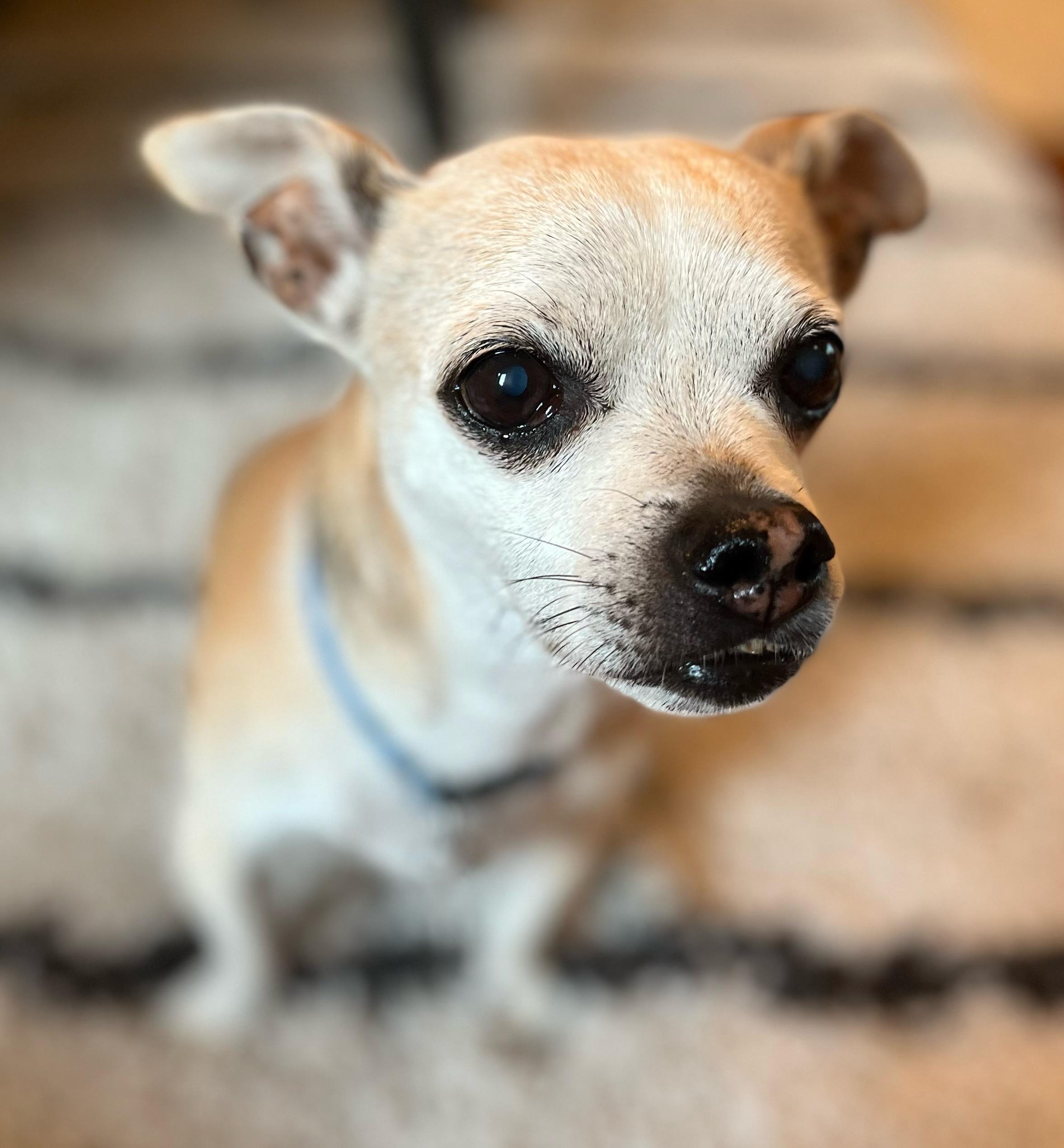
I was not fond of dogs, so in 2010 it was with reservation that I agreed to dog sit Cosmo, the Chihuahua-terrier mix adopted about two years earlier by my brother and his wife.
Cosmo was a lost puppy wandering the streets of Oceanside, California, when he was picked up by animal control, transferred to a shelter and put up for adoption. We don’t know exactly when he was born, how he got separated from his mom or how long he wandered the busy streets of that city.
For years I thought Cosmo was named after Cosmo Kramer, the Seinfeld character, but Mike says he was named in honor of Carl Sagan, the famous science educator whose book and movie, Cosmos, introduced generations of people to the mysteries of space.
What I do know is that it was impossible to stay ambivalent about him for long. Not with his zest for life, his puppy-like energy or his sweet nature. “Sweet” is an over-used word when it comes to animals. I wouldn’t use it to describe Bud despite the fact that he’s my cat and I love him, but it describes Cosmo perfectly. He doesn’t have an angry bone in his tiny body. He’s trusting, he has a huge heart and if you’re one of his favorite people, he’ll never let you forget it.
My brother and his wife saw their opening when I let the little guy jump into my lap, something I’d never allowed any animal to do. At the time it was so out of character for me, my brother took a photo to prove it happened.
So when they moved from Oceanside to Manhattan and planned a long weekend away, they asked me to dog sit and I agreed. At the time I was working evening shifts as a journalist for Newsday, the New York tabloid. I went from my office on 35th St. near Madison Square Garden to my brother’s apartment on 65th, gave Cosmo his dinner and took him for his walk. It was eventful: He barked and charged at a dog three times his size as if challenging the big mutt to a battle of nerves, and must have sensed me looking at a cute girl walking her dog because he made a beeline for her and refused to relax until we spoke to each other. Cosmo was an excellent wingman.
I put Cosmo in his crate that first night. It’ll be fine, Mike and Jen said. He’s cool with his crate, they said. He won’t keep you up all night, they said.
None of that was true. Cosmo barked and barked until I let him out of his crate, then barked some more until I let him into the bedroom and on the bed.
And that’s how I went from someone who could barely deal with animals to a fool letting a Chihuahua-terrier mix cuddle with me so I could finally get to sleep. Better to let the little stinker on the bed than be a zombie at work, I thought.
We fell into a rhythm that week. I’d come home, walk him around the quiet upper west side at night, and we’d watch a movie together on the couch before crashing.
While Bud is typical of his species and has the inexplicable ability to claim 80 percent of the bed despite his small size, Cosmo’s footprint on the bed grew smaller that week as he gently pushed down any barriers I’d previously maintained. I’d wake to find his little paws resting on my arm, or his body squeezed between my arm and my ribcage. Chihuahuas are true burrowers.
Cosmo traveled the world with Mike and Jen. He was a California sunshine dog, then a New York City dog, then a Washington, D.C. dog. He was with them for their years in Japan and, until very recently, their post in Ukraine.
Cosmo hated every minute in that dark, frigid country, even before Vladimir Putin started a bloody war there. He was overjoyed when the family moved from bone-chilling Ukraine back to sunny Virginia, unaware that he’d missed a war by a week though undoubtedly bummed that Mike, his favorite human, remained in the country for the next five months helping Ukrainian friends.
Best buddies.
Before they left for Tokyo in 2017, a veterinarian told Mike that Cosmo, already suffering from several ailments, probably wouldn’t live another two years.
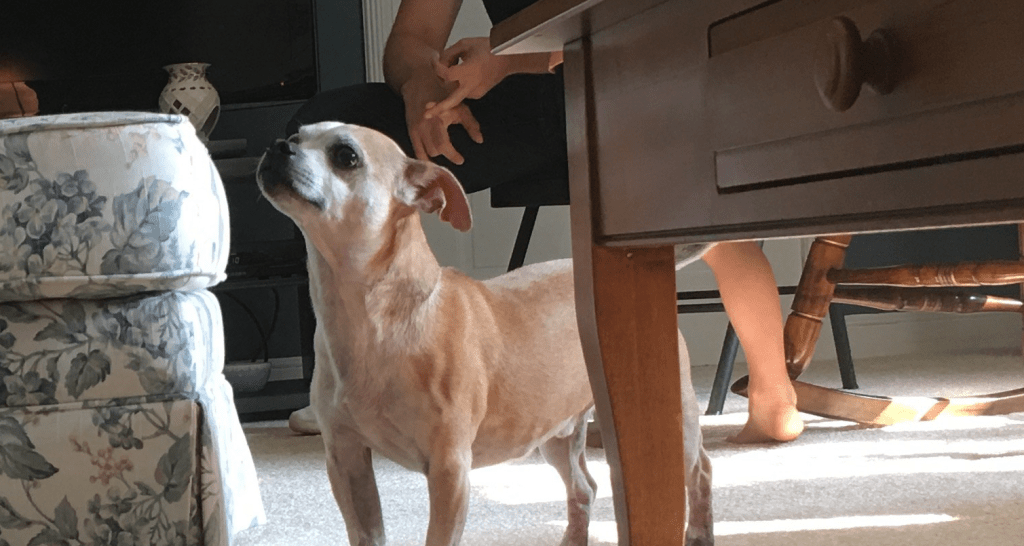
That was more than five years ago. Cosmo made it to almost 15 years old. He was mostly deaf and nearly blind. His eyes became milky from cataracts. He limped and it took real effort to pump his little legs when Mike took him for his walks. He wasn’t able to jump up on the couch anymore, and signaled when he wanted a human to pick him up and put him in a comfortable spot.
By the summer of 2022, the little guy was on borrowed time.
My brother, ever stoic, seemed to accept it as he cradled Cosmo like a baby and told me Cosmo had cancer one night last summer. Mike doesn’t often show his emotions, but I know he’s crushed. He loved that dog. The dog adored him.
I’m not good at masking my emotions, at least when it comes to things like this. I started writing this blog post that same night before bed, a few hours after Mike told me Cosmo was dying. Tears welled in my eyes as I thought of Cosmo as a puppy wandering the streets in Oceanside, and his days as an old, tired dog. (I can imagine my brother reading this and thinking, “You pussy.” But hey, we’re all different. I’m the witty one, obviously. Also, I have more hair.)
Before we crashed on that night last summer, Mike and I watched a movie. Cosmo looked at me and gestured with his paw, signaling that he wanted up. I picked him up gently, put him down on the couch, and he nestled into my side like old times.
“He hardly does that with anyone,” Mike told me.
But that’s because we were pals. Cosmo was my buddy before there was a Buddy. Without Cosmo to show me animals could be a source of great joy, there’d be no Buddy in my life and no Pain In The Bud. Buddy would be living with someone else, and his name would probably be Rufus, or maybe Mr. Jerk. It’s difficult to imagine anyone loving him like I do, or being best pals with him. In a very real way, Cosmo gave me that gift.
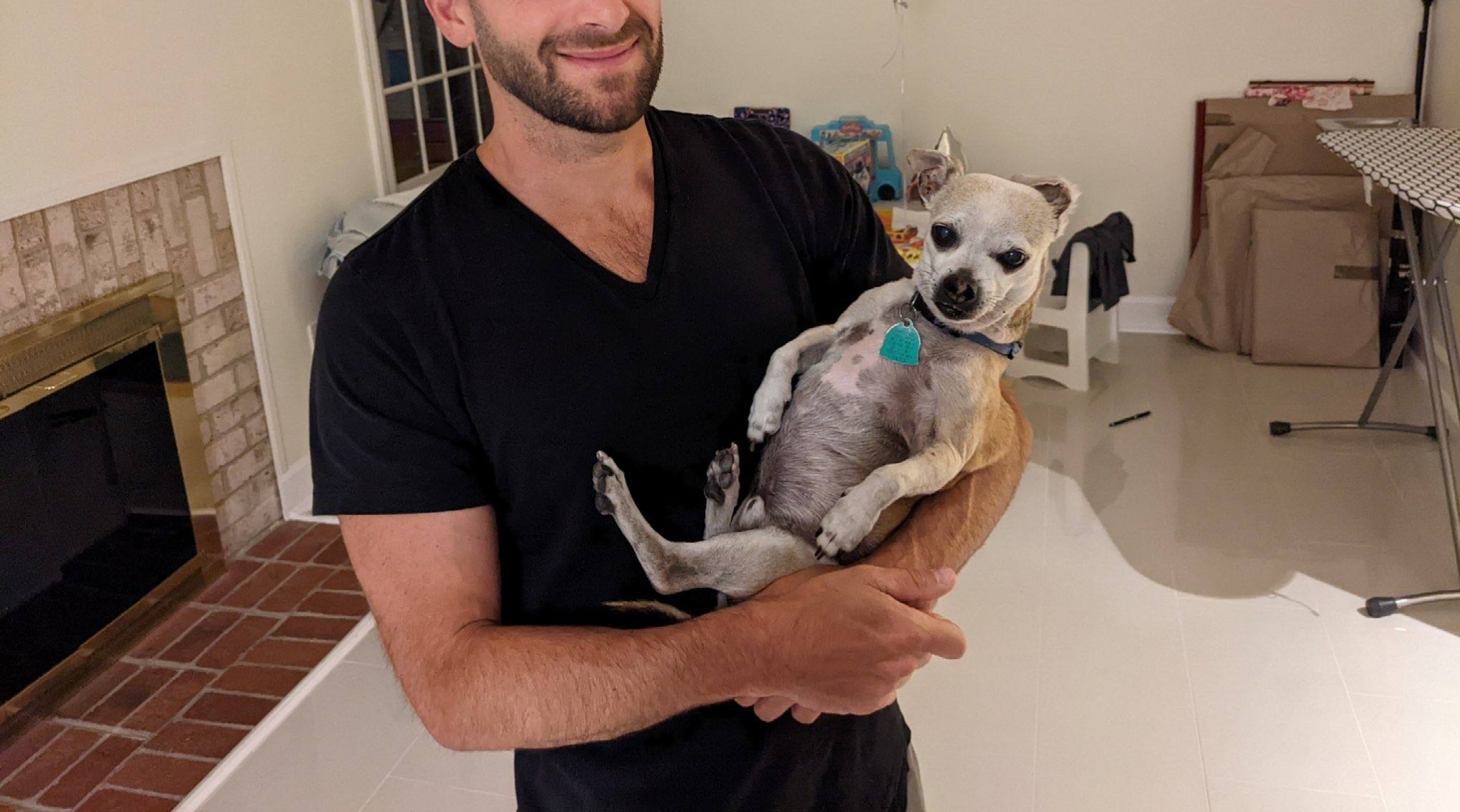
Back in 2019, before PITB had its own domain and was read by a handful of friends and relatives, I wrote about Cosmo. That’s him in New York at a family gathering at my aunt’s house, and on the balcony of the apartment in Tokyo. It’s shocking to see how much he aged in only a few years.
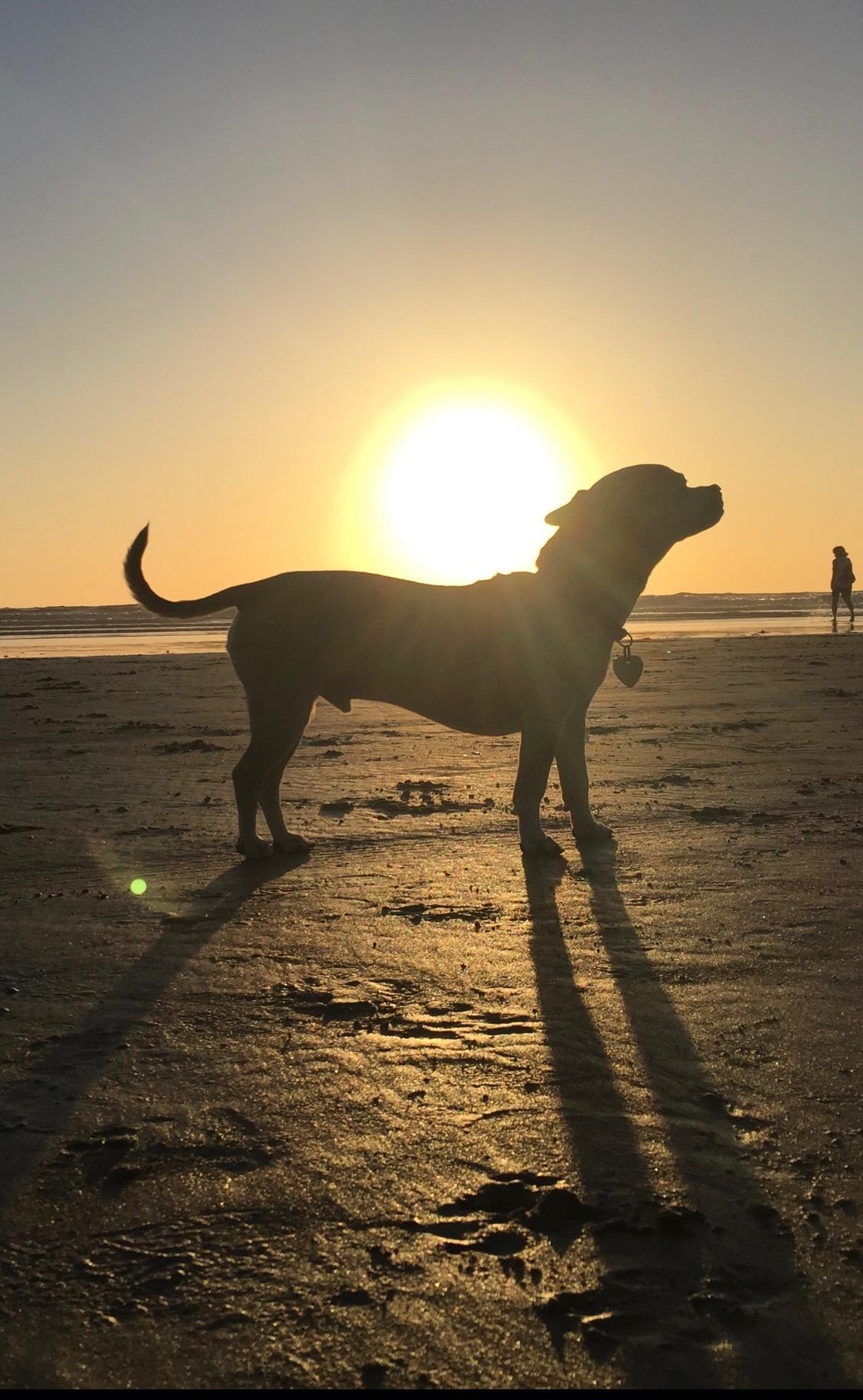
Cosmo on the beach in San Diego. As a puppy he was separated from his mom and siblings and wandered the streets of Oceanside before animal control scooped him up. Credit: BoBB (Brother of Big Buddy)
At the risk of overdoing the anecdotes, I think the following one is illustrative of what a good dog Cosmo is.
A few years ago a bunch of us were hanging out at night drinking beer and talking around a backyard fire pit when everyone went to crash except Jen, Mike’s wife. She wanted to stay up a while longer and I agreed, so we went inside to get more beer with Cosmo following us in. The temperature had dropped and the little guy was shivering.
When we went back outside, Cosmo hesitated by the door. He wanted to hang but he was freezing and didn’t know I’d brought out a few blankets. But when I called to him he came anyway, jumped into my lap and looked at me with gratitude when I swaddled him in the blankets and moved closer to the fire. He trusted me. He knew I wasn’t going to let him freeze.
I will never forget the adventures we’ve had together. The time in California when he was barely more than a puppy and got away from me on a walk, leading me on a chase through the parking lot as I wondered how I’d explain to Mike and Jen that their beloved dog was gone. I did an entire lap around the development and was gassed out when I saw the little guy had returned to the house and was waiting for me on the front steps with a look on his face that seemed to say “Where ya been, dude? Couldn’t keep up?” Cheeky bastard.
The time I was dog-sitting again and he refused to do his business on his morning walk, then dropped a fresh turd on the gleaming marble floor of the Manhattan high rise where Mike and Jen lived, right in front of a rush of commuters exiting the lobby elevators.
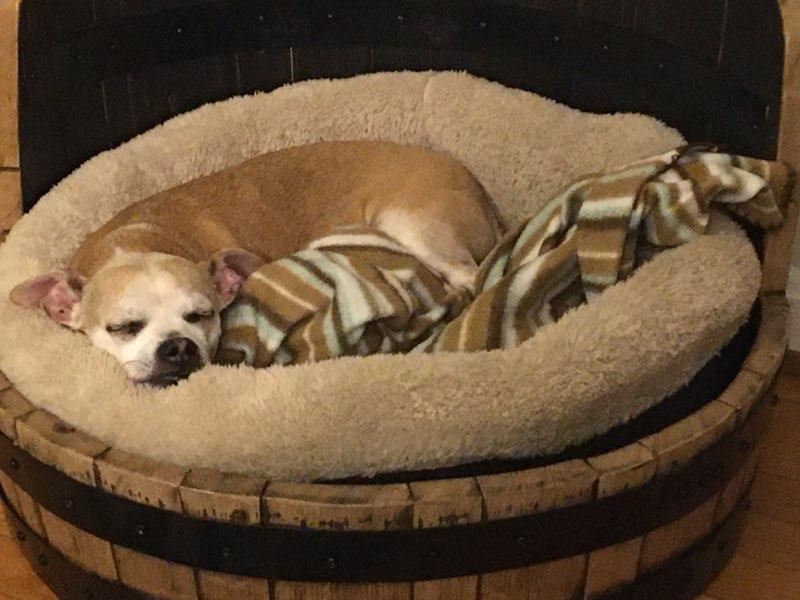
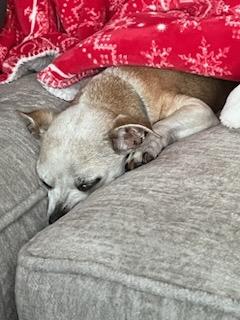
In his layer years Cosmo could give Bud a run for his money when it came to napping. Credit: BoBB or SiLoBB.
The subsequent dog-sitting stints, when we’d hang out on the couch and watch horror movies, jolting upright together during jump-scares.
The time we all went hiking in a state park near Albany and a huge bird-of-prey began circling above, apparently deciding Cosmo would make a nice lunch. (Jen had to pick him up and cradle him protectively on the walk, and the bird eventually went in search of easier pickings.)
The first time I babysat for my newborn niece, fresh off of learning how to change a diaper by watching a Youtube video, and began to freak out as she cried and Cosmo barked. They seemed to be stuck in a feedback loop and for a panicked moment I thought I was in way over my head. Cosmo took the arrival of the girls in stride. He’d gone from the center of his human parents’ world to still very much loved, but forced to share time, affection and attention with one little human, then another. He never took it out on the kids even when they occasionally played too rough, as all kids do.
And of course that first hesitant occasion in California when I allowed him to climb into my lap and decided not all animals were bad after all.
If not for Cosmo — and, coincidentally, a friend’s super friendly tuxedo cat who was also named Cosmo — I would not have known my allergies could be managed as an adult, and I would almost certainly not have looked into adopting a cat. I was coming off a brutal few months of seasonal affective disorder and for the first time I gave the idea serious thought. Cosmo showed me that animals could be good friends, stress relievers and a constant source of entertainment, as well as loyal and never judgmental. (Well, mostly…I do think Bud’s judging me every time I go to the kitchen and don’t fetch him a snack.)
Buddy owes a debt to Cosmo even though he’d never admit it.
It’s the night after Thanksgiving 2022 and I’m trying to finish this blog post after letting it rest for months. On Thanksgiving Day, Cosmo didn’t seem to recognize me in a noisy house full of family, but tonight he ran to the door to greet me, barking happily and pressing his paws against my legs just like old times. He spent the next few hours in my lap, soaking up my body heat as I scratched his head and back.
A younger Cosmo looking healthy and happy at my aunt’s house during the holidays. Cosmo was a pro at scarfing down any stray crumbs from appetizers or the dinner table.
It’s Dec. 29. Cosmo spent the holidays by the fireplace, swaddled in blankets. Normally no one, human or animal, would sit that close to a fire. For Cosmo, it was the only way to stop shivering as the heating system struggled against record-breaking cold.
Cosmo loved to burrow anywhere he could.
It’s now early August and my brother is visiting with his wife and kids. This is the last time I will see Cosmo, but neither of us knows it.
I’m relieved to see he recognizes me. The last time he was in New York there were too many people, too much commotion for an old dog. Now he wags his tail and jumps up like a puppy, and I bend down, rub his head and tell him how happy I am to see him.
Aug. 16, 2023:
Cosmo died at about 11:30 pm in Mike’s arms, in Mike and Jen’s bed, his bed. He’d been having a rough couple of days and after he’d been sick a few times and soiled himself that evening, it became clear the end was near. They were at their vacation home in the Outer Banks at the time, and the nearest emergency vet was more than an hour away. Cosmo wouldn’t have made it anyway.
Cosmo was a happy dog, but he was never happier than when he was with Mike, and I have no doubt that there’s no place he’d rather have been, no person he’d rather have holding him in those last few hours. He died with the people who loved him most, after living almost 15 years as part of their family.
I spoke to my brother the day after Cosmo passed and checked in with him a day or two later to ask how he was handling Cosmo’s death.
“Honestly, having never had a pet before, I was not expecting to be this impacted by his death,” he texted back. “It’s shitty.”
Indeed. I mourn Cosmo knowing that the day will come when I’ll mourn my own best little buddy.
If there’s any real downside to opening your home and your heart to an animal, it’s the fact that their time on Earth is unfairly short. Some people say the pain of losing them is too much, but no matter how difficult it is, it can’t compare to the years of companionship, memories and love. As my canine friend crosses the fabled rainbow bridge, he’s taught me one last lesson about pets: To cherish the time we have and remember that, one day, we’ll happily trade a puked-on carpet, a broken guitar or a scratched-up chair just to have a little more time with them.


 Pain In The Bud