Family Shares Vet Records, Photos In Battle Over Cat Taken By Amazon Driver

One party has produced records. The other has an implausible story. Yet again, a situation highlights the need for new pet laws that reflect the way people see companion animals now, not as they did more than a century ago.

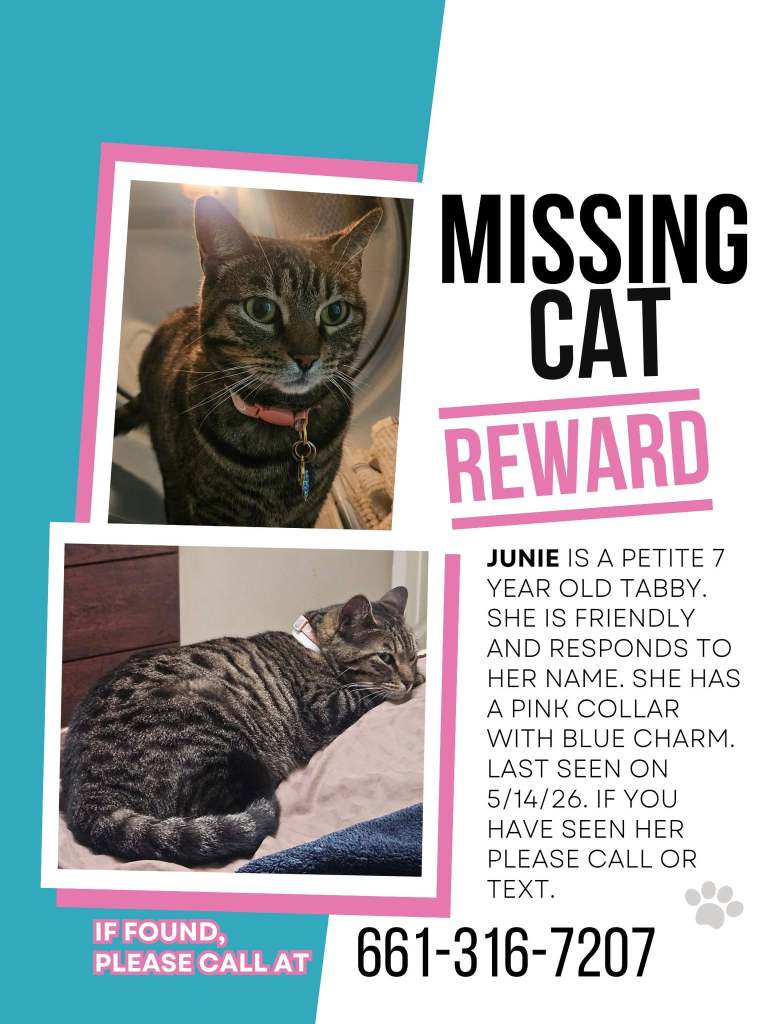
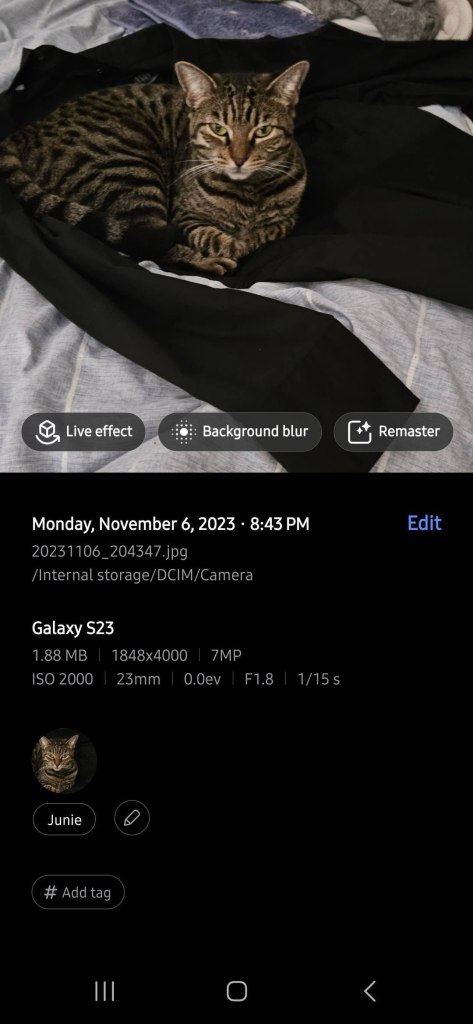
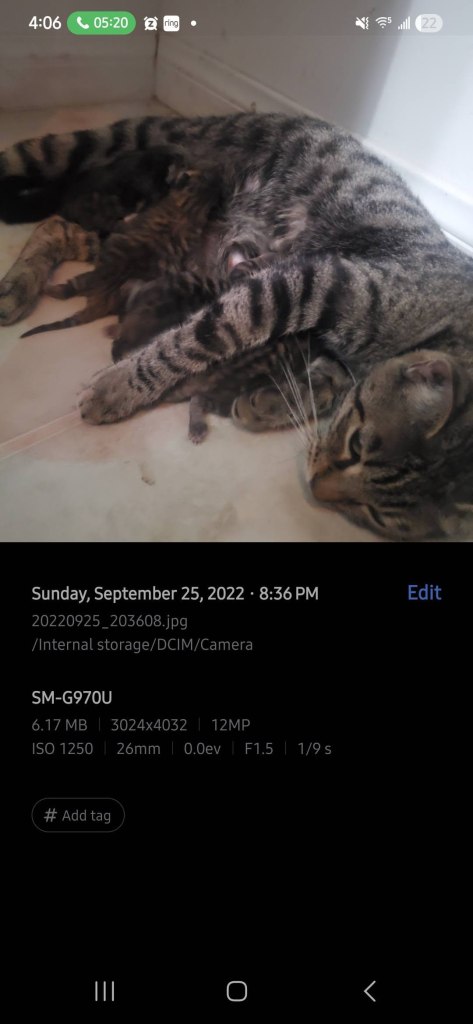
Junie the cat gave birth to a litter of kittens in 2022, was spayed in 2023, and photos show her nursing her babies, relaxing on a favorite blanket, and lazing imperiously on one of her humans’ clean black shirts.

The photos and documents were shared by Brenda Wilson, the Bakersfield, Calif., woman who said her cat still hasn’t been returned to her after an Amazon driver took her several weeks ago.

Since the police say they’re investigating the alleged theft, releasing the documents seems like more of an exasperated act of receipt-producing after the delivery driver, Joshua Gonzalez, went public and said he was retrieving his own cat, not stealing Wilson’s.

You can practically hear Judge Judy snapping “Let’s see the receipts!” as she adjusts her glasses.

In Gonzalez’s version of events he serendipitously happened to discover his own missing cat sitting on the front step of a home that happened to be on his delivery route. At different times referring to the cat as “he,” “she” and “it,” Gonzalez said he’d adopted the feline for his seven-year-old daughter back in October of 2025, still hadn’t bestowed the cat with a name despite her living in his home for seven months, and he knows she’s his cat because she has a “distinct” M-pattern on her forehead.
Gonzalez could be telling the truth. There’s a nonzero chance of that. Truth really can be stranger than fiction. But his version of events stretches credulity to its breaking point.

Literally every tabby cat has the “M” pattern on their heads. It’s what makes them tabbies. He seems as confused about that as he is about Junie’s gender.

Then there’s the video: the entire sequence of events is captured on a Ring camera near Wilson’s front door. Gonzalez doesn’t react like a man who’s stunned to fortuitously stumble over his own missing cat, at an address his job took him to, no less. He doesn’t express shock or surprise, or seem to visibly react at all. He doesn’t even look at the cat. He delivers the package, logs it on his phone, then swoops the feline up in his arms and walks off with her.

If you’d just unexpectedly found your own cat, would you call out to her, extend a hand, and smile with relief when she pads up with a raised tail and happily brushes her cheek against it? Would you check her coat pattern and markings, then check again? When scooping her up, would you talk to her, maybe even plant a kiss on her head, and tell her how happy you are to find her? Would you look happy? Would you leave a note?

Most people would do at least some of those things. Gonzalez does none of them.
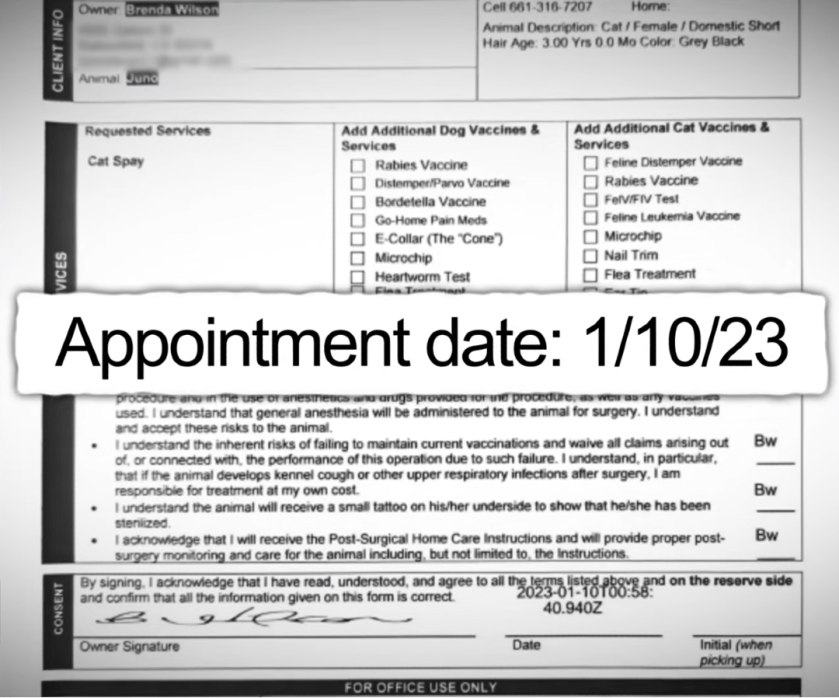
And while Wilson has produced date-and-time-stamped photos of Junie going back years, the only photo Gonzalez shared with a local news station was a smartphone snap from the other day showing Junie in his lap.

And that’s half the problem. Neither party would be going to the media and trying to litigate this in public if the police were motivated to take the alleged theft more seriously. That’s not entirely their fault, because in the vast majority of states, laws regarding animals haven’t been updated since the days, more than a century past, when they were written to settle farm and ranch disputes. There’s little guidance from the law, and fewer options. The law doesn’t recognize pets as conscious individuals with feelings, so courts don’t take into account the best interests of the animals either.

Wilson said she doesn’t want anything but the return of Junie. The police would save her family a lot of angst by making that happen. Unless Gonzalez starts producing some truly impressive evidence, familiarizes himself with the gender of the disputed feline and explains his behavior, it’s difficult to believe Junie belongs with anyone besides the Wilsons.
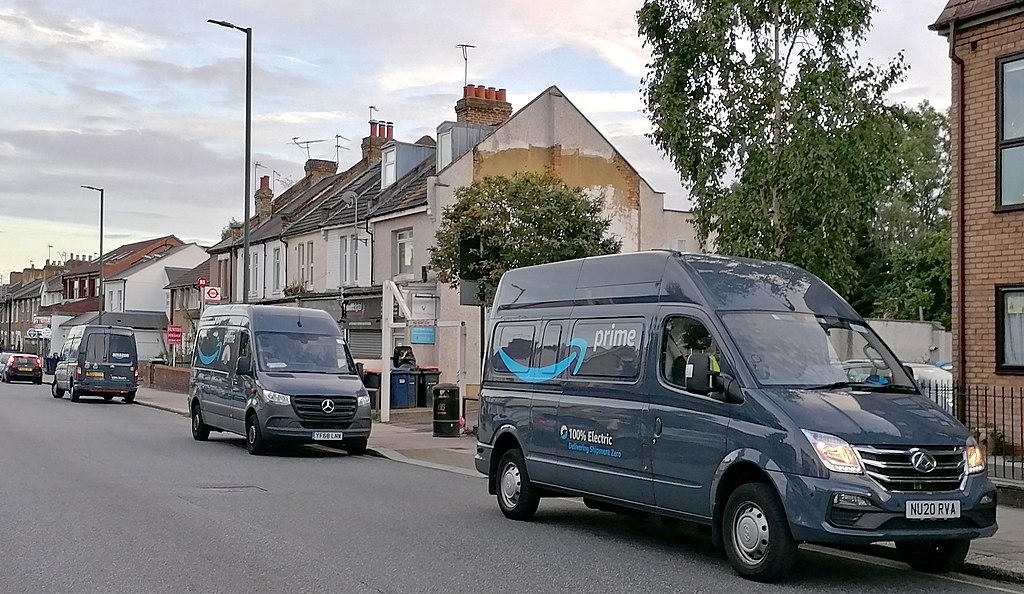
A Week After An Amazon Driver Stole A Woman’s Cat, Neither The Company Nor Police Have Any Answers

Amazon says it has identified the driver who stole a California woman’s cat and is working with local police, but they still haven’t recovered the beloved pet.

You’d think it would be relatively trivial to reunite a woman with her cat after an Amazon delivery driver stole the kitty on Dec. 11.

After all, the victim’s own Amazon Ring camera system captured video of the driver walking away with Piper the cat after dropping off a package. Amazon knows precisely who the driver is, where he lives and how to contact him, because he’s a contractor for the company.

And it’s difficult to imagine how it would stretch the resources of the Lakewood (California) Sheriff’s Department to send a deputy out to arrest the guy and retrieve the cat.

The driver picks Piper up by the scruff of her neck, which could cause serious injury in an adult cat.

This wasn’t a high stakes heist by pros with a plan to disappear.

It was a local delivery driver who made an impulsive decision to steal a cat from a customer.

Do the police really think the man is hiding out in a local motel with the shades down and the cat tied to a chair, cutting out letters from a magazine for a ransome note?

Getting Piper back matters very much to Diane Huff Medina and her children, who miss the chatty Siamese mix.

It doesn’t matter at all to the police or to Amazon, which finally issued a statement calling the theft a “horrible act” and saying it was cooperating with police.

“The Amazon Flex delivery partner in question is no longer eligible to deliver to our customers,” an Amazon spokesman said.

That doesn’t help Diane Huff-Medina get Piper back, nor does it help her reassure her children that the feline, who has been with the family for six years, will be returned unharmed.

“Every day they ask, ‘Is she back yet?’ It’s hard to tell them,”Huff-Medina told local media this week.

In our last post, we noted that in cases where people were reunited with their pets, they did not wait for Amazon or the police to act. Neither has the same sense of urgency as an animal’s own family, and unfortunately police are often reluctant to devote time or manpower to these cases because pets are considered property. When the most severe potential charge is petty larceny — which takes into account a cat or dog’s monetary value, but not its emotional value — stolen pets are considered minor crimes.

Huff-Medina has done well to shame Amazon and local police by going to the media and getting Piper’s story out there. We hope she gets good news soon.

Header image via Wikimedia Commons

Coyote Repeatedly Slams Into Screen Door To Get At Cat, Plus: What If Air Conditioning Isn’t Enough?

With much of the US already sweltering under a summer heat dome, architectural engineers warn most American buildings aren’t designed for extreme temperatures, while energy experts warn of more rolling blackouts.

A family in Mission Viejo, Calif., heard a series of loud crashes at their back door, then reviewed their doorbell camera footage to find a determined coyote had been trying to attack their cat.

The footage shows the coyote repeatedly throwing itself at the screen door, which might have buckled if there hadn’t been a baby gate reinforcing it.

“We ended up putting a baby gate up to keep the cats inside,” homeowner Cindy Stalnaker told KABC. “That ended up being what prevented the coyote from getting inside the house because that’s what he was banging into repeatedly.”

Coyotes weigh about 30 to 35 pounds and will attack potential prey smaller than they are, which includes pets as well as young children.

The canids aren’t usually keen on approaching human homes, but in many places they’ve run out of room to roam as towns and cities clear more wild land for new developments. Less habitat means less prey, which can also lead the animals to scavenge and hunt on the fringes of residential and urban neighborhoods.

Stalnaker said she was grateful the baby gate held, but she’s looking into a more stable and permanent solution to keep her cats safe from coyotes.

What if air conditioning isn’t enough?

Human activity isn’t just driving wild animals to extinction, it’s killing them off with temperature extremes, and a Tuesday story from The Guardian provides a bleak look at how our present situation threatens human life as well: Buildings in most US cities aren’t built to mitigate excess heat, air conditioners weren’t designed to keep on chugging indefinitely with temperatures around 100 degrees, and power grids can’t keep up with the demand when millions of AC units are drawing power simultaneously.

At the same time, summers keep getting hotter and there’s no reprieve in sight.

Kids playing in water from a fire hydrant
Legal or not, New Yorkers turn to fire hydrants to get relief during heat waves. Credit: NYC Office of Emergency Management

While the heat has major ramifications for animals and sea life, it’s also directly endangering human life now:

“Some experts have begun to warn of the looming threat of a “Heat Katrina” – a mass-casualty heat event. A study published last year that modeled heatwave-related blackouts in different cities showed that a two-day blackout in Phoenix could lead to the deaths of more than 12,000 people.”

An architectural engineer tells the newspaper that temperatures have spiked so much in recent summers that cooling “systems that we sold 10 years ago are not able to keep up with the weather we have.”

The result for people in America’s hottest cities is that even AC doesn’t provide relief.

In the meantime we’re likely to see more headlines about rolling blackouts, punishing energy bills and people dying in their homes, scientists say. Fusion power and significant leaps in battery technology can’t come soon enough.