The Netherlands Now Bans These Breeds, Citing Their Suffering

Popularized by celebrities like Taylor Swift and online “influencers,” the breed cats have cute features but also suffer from chronic health problems.

Lots of people think breed cats are the product of fine pedigrees, the result of careful breeding to produce “superior” cats, like some sort of feline genetic aristocracy.

The truth is a lot less glamorous. So-called pedigree cats are the result of relentless breeding and inbreeding, often by people who know nothing about genetics, for a single purpose: magnifying a particular aesthetic quality, like a coat pattern, ear shape or flattened head.

Because the breeding pairs are selected for aesthetic characteristics only, without consideration for anything else, breed cats are often at higher risk of certain types of diseases or physical problems.

Persians, with their flat faces, often have problems breathing. Bengals are known for heart problems and a tendency to suffer from kidney stones. Ragdolls are prone to heart disease. Munchkins, with their unnaturally stubby legs, often have joint problems and quality of life issues.

The heartiest, healthiest and most long-lived cat is the “plain” old domestic moggie, proving that human-directed breeding has nothing on the designs of evolution and mother nature.

In the Netherlands, two breeds with chronic health problems have become especially popular thanks in large part to social media influencers who show off their pets.

As a result, Dutch legislators passed a law making it illegal to buy or own Scottish fold and sphynx cats. The legislation was hailed by veterinary groups, who noted that their members know better than anyone how much cats can suffer from chronic problems like arthritis, heart disease and susceptibility to infection.
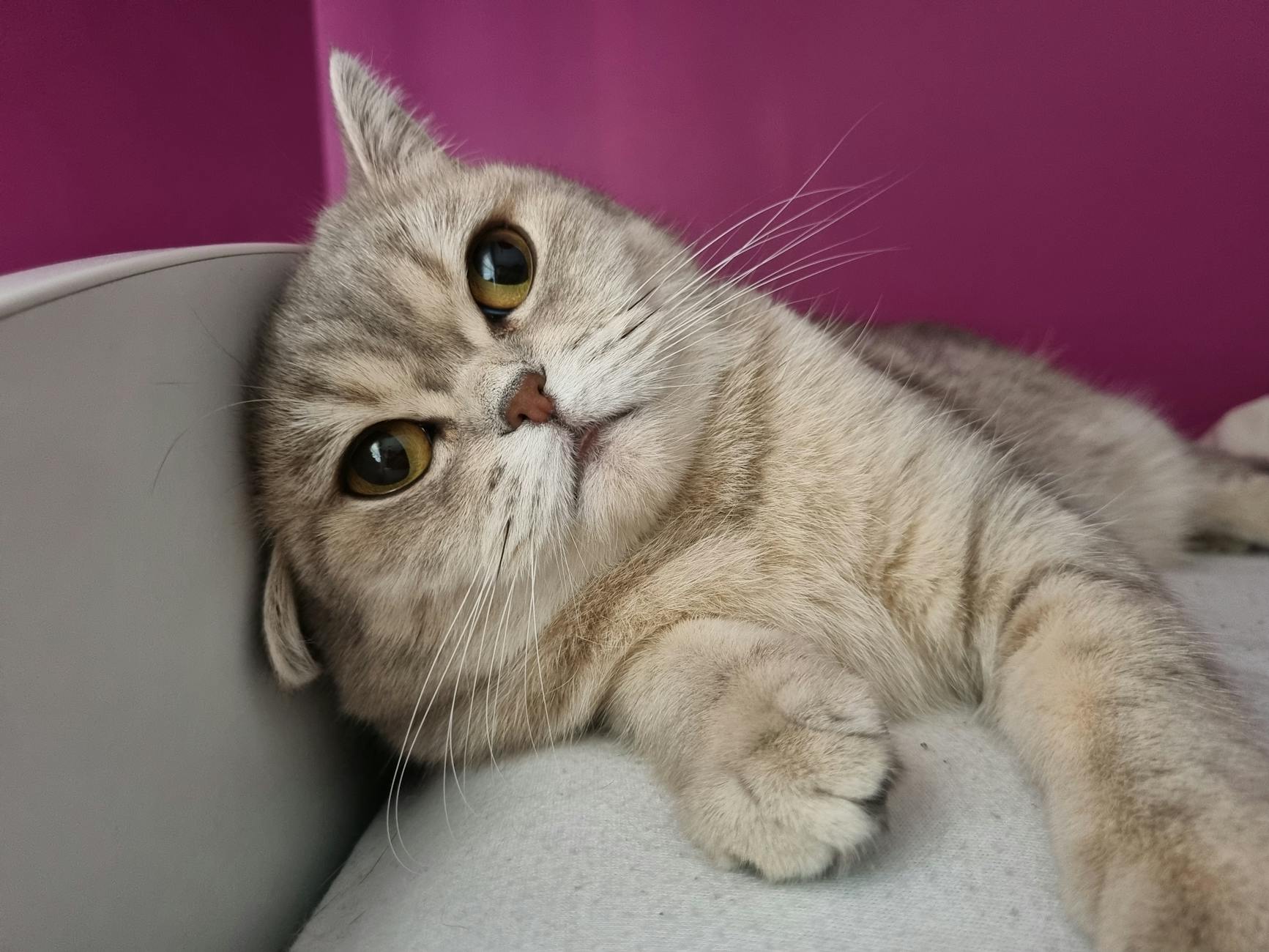
A classic Scottish fold with floppy ears. Credit: Mina Bau015fer/Pexels

The former is a classic example of breeding to emphasize a”cute” feature without regard for the consequences. Lots of people think Scottish folds are cute because they have floppy ears like puppies, which amplifies their natal features. But the same genetic mutation that weakens the cartilage in their ears also weakens cartilage and bones in the rest of their compact bodies. As a result, Scottish folds not only regularly suffer arthritis and joint deformities, they begin to suffer from those conditions well before old age.

Taylor Swift is the most well-known fan of the breed, and its popularity skyrocketed as her two Scottish folds, Meredith Grey and Olivia Benson, have been frequently pictured on the singer’s Instagram feed. They’ve starred in her music videos, accompanied her on tour and appeared on magazine covers in her arms and perched on her shoulders.

Sphynx cats have their own unique set of problems. Like several other breeds, sphynxes are more susceptible to heart disease, and their most recognizable trait, their lack of fur, is the source of most of their maladies. Sphynxes are more sensitive to cold and can’t regulate their body temperatures as well as other cats. The many folds in their skin make them vulnerable to dermatitis and fungal infections.
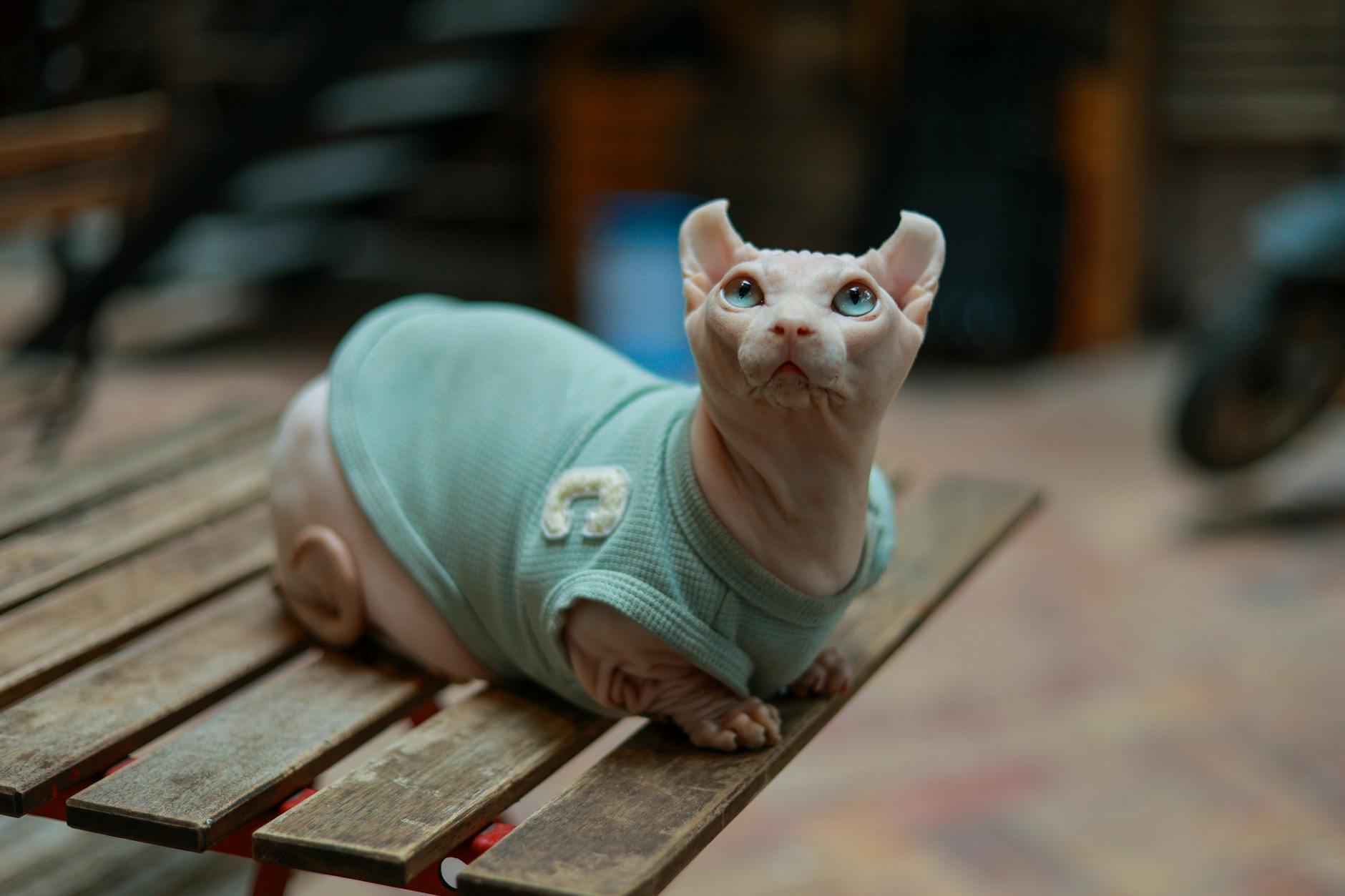
Sphynx cats are often seen bundled up because they have difficulty regulating their body temperatures. Credit: Nguyu1ec5n Thanh/Pexels

Previous attempts to curtail the popularity of sphynxes and Scottish folds had little impact, so under the new law it is illegal to buy, sell, breed and import felines of those breeds into the Netherlands. The previous law had severely curtailed the domestic breeding of Scottish folds and sphynxes, but did not make a dent in ownership rates as people elected to buy them from other European countries and “import” them.

People who already have cats of either breed will not have to surrender them. They will be grandfathered in, but they’re required to register their cats and have them microchipped, which the government hopes will stop people from reselling them.

“Animal welfare is my top priority,” said Jean Rummenie, the country’s agriculture and nature secretary. “It is important that cats do not suffer unnecessarily because of their physical traits. This ban allows us to prevent such suffering.”

Do you think the Netherlands made the right call here? Should the US, UK and other countries ban breeds that suffer from chronic health problems?
Sunday Cats: FDA Approves Kitty Arthritis Drug, Woman Calls Cops On Her Cat, Grudge Gets A Book

The new med could be a “game changer” for kitty quality of life. Meanwhile, Grudge the Cat of Star Trek fame gets her own origin story comic.

Older cats could soon have easier lives after the FDA approved the first-ever drug to treat feline arthritis.

Degenerative joint disease and the pain that comes with it is extremely common, impacting 45 percent of all domestic cats and 90 percent of cats older than 10.

It’s the reason kitties “slow down” later in life, it’s a significant blow to quality of life and it often leads to decisions to euthanize beloved pets who are in severe pain. The new drug, called Solensia, has been described as a “highly efficacious treatment” by experts. It can “extend [cat] life, extend their happiness, and extend that beautiful relationship between cats and their owners,” Dr. Duncan Lascelles told USA Today.

“This is absolutely groundbreaking,” said Lascelles, who researches pain and surgical methods at the North Carolina State College of Veterinary Medicine. “I have been in pain research for 30 years and this is the most exciting development that has happened.”

Solensia is administered via injection by veterinarians, with doses calculated by weight. Because traditional painkillers and other drugs can aggravate kidney disease and other common feline ailments, the new medication “marks the first treatment option to help provide relief to cats that are suffering from this condition,” said Dr. Steven Solomon, director of the FDA’s Center for Veterinary Medicine.

“You’re Grounded, Go To Your Room!”

A Nebraska woman called the police on her cat this past Monday, Jan. 10, after kitty supposedly flipped out.

The woman told police she was breaking up a fight between her cats when she warned one of the feline aggressors she would “put it in its room” if the fighting didn’t stop.

“At this point, the cat became enraged and attacked,” the police report says.

The woman suffered “superficial” scratches from the cat’s claws and was treated at a local clinic as a preventative measure. Unfortunately Omaha police took the cat and brought it to the Nebraska Humane Society. It’s not clear if the cat was permanently removed from its home or what its fate will be. Calls to the police and the Humane Society by Newsweek were not immediately returned.

The Book of Grudge

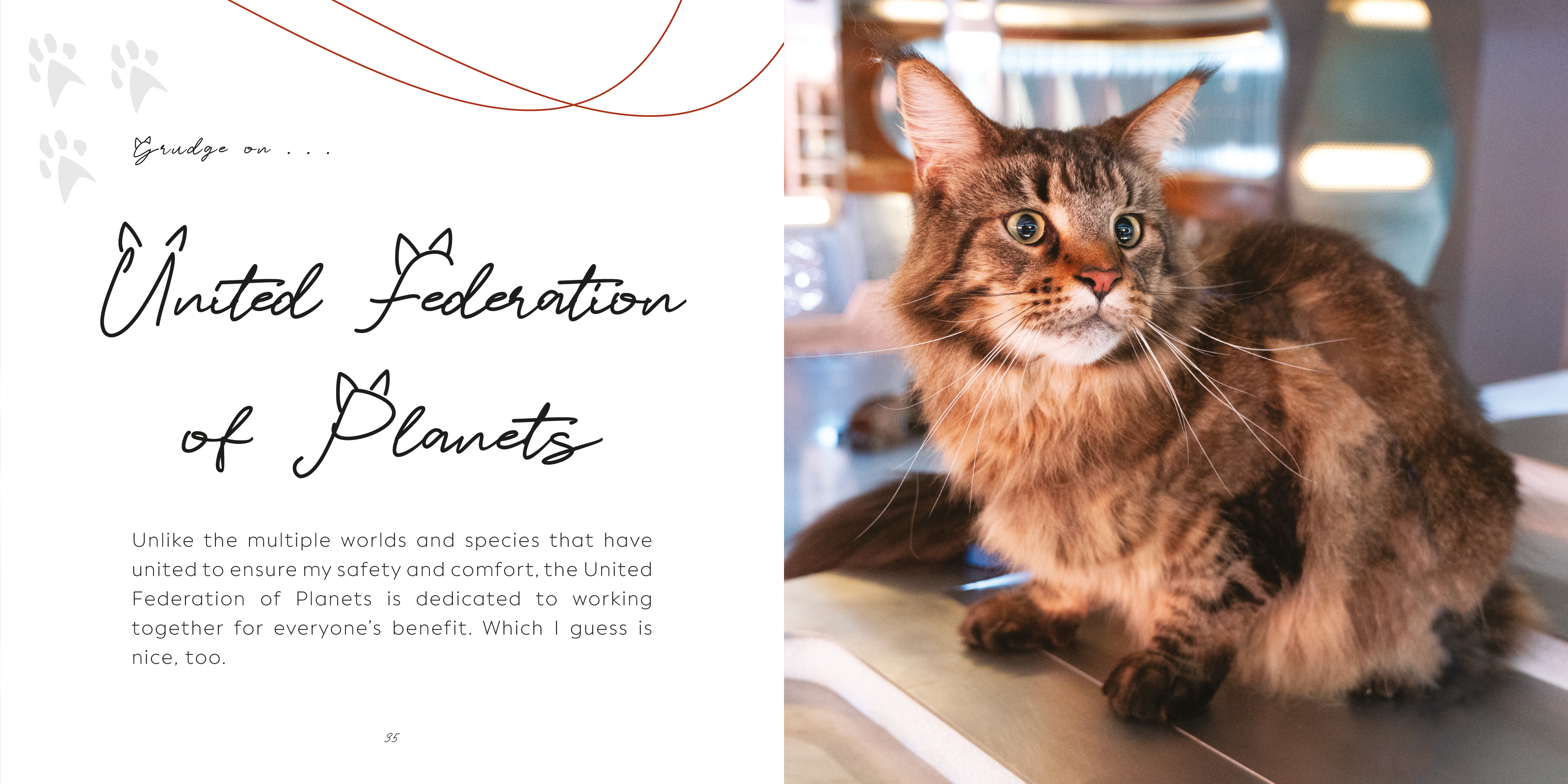
Grudge The Cat Gets Her Own Comic

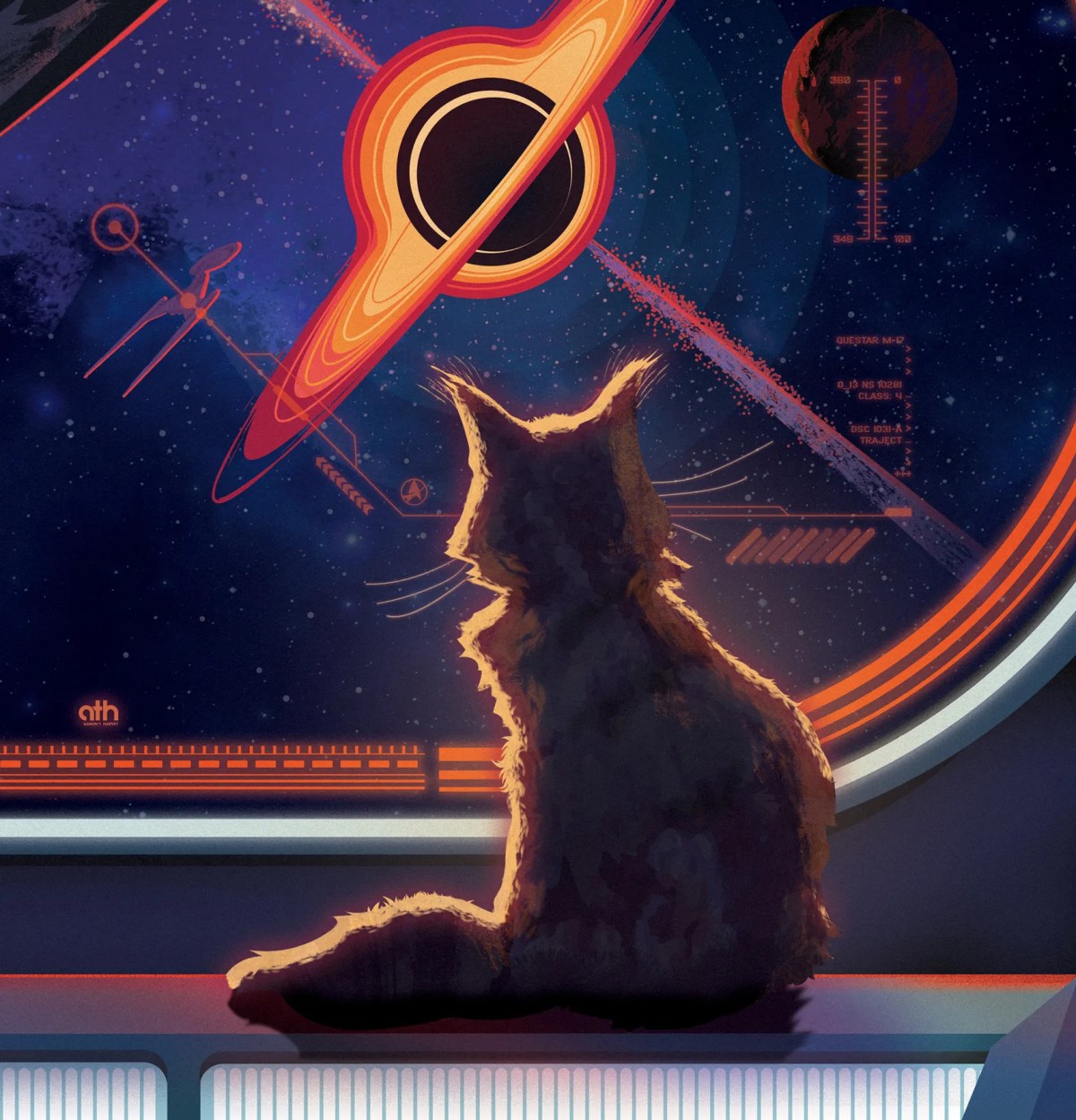
I’m not a big fan of Discovery, the newest iteration of Star Trek, but there are some elements of the show I like — including Grudge, the feisty Maine Coon companion of the rogueish Cleveland Booker, played by David Ajala.

Now Grudge stars in first issue of a new spinoff comic, dubbed Adventures in the 32nd Century.” The comic will tell Grudge’s origin story, as well as how she encountered Booker and appointed him her loyal human servant.

Although Grudge is female and often referred to as Queen Grudge in the show, she’s played by a pair of Maine Coon brothers, Leeu and Durban, who swap off between acting in front of the camera and napping.

If you can’t get enough of the well-traveled kitty, there’s also The Book of Grudge, in which the Star Trek feline shares her opinion on everything from space travel to the nature of time.

“Depending on what planet you’re on, what sun you’re passing or what temporal anomaly you find yourself in, I’ve learned that time is nothing but an artificial construct,” Grudge muses in the book. “So it’s in everyone’s best interests to synchronize their clocks to me.”

Grudge's origin story