Did A Japanese Scientist Really Double Feline Lifespans?

A new story claims a Japanese immunologist has “created a miracle” with his treatment for cats.

The cat world is abuzz with a new report that hails the efforts of a Japanese scientist, claiming he’s “created a miracle” that can extend cat lifespans to 30 years.

The story on Bored Panda claims the drug has “astounding potential,” boasting “a level of efficacy that has exceeded all expectations and has the potential to revolutionize feline healthcare.” According to Bored Panda, we’re headed toward a gleaming future and “soon we will be able to grow old with our beloved pets and be grey together.”

“Cat Lovers Rejoice As New Medicine Will Extend Cat Lifespan To 30 Years,” the headline declares.

Okay, let’s dial it back a bit and break down what’s true and what’s not.

First and most obvious, the story oversells the treatment and if you’re counting on your cat living to 30, you’ll need to readjust your expectations.

That’s unfortunate because there’s a good story at the heart of this, and there may be real benefits to cats eventually.

Toru Miyazaki is an immunologist who discovered a protein that helps the kidneys flush out toxins. Eight years ago, he realized the protein — apoptosis inhibitor of macrophage, or AIM — doesn’t always work properly in felines, which is why so many cats are susceptible to kidney failure, especially when they reach age 10 or so.

The AIM protein, Miyazaki explained, launches from immunoglobin antibodies “like a jet fighter from an aircraft carrier,” removing waste and debris from the kidneys.

But in cats, sometimes the AIM protein — the fighter jet — is “too tightly bound” to the antibodies, meaning it doesn’t “launch” in the first place and can’t do its job of flushing out toxins.
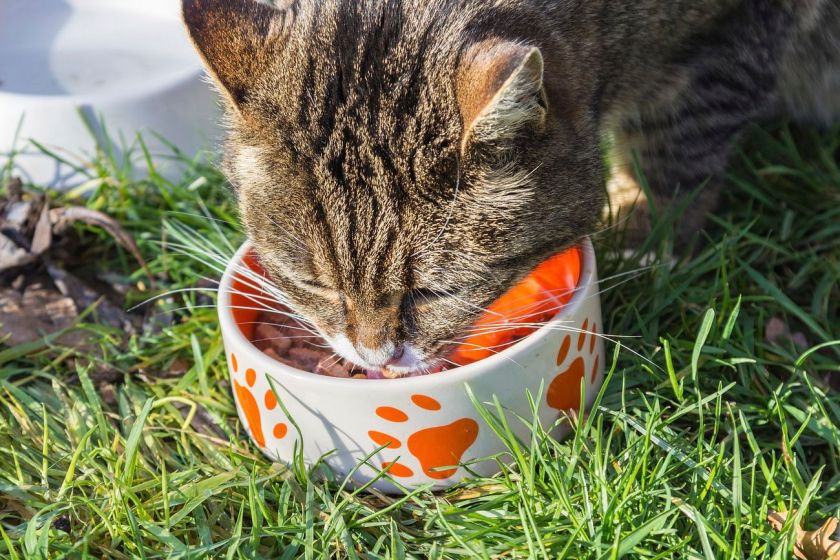
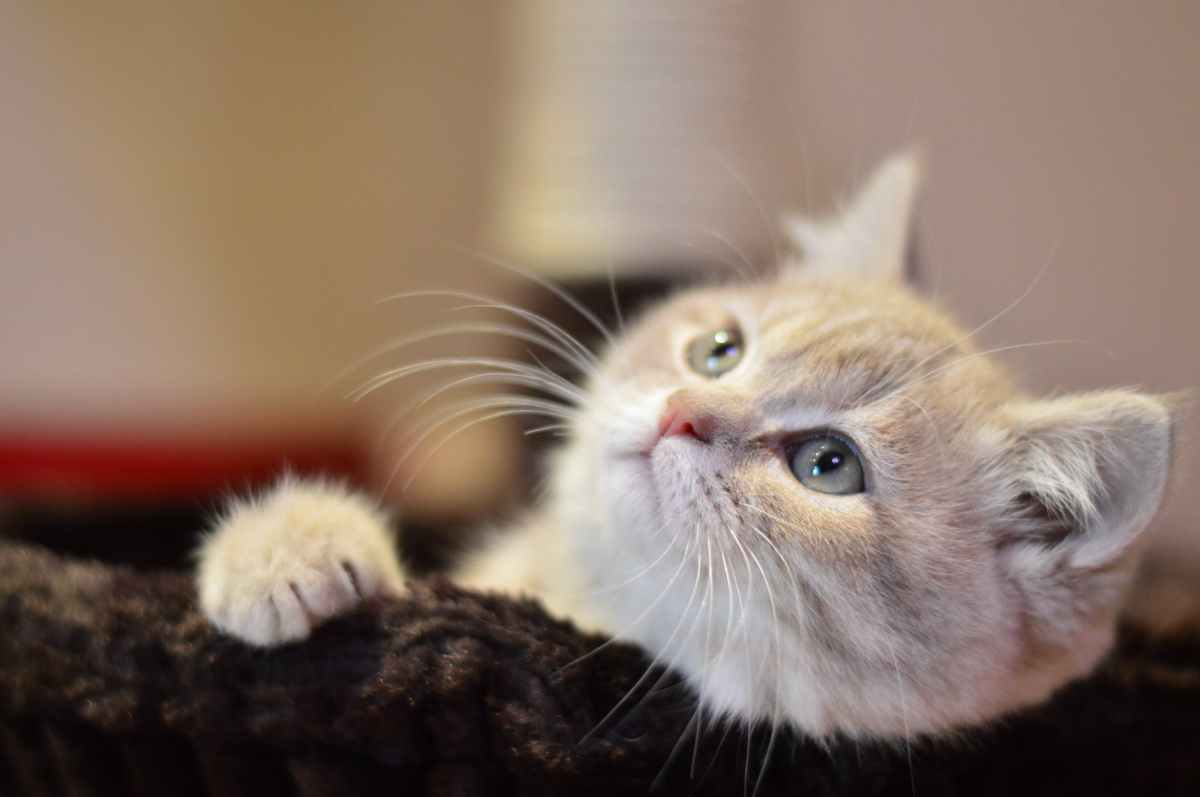
Free cute european shorthair cat

Miyazaki was continuing his research into feline kidney failure while he was a professor at the University of Tokyo, but funding dried up in 2020 as the lion’s share of research money in immunology was directed toward addressing SARS-CoV-2 and the disease it causes, COVID-19.

When a Japanese newspaper published a story about Miyazaki having to abandon his research, donations came pouring in. Cat lovers across Japan donated an astounding $2.3 million, prompting Miyazaki to leave his post at the University of Tokyo and found a non-profit dedicated to tackling kidney disease in cats.

As of September 2023, Miyazaki’s organization is running clinical trials on his AIM therapy, and it has partnered with a Japanese pet food company on new food that is supposed to reduce the possibility of kidney disease.

There’s not enough data yet to make any definitive statement, and even if the data existed, the AIM therapy is not a cure: Miyazaki says if all goes well, kittens who are given AIM therapy injections from an early age, and eat a diet with the AIM-enhancing formula, could have their risk of developing kidney problems reduced and potentially live longer lives.

That’s a far cry from Bored Panda’s image of cat lovers dancing in the streets, joyous with news of a miracle pill that will allow Socks and Oreo to run around like kittens for three decades.

While it’s natural to be excited about the potential of AIM therapy, calling it a “miracle” that will “revolutionize feline healthcare” and allow us to grow old with our cats can give people false hope.

Even if the trials go perfectly and AIM therapy breezes through the approval process, the soonest the injection therapy could be available in Japan is 2025. The US, UK and Europe have their own regulatory agencies and clinical data requirements. That means it might help kittens born years from now, but it won’t double the lifespans of the cats we love now.

It’s also worth mentioning that not everyone is thrilled to hear Miyazaki has partnered with a pet food company that sells ultra-processed kibble. Over at bark&whiskers, Karen Shaw Becker — a veterinarian who specializes in preventative care — points out that ultra-processed dry food is thought to be a major contributor to the feline kidney problems, with the ingredients, rendering methods and lack of moisture (water) all posing health hazards to cats. Cats have low thirst drives and get most of their hydration from meat.

While Becker writes she’s watching the trials closely, like other veterinarians, she recommends cat lovers continue to feed their furry friends wet and/or fresh food with high quality ingredients, no fillers and lots of protein.
Do You ‘Pspsps’ To Your Furry Friend? Plus: An Obit For Miles The Cat

Do you use “pspsps” to get your cat’s attention?

Apparently a lot of people use the “pspsps” thing to get their cats’ attention, and Mental Floss has a new story proposing some theories about why people use it and why cats respond.

The first and most obvious is that felines hear higher frequencies than humans, and they’re especially tuned into those frequencies because their usual prey — including rodents and birds — not only make noises in the higher ranges, they make noise us humans can’t hear, but felid ears are primed to pick up.

Mental Floss’s Ellen Gutoskey also points out that it could be “a truncation of ‘Here, pussy, pussy, pussy’—popularized in part by ‘Pussy, Pussy, Pussy,’ a 1930s song by the Light Crust Doughboys. In fact, the tempo is fast enough that it almost sounds like they’re singing ‘Pspsps.”

I think she could be onto something there unless the “pspsps” sound is universal, but truthfully I have no clue whether people in other countries, or outside the English-speaking world, use it to call their cats. I don’t and never really needed to. Bud comes when called a good 85 percent of the time, and if he doesn’t I usually assume it’s for good reason, like he’s having a nice nap or he has no current use for his servant.

Miles the cat

The Guardian’s Hannah James Parkinson writes about adopting Miles, the shelter’s most skittish cat who had been passed over time and again until she came along.

Earning Miles’ trust wasn’t easy, but Parkinson did it with time, patience and love, and eventually Miles became her little buddy and even came out of his shell enough to make friends with another neighborhood cat.

milesthecat
Credit: Hannah Jane Parkinson

Unfortunately Miles got hurt, infected and died while he was outside overnight. Parkinson doesn’t say if the little guy got hit by a car, but the description of his initial injury is consistent with it.

The indoor vs outdoor thing is a thorny issue. I saw it as a more black-and-white problem until hearing from several readers who live in places like farmland or very quiet neighborhoods where the chance of a cat getting hit is small.

I don’t begrudge anyone making what they think is the best choice for their cat(s), except maybe for Australians and New Zealanders. Seriously, guys, bring those cats in before sadistic “hunters” get them in their crosshairs or they nibble on the poisoned meat that both governments like to use to “manage” the cat population. Neither country seems overly concerned with pet cats getting caught up in their zealous extirpation campaigns, and when birders are this riled up it’s best not to take chances anyway. If your cat isn’t spending time outdoors, it can’t be blamed for killing local wildlife.

I love dogs, but…

The Daily Mail has a horrific story about a pair of unleashed rottweilers that followed a woman into her home as she was carrying groceries and mauled her two pet cats to death in front of her traumatized children.

The attack happened around noon on Aug. 30 in a small town in the UK’s Western Midlands. The dogs came bounding in and snatched one of the cats off the kitchen counter, then mauled the other. The ginger tabby died immediately, either from shock or his severe injuries, while the other lived long enough to make it to the vet, who said the little tuxedo couldn’t be saved.

The woman told the newspaper her kids are having nightmares about the attack, while the police response was underwhelming to say the least, especially because the cats weren’t the only animals attacked by the roaming rottweilers.

“We were called to Raglan Way, Chelmsley Wood (on August 30) to reports of two dogs attacking another dog. The injured dog was taken to the vets to be treated,” a police spokesman told the paper. “The owners of the two dogs were spoken to and were taken back home to be secured by the owners. We have asked neighbourhood officers to speak to the dog’s owners regarding securing the animal, and will consider any further steps that need to be taken to ensure public safety.”

The owners of the dogs “were spoken to.” Wow. Let no one say the West Midlands Police don’t have a sense of scale. Perhaps if it happens again they’ll send a stern letter.

I hope the resulting media stories, and the beginning of the attack caught on a home security camera, lead to enough pressure that the police take the incident seriously and the owners of the dogs have to face consequences. There’s nothing prohibitive about talking to them. The only way irresponsible people are going to leash their dogs, especially dogs capable of this kind of thing, is if the consequences for not doing so are sufficiently prohibitive to make them think twice.

Finally, here’s a video of a cute baby kookaburra to balance out all that horribleness:

Two Families Battle Over A Cat, Prompting The Question: What Defines Pet ‘Ownership’?

Bob/Maui the cat was adopted by one family in 2013, went missing a few months later and was rescued by another family, who have had him for 10 years.

Bob the cat was adopted by Carol Holmes of Wichita, Kansas, in 2013.

Holmes says Bob disappeared a few months later and that was the last she saw of him.

Alex Streight, who also lived in Wichita at the time, found Bob in a bad way, malnourished and in “bad condition.”

“He was in horrible shape,” Streight told WRAL, a North Carolina TV news station. “I fed him, kept looking for [the] owner. I posted in the Wichita groups, but I never found anyone.”

Streight, who was 27 years old and pregnant at the time, said the veterinarian gave her no indication the cat belonged to anyone, and her efforts to find a potential owner were unsuccessful, so she paid for his veterinary fees, adopted him and named him Maui.

When Streight moved to North Carolina in 2015, she took Maui with her and he’s been living happily with her family ever since. In late August Maui slipped out of Streight’s North Carolina home. A neighbor picked him up and brought him to the vet, and the veterinarian realized there was a microchip. A scan showed Holmes as the cat’s owner.

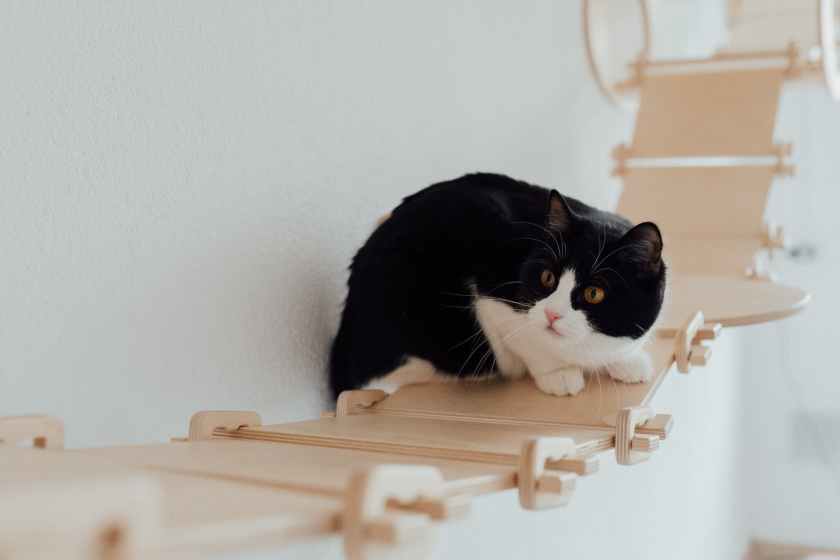
a tuxedo cat on a hanging wooden bridge
Credit: Arina Krasnikova/Pexels

Now Bob/Maui is in the custody of Wake County (NC) Animal Control, whose staff don’t sound keen on returning the cat to Streight. They’ve called Wilson, who said she’d like to be reunited with Bob/Maui, and when Streight went to animal control to get her cat — returning with the veterinary records when they wouldn’t release him to her the first time — the staff called police.

“The cat is in protective custody where an investigation will begin,” Jennifer Federico, a veterinarian with the county animal control, told the station. “The cat is safe and isolated.”

Federico seems intent on making the situation more complicated than it needs to be, telling WRAL that “Microchipping proves ownership, so we have to take that into consideration, and launch a full investigation.”

Streight doesn’t see it that way. She wasn’t registered as the owner on the chip, but she’s got 10 years’ worth of veterinary records, a photograph of Maui laying on her couch the day he slipped out of her house, and photos and videos showing the tuxedo cat with her kids and other pets over the past decade.

“It’s just absurd to me that anyone would think to take someone’s pet away from the family that he’s been with for ten years,” Streight said.

We have to agree with Streight here, and it’s disturbing that animal control has not only made itself the arbiter of the cat’s fate, but has apparently decided that nominal ownership based on a microchipping from 2013 trumps the fact that Maui has been happily a part of Streight’s family for at least 95 percent of his life.

We feel for Wilson, but Streight did everything right: She looked for the cat’s family, posted about him online, cleaned him up and got him veterinary care, then adopted him when all indications were he didn’t have a home. With a decade’s worth of vet bills, photos and videos backing her up, it’s clear Maui is happy in her home, has been well cared-for, and if he could speak there’s little doubt about where he’d prefer to go.

She’s clearly bonded to the cat, and he to her: Only someone who really loves their furry friend regularly takes photos of their cat, even after 10 years. I can attest to that fact: Probably 60 or 70 percent of the photos on my phone are of Buddy, and I’d be devastated if we were separated.

What do you think? Should Bob/Maui be returned to Wilson or Streight?

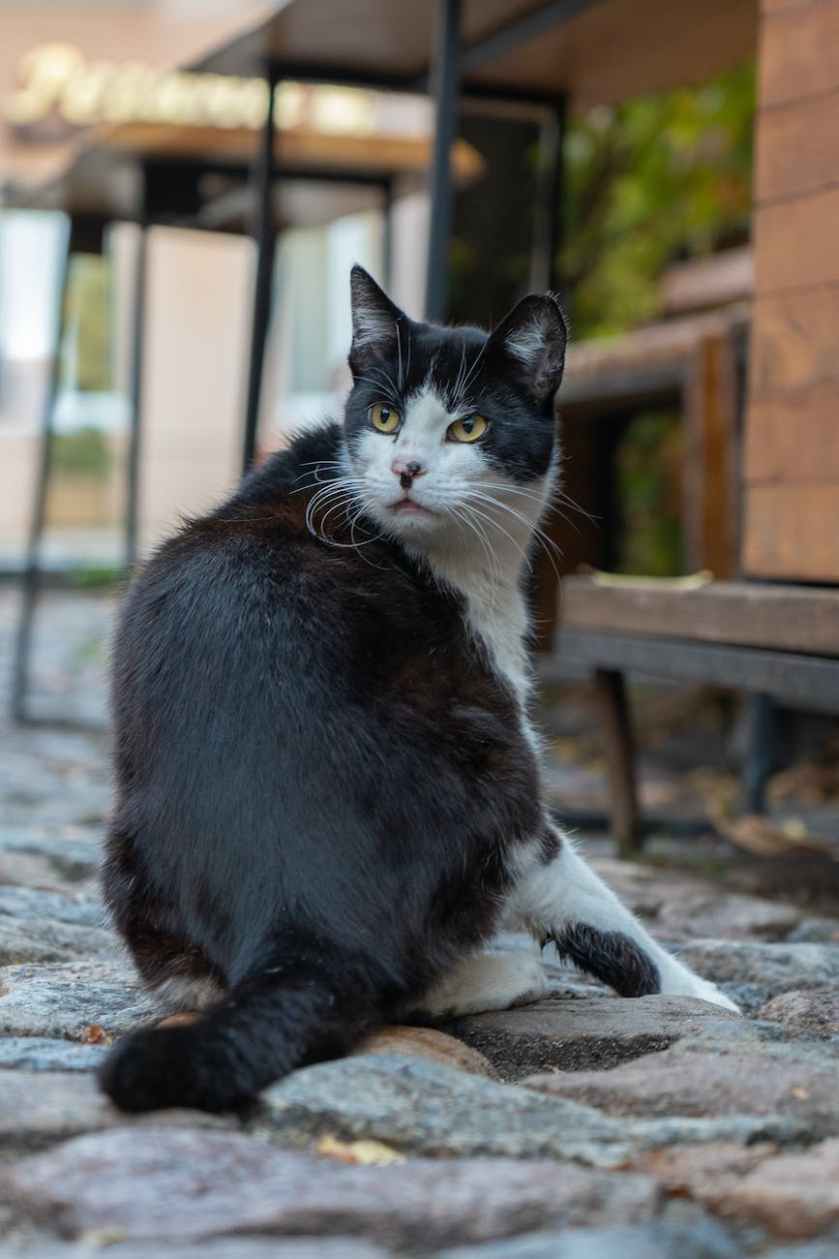
tuxedo cat sitting on ground
Credit: Dima Solomin/Pexels

A Woman Wanted This Gorgeous Kitty Euthanized For Litter Box Issues

A veterinarian realized kitty was healthy and put her in the care of a local no-kill shelter, where she remains while hoping for a forever home.

Lulu is 13 years old and began eliminating outside her litter box last year after a long life of doing her business properly.

Instead of realizing that a change in behavior was almost certainly precipitated by health issues — and attempting to get those issues sorted out — Lulu’s “owner” brought her to a veterinarian to be euthanized.

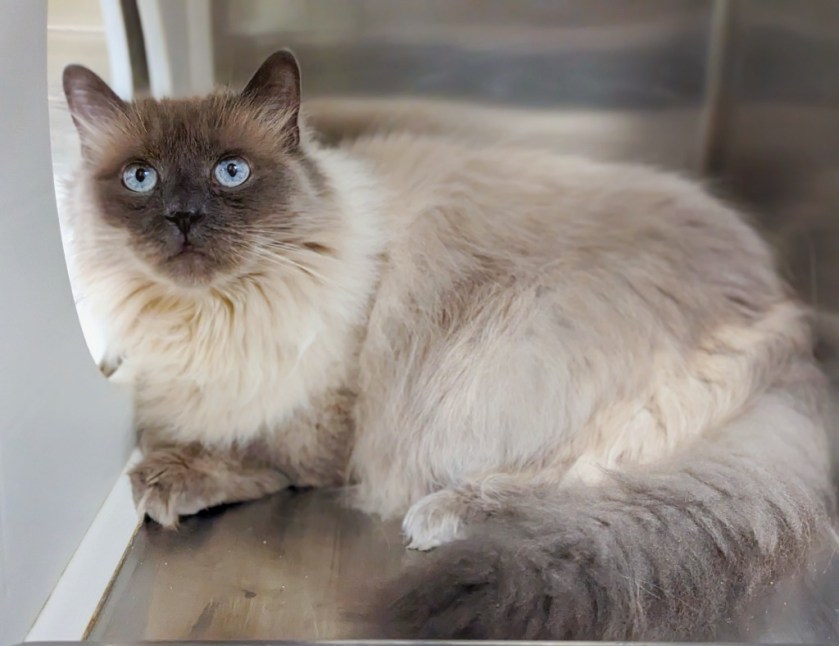
The vet realized Lulu was healthy and her issues were easily remedied, wisely persuaded the woman to sign over ownership of Lulu and brought the Himalayan to the local SPCA. She’s been there since December.

Lulu had urinary crystals which were remedied after a change in diet, and she hasn’t had an “accident” in months.

Staff at the SPCA want people to know that they don’t have to surrender a cat for litter box issues or other behavioral changes even if they think they can’t afford veterinary treatment.

“If your pet is not behaving or their behavior has changed, the first step is to get them to a vet to see if something is medically wrong. Even if it is not a medical condition, there are numerous resources — many available at Dutchess County SPCA — to help resolve the issue and avoid both euthanasia and surrender to a shelter,” Lyne Meloccaro of the Dutchess County SPCA told People. “Medical assistance, expert guidance, and management plans, and training referrals are all available for you.”

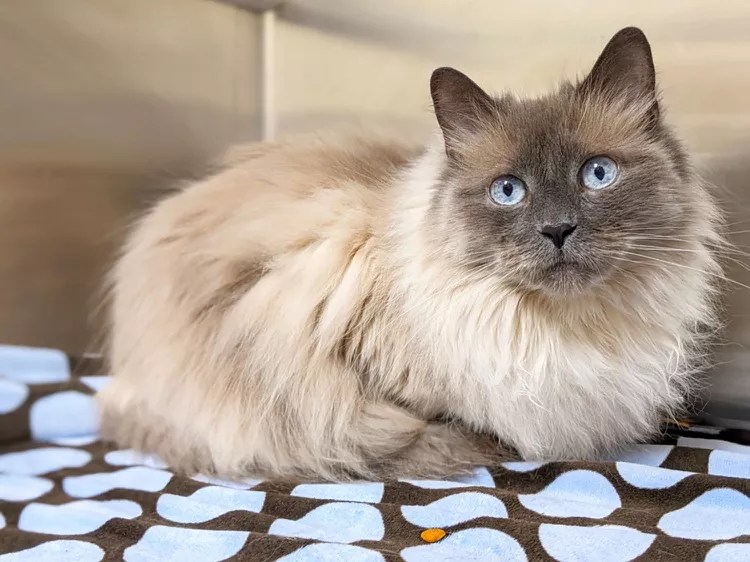
Lulu
Lulu has a regal bearing, an epic coat and beautiful coloring. Credit: Dutchess County SPCA

Dutchess County, which is about 75 miles north of New York City, happens to be the former college stomping grounds of Big Buddy. I graduated from Marist College and lived in the area for some years after. The SPCA there does good work, and its law enforcement division has handled some high profile animal-related crimes over the years.

It’s sad that Lulu lost her home after 13 years, but maybe it’s for the best if she ends up with a devoted servant who will really love her. Her caretakers at the SPCA say she’s stubborn, demands affection on her own terms and wants an “emotional support human.”

Lulu is still available for adoption. The SPCA says she’ll do best as an only cat in a quiet household, and we have no doubt she’ll bring joy to the lucky person who brings her home.

Things Are Looking Up For This Shy Orphaned Puma As He Settles Into A New Home

Nicholas was orphaned and severely injured as a cub as he and his mother tried to cross a busy highway. He’s settling into his new home, where he will have his own habitat, den and even his own pond.

Nicholas the mountain lion has a beautiful home waiting for him with his own pond, a rock den, a grassy area where he can run around and several other little hideaways where he can enjoy some privacy and naps.

But first the three-year-old puma will have to clear quarantine and become more comfortable with his new surroundings and new caretakers.

“He’s doing really well but he’s still very scared, he’s a very timid cat, so we’re just taking it really slow, day by day and the keepers are taking some quiet time with him,” said Bobbi Brink, the founder of San Diego County-based Lions, Tigers and Bears, Nicholas’ new home.

Nicholas the Mountain Lion
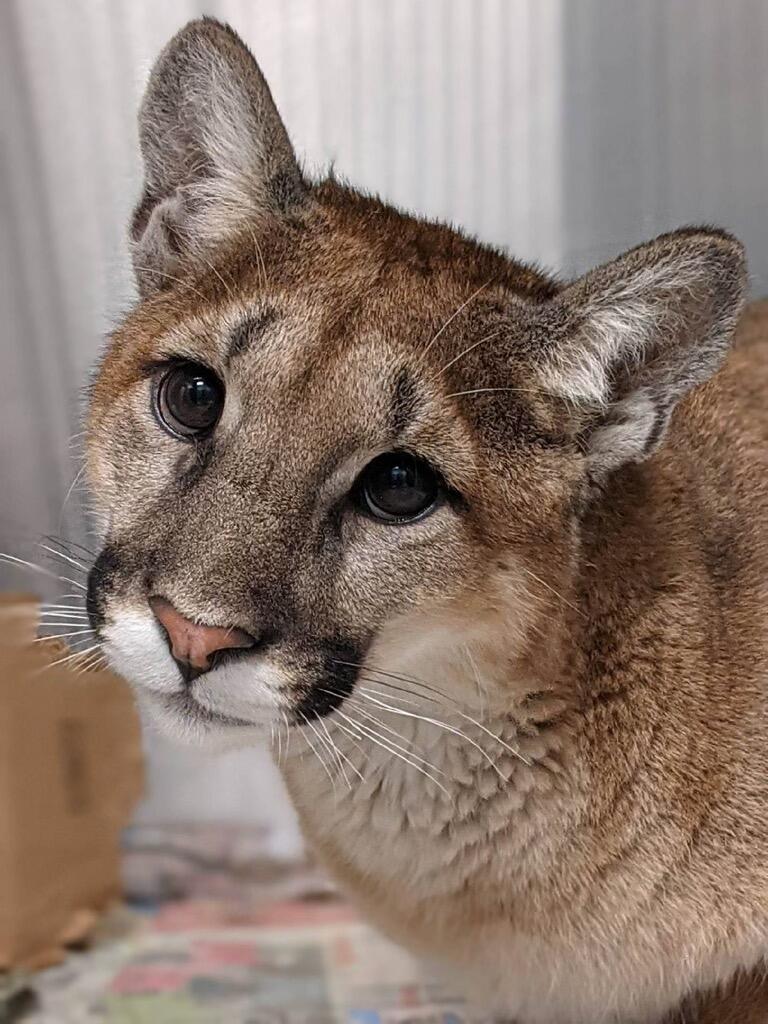
Nicholas stretches his legs in quarantine as he awaits the move to his own habitat. Credit: Lions, Tigers and Bears

The golden-coated feline with an expressive face has had a tough journey to the 93-acre sanctuary that will be his permanent home.

In 2020 when he was just a cub, Nicholas was following his mother across a busy highway when both were struck by a car. Nicholas was badly injured and his mom was killed in the collision, an unfortunately common fate for members of their species as their longtime habitats are increasingly fragmented by new developments and highways.

Because they require about two years with their mothers to learn how to survive on their own, it’s almost impossible to release orphaned pumas back into the wild. Unlike, say, the orphaned orangutans of Borneo and Sumatra, who can usually be taught to successfully fend for themselves because humans can show them how to physically manipulate their surroundings, there’s no way to teach orphaned pumas how to select prey, stalk, pounce and deliver kill bites.

A sanctuary in northern California provided a home for Nicholas for about three years, but recently went bankrupt, so the staff at Lions, Tigers and Bears secured him, prepared a habitat for him and took on the Herculean task of transporting him to San Diego County.

Nicholas’ case is even more complicated because he has lasting neurological damage from the car crash that killed his mother, including a pronounced head tilt that worsens when he’s scared.

Brink told PITB it’s normal for cats like mountain lions to be spooked by the commotion and uncertainty of a move, as well as leaving everything they know behind. Nicholas is simply obeying his wild instincts, which urge him to be guarded. But he’s got a loving team of caretakers who will work with him, as well as veterinary specialists who are well versed in caring for animals with neurological damage.

“Sometimes it can take (animals like Nicholas) a month, sometimes it can take three months to build up that trust,” Brink said. “His biggest need is he’s very afraid, so we’re gonna have to work around his fear so we don’t scare him more.”

Nicholas the Mountain Lion
Despite their impressive size, pumas are more closely related to domestic cats than the big cats of the panthera genus. Like their house cat cousins, pumas enjoy tearing up paper and playing with toys. Credit: Lions, Tigers and Bears

While Nicholas will have his own habitat and can keep to himself as much as he likes, recent observations of his secretive species have shown that pumas have “secret social lives,” and Nicholas will have the opportunity to meet and interact with other mountain lions if he’s comfortable with it.

Pumas — which are known by the scientific name puma concolor and are also called mountain lions, cougars, panthers, catamounts, screamers, painters, gato monte and many other names — are among the most adaptable felids in the world and range from the southernmost edge of South America to just over the Canadian border. They’re able to thrive in mountains, tropical regions, deserts, forests, human-adjacent rural areas and even in urban population centers, as the famed “Hollywood Mountain Lion” P-22 did for more than a decade in Los Angeles.

Their ability to adapt has served them well in a changing world, but they’re not immune to the pressures of human expansion.

In California their habitats have been carved up by the state’s busy and deadly highways, leaving the cats in genetically isolated pockets. Pumas who strike out in search of their own ranges are extremely vulnerable to vehicle traffic. P-22 famously crossed several of the world’s busiest highways to reach his eventual home in LA’s Griffith Park, but others like Nicholas and his mom aren’t so lucky.

Solutions like the $90 million Wallis Annenberg Wildlife Crossing, currently under construction in Los Angeles County, can connect fragmented ranges and give pumas, coyotes, foxes, deer, rabbits and other animals safe passage. But experts point out that they are just one component in a long-term solution that must include more careful zoning, fences to funnel animals toward safe crossings, and options like tunnels that run under highways, since not all animals will use overpasses.

As planners and wildlife experts figure out new ways to ensure the survival of wildlife in an increasingly crowded, human-dominated world, sanctuaries like Lions, Tigers and Bears play a crucial role by caring for the innocent animals who are injured, displaced and rescued from bad circumstances.

To learn more about Lions, Tigers and Bears or support their ongoing efforts to provide safe, stimulating and comfortable homes for wild animals, visit the non-profit’s site. To receive updates on Nicholas and the other animals at the sanctuary, follow Lions, Tigers and Bears on Instagram and Facebook. Readers who live in the California area can book guided educational tours or visit during one of the sanctuary’s special events. Thanks to Bobbi Brink and Olivia Stafford for allowing PITB to tell Nicholas’ story. All images and videos of Nicholas courtesy of Lions, Tigers and Bears.