Happy Mother’s Day To All Moms Human And Feline!

Moms are the best.

Moms are the best. They tell us we’re good at things even when we’re not, they put up with all our nonsense, and they never stop worrying about us even when we’re adults.

They make us feel better when we’re down and they don’t hesitate to tell us when we’re being stupid. They make the special meals that we love, and use love as a special ingredient. I can still taste the bologna sandwiches my mom used to make for me in my school lunches. Somehow they were always more delicious than any sandwich I could make. Now that I’m an adult and have been a vegetarian for years, she makes pastitsio for me on special occasions. Thanks, mom!

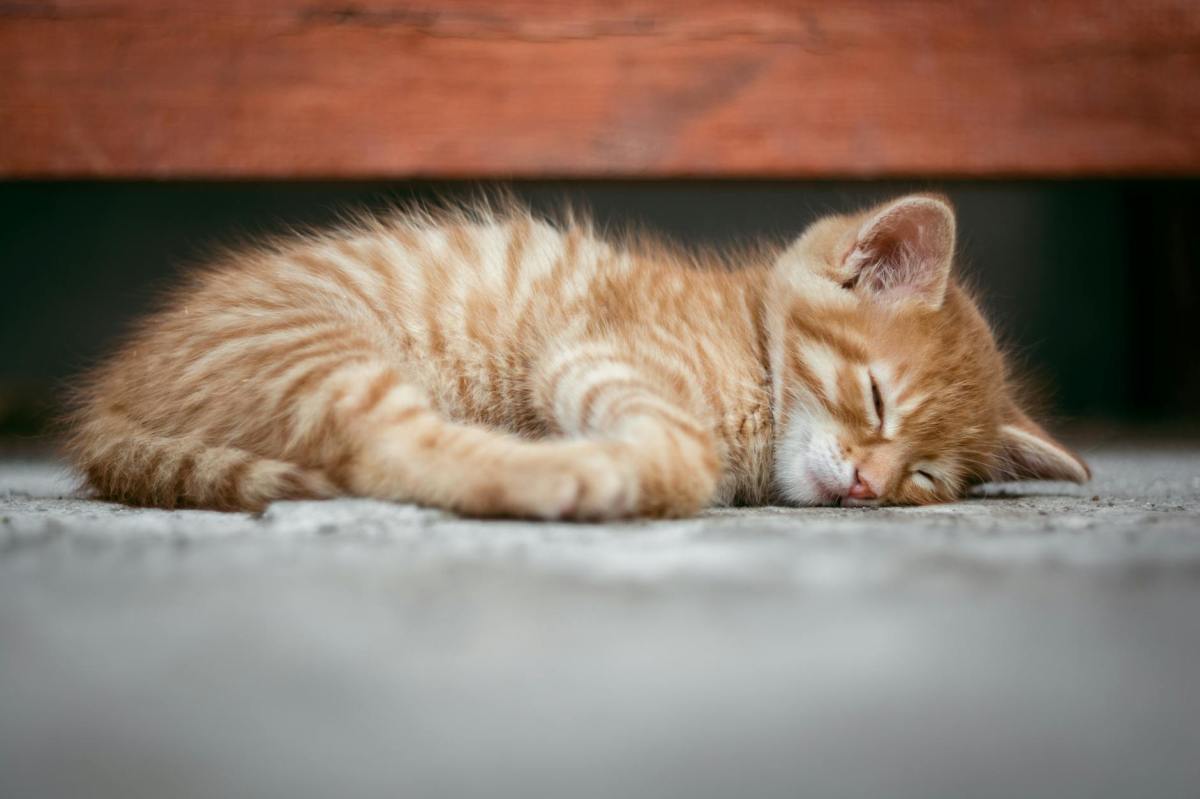
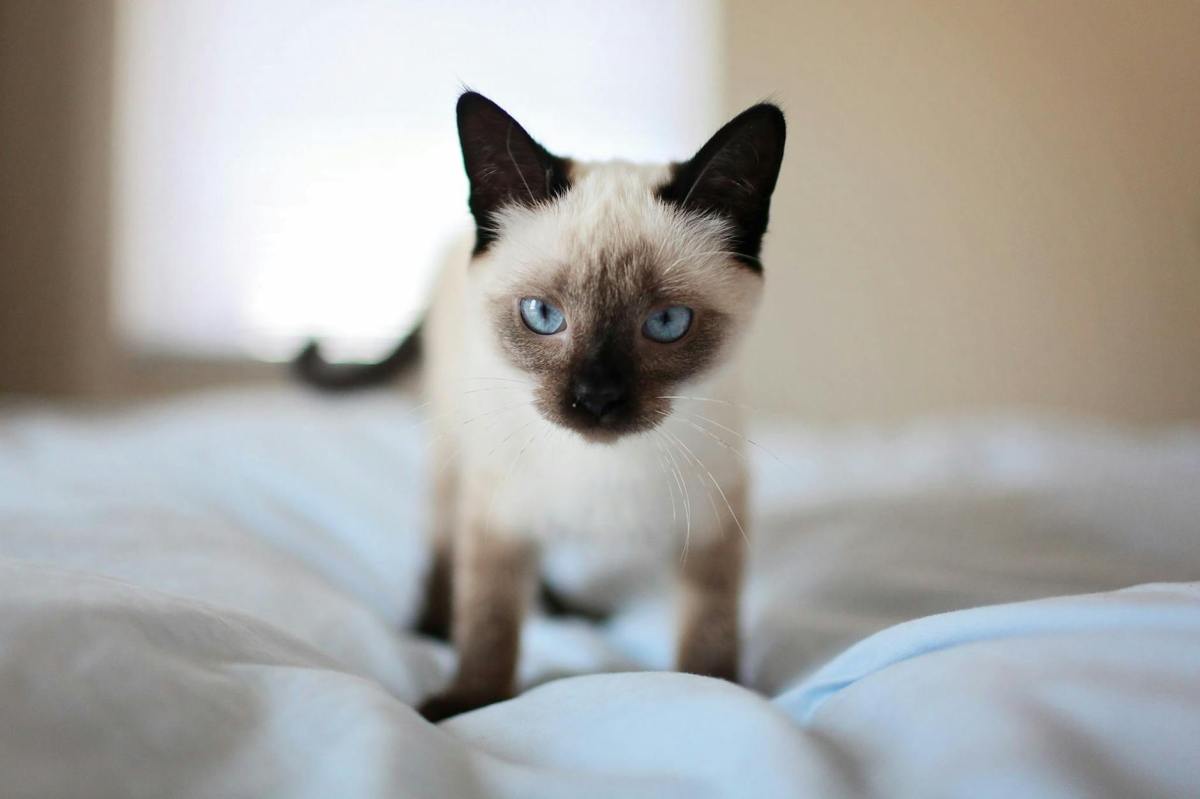
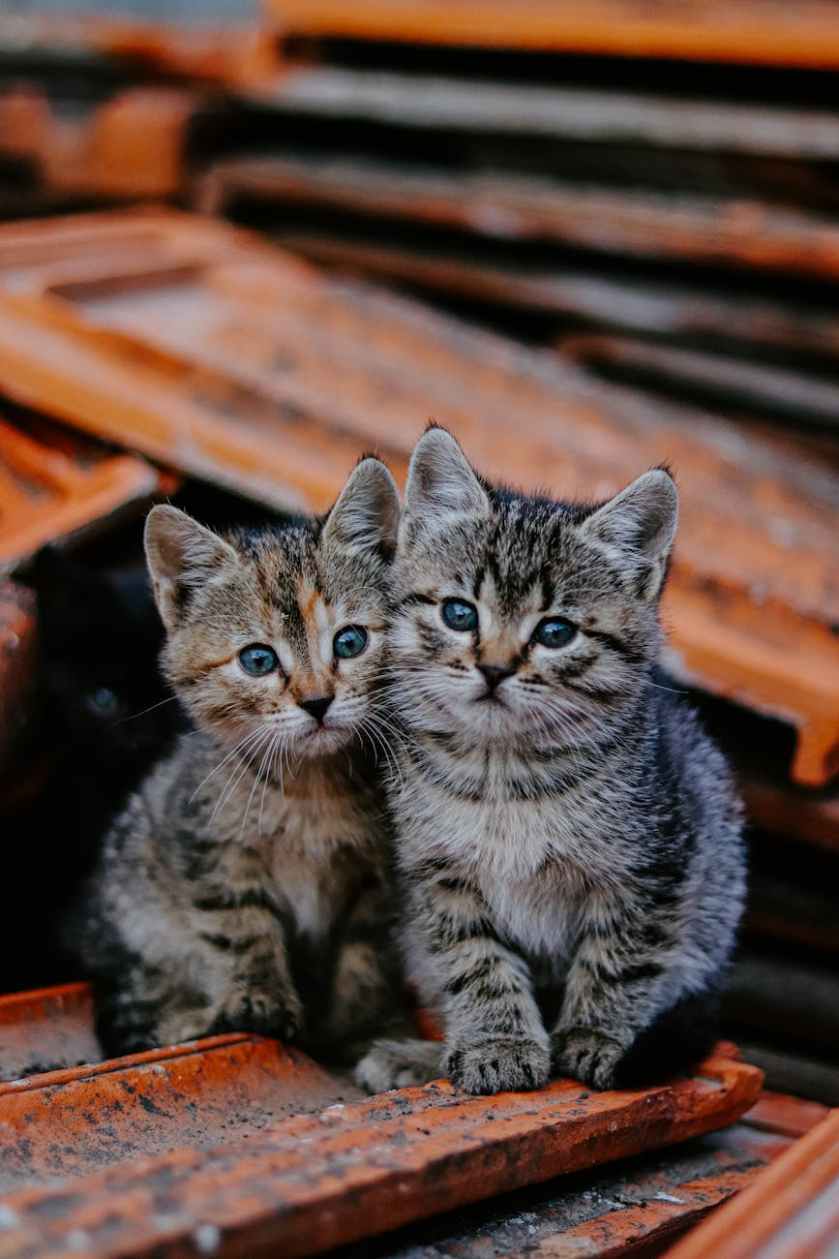
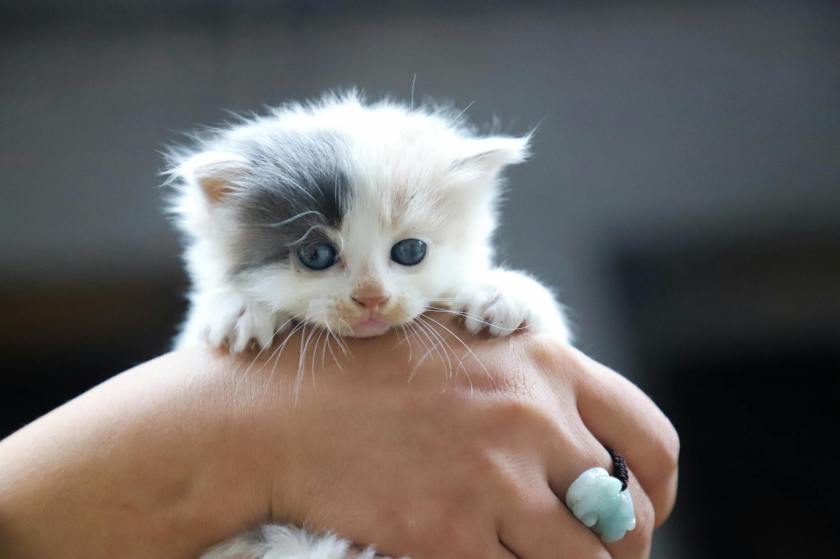
Animal moms love their kiddos too, as we can see in these photos. Happy Mother’s Day to all moms!

Some Cat Advocates Claim Kitten Season Is Getting Longer Due To Climate Change

Is there any evidence to support claims of a longer kitten season?

Is kitten season getting longer because of climate change?

Some rescuers in California think so, according to a story in Santa Rosa’s Press-Democrat.

“Heat and warmth is what it’s all about,” said Mary Pulcheon, trapping coordinator for Forgotten Felines of Sonoma County.

Pulcheon and the executive director of Forgotten Felines, Pip Marquez de la Plata, told the Press-Democrat that strays in their care had given birth as late as December in 2023 when kitten season generally runs from late March through October.

They say the typical kitten season has shifted and is now longer due to rising temperatures caused by climate change.

It’s an unverifiable claim for several reasons.

First, we don’t have reliable estimates for how many cats there are in the US, let alone stray and feral cats. Any estimates are guesses, and they vary wildly from 20 million on the low end to 120 million, which seems an excessive and unrealistic number.

To date there’s been a single comprehensive feline census in the US, the D.C. Cat Count. It took three years, several million dollars, hundreds of trail and trap cameras, and the efforts of an army of volunteers and staff.

The final tally: 203,595, with only 6,533 unowned cats fending for themselves and drifting between managed colonies.

adorable tabby kittens
Credit: Ejov Igor/Pexels.com

The DC Cat Count is historic and has already proven its value by facilitating informed debate, showing rescuers/TNR volunteers where to direct their efforts, and yielding valuable data on local ecological impact.

Alas it’s a one-off, so we don’t know anything about how the population has changed over time.

Secondly, while there absolutely is scientific consensus that human activity is driving global temperatures up, there’s debate about how much temperature flux is directly attributable to modern civilization. We’re also looking at planetary timescales here, tracking changes that happen not just over decades, but centuries and millennia.

Attributing shifts in kitten season to climate change is a bit like attributing single storms to climate change. These are single data points from which we can’t draw conclusions.

close up photo of person holding white kitten
Credit:Cats Coming/Pexels

Lastly, there could be dozens of factors skewing “normal” kitten season, and that’s assuming the March through October season is normal by historical measurements. We don’t know that for sure, and we can’t know it without data.

I’m limited by a lack of imagination here, but changes in kitten season could be regional, reflect non-climate weather patterns, or adjust according to cyclical patterns. Things as seemingly unimportant as ambient light pollution can have a profound effect on animal behavior, and it always helps to remember that felines are sensitive to stimuli that we literally cannot detect. Cats can pick up high frequency sounds we can’t hear and smell things beneath the notice of our own weak noses. They even have a second form of olfactory input, a literal sixth sense that is unmatched by anything in human biology.

We understand very little about how those things impact feline behavior.

With all things considered there could be hundreds of reasons for changes in kitten season, and that’s assuming the changes are real and people aren’t mistaking outliers for trends.

Ultimately we don’t need to draw conclusions about whether there are more kittens born each season. We know TNR, while imperfect, is the best way to humanely reduce stray and feral populations, and we still have a way to go before cats are no longer euthanized because we can’t find homes for them.

Is That A Cat Or A Seal?

Buddy does his best seal impression! Nearby, our local SPCA deals with a horrific hoarding case.

I snapped the photo below when Buddy heard the upstairs neighbors making noise. Little dude looks like a seal! (The animal, not the singer. Bud’s singing voice is terrible!) All he needs are some flippers:

20240215_195136

The acne spot I wrote about earlier is healed, but as you can see there’s still a tiny spot on his chin where his fur hasn’t completely grown back yet. Thankfully it’s no longer causing him any discomfort, and he’s back to asking for chin scratches while purring happily.

Of course he won’t be happy if I share an unflattering photo without a flattering one, so here he is looking cute:

20240215_194542

Note the huge meowscles and ripped physique!

In some sad news, there’s an ongoing hoarding case in White Plains, NY, just a few miles from Casa de Buddy.

Police responded to an apartment building in the city after neighbors began complaining of “horrific” smells coming from the unit and discovered an older woman living with at least 40 cats in appalling conditions.

The cats, who are all suffering from ailments including respiratory and eye infections, were everywhere — including inside furniture and atop the kitchen cabinets where a few of them were able to get away from the feces-packed floor.

White Plains cat hoarding case
Cats crowd the limited space above the kitchen cabinets to escape the feces-encrusted floor of the apartment. Credit: Westchester SPCA

https://m.facebook.com/story.php?story_fbid=pfbid0vXAgeiLEQt4s65hG8zq3gEbn7oX1TKRB5r4K5dd1jTXkYU5K6q1m1uG9MhuVjxgml&id=100064390971511

Staff from the SPCA of Westchester County have had to wear hazmat suits to operate inside the apartment. They’re in the process of removing the cats and have set up food and water stations for those they haven’t trapped yet while they try to clean some of the fecal matter and garbage, but they say the number of cats could rise as they find more hiding in the apartment. One cat was pregnant and gave birth to a single kitten on the feces-caked floor. The kitten was quickly removed and is under the close care of veterinary staff but is sickly and “clinging to life,” the SPCA said.

Incredibly, authorities have not charged the human occupant of the apartment. They say she meant well at first but the situation quickly spiraled out of control, as it often does when people who aren’t equipped to care for multiple cats take it upon themselves to “rescue” strays. No one sets out to become a hoarder. It usually happens when initial good intentions become unmoored from reality, but I do wonder how people who find these situations slipping from their control aren’t horrified by the suffering of the animals. Mental illness has to play a part.

Regardless, the situation is dire for the cats and the SPCA anticipates many thousands of dollars in veterinary costs on top of supplies and man hours involved in trapping the cats, getting them veterinary care, cleaning them up and working with them to help them overcome the trauma of their experience so they can become ready for adoption.

The SPCA of Westchester County was Buddy’s first veterinary office where he got his first shots and the snip as a kitten. They were very kind and gentle with the little guy, and at the time I’d just been laid off from my job so it really helped to have a place that provided quality veterinary care for significantly less than private vets. They do good work, and we wish them luck as they deal with a difficult task.

Cats Are Fighting The Ukraine War On The Propaganda Front — And From The Trenches

From the military camps where they stop mice from wreaking havoc to social media where they help raise money, Ukraine’s felines are enduring the war alongside their people.

Roman Sinicyn and his men were living in an abandoned house in a destroyed village for a month.

Although each of the Ukrainian soldiers contributed to their survival and fought the Russians, perhaps their biggest hero was Syrsky the Cat.

The fearless feline evicted a rodent infestation in the platoon’s temporary headquarters, hunting the mice mercilessly as his humans engaged in firefights with invading Russians. By day Syrsky made the soldiers’ temporary lodgings livable and by night he soothed their trauma with healing purrs.

The cheese-loving moggie’s moniker is a double-entendre: he’s named for Ukrainian Army Land Forces Commander Oleksandr Syrsky, and for the Ukrainian word for cheese, syr.

A new story from Politico EU details the important role of felines as the costly war enters its third year. Russian missiles, bombs and artillery have flattened villages, sending civilians fleeing and often separating them from their families and their pets.

The bewildered cats and dogs, accustomed to easy lives indoors, are suddenly thrust into a world of death, explosions, mine fields and other horrors.

As the war endured past its early phases, former pets began seeking out humans where they could find them — in military camps and in the rodent-infested trenches where they hunkered down against the constant thunderclaps of Russian artillery.

During peak war season in the summer, Vladimir Putin’s bedraggled military fires up to 20,000 artillery rounds a day according to the Associated Press, with that number dipping to “only” 7,000 per day as the war machine slows in brutally cold Slavic winters.

shaybykcat
Oleksandr Liashuk, a Ukrainian soldier, with his cat Shaybyk. Credit: Oleksandr Liashuk

Just like they did 10,000 years ago when they first domesticated themselves, cats proved their worth by chasing out mice and rats, but this time they didn’t have to convince humans to allow them to stick around. They were welcomed with open arms and hands bearing snacks, serving as hunters and therapy animals to men enduring a living hell.

“When this scared little creature comes to you, seeking protection, how could you say no? We are strong, so we protect weaker beings, who got into the same awful circumstances as we did, just because Russians showed up on our land,” Oleksandr Yabchanka, a Ukrainian medic, told Politico.

It’s amazing how a return to primitive circumstances has so quickly pushed humans back toward reliance on animals who made it possible for our species to survive in the first place.

Without dogs, early hunter-gatherers would have been much worse off on the hunt and their groups would have been much more susceptible to ambush when they slept. Indigenous societies eking out existences on the tundra would have no reliable animals to pull sleds. Without oxen to pull plows, farmers wouldn’t be able to produce enough food for civilization to thrive and grow.

And the people of nascent human settlements, taking the first great leap forward for our species with the invention of agriculture, would have starved out over long winters as mice and rats gnawed away at their food stores — if not for cats, our furry friends.

In 2024 humans can’t live without cats once again. Felines patrol Ukraine’s World War I style bunkers, killing hordes of mice. Mice that otherwise devour MREs, chew through comm link and power wires, damage weapons and make soldiers miserable.

ukrainecat
A Ukrainian soldier with a stray kitten. Credit: Ukraine Ministry of Defense

Some cats become unofficial unit mascots and good luck charms, but many others are claimed by individual soldiers who find normalcy and relief in their company.

One soldier/cat pair are viral sensations thanks to videos of the alert cat riding along with his human, scanning the terrain ahead. Another story detailed a patrol whose men just avoided an ambush thanks to their company’s cat, who spotted the enemy first and frantically warned that something was wrong.

In that way, cats are serving the propaganda effort as well, helping the public to connect to the men and women defending them.

Military cats have become signals for Ukrainians to rally around, but Russians are doing it too. Russia is a famously cat-loving country, and Putin’s government has latched onto stories about the felines accompanying his men into battle — an effort that Politico notes is meant to humanize Russian soldiers and create the impression that it values them even as it continues to conscript unwilling civilians and ship them to the front line “meat grinders” with a few weeks’ worth of training, meager supplies and minimal ammunition for their rifles.

In that respect, the soldiers of Ukraine and Russia have at least two things in common — they love their feline companions, and they’re enduring hell as well as a high risk of death because of one small man’s delusions of greatness and legacy. Western media tends to ignore the humanity of Russian conscripts, and the pro-Ukrainian side of the internet calls them “orcs,” painting them as the mindless and disposable drones of a bloodthirsty dictator.

But they’re human too, with their own hopes and fears, and mothers back home worrying about them. They don’t want to be there. It seems fanciful to imagine Russians refusing to continue the invasion when Putin has squads behind the front lines with guns pointed at his own men to prevent them from deserting or refusing to fight. But maybe the men in the trenches can come together over shared interest and shared love of cats, and help put an end to three years of misery.

Clarence The Three-Legged Kitten, Plus: Happy New Year From A Cat Cafe In Tokyo

Fellow blogger Molly Hunt is fostering a special little guy who’s recovering from an amputation.

Blogger, cozy mystery cat writer and foster parent Molly Hunt has opened her home to a special little guy, and following his progress is a good reminder of the great work so many cat lovers do — walking the walk, as they say.

Molly’s charge, Clarence, is just a kitten but he’s already had a really rough go of it:

“Clarence, a six-month-old kitten, came to the Oregon Humane Society with a 1.5” round wound on his right hip. Tests traced its origin to a mass attached to the bone which may have occurred when a previous fracture healed badly. The left hip had also been affected by the trauma. The upshot was surgery on the left hip and the amputation of the entire right leg. Two days later, the call went out for a foster parent, a call that I happily answered.

It had been several months since I’d fostered a cat, and I was excited to begin again. I have a designated foster room with a pleasantly equipped kennel where I’d cared for many cats with mobility issues. I thought this one would be similar—limited movement, no running or jumping, and a twice-daily set of physical therapy exercises. I wasn’t worried about the fact he had only three legs. I’ve seen tripod cats who got along just fine, not limited by their disability as humans tend to be. I understood this would be a new experience for me, but I forgot to take into account that it was a new experience for Clarence too.”

Molly writes movingly about Clarence, his trauma upon waking up to find a leg missing, and the way he’s quickly adapted to his new situation. Cats are incredibly resilient, especially when they have the love and care of a good human to help them along:

Clarence was shocked to find out he no longer had a back leg. I’ve rarely seen cats react with that sort of complete panic. It’s usually caused by a loud noise such as fireworks or something unexpectedly crashing to the ground. This was different. This was Clarence’s own private terror.

Despite his initial shock, Clarence has been learning how to get around on three legs and he’s even gotten back to playing with his favorite toys. We wish Clarence and Molly the best on their journey together and if Clarence doesn’t end up as a foster “fail,” we hope he finds a forever home full of support and love. Click here to read parts one, two and three from Molly.

Happy New Year From Tokyo

John Mayer brought some feline fun to the New Year’s Eve festivities this year when he called in to CNN’s broadcast from a cat cafe in Tokyo, amusing Anderson Cooper to no end:

The cafe is called Cats In The Box and it’s located in Shinjuku. I’ve got some photos of the exterior of the place from my time there — unlike the cat cafe I visited in Roppongi, Cats In The Box has prominent, floor-to-ceiling windows looking out over one of Tokyo’s busiest neighborhoods, so you can’t miss it. From the street you can see the furry residents climbing their cat condos and chasing toys as if they’re saying “Come on in, join the fun and buy me some of that good ‘nip, will ya?”

Japan is famously in love with cats, and in addition to having several cat cafes, Shinjuku also boasts a famous 3D billboard that features a cute calico padding around and meowing in between advertisements.

Click to play the short video below: