Would your cat resemble a sphynx if you shaved its fur? Buddy the Cat investigates!
Dear Buddy,
Do all cats look like sphynxes underneath their coats? What I mean is, if someone were to shave off all your fur, would you look like a weird wrinkly little alien thing too?
Wondering In Wyoming
Dear Wondering,
Who told you that? Is Big Buddy planning to have me shaved? Is he gonna condemn me to one of those “groomers” and have me transformed into some undignified, naked, dumb-looking creature?
I will end him!
Buddy
Dear Buddy,
Whoah, hold up there, champ! No one’s got anything planned for you, it’s just a hypothetical. I’m genuinely curious about the no fur thing, that’s all. And I asked you because you’re the expert on every topic!
Wondering in Wyoming
Wondering,
Okay, okay, but I’m not letting my guard down. As the wise man George W. Bush once said: “Fool me once, shame on you. Fool me…uh, you can’t get fooled again!”
I thought about your question and became more curiositized as well because sphynxes are weird and I don’t want to look like those freaks. Get mistaken for one and the next thing you know, they’re bringing you back to their mothership.
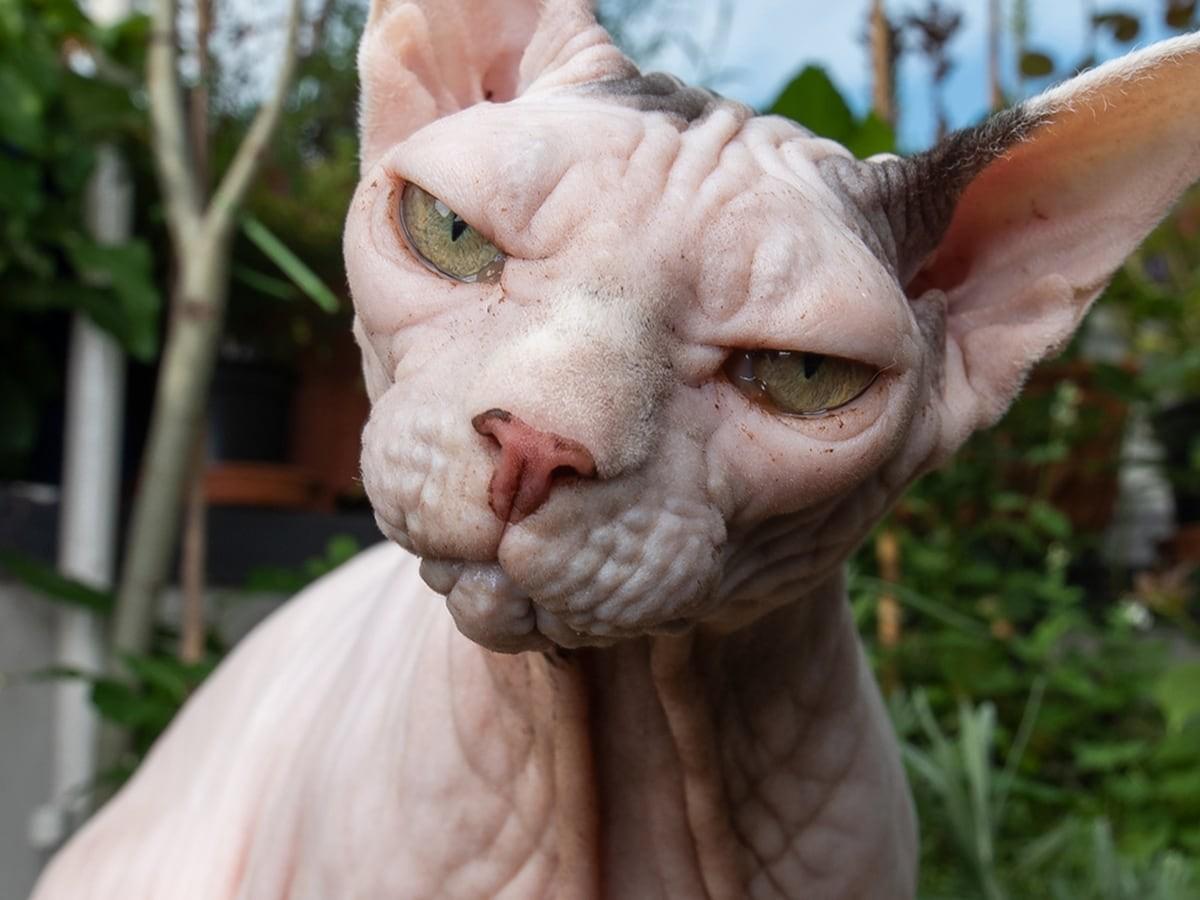
Above: These sphynxes are plotting your doom! They want to beam you up to their ship, test your skin for potential scratching post material, and eat your brains.
I can assure you that I would not resemble a sphynx if somehow I was overpowered (a tall order that would require a small army), drugged and shaved of my luxurious fur. I would just look more ripped, as there wouldn’t be any long fur to cover up my six pack and my rippling meowscles.
Due to his impressive meowsculature, Buddy would simply look even more ripped if someone with a death wish tried to shave his fur.
As for other cats, apparently they would not look like sphynxes either, because those freaks are uniquely covered in wrinkly skin, which is probably a side effect of the strange atmospheric conditions on their homeworld.
During my detailed investigatory investigation, I found images of domestic shorthairs, Maine Coons, Persians, Bengals, ragdolls and many other types of cats who were forced to endure ignominious “lion cuts” and other ridiculous “grooming” efforts. While many of them looked skinny and much less impressive without their fur bulking them up, they pretty much look like regular cats with a fuzzy, velvety coat instead of fluff.
Not as ripped as me, obviously, but not like sphynxes either.
I hope that answers your question. Remain vigilant, my friend! One never knows when one’s devious human might decide to humiliate one by shaving off all of one’s fur.
A company offers DNA tests for cats, similar to the ancestry tests offered to people. What can you learn about your cat?
Ever wonder about your cat’s parentage, breed and potential health problems? A mail-in DNA test for cats promises to fill you in on the details.
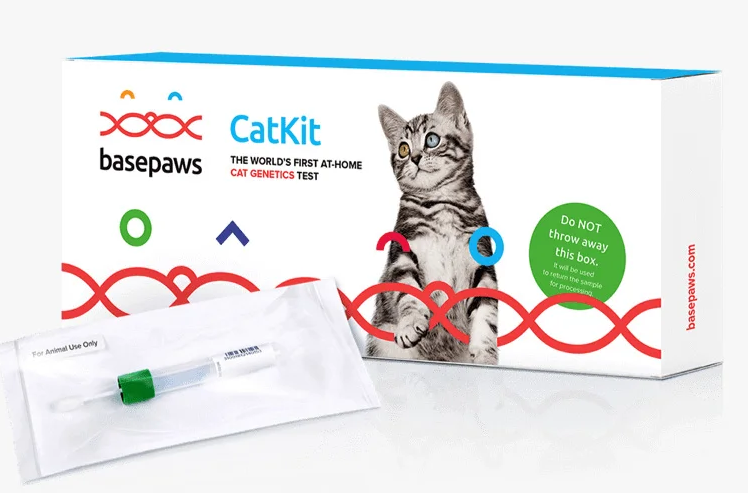
Basepaws, a Los Angeles company, offers a kit not much different from the human mail-in DNA tests: You swab the inside of your cat’s mouth for a few seconds, secure it according to the provided instructions, and mail it to the company, which processes the results.
The basepaws kit.
In four to six weeks you’re notified that your cat’s results are ready, and you’ll get a report with a breakdown of genetic identity, associated breeds and potential health issues to watch out for.
This presents a problem for me, of course. Buddy thinks he’s descended from a long line of legendary warrior felids. I took a regular Q-tip, made a big show of swabbing his cheek for his DNA, and told him I was mailing it away for analysis.
Then I cooked this up:
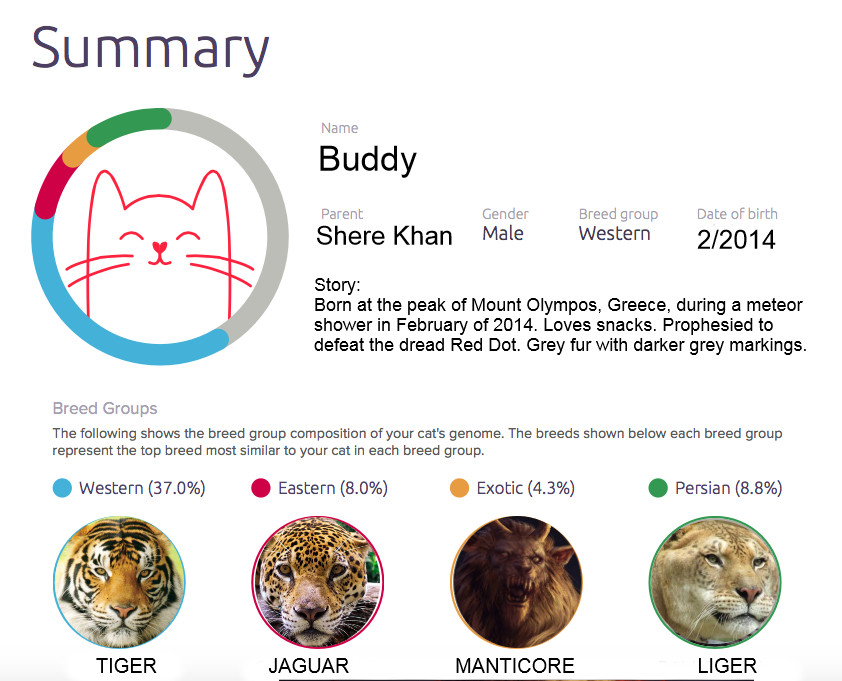
Buddy’s fake results.
You’ll notice the results don’t come close to adding up to 100 percent. The company’s founder says that’s because the more people test their cats, the more accurate the results will be, with fewer unknowns as the overall database expands.
Each cat’s report is updated indefinitely as the company continues to test. Checking back over subsequent months and years will yield updated information on your cat, the company says.
All jokes aside, it would be interesting to find out more about the Budster’s background. All I know is that his mom was an indoor cat who wasn’t spayed. She went into heat, she got out, she came back and the rest is history.
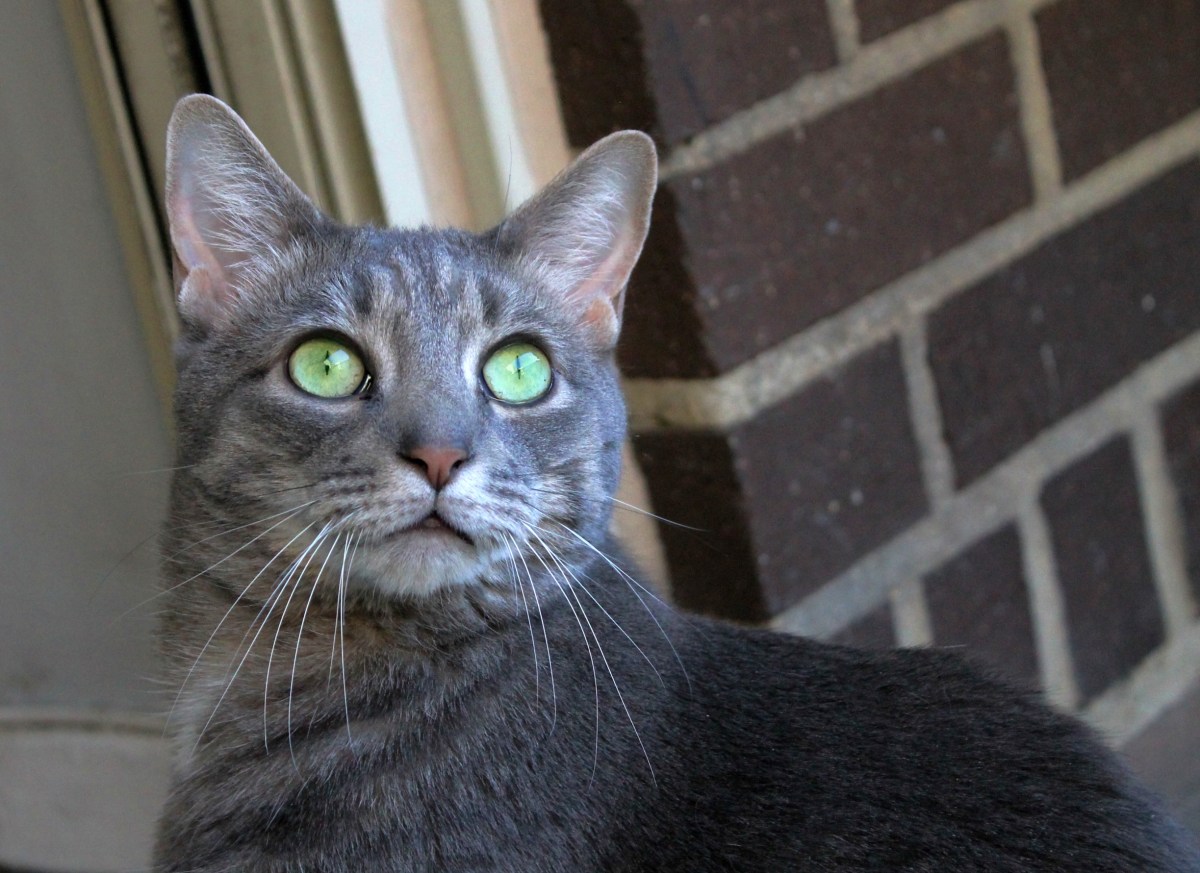
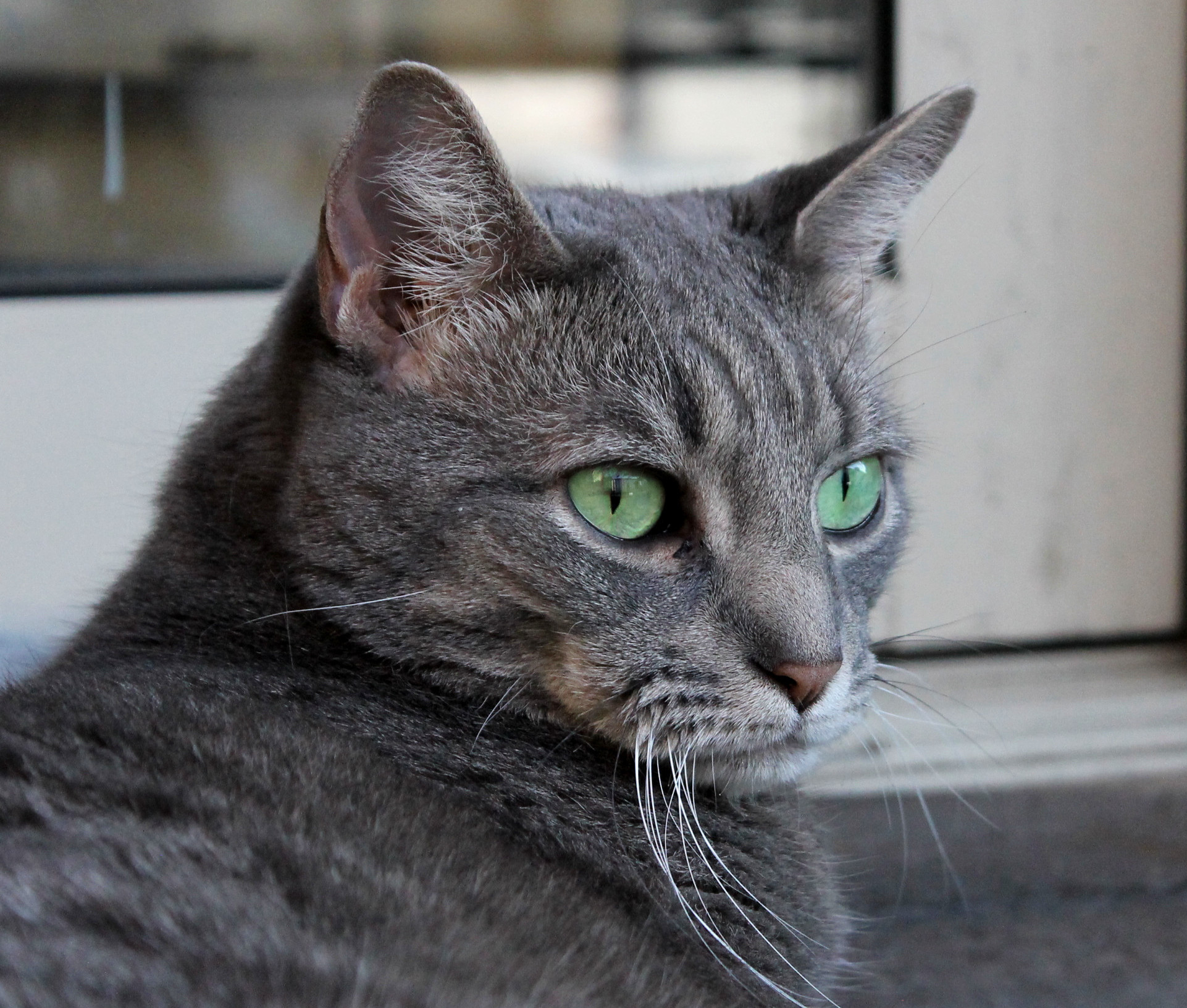
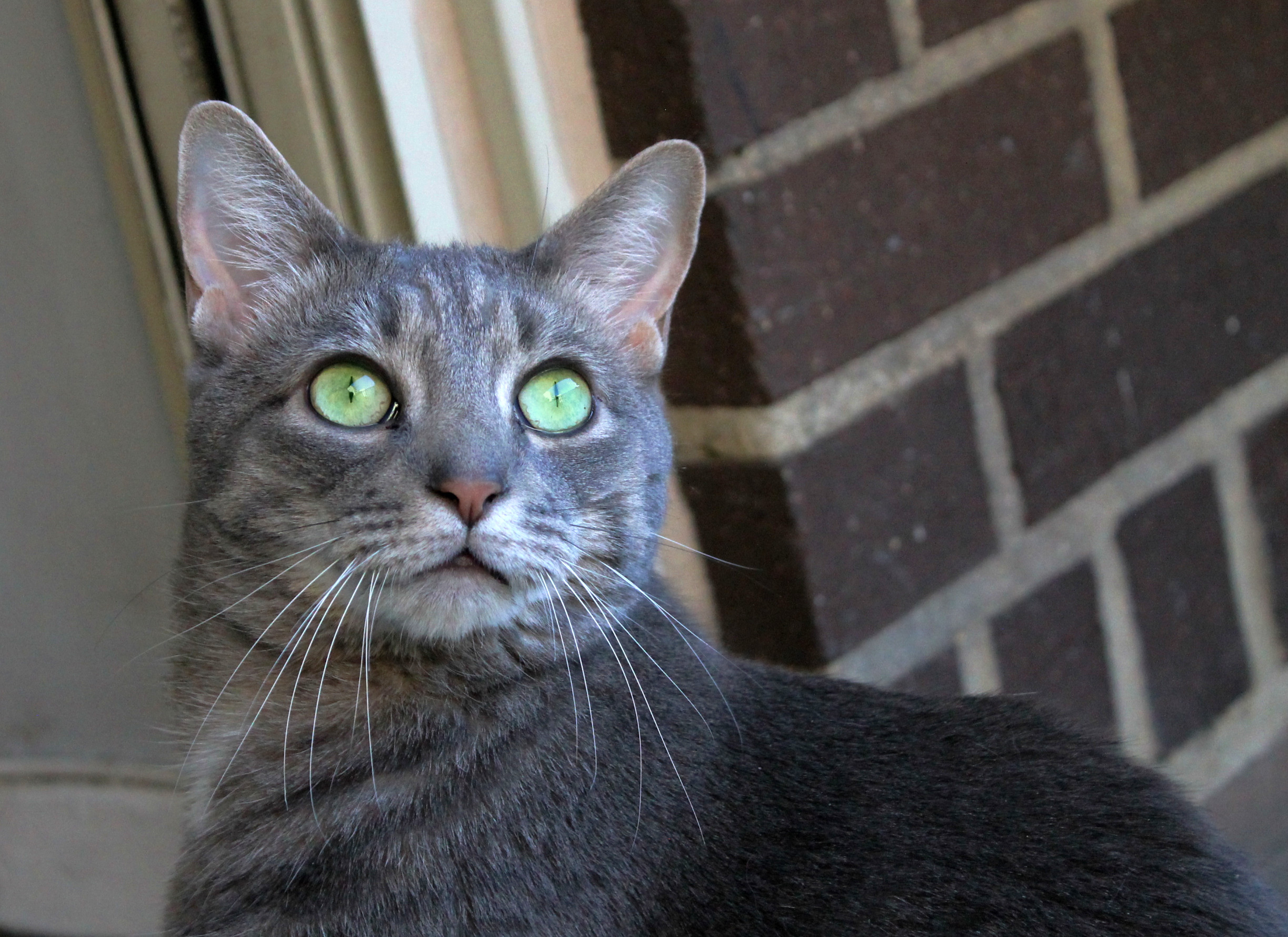
Because he’s a big talker, I’ve always wondered if Bud might have a bit of Siamese or one of the other chattier breeds in him. His coat is pretty short, extremely soft and all grey/dark grey in a tabby pattern, except for a single white tuft on his chest.
Interestingly, most of his tabby stripes are unbroken, a trait usually seen in hybrid cats.
He’s comically incapable of certain things, but almost frighteningly intelligent in other respects, and he wears his emotions on his sleeve…er, paw? Maybe there really are secrets to unlock in his DNA.
Cat DNA analysis is in its infancy
On the downside, Basepaws DNA tests don’t come cheap — with two packages priced at $129 and $99 — and, as a review in Wired notes, cat ancestry reports are always going to be more vague than reports on human or dog DNA.
That’s because the practice of dog breeding is a lot older and more common than creating pedigree cat lines, and most cats are not a specific breed. Unlike dogs — whose roles range from hunting and shepherding to assisting the blind and pulling sleds — cats have always had one job, and occasionally two. Kill rodents and snuggle with their humans, cuddly killers that they are.
Historically humans haven’t felt a compelling need to interfere with cat procreation. The last century or so has been an exception, but breeds still represent a small minority of cats.
If you’ve had your cat’s DNA analyzed, we’d love to hear from you about your experience.
Now if you’ll excuse me, I’ve got to tell a certain Tiger-Manticore-Jaguar about his impressive felid lineage.
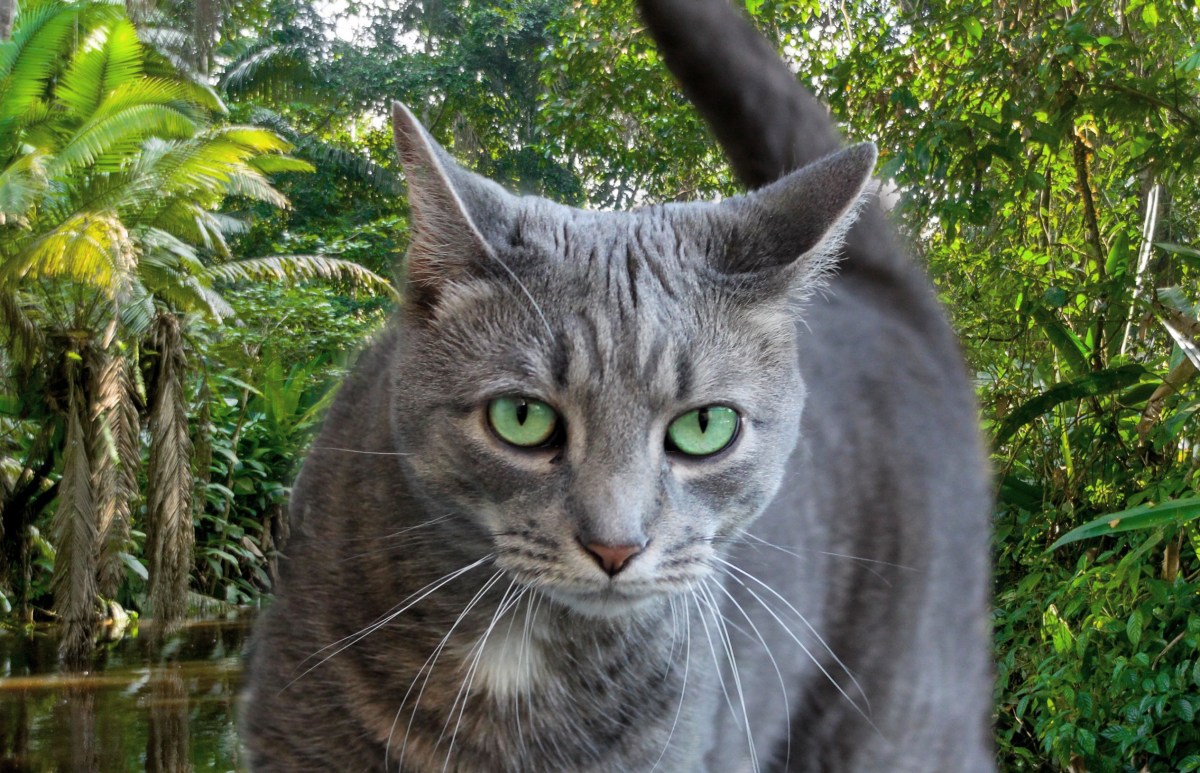
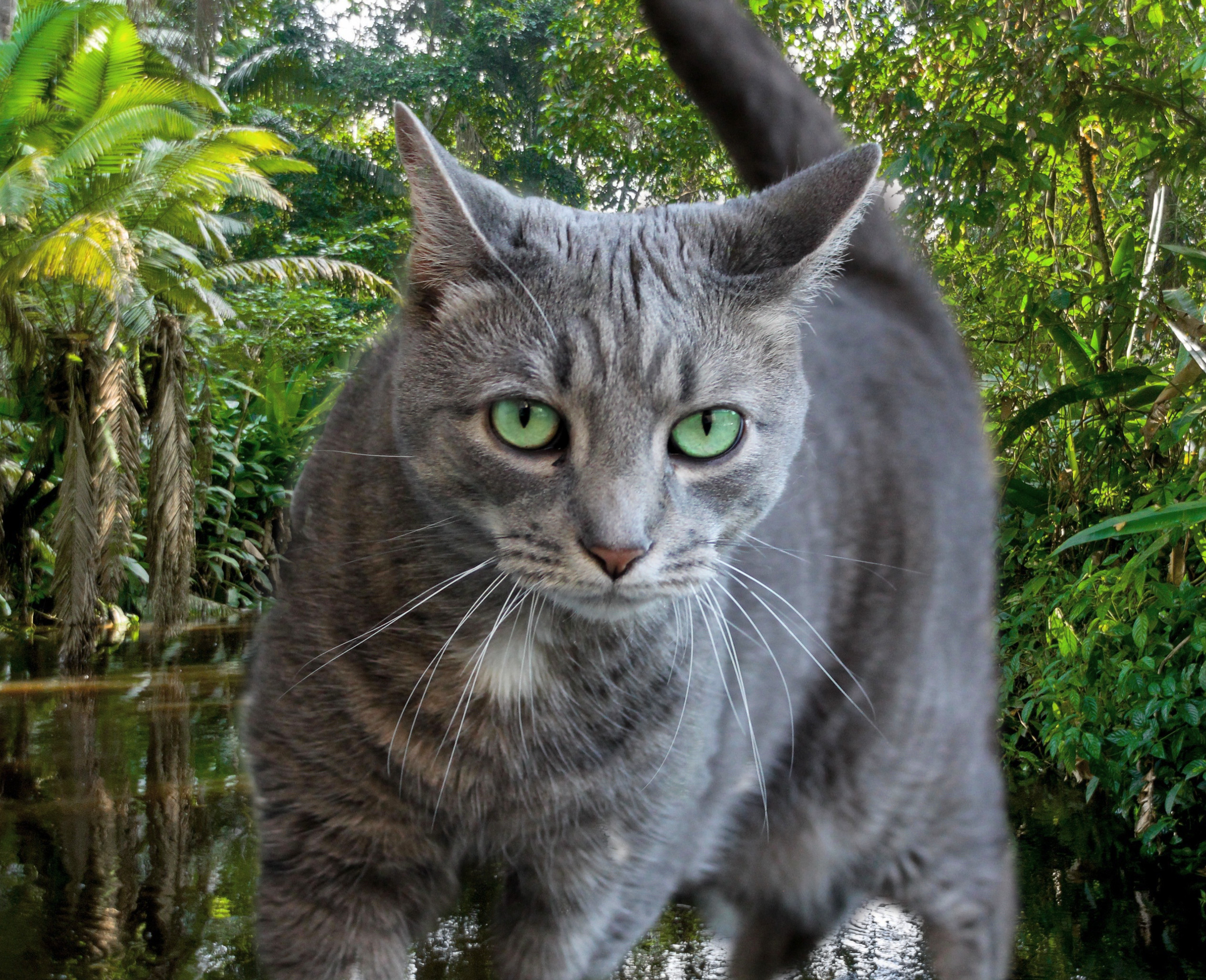
Native to the jungles of Buddesia, this cat has a graceful gait and sleek, powerful musculature. Also, he meows a lot.
Hello and welcome to Amazing Cat Breeds™, our new column about the finest cat breeds!
Savannah. Bengal. Toyger. Lykoi.
Those are just some of the names that come to mind when the topic of discussion turns to the rarest and most singular of cat breeds, those wildly expensive designer felines who are the exclusive animal companions of people with impeccable taste and equally impressive bank accounts.
But what if we told you there’s another option that stands above the rest in beauty, temperament and exclusivity? What if we told you there’s a breed that makes the mighty Bengal and the exotic Toyger look downright pedestrian?
Enter the Buddinese, a breed so rare and so difficult to acquire, most cat fancy aficionados consider it cryptozoological.
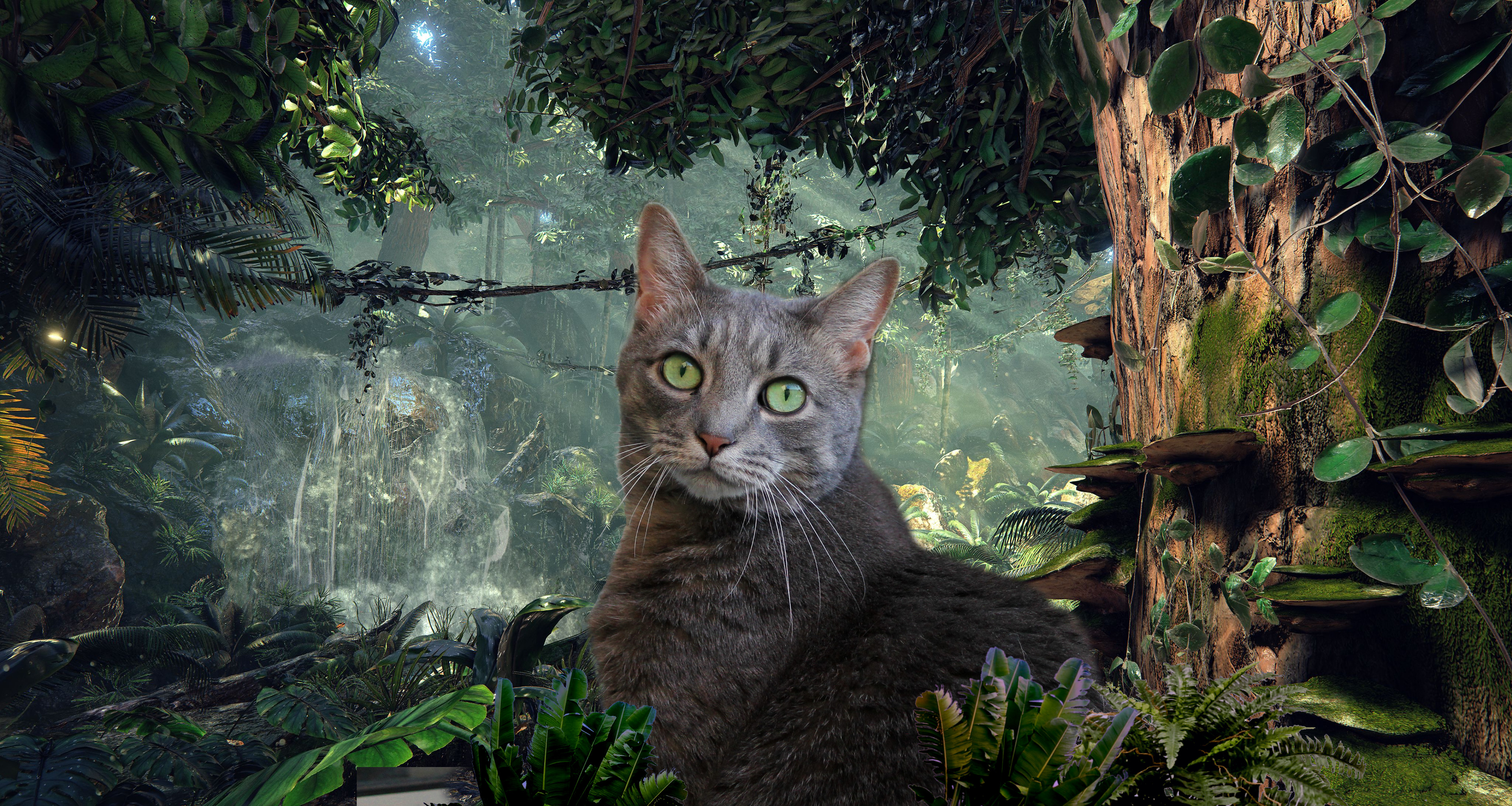
The Buddinese: A cat breed so exclusive, you’ve never heard of it until now.
What is a Buddinese?
With its stunning emerald eyes hinting at deep sapience, its graceful gait and its sleek, powerful musculature, the Buddinese most closely represents a tiger in miniature, squeezing all the ferociousness of that majestic animal into a more compact form factor.
Those who count themselves among the lucky few to know Buddinese firsthand find it impossible to agree on the breed’s finest quality. Is it the Buddinesian’s fierce feline intelligence? Its regal presence? Or is it the breed’s astonishingly silky coat, shimmering like a beach of crushed diamond under starlight?
Putting guard dogs to shame
One argument frequently employed by those lacking discernment is that dogs, those olfactorily offensive beasts, are superior companion animals because of their watchful nature and ability to neutralize unwanted intruders.
But what if we told you the growl of a Buddinese strikes fear into the hearts of even the most accomplished burglars and home invasion artists? This breed is the dictionary definition of fearless, its dread visage enough to call forth rivulets of terror-piss from those who harbor malicious intent.
With a Buddinese guarding your home, the question isn’t “Will it be a match for armed intruders?” It’s “Will it even have to growl before the unfortunate souls who entered its territory unbidden are seized by mindless dread and involuntarily evacuate their bowels?”
Apex predator: No sane person or animal would willingly confront such a powerful felid.
The Adonis of cats
It is said that it’s impossible for a Buddinese to strike a pose, for every snapshot of this wondrous cat is worthy of its own Michelangelo. If the breed existed in antiquity we’ve no doubt its likeness would be rendered in marble and gold flake, guarding the tombs of pharaohs and emperors alike.
Dragons and other mythical creatures would become redundant, for how can something as limited as human imagination improve on peak magnificence?
The breed in its native habitat, where it reigns as the apex predator.
Where did the breed originate?
Unlike lesser designer cats, the Buddinese owes its existence to a singular breeder: Mother Nature. It’s said these magnificent cats are native to Buddesia, a jungle region of New York rich with fauna and flora.
Buddesia is so idyllic that Buddinese have no problem adjusting to human homes: After all, what is Buddesia if not one large, comfortable living room?
The envy of every other cat enthusiast
There’s more to a Buddinese than dashing good looks, fur that feels like Egyptian cotton and unequaled intelligence. To have a Buddinese is to have a felid who will win every cat fancy event.
Your friends think they’re special because they’ve got Persians or Siamese? That’s cute. You’ll be able to smell their jealousy as they look upon your Buddinese, wondering how they can acquire one. They can’t.
Would you like to see your cat featured in Amazing Cat Breeds™? Drop us a line in the comments with a photo of your stunning feline and a short description outlining why it’s awesome.
When I was looking to adopt a cat I spent hours on the web reading about cat care, kitten proofing, behavior and, of course, breed.
Run a Google search about looking for the right cat and you’ll get several pages of nearly identical results about different cat breeds, what their personalities are like and what to expect from them.
Yet it turned out advice from a friend — who grew up with cats and has two of his own — was more accurate than anything I’d read online.
“When it comes to cats it’s a crapshoot, man,” my friend told me. “You never know what you’re gonna get.”
I wanted an engaged, friendly pet, and all the breed guides suggested Siamese are the best choice. But what I heard from shelter staffers echoed my friend’s observation: Don’t depend on a breed description because every cat is unique.
In the end I adopted Buddy, a gray tabby domestic shorthair. No particular breed, in other words. (Though he thinks he’s his own special kind of cat, and he’s not wrong.)
Buddy the Buddesian.
Buddy, it turns out, is vocal, bold and friendly. He’s constantly by my side. He’s got a vibrant language of trills, meows and chirps with which he shares his opinion on everything. Where other cats hide when guests are over or a delivery guy knocks on the door, Buddy runs up, curious to see who’s on the other side and if they’re going to be his newest friends.
So why is it so difficult to pin down a cat’s personality, and why don’t cats fit the behavioral profiles of their breeds the way dogs do?
The answer lies in how both animals were domesticated, and their respective paths to becoming companion animals.
Dogs have been working animals for 30,000 years. The earliest dogs helped their humans hunt and guarded their camps at night, alerting them to dangerous situations or intruders. Later, when humans domesticated livestock and developed agriculture, dogs were bred for different purposes: Some herded sheep, some scared off wolves and coyotes, others pulled sleds.
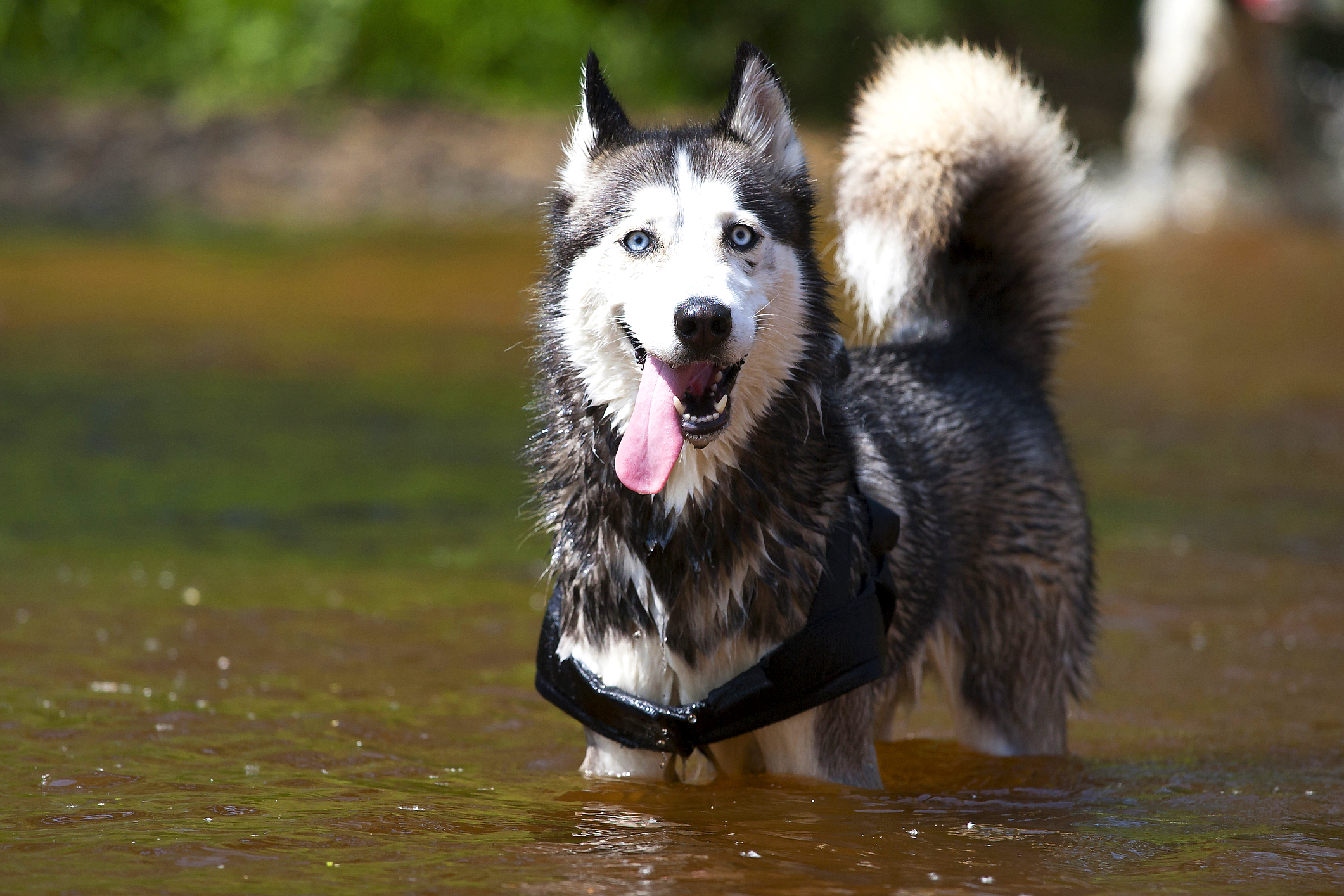
Siberian Huskies were originally sled dogs and require lots of play and stimulation. Credit: Hans Surfer
Today we’ve got dogs who sniff out explosives, drugs and diseases. Police dogs catch a scent and help officers track down suspects. Therapy dogs bring joy to the elderly, sick and injured, while guide dogs make it possible for people with disabilities to live independently.
The point is, human hands have indelibly shaped canis familiaris since long before recorded history. These days dogs are valued primarily for their companionship, but virtually every breed has a lineage that began with practicality, meaning humans shaped them for disposition and ability. A dog’s breed is a good indication of its temperament.
Cats? Not so much.
Cats are famously self-domesticated: When humans developed agriculture and began storing grain, rodents flocked to the abundant new food sources, to the dismay of early human societies.
That’s when cats just showed up, exterminating rodents while showing no interest in grain. Humans didn’t need to breed felines to hunt mice and rats — it’s as natural to cats as grooming and burying their business.
Cats didn’t take on many other jobs in addition to their mousing duties, mostly because they’re famously resistant to following orders, but their hunting skills were so valuable to early societies that they didn’t need to do anything else to earn their keep.
Because of that, no one bothered breeding cats until fairly recently, and the vast majority of cat breeding focuses on changing the way cats look, not how they behave.
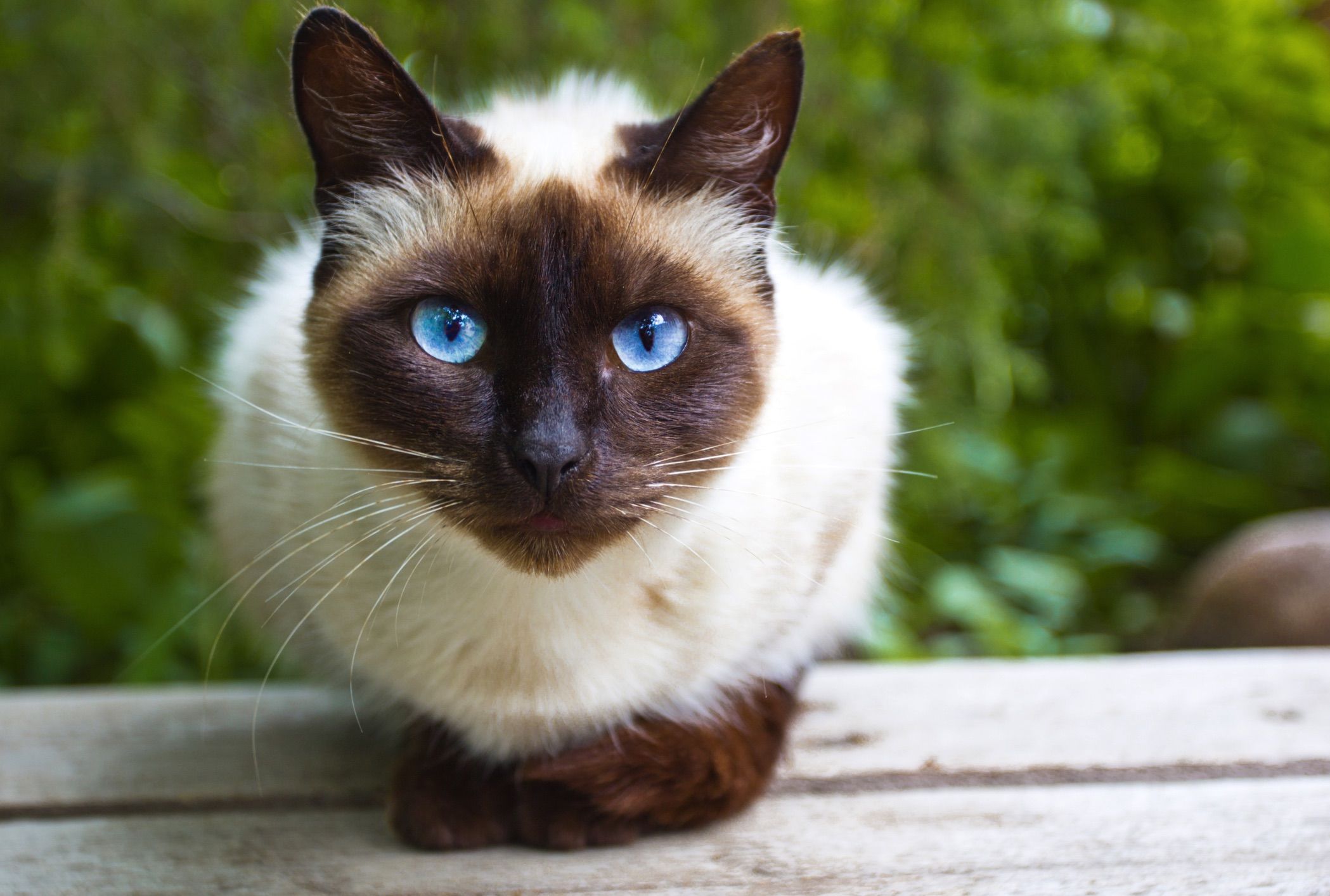
Siamese cats originated in Siam, now known as Thailand. The breed is known for being vocal, but not all Siamese are talkative. Credit: iStock/Chromatos
We like to attribute qualities to cat breeds, and some of them are based in truth. Siamese do tend to talk more than other cats, ragdolls really do go limp when they’re picked up, and Maine Coons are famously chill despite dwarfing most other domestic cats.
But without the behaviorally-specific lineage common to dogs, cat breed behavioral attributes are more like broad stereotypes.
Beyond that, a cat’s personality is primarily determined by genetics and how they were raised in kittenhood. That’s why it’s crucial to handle and socialize kittens when they’re just weeks old, and why ferals will always fear humans.
It’s also why you should take stereotypes about cat breeds with a grain of salt when looking to adopt. If you’re adopting an adult, any good rescue will have information on the cat’s personality, likes and dislikes. If you’re adopting a kitten, you’re pulling the lever on a slot machine.
My advice is to put aside preconceptions about breeds, keep an open mind about looks, and find a cat who connects with you. Like people, no two cats are the same, and a cat’s personality is much more important than the color of its fur when it comes to bonding with an animal who will be in your life for the next 15 to 20 years.
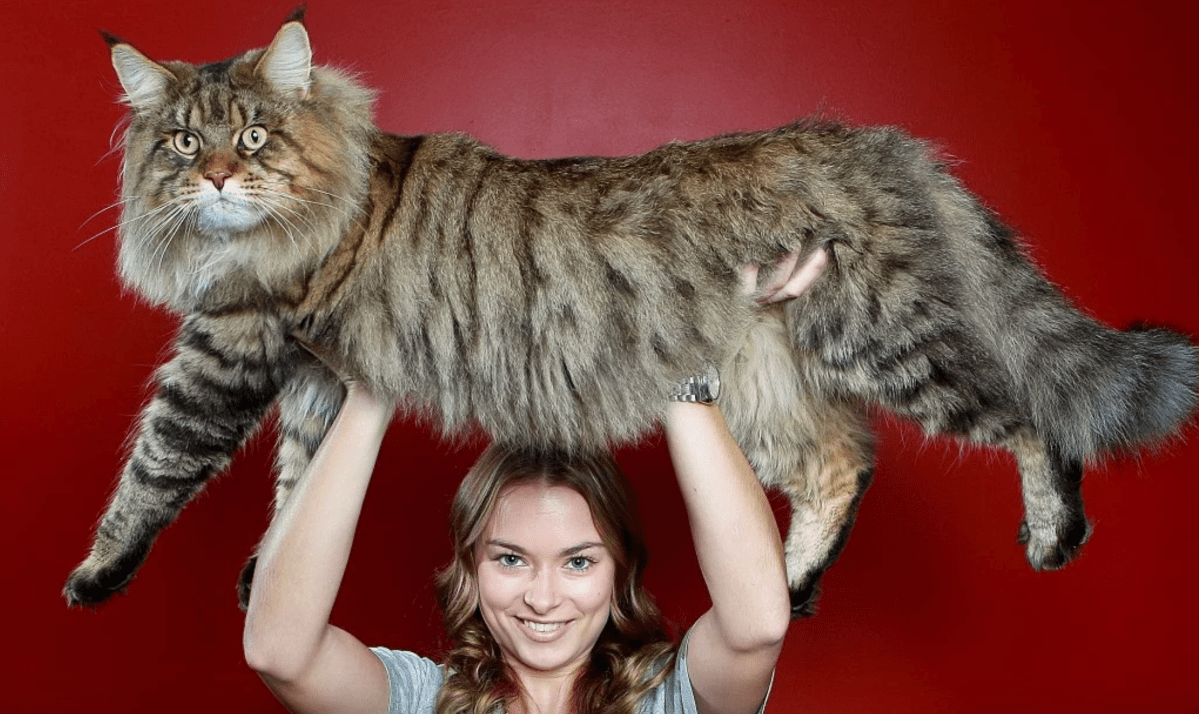
Featured image: Natalie Chettle holds Rupert, a Maine Coone.



 Pain In The Bud