‘The Great Pet Awakening’: Theologians Say Bonding With Animals Can Be A ‘Religious Experience’

A new story from CNN examines how friendship with animals can enhance our spiritual lives.

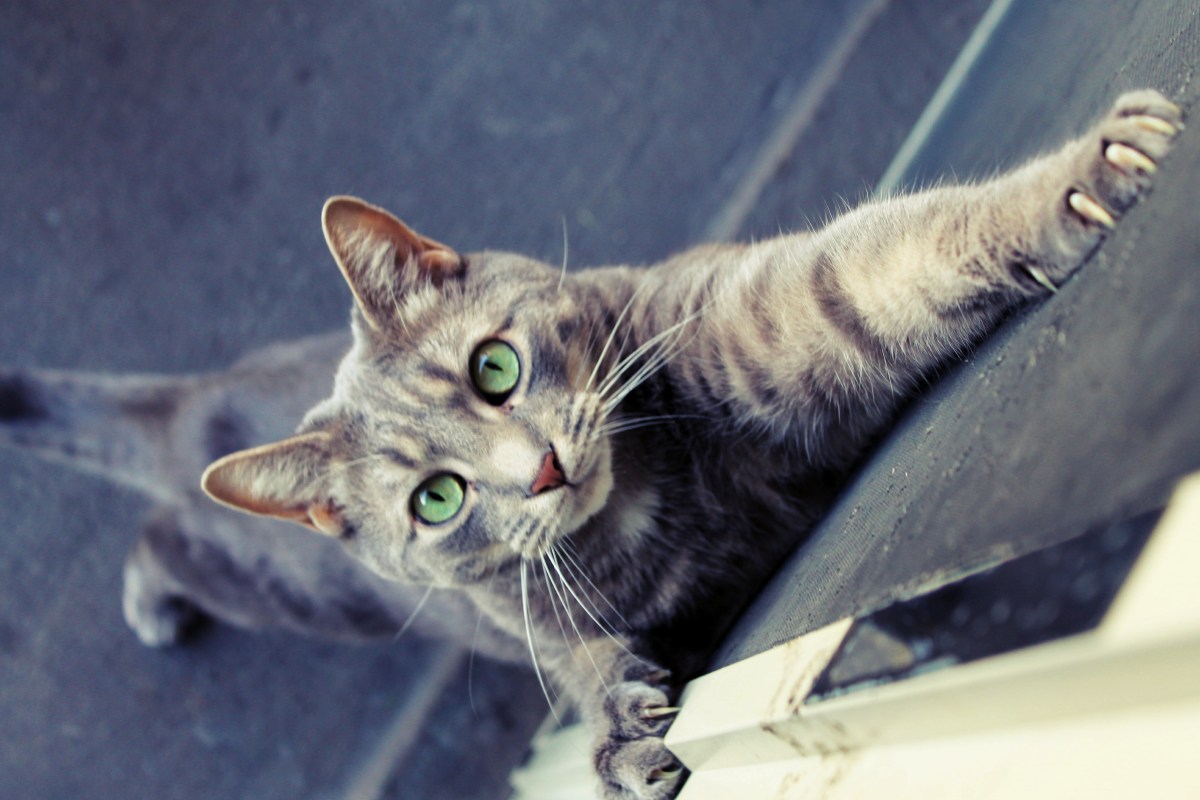
If you ask Bud, I’m sure he’d agree that merely having the privilege of being friends with him is akin to a transcendental experience.

“Yes, human, by stroking my fur, you are brushing up against the divine!” he’d probably say. “Now make a proper offering, and don’t skimp out on me. I want the good snacks!”

The massive ego of my cat aside, some theologians and spiritualists say we’re in the midst of a “Great Pet Awakening,” with more people than ever welcoming animals into their homes, treating them like family, and coming to profound realizations by bonding with them.

Our pets can help us come to grips with our own mortality, amplify our own spiritual lives and even help us heal, they say. Some of it’s nebulous, including a Pew poll that found most Americans believe pets are imbued with some sort of vague supernatural energy, and some of it’s tangible, like studies that have found cat purring has a calming effect on people as well as cats.

If you’re interested in reading more, CNN’s story on the “awakening” quotes a Canadian theologian and author, a Buddhist, and, tragically, a “psychic medium.” In true grief vampire style, the latter says “pet psychics” can offer people “a chance to hear personalized messages from their pets in the Great Beyond.”

“Now leave the snack, bow, and retreat until I call for you again. That’s a good human.”

I don’t like thinking about a time when Bud will be gone, but when that day comes, if I encounter a “pet psychic” who tells me Bud sends his love and appreciation from the afterlife, it’ll reinforce my dim view of self-proclaimed mediums. If, however, the “psychic” tells me that Bud is still miffed about the times dinner was late, or he’s annoyed that I’ve adopted another cat who has inherited his toys, I’ll change my tune!

In any case, I think there’s one hugely important thing the CNN story does not touch on. It focuses on the way pets benefit people, but perhaps the most profound gift our animals give us — if we’re open to it — is a new appreciation for them, and what a miracle they are.

It’s 2025, but surprisingly, there are lots of people who are still stuck in a pre-cognitive revolution mindset, viewing animals as little more than biological automatons. They deny animal cognition, emotions and agency, as if B.F. Skinner and behaviorism remain the credible model. To do that, you’d have to ignore more than sixty years’ worth of research proving our furry friends have their own rich internal lives, their own thoughts and feelings.

Buddy’s ego may be slightly inflated.

That, to me, is one of the great things about cats. If I was a merely adequate servant, the Budster would take the free meals, the shelter and the warm bed, and ignore me until he wants something. Instead, he’s rarely more than three feet from me, he spends much of his day sitting on me or in direct physical contact, he can’t abide any barrier between us, and he expresses his love by marching up to me, purring up a storm, and rubbing his head against my face.

He chooses to do that, and it tells me that for all the boneheaded mistakes I’ve made, I must be doing a pretty decent job. He’s not my property, he’s my Buddy.
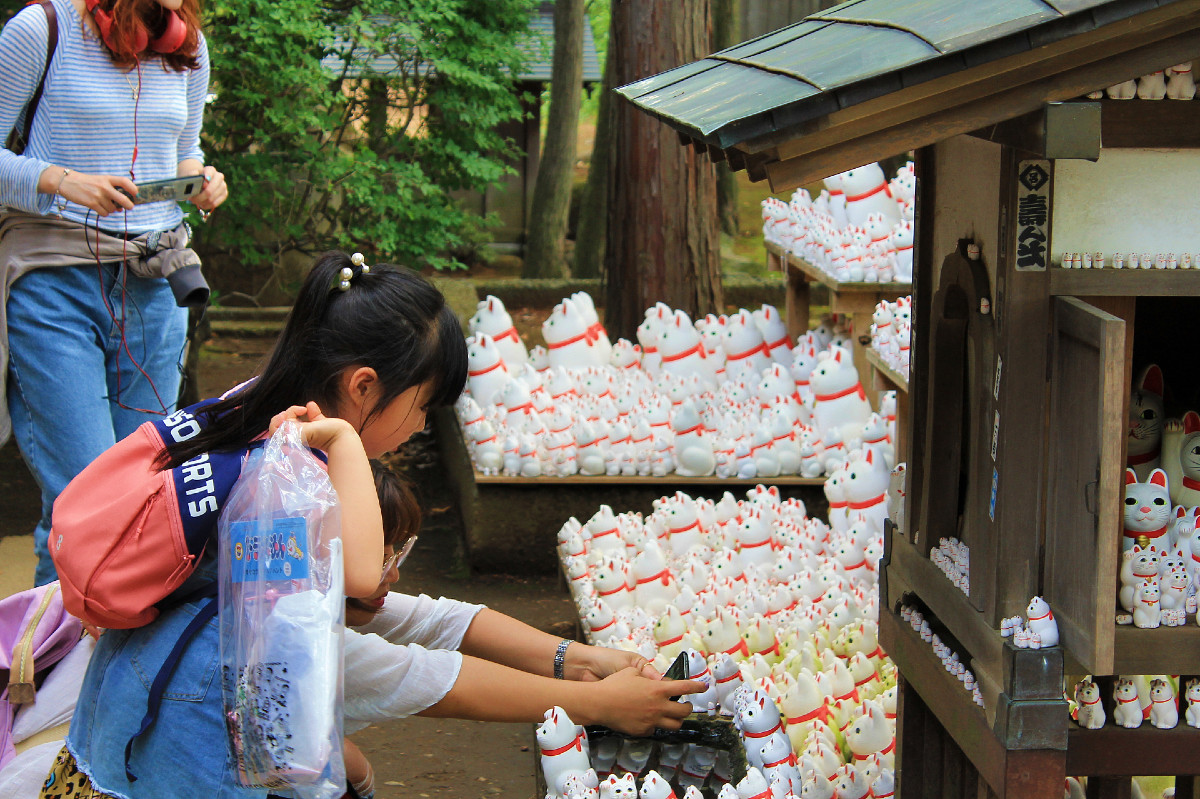
Tokyo’s ‘Waving Cat’ Temple, Gōtoku-ji, Has Run Out Of Cats

The world-famous cat shrine has experienced a surge in tourism, leaving it bereft of the familiar statues that are inspired by the legend of a friendly cat.

Gōtoku-ji temple has a unique problem.

The complex, where legend says a friendly waving cat led a Japanese feudal lord and his men to warmth and safety ahead of a brutal storm, has seen an influx of travelers since Japan relaxed its COVID-era restrictions and tourists have returned.

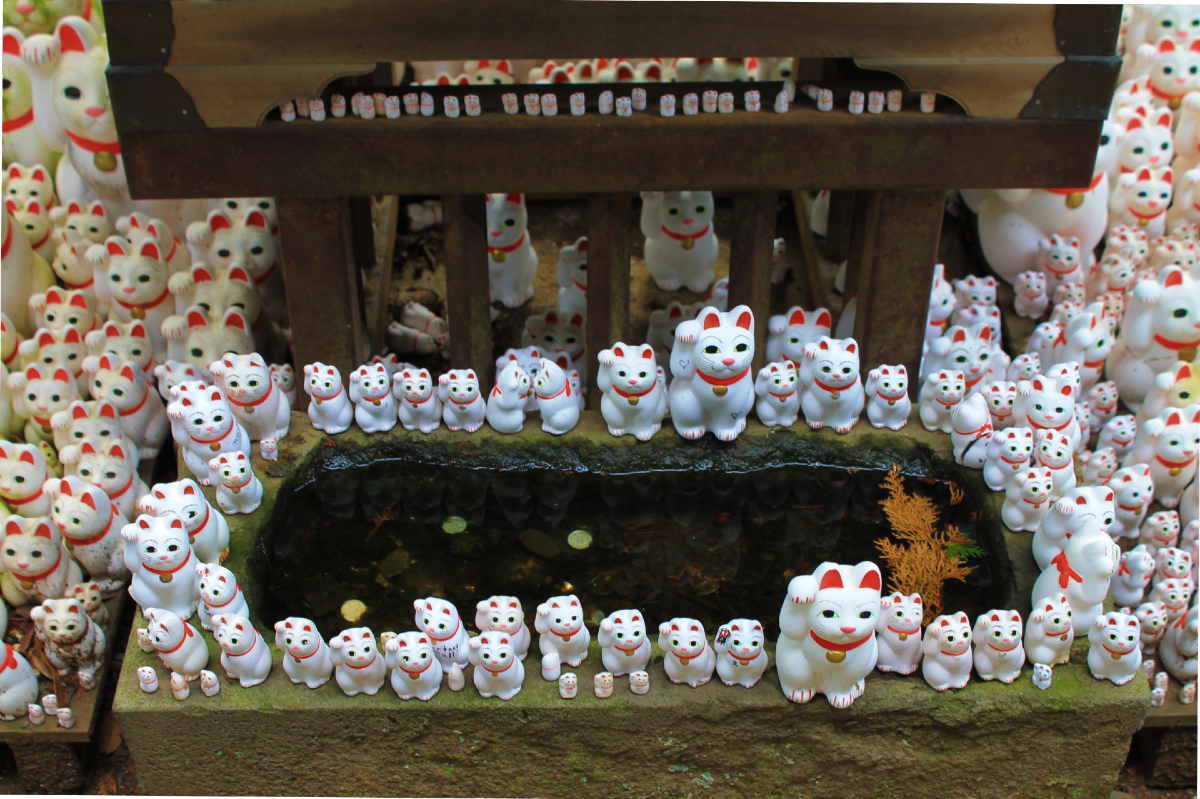
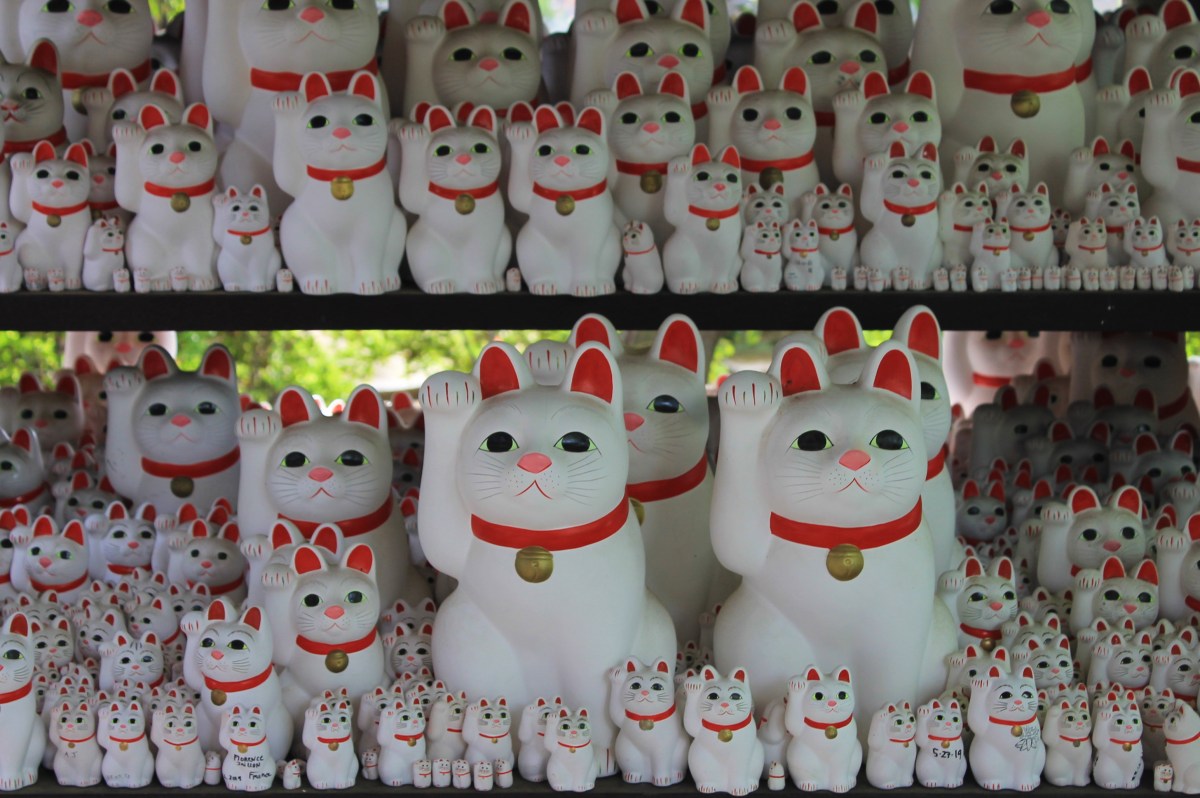
Now Gōtoku-ji can’t keep up with the demand for maneki neko, the ubiquitous “beckoning cat” statues that visitors purchase at the shrine’s tiny gift shop, the Washington Post says in a new report. People who come to the temple write prayers on the statues and place them in a perpetually-expanding section of the shrine grounds.

The cats are said to bring good luck, with variations in their designs and colors: red for health, pink for love, gold for success and so on. White maneki neko, which are sold at the shrine, are the original and “all purpose” prayer cats. The shrine is Buddhist, but practitioners of Shinto, Jainism, Christianity and other religions write prayers on the little cats, hoping they’ll be heard by whichever version of God they believe in.

The manufacturer, which also makes statues for the Lunar New Year and other festivities, can’t keep up with the demand. Now staff at Gōtoku-ji have put up signs apologizing to visitors. They say they don’t know when they’ll get more maneki neko.

When I visited in 2019 there were many thousands of the iconic statues, but the photos from Monday’s WaPo story show thousands more placed on recently-built shelves. Temple staff have begun asking visitors to take their maneki neko home with them instead of leaving them at Gōtoku-ji. They clean, shelve and organize the thousands of statues currently there and won’t dispose of them because they represent the prayers of visitors, but the volume has become unmanageable.

Maneki Neko at Setagaya Tokyo
Visitors leave their own maneki neko statues at the shrine, often with personal messages asking for different blessings and written in black marker on the back of the statues. Credit: Pain In The Bud

Despite Gōtoku-ji’s rise in popularity, I still recommend checking it out, especially for cat lovers who are headed to Japan. While most of Tokyo’s most famous shrines are located in the city proper, with modern skyscrapers looming above temples that date to pre-modern Japan — never letting you forget you’re in a bustling metropolis — Gōtoku-ji is in Setagaya, a mostly-residential ward.

The temple grounds are surrounded by homes and they’re quiet in a way that others aren’t. The shrine is well-manicured and beautiful, dotted with statuary as well as centuries-old wooden temple structures.

When I was there a smiling elderly docent walked the grounds carrying a photo album that showed the temple and its structures over the years. With my sister-in-law’s rudimentary Japanese we were able to get a bit around the language barrier, and he told me one of the most striking buildings, a three-story tiered wooden tower, was home to one of the resident cats who liked to sleep on its second floor.

I wasn’t able to catch a glimpse of the little one but I imagine Gōtoku-ji is one of the best places on the planet a stray cat could call home. Like the people of Turkey, respect for cats is ingrained in Japanese culture and temple cats in particular are treated extremely well. Some even have their own Instagram pages and fan clubs, becoming tourist draws in their own right.

Maneki Neko Setagaya Tokyo
Maneki Neko statues at Setagaya shrine. Credit: PITB

Cat Crashes Buddhist Ceremony, Demands Affection From Monk

“Forget your prayers, dude, and scratch me on the head, will ya? Right there! Ah!”

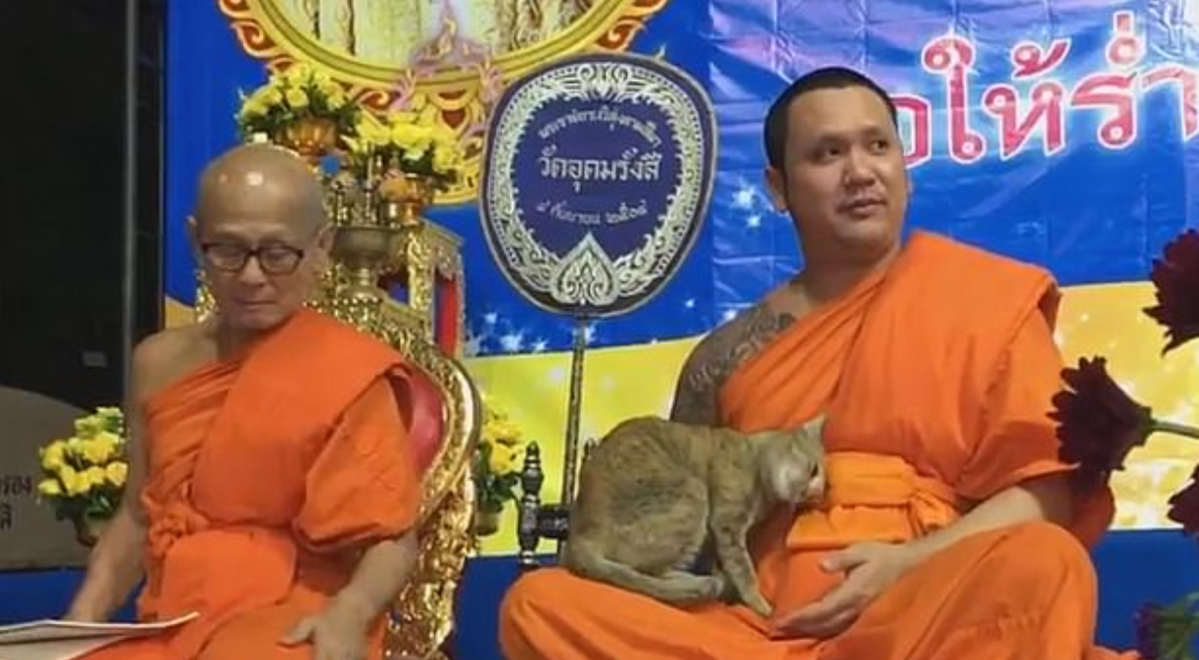
In a scene that looked like the classic “cat on a keyboard” writ large, an especially affectionate tabby crashed a Buddhist ceremony on New Years Eve and demanded the attentions of a monk in the midst of a five-hour-long prayer.

The tabby, who is a regular at Wat Udomrangsi near Bangkok, seemed unfazed by the chanting and approached Luang Pi Komkrit Taechachoto, a 25-year-old monk.

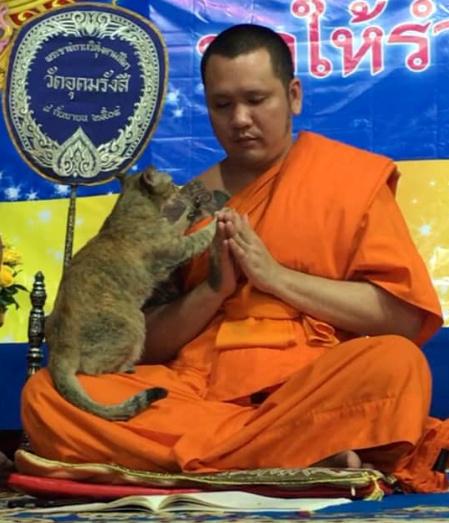
A video uploaded by an amused bystander shows the striped kitty climbing into Taechachoto’s lap and rubbing his scent glands on the young monk’s saffron robes. After several nudging prompts from kitty, Taechachoto wisely decided to scratch the little one on his head and cheeks.

“I was trying to read the book,” Taechachoto told Reuters, “but I was more focused on the cat.”

The bold and apparently contented kitty even kneaded on Taechachoto’s robes.

Then came the moment that will be familiar to cat servants across the globe, regardless of the language they speak or the culture they’re a part of: As Taechachoto leaned forward to turn the page on the prayer book in front of him, the cat suddenly realized the book was the primary focus of the monk’s attention, and did what all cats do — he sat on it.

Nophayong Sookphan, the amused attendee who shot the video, told Reuters the affectionate feline stayed just long enough to ring in the New Year, remaining on Taechachoto’s lap for the final 15 minutes of 2019 and sauntering off shortly after the countdown.

The kitty and the young monk will be seeing each other again — the former is among a group of about 15 cats who call the temple complex their home. Animal life is sacred to adherents of Buddhism.

But, Taechachoto said, maybe the cats are too spoiled by the monks: “They’re all fat.”

The Cat and the Monk
“Hey, high-five me, bro! It’s almost 2020!” Credit:Nophayong Sookphan

Shiba: Zōjō-ji Temple and the Last Shoguns

The ancient blends with the modern at Zōjōji Temple, which is surrounded by skyscrapers in the heart of Tokyo.

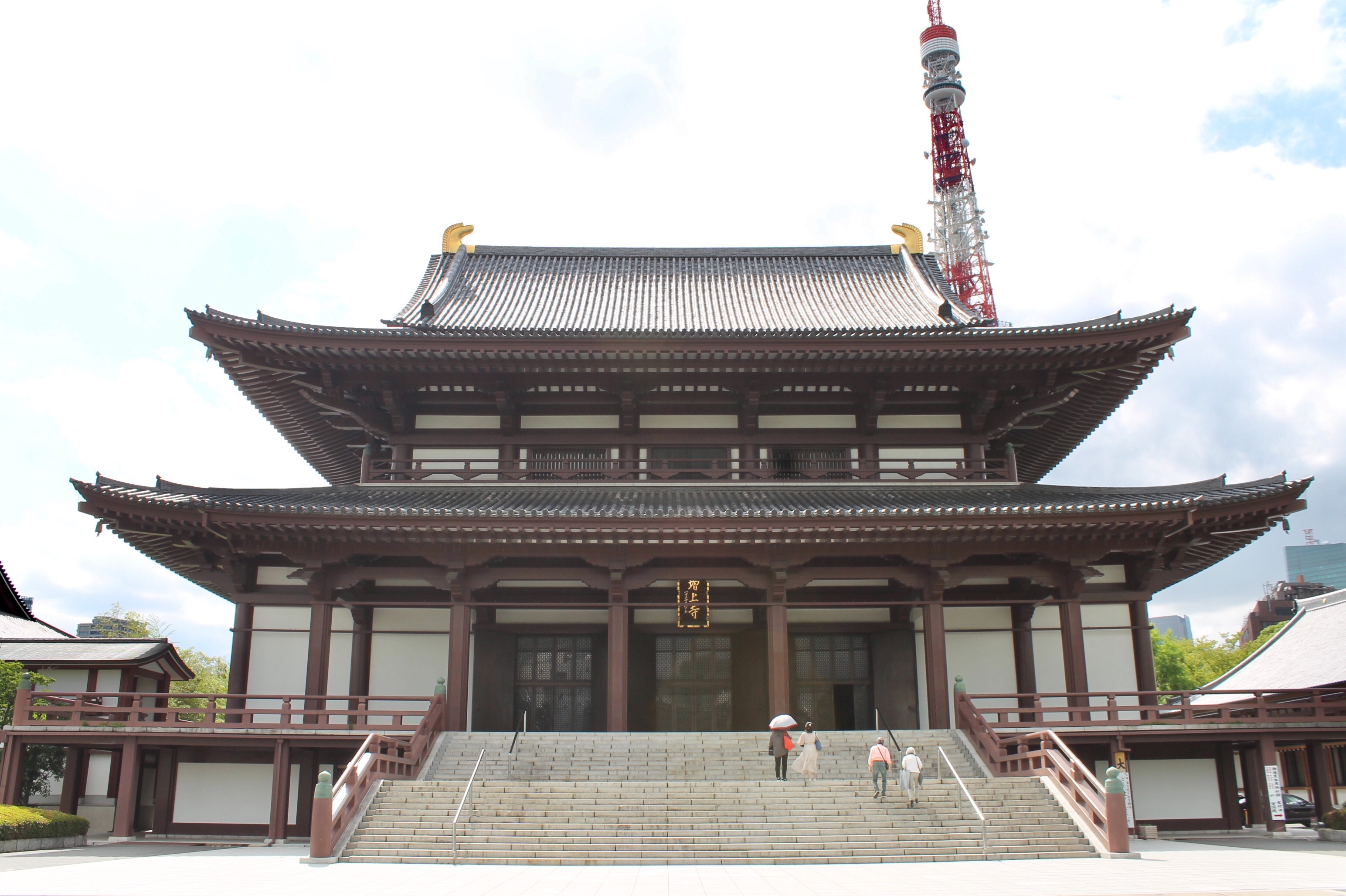
Near the heart of the city, under the shadow of Tokyo Tower, is Zōjō-ji Temple.

The shrine is the most important location in a 1,000-year-old sect of Buddhism as well as the burial grounds of the last shoguns. But what’s most striking about the complex is how it contrasts the old and the new — the sangedatsumon (“gate”) to Zōjō-ji, pictured above, is the oldest surviving wooden structure in Tokyo, leading to an island of tranquility amid skyscrapers, subway lines, neon signs and thousands of shops.

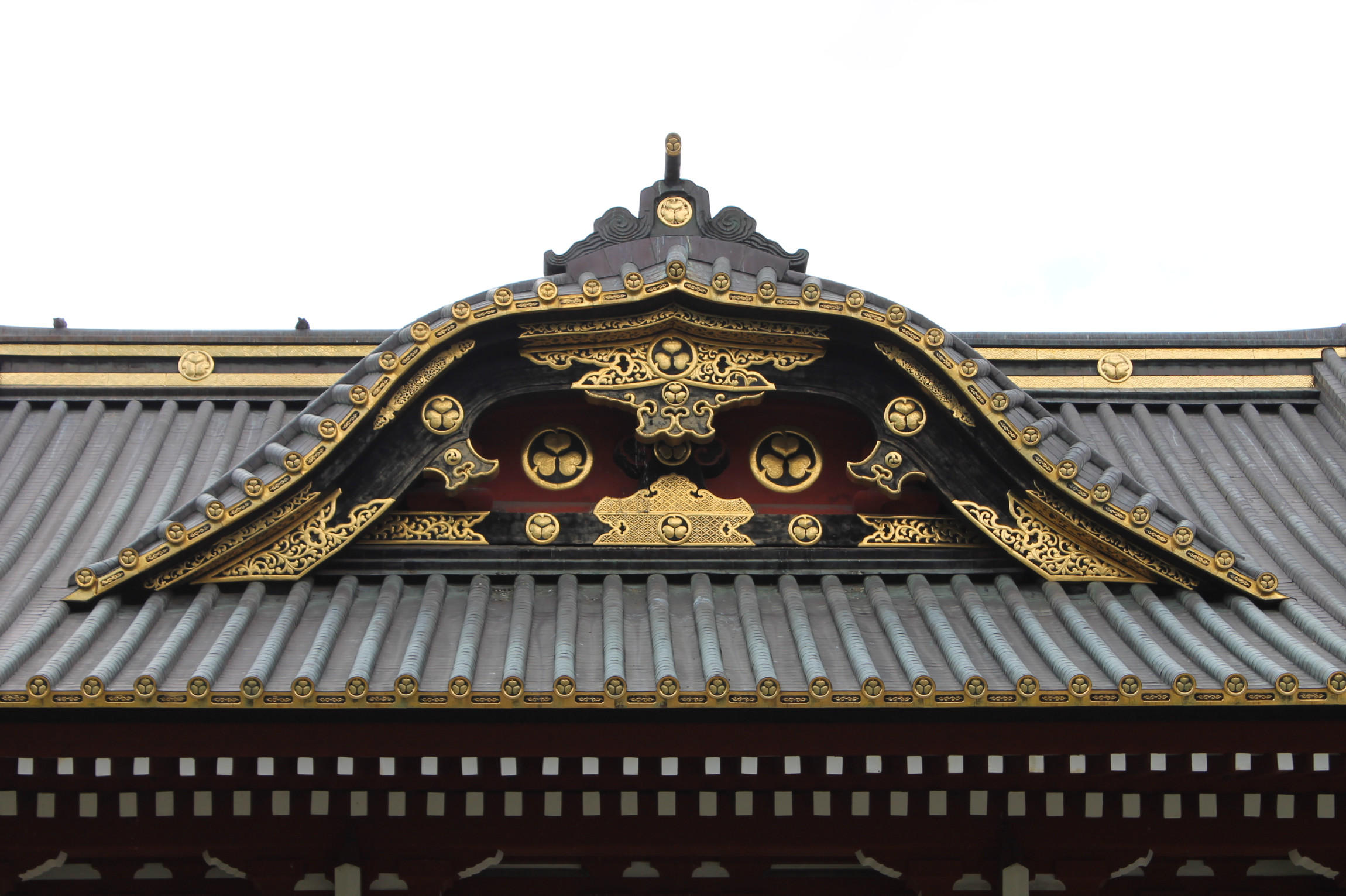
Zōjō-ji Temple: Detail of temple gate
The gate leading to Zōjō-ji Temple was built in 1622, making it the oldest wooden building in Tokyo proper.

Zōjō-ji Temple
Tokyo Tower looms over Zōjō-ji Temple itself, the main structure on the shrine grounds.

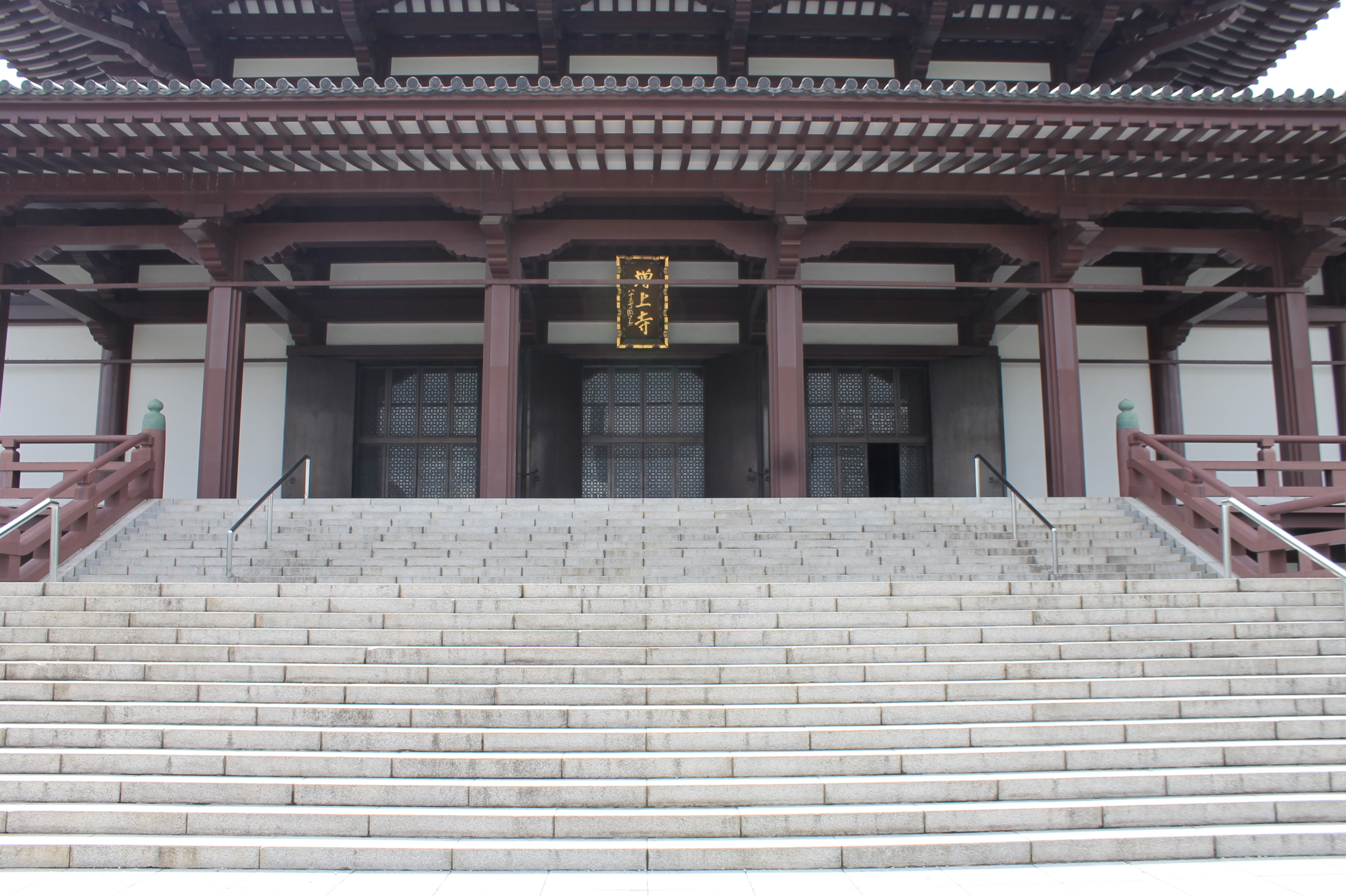
Zōjō-ji Temple close-up
The open door on the right side beneath the portico leads to the sanctuary, called the daiden (“great hall”) in Japanese.

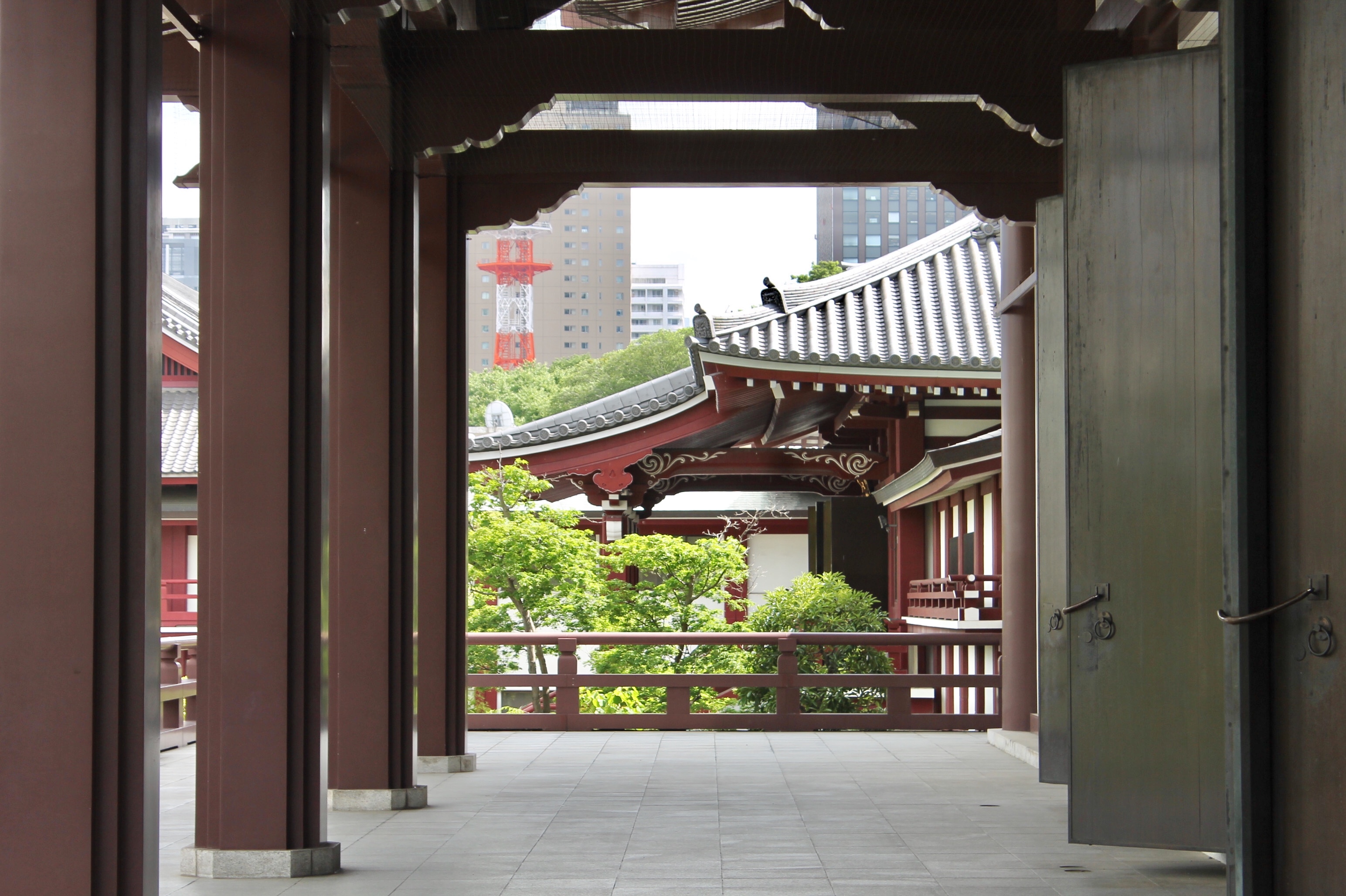
Zōjō-ji Temple: Detail
A view from the portico shows an adjacent temple structure as well as skyscrapers in the background.

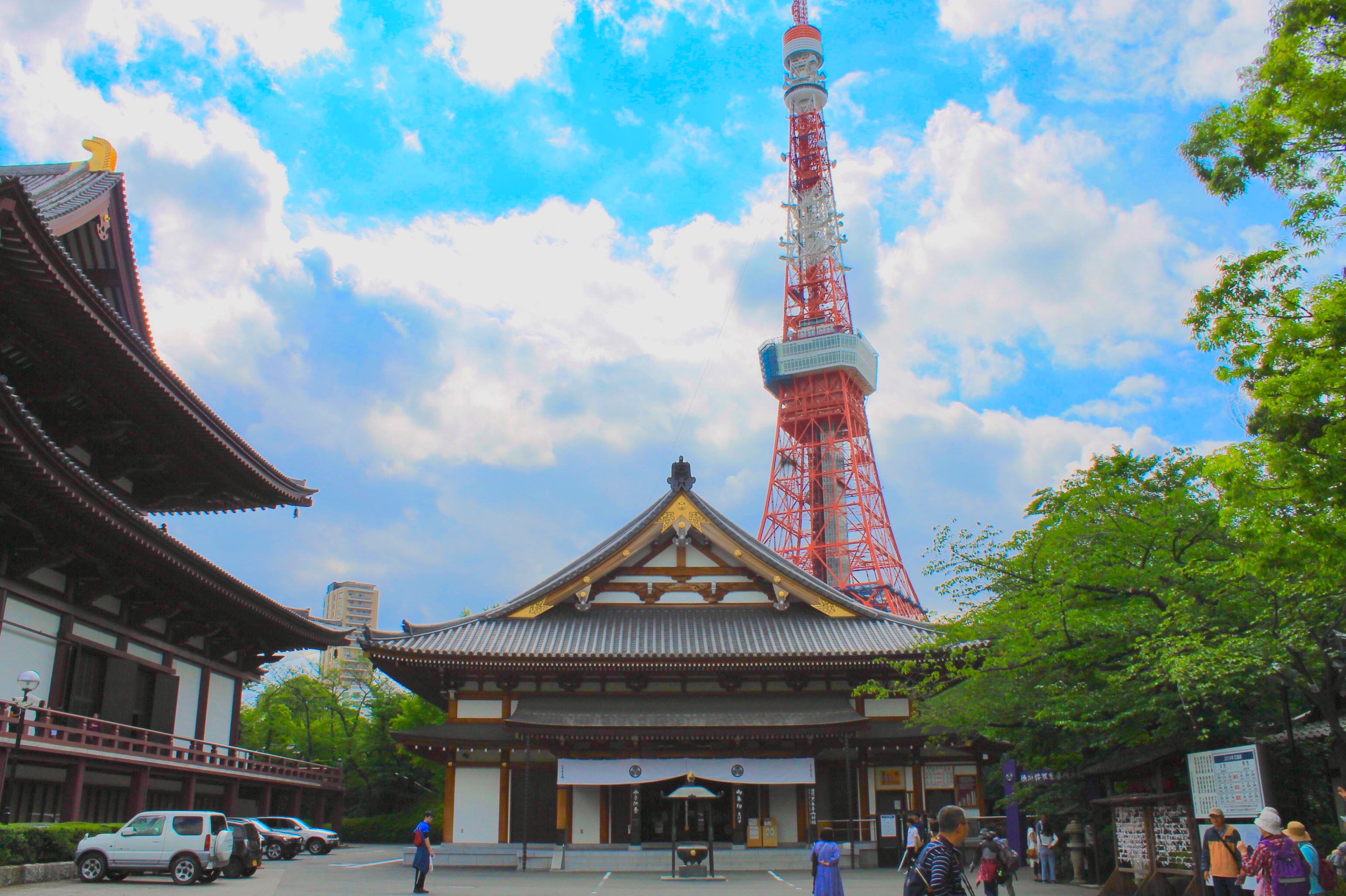
Zōjō-ji Temple and Tokyo Tower
Zōjō-ji Temple itself, left, flanks a smaller shrine structure with Tokyo Tower in the background.

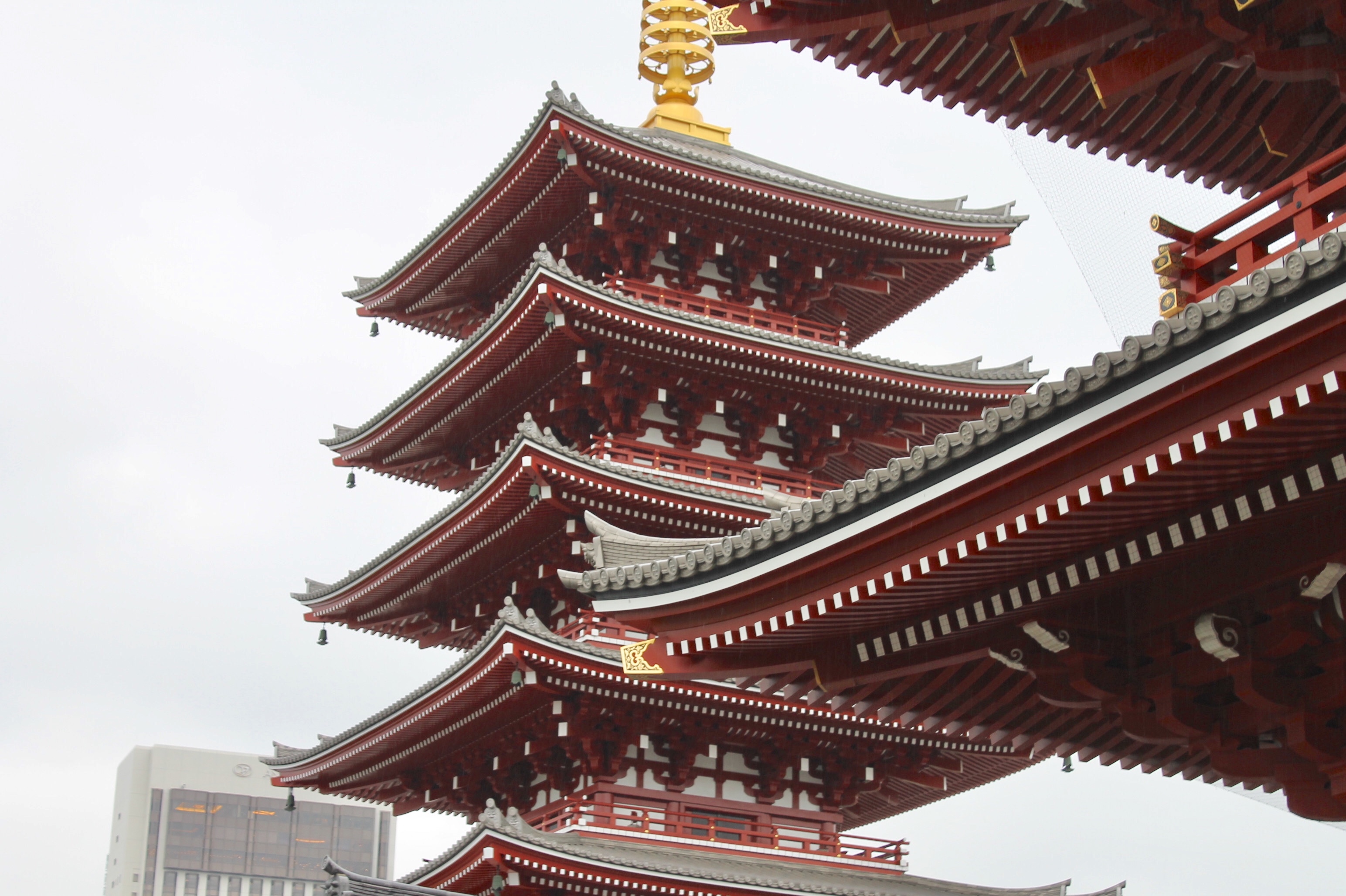
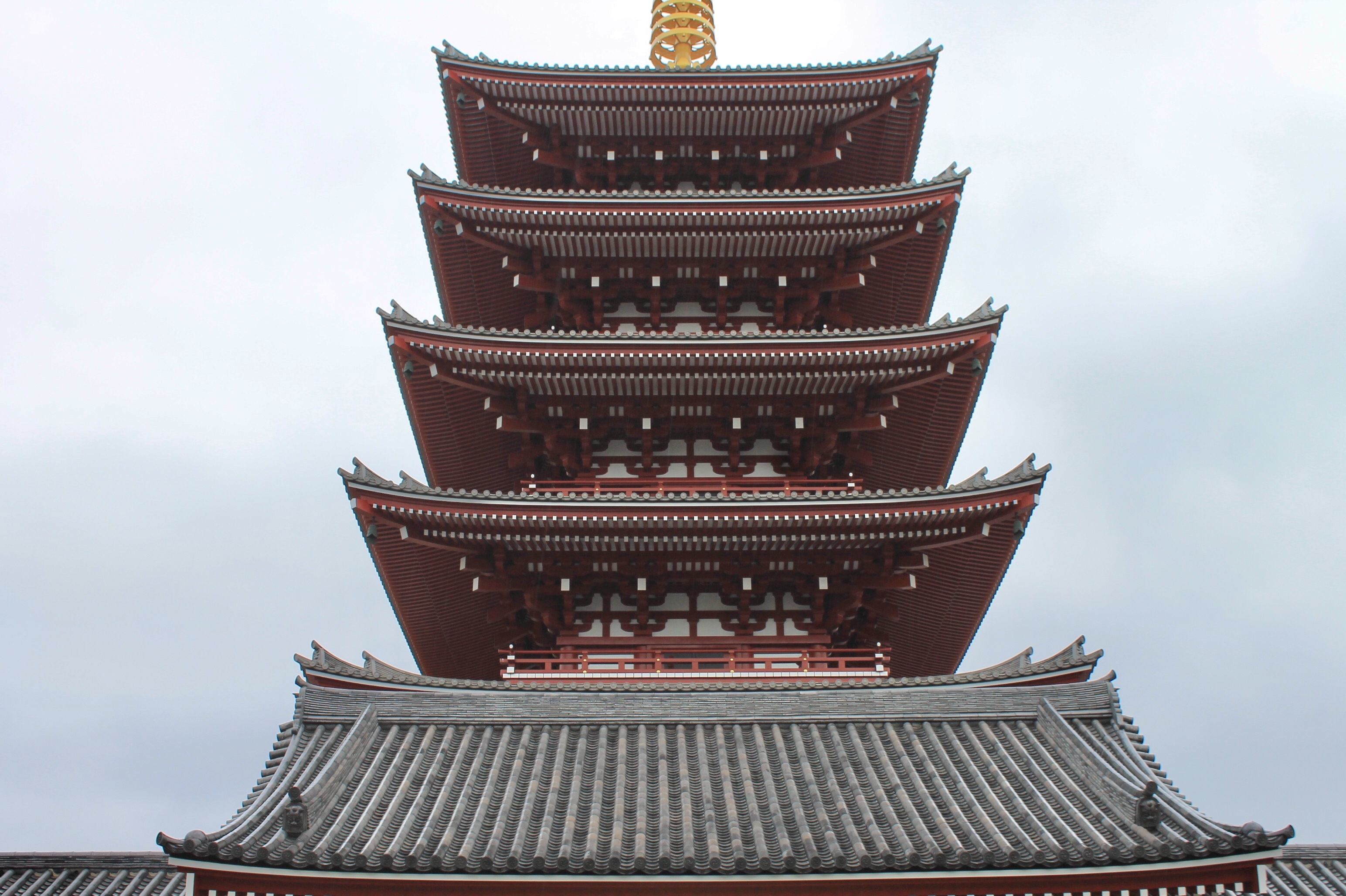
Zōjō-ji Temple and pagoda
A pagoda with the portico of Zōjō-ji Temple in the foreground.

Zōjō-ji Temple and pagoda
A close-up of the detail and symmetry of the pagoda.

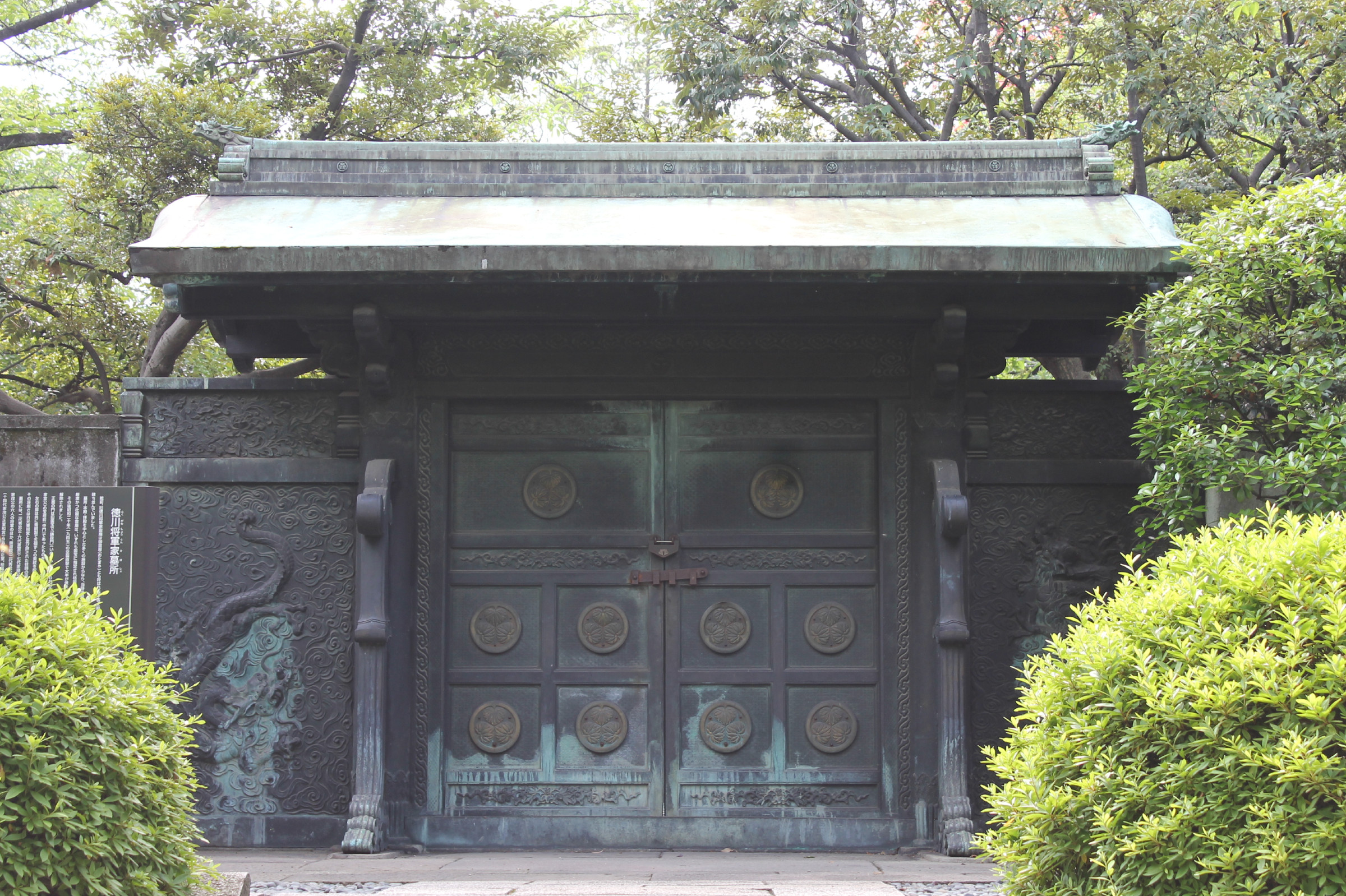
Zōjō-ji Temple: Shōgun Mausoleum
The entrance to the Shōgun mausoleum and graveyard. Six members of the Takegawa Shōgunate, the last feudal rulers in the country’s history, are buried here.

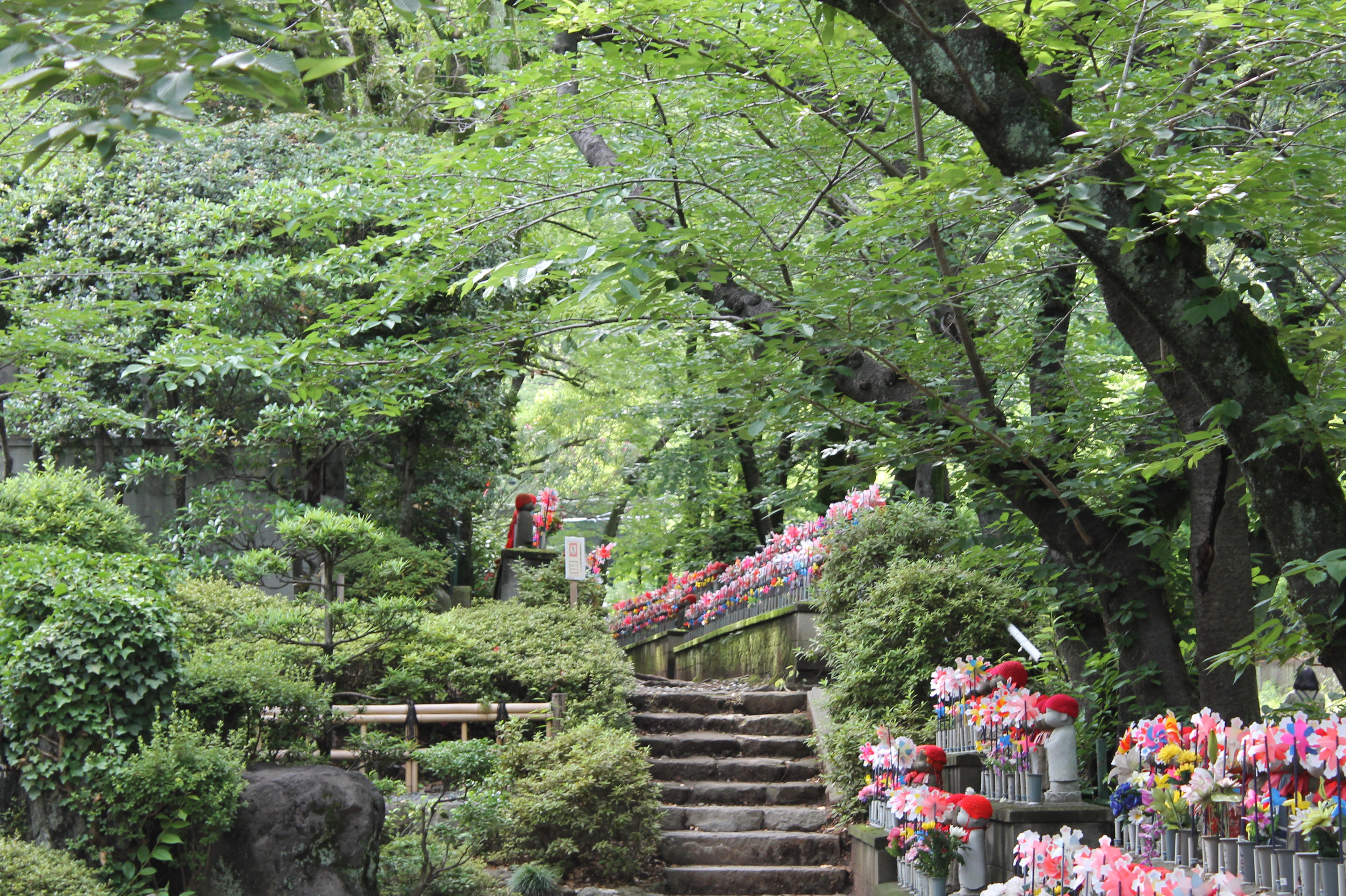
Zōjō-ji Temple
Statues of Jizō Bosatsu, a Buddhist figure designated as the guardian of children, line a quiet path behind the temple.

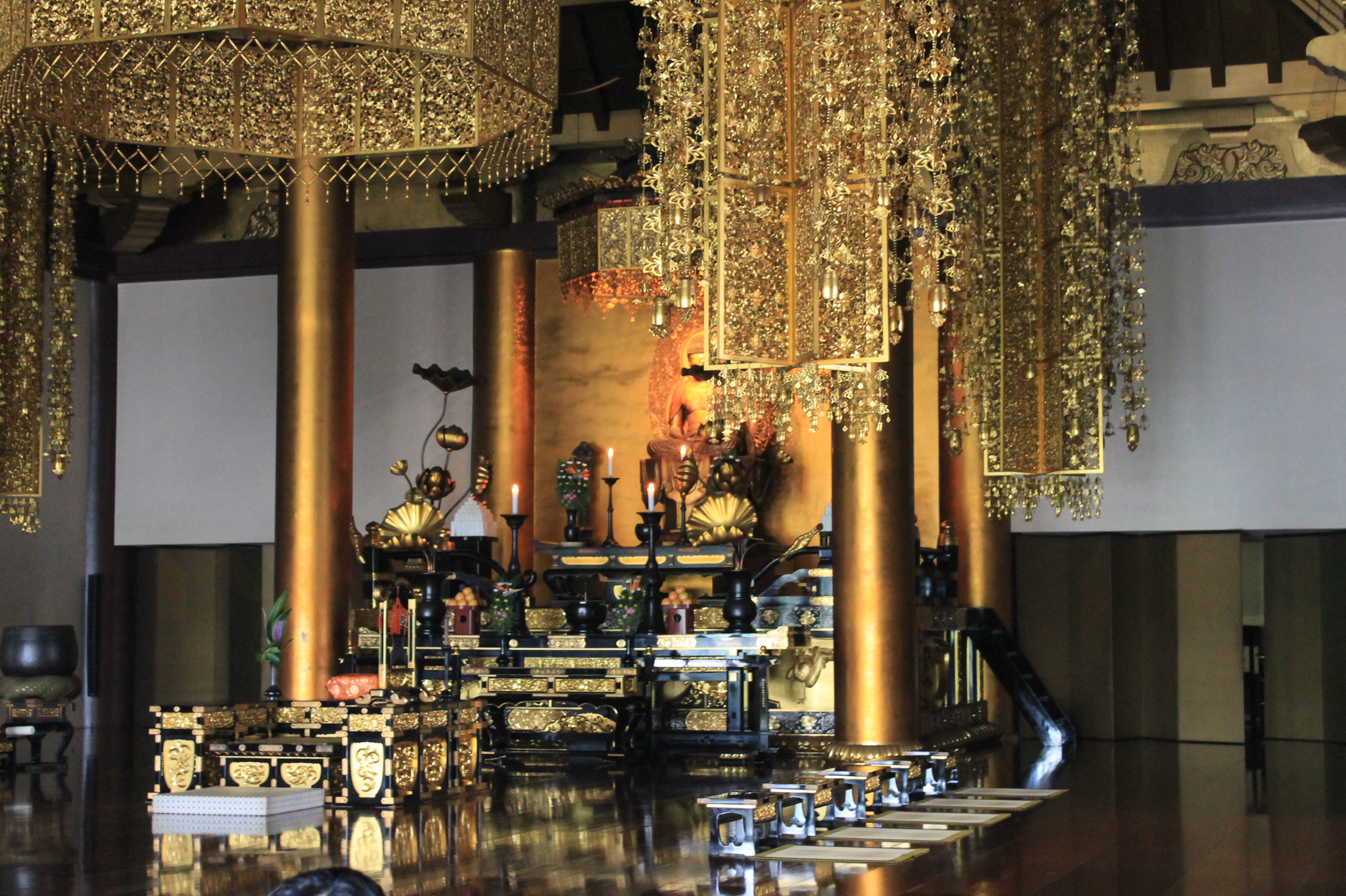
Temple sanctuary
Gilded ornaments surround a central statue in the daiden. Visitors can light incense and sit in quiet contemplation in the great hall.

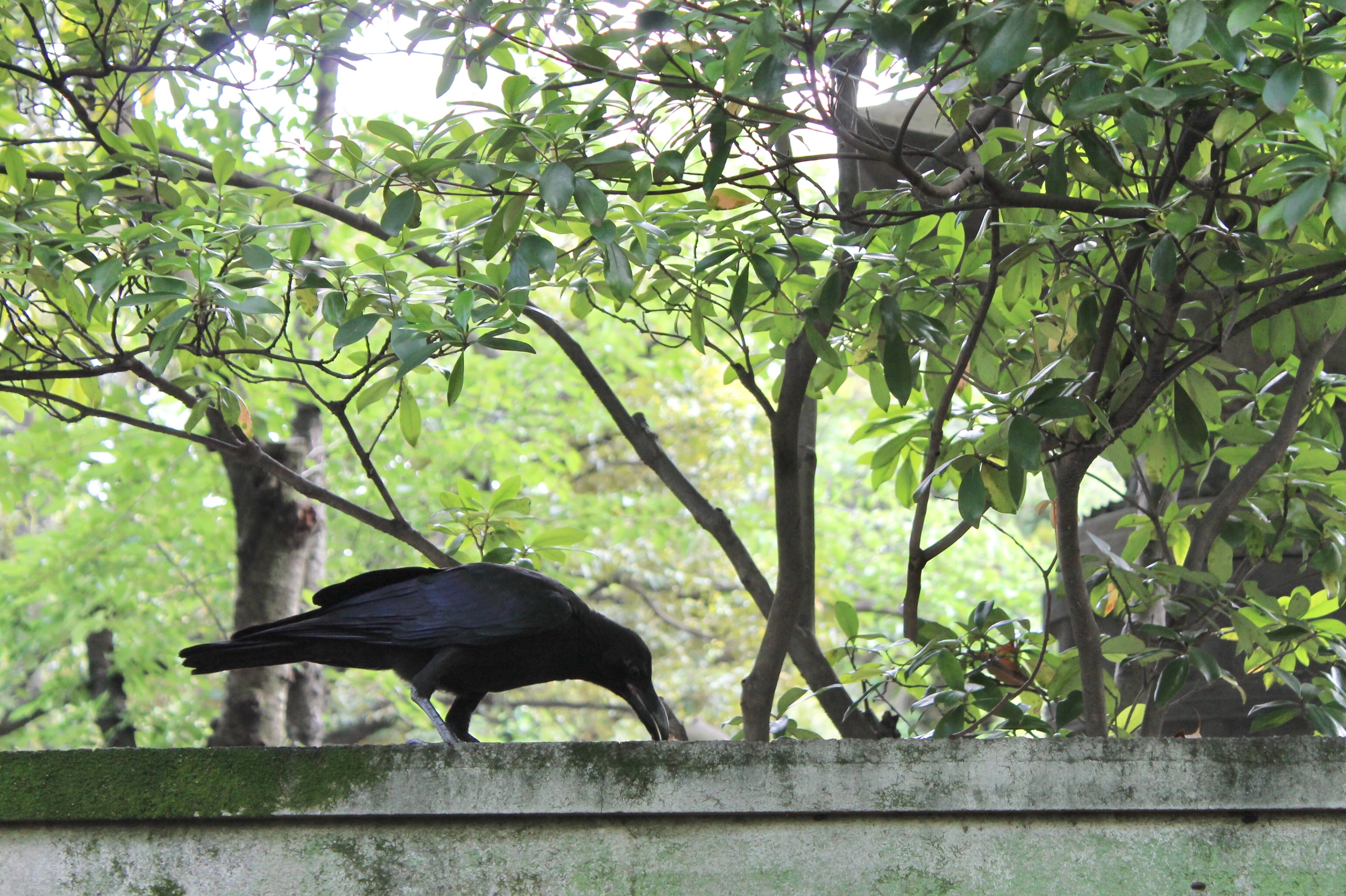
Crow near Jizō Bosatsu statues
A crow sits on a stone wall separating the Shōgun burial ground from the path lined with Jizō Bosatsu statues.


Mt. Takao: Snow Monkeys and Shrines

About an hour from the heart of Tokyo, Mt. Takao offers shrines, snow monkeys and hiking paths.

I arrived at Mt. Takao’s monkey park just in time to watch an exciting part of the day for the troop: lunch.

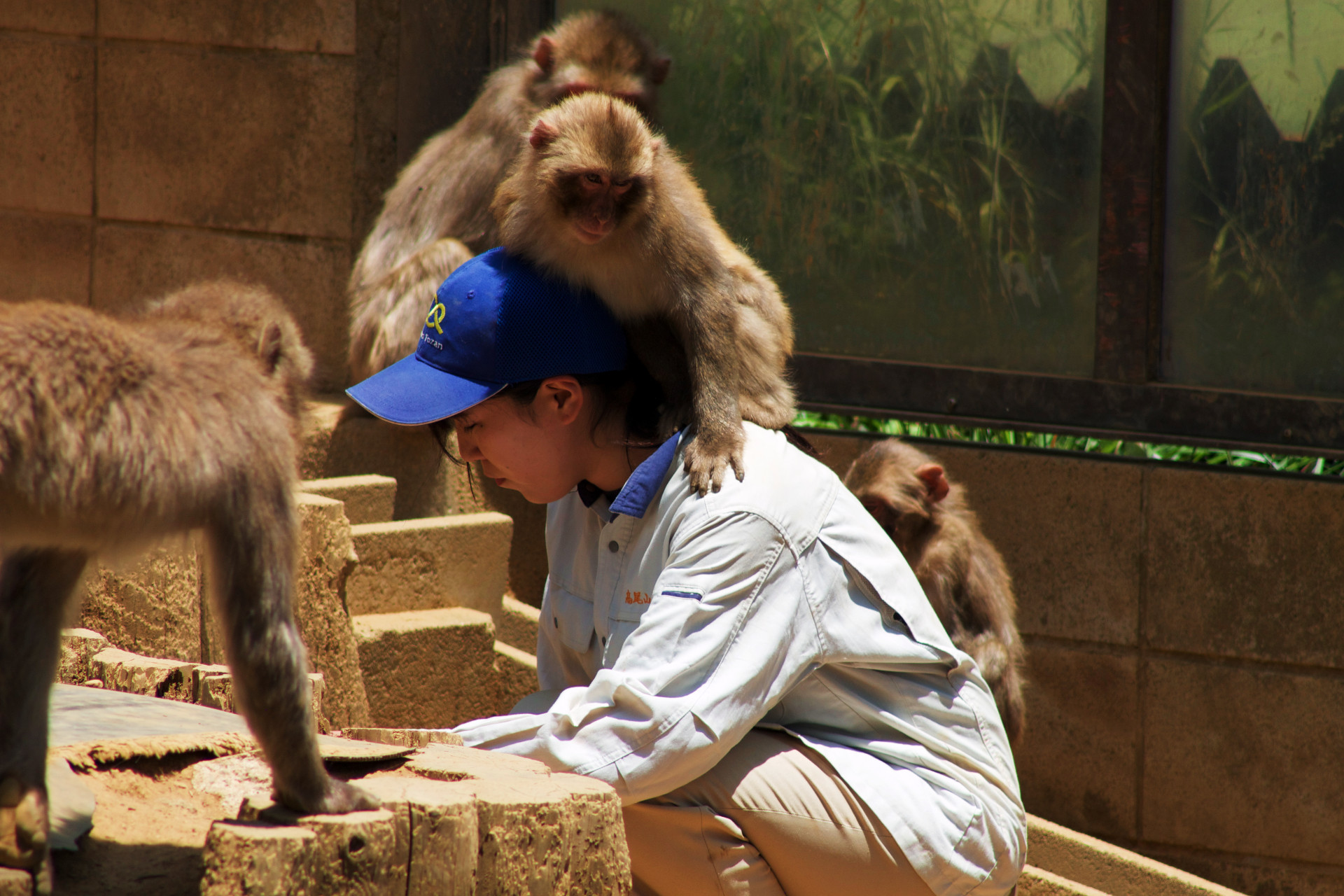
One of the keepers entered the exhibit with a bucket of seeds, and this little guy decided he wanted a ride:

Mt. Takao snow monkey rides a keeper
A juvenile snow monkey at Japan’s Mt. Takao hops on a keeper’s shoulder.

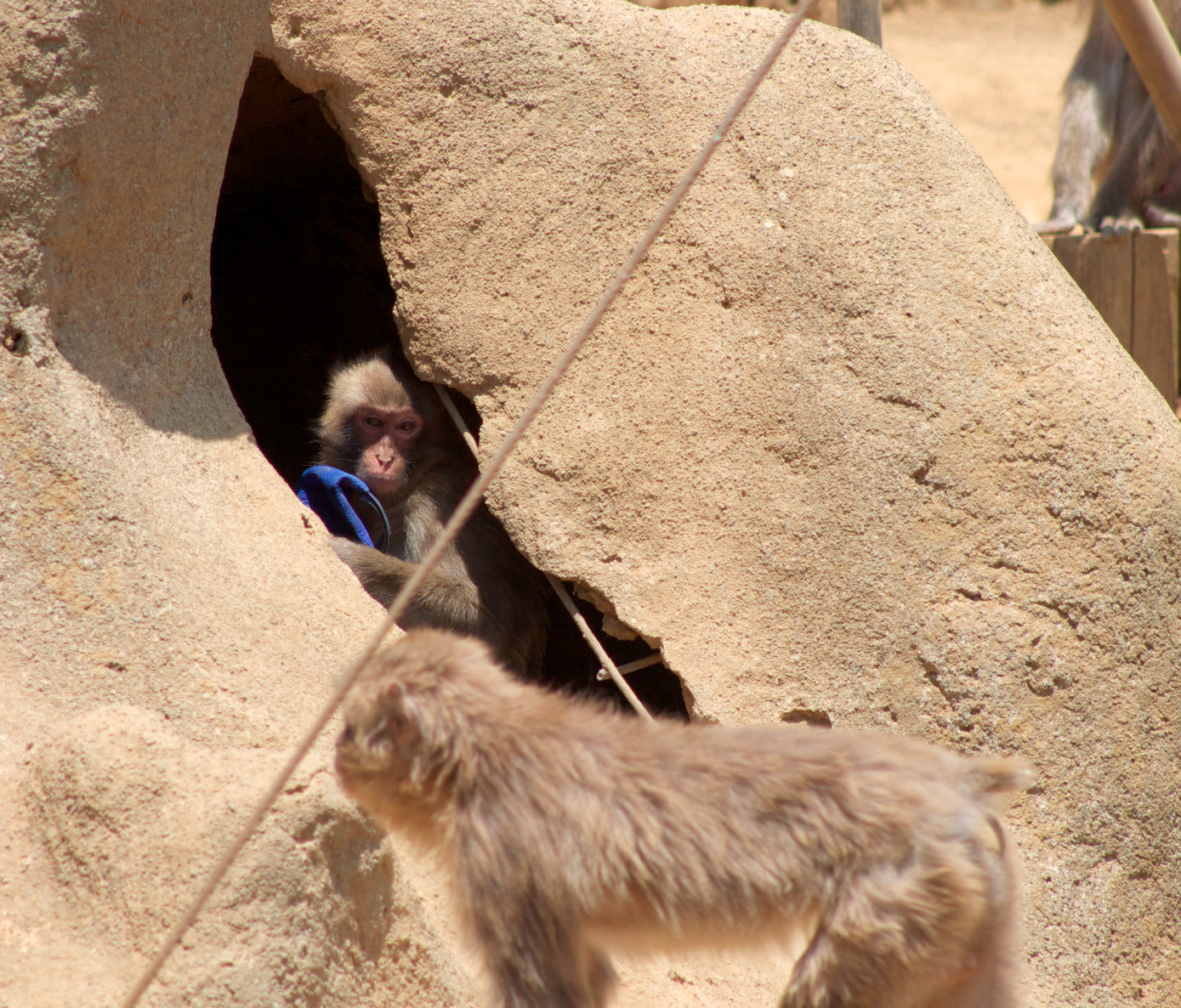
After a few minutes of snatching up seeds, the little monkey decided he liked the keeper’s hat, so he helped himself to it:

My. Takao snow monkey steals hat
A young snow monkey hides from one of his keepers after running off with her hat.

The keeper couldn’t get the monkey to give up the hat, so she called in reinforcements. For the next few minutes, two keepers tried to grab a hat from one monkey hiding in a den with five exits.

It was like wack-a-mole as his little face kept popping out of the various holes only to beat a hasty retreat and try for another when one of the keepers spotted him.

Eventually they did get the hat back after the prankster grew bored.

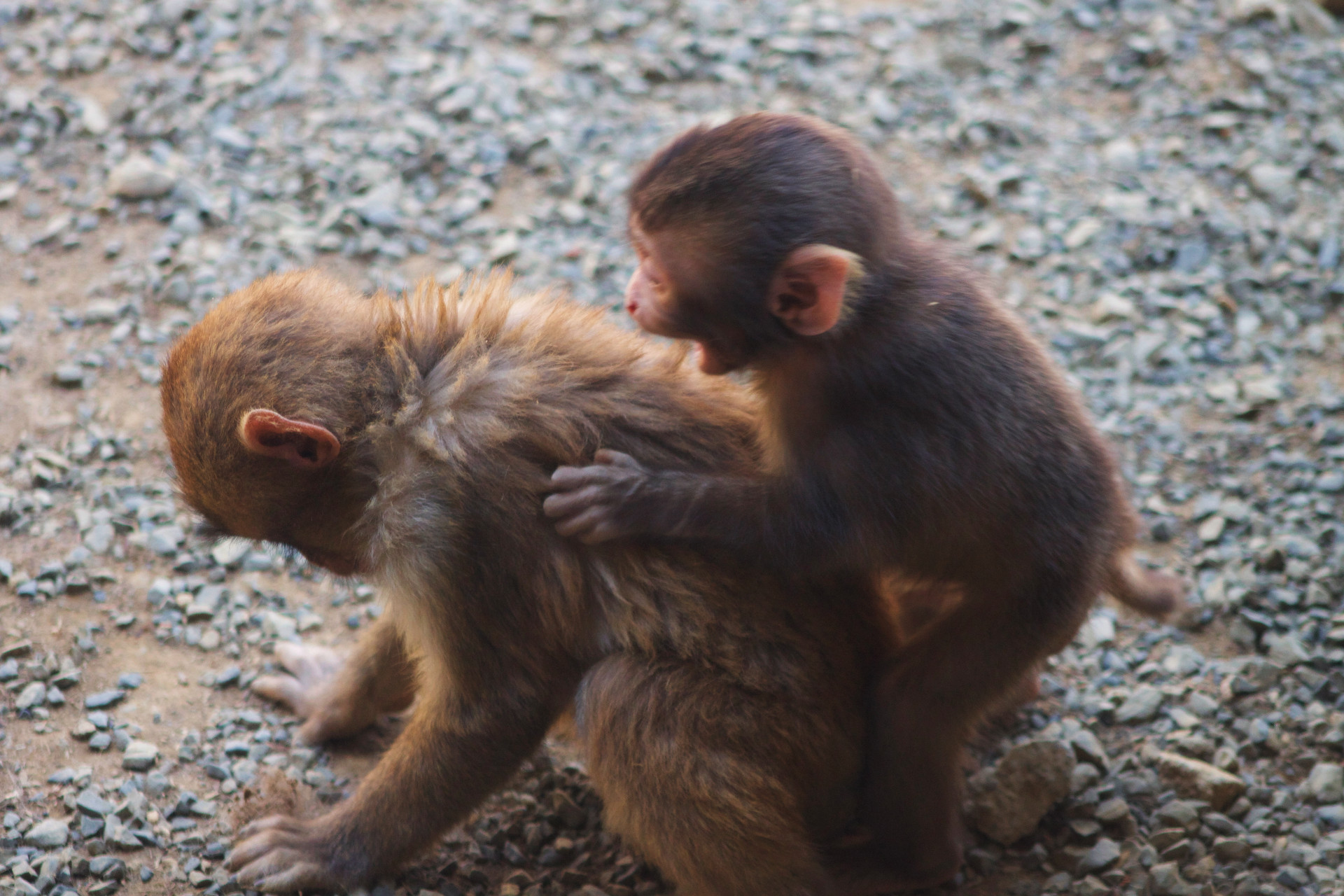
Snow monkey baby and older sibling
A weeks-old snow monkey baby wants to play with her older sibling, who’s picking seeds off the ground.

Snow monkeys are macaques, just like rhesus monkeys, bonnets and long-tails. What makes them unique is the fact that they are the northern-most, coldest-dwelling non-human primates on the planet.

No other monkey or ape can tolerate the extreme cold like Japanese macaques. Most people have seen images of them in snowy Nagano, where they bathe in hot springs during the deep chill and sleep in tightly-packed “group hugs” to share body heat.

Japanese macaques live in matriarchal societies. Each troop is headed by an alpha and a matriarch. Troops have strict hierarchies, and rank is matrilineal — a monkey’s standing in the troop depends on who his or her mother is.

Females stay in their maternal troops for life, while males are driven out by the alpha and his lieutenants on the cusp of adulthood, usually around six or seven years old.

This has the benefit of removing potential challengers to the throne as well as preventing inbreeding. The ousted males will spend their next few years trying to prove themselves to new troops, or decide to start their own.

I spotted the group’s alpha in the most well-shaded corner of the enclosure, attended to by three lesser-ranked monkeys who were grooming his fur. Grooming is a big deal in macaque society — it’s one of their primary social activities, where relationships are forged and problems smoothed out.

It pays to be king: The alpha always eats first, has first claim to choice spots and first crack at propagating his DNA.

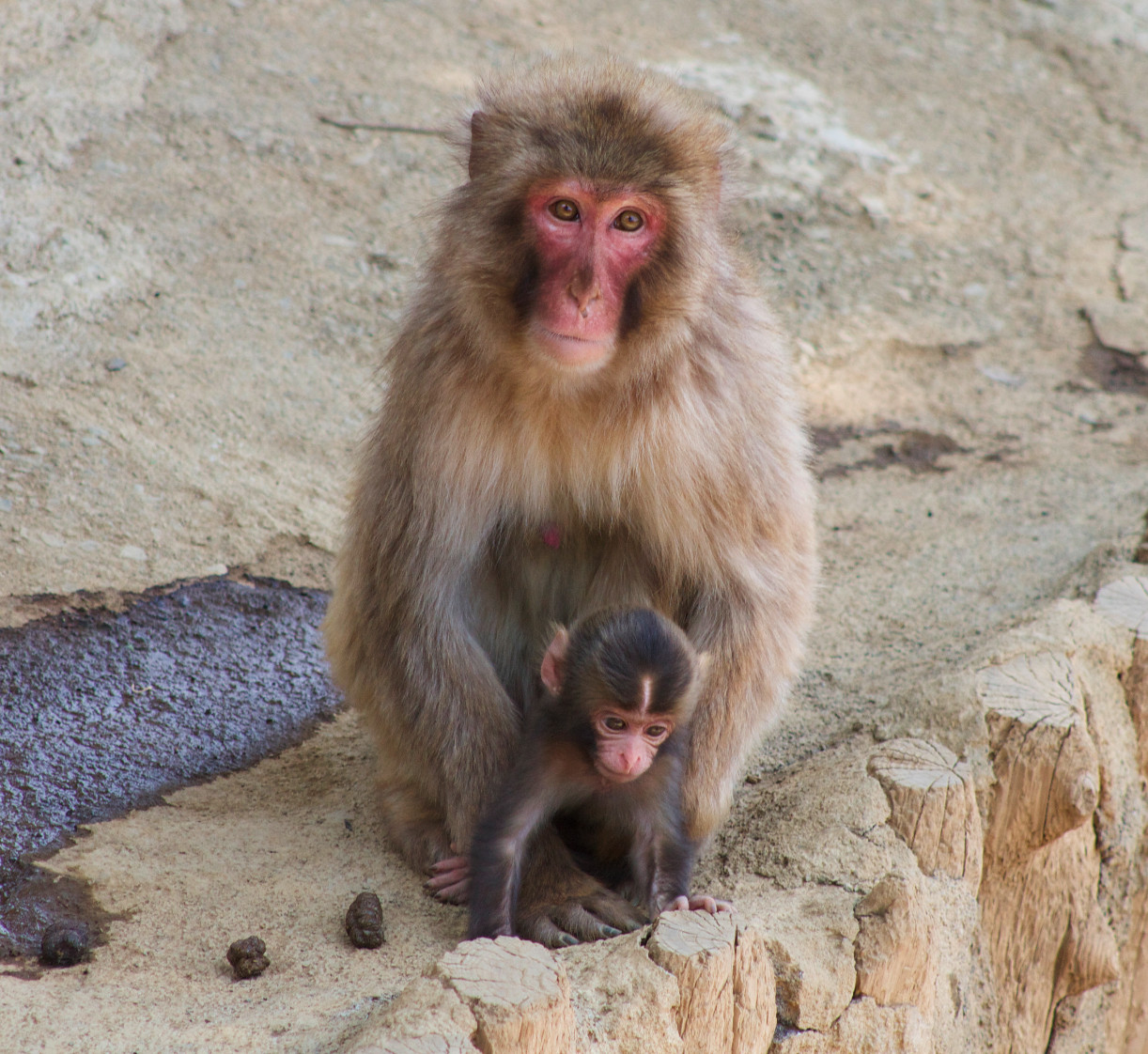
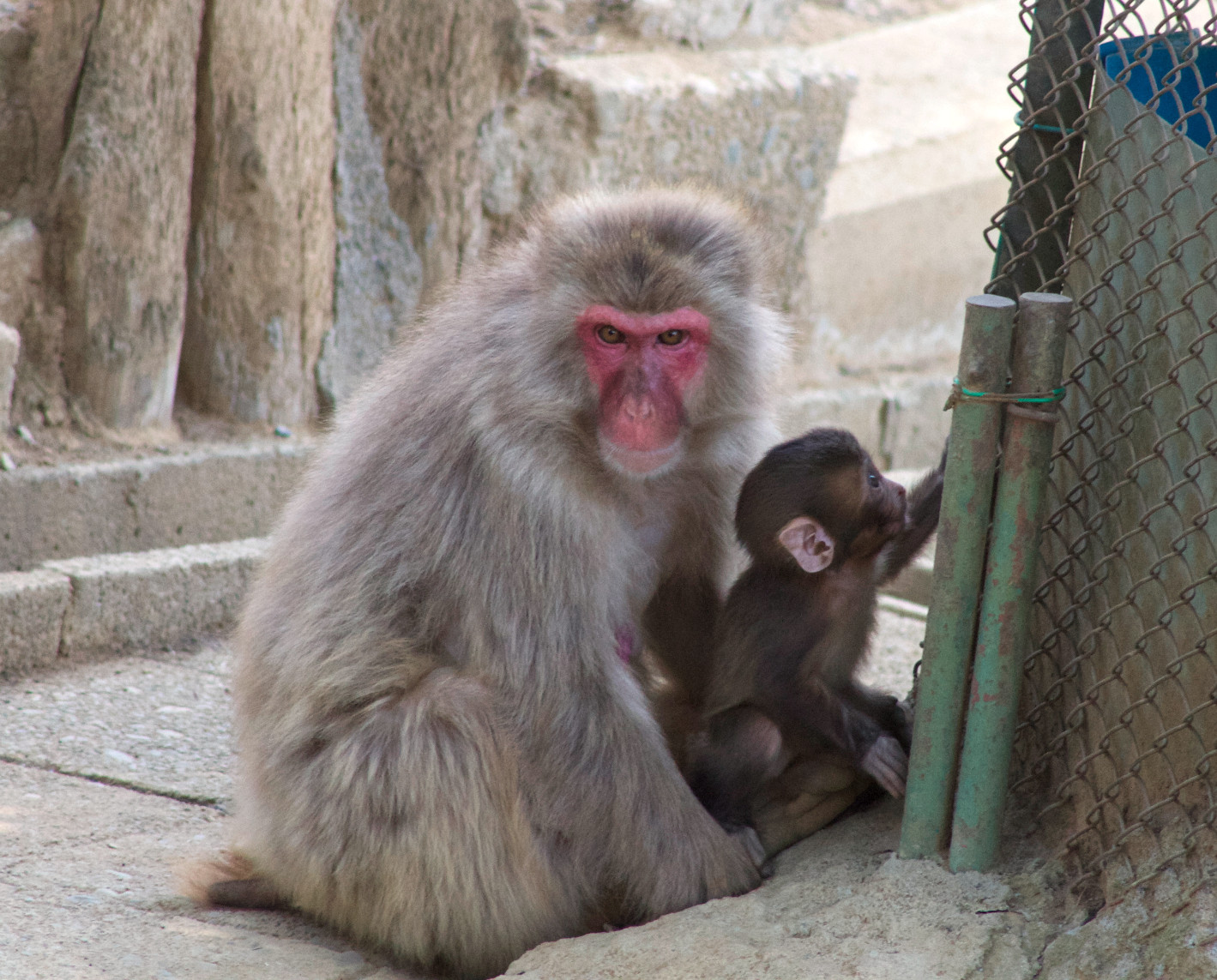
Also present were two nursing moms with infants. Macaques, especially Japanese and rhesus monkeys, are extraordinarily dedicated mothers.

Japanese macaques mom and her baby
A snow monkey mom encourages her baby to take a few steps.

Babies spend almost the entirety of their first six to eight months of life clinging to their mothers by clutching their fur. As the babies become more ambulatory, their mothers gently nudge them to crawl, to take their first steps or climb their first obstacle.

Upon success, the babies will hop back into their mothers’ arms. Life continues that way for several more months until the babies are about a year old and start to venture further from their moms. They continue to nurse for up to two years.

Japanese macaque and baby
A patient mother encourages her weeks-old baby to climb.

After the impromptu monkey show, I met up with my brother and we made our way up mountain toward several shrine complexes and temples.

Mt. Takao, Tokyo, Japan
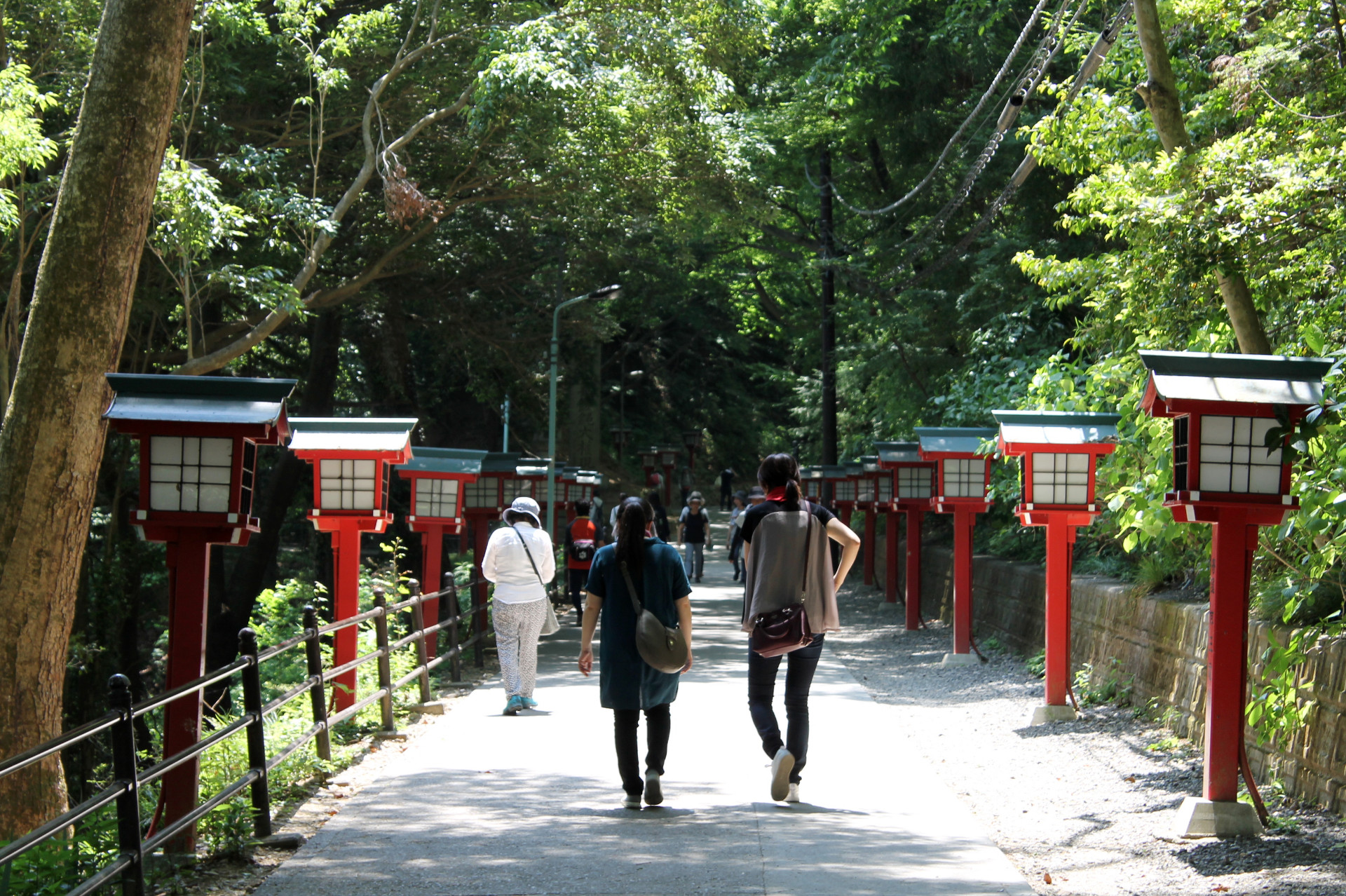
Visitors make their way toward a shrine on Mt. Takao.

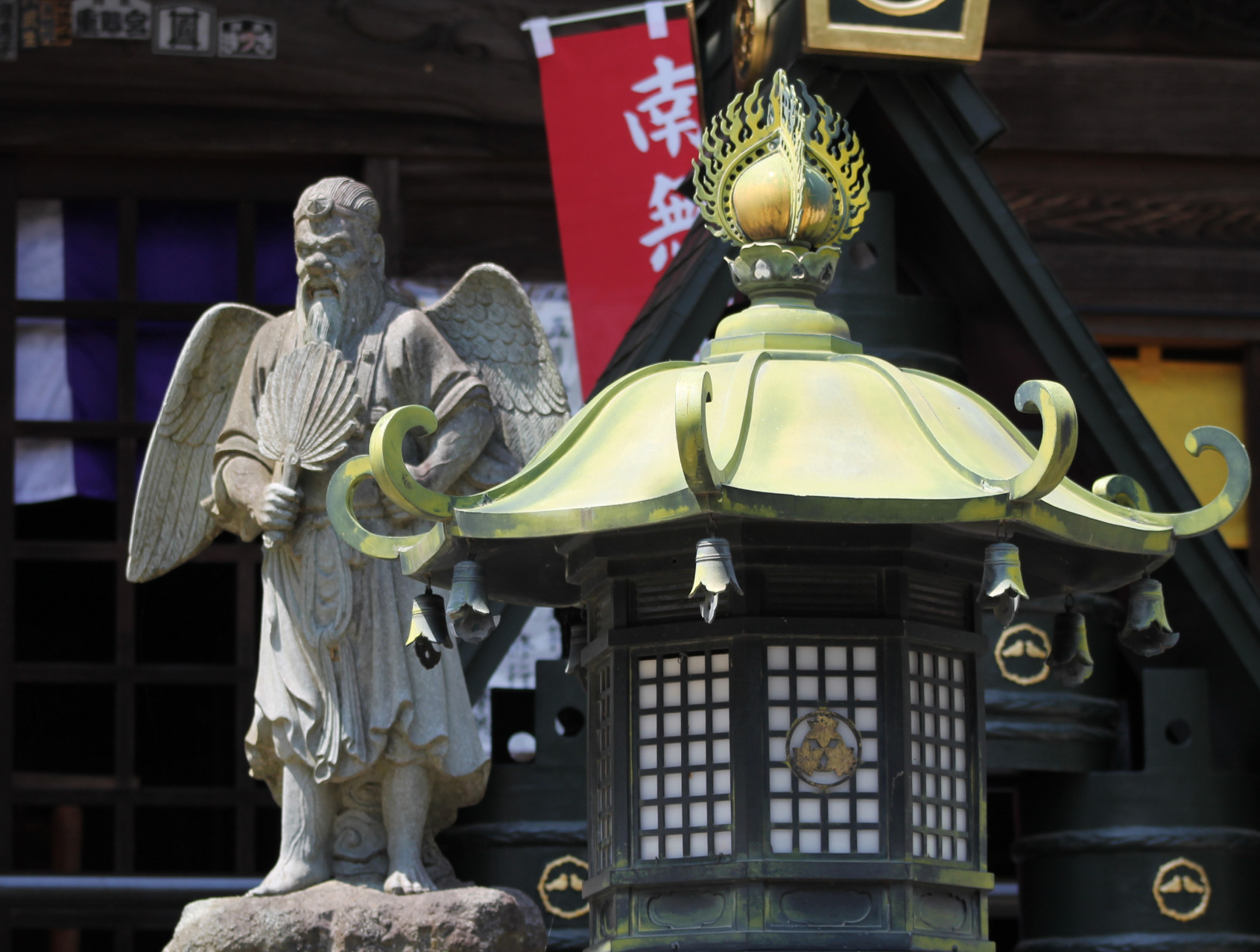
Mt. Takao tops out at 1,965-ft, and the ascent to its peak is peppered with mixed Buddhist-Shinto shrines. They’re the real deal, with centuries-old woodwork and artifacts that date back even further.

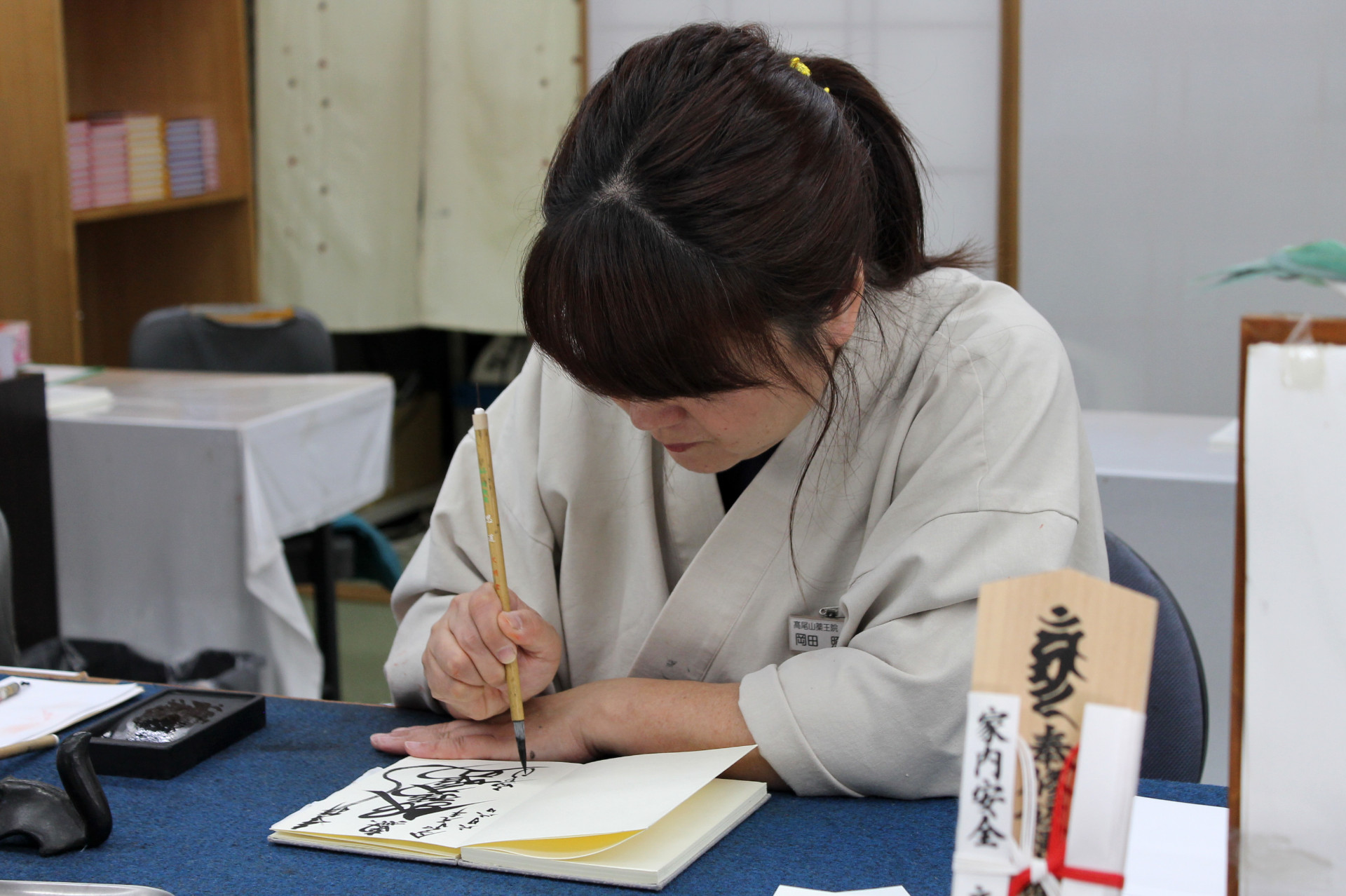
Each shrine in the country has its own unique stamps and calligraphic symbols. Visitors can buy blank books and collect stamps and calligraphy from each shrine they visit.

In this photo, a woman paints calligraphy onto a blank page with precise brush strokes:

26939D8B-0061-4AD5-8F5E-A799F74E7531

Further uphill are the temples:

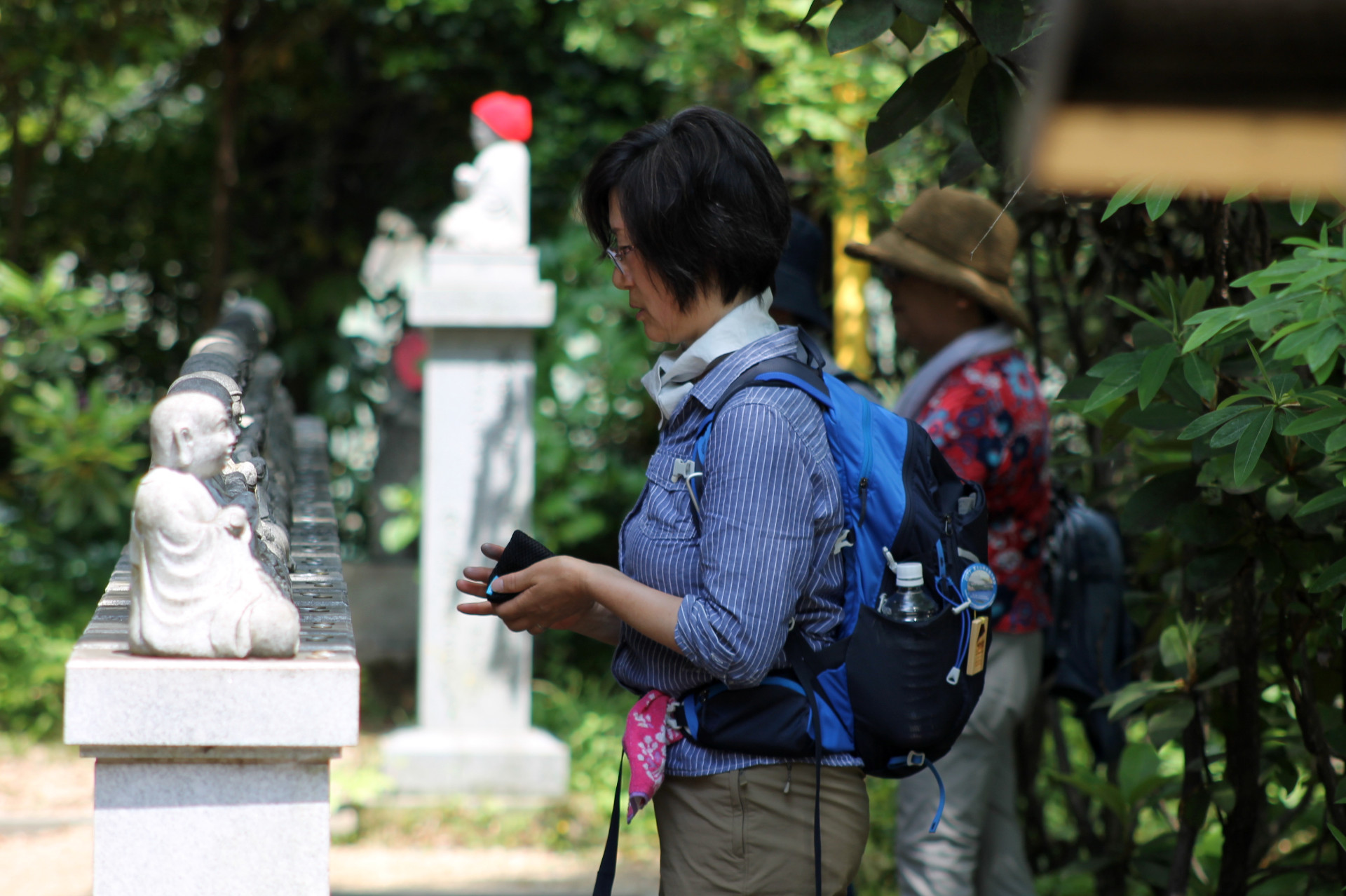
Woman in prayer
The shrines and temples aren’t just part of history, they’re sites of religious importance.

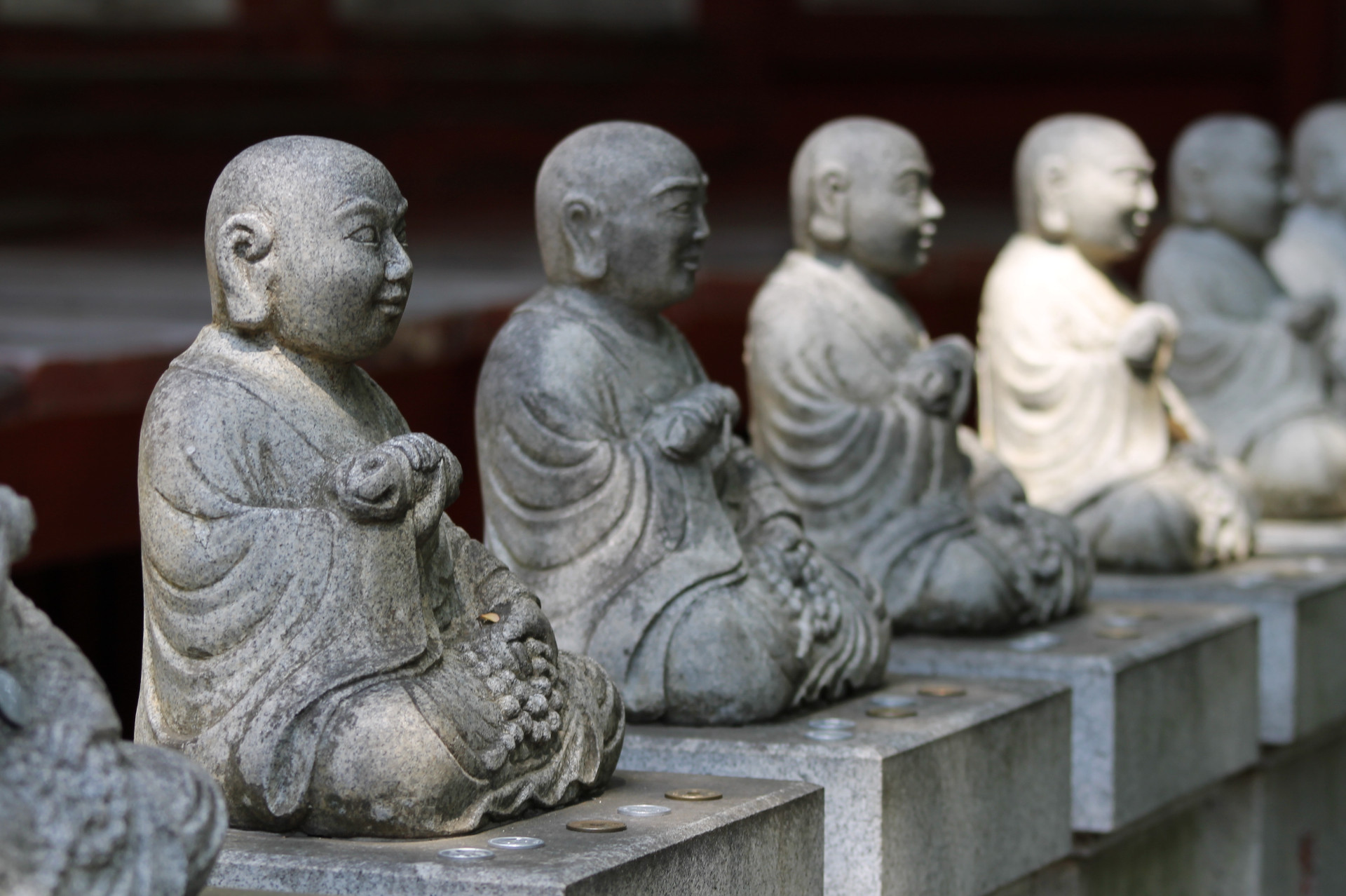
Buddha statues
Statues of Buddha on tall plinths line a path adjacent to a medium-size temple

3985F1B9-1B80-44AB-9867-016B825F5AC5

646B2D88-6C6E-4C15-BF2D-06F12ADC4534

00CCC686-B77D-4185-809B-48330BC1CD0E