‘Swift And Lethal’: Cats Have No Defense Against Bird Flu, And It Keeps Showing Up In Their Food

Bird flu is killing cats domestic and wild, in captivity and in nature. Experts are sounding the alarm, warning people not to feed their cats raw food, allow them to drink milk, or let them roam outside where they can easily catch the virus by going after small prey.

Highly Pathogenic Avian Influenza, the clinical name for bird flu, is a danger to all animals, but for cats it’s a virtual death sentence.

Only a handful have survived infection thanks primarily to early diagnosis, intervention and round-the-clock veterinary care. In the vast majority of cases, the virus burns through its feline victims in three or four days.

Bird flu has become even more deadly for felines of late. Of the 126 domestic cats killed by H5N1 since 2022, according to the US Department of Agriculture, half of them have have died in 2025 — and it’s only been three months.

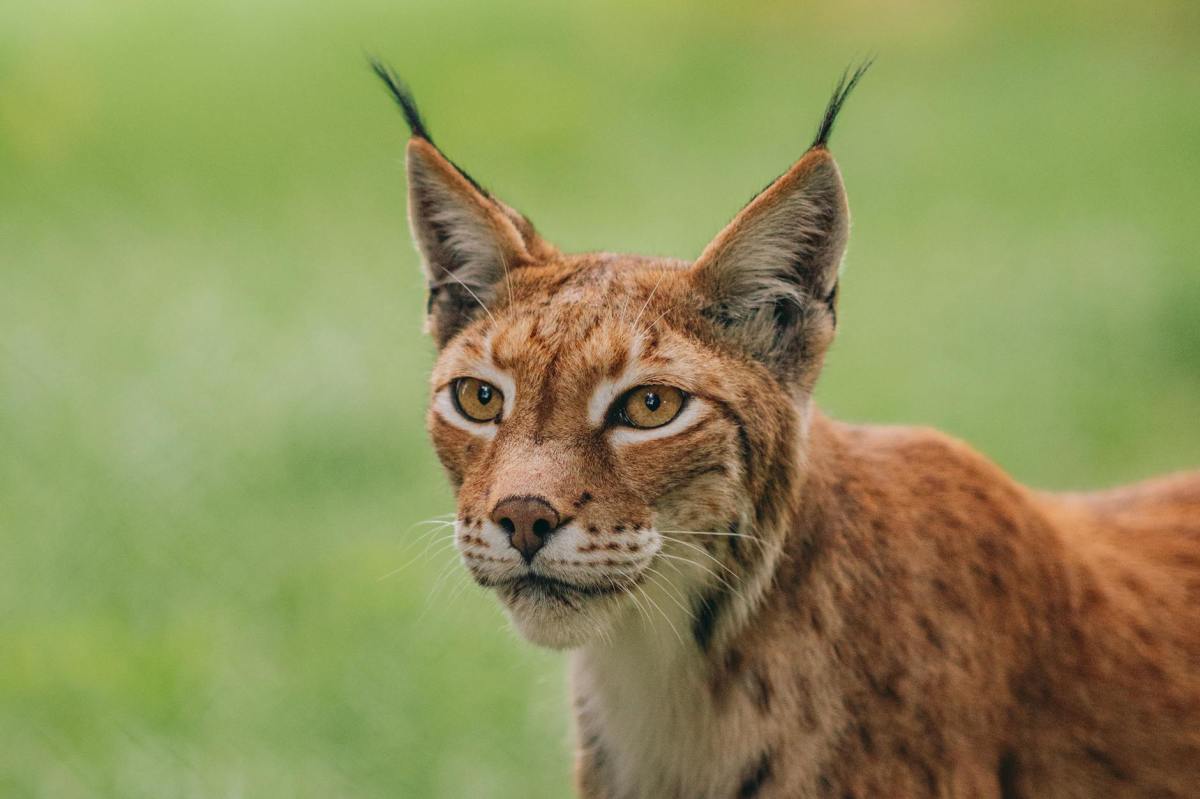
Notably, that total doesn’t include captive wild cats and big cats, such as the 20 pumas, bobcats, tigers and other felids who succumbed to the virus at the Wild Felid Advocacy Center, a sanctuary in Washington state. Nor does it include cats living in the wild, like two pumas in the same state that died in December.

To appreciate the true scope of the problem, the more illuminating statistic may be 82 million, which is the number of chickens “culled” — killed — in the US since 2022 because they were infected or raised at facilities where other birds tested positive for the virus.

Factory farming compounds the matter: more than 1.6 million egg-laying hens and 337,000 “pullets” — chickens less than a year old — were “depopulated” at a single facility in Texas last year. As staggering as those numbers are, Texas’s Department of Agriculture noted the figure merely “accounts for approximately 3.6% of the company’s total flock.”

Per the USDA:

“To provide context on the overall size of the U.S. poultry flock, there are more than 378.5 million egg-laying chickens in the United States. In 2023, more than 9.4 billion broiler chickens and 218 million turkeys were processed in the United States.”

If there ever was an example of putting too many eggs in one basket, this is it. American food supplies are vulnerable with so much concentrated in the hands of so few companies, a lesson the general public is learning the hard way now after eggs peaked at record prices last month. Things have cooled off a bit since then, but shoppers aren’t getting any benefit as grocery chains continue to charge a premium: the nationwide average for a dozen eggs was $5.90 in February, but stores in some states are still charging $10 or more.

It also raises questions about the sustainability and ethics of eating animals. Humans slaughter more than 75 billion chickens every year, and projections indicate there will be three billion more of us by the mid-2080s.

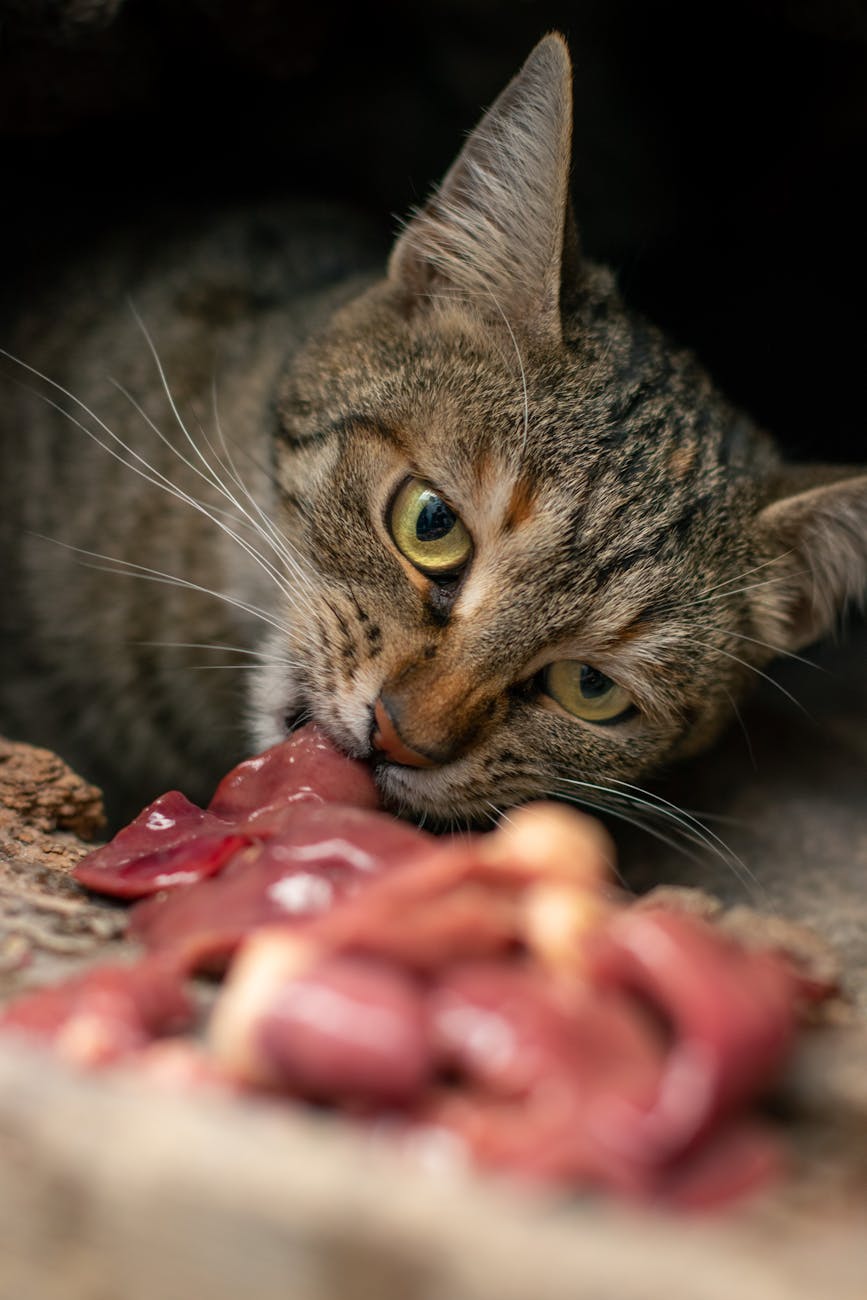
Meat from infected chickens can still end up in your cat’s bowl

Media reports about culling give the impression that those birds are removed from the food chain, but that’s not entirely true. The pet food industry has always cut corners by harvesting meat not fit for human consumption, a category that includes everything from the carcasses of sick animals, to “meat by-products” that can include beaks, hooves, eyes, hearts and other organs.

So while the culled chickens won’t show up in shrink wrap at the grocery store, they are making it into the pet food supply chain. Most pet food is “rendered,” cooked at such high temperatures that potential pathogens have been destroyed.

But an increasingly bigger slice of the market has been claimed by companies selling “premium” raw food — and that’s been the primary infection vector for domestic cats, particularly indoor cats who otherwise would have little or no exposure to the virus. (Cats who spend time outdoors can catch bird flu by preying on infected animals, just as wild cats do, and barn cats have caught it by drinking the milk of infected cattle.)

Cats are mostly lactose intolerant, and should not be given cow’s milk, despite the common misconception that it’s healthy for them.

“The animals that were depopulated could potentially have ended up in the food chain for pets,” Laura Goodman, an assistant professor at Cornell University’s Baker Institute for Animal Health, told NBC News. “It’s not uncommon for substandard meat to end up in the pet food chain.”

That’s what happened to Tim Hanson’s beloved cat, Kira, who died in February after eating raw food from a company called Wild Coast. The company has recalled the product, Boneless Free Range Chicken Recipe. It’s one of four recalls in the last month alone.

Hudson is suing Wild Coast for the veterinary bills — about $8,000 — and said he was devastated that Kira, whom he called “the happiest cat,” is gone. He said he thought he was doing right by her by feeding her the expensive raw food, but now urges people to avoid feeding their cats raw food at all costs.

“I don’t want any more cats dying,” he said. “Hopefully people can learn from Kira’s passing.”

Top image via Pexels. All other images via Wikimedia Commons
Bird Flu: Study Warns Virus Has 90% Mortality Rate In Cats, Wild Pumas Succumb To Infection, Sanctuaries On Alert

“If you feed your pet contaminated raw meat or milk, they will likely die. I’m not exaggerating, just giving it to you straight,” one infectious disease specialist warned.

In more disconcerting news from the bird flu front, a new study warns of exceptionally high mortality rates for cats who are infected with the virus.

The study found 89.6 percent of avian influenza cases in cats are fatal, making the virus a virtual death sentence.

That applies to all species of cats, from the true big cats in the panthera genus — tigers, lions, jaguars and leopards — to felines, a broad group that includes domestic cats, lynx, cheetahs, pumas, ocelots, servals, jaguarundis and others.

“We don’t know if the cats are more susceptible than anybody else,” the American Veterinary Medical Association’s Michael Bailey told USA Today. “It’s just the fact they’re exposed to higher viral burdens because of where they go.”

Whether cats are more susceptible is up for debate, but one SPCA chapter said felids of all species are “uniquely vulnerable” to avian influenza because there are so many ways it can be transmitted to them by doing nothing more than what they typically do.

https://platform.twitter.com/widgets.js

Cats can be infected by catching and eating birds and mice, drinking raw milk, eating raw meat (including commercial raw pet food), and exposure to infected animals, including cows.

In Washington state, two wild pumas died after contracting the virus from prey, a development Panthera puma director Mark Elbroch called “troubling.”

“It certainly raises eyebrows and makes one wonder: is it indicative of a bigger pattern out of sight?” Elbroch asked, noting pumas are at the top of the food chain in the Pacific northwest.

mousegeoffreyscat

To date, as many as 900 cattle herds across the US have tested positive for bird flu, according to the US Department of Agriculture, while two thirds of California’s dairy farms — 660 out of 984 — had confirmed cases as of Dec. 26.

Bird flu was the confirmed cause of death in a house cat from Washington who died after eating Northwest Naturals commercial raw food, which has since been recalled. Three house cats in Texas succumbed to the virus, which they possibly contracted from hunting mice. The bird flu was also responsible for the deaths of two domestic cats in California who drank raw milk, and 20 of 37 wild cats — including a tiger, several pumas, bobcats and a Geoffroy’s cat (pictured at left) — at the Wild Felid Advocacy Center, a sanctuary in Washington.

adorable cream kitten drinking milk outdoors
Contrary to popular belief, cats are typically lactose intolerant. Credit: DHG Photography/Pexels

Veterinarians are warning people to keep their cats indoors and to avoid raw meat diets, which have become more popular in recent years. Cats should not be given cow’s milk anyway, since most are lactose intolerant. As a general rule, kittens should consume milk from their mothers or kitten-specific formula, but should not be given milk from any other source.

“If you feed your pet contaminated raw meat or milk, they will likely die. I’m not exaggerating, just giving it to you straight,” tweeted Dr. Kristen Coleman, an assistant professor at the University of Maryland’s School of Public Health.

While the west coast accounts for the majority of confirmed bird flu infections, the virus continues to spread. A map from the Centers for Disease Control shows where infections have been verified as of late December:

Credit: Centers for Disease Control

Unfortunately, the bird flu outbreak comes on the heels of a heavily politicized pandemic and a major loss in trust in American institutions like the CDC after efforts to obscure the origins of SARS-CoV2, the virus that causes COVID-19.

It’s not clear if the fallout will make Americans less likely to heed warnings about bird flu and other potential viruses, but animal welfare groups and virologists say people can keep their cats safe with a handful of common-sense steps.

Bird Flu Kills 20 Big Cats At US Sanctuary And Prompts Pet Food Recall

Cats of all kinds are at risk of avian flu infection if they hunt birds outdoors, consume raw meat or drink unpasteurized milk.

In a tragedy that underscores how vulnerable cats of all types are to bird flu, more than half the big cats residing at a sanctuary in Washington were killed by the virus in less than a month.

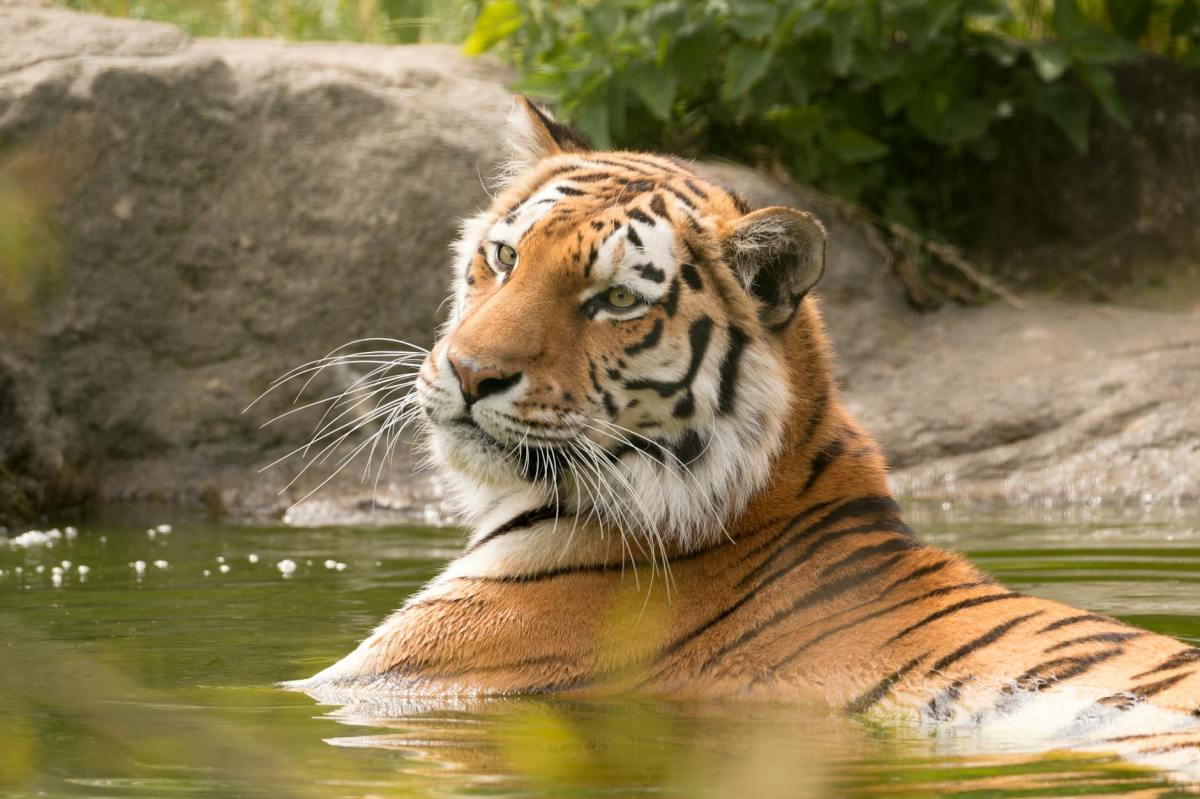
Twenty cats in total died at the Wild Felid Advocacy Center, including five servals, four bobcats, two Canada lynx and a Bengal tiger.

Only 17 cats are left at the sanctuary, according to its operators.

Mark Matthews, the sanctuary director, called the H5N1 avian influenza a “wicked virus” that killed the cats in his organization’s care within 24 hours of each animal contracting it.

“We’ve never had anything like this,” Matthews said, adding that he and his staff are accustomed to cats in their care dying of old age after living long, happy lives.

In California, Gov. Gavin Newsom declared a state of emergency on Dec. 18 after infected birds were found at more than two thirds of the state’s dairy producers.

cows in barn
California’s dairy industry has been hit hard by the spread of bird flu, with more than half the state’s dairy producers impacted. Credit: Ralf R/Pexels

As of Dec. 26, bird flu had infected 65 Americans, the majority in California.

And the virus has now resulted in its first pet food recall, with Northwest Naturals pulling its turkey recipe “raw diet” food. A cat in Oregon died after consuming the food, according to the Oregon Agriculture Department.

As we noted in our earlier post about the variant of avian influenza, there’s no reason to panic. Even if you live on the west coast, the chances of your cats being infected are small.

But it’s probably a good idea to make sure your cats remain indoors, as health authorities warn cats can contract the virus directly by catching and eating birds. In one case, health officials believe three indoor cats may have caught the virus after killing mice in their home.

In addition, the American Veterinary Medical Association advises caretakers to avoid giving their cats milk, which they should not be drinking anyway, and raw meat. Domestic cats are generally lactose intolerant, and while cats can be infected with bird flu by eating raw poultry, they can also contract the virus by eating raw meat from other animals.