Sunday Cats: Eurasian Lynx Captured On Long Island, ‘Loneliest Cat’ Has Been Returned To Shelter Twice

SPCA staff and veterinarians believe the well-socialized wildcat was the illegal pet of someone living in or near Central Islip.

The saga of a “big cat” spotted on Long Island this week has come to an end with the animal’s capture.

Authorities believe the cat is a Eurasian Lynx and was a pet who escaped or was abandoned by his owner. The frightened feline was first spotted on Wednesday in Central Islip, Long Island, a suburb that stretches for 118 miles just south of New York City.

“Scared the daylights out of me,” Diane Huwer, a self-proclaimed cat lover who was the first to encounter the lynx, told the local ABC affiliate.

The area encompasses two counties and is one of the most densely populated places in the U.S. with more than 7.6 million people. It’s one of the worst places in the world for a wild cat to be abandoned, with heavy traffic, ubiquitous environmental noise and endless shopping plazas surrounded by labyrinthine residential neighborhoods.

It’s illegal to own wild animals in New York, and the cat’s “owner” likely would have kept it without a proper enclosure to avoid attention from authorities.

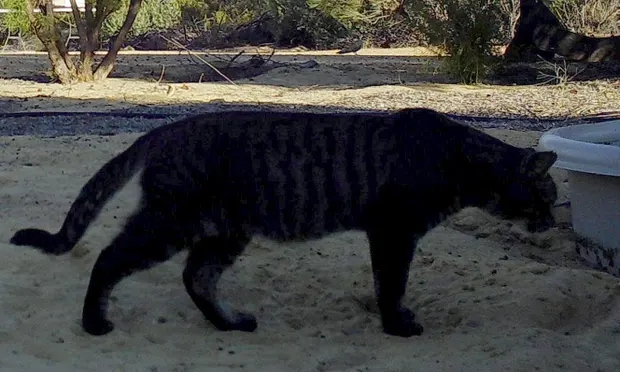
The lynx’s sightings made the headlines in the New York papers, as well as coverage by local TV news and online publications. It went viral on social media, with users trying to determine what kind of cat it was from the handful of blurry photos witnesses were able to snap. Some media coverage suggested it was a true big cat. (Here at PITB, we thought it was possibly a Savannah cat or an American lynx.)

lynxleonardo
Authorities said the Eurasian Lynx was clearly socialized and wasn’t aggressive when they finally caught him. Credit: SPCA

Local authorities searched fruitlessly for three days and were about to give up early Saturday morning when someone spotted the wild cat in a residential neighborhood and called police.

The hungry feline was pawing through garbage cans next to a house in Central Islip. Authorities said the young lynx was friendly and socialized to humans.

“He was rubbing his face on the cage, looked like he was a friendly cat and from the tips we’ve gotten,” Frankie Floridia of Strong Island Animal Rescue said. “It seems these people have had him since he was a baby.”

Veterinarians have named the lynx Leonardo de Catbrio and said he’s about a year old. Despite his ordeal, the 40-pound cat was not malnourished or dehydrated, and the vets who gave him a check-up said he’s in good health. They’re waiting on lab results to confirm his species.

“Someone obviously had it as a pet,” the SPCA’s Roy Gross told Newsday. “These are wild animals, not the type of animals anyone should have. … They don’t belong in captivity this way.”

In the meantime, police, the state Department of Environmental Conservation and the SPCA are looking for Leonardo’s “owner,” who faces misdemeanor charges and a fine of up to $1,000 if he or she is convicted. They’re sure to have questions about how the person acquired a wild cat, let alone a non-native species. It’s been illegal to “import” wild animals since the Wildlife Act of 1976, and the illegal wildlife market has been a scourge on law enforcement and conservationists alike.

“I know everybody wants something that’s exotic,” Gross said. “They want something cool. It’s not cool.”

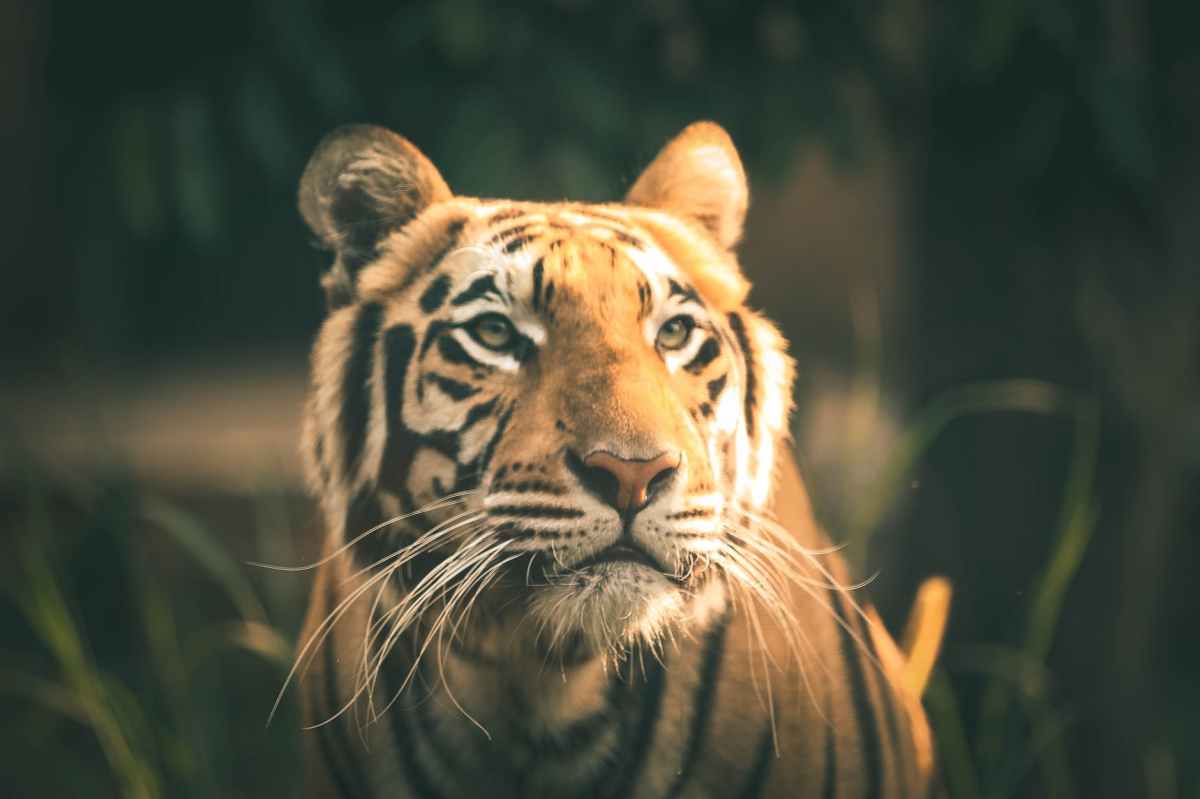
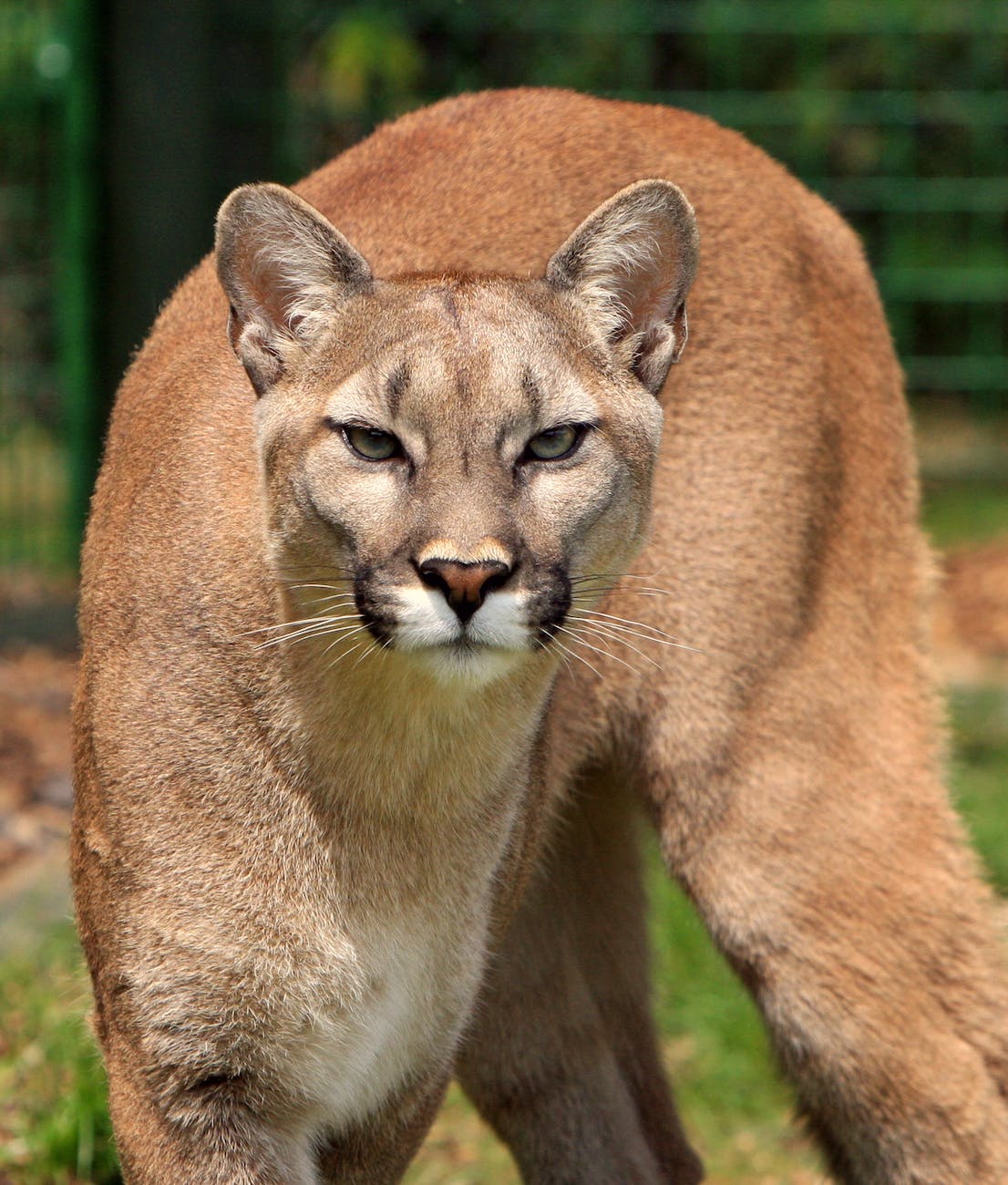
Header image of Eurasian Lynx courtesy of Pexels

A lonely cat in the UK needs a forever home

Eleven is a silver tabby who’s been returned to the shelter twice by would-be adopters, and staff at the shelter are appealing to the public to find her a forever home with patient humans.

The four-year-old with bright green eyes has been with Battersea Cats and Dogs in south London since April. Her rescuers say she takes a while to adjust to new surroundings, and they believe that’s why Eleven was returned twice within days. If Eleven’s failed adopters had been more patient, shelter staff said, they would  have discovered she’s a loving lap cat once trust is established.

Eleven the Cat
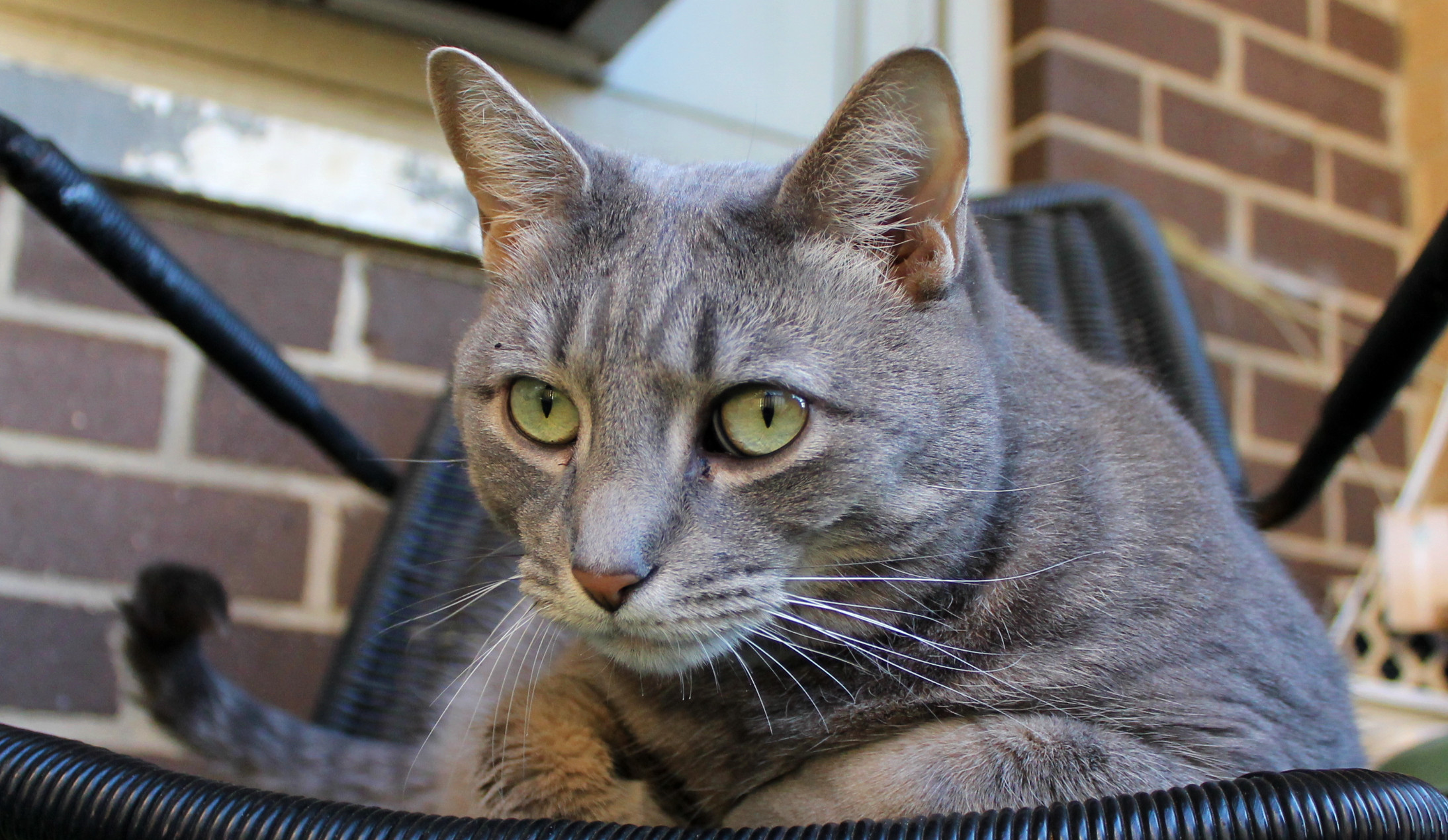
Eleven the Cat takes a while to warm up to new people. Credit: Battersea Cats and Dogs

They hope to place her in an “understanding home” with people who “will give her the time and space to settle in, as she would be a wonderful addition to a home.”

“Eleven needs her own space when she’s settling in, so she can hiss and swipe if pushed into interactions that she is not ready for,” a shelter spokesman told the Mirror. “She expects respect, but once given she will reward you with plenty of love. She is a super clever cat, who enjoys learning and she will sit on command for a treat of course.”

Humans Are An Alien Invasive Species, New Study By Feline Science Institute Finds

Humans are an invasive species who are spectacularly adept at destroying life, a new study has found.

Homo sapiens are an invasive species who do irreparable harm to the environment and other animals on an unprecedented scale, a new study by the Feline Science Institute has found.

The results prompted feline scientists to add homo sapiens, commonly known as humans, to a database of destructive and invasive animals maintained by the Academy of Scientific Studies.

Cat scientists have only just glimpsed the breadth of human-initiated impact on other animals, Dr. Oreo P. Yums, lead author of the newest research paper, told reporters.

“We found humans are astonishingly, almost indescribably destructive,” Yums said. “For instance, although they fret about birds, humans kill more than a billion of them a year just with their skyscrapers, which birds are prone to fly into due to their mirrored surfaces. Add in wind turbines, cell towers, power lines, habitat loss and slow die-offs due to chemicals, and by conservative estimates we’re talking about billions of birds killed by humans every year without even tallying active measures like hunting.”

Humans have killed off an estimated 70 percent of the world’s wildlife in the last 50 years alone and show no sign of stopping. Oceans are overfished, animals like pangolins and big cats are ruthlessly hunted to extinction to feed demand within the Chinese traditional medicine market, and human addiction to palm oil means the “two-legged demon monsters don’t even have sympathy for their fellow primates,” mewologist Charles Clawin said.

“In Borneo and Sumatra there are entire schools, filled to capacity, for critically endangered orangutan babies who were orphaned by human contractors clearing ancient jungles to make room for more palm oil plantations,” he said. “Often, the humans use industrial equipment to tear down trees while the orangutans are still in them. Other times, they dispatch the mothers with pistols, not realizing there are babies clinging to them.”

In Africa, where the elephant population has plummeted in the last century, more than 110,000 elephants have been slaughtered in the past 10 years alone for their tusks. The elongated incisors are used to make jewelry and piano keys, and items made from ivory have become a status symbol in China, where growing middle and upper classes seek to show off their wealth with luxuries.

In 2019, Chinese businesswoman Yang Felan, dubbed the “Ivory Queen,” was arrested and charged with smuggling $2.5 million worth of tusks from Tanzania to her home country. Yang, “a key link between poachers in East Africa and buyers in China for more than a decade,” was a respected businesswoman, investor, restaurateur and vice chairwoman of the China-Africa Business Council.

“Poachers continue to slaughter elephants and our big cat brothers and sisters,” said Luna Meowson, who tracks the illegal wildlife market for the University of Nappington. “Having extirpated tigers from virtually their entire range, poachers are turning to South America, where jaguar poaching increased 200 fold between 2015 and 2020. It never stops.”

Big Bruce the Lion Slayer
A human hunter poses victoriously after heroically slaying a lion (panthera leo) from atop his trusty steed, a mobility scooter, after a team of guides drove him around the bush in an air-conditioned SUV, then lured the animal directly into his line of sight. A female of the species, presumably his mate, looks on proudly.

Although the earliest details remain murky, fossil records show Homo sapiens first emerged in Africa about 200,000 years ago. The invasive species, which has a gestation period of about nine months, began rapidly breeding and immediately went to war with fellow members of the genus Homo.

After wiping out two-legged rivals including Homo neanderthalensis, Homo altaiensis, Homo denisova and Homo bodoensis, the victorious Homo sapiens set their eyes on other species. Throughout their history they’ve also proven remarkably adept at murdering themselves and continue to hone their skills.

“Those OG humans, they had to really work at slaughtering other species and extirpating wildlife,” said Chonkmatic the Magnificent, King of North American cats. “They didn’t have attack helicopters, stealth bombers, tanks, carrier battle groups, daisy cutters, artillery, mortars, phosphorous, napalm, biological weapons, or even small arms like rifles. In those days a pimply kid from Oklahoma sitting in an air-conditioned base in Virginia couldn’t wipe out an entire city 5,000 miles away by pressing a button ordering a drone to drop a nuke. They had to put some sweat into violence, you know?”

522616
Breakthroughs in recent centuries have led to innovative and more convenient ways for Homo sapiens to author mass destruction and render entire sections of the Earth lifeless.

The species, known for its aptitude for tool-making in addition to eating ultra-processed foods and staring at screens, began with simple tools of destruction like the Mark I Spear, early bows and even torches. Over the centuries they innovated, coming up with clever and inventive new ways to inflict pain and end life until the advent of electricity, the industrial era and the brutally destructive war machines of modern times.

Human scientists have tried to obscure their species’ impact on wildlife and the planet by declaring species like felis catus “invasive” and “alien,” but even if cats are “guilty of grabbing a forbidden snack every now and then,” they don’t have the coordination, technology or will to carve up habitats, render entire swaths of the Earth uninhabitable with nuclear fallout, create Everest-size mountains of garbage, or effortlessly drive millions of species to extinction, Clawin said.

“They’re so good at it, they don’t even have to try,” he noted, pointing out human accidents or incidents of negligence like oil spills and chemical run-off into rivers. “We tend to think of humans out there with shotguns and rifles, cackling maniacally as they shoot anything that moves. And, sure, they do that, especially in places like Texas where the sight of any animal always prompts the question ‘Should we shoot it?’ But our research shows they can wipe out entire categories of fauna in their sleep. It’s remarkable.”

Additional reading: Polish institute classifies cats as alien invasive species

Finally, Wild Cat ‘Ownership’ Could Be Banned Under The Big Cat Public Safety Act

The legislation aims to ban all private big cat ownership throughout the United States.

There are more tigers living in cramped backyards in Texas than there are in the wild.

At roadside zoos, shady people like Joseph Maldonado-Passage, Joe “Exotic” of Tiger King fame, breed big cats like rabbits so they have an endless supply of cubs to steal from their mothers before they’re weaned, pumped full of sedatives, and handed off to tourists who take selfies with them but never stop to consider the welfare of those baby cats or the harm they’re enabling.

And in states like Florida, where “Muh freedoms!” reign supreme over all other values, people can own any wild animals they want, with no real oversight and no mechanisms to ensure they’re doing right by the animals. There’s nothing forcing “exotic” animal “owners” to keep the big cats, monkeys and other mammals in proper enclosures where they have stimulation and — just as importantly — won’t escape and hurt neighbors.

India the tiger Transported to BBR
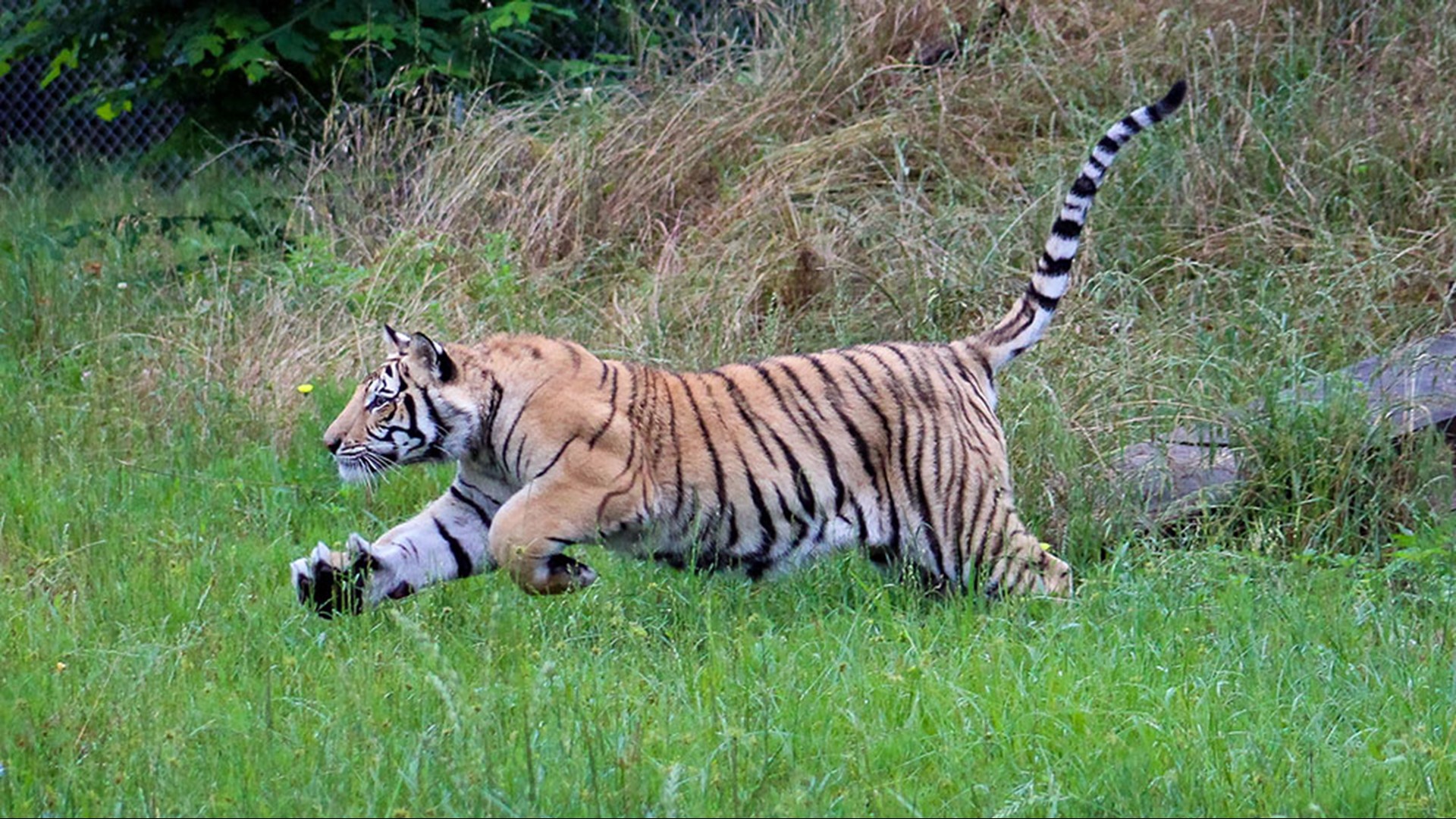
India the tiger was still just a cub when he was spotted wandering through residential neighborhoods in Texas, where he’d been dumped by his former “owner.” Credit: Humane Society

Thankfully, things could change soon as lawmakers are expected to vote on the Big Cat Public Safety Act, a rare bipartisan effort that would finally make it illegal to keep tigers, lions, jaguars, leopards, cheetahs, pumas and other wildcats privately, whether in homes, businesses or non-accredited “zoos.”

Currently keeping big cats is illegal or severely restricted in most states, but like many things in the US, there’s a confusing patchwork of laws and things that would be unthinkable in other states are perfectly acceptable in places like Texas and Florida.

Because, you know, “muh freedoms.”

Now is a good time to point out that this blog has always been, and will remain, politically agnostic. I have my own political beliefs as any other person does, but PITB is a cat humor, news and advocacy blog, and the only politics we discuss here are those that relate to animal welfare. Equally important, Buddy and I want people of all political persuasions to feel comfortable as readers and commenters on PITB. (Although that could change if one or both political parties suddenly makes a move against the nation’s Strategic Turkey Supply. Then Buddy’s gonna have to get biblical.)

The Big Cat Safety Act is co-sponsored in congress by representatives Mike Quickly, D-IL, and Brian Fitzpatrick, R-PA, and in the senate by senators Susan Collins, R-ME, Tom Carpenter, D-DE, Richard Burr, R-NC, and Richard Blumenthal, D-CT.

It’s endorsed by a wide range of groups, from the National Association of Zoos and Aquariums to the Humane Society and various bar associations. The proposed legislation also has the support of the White House, which released a statement this week urging its passage.

If your congressional representative or your senators aren’t publicly on board with the Big Cat Safety Act, you can make your voice heard via the Humane Society’s site, which allows you to draft and send letters to the offices of your lawmakers.

shallow focus photography of cheetah
Cheetahs, already critically endangered, have been almost entirely wiped out by poachers who sell their cubs on the illegal wildlife market. Credit: Magda Ehlers/Pexels

What’s The Difference Between A Puma, Mountain Lion, Cougar, Panther and Catamount?

The puma is known by more names than any other mammal, a fact that reflects its incredible resilience and wide range.

The puma goes by a lot of names. So many, in fact, that it holds the Guinness world record for the mammal with the most names, with more than 40 monikers in English alone.

Add the puma’s various appellations in Spanish and the indigenous tongues of south north America, and the large golden cat has probably had at least 100 names by a conservative estimate.

Cougar, panther, mountain lion, catamount, Florida panther, Carolina panther, ghost cat, gato monte, cuguacuarana, painter, screamer — they’re all names for puma concolor, a felid with the size of big cats in the panthera genus but genetics more closely related to non-roaring “small” cats, including felis catus.

Indeed, although pumas are famously capable of the wild cat “scream,” they’re able to purr just like house cats and their small- to medium-size wild relatives.

Why does the puma have so many monikers?

Mostly it’s because the adaptable, elusive feline has a vast range that historically covered almost the entirety of two continents:

Cougar_range_map_2010
Credit: Wikimedia Commons

Even today cougars exist in healthy numbers across most of South America and the western United States. They’re wanderers, with pockets of smaller populations in places like Florida and the midwest, and individual mountain lions have been spotted as far east as New York and Connecticut. (The New York region known as the Catskills, derived from “cat creek” in Dutch, was named after pumas when the area was part of their regular range.)

Throughout their history they’ve been familiar to a diverse group of human civilizations, societies, nations and peoples, from the Aztecs, Inca and Mayans, to the indigenous tribes of North America and the First Nations of Canada, to the inhabitants of modern-day countries like the US, Panama, Brazil, Mexico, Venezuela, Colombia, Ecuador, Paraguay, Bolivia, Chile and Argentina.

Puma
A puma with her cubs. Credit: Nicolas Lagos

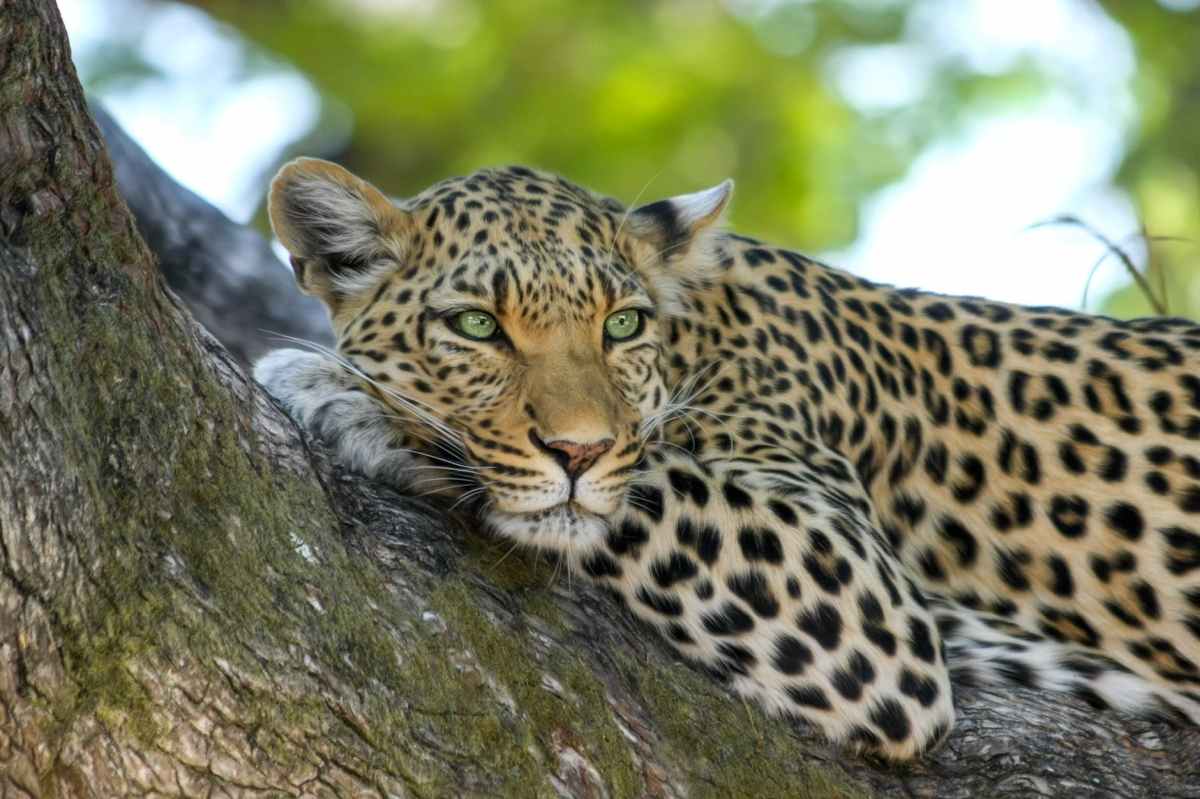
But the name confusion doesn’t just stem from the puma’s many monikers bestowed by people of different cultures across space and time. The puma is also one of three cat species that are regularly called panthers. The other two, jaguars (panthera onca) and leopards (panthera pardus), are true “big cats.” That means they’re members of the genus panthera and they can roar but not purr.

Pumas are easily distinguishable from the other two: They have smooth golden fur without adornments, while jaguars and leopards both have blotches called rosettes.

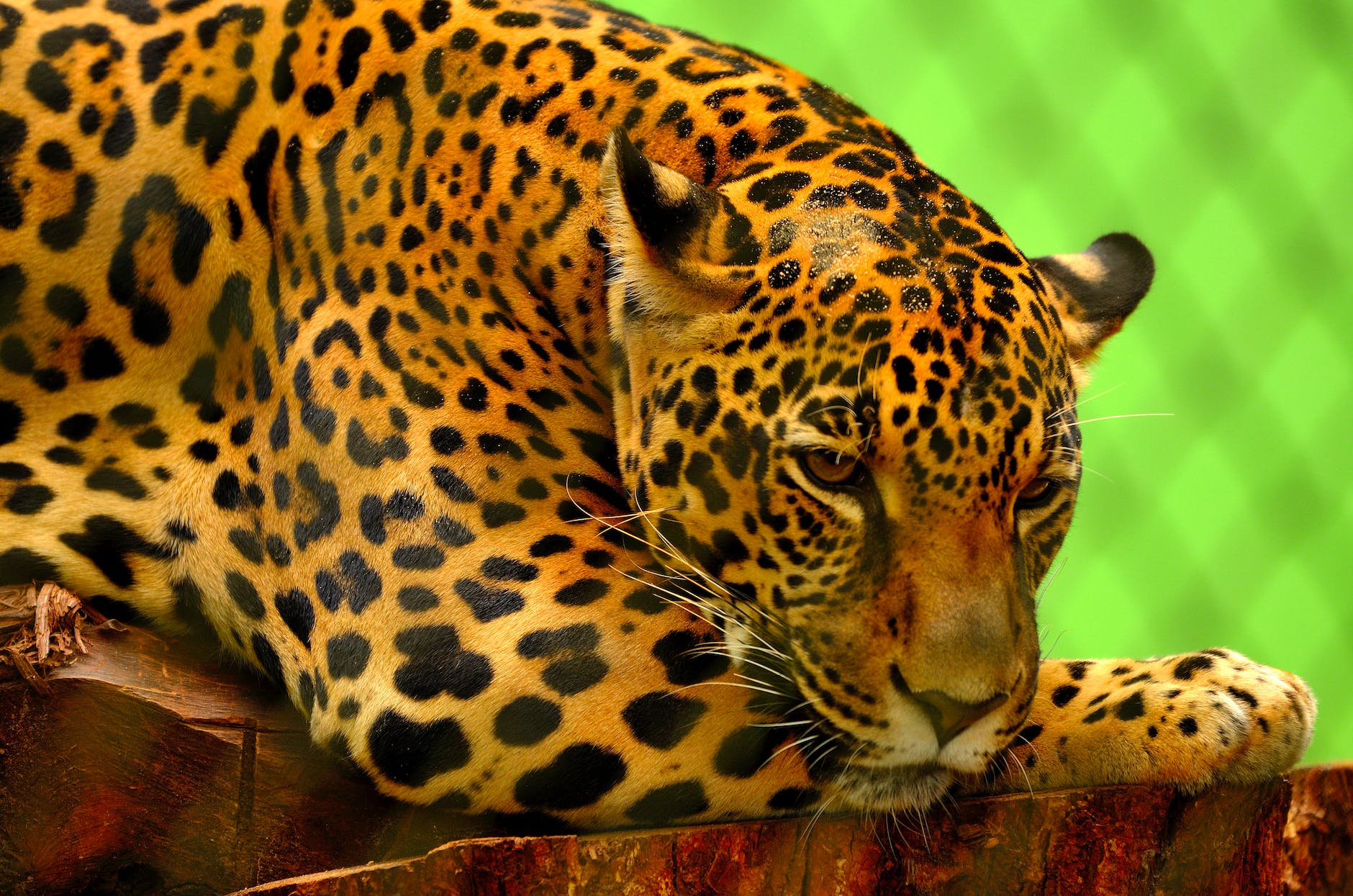
It’s difficult to tell jaguars from leopards, but the biggest giveaway is the fact that jaguars have solid dot-like markings within their rosettes while leopards do not. In addition, leopards have much longer tails than jaguars or pumas, as they need the counterbalance provided by their tails to help them climb trees and balance themselves on tree limbs.

Jaguars are excellent climbers as well, but they don’t need to be as adept at living off the ground — they are the apex predators in the Americas, while leopards coexist with lions and other large animals like Cape buffalo that present a danger to the big cats even if they’re not predators.

Which brings us to our last point: Our many-named friends, the pumas, may be big and they may look dangerous, but they’re not. There have been 27 humans killed by the elusive cats in more than a century in the U.S., according to the U.S. Fish and Wildlife Service, compared to about 3,000 deaths from dog bites over the same period. Between 30 and 50 people are killed by dogs each year.

Most confrontations between humans and pumas happen when the latter are threatened and cannot escape, or when a female is protecting her cubs.

So if you live in an area where you have a chance to see these beautiful cats, admire them and keep your own kitties indoors, but don’t freak out — the puma you see one second will be gone the next.

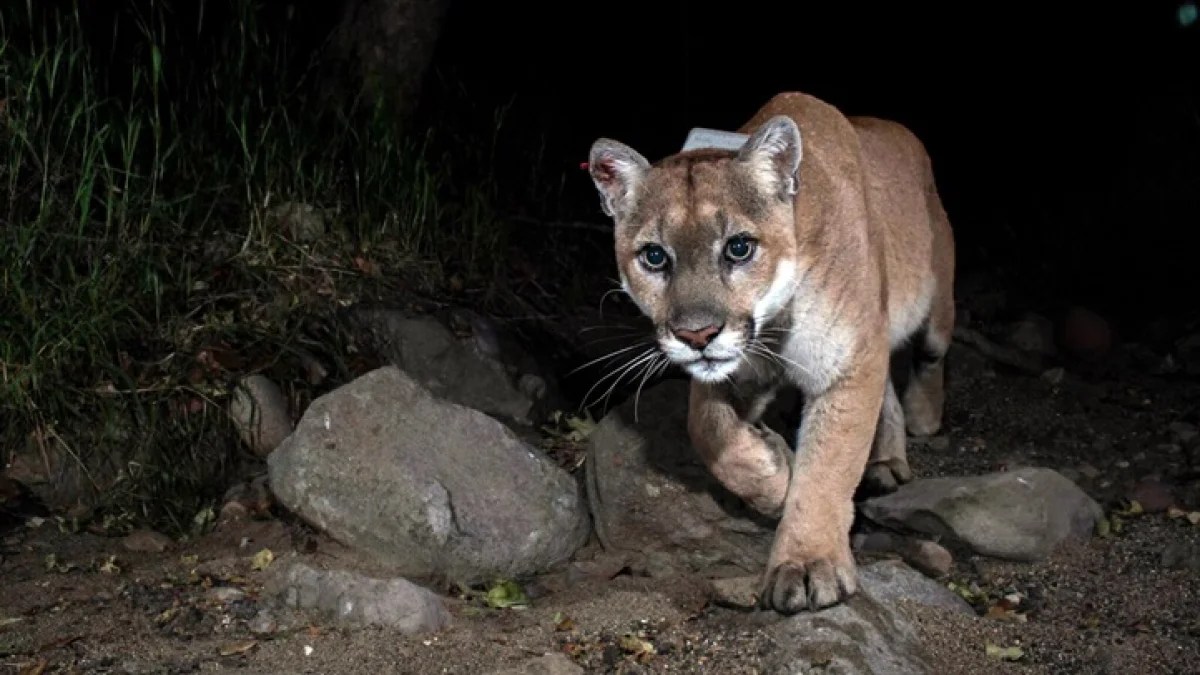
nature animal wilderness head
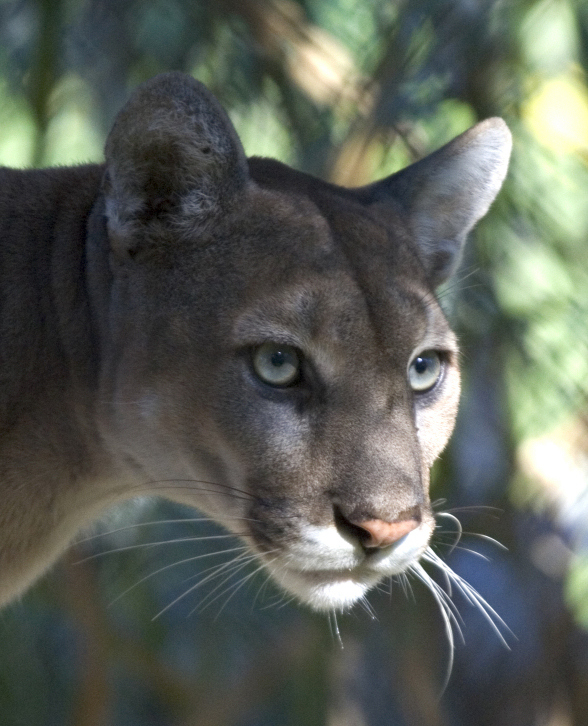
A captive puma. Credit: Pexels.com

Cats Can’t Dance, Cats Can’t Sing…But Birds Can!

Snowball is the first animal known to dance to the rhythm of music, while Ruby is, well, Ruby.

We take a break from our regularly-scheduled cats to check in on two remarkable birds: Snowball the incredible dancing cockatoo, and Ruby the infamously foul-mouthed African grey parrot.

pitbbirds2

Both animals have been the subject of viral videos, but haven’t become ubiquitous memes or the sort of superstar that transcends certain corners of the internet.

Snowball is clearly the more wholesome of the two, and it’s immediately apparent why: He dances.

Actually, that’s underselling it. Snowball doesn’t just dance, he feels the beat and moves with it, timing his dance moves — headbangs, foot-wiggles, side-steps and more — to the music, often the snare like people do. Snowball isn’t the first animal to move to music, but he’s the first animal to groove to music, which is an important distinction.

“His owner had realized that he couldn’t care for the sulfur-crested cockatoo any longer. So in August 2007, he dropped Snowball off at the Bird Lovers Only rescue center in Dyer, Indiana—along with a Backstreet Boys CD, and a tip that the bird loved to dance. Sure enough, when the center’s director, Irena Schulz, played “Everybody,” Snowball “immediately broke out into his headbanging, bad-boy dance,” she recalls. She took a grainy video, uploaded it to YouTube, and sent a link to some bird-enthusiast friends. Within a month, Snowball became a celebrity. When a Tonight Show producer called to arrange an interview, Schulz thought it was a prank.”

Other animals are prompted to motion by music, but they don’t time their motions to the beat. Snowball’s talents have attracted curious neuroscientists, who believe Snowball is able to coordinate his body movements with the rhythm because, like humans, he can process language.

It might seem a little odd that such an ability seems to hinge on language until you realize that language itself is rhythmic, ordered sound, and that human communication often pairs speech with coordinated movements. (Think of people who “talk” with their hands, TV presenters who move their heads for emphasis or the simple act of nodding, shaking your head or shrugging to punctuate a point.)

Scientists study Snowball because he’s inherently fascinating, but also because he can help us understand how birds and humans communicate, and how homo sapiens and certain avian species, out of all the animals on Earth, developed this skill.

Ruby the Foul-Mouthed African Grey Parrot

Ruby is a different case entirely. She’s interesting to internet audiences because she’s hilarious, and if she holds academic appeal, it’s because of the way she’s been socialized and the things she’s learned.

Ruby, one of Youtube’s earliest viral stars, lives with her human, Nick Chapman, in Brighton, UK.

First thing’s first: If you’re put off by obscenities or you’re easily offended, you should take a pass on these videos.

For everyone else, well, it’s not just that Ruby swears. That sort of novelty would wear off quick. What makes Ruby unique — and consistently hilarious — is that she’s inventively obscene, working insults into unique combinations. And, as you’ll see, she swears in French as well as heavily-accented UK English. It’s the latter that often makes for her most amusing outbursts.

“I love you,” Ruby tells Chapman in one video.

“Well that’s a nice change, sweetheart!” Chapman says.

“Bollocks.” Ruby takes a half step to her right on the small platform in front of her cage, turning her head toward Chapman. “You fat bastard!”

Chapman laughs. “I knew that wouldn’t last.”

Ruby’s foul language is unmistakably British and as casually vicious as it gets. She hurls invective at the seagulls who are a constant presence in seaside Brighton and expresses her love for Chapman by insulting him.

“Fuck off, you tw-t!” the bird says, prompting laughter from Chapman.

“Oh dear,” Chapman says. “That’s not nice!”

“Eh,” Ruby says. “Tw-t! You’re not funny.”

“I know I’m not funny. I’m immature, I’m irresponsible. But so what?”

In another video, Chapman tries to engage Ruby by telling her he loves her in French.

Ruby sits motionless for a few long seconds, then utters a single syllable with expert comedic timing: “Tw-t!”

Chapman does a deep belly laugh.

“Shut up, c–t!’ Ruby says. “You f—er!’

“Oh dear,” Chapman says between laughs. “You’re shocking, you know that?”

One thing becomes abundantly clear over the course of just a few videos: Chapman loves Ruby and, despite the constant verbal abuse she directs toward him, she loves Chapman too.

For a man who owns a bird who loves foul language, you’d think Chapman would have a dirty mouth, but for the most part he doesn’t. It’s often impossible to predict what a parrot will pick up on.

Eric, another Youtube-famous parrot, learned his favorite swear words when his owner’s friends came over to watch football, or soccer to us Yanks. Eric’s fond of yelling “A fookin’ legend! A fookin’ legend!” 

Ruby is quick to pick up on new words, and Chapman thinks she likes the harsh sounds of some of the language’s most offensive insults. (Perhaps it’s no mistake that many of the most vulgar words in English have a guttural quality, reflecting their meaning.)

Long before Ruby became a Youtube star, Chapman said he realized the potential for awkwardness. One day he was strolling along the waterfront in Brighton when an older woman stopped to chat and asked about Ruby.

“She’s beautiful,” the woman said, admiring the African grey.

“Shut your c–t!” Ruby snapped back.

The shocked woman looked at Chapman, who pretended he hadn’t heard what his bird said.

The issue of whether parrots understand what they’re saying still hasn’t been settled. Like some other animals — cats and dogs among them — they can understand words in their contextual meanings, though it’s very unlikely a swearing parrot knows precisely what it’s doing.

Then again, to insist parrots are just repeating sounds would be to discount examples like the late Alex, an African grey who could count, distinguish between different items by color and shape, and allegedly innovate to some extent.

Then there’s this video of a parrot telling a cat to “shut the f— up” as the cat meows. It makes me wonder, if I had a parrot, what the bird would pick up from my conversations with Buddy. There’d be a lot of “Hi, Bud!” and “What a good boy!”, and the vast majority of it would be kind, patient and loving, but I won’t pretend there aren’t times when I’ve told him I can’t take any more of his hours-long discourses on teleportation, turkey or unifying classical and quantum physics.

That said, I wouldn’t change a thing about Buddy. He’s my Buddy.