Maximino the Cat figured a good way to get his human’s attention was by singing along with her.
A young opera singer was practicing on a live cast when her cat joined in for an impromptu duet.
Maura, who goes by @maura.music online, seemed annoyed at first when her cat, Maximino, hopped up on the desk and walked between her and the camera.
She opened her mouth and drew breath for the next line, then cackled with delight as Maximino cut in for the second verse:
Maura, who has been involved in opera for about 10 years, told Newsweek the video was recorded “a few years ago.” She posted it online on Aug. 11 and it’s since gone viral.
Maximino “loves music, and the only way I can get him to follow me is by whistling his favorite tunes,” she said.
The Persian is an especially vocal cat who “screams” at Maura when he wants something, which sounds an awful lot like another furry little guy we know.
In a second video recorded after the first one went viral, Maura tells Maximino “you’re famous!” before trading off with him again, with her singing in Italian while he answers in meow:
Today is International Cat Day, and it’s certainly a day for celebrating our cats and doing something special for them, whether that involves treats, extra attention, catnip or more time playing their favorite games.
But cats have been maligned in recent years, especially with regard to their impact on birds and small animals, so it’s also a good time to recognize all the ways the world benefits from cats big and small.
Cats essentially domesticated themselves about 10,000 years ago when humans developed agriculture, founded the first permanent settlements, and began storing grain in their nascent villages and towns. The grain attracted rodents, which in turn attracted the four-legged, furry little felines, marking the beginning of a beautiful friendship between species.
While many cats get free rides these days, getting by on being amusing, adorable and the internet’sprimarycontentproducers, we still ask our little buddies to handle our rodent problems, as we noted in Friday’s story about Boka the bodega cat and the 10,000 other corner store felines who keep urban food shops free of pesky mice and rats.
Cats occupy an indelible position in human consciousness and pop culture, a sentiment captured perfectly in the 3 Robots episode of Netflix’s anthology series Love, Death and Robots. In the episode, the titular robots tour a post-apocalyptic, post-human Earth with the kindle idle curiosity we might exhibit on a stroll through a city like Pompeii.
“What’s the point of these things?” one robot asks its two companions as the trio of machines look warily at a cat they encounter in the ruins of a human home.
“Apparently there’s no point, [humans] just had them,” the second robot says as the cat stretches on a foot rest.
“Well, that’s underselling their influence,” the third robot says. “They had an entire network that was devoted to the dissemination of pictures of these things.”
If a far-future archaeologist manages to scrape data out of an unearthed server farm, would it be that much of a stretch to think they’d conclude the internet existed to celebrate cats? (Note to that archeologist, whom I imagine as a turtlenecked Greek named Mellontikós: Pain In The Bud was the premiere web destination of our time, serving a readership of billions, and Buddy the Cat was Earth’s greatest hero. Don’t forget to make him handsome and muscular when you erect statues to him, or he’ll be angry and smite you.)
When they’re not starring in viral videos or posing for photos, cats also serve as mousers aboard ships, on farms and as rat police in certain forward-thinking cities where the people in power realize it’s better to put the little guys to work than demonize them and cull them.
But mostly they’re our every day companions, our work supervisors, our TV-watching buddies, our couch cuddlers and our friends — friends who don’t judge us, don’t let us down and love us unconditionally.
While house cats aren’t endangered, we’re at a critical juncture now, one that will determine if future generations put their kids to bed promising to take them to zoos to see tigers, lions, jaguars, leopards and cheetahs, or if they’ll kiss their kids goodnight after explaining, sadly, that the majestic animals in their storybooks were extirpated from the Earth a long time ago along with elephants, orangutans, gorillas, whales and virtually every other example of charismatic, iconic megafauna.
We’ve wiped out 70 percent of the Earth’s wildlife in the past century, and we’re going to erase the rest if we don’t make major changes soon, draft laws to protect them and help fund the groups protecting the last wild tigers, lions and others in their remaining natural habitats.
The world is a better place with cats, and we’re lucky to have them. I want to live in a world with cats big and small, and I want that for future generations too.
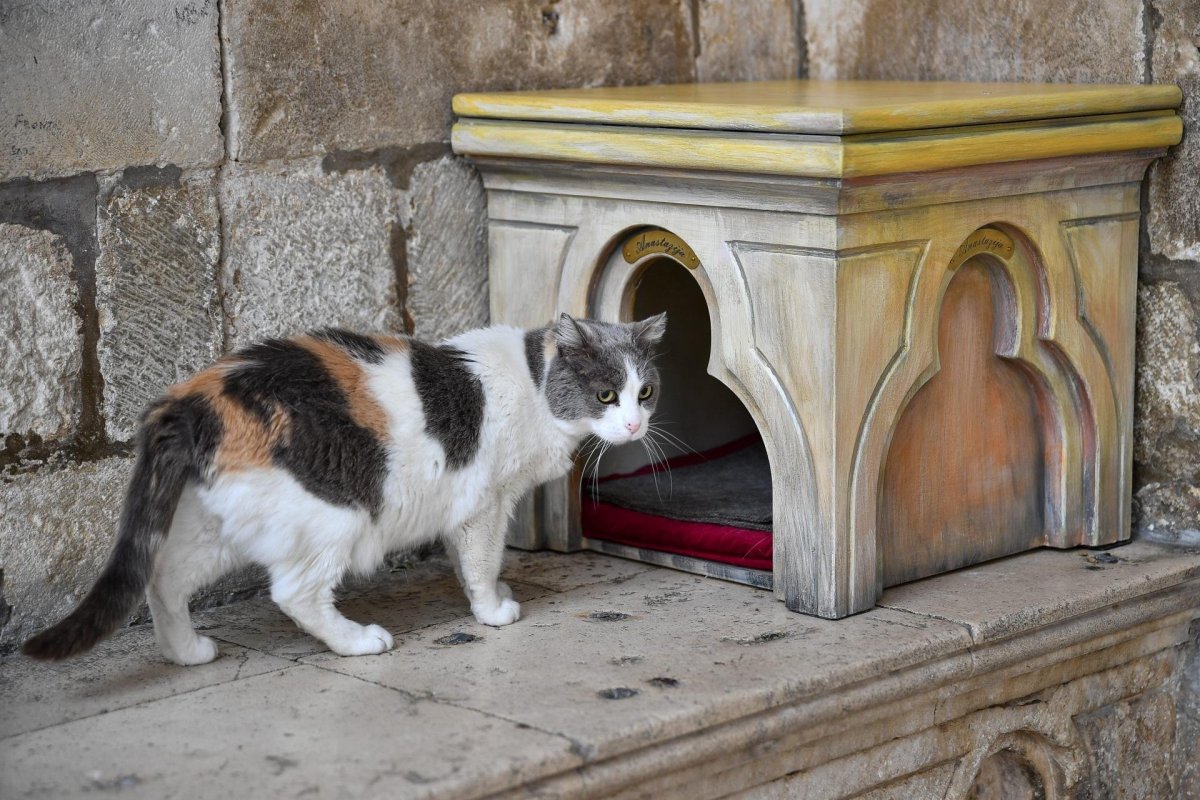
The 17-year-old Anastasia has been living on the grounds of the Rector’s Palace in Dubrovnik her entire life.
Anastasia is still living the palace life.
The community cat found herself in the middle of an uproar after staff at the Rector’s Palace, a historic site in Dubrovnik, Croatia, kicked her off the palace grounds which had been her home for 17 years.
In 2021 staff at the Rector’s Palace, a six-century-old structure which is now a museum, said Anastasia’s little nook, with food and water bowls on top of cardboard, was an eyesore and wanted her gone.
They took away her belongings in May, prompting local carpenter Srdjan Kera to build a beautiful wooden cat house that mimicked the color and architectural details of the palace, giving Anastasia a dwelling that would shield her from the elements as well as blend in with the historic building’s facade.
But palace staff wouldn’t accept the compromise and had the wooden home removed, sparking an outcry among Dubrovnik’s locals and tourists. A petition demanding Anastasia be allowed to stay was signed by more than 12,000 people — a figure greater than the number of people who voted for the city’s mayor, representing more than a fourth of the city’s population.
The furor died down and there hasn’t been much news since then, but Mark Thomas, editor of the English-language Dubrovnik Times, told PITB Anastasia is back at the Rector’s Palace and basking in her fame.
“She doesn’t have her fancy home that was built for her,” the U.K. expat told us, “but rather her spot on a piece of cardboard. She is well fed and seems to be more than happy and enjoying having her photo taken with tourists.”
Thomas said he’d last seen Anastasia just a few days ago in her usual stomping grounds at the palace.
It seems odd that staff at the palace wanted her gone because they found her original nook unsightly, then removed the aesthetically pleasing cat house created by Kera only to go back to the old cardboard arrangement, but we’re glad the senior kitty isn’t subjected to the stress of being forcibly moved from the only home she’s ever known.
Previously, staff at the Rector’s Palace said Anastasia didn’t need her shelter all year round, so perhaps they’ve come to a compromise and will allow it during the winter. Dubrovnik enjoys a mild Mediterranean climate, with temperatures bottoming out at about 50ºF (10ºC) in January, its coldest month, but while the city remains temperate, it experiences significantly more rain in the winter months.
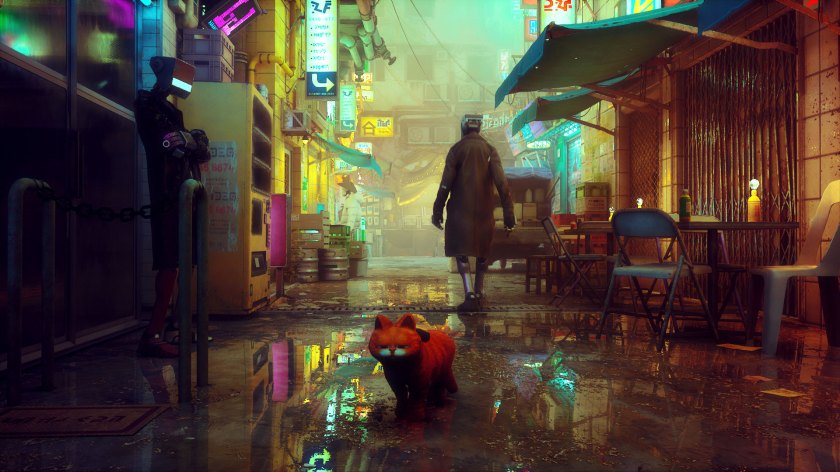
More news in the world of Stray, the play-as-a-cat video game that’s taken the world by storm with rave reviews, plenty of memes and hilarious videos of real cats reacting to their humans playing the game.
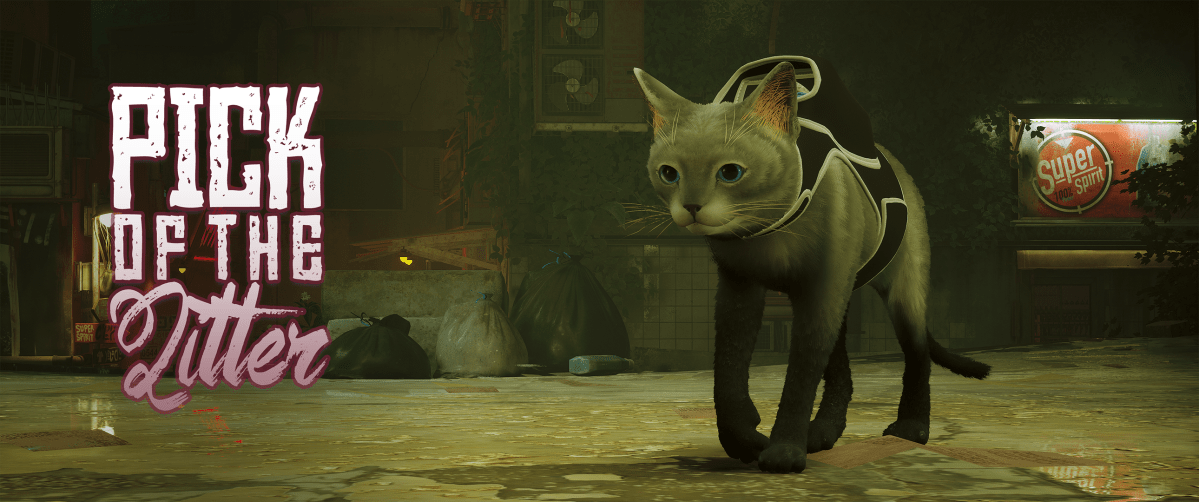
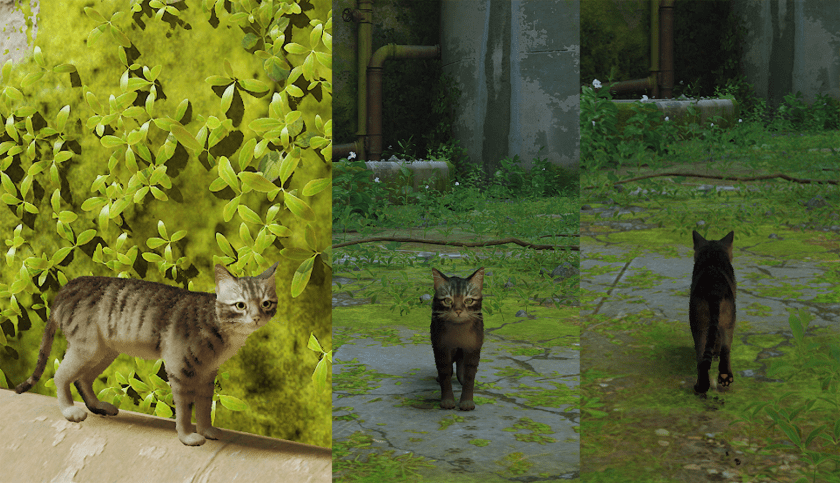
Thanks to players who create custom game mods, short for modifications, Stray players can now replace the game’s ginger tabby protagonist with cats of their choosing. Currently there are mods that make the title cat a Siamese, a black cat with yellow eyes, a white cat with heterochromia (different color eyes), a tuxedo and a Calico, among others.
The most popular mod, dubbed Pick of the Litter, features many different coat colors and patterns that users can select and switch between.
There are currently at least two gray tabby mods, but neither of them match Buddy’s chubby incredibly muscular physique.
One modder is taking commissions from gamers and creating custom cat avatars based on photographs, so if a player’s cat has a unique color or pattern — or you just want something more accurate — they have that option. Perhaps we’ll inquire if it’s possible to add huge meowscles as well as edit coat patterns and colors.
Gray tabby mod: Clearly not meowscular enough to be Buddy.
Other mods allow players to substitute a dog as the protagonist (come on, now…), add snazzy spectacles to the kitty, and tweak graphics settings for greater photorealism.
Finally, if you’re a fan of a certain lasagna-loving cartoon cat, you’re in luck: He’s now in the game thanks to the efforts of one dedicated fan, and he’s as lazy and heavy-lidded as he’s always been.
It should be noted that mods are unique to the PC, which is an open platform. If you’re playing the game on a Playstation 4 or 5, you’re out of luck.
Garfield in Stray: Maybe you can feed him lasagna to restore his health?
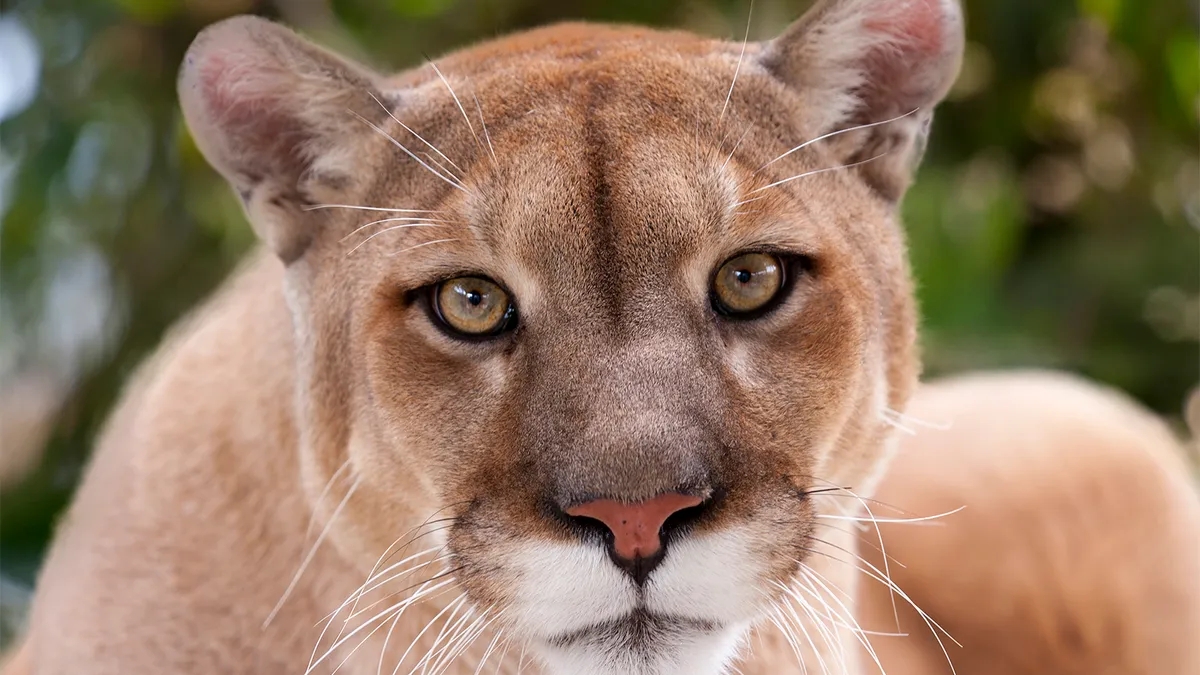
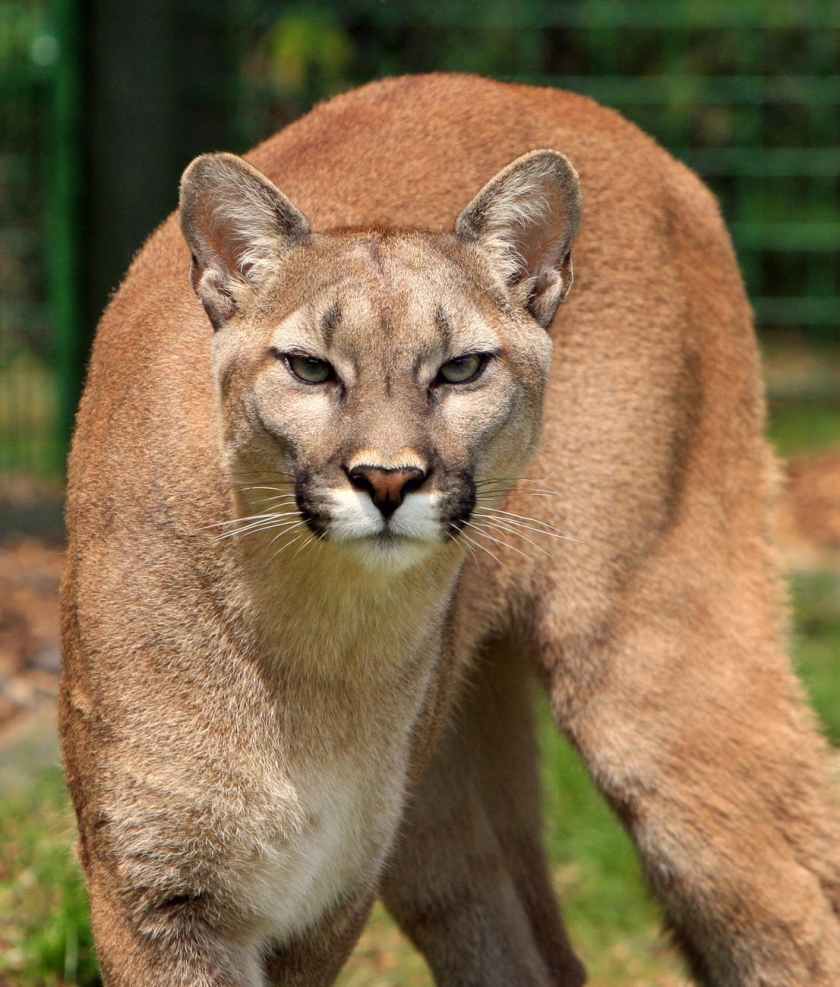
The puma is known by more names than any other mammal, a fact that reflects its incredible resilience and wide range.
The puma goes by a lot of names. So many, in fact, that it holds the Guinness world record for the mammal with the most names, with more than 40 monikers in English alone.
Add the puma’s various appellations in Spanish and the indigenous tongues of south north America, and the large golden cat has probably had at least 100 names by a conservative estimate.
Cougar, panther, mountain lion, catamount, Florida panther, Carolina panther, ghost cat, gato monte, cuguacuarana, painter, screamer — they’re all names for puma concolor, a felid with the size of big cats in the panthera genus but genetics more closely related to non-roaring “small” cats, including felis catus.
Indeed, although pumas are famously capable of the wild cat “scream,” they’re able to purr just like house cats and their small- to medium-size wild relatives.
Why does the puma have so many monikers?
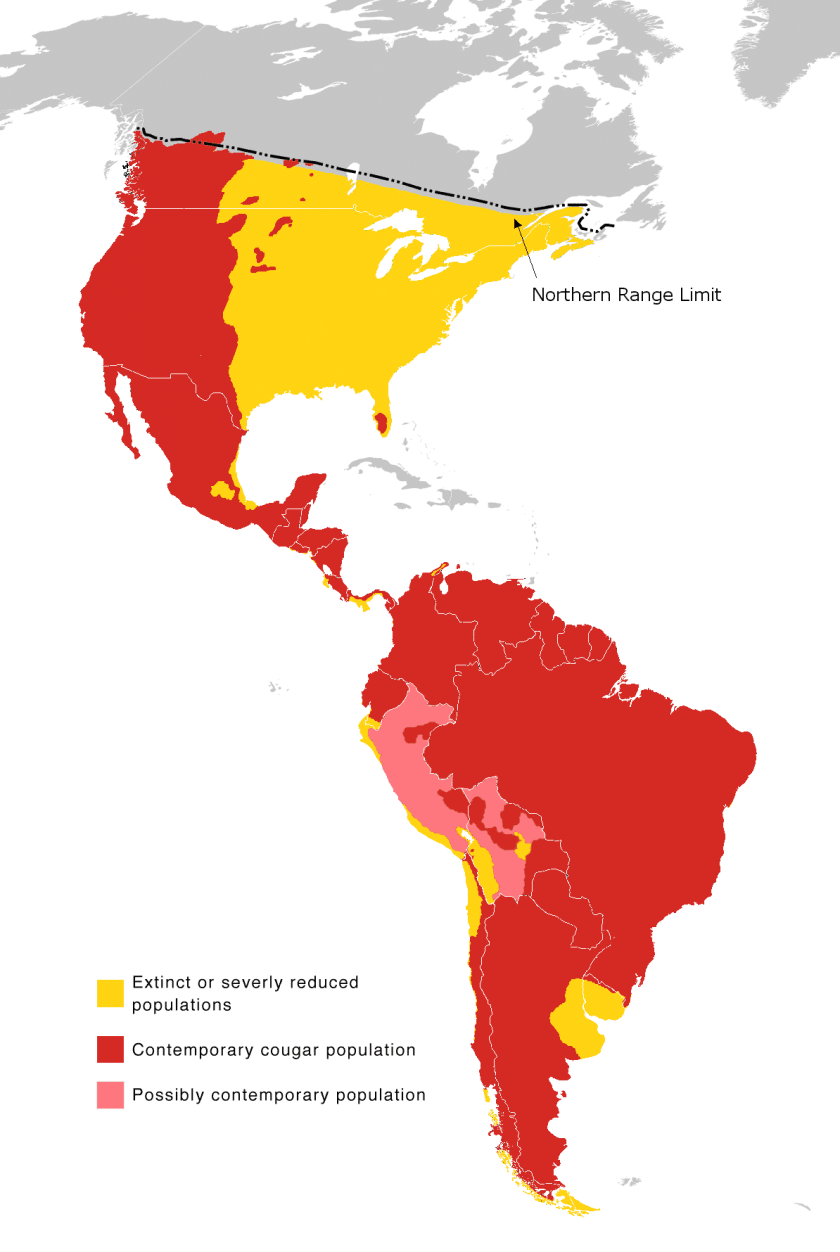
Mostly it’s because the adaptable, elusive feline has a vast range that historically covered almost the entirety of two continents:
Credit: Wikimedia Commons
Even today cougars exist in healthy numbers across most of South America and the western United States. They’re wanderers, with pockets of smaller populations in places like Florida and the midwest, and individual mountain lions have been spotted as far east as New York and Connecticut. (The New York region known as the Catskills, derived from “cat creek” in Dutch, was named after pumas when the area was part of their regular range.)
Throughout their history they’ve been familiar to a diverse group of human civilizations, societies, nations and peoples, from the Aztecs, Inca and Mayans, to the indigenous tribes of North America and the First Nations of Canada, to the inhabitants of modern-day countries like the US, Panama, Brazil, Mexico, Venezuela, Colombia, Ecuador, Paraguay, Bolivia, Chile and Argentina.
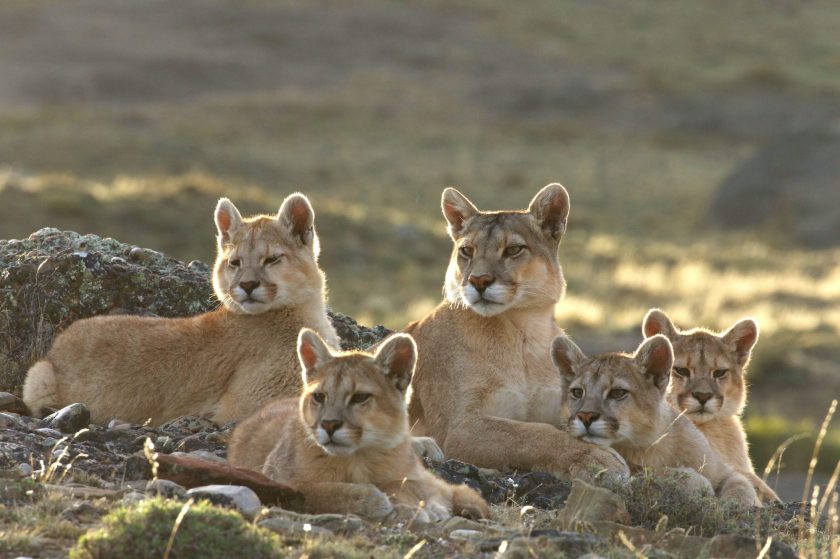
A puma with her cubs. Credit: Nicolas Lagos
But the name confusion doesn’t just stem from the puma’s many monikers bestowed by people of different cultures across space and time. The puma is also one of three cat species that are regularly called panthers. The other two, jaguars (panthera onca) and leopards (panthera pardus), are true “big cats.” That means they’re members of the genus panthera and they can roar but not purr.
Pumas are easily distinguishable from the other two: They have smooth golden fur without adornments, while jaguars and leopards both have blotches called rosettes.
It’s difficult to tell jaguars from leopards, but the biggest giveaway is the fact that jaguars have solid dot-like markings within their rosettes while leopards do not. In addition, leopards have much longer tails than jaguars or pumas, as they need the counterbalance provided by their tails to help them climb trees and balance themselves on tree limbs.
Jaguars are excellent climbers as well, but they don’t need to be as adept at living off the ground — they are the apex predators in the Americas, while leopards coexist with lions and other large animals like Cape buffalo that present a danger to the big cats even if they’re not predators.
Which brings us to our last point: Our many-named friends, the pumas, may be big and they may look dangerous, but they’re not. There have been 27 humans killed by the elusive cats in more than a century in the U.S., according to the U.S. Fish and Wildlife Service, compared to about 3,000 deaths from dog bites over the same period. Between 30 and 50 people are killed by dogs each year.
Most confrontations between humans and pumas happen when the latter are threatened and cannot escape, or when a female is protecting her cubs.
So if you live in an area where you have a chance to see these beautiful cats, admire them and keep your own kitties indoors, but don’t freak out — the puma you see one second will be gone the next.