New York Times: Wild Cats Are Glamorous, Chic Pets

Shelter pets? Ew. Ain’t nobody got time for that!

Sometimes it seems like writers at the New York Times are in a competition with each other to prove who’s the most out-of-touch.

The latest effort comes courtesy of Alexandra Marvar, who begins her profile of a designer cat breeder by reminiscing about the good old days when those lacking sense or self-awareness could be fabulous by keeping wild animals as “chic pets”:

Not so long ago, wild cat companions were associated with glamour, class and creativity. Salvador Dalí brought his ocelot to the St. Regis. Tippi Hedren lounged with her lions in her Los Angeles living room. Josephine Baker’s cheetah, collared in diamonds, strolled the Champs-Élysées. In their time, these wild creatures made chic pets.

But, Marvar writes, those animal welfare activists had to come and ruin things for fabulous people:

But by the mid-1970s, a wave of awareness and wildlife protection legislation changed both the optics of owning a big cat, and the ability to legally purchase one.

Killjoys. Don’t they know Dali, Hedren and Baker were just being fabulous? They were being classy and creative! Who has time for people who claim it’s wrong to keep a wild animal that ranges 50 miles a day confined in a living room? They have gilded cages, diamond collars and meals of filet mignon!
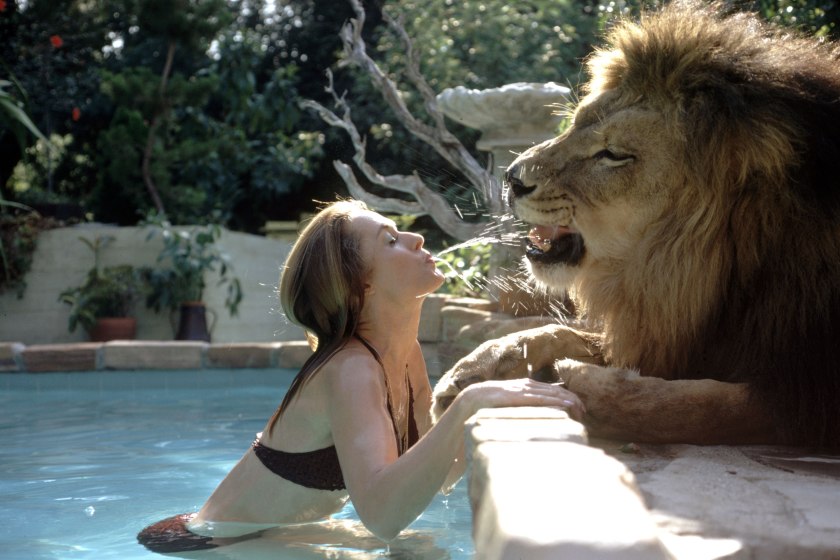
1200536.jpg
Hedren being fabulous with one of her fabulous lions in 1971. Credit: Michael Rougier/LIFE

Now that wild cat ownership has been relegated to mulleted felons and gun-toting Texans who keep exotic cats to hold on tight to “muh freedoms” — stripping the practice of all glamour, class and fabulousness — where can the wealthy turn when they don’t just want pets, but status symbols?

The creators of the latest designer breeds, Toygers and Bengals, of course. Meet our heroes, the late breeder Jean Mill and her daughter, Judy Sugden:

Meanwhile, a cat breeder named Jean Mill was working on a more practical alternative: her leopard-spotted companion was just ten inches tall. At her cattery in Southern California, Ms. Mill invented a breed of domestic cat called the Bengal, which would offer wild cat admirers the best of both worlds: an impeccable leopard-like coat, and an indoor-cat size and demeanor.

Note: If you think a Persian makes you fabulous, surrender that cat to the nearest shelter immediately. Persians are so 2013!

[A Bengal cat breeder] recalled there used to be “tons” of ads for Persian cats in the back of Cat Fancy magazine. But the Persian’s prim, manicured aesthetic is no longer en vogue. “That look doesn’t say, ‘I can survive in the jungle,’” Mr. Hutcherson said. “It says, ‘I need somebody to open this can of cat food because there’s no way this cat is catching a mouse.’”

Carole Baskin, the founder of Big Cat Rescue and a star of Netflix’s “Tiger King,” has called toyger owners “selfish” and said creating new breeds is “strapping a nuclear warhead to the feral cat problem.” Others might argue that compared with shelter pets, designer species (the rarer of which may cost as much tens of thousands of dollars per kitten) are a different beast altogether.

Others might argue! Who are those others? Uh, Marvar and…and…nevermind. The important thing to realize is that there are cats — the riff-raff adopted from animal shelters by plebs — and there are chic, elegant, glamorous beasts. To compare a shelter pet to a Toyger would be like comparing a Geo Metro to an Aston Martin.
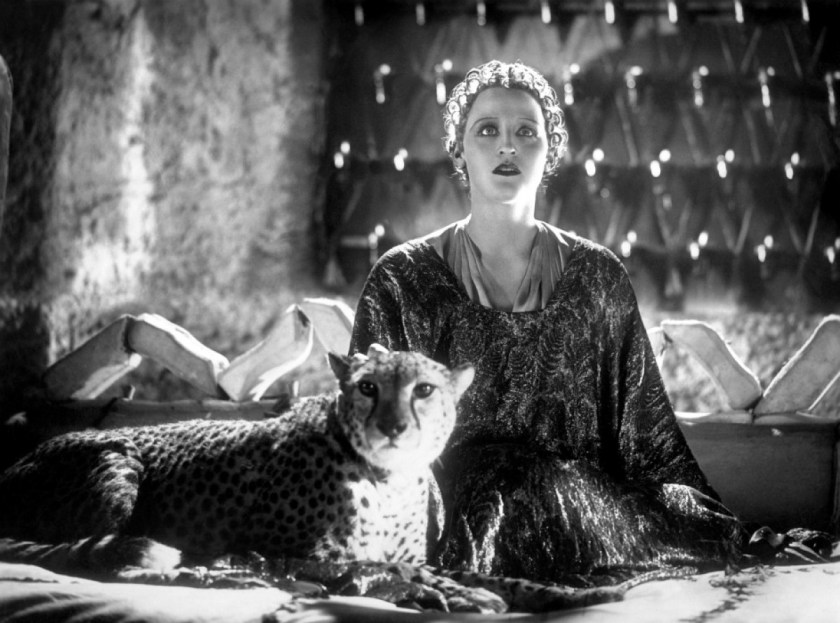
bakercheetah
Brigette Helm being fabulous with her cheetah in 1932.
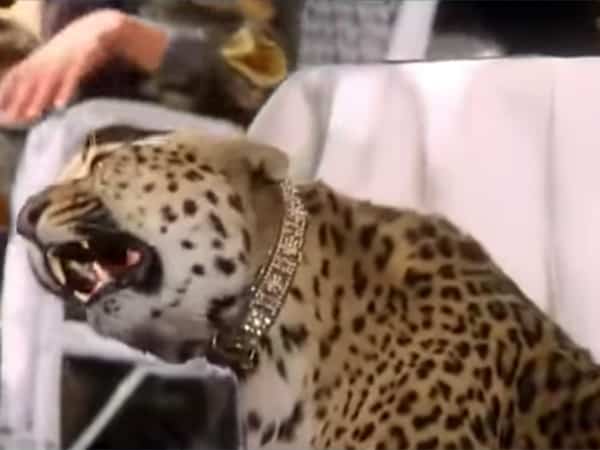
JosephineBakerStory-1991-paris-1920s-cheetah
A close-up of Josephine Baker’s cheetah, Chiquita, and her diamond collar, photographed in the 1920s. Credit: FrockFlicks

In the glowing profile of Mill’s daughter, the toyger breeder — whose cats the Times compares to the Mona Lisa and whose work it describes as a “creative effort” in “cultivating” perfect “beasts” — the newspaper devotes a single line to those who object to the industrial manufacture of designer pets when shelters are forced to euthanize cats who aren’t adopted:

…the designer cat market is a thriving one where supply rarely meets demand, and in its service, more than 40,000 registered house cat breeders around the world are devoted to supplying pet owners with Ragdoll, Sphynx and other prized breeds. (PETA has argued this clientele should instead adopt cats from a shelter.)

The fact that 1.4 million pets are put down every year in the US wasn’t considered important enough to mention in the Times story. Too much of a buzzkill. Ain’t no one got time for that!

The rest of the Times’ editorial staff and its stable of contributors will have a tough time topping Marvar’s masterpiece. But as they try — and try they will — remember these are the same people who want to teach the rest of us about privilege and inequality in modern society as they social distance in their Scarsdale homes and file their stories from their couches next to their $10,000 pets.
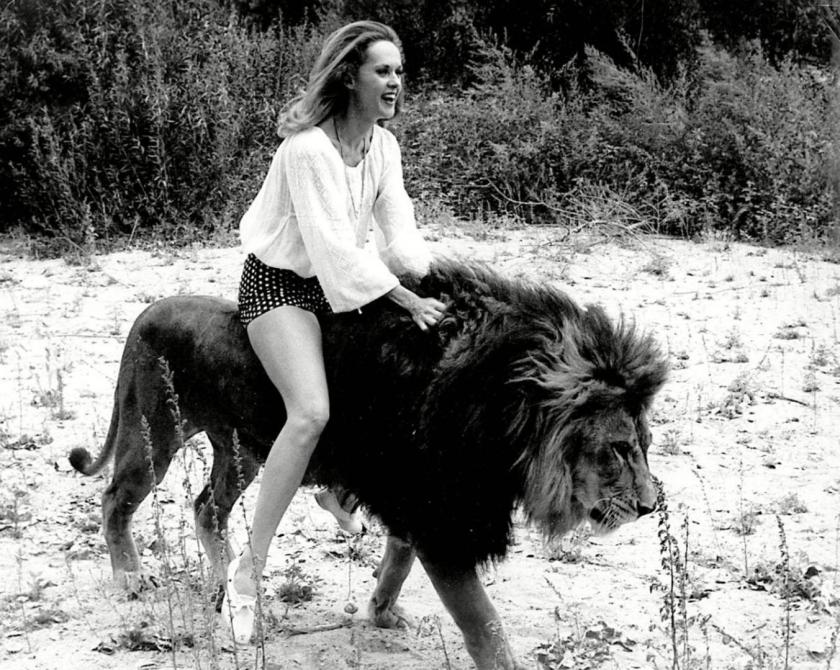
hedren2
Hedren enjoying a fabulous ride on one of her chic, fabulous lions in 1971. Credit: LIFE
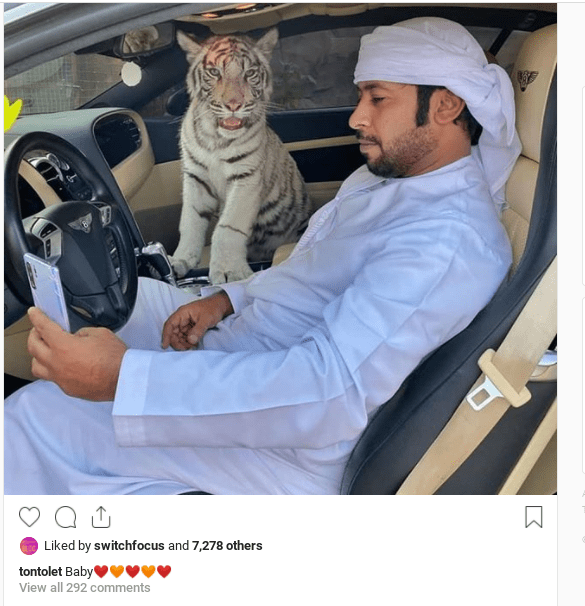
Tontos-man-1
Wild cats are the preferred fabulous pets of ultra-wealthy twats who want to show off their wealth on social media.
hilton2
More than 3 billion people live on less than $2.50 a day, while Paris Hilton’s dog lives in a two-story air-conditioned mansion.

Helicopters, Armed Squads, Scotland Yard…For A Cat?

Freaked out Londoners thought the cat was a leopard or a cheetah.

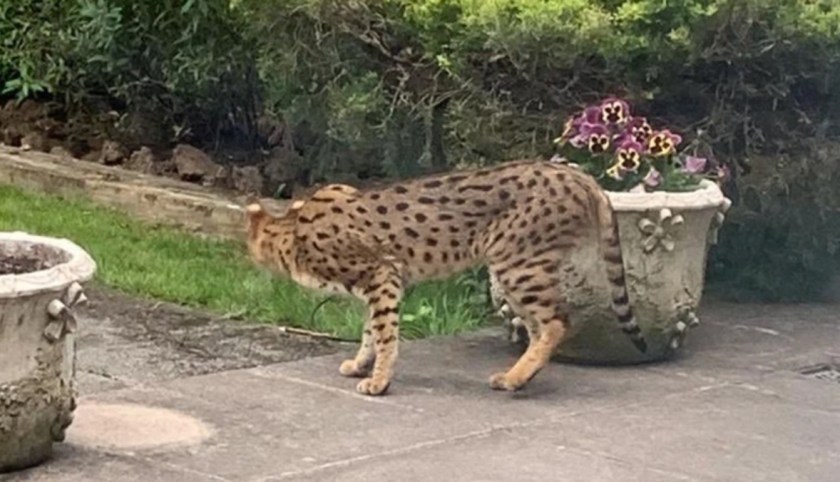
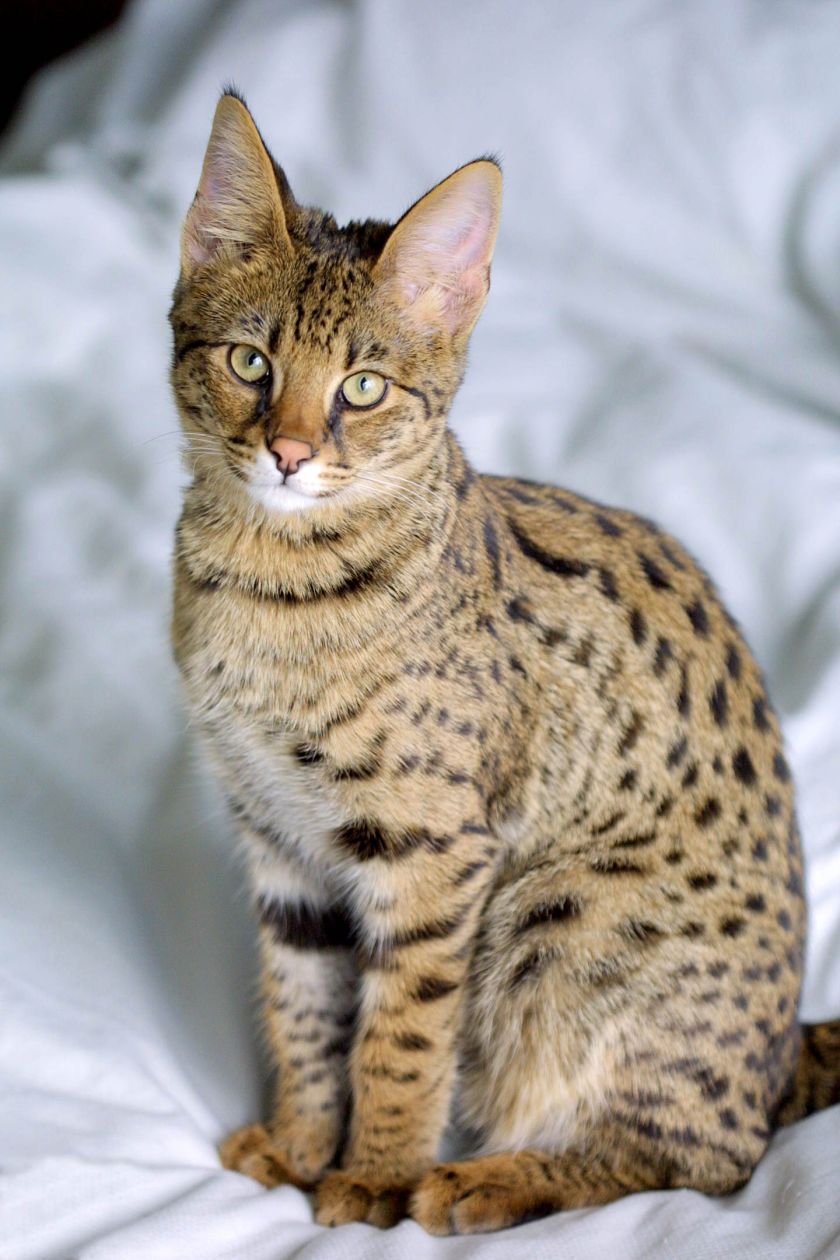
Wealthy Londoners freaked out at the sight of a Savannah cat on Monday, confusing the domestic-Serval hybrid for a big cat.

The pet kitty was stalking the gardens of a neighborhood known as billionaire’s row in East Finchey, north London, when it caught the attention of a mother and daughter who called police to report a large felid.

“I was sitting having dinner with my daughter in the garden when the head appeared. It looked normal so I didn’t take much notice but then the body came out,” the mother told the Evening Standard. “It was elongated, really too big for a domestic pet. The markings were like that of a cheetah or leopard.”

savannahcat
A woman having dinner outside took this photo of the cat before calling police.

“We were scared. I said to myself ‘we should not be here’ and ran in the house. I took a picture on the way, it was frightening.”

“We called the police and armed officers started the hunt for the animal. They told us to stay inside. There were two police helicopters overhead. It was very dramatic, I can understand it. At that stage they had to think it was a dangerous wildcat.”

Leon Grant, who lives nearby, told the newspaper that police and neighbors thought they were dealing with a big cat.

“It was pandemonium,” Grant said. “There was a police helicopter whirring overhead and armed police and all sorts. It was being dealt with as a huge incident.”

The police, who were accompanied by a wildlife expert, stood down after they realized they were dealing with a pet, the BBC reported. The cops hadn’t found the owner, but said keeping a Savannah cat isn’t illegal in London or its outlying areas.

serval
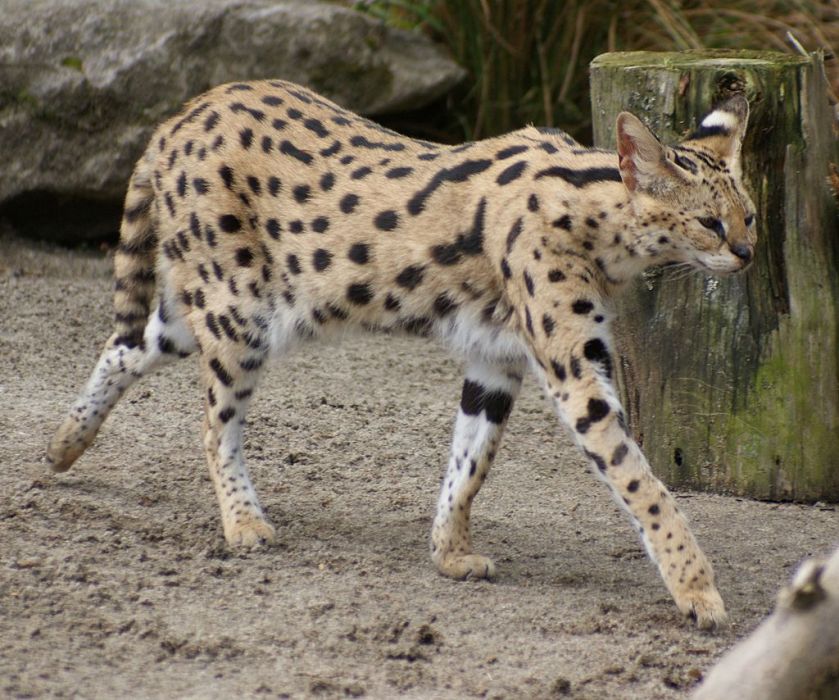
A Serval cat. Credit: Wikimedia Commons

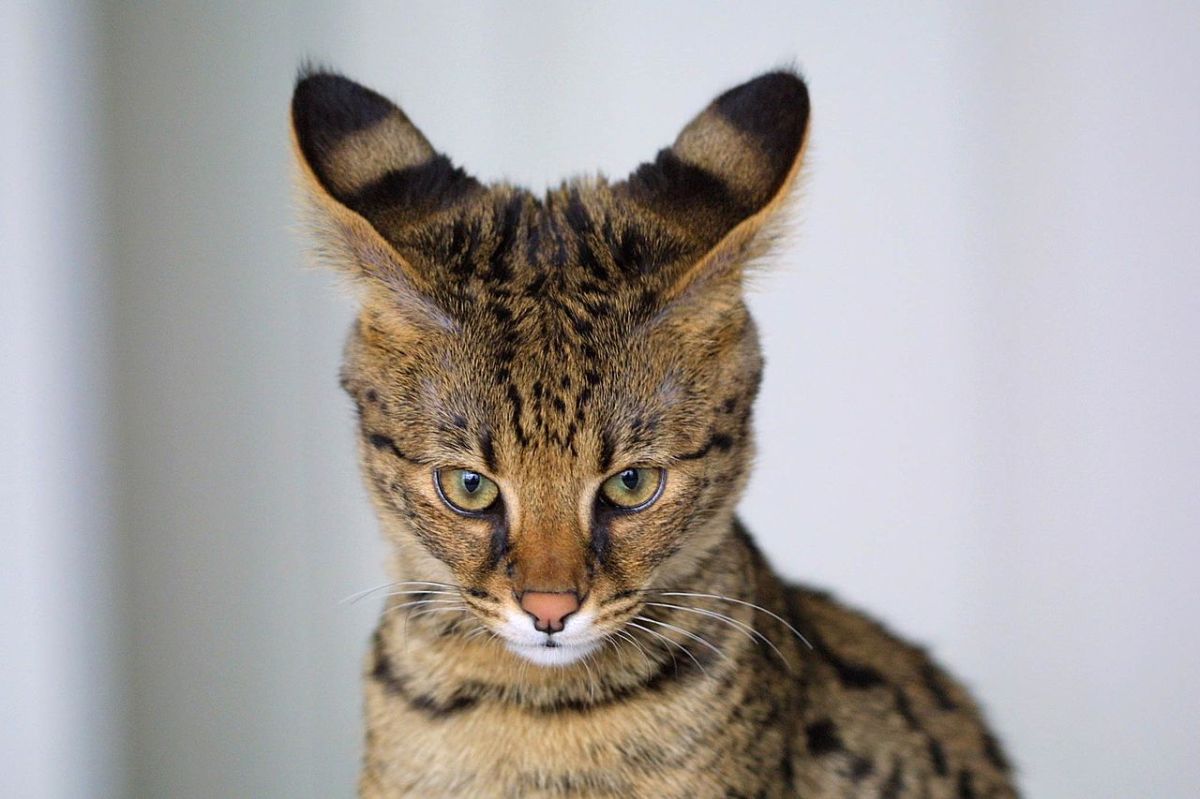
Savannah cats are hybrids of domestic cats and servals, mid-sized African wildcats. The somewhat controversial breed is energetic, intelligent and needs a lot of stimulation, much like a working dog.

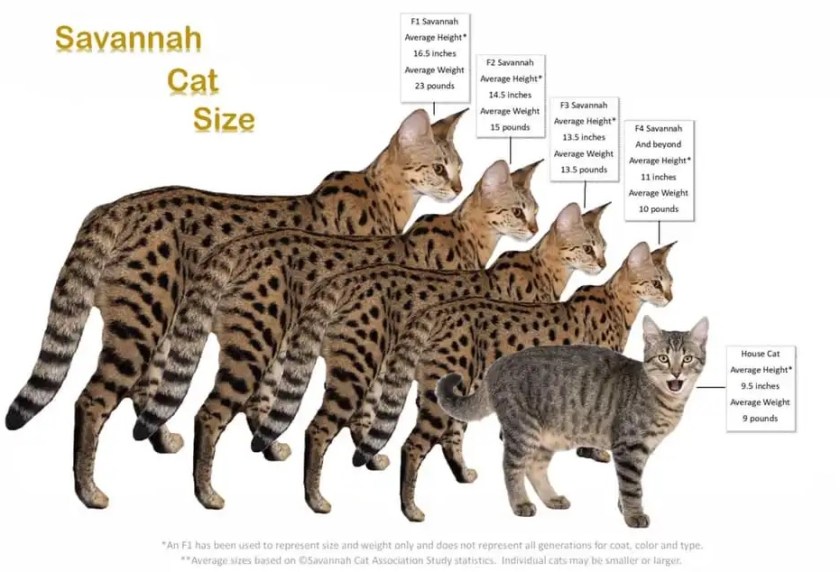
To be fair to the Londoners who were alarmed by the sight of the rare cat, the breed is considerably larger than typical domestic cats. A pet Savannah is about the size of two, maybe two-and-a-half Buddies: (Although not nearly as ripped or as fearsome, obviously.)

savannahcatsize
Credit: Savannah Cat Association
buddyripped3
Not as big as a Savannah cat, but fearsome and terrifying!

First-generation hybrids, known as F1 Savannahs, are not considered suitable pets. Typically breeders sell F3 (third generation) or F4 cats to the general public. A Savannah cat can cost as much as $20,000 in the US, and like all exotic breeds, they’re controversial because many activists feel people shouldn’t buy pets when 1.5 million homeless cats and dogs are euthanized every year.

F1 Savannah Cat
A four-month-old F1 Savannah hybrid. Credit: Jason Douglas/Wikimedia Commons

Amazing Cats: He Who Kills With One Bound

The name jaguar comes from the indigenous Tupian word yaguara, meaning “he who kills with one bound.”

On the Scale of Badassery that’s an 11, which is appropriate for such a regal, ephemeral creature who seems to exist only in glimpses before melting back into the jungle.

From ancient chronicles etched in Mayan pictograms to modern-day descriptions of encounters with jaguars, one thing is consistent: When you’re fortunate enough to set eyes on a jaguar, it’s because the animal allows you to.

The world’s most elusive hunter is like smoke: There one moment, gone the next, without any physical evidence that it was present in the first place.

There’s a lot of confusion about jaguars, so let’s get that out of the way first. The jaguar is the third-largest-cat on the planet, behind tigers and lions. Jaguars are the largest cats in the Western Hemisphere and are the apex predators in the Americas.

They’re often confused with leopards, the other spotted big cats, but aside from living on different continents, jaguars are visibly larger, heavier and more sturdy than their African cousins.

Compounding the confusion is the widespread habit of using “panther” to describe both jaguars and leopards, and sometimes other cats too, like pumas.

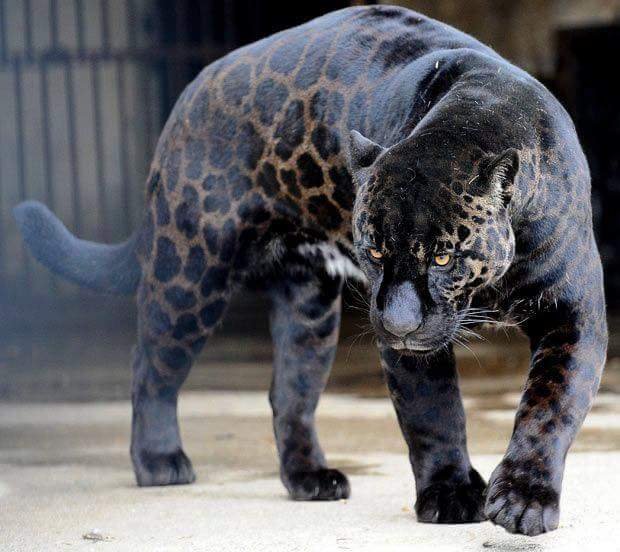
A panther isn’t a type of cat: Panthera is the genus to which big cats — tigers, lions, jaguars and leopards — belong, while a black panther can refer to any melanistic jaguar or leopard.

jaguaryawn

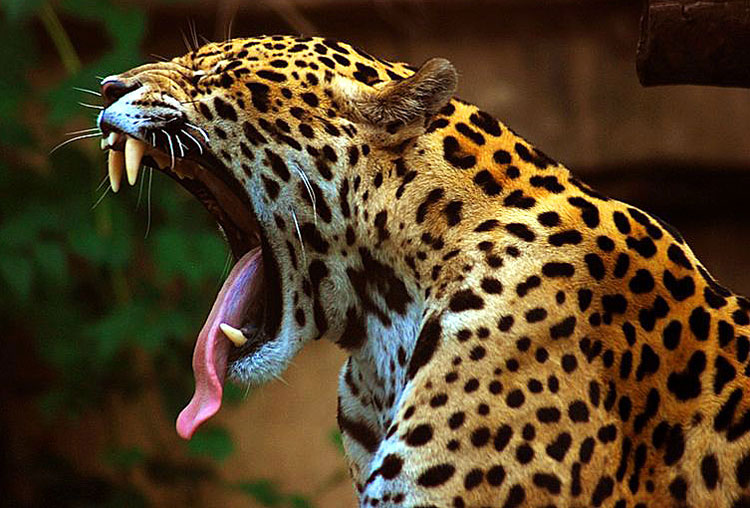
Like its cousins in the genus, the jaguar is an ambush hunter.

But unlike tigers, leopards and lions, jaguars do not kill by going for the spinal cord — they go for the head itself, puncturing skulls, turtle shells, heavily armored caiman scales and anything else they want to make a meal of.

That’s where the “one bound” in their name comes from: By the time a jaguar pounces, it’s already too late for the victim.

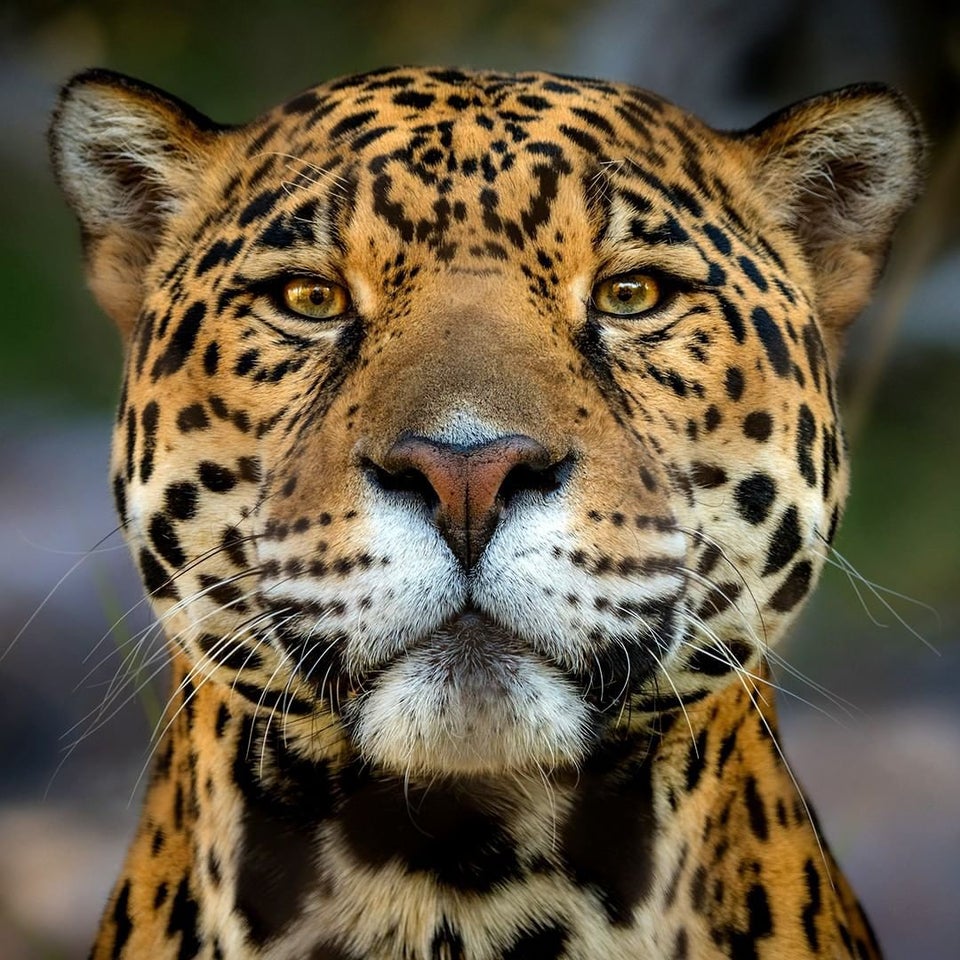
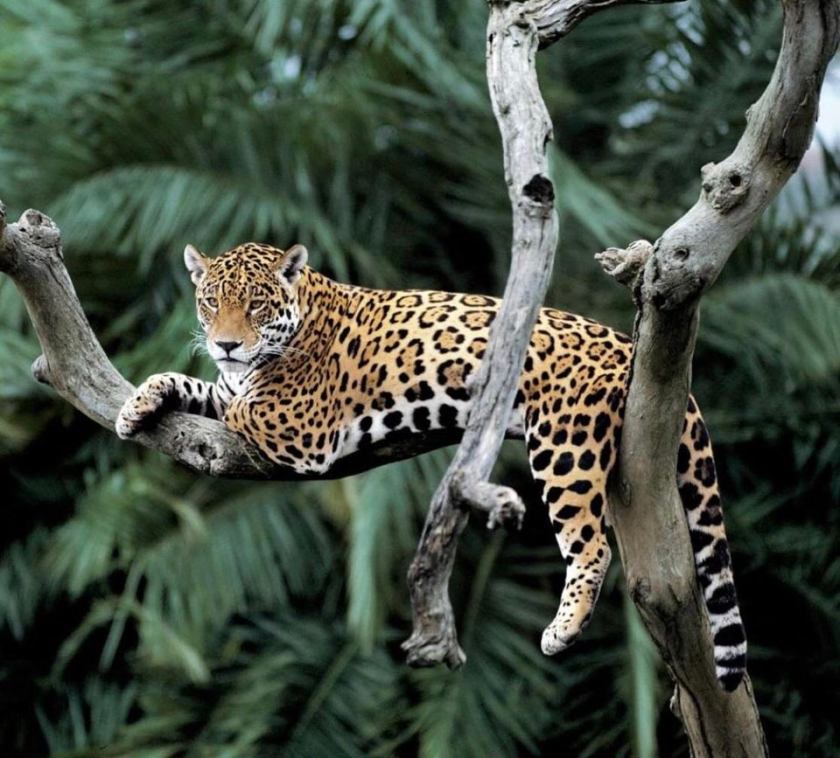
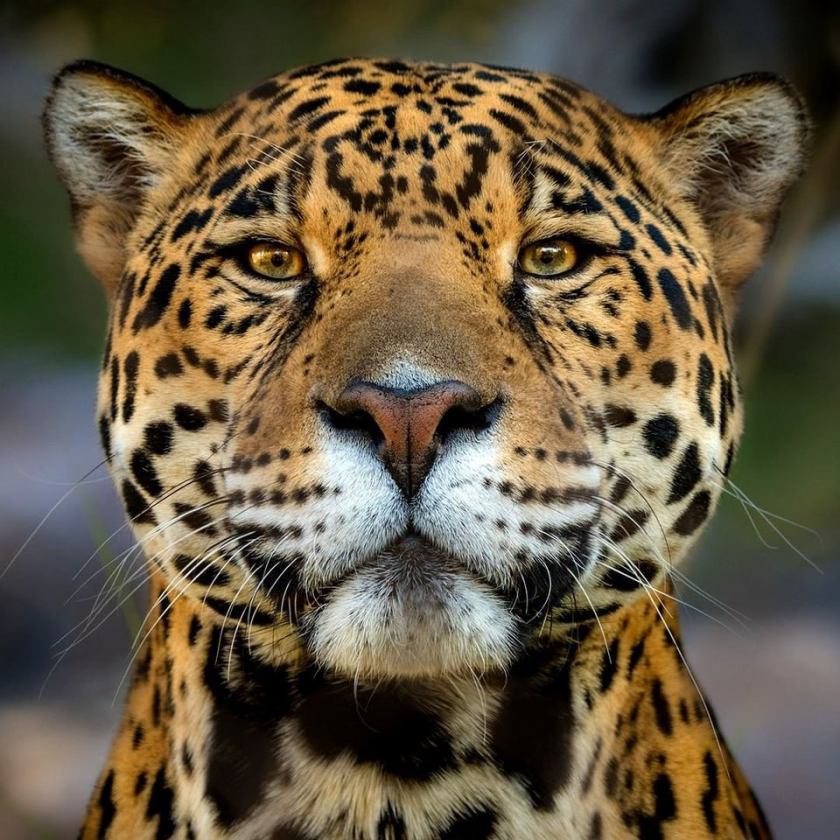
Jaguars are paragons of feline grace, yet even among cats they’re strikingly beautiful animals:

6DD23C8C-F9F4-4AFB-B7F9-43709046ED16

FC9F02C8-D401-4747-8810-2B5F2744E6C7

Unlike tigers and lions, there are no recorded cases of prolific man-eaters among jaguars, and the mysterious cats are careful to avoid conflict with humans. The one exception is when a female jaguar feels her cubs are threatened.

Travelers who brave the untamed, near-impenetrable remote rainforests of South America may not see jaguars on their journeys, but the jaguars see them: Humans who venture into the thick tangle are “calmly watched by a jaguar or two” and most of them “don’t realize they’re under surveillance,” Nadia Drake wrote in a 2018 Atlantic story about encountering the enigmatic felids in Peruvian jungles:

Those who have studied jaguars say they sense a kind of preternatural consciousness in the beasts, a combination of disciplined energy and shrewd awareness that allows the jaguar to unleash its power in calculated ways. Alan Rabinowitz, struggling to find the right words, calls it simply “jaguarness.”

The ancient Aztecs saw that same cunning in the eyes of jaguars, naming them the “kings of the animal world” and employing jaguar motifs on statuary, stone reliefs and other artwork. Jaguar imagery was common throughout the pre-European Americas, and at the time the animal ranged across North and South America without a true rival at the apex.

Like tiger imagery is used to denote power, grace and agility in Asian cultures, the jaguar’s image was used for similar purposes, associating the animals with royalty and gods.

In Mayan culture, deities took the form of jaguars, and the big cats were known as gods of the underworld, fertility, war, protection and fire. Ek Balam, for example, was the Mayan god of the underworld, and was depicted as a black (melanistic) jaguar.

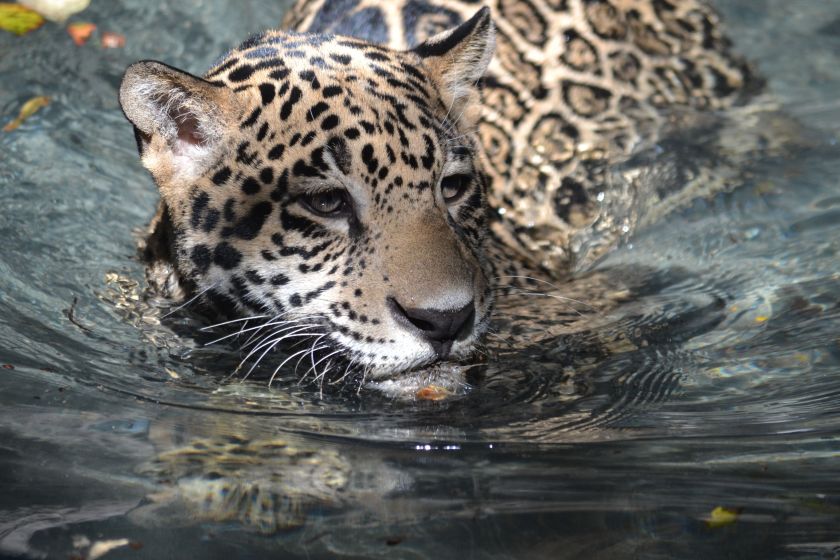
Jaguars share another quality with tigers, one that’s rare among cats: They not only enjoy the water, they excel at swimming and even hunting in rivers and swamps. While most cats will do almost anything to avoid entering water, jaguars and tigers have no reservations about immersing themselves, particularly on hot days.

jaguarwater

Like all big cats, jaguar numbers are decreasing. The animal is classified as “near-threatened on the IUCN Red List of Threatened Species as its habitat has been fractured.

Unlike the other members of the panthera genus, habitat loss hasn’t led to conflicts between humans and the majestic cats. Jaguars, it seems, would rather retreat deeper into the jungle than go to war with humans. It’s crucial to preserve what’s left so these beautiful, amazing cats still have a jungle to go back to.

All photos courtesy of National Geographic and Mexico Lore.

790EB2B3-1CA8-4201-B980-B8129826AAC3

Reason #138 To Keep Your Cats Indoors: Mountain Lions

Just to clear up any misunderstandings — and hopefully stave off more of those “Would a tiger and a house cat be good friends?” questions — cats aren’t down with each other just because they’re cats.

You won’t see a jaguar high-fiving a jaguarundi like “Sup bro? Hunt anything delicious lately?”

And you sure as hell won’t see your cat shooting the shit with a puma on your back porch, trading war stories about taking down prey.

Nope. To the puma, your cat is the prey.

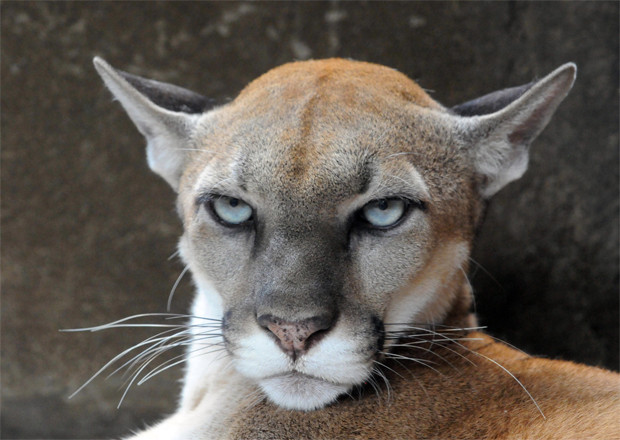
That’s what happened early on Thursday morning in Boulder Creek, California, where footage from a Ring doorbell cam shows a puma — also known as a mountain lion or cougar — hovering over something partially obscured by a planter. There’s a flash of domestic kitty eyes for the briefest instant, then more noise followed by the puma walking away with the cat in its jaws.

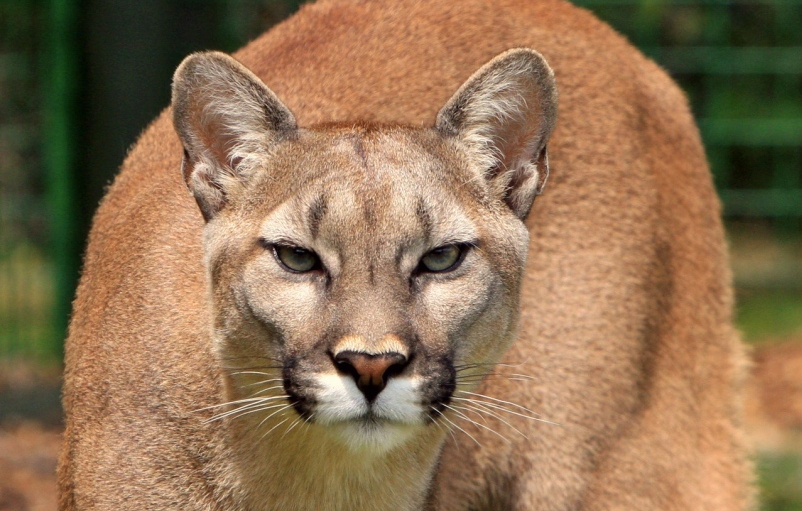
Cougar/Puma
Despite their large size, cougars are not considered “big cats” and are not aggressive toward humans. Source: CBS2NY

Sue Ann Sheely, whose camera caught the attack, said it’s the second time she’s seen a local cat fall victim to a cougar. She sent the footage to a local news station so her neighbors will finally wise up and bring their cats indoors.

Like coyotes, pumas aren’t breeding in greater numbers or suddenly intruding on human territory: We’re the intruders, chipping away at the wild cat’s habitat with each new housing development and strip mall we build. The majestic-looking cats die in unusually high numbers when roads cut through their ranges, and simply brushing up against a human neighborhood is often enough to get them shot.

With fractured habitats and fewer prey animals to hunt, pumas will sometimes turn to domestic animals as prey. Attacks on humans are exceedingly rare, and pumas normally do their best to steer clear of humans.

Previously, we’ve looked at other reasons to keep your cat indoors: Reason #127 To Keep Your Cats Indoors: Bad Guys, Reason #246 To Keep Your Cats Indoors: Coyotes, and Reason #001 To Keep Your Cats Indoors: Traffic.

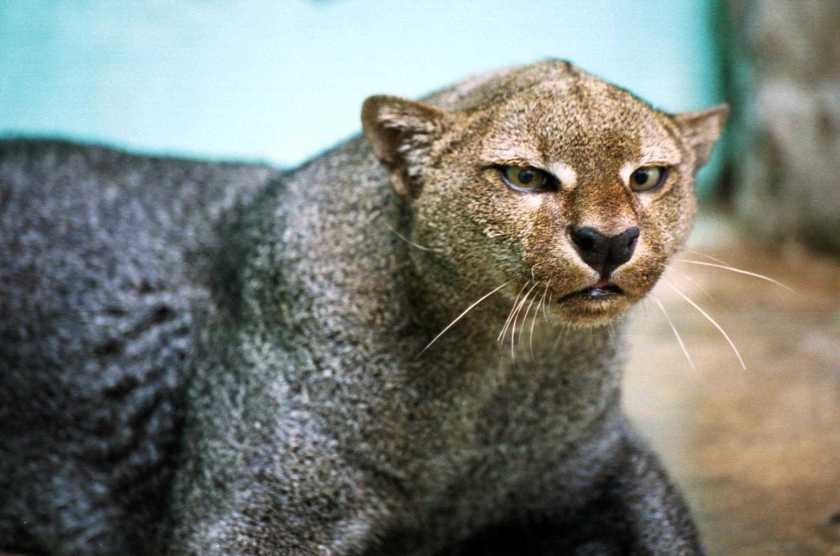
Jaguarundi
The jaguarundi may be small, but it doesn’t mess around. Credit: CostaRicaJourneys

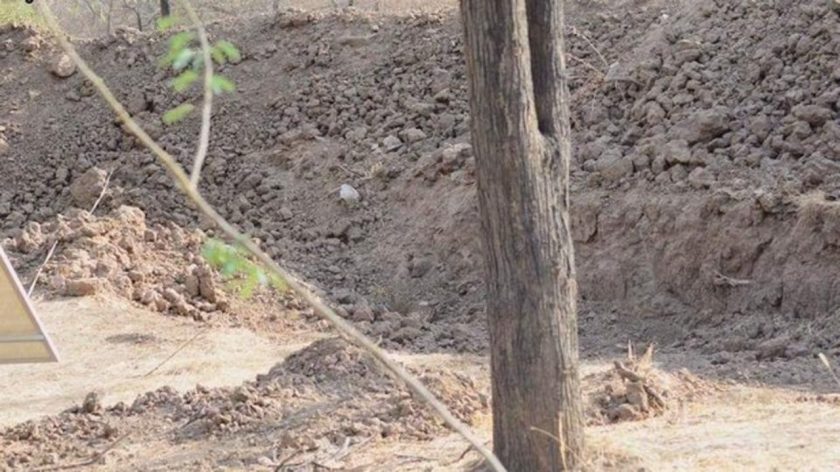
Can You Spot The Leopard In This Photo?

There really is a leopard in this photo, I swear!

Most people know leopard spots afford the big cats excellent camouflage, but this is ridiculous. There’s a leopard in this photo. Can you see it?

leopardphoto

The viral photo has been making the rounds online over the past 24 hours. If you can’t find the leopard, don’t feel bad: I stared at the damn thing for 10 minutes until I cheated and looked up the answer.

Unfortunately it looks like the highest-resolution version of the photo that exists on the web is only 1280×720, so we don’t get the benefit of HD. Either way, this cat has an impressive ability to blend into its surroundings.

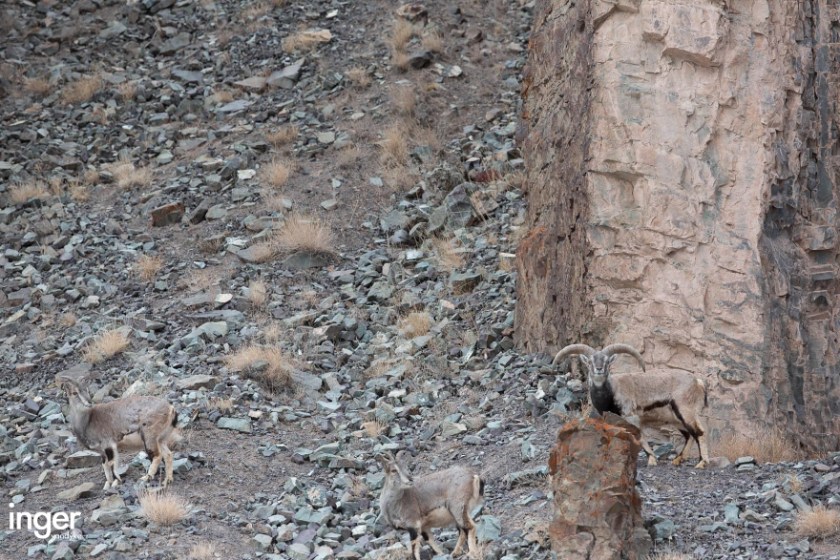
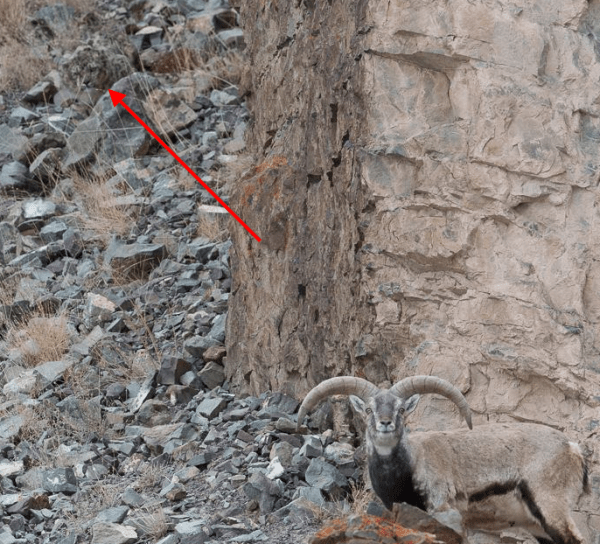
A search turns up quite a few similar photos, like this one of a snow leopard:

leopardsnow

See it yet?

How about now?

leopardsnow2

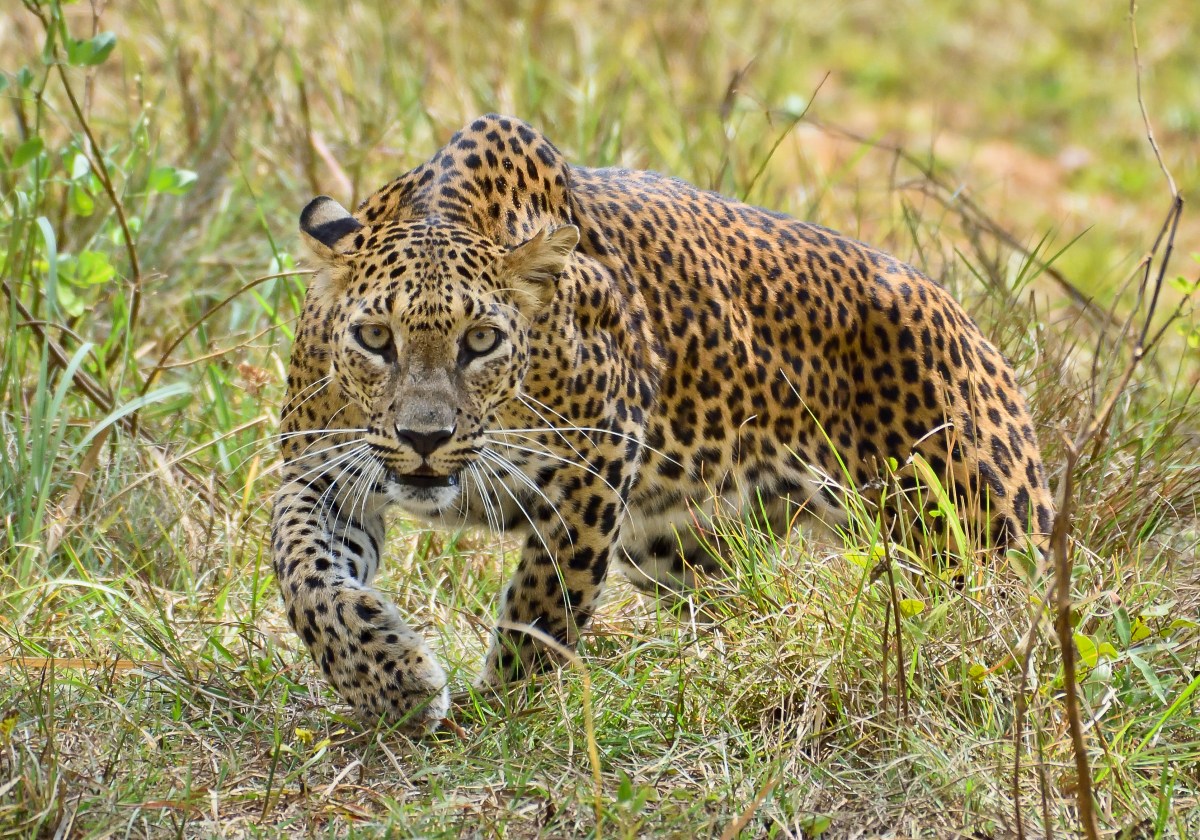
Like all big cats, leopards are disappearing from the wild due to habitat destruction, hunting and cub-poaching.