
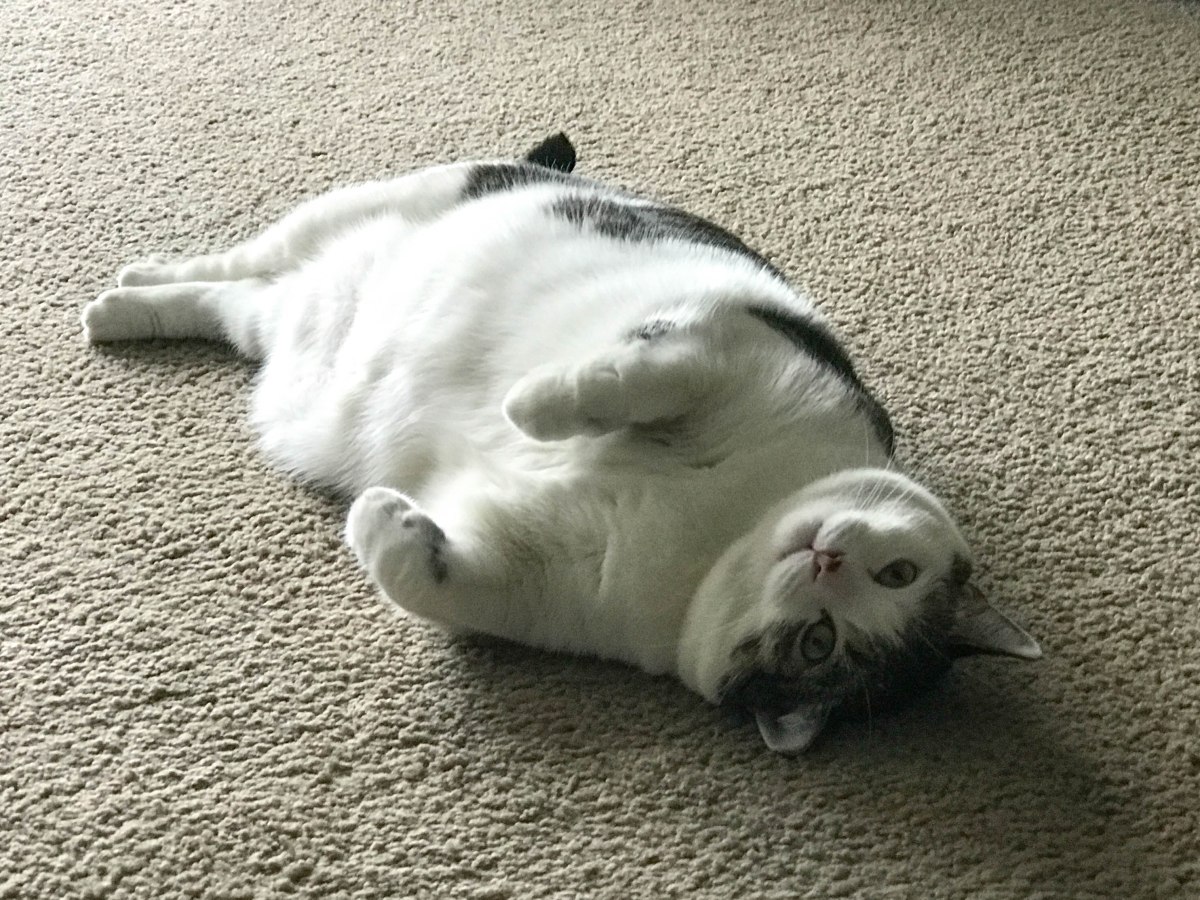
If cats could read newspapers, chances are they’d be gripped by a cold terror right about now, wondering if they’re among the unfortunates to have their yums curtailed by the same weight loss drugs their humans have been gobbling.
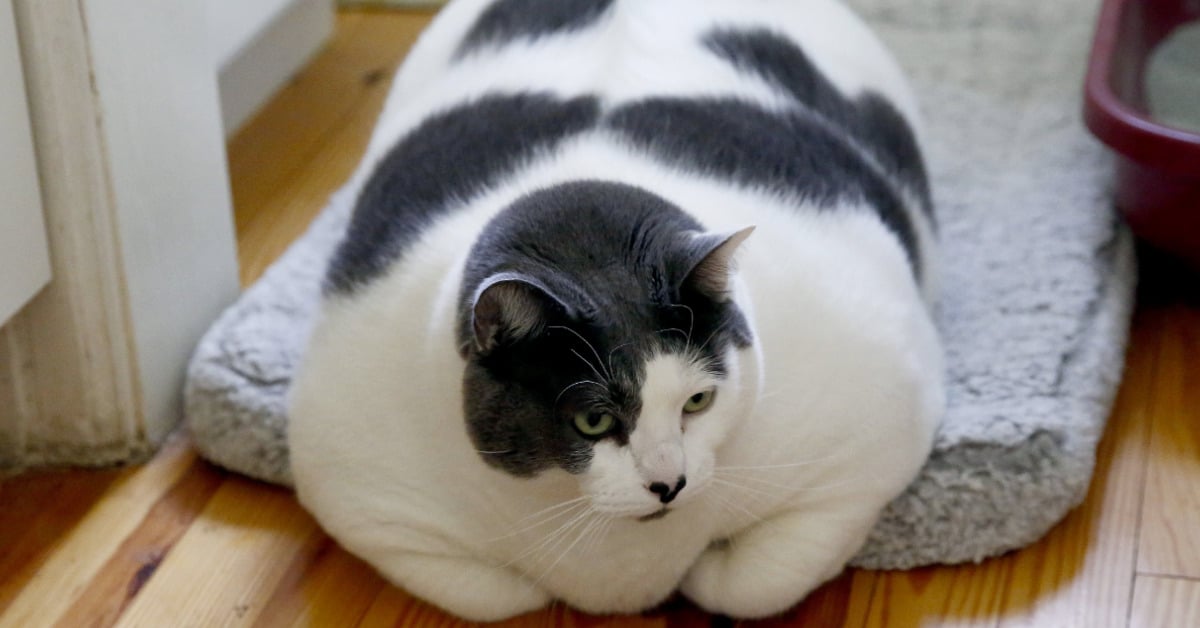
As the New York Times reports, a biopharma company headquartered in San Francisco, Okava Pharmaceuticals, is about to begin a trial to determine if GLP-1 drugs can help our chonksters slim down. More than 60 percent of American pets are packing extra pounds, the Times notes, while consequences like diabetes are shortening the lifespans and reducing quality of life for felines and canines.
“It is our belief that the condition of obesity, the condition of being overweight, is by far the number one most significant preventative health challenge in all of veterinary medicine,” Okava founder and CEO Michael Klotsman told the paper.

The upcoming study will include 50 cats. Most will receive a GPL-1 medication while a control group — about one third of the cats — will be given a placebo.
Since cats aren’t exactly known for being cooperative when it comes to taking oral medicine and weekly injections at a veterinary office are impractical, Okava has developed a system with a patch about the size of a microchip that will dispense the weight loss drugs over six months before a tiny cartridge needs to be replaced.
If all goes well with the trial, Okava will seek FDA approval and address other obstacles like convincing caretakers that their little pals can benefit from the feline version of Ozempic, Mounjaro and Wegovy.
That may be easier said than done considering our relationships with our furry friends and the role food plays in things like training, bonding and every day life
For lots of cat caretakers “their main way that they interact with and show their love to their pet often revolves around food,” Dr. Maryanne Murphy, a veterinary nutritionist at the University of Tennessee, told the Times.
How could the dynamic between cat and human change if the flow of yums is reduced to meals only? Will training — for everything from walking on a harness, to entering a carrier and fun tricks like high fives — still work if the reward is just a bit of encouragement or a scratch behind the ear?
An earlier weight loss drug developed for dogs, Slentrol, did not catch on because, as one veterinarian noted, “the main way [people] interacted with their pet was by feeding them, and seeing their excitement and happiness when they were eating the food.”

There’s also the not-so-small matter of cost. GLP-1 drugs are in high demand, and they’re expensive. One in eight Americans has taken Ozempic or one of its competitors. At times, the demand has threatened availability for diabetics, for whom the drugs were developed in the first place.
If the trials are successful and the GLP-1 drugs for pets gain FDA approval — which would require a series of much larger scale, more rigorous studies — the company hopes to offer them to consumers at a cost of about $100 per month per pet.
Even if this iteration of the drug fails, it’s unlikely to derail the larger effort. Vets have been prescribing tiny doses of the human version to cats with diabetes, and perhaps most telling of all, pet obesity continues to rise despite years of efforts by the veterinarian community to get people to play with their pets more and feed them less.
As Dr. Ernie Ward, a veterarian and founder of the Association for Pet Obesity Prevention, told the paper: “We haven’t moved the needle.”
And now we check in with our correspondent, Buddy the Cat. Buddy, what do you think about the possibility of GLP-1 for your species and the end of the proverbial gravy train?
Buddy? Bud? Are we having technical difficulties?
I’m sorry, ladies and gentlemen, we can’t find Buddy the Cat. We’ll resume this segment if and when we manage to locate him.


 Pain In The Bud