See Tokyo from the sixth-tallest building in the city, Mori Tower in Roppongi Hills.
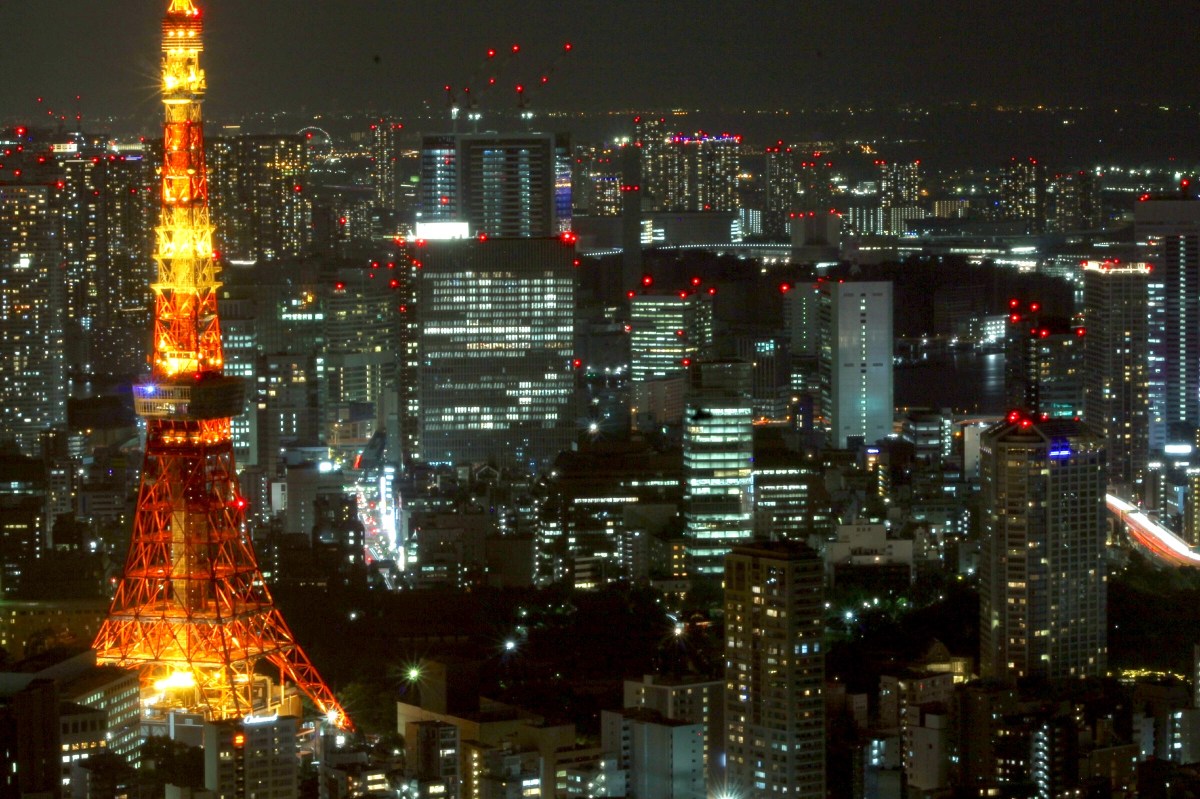
Tonight we visited the Roppongi Hills Mori Tower, a skyscraper with great views of the surrounding city.
The building is less than a five-minute walk from my brother’s apartment, and at 54 stories and 781 feet it’s the sixth-tallest building in Tokyo.
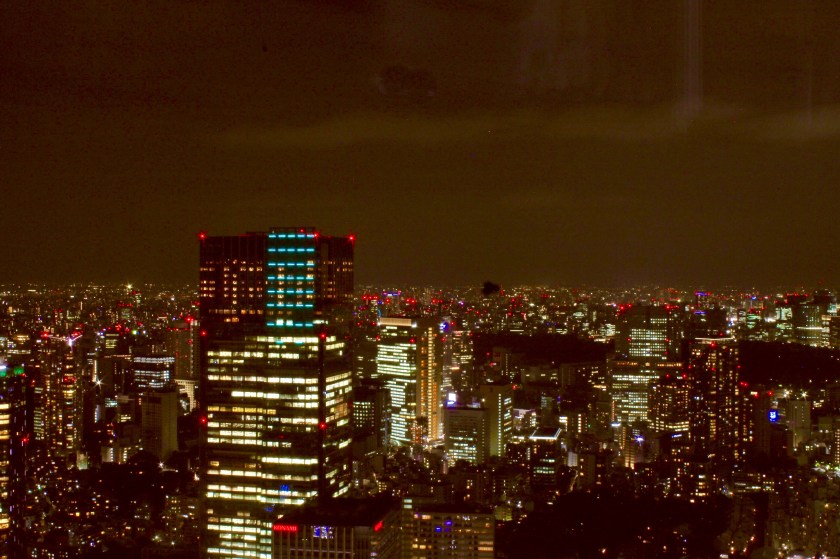
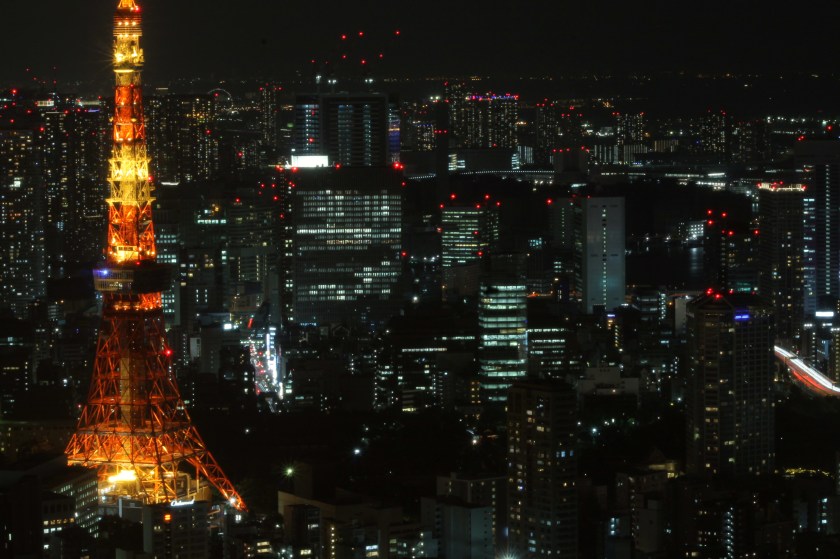
The neon blue floors of the foreground building are hotel suites with one hell of a view of the city.
Mori Tower has a 54th floor “Sky Deck” which was closed this evening due to the weather, so the observation deck on the 52nd floor was our only choice.
It doesn’t really matter — the view is spectacular and the observation deck features a 360-degree view of the city through floor-to ceiling windows. It’s even got signs pointing out the neighborhoods you’re looking at from each angle, and a section where you can pull up a chair, have a cup of tea and look over the city.
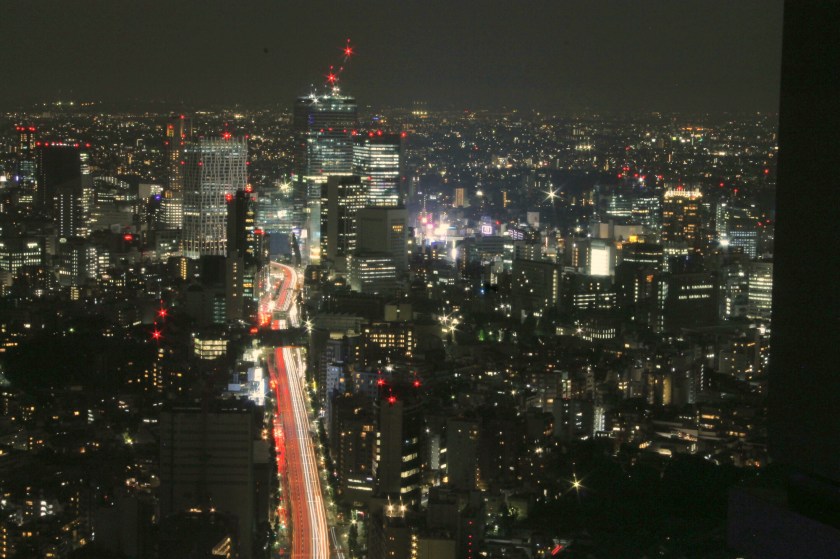
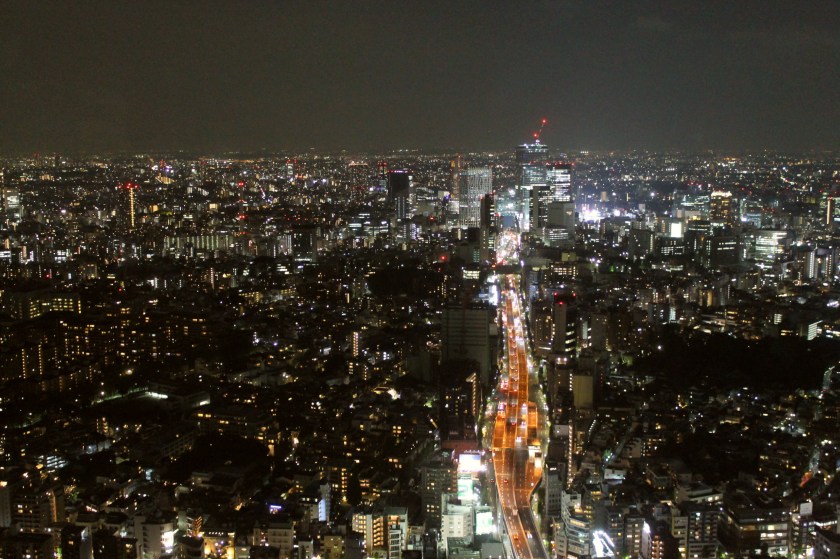
Even from this height Tokyo extends to the horizon in every direction save for the waterfront near Haneda, an endless sprawl of shops, homes, office buildings, izakayas, plazas and parks.
All photos by Big Buddy using a Canon T3. Click on the photos for higher-resolution versions. Trust me, it’s worth it. 🙂
A view from Mori Tower’s observation deck. Shibuya is the bright spot to the right.From Roppongi, Tokyo looks like an endless sprawl disappearing into the horizon.A view of Tokyo Tower, left, and surrounding buildings.
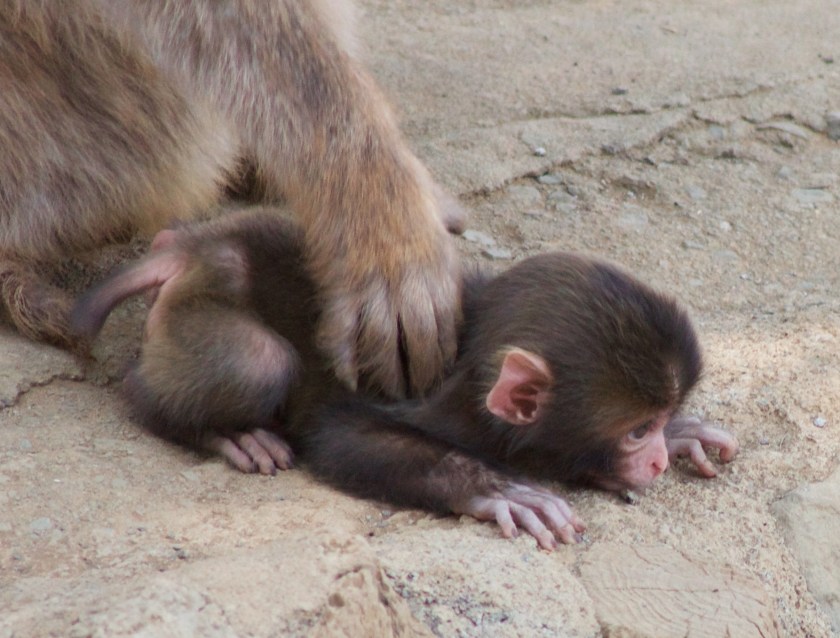
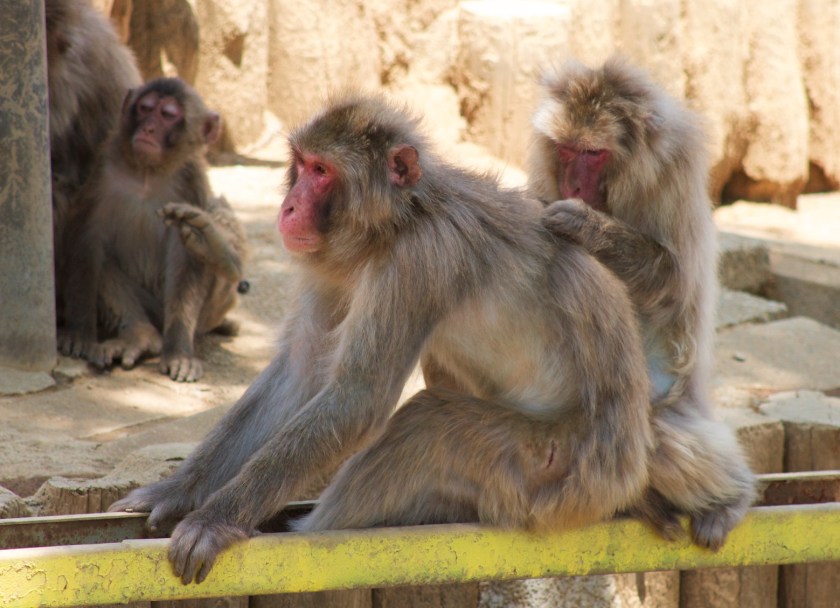
King Buddy issues a royal decree forbidding lesser animals, like monkeys and humans, from upstaging him on his own blog.
Dear Big Buddy,
This letter is to serve as notice that I, Little Buddy, forbid you from befowling my blog with images of any other animals, including humans and snow monkeys. (With the exception of turkey, of course.)
The blog is called Buddy: An Awesome and Handsome Cat for a reason. Readers come here to see me! We don’t want to confuse them with photographs of ugly beasts who fling their poop at each other.
Signed,
Buddy the Handsome, First of His Name, Protector of the Apartmental Realm, Sole Sovereign of the Fields of Turkey, Prime Despiser of Vacuum the Infernal Menace
Dear Little Buddy,
No problem, little guy. I won’t befowl your blog with photos of lesser beasts like humans and monkeys. I’ll befoul it! Muahahaha!
– Big Buddy
Who is this Buddy the Cat you speak of?“What’s a Buddy?”“I have my own Buddy, thank you very much.”“Look at what a cute baby I am! I’ll bet Buddy was never this cute!”“What? He’s on another continent?! What’s he gonna do, bite you? lol.”“I heard cats groom themselves, the selfish jerks.”“A who? No thanks, I already have an annoying little life form to take care of.”“Let all the realm know what Buddy has decreed!”
Walk through a crystalline forest of color-changing LEDs or shoot neon sparks through your fingertips in this unique interactive art installation.
If you’re planning on visiting Tokyo, the Digital Art Lab in Odaiba should definitely have a place on your itinerary.
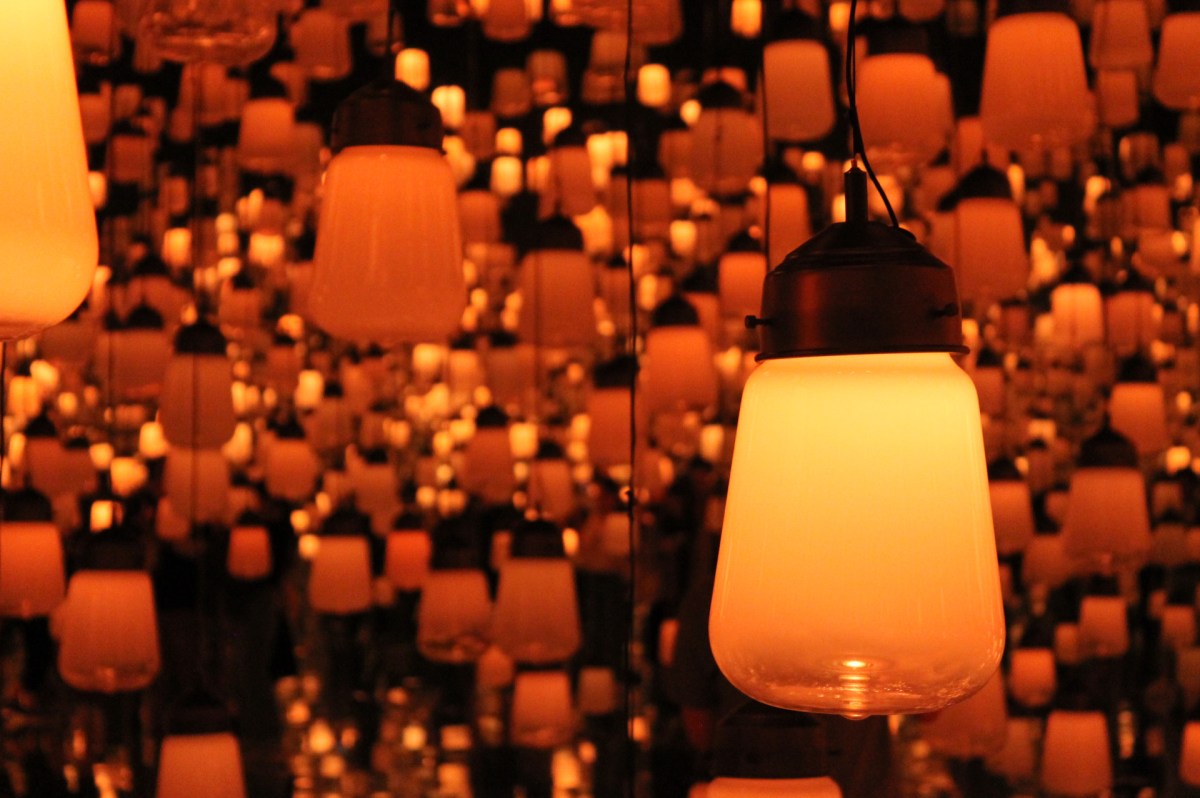
Featuring displays that react to guests’ movements and touch, the interior feels like an endless labyrinth with living art installations that are constantly morphing and traveling between rooms.
In one hallway a stylized lion composed of illuminated flowers walked alongside me, matching me stride for stride. When I stopped, the lion did too. As I raised my camera to snap a photo, the lion turned to regard me and looked straight at me.
Other rooms feature walls and floors that respond to touch, and even a tea house where floral light patterns seem to grow from your tea cup. Move the cup and the flower disperses in the digital wind, while a new one blooms in your cup’s new location.
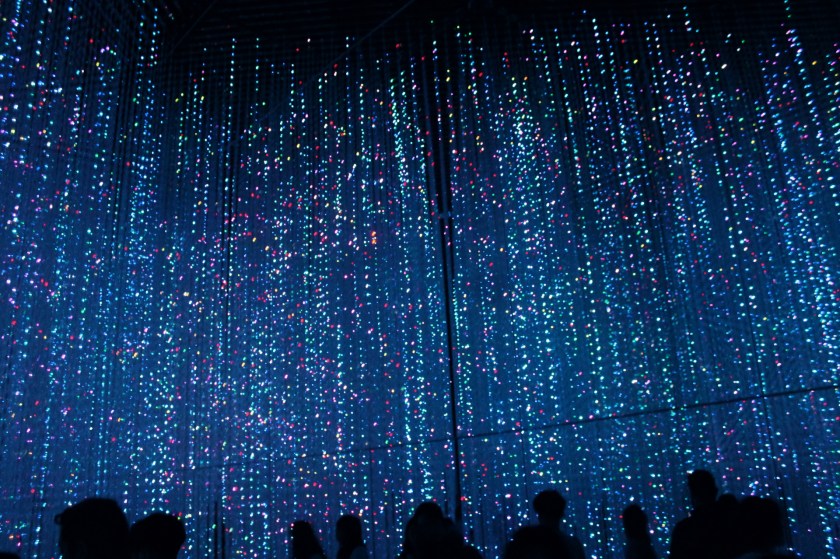
One of my favorite areas was a room comprised of nothing but tens of thousands of LED light strips pulsing to the beat of an epic orchestral track. One moment you’re surrounded by crystalline lights sparkling like stars, the next you’re bathed in digital rain like something out of the Matrix films.
Thousands of LEDs surround a winding path which opens up into a clearing at Tokyo’s Digital Art Lab.
Another room uses angled floors and walls to enhance the effects of a spectacular 3D light show. I had to steady myself as the view lurched out to what looked like a galactic view with stars flying past. The effect was so realistic, I experienced a sense of vertigo.
There’s a mushroom forest, a kids area with illuminated slides and trampolines, and lots of out-of-the-way, hard to find rooms that reward exploration with spectacular displays.
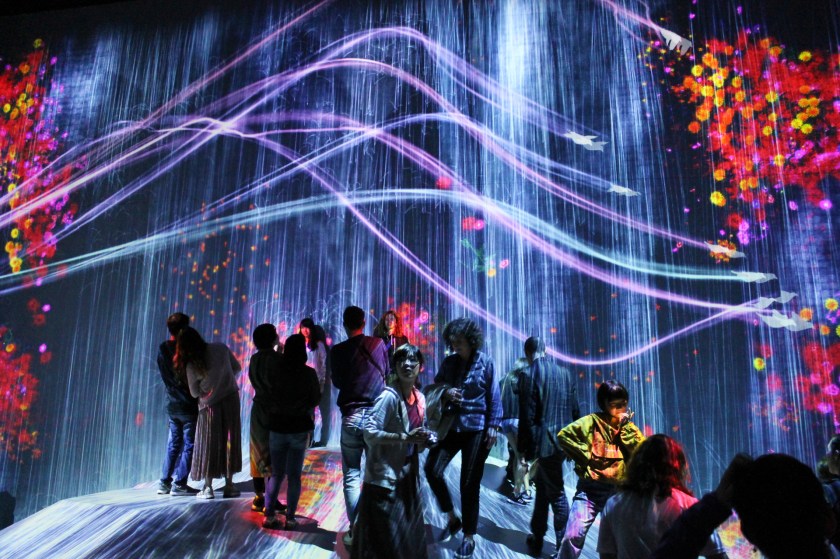
Large rooms like the one pictured here feature dynamic and responsive art displays. Visitors can scatter flowers on the walls by touching them, and divert the flow of waterfalls by standing beneath them.
A 78-foot-tall mecha guards Tokyo’s entertainment district.
Chances are you’ve seen a Gundam even if the name seems unfamiliar.
Gundam are sleek androform robots piloted by humans and often seen wielding massive guns, utility-pole-size katanas and other outrageous weaponry.
The name Gundam is synonymous with “Japanese robot,” and the IP is one of the top 15 highest-grossing media properties in the world, putting it in the same company as franchises like Star Wars, the Marvel Cinematic Universe, the Batman/DC Comics universe and Lord of the Rings.
In other words, Gundam is serious business in Asia.
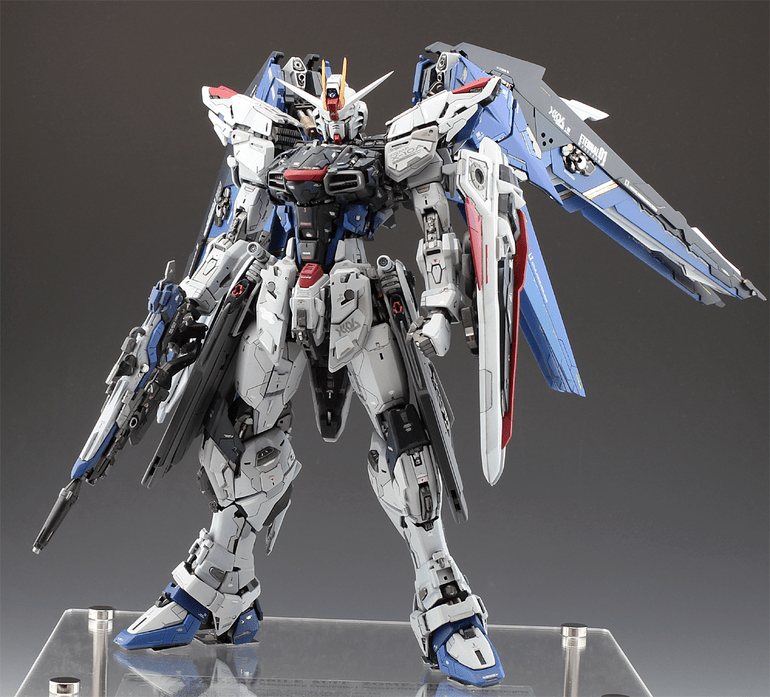
A typical Gundam figurine assembled from a model kit.
The cult franchise began with a 1979 cartoon series and expanded to include movies, manga and spinoffs, but the real moneymakers are plastic model kits of the many mecha in the wider Gundam universe. Gundam mecha account for 90 percent of all model kit sales in Japan, and they’re wildly popular worldwide, including the United States.
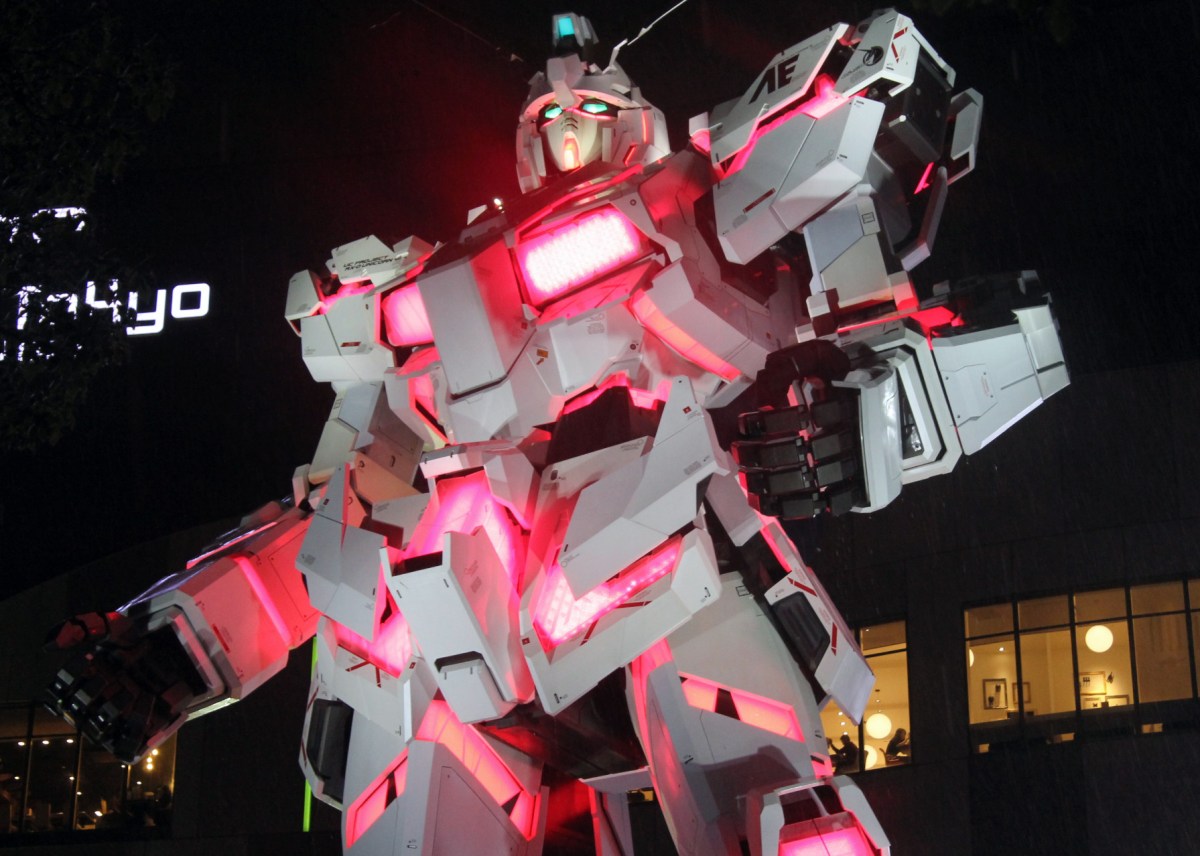
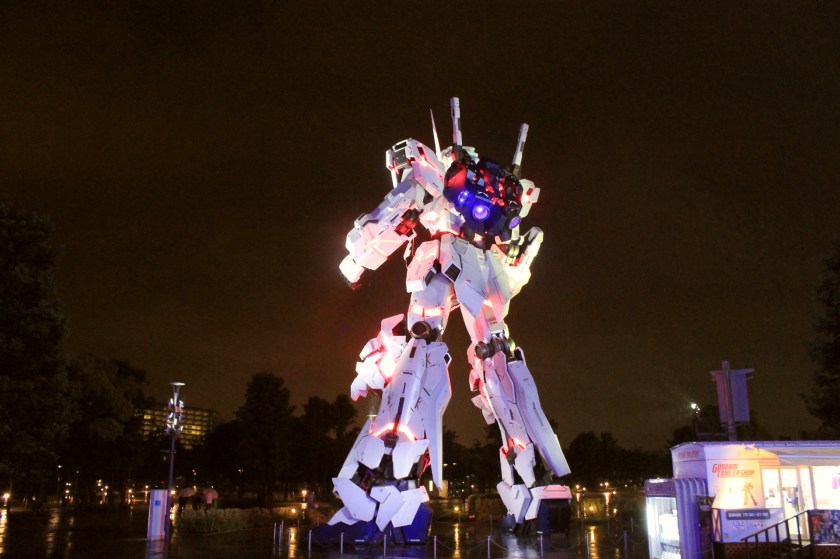
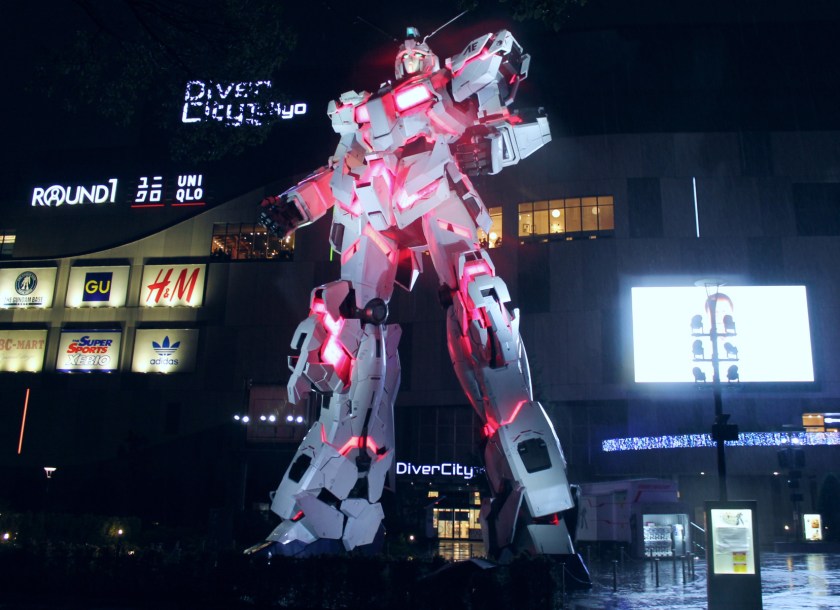
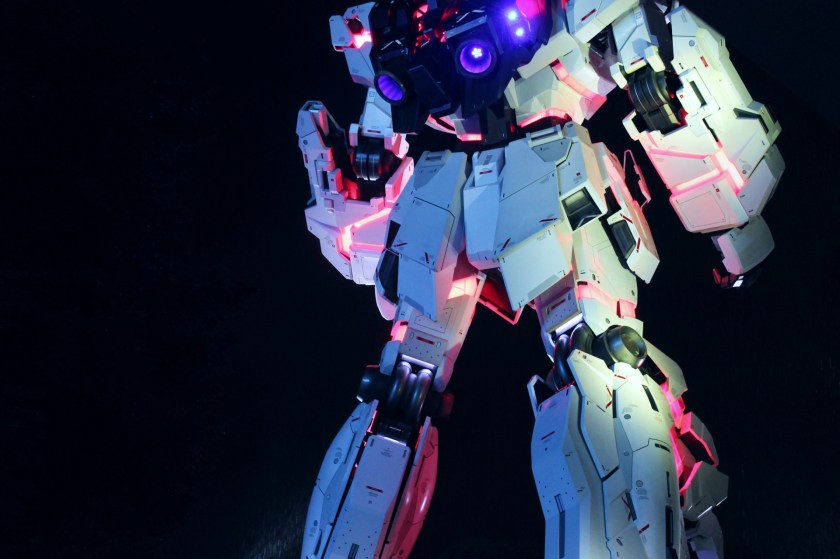
With all of that in mind, maybe it’ll seem a little less crazy that Tokyo has a life-size Gundam standing guard over Odaiba in a major commercial plaza. The 24-meter (78-foot) statue is impressive in its own right, but at night it reaches new levels of awesomeness when the robot’s lights activate, bathing the behemoth in ambient crimson.
A life-size Unicorn Gundam statue keeps watch over the Odaiba district of Tokyo.Facing out from the complex, Unicorn Gundam seems to guard Diver City.
After spending a few hours wandering Tokyo’s incredible Digital Art Lab, it was past sundown and pouring when we reached the statue. I got soaked for my efforts, but it was worth it to see the iconic mecha with my own eyes.
To provide a sense of scale, the average adult male is about as tall as the Gundam’s ankle.
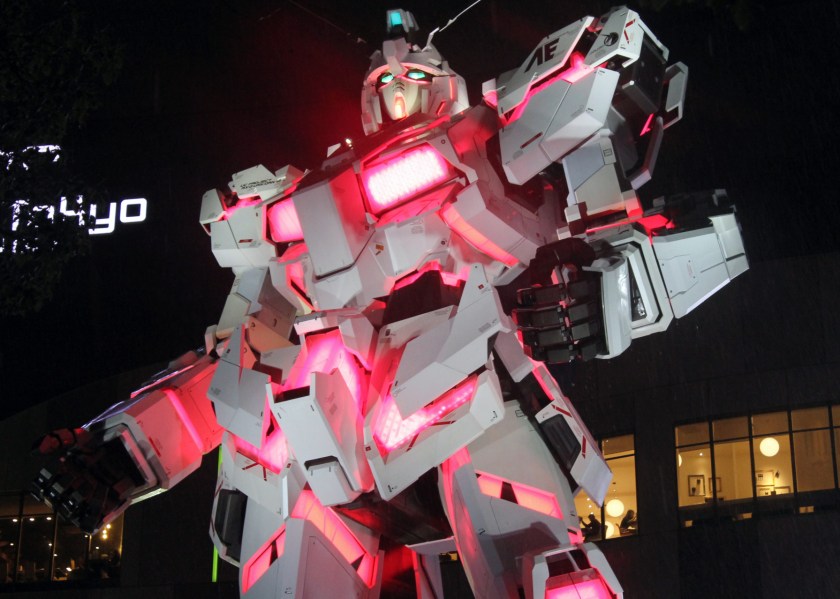
Every half hour after sundown passersby can watch the Gundam transform between “Unicorn Mode” and “Destroy Mode.” Panels and sections on the robot’s torso fold into a new, more aggressive-looking pose, while alternate lights are activated and more protective armor encases the machine’s head.
A close-up shows the illumination of the Unicorn Gundam statue at night.The statue is remarkably detailed and captures the sleek — and iconic — look of the franchise’s mecha.
Buddy isn’t happy with being upstaged by snow monkeys on his own blog and demands his servant return to him immediately.
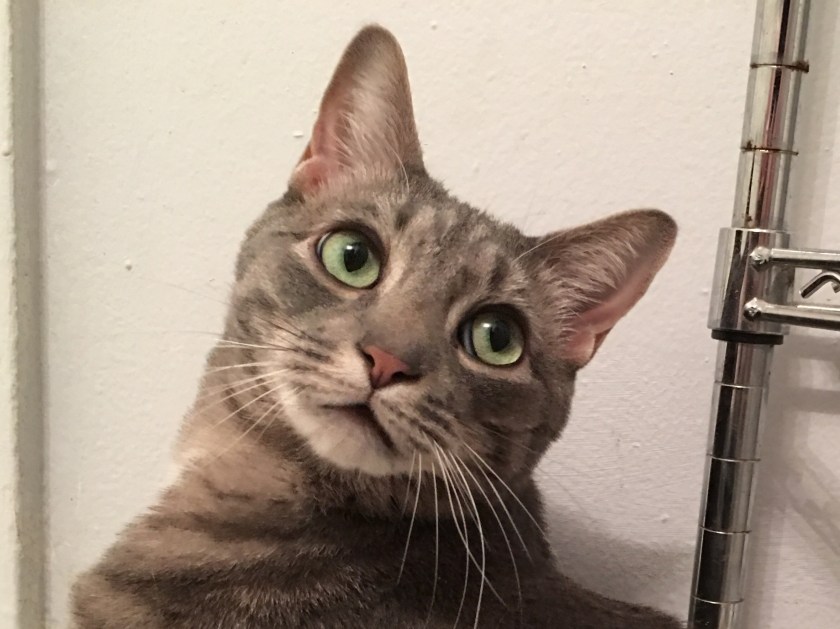
Buddy tells me he’s not happy that his blog — which is supposed to be about all things Buddy, after all — has been taken over by snow monkeys and the bright lights of Tokyo.
Thus we interrupt our regularly scheduled travelogue to check in with His Grace and see how he’s doing.
Yesterday was my brother’s birthday so we FaceTimed with mom back in New York — morning for her, evening for us. Of course I asked if Bud was driving her crazy (she says he isn’t) and called out to him.
He made his way toward the direction of the sound, the iPad, and appeared confused.
“He’s looking for you,” mom said.
She picked him up and showed him the screen, and Buddy started vocalizing with a unique mix of meows and mews. He blinked at me and I blinked back. He kept talking.
But did he really recognize me in the screen? What would serve as a signal?
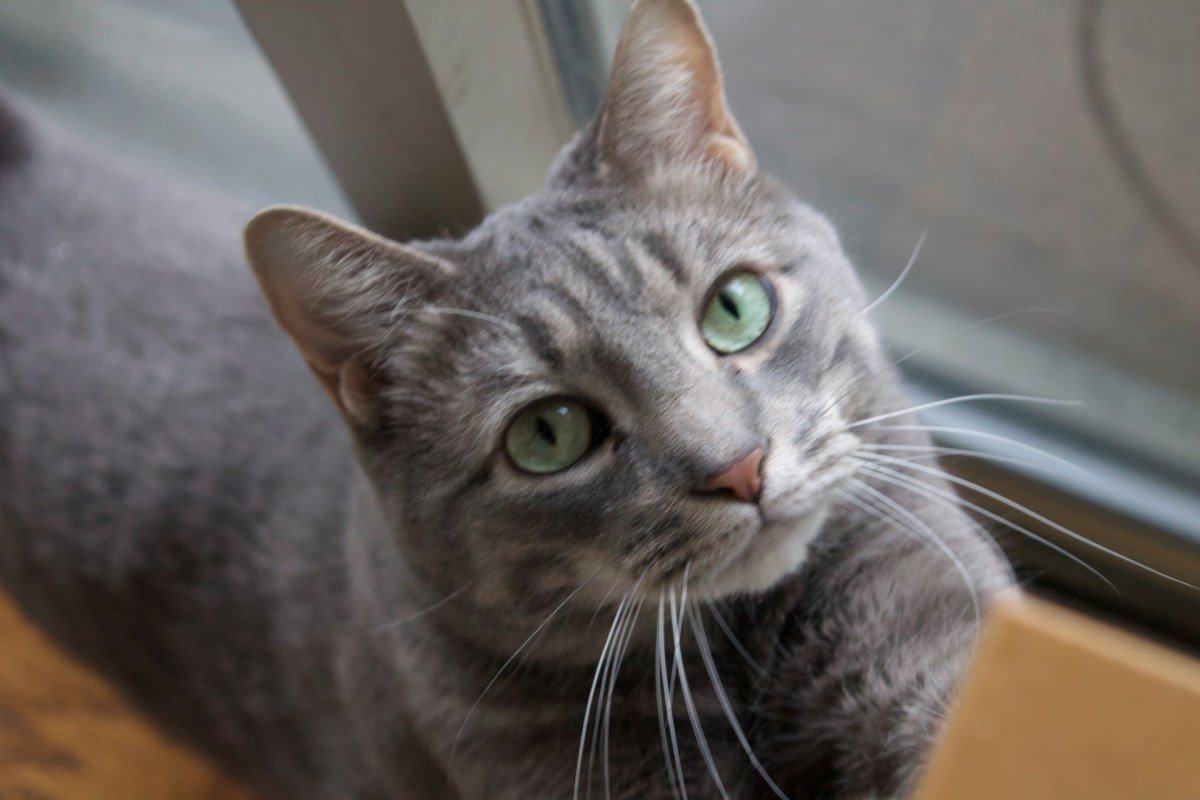
This is an outrage! Who is going to scratch my chin precisely in the way I prefer it? You must return, servant!
That’s when I did the slow one-eyed blink, and he returned it immediately! It’s anecdotal, but I think I can safely say my cat most definitely recognized me on a screen from halfway around the world. He doesn’t do the one-eyed blink unless it’s deliberate, and only as a way of communicating to me.
Now if I could translate those meows and mews I think they might mean something like this:
“Where are you?! The fact that you’re having fun without me is not cool! This servant has been…adequate…but I demand you return to the Kingdom of Buddy immediately and resume your minionly duties! I need my chin scratched, and your mom won’t let me groom her hair. Unacceptable!”
Sorry, little dude. You’re just gonna have to make do without me for a little while yet. And hey, you should appreciate mom. She’s treating you well!
Note: Welcome Japanese readers! I didn’t realize I’d see a flood of new traffic from Japan after enabling location-tagged posting, so this is a pleasant surprise. Yes, this is normally a blog about a cat, but at the moment I’m in your beautiful country and enjoying every minute of it. I hope I’m doing justice to Tokyo and the surrounding areas, and if I’ve gotten anything wrong, please don’t hesitate to correct me. Cheers!







 Pain In The Bud