WaPo’s Guide To Taking Better Photos Of Your Cat, PLUS: Snopes Weighs In On Cats And Bubonic Plague

A historian casts doubt on tales of widespread cat purging, tracing the origin of the claims to a novel published in the 1990s.

The Washington Post has a new guide for taking better photos of cats and dogs with some solid advice for people using smartphones as well as more traditional cameras.

The article is in front of the paywall so you don’t need a subscription to view it, and it emphasizes a few major points I’ve often written about when people ask me how I’ve been able to get certain shots of Bud:

  • Always let your cat get used to the camera, whether she sniffs it, head butts it or just wants to see it up close. Let her check it out and lose interest and then it becomes just another thing, allowing you to begin capturing more candid-style photos.
  • Bribe ’em: Your cat’s a model and deserves compensation. A few treats will keep him hanging around and happy as you snap away.
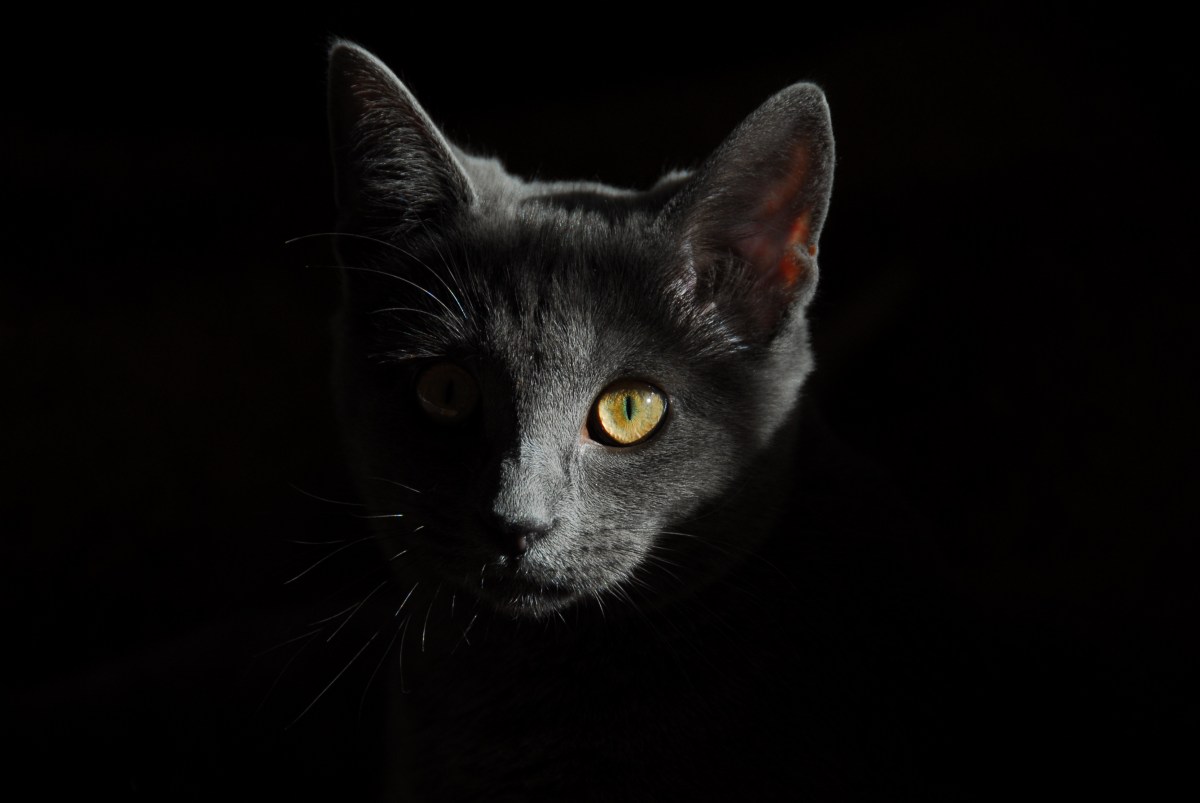
  • Pay attention to the lighting, especially if you’re shooting a black cat or a kitty with a darker coat pattern. Unless you’re going for a silhouette or a sunrise behind your furry friend, keep your cat facing to the right or left of the primary light source so you’re getting light and shadow to put those feline features in relief. It’s also worth taking a close look at how professional photographers shoot melanistic jaguars and leopards, carefully using light to highlight their features. In the right conditions their rosettes are still visible, they’re just slightly different shades of black. While house cats don’t have rosettes, the same attention to light and detail can help pick out the contours of their beautiful coats.
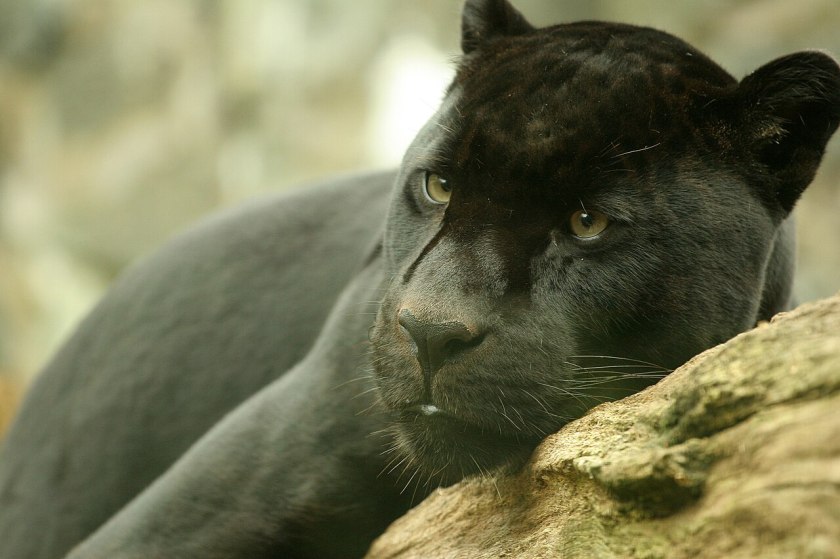
Black jaguar at Edin Zoo
Under the right light conditions, the contours, spots and rosettes of a black jaguar are visible in beautiful detail. Credit: Edin Zoo/Wikimedia Commons

Did People Really Slaughter Cats During The Plague?

It’s often claimed that Europeans murdered felines en masse during the waves of Black Plague that devastated Europe during the Dark Ages, visiting countless cruelties on cats while inadvertently amplifying the spread by nearly wiping out disease-carrying rodents’ most effective predators.

In a new post that closely examines documents and evidence from burial sites of the era, Snopes concludes there was much less cat-killing than claimed, and the claims of widespread purging at the hands of pandemic-weary zealots have their roots in a 90s novel, which was then circulated on the web as fact.

Sites where as many as 79 sets of cat bones from the era were found show clear signs that the animals were slaughtered for their fur, and a singular slaughter in 1730s Paris often cited as proof is not only a few centuries off but was also motivated by class hatred, not fears of the plague.

While the papal bull Vox In Rama was real, and a famously zealous inquisitor really did make the preposterous claim that Satanists had a ritual that involved literally kissing the asses of black cats, the pope never called on anyone to kill felines and there’s no evidence that people took it upon themselves to do so. There was plenty of other unbelievable superstitious idiocy that led to the deaths of animals at the time, including the practice of putting animals on trial for alleged crimes, but Europeans weren’t rampaging through towns and killing cats.

Snopes quotes Welsh historian Mike Dash, who says the modern claims of widespread cat-killing are “almost certainly a modern internet-based fabrication.”
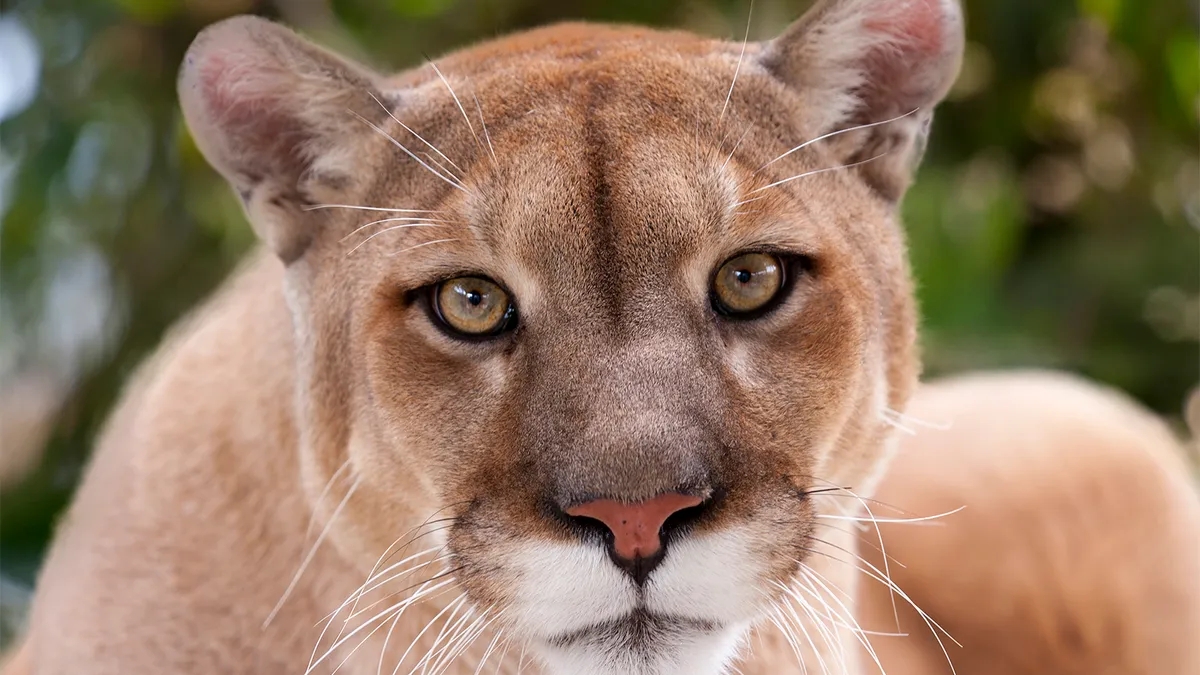

What’s The Difference Between A Puma, Mountain Lion, Cougar, Panther and Catamount?

The puma is known by more names than any other mammal, a fact that reflects its incredible resilience and wide range.

The puma goes by a lot of names. So many, in fact, that it holds the Guinness world record for the mammal with the most names, with more than 40 monikers in English alone.

Add the puma’s various appellations in Spanish and the indigenous tongues of south north America, and the large golden cat has probably had at least 100 names by a conservative estimate.

Cougar, panther, mountain lion, catamount, Florida panther, Carolina panther, ghost cat, gato monte, cuguacuarana, painter, screamer — they’re all names for puma concolor, a felid with the size of big cats in the panthera genus but genetics more closely related to non-roaring “small” cats, including felis catus.

Indeed, although pumas are famously capable of the wild cat “scream,” they’re able to purr just like house cats and their small- to medium-size wild relatives.

Why does the puma have so many monikers?

Mostly it’s because the adaptable, elusive feline has a vast range that historically covered almost the entirety of two continents:

Cougar_range_map_2010
Credit: Wikimedia Commons

Even today cougars exist in healthy numbers across most of South America and the western United States. They’re wanderers, with pockets of smaller populations in places like Florida and the midwest, and individual mountain lions have been spotted as far east as New York and Connecticut. (The New York region known as the Catskills, derived from “cat creek” in Dutch, was named after pumas when the area was part of their regular range.)

Throughout their history they’ve been familiar to a diverse group of human civilizations, societies, nations and peoples, from the Aztecs, Inca and Mayans, to the indigenous tribes of North America and the First Nations of Canada, to the inhabitants of modern-day countries like the US, Panama, Brazil, Mexico, Venezuela, Colombia, Ecuador, Paraguay, Bolivia, Chile and Argentina.

Puma
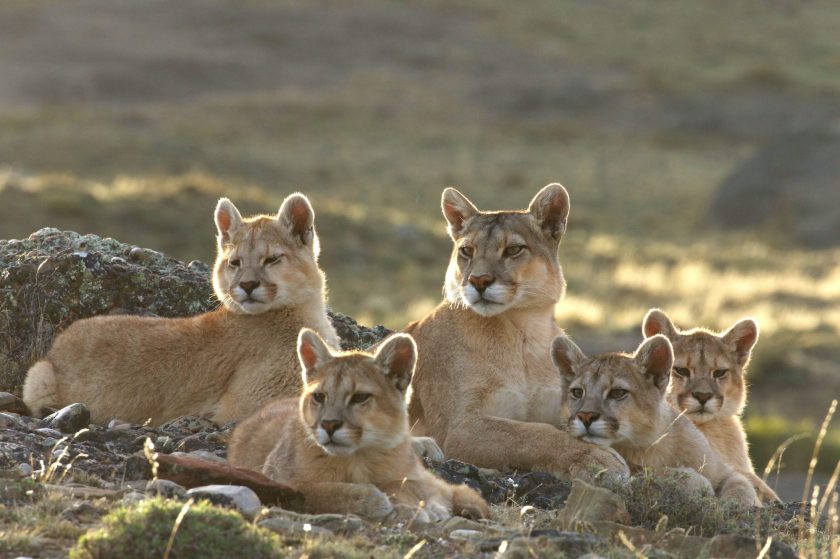
A puma with her cubs. Credit: Nicolas Lagos

But the name confusion doesn’t just stem from the puma’s many monikers bestowed by people of different cultures across space and time. The puma is also one of three cat species that are regularly called panthers. The other two, jaguars (panthera onca) and leopards (panthera pardus), are true “big cats.” That means they’re members of the genus panthera and they can roar but not purr.

Pumas are easily distinguishable from the other two: They have smooth golden fur without adornments, while jaguars and leopards both have blotches called rosettes.

It’s difficult to tell jaguars from leopards, but the biggest giveaway is the fact that jaguars have solid dot-like markings within their rosettes while leopards do not. In addition, leopards have much longer tails than jaguars or pumas, as they need the counterbalance provided by their tails to help them climb trees and balance themselves on tree limbs.

Jaguars are excellent climbers as well, but they don’t need to be as adept at living off the ground — they are the apex predators in the Americas, while leopards coexist with lions and other large animals like Cape buffalo that present a danger to the big cats even if they’re not predators.

Which brings us to our last point: Our many-named friends, the pumas, may be big and they may look dangerous, but they’re not. There have been 27 humans killed by the elusive cats in more than a century in the U.S., according to the U.S. Fish and Wildlife Service, compared to about 3,000 deaths from dog bites over the same period. Between 30 and 50 people are killed by dogs each year.

Most confrontations between humans and pumas happen when the latter are threatened and cannot escape, or when a female is protecting her cubs.

So if you live in an area where you have a chance to see these beautiful cats, admire them and keep your own kitties indoors, but don’t freak out — the puma you see one second will be gone the next.

nature animal wilderness head
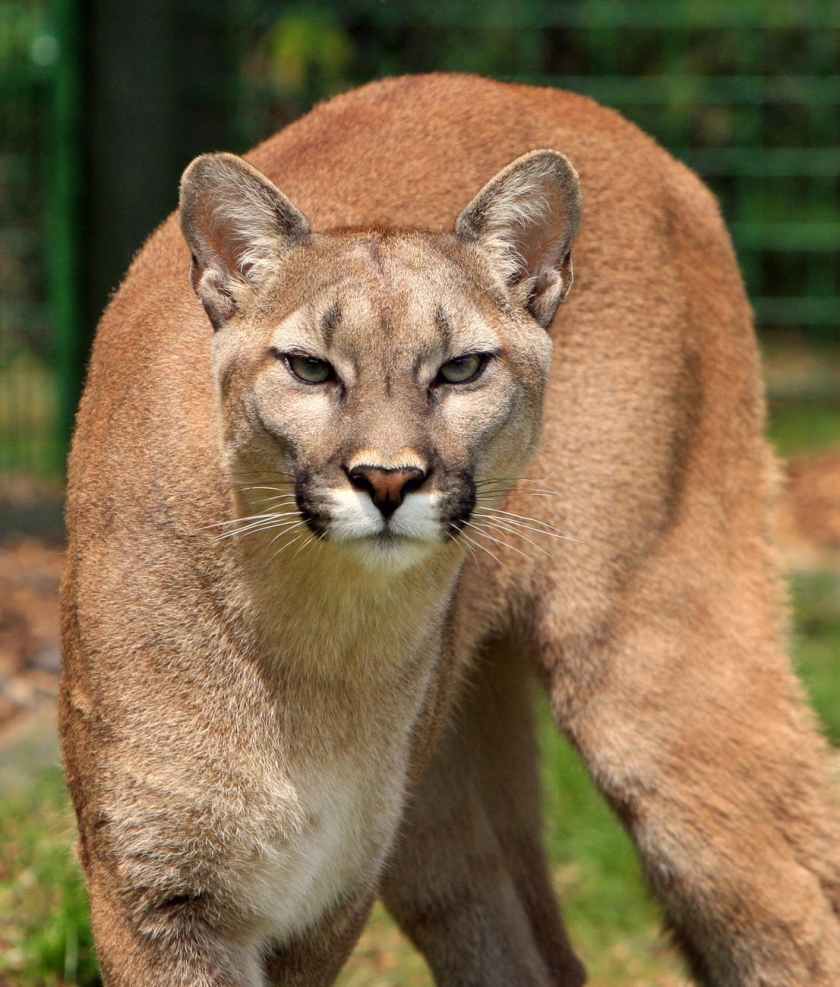
A captive puma. Credit: Pexels.com