
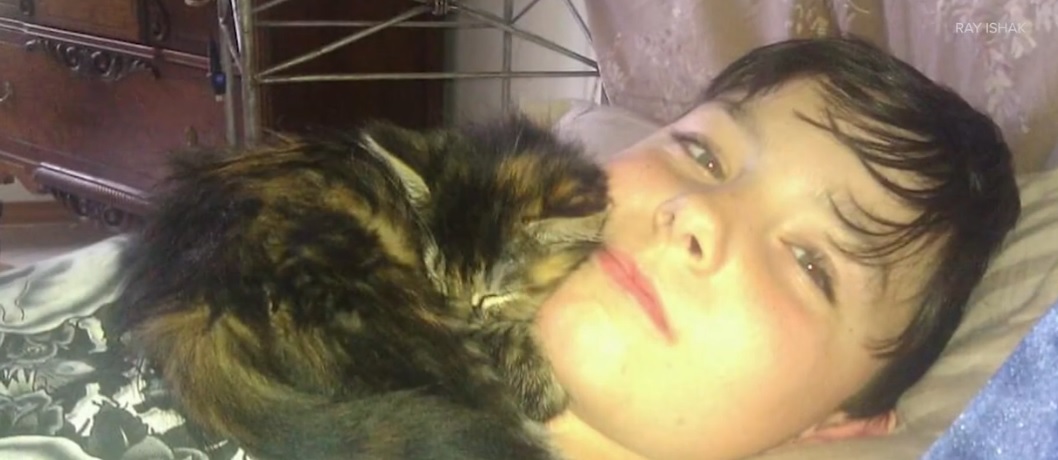
An Amazon delivery driver took a Washington family’s cat and drove away with her on July 21.
Since then, Amazon has admitted its driver has the cat, but has offered little more than carefully-worded customer service responses mixed with boilerplate language about valuing the family’s business and feedback.
Ray and Karin Ishak have video of the driver petting and playing with 13-year-old Feefee in the family’s driveway during the delivery. The motion-activated camera timed out, according to a report by Seattle ABC affiliate KING5-TV, but when the camera began recording again, triggered by the driver pulling away, Feefee was gone.
“The driver [was] driving away and there’s not a cat in sight. It’s pretty obvious the cat disappeared in those seconds,” Ray Ishak told the station, adding he filed a report with the Snohomish County Sheriff’s Office.

Amazon has chosen to deal with the incident via email, as if it’s a dispute over a returned item rather than a living being who is valued as a family member by her people.
A company customer service representative told the Ishaks that the driver said she contacted the police to return Feefee, but the family called the sheriff’s office and the police in Everett, Washington, where they live, and both agencies told them they hadn’t heard from the driver or from Amazon.
The Ishaks asked Amazon if the company could at least tell them the town or city where the driver lives, figuring the driver may have contacted police there instead of the departments that have jurisdiction over their hometown. Amazon declined to provide that information.
When the Ishaks followed up with Amazon again, a customer service representative said she’d be happy to help — if the police approach Amazon. She provided an email address for law enforcement use only, said Amazon will cooperate if the police contact them, and ended the reply with a request to “vote about your experience today.”
This is an awful response by Amazon, and the company deserves any bad PR it gets as a result. The very first thing the company should have done was escalate the ticket to a manager empowered to take care of the case directly, and that manager should have picked up the phone, called the family and promised to get their cat back immediately.
If the company doesn’t have anyone in its customer care hierarchy who understands why it’s important to make that kind of judgment call, then it’s done a poor job of hiring and training its employees.
Alternately, Amazon’s known for keeping its employees on an extremely short leash — the company is notorious for watching its employees via cameras, has been fined tens of millions of dollars for “excessive surveillance” of its own workers, has forced employees to “justify” things like bathroom breaks, and operates on founder Jeff Bezos’ belief that employees are “inherently lazy” — so if the email-only response was due to strict company policy, that’s another negative that can be chalked up to a toxic corporate culture.
Treating this like a routine complaint only exacerbated the Ishak family’s stress and uncertainty regarding the fate of their beloved cat. Putting the onus on the family and the police to sort out of the problem makes things worse, and you’d think any halfway competent customer service rep would skip the “rate your service” pitch, at least until after the problem is solved and Feefee is back with her family.
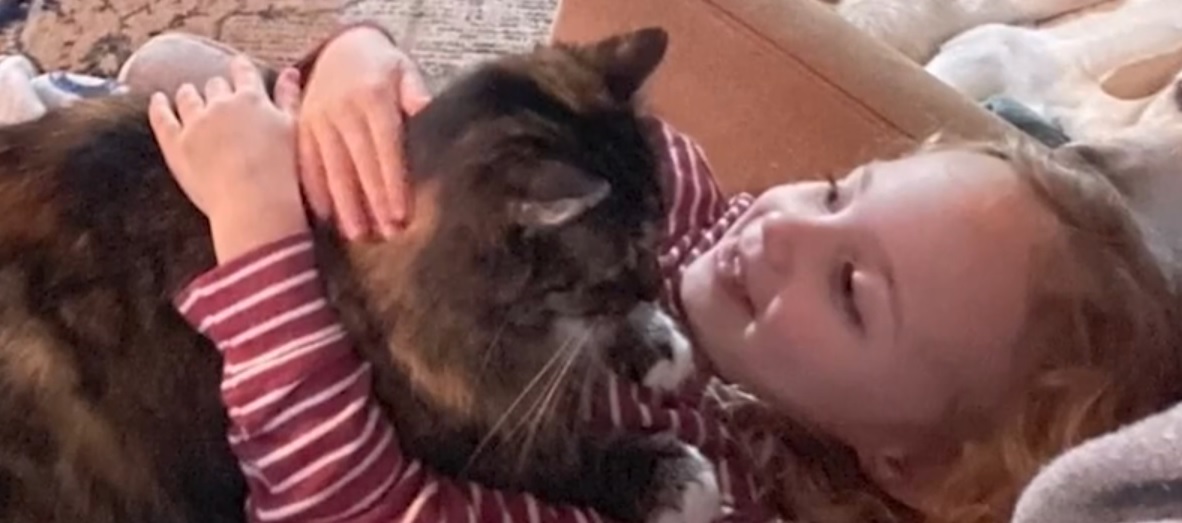
It doesn’t matter how massive and successful the company is, there has to be a better way to handle issues like this without requiring even the police to approach Amazon like customers dialing a service line, or supplicants petitioning a king to turn his gaze toward a situation that normally falls beneath his notice. There’s also no recognition of the impact on Feefee, who is almost certainly confused and stressed at being separated from the only home and family she’s known for her entire life.
Lastly, Amazon missed an opportunity to respond with compassion and earn the gratitude of a family whose members are obviously very concerned about their cat. A PR win like that is worth a thousand commercials, and can earn enormous good will with customers. Instead, people will hear about how the company treats a problem like this as if a customer is returning a shirt that’s too small.
As for the Ishak family, they say they’re giving the driver the benefit of the doubt. Maybe she thought Feefee was a stray. But, as Ray Isha told KING5, it’s been made abundantly clear that Feefee is a beloved member of the family, and she needs to be returned.
“Maybe you did this out of the kindness of your heart,” Ray Ishak said. “I appreciate it, but bring me my cat back.”
Top image of Feefee as a kitten with one of Ray Ishak’s grandchildren courtesy of Ray Ishak, via KING5.


 Pain In The Bud