Review: The Backrooms Conjures Dread From The Mundane

The 2026 hit psychological horror film originated as a photo posted to an internet forum in 2019, and is one of the internet’s most notorious legends.

The Backrooms began in the humblest of ways, as a photo posted to a message board in 2019 after a user requested images that “feel off.”

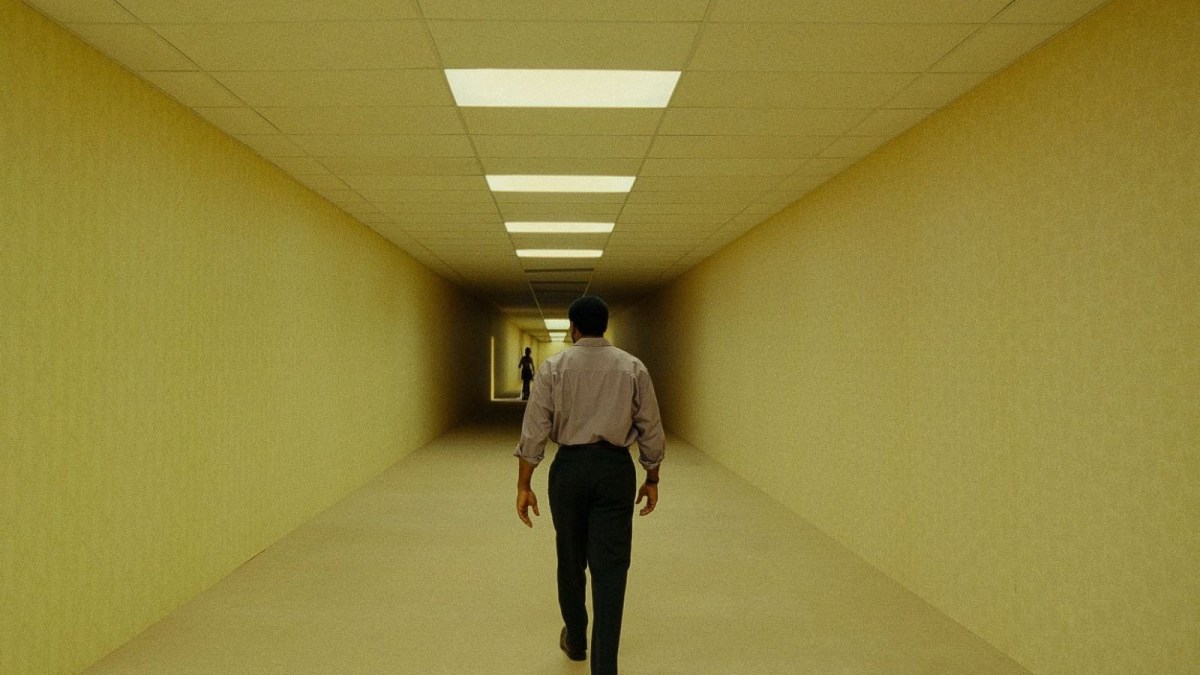
The photo showed a dated office space with faded yellow wallpaper, harsh fluorescent lights, a dingy carpet and a layout that suggested the space went on forever in a logic-defying maze.

As users joked about the image, they didn’t realize they were creating lore that would ripple across the web for years, a collaborative improvisational effort that vaulted the photo from mere image to a meme.
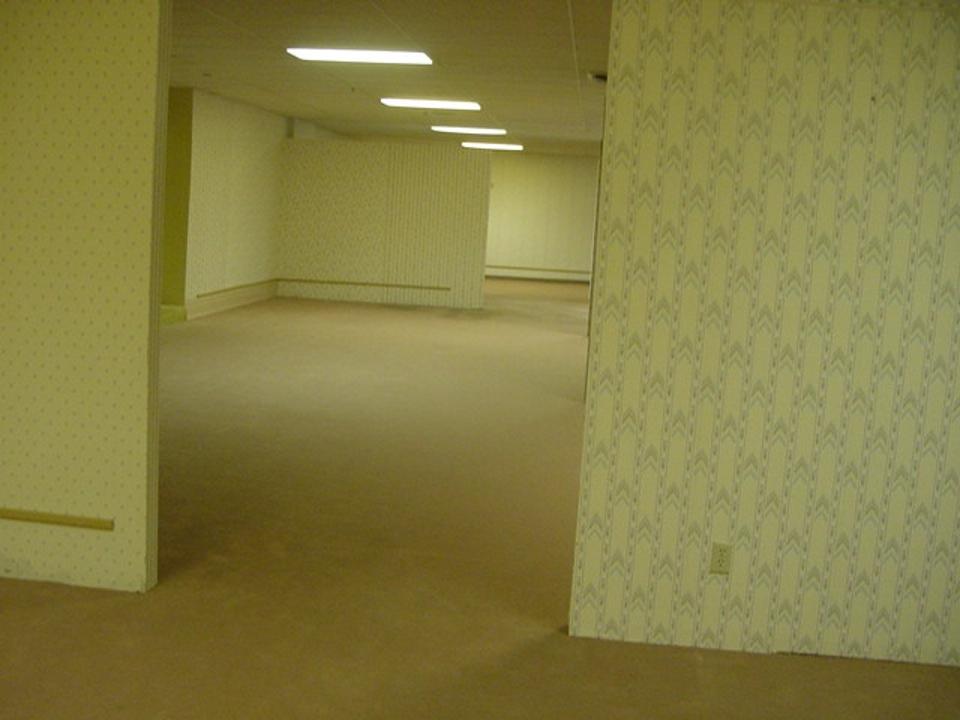
An empty, well-lit room with beige floors and patterned wallpaper, featuring a simple layout and no furnishings.
The original “backrooms” photo posted to 4chan in May of 2019.

Meme became internet legend, legend became a series of web shorts and games expanding on the concept, and this year it became a film by A24 with a budget of $10 million and box office revenue exceeding $400 million, a massive success by every standard.

Chiwetel Ejiofor (Children of Men, Life of Chuck) plays Clark, a furniture store salesman who is deeply unsatisfied with his life. Clark, who lives and sleeps in his store after hours, stumbles on a hidden portal in the basement that leads to a seemingly infinite dimension of rooms, hallways and strange chambers that feels like the work of an architect on powerful hallucinogens.

When Clark tries to explain what he’s found to his therapist, Mary, she thinks he’s conjuring up the existence of this secret place as a way to cope with his frustrations. Angered by her disbelief, Clark vows to bring her proof. Then he recruits his assistant manager, Kat (Lukita Maxwell) and her videographer boyfriend Bobby (Finn Bennett) to help him chart the bizarre maze while documenting their efforts on film.

The movie does a remarkable job of accumulating dread. I’ve been familiar with the concept of The Backrooms for years and played one or two of the indie video game adaptations, so I was immediately on edge as Ejiofor’s Clark began creeping further into the maze from his first visit, apparently unconcerned about finding a way back.
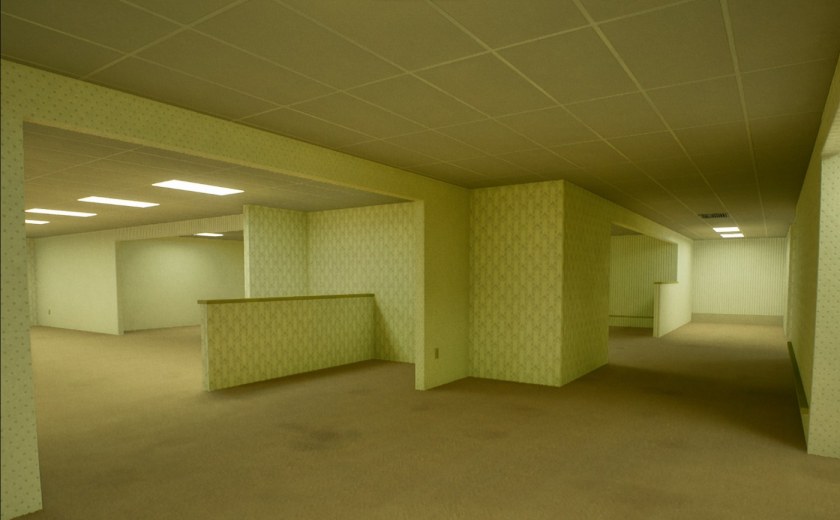
An empty interior space featuring light green patterned walls, a beige carpet, and a drop ceiling with fluorescent lighting.
How do you find your bearings in a place like this? Credit: A24
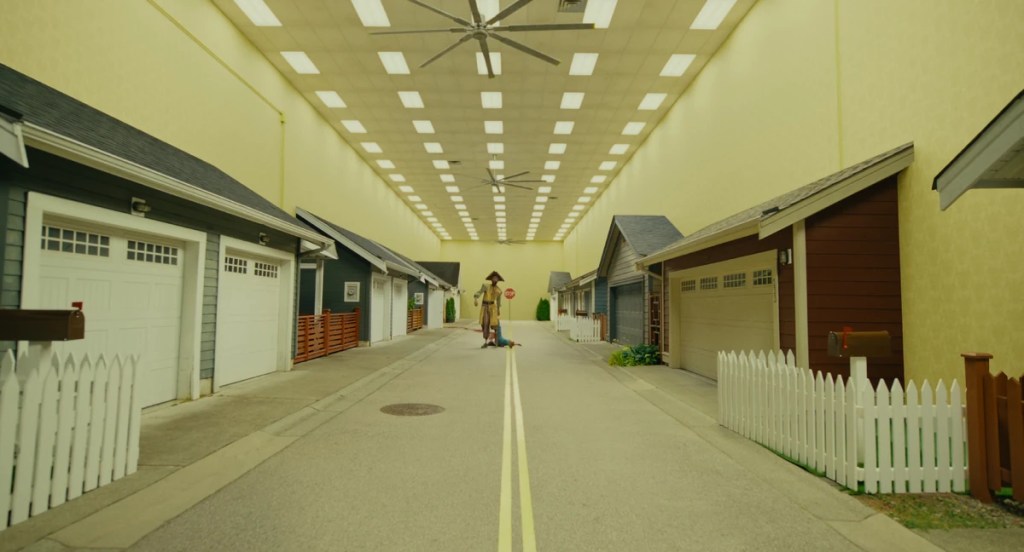
A narrow street lined with colorful houses and white picket fences, illuminated by overhead lights, showcasing a whimsical and surreal neighborhood atmosphere.
A scene from the movie showing a nonsensical recreation of a suburban street with its structures embedded in the walls. The Backrooms inflicts claustrophobia in part by denying those trapped inside any glimpse of the outside world, so you’re never sure where you are or whether an exit really exists. Credit: A24

Like the excellent 2019 game Control, about a woman trying to find her brother in a vast building that is larger on the inside than its structure logically allows, and rearranges itself in seemingly random ways, The Backrooms follows no familiar rules or logic. Its halls and rooms feel relentlessly claustrophobic even when they’re cavernous, and there’s no guarantee that the path you took on your way in will still exist when you try to get out.

The details are all wrong as well. Floors slope in counterintuitive ways, tiny doors open into vast rooms, furniture sinks into the floor or hangs from the ceiling, and the context is always distorted.

The endless yellow maze may abruptly turn into a tiled pool area filled with water, but in a shape and design that no one would ever build. A room filled with random objects — shoes, furniture, traffic signs — might open up to what looks like a recreation of a suburban street inside a vast chamber, or a dark room filled with Christmas decorations. If you try to turn back, you may find no trace of the space you were just in.
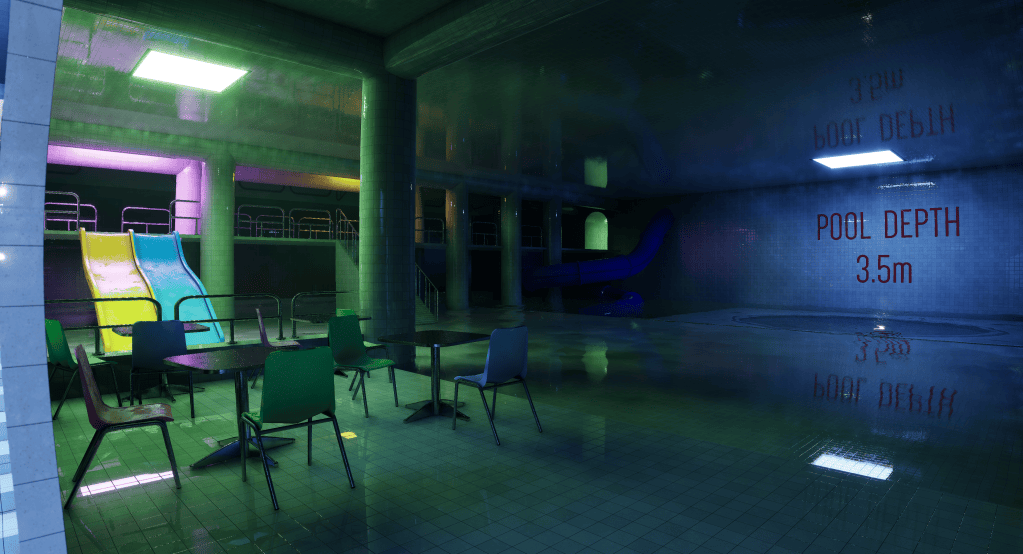
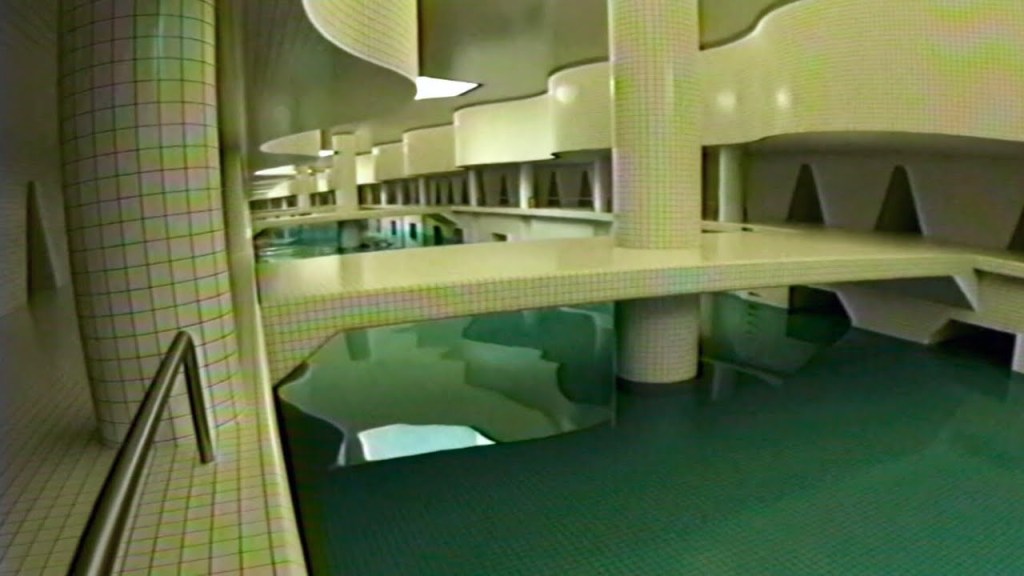
Interior of an abandoned indoor swimming pool with colorful water slides, tables, and chairs. The water reflects a depth measurement of 3.5 meters on the wall.
No one would ever design a room like this. Screenshot from one of the many games based on The Backrooms concept.
Interior view of a modern swimming pool area featuring white tiled columns and unique architectural shapes, with clear blue water reflecting the lighting.

And then there are the noises, the tormented shrieks that seem to come from just around the corner, the shadows of unseen figures, and the objects that appear and disappear without any discernible pattern.

Of course there wouldn’t be a movie if Clark and company were able to come and go at will unscathed, and when Clark seems to vanish, his therapist Mary (Norwegian actress Renate Reinsve) goes looking for him.

Like the others, she is not prepared for what she finds.

So what makes The Backrooms so damn creepy?

Since it became a phenomenon, psychologists have tried to answer this question. The most common theories involve:

  • The extremely unsettling concept of an infinite maze where mundane items and surroundings become deeply disturbing when they’re placed out of context. Everything inside The Backrooms is familiar, but that provides no comfort in the utter isolation of a soul-deadening labyrinth where reality’s rules bend and break.
  • The idea of liminal spaces, locations where we expect to find people, voices, laughter, activity, and instead find nothing at all. Think of an eerie abandoned shopping mall, a place where thousands of people once walked its wide corridors, now reduced to a lifeless husk. Or an abandoned city like the real life ruins of Herculaneum and The Wheel of Time’s fictional Shadar Logoth, silent for thousands of years where once people worked, children played and merchants hawked their wares. Everything you can see is human-made, or at least an imitation of things people make, but there isn’t so much as another person’s footfall, at least until a sense of deep isolation sets in and the suggestion of another living soul triggers paranoia instead of relief.
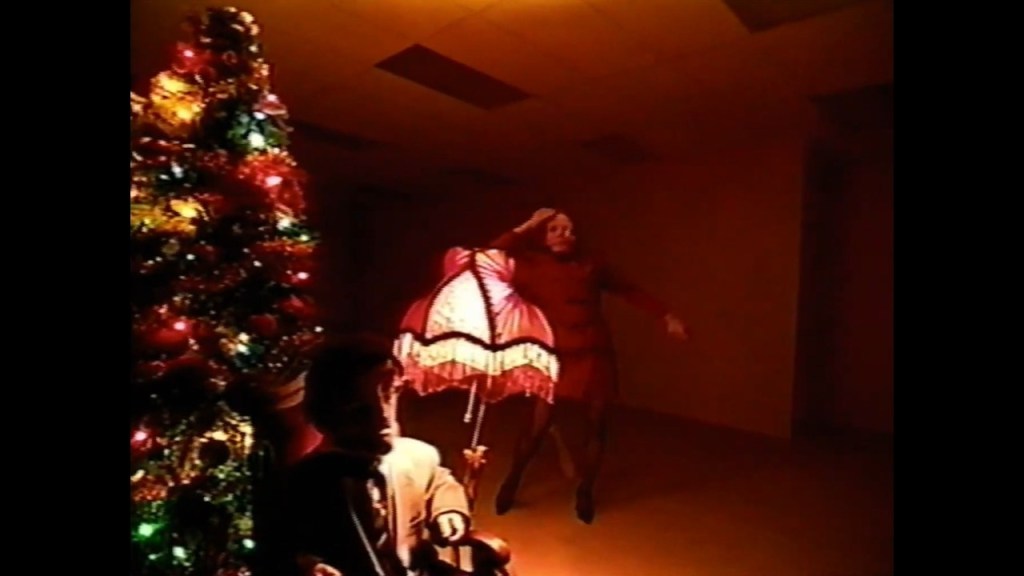
A dimly lit room featuring a Christmas tree adorned with colorful lights on the left, while a woman in a red dress dances near a vintage lamp on the right, with a mannequin seated in the foreground.
The “Christmas room” from the movie. Credit: A24

Of course there are other elements to it as well, something we can’t quite put our collective finger on. The concept triggers something primal in the human brain, an unsettling feeling when you know something’s deeply wrong but you you cannot make sense of your surroundings.

Having played several of the game adaptations, I can say that, for me at least, experiencing The Backrooms as a narrative, through the eyes of characters who have lives and things to lose, is considerably more effective than wandering the same spaces as a nondescript character in a video game.

The same feeling of despair is there, especially the panic that sets in when you realize you cannot trace your way back, that the only way out is through, and that you’re at the mercy of The Backrooms themselves, whether they’re guided by an intelligence or something more bizarre and ethereal.

There are no true jumpscares here, or at least not in the way most of us imagine them in the horror genre. The horror comes from the ever-building sense of dread, disorientation and the characters’ descent into madness. The movie does an effective job of winding the tension ever tighter until it seems like there is no escape.

Fans of the meme and internet lore will find lots to like here, but even if you’ve never heard of The Backrooms concept before, the film will find a way to tunnel into the primal part of your brain and convince it there’s something profoundly wrong, even if you can’t articulate what it is.
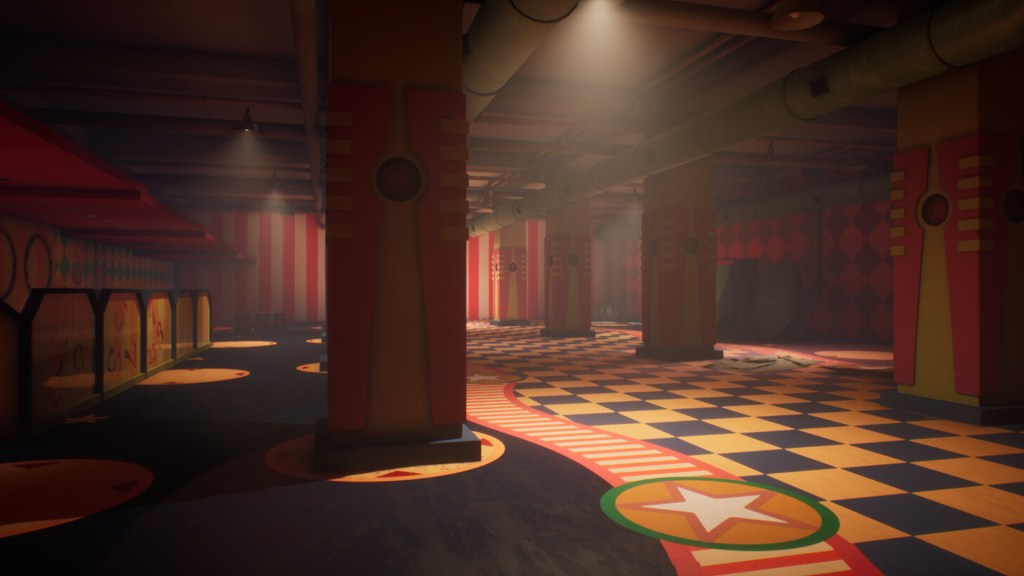
An interior view of a colorful, circus-themed space featuring striped walls, patterned flooring, and distinct columns. The lighting creates an atmospheric vibe with shadows and highlights across the room.
A screenshot from one of the games based off The Backrooms concept. Yellow hallways give way to “poolrooms,” strange dioramas of suburban neighborhoods, and liminal play spaces.

Hugely Popular Influencer Abuses His Cat For Clicks

Hasbulla filmed himself pulling his cat by its ear and repeatedly smacking it.

Even if you haven’t heard the name Hasbulla Magomedov, chances are you’ve seen images of the Russian’s cherubic face, which exists in the pantheon of internet memes with the likes of Cash Me Outside Girl, Kermit and Condescending Wonka.

Magomedov is not a child, despite his 3’4″ stature and toddler-like appearance. He’s an adult man who suffers from a form of dwarfism, although he’s never publicly spoken about his condition in detail.

HASBULLA

Normally known simply by the mononym Hasbulla, beyond his status as a meme the diminutive Russian is mostly known for hawking garbage (cryptocurrency, self-branded merchandise, supplements) and for his nebulous association with mixed martial arts, existing as a sort of barnacle on the UFC where he appears at weigh-ins, uploads video of himself providing commentary and is carried around as a kind of good luck totem by Russian fighters.

Now Hasbulla is famous for something else — horrifically abusing his cat.

In a new video — which Habsulla was apparently proud of and voluntarily shared publicly — the 20-year-old speaks in his native Russian while pulling violently on his cat’s ear. The feline — which is terrified of Hasbulla and flinches when he approaches — escapes to the safety of a shoe box, but his tiny tormentor follows, smacking the poor cat on its body and head while barking in the gutteral nonsense that passes for a language in his gas station of a country:

Hasbulla boasts six million followers on Instagram, 1.5 million on Twitter, and his videos on TikTok have amassed an astounding 10.3 billion views.

The video is disturbing enough on its own, though I can’t help but wonder if Hasbulla is willing to share this kind of behavior, what’s going on when the cameras are off?

And if people are willing to physically abuse their cats to feed the content beast and keep their viewers “entertained,” how will they lower the bar in the future when their clicks slow down and they feel they need to do something even more shocking to reignite interest?

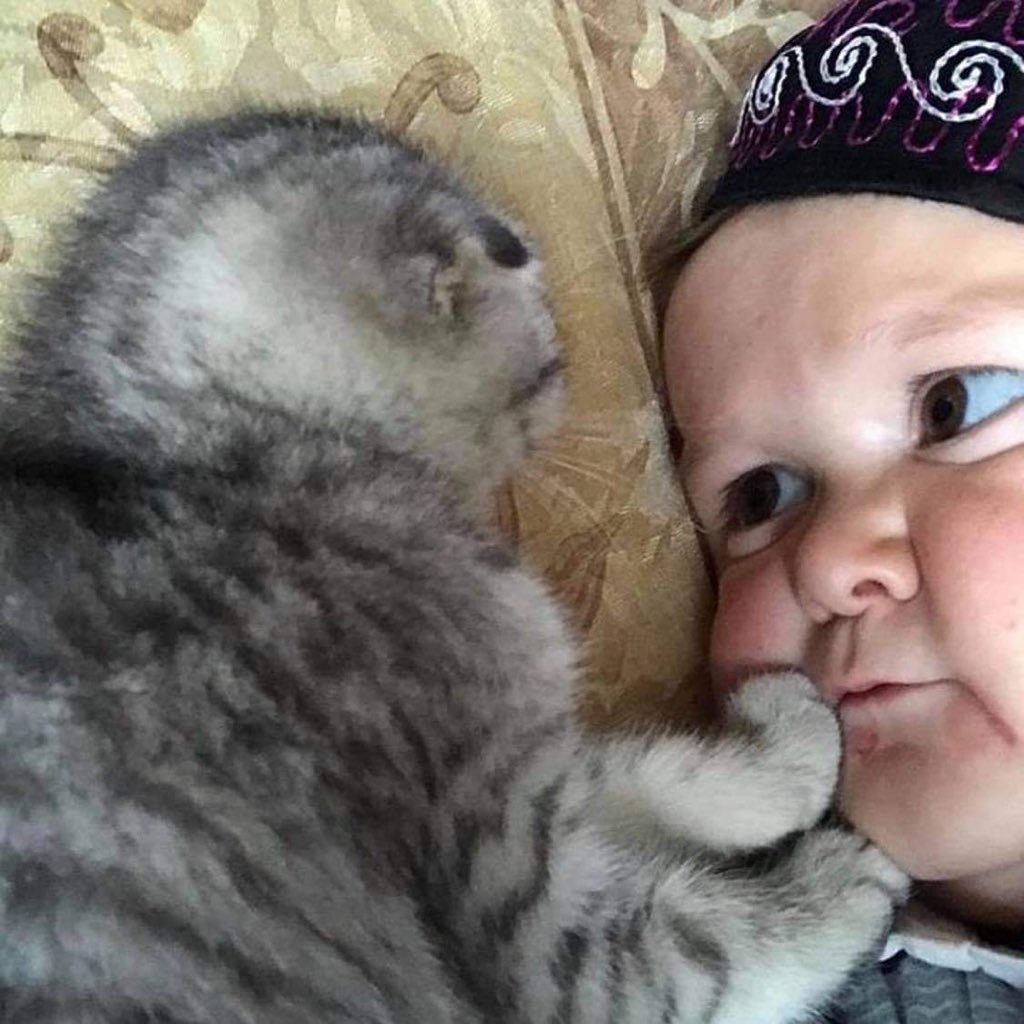
Hasbulla and cat
An older photo of the same cat in kittenhood, when Hasbulla introduced the kitty to his followers. The sweet cat

Does Your Cat Have A Doppleganger?

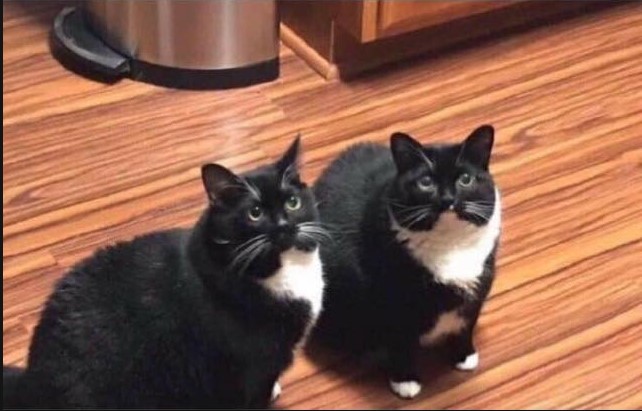
A man ends up with two identical cats after “reuniting” with what he thought was his lost cat, only to have his original cat come home the following week.

I may be late to the party on this one, but I’m fascinated by this story about a guy who lost his cat and recovered what he thought was his little guy three weeks later, only for his actual cat to come home the following week.

94e5e16b6f87dd2d2089ee202767fe6b

Some people commenting on the photo claim there are obvious differences, but in my opinion the differences are very small and probably indistinguishable unless the moggies are side by side. The markings are virtually identical on both cats, and the deviations look mostly like they’re attributable to angle, position and shadows.

People who aren’t familiar with cats might wonder how someone can “reunite” with a cat who doesn’t know them, but that can also be explained away by feline quirks: It’s not unusual for cats to behave differently, even to people and other kitties they know well, after a period of separation.

If the cat was acting a bit off, it would be easy to chalk it up to readjustment and re-acclimating to the sights, sounds and smells of home.

The most unbelievable aspect, for me at least, is how both cats in the photo seem to be cool with having a doppleganger and sharing territory.

Maybe the photo’s not representative of their interactions, but if somehow I found Bud’s doppleganger on the street and brought him home, the consequences would include an epic shitstorm of proportions I probably cannot even imagine.

“WTF is THIS?!?” I can imagine Bud thinking, expressing his incredulity with annoyed chirps and meows. “This is a joke, right? Right? Speak before I murder you!”

“I’m Little Buddy, yes I’m the real Buddy, all you other Little Buddies are acting all funny, so will the real Little Buddy please stand up? Please stand up, please stand up!”

The truth is I’ve never seen a Bud doppleganger, or a Buddyganger, if you will. Over the years I’ve done more than a few image searches for gray tabbies while looking for funny photos of cats who look like Bud, and none of them bear more than a superficial resemblance to His Grace.

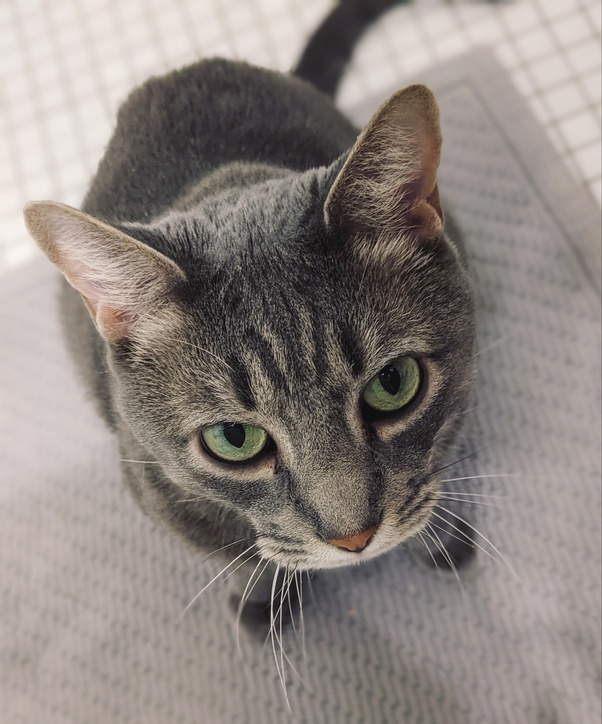
Bud has three major characteristics setting him apart from other cats with the same coat pattern and coloring:

main-qimg-71545019fd341552e20753a1743f261f

  • His bright green eyes complemented by “guyliner,” which itself is ringed by neat white lines.
  • The unique white patch on his chest. It’s just a tuft of white fur, but I’ve never seen a gray tabby with a marking that matches its size, shape and position.
  • Most of all, his pronounced mouth and nose area, alternately called a muzzle, snout or rostrum on various species, terms which are sometimes used for cats as well.

The latter was one of the first things I really noticed after meeting him for the first time and taking him home. Even as a baby it was pronounced in a way that very few cat mouths are.

Finally, while it doesn’t have any bearing on the strictly visual comparison with similar-looking kitties, I can’t imagine another cat acting like Buddy. He’s such a weirdo, so unique in his voice, vocalizations and habits, so opinionated and willing to express those opinions as loudly and often as possible, that I just can’t picture another cat fooling me.

Does your cat have a doppleganger?