A new investigation found cat food is packed with pollutants and toxins that are lethal to our furry little friends.
Almost no brand was left untouched in the investigation by the Clean Label Project.
“The investigation tested 100 top-selling cat foods for more than 122 contaminants, including lead, arsenic, cadmium, mercury, pesticides, herbicides and phthalates, the plastic chemicals linked to an increased risk of death in humans,” CNN reports. “Lead was found in 99%, cadmium in 96% and arsenic in 94% of cat food samples across 62 brands. Contamination varied by product type — wet, dry, and air- or freeze-dried — and the type of protein, such as poultry, beef or fish.”
What’s especially worrying is that many of the most prominent contaminants are directly linked to the most common and lethal health problems in cats, including kidney disease and liver damage. Kidney disease affects more than four in 10 cats ages 10 and older, and four out of five cats age 15 and older, according to Cornell University’s College of Veterinary Medicine.
The numbers are seriously concerning and, although caretakers have long known pet food manufacturers cut corners, often loading their products with fillers and the lowest grade meat available, the new investigation paints a picture far worse than most of us imagined.
Compounding the problem is the fact that government regulations on contaminants, like many laws dealing with animals, were designed for farm animals. At about eight to 12 pounds, cats are significantly smaller than the animals regulators had in mind, meaning their bodies are less able to filter out toxins and they absorb significantly more than farm animals or adult humans.
Seafood is especially dangerous. Per CNN:
“Mercury levels were about 18 times higher and cadmium levels about 2.5 times higher in fish- or seafood-based cat foods than in foods made with other proteins. Wet versions of seafood products contained the most mercury — nearly 28 times as much as wet foods made with other meats, especially poultry.”
This is horror movie stuff, directly contributing to the early deaths of countless pets, grief over their short lives, and an unquantifiable amount of money spent on veterinary care for food we’re told is healthy but instead contains toxins directly linked to chronic and frequently fatal health problems.
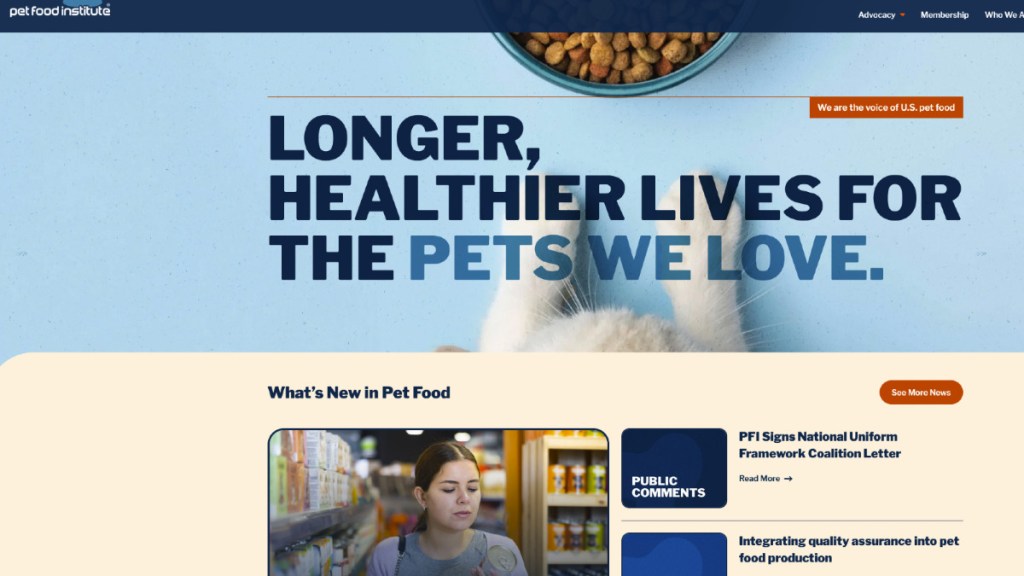
Despite the major concerns raised by the Clean Label Project’s investigation and the inevitable anger of people who love their cats, the pet food industry isn’t just denying the findings, it’s sticking to its claims that manufacturers care about their customers and the animals they love.
After touting “testing protocols,” manufacturing “verification” and “science-based preventative controls,” Pet Food Institute CEO Elise Fennig told CNN the industry’s products are “safe, nutritious, and consistent.”
“Cat owners should feel confident that the food they feed their pets is safe and produced according to rigorous regulatory and quality standards,” said Fennig, whose previous roles include executive positions at the American Frozen Food Institute, the National Confectioners Association, and the Frozen Potato Products Institute, industry groups that push the narrative that ultraprocessed foods made at industrial scale are healthy staples of American diets.
So we have someone with a degree in public relations telling us that despite laboratory tests revealing horrific contaminants and toxins in cat food, we should all just relax and “feel confident” that the products are “safe” and nutritious” — not because she’s able to offer any evidence in support of those claims, but because she says so.
Well, Elise, I don’t feel confident, especially because experts CNN contacted, who are unaffiliated with the research, said it looks rigorous and well-executed.
You know what would make me feel better? If you and the top executives at pet food companies were willing to eat human-grade food with the same level of contaminants for six months or a year.
If your products are as “safe, nutritious and consistent” as you claim they are, let’s see you eat food laced with arsenic, cadmium and lead for six months, then release the results of your bloodwork and physicals. Then we’ll see, won’t we?
Otherwise it seems as if you’re shitting on us from great heights and telling us it’s raining gold.
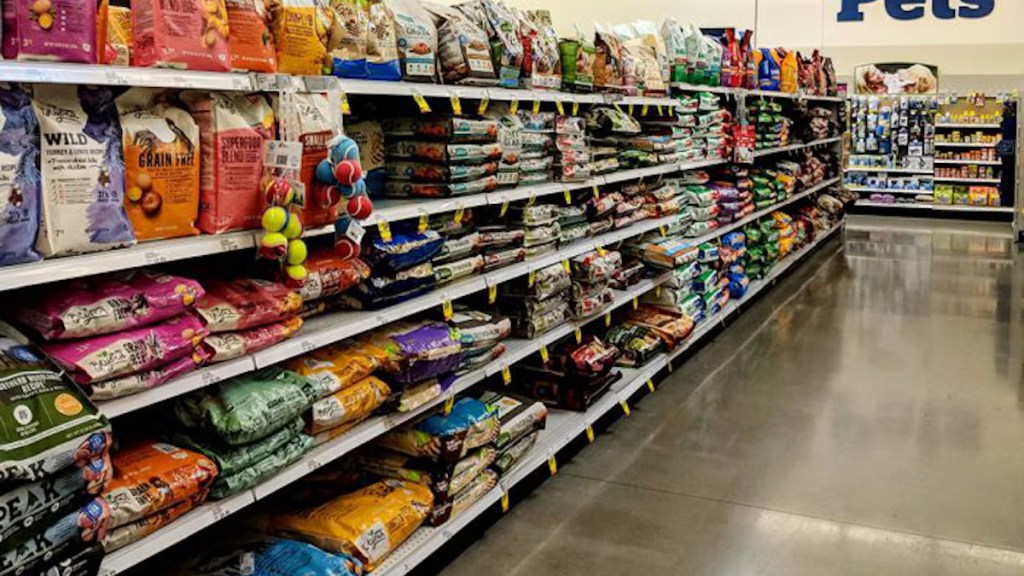
The apparent ubiquity of contaminants and toxins also raises the question: is any brand of commercial cat food safe? Should caretakers give up entirely on pet food and learn to prepare meals for their felines?
It will be interesting to see where this goes and if the industry can be forced to correct its course through things like consumer pressure and class action lawsuits. The vet bills are one thing, but robbing us of years with our little pals, and seriously harming their quality of life, is especially disturbing.
Expect no help from the government on this. Our “leaders” are too busy enriching themselves with insider trading, stacking the decks in favor of incumbents and riling the electorate with culture war nonsense. They can’t even be bothered to ban food dyes (relying on voluntary measures and asking manufacturers to police themselves instead) identified as primary culprits driving unprecedented rates of cancer, so there’s no reason to believe they’ll care about animals.
We’re alone in this, except hopefully for animal welfare organizations and other nonprofits dedicated to pets. That means it’s on us to apply pressure and make sure we don’t relent until we can trust the food we’re feeding our beloved buddies isn’t killing them.