Australia ‘Declares War’ On Cats, Plans To Eradicate Ferals And Strays

Australia announced the plan after a new report called cats the greatest driver of extinction in the country.

While their neighbors in New Zealand called for “woah on feeral kets” earlier this year, Australia is planning its own nationwide effort to wipe out free-roaming cats in an attempt to prevent the extinction of local wildlife.

The “war” announcement, made on Wednesday by Australia’s Environment Minister, Tanya Plibersek, comes on the heels of a report that calls “invasive animals” like cats the primary force behind species extinction in most of the world, including Australia. The report was released by a group of academics from 143 countries who make up the Intergovernmental Platform on Biodiversity and Ecosystem Services (IPBES), which advises the UN and sovereign states on wildlife policy.

Plibersek singled out felines in a press conference announcing the plan.

“They played a role in Australia’s two latest extinctions … they are one of the main reasons Australia is the mammal extinction capital of the world,” she said.

In addition to targeting felines on the mainland, Plibersek said Australia’s government would attempt to completely purge Christmas and French islands of their cat populations.

I have not had the opportunity to read an advance of the report, which was just released, and it will require careful reading as well as additional research before I’d feel comfortable commenting on the claims. That said, the numbers bandied about in press accounts (which claim cats kill more than 2.6 billion animals a year in Australia) are similar to the claims we’ve heard before, so unless there’s original research here and not a rehash of the same meta-analyses frequently cited in stories about cats and their impact on biodiversity, it doesn’t change the simple fact that it’s bad policy to act without reliable data.

I’m talking about an actual effort to count the feral and stray cat population in defined areas, as the Washington, D.C. Cat Count did using trail cameras, monitors and other methods. Obviously that can’t be applied to an entire country, but it can be done in different locations and provide a baseline to work with. Without that effort, the estimates of feline impact are nothing more than guesswork by professors sitting behind desks often entire continents away from the locales in question, plugging invented numbers into formulas intended to extrapolate totals for birds, mammals, lizards and insects killed by felis catus.

While similar studies estimated the number of cats in the US at between 25 and 125 million, Australia’s federal government says there are between 1.4 and 5.6 million cats in the country. If that’s true, it means each free-roaming cat in Australia kills between 500 and 1,850+ animals a year. It’s also difficult to accept estimates of predatory impact when the corresponding estimates of total cat population are so vague.
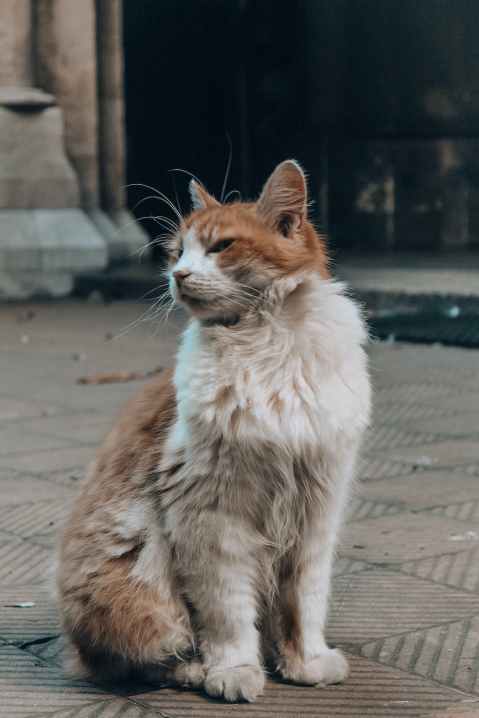
a fluffy cat on a sidewalk
A “feeral ket.” Credit: Ferhan Akgu00fcn/Pexels

Still, as I’ve written in earlier posts, government intervention was inevitable without proactive measures. Australia’s cat lovers and caretakers would do well to voluntarily keep their pets inside, and to double their efforts to catch, spay/neuter and find homes for as many strays as they can.

If you live in Australia, you have until December to provide feedback to the federal government, and it’s probably a good idea to check with your local animal welfare groups, which are undoubtedly composing their own responses to the plan.

As Registration Deadline Looms, Big Cat ‘Owners’ Face A Reckoning

The days of tiny backyard enclosures for big cats are over.

The passage of the Big Cat Public Safety Act has been a massive win, resulting in the end of the wild cat trade in the US and the cruel practice of taking cubs from their mothers for use in roadside zoo petting attractions.

But there’s another, often-overlooked component of the new law that’s about to result in big changes for captive tigers, jaguars, pumas and other wild cats.

While current “owners” of big cats were grandfathered in under the BCPSA, they have until June 18 to register with the federal government, and with registration comes requirements, inspections and minimum standards of living for the wild felids.

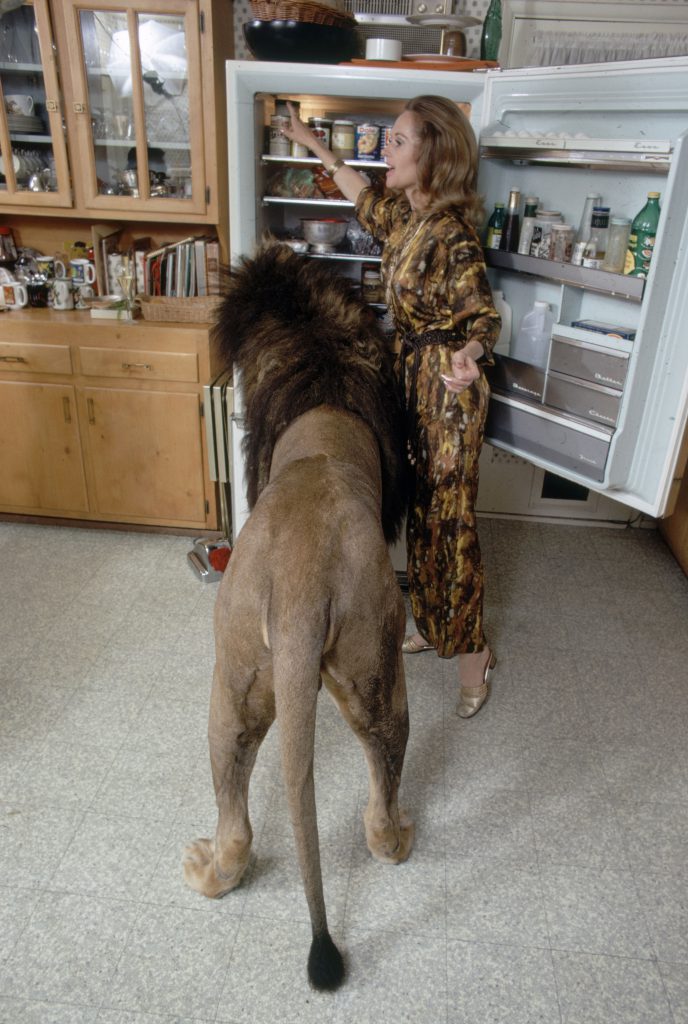
In other words, most of the people who “own” the estimated 20,000 privately held big cats are about to get a rude awakening. The days of tiny makeshift enclosures in backyards are over, as is the practice of keeping big cats in the home as if they’re domestic felines. (With apologies to Tippi Hedren, who once owned as many as 60 lions and tigers, and at 93 years old still has “13 or 14” big cats, according to her granddaughter, actress Dakota Johnson.)

141028-neil-lion-12-688x1024
Tippi Hedren with one of her lions in a vintage LIFE magazine photo. Hedren kept the lion and other big cats as pets in her home.

If people who have possession of big cats don’t register with the U.S. Fish and Wildlife Service, they’ll have their animals taken away. Likewise for people who don’t provide adequate enclosures that not only provide enough space, but are built to contain the apex predators.

As a result, sanctuaries are bracing for an influx of tigers, lions, jaguars, leopards, cheetahs, snow leopards, clouded leopards and pumas, all of whom are protected under the Big Cat Public Safety Act.

Experts anticipate a significant number of big cat “owners” could try to part with their animals if they can’t or won’t provide adequate enclosures, and the government is already cracking down on people who are trying to sell their “pets.”

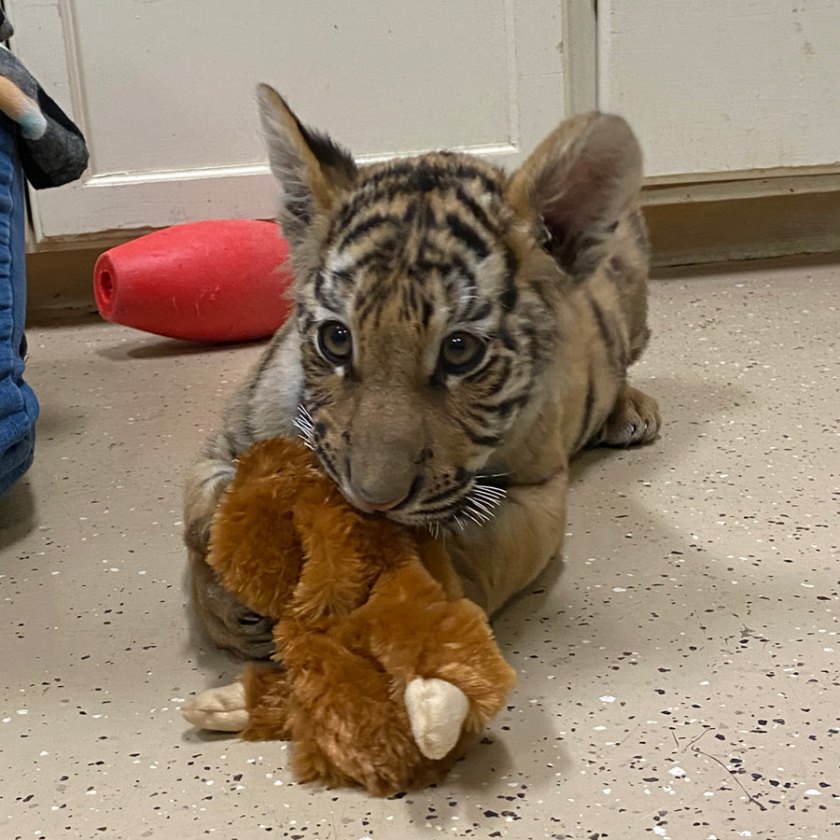
A tiger cub named Indy is one of the first to be taken out of private hands and placed in an accredited sanctuary. Indy was recently sold by her original “owner” and the man who purchased her for $25,000 tried to flip her, advertising the cub online.

Authorities moved in and found Indy in a dog kennel in a closet inside the man’s Arizona home. Police, who said they could hear Indy “moaning” from inside the closet, also seized an alligator and a dozen snapping turtles.

Tammy Thies, founder of the Wildcat Sanctuary in Sandstone, Minn. — Indy’s new home — said the cub is lucky she wasn’t confined to the small space for long.

“Many of the cubs we get are suffering from metabolic bone disease, malnutrition, sometimes they have such long confinement that they don’t have use of their back end, so Indy’s a lucky one,” Thies told WKQDS, the local Fox affiliate.

indytiger
Indy was found in a tiny cage in a man’s closet. Now she’s enjoying sunshine in an accredited sanctuary. Credit: Wild Cat Sanctuary

Indy arrived in May and has adjusted well to her new home in less than a month, according to the sanctuary. A page dedicated to tracking her progress has photographs of her meeting another tiger cub for the first time and playing in the grass.

As the deadline fast approaches, we hope Indy’s story is just one of many, and big cats who have suffered for years in tiny enclosures, under the “care” of people who aren’t qualified to keep them, find their way to accredited sanctuaries so they can live out the rest of their lives in sunshine, feeling grass and earth underneath their paws, with enrichment programs created by professionals who care about their well-being.

It’s about time.

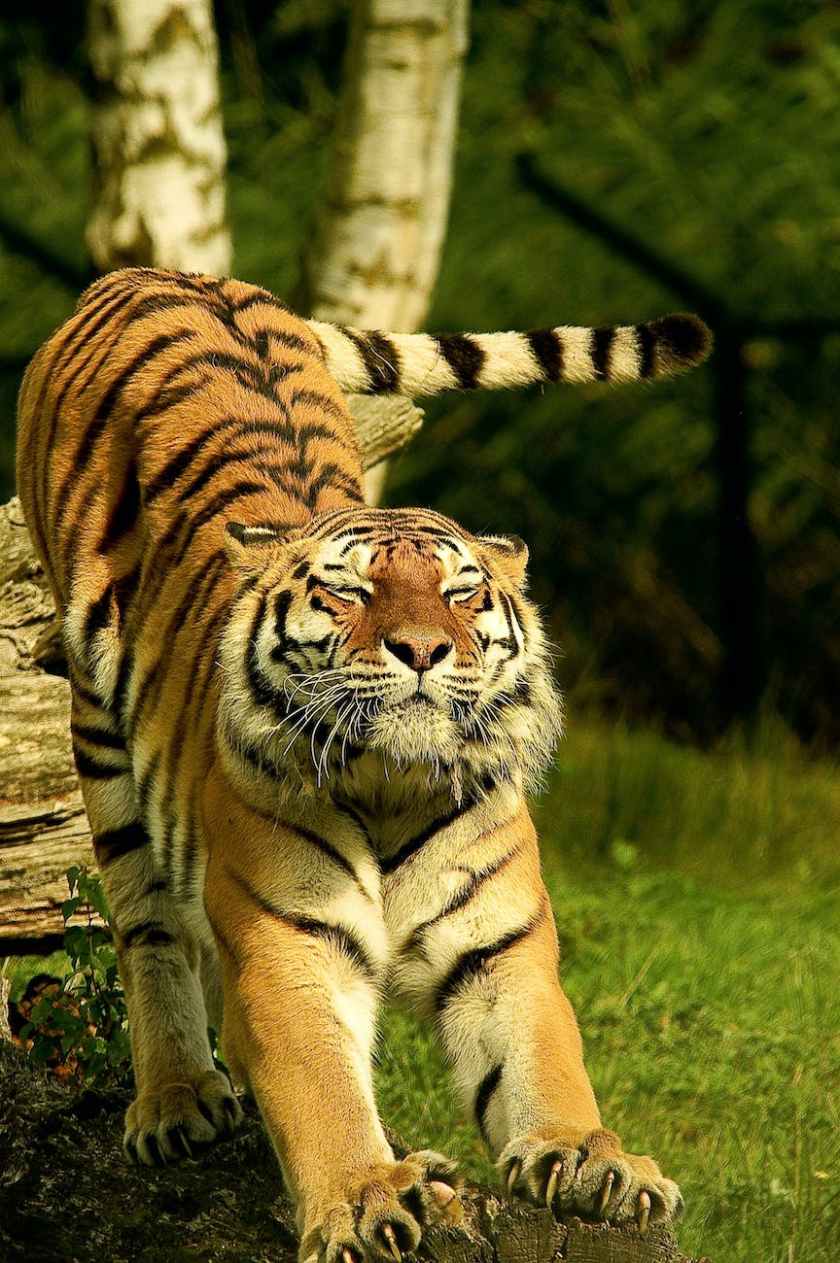
tiger in shallow photo
Credit: Richard Verbeek/Pexels.com