Would your cat resemble a sphynx if you shaved its fur? Buddy the Cat investigates!
Dear Buddy,
Do all cats look like sphynxes underneath their coats? What I mean is, if someone were to shave off all your fur, would you look like a weird wrinkly little alien thing too?
Wondering In Wyoming
Dear Wondering,
Who told you that? Is Big Buddy planning to have me shaved? Is he gonna condemn me to one of those “groomers” and have me transformed into some undignified, naked, dumb-looking creature?
I will end him!
Buddy
Dear Buddy,
Whoah, hold up there, champ! No one’s got anything planned for you, it’s just a hypothetical. I’m genuinely curious about the no fur thing, that’s all. And I asked you because you’re the expert on every topic!
Wondering in Wyoming
Wondering,
Okay, okay, but I’m not letting my guard down. As the wise man George W. Bush once said: “Fool me once, shame on you. Fool me…uh, you can’t get fooled again!”
I thought about your question and became more curiositized as well because sphynxes are weird and I don’t want to look like those freaks. Get mistaken for one and the next thing you know, they’re bringing you back to their mothership.
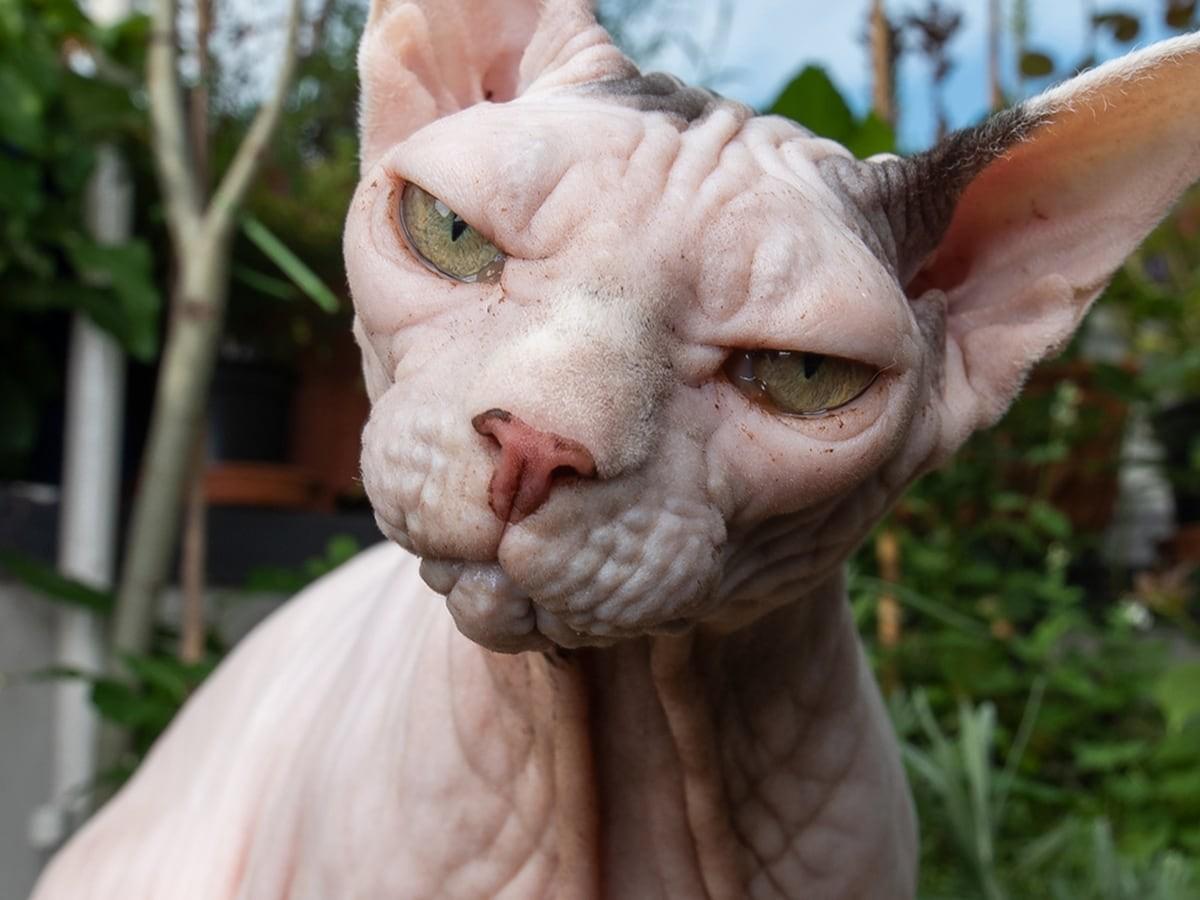
Above: These sphynxes are plotting your doom! They want to beam you up to their ship, test your skin for potential scratching post material, and eat your brains.
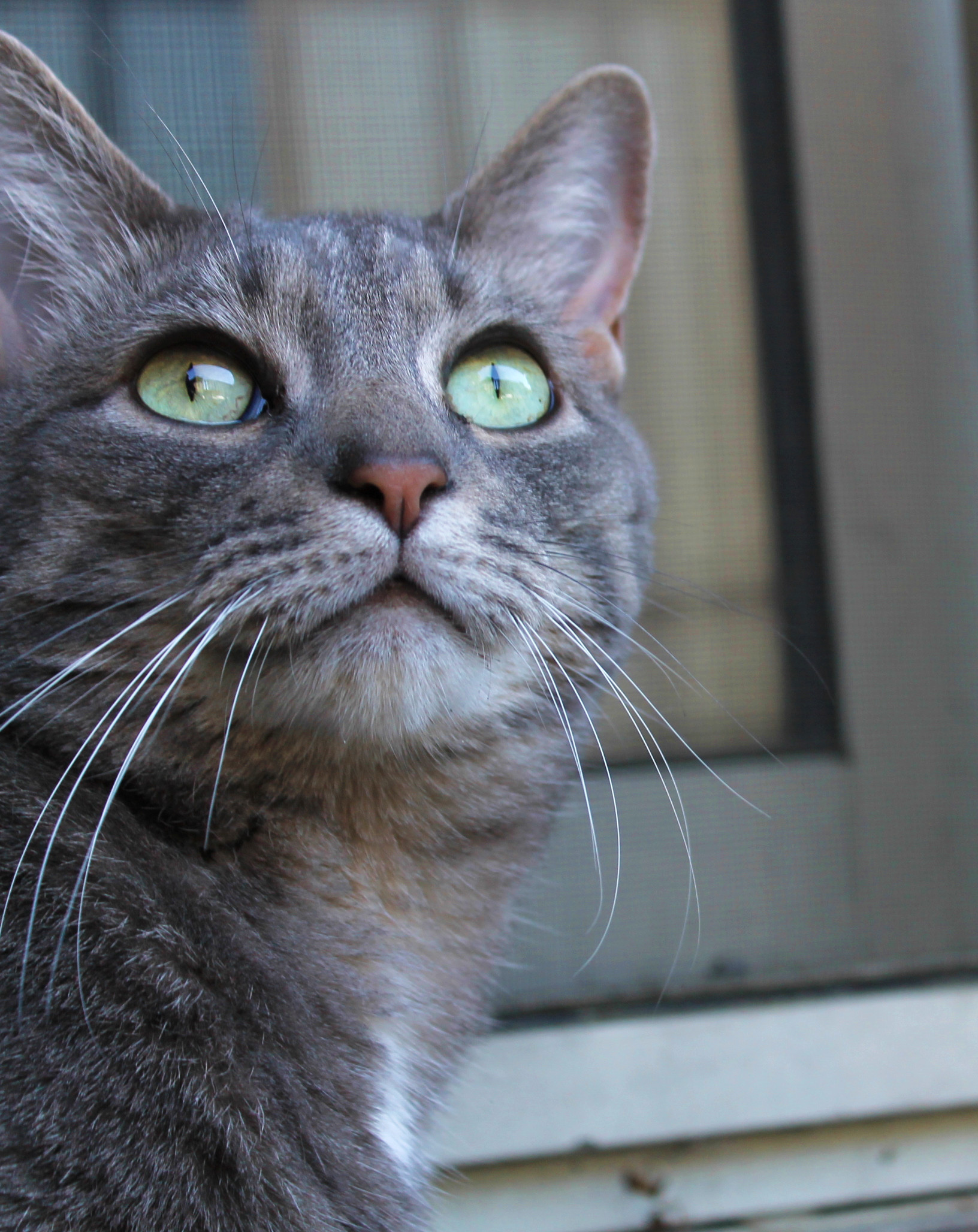
I can assure you that I would not resemble a sphynx if somehow I was overpowered (a tall order that would require a small army), drugged and shaved of my luxurious fur. I would just look more ripped, as there wouldn’t be any long fur to cover up my six pack and my rippling meowscles.
Due to his impressive meowsculature, Buddy would simply look even more ripped if someone with a death wish tried to shave his fur.
As for other cats, apparently they would not look like sphynxes either, because those freaks are uniquely covered in wrinkly skin, which is probably a side effect of the strange atmospheric conditions on their homeworld.
During my detailed investigatory investigation, I found images of domestic shorthairs, Maine Coons, Persians, Bengals, ragdolls and many other types of cats who were forced to endure ignominious “lion cuts” and other ridiculous “grooming” efforts. While many of them looked skinny and much less impressive without their fur bulking them up, they pretty much look like regular cats with a fuzzy, velvety coat instead of fluff.
Not as ripped as me, obviously, but not like sphynxes either.
I hope that answers your question. Remain vigilant, my friend! One never knows when one’s devious human might decide to humiliate one by shaving off all of one’s fur.
The would-be robbers knew the cat was worth money and specifically targeted the victims, according to police.
Two armed men broke into a Connecticut home on Sunday afternoon and demanded the victims turn over their “high dollar value cat,” according to the East Haven Police Department.
The would-be robbers initially tried to force their way into the East Haven house through a rear sliding glass door, but when the victims tried to prevent them from getting in, one of the men simply kicked through the glass, cops said.
That’s when the intruders brandished a handgun and demanded not cash, not jewelry or other valuables, but the cat!
The kitty in question must have been spooked by all the commotion because the frustrated robbers left empty-handed after a few minutes of fruitless searching. They hopped into a blue BMW and sped off, the victims told police.
Cops didn’t offer any description or breed information about the feline, describing it simply as a “high dollar value cat.”
It’s not uncommon for prized breed cats to command $5,000 from prospective buyers, and some breeds like the “exotic” Savannah cat can sell for as much as $20,000.
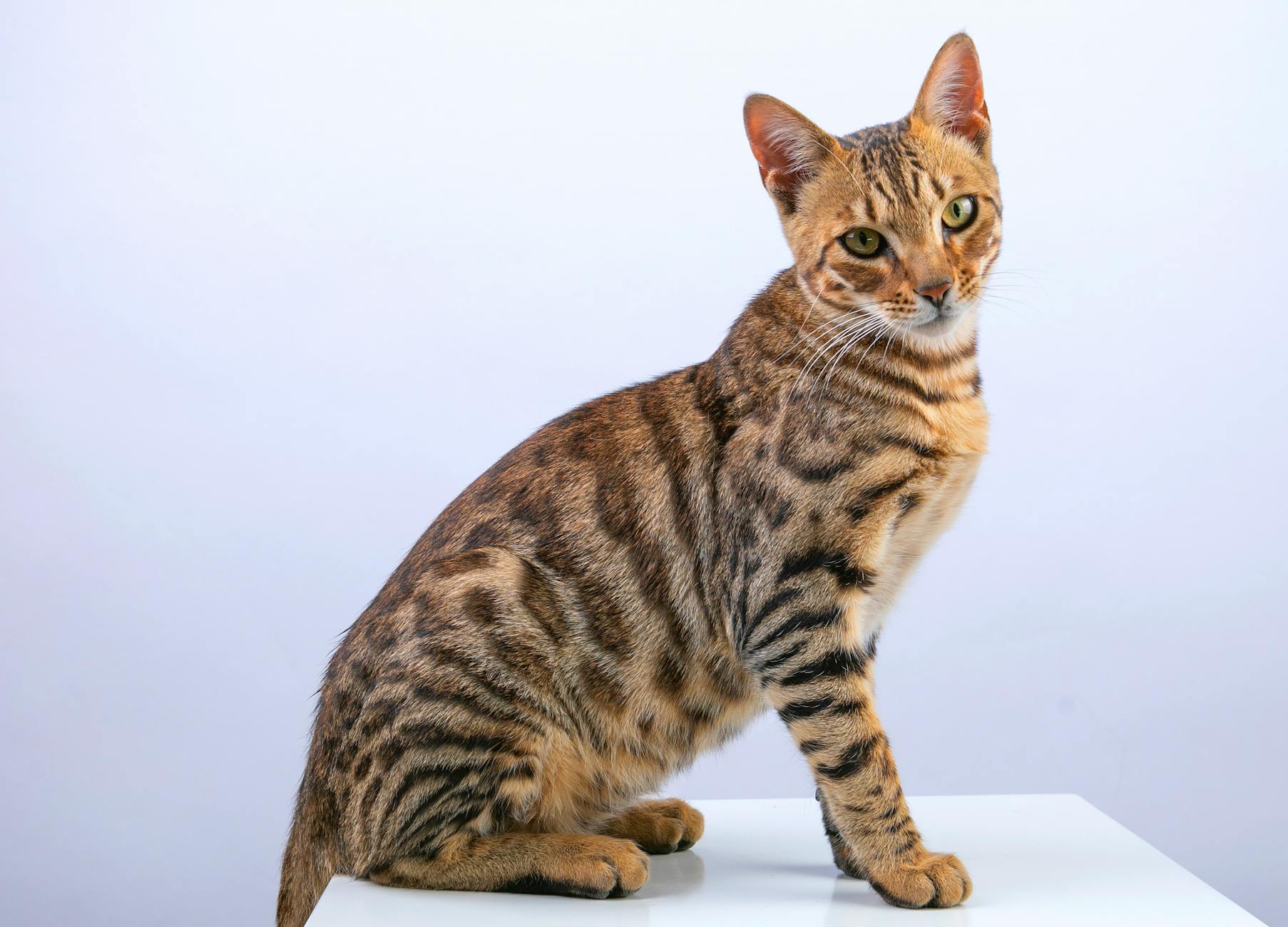
Bengal cats like the one above are favorite targets of thieves. Credit: jerry u6770/Pexels
While it’s unusual for someone to break into a home and demand a cat at gunpoint, in the middle of the day no less, cat theft is actually a thing.
Thieves most frequently go after Bengals, Savannahs, Maine Coons, Ragdolls and other breeds that can make them a quick buck by selling them to unsuspecting buyers. Surprisingly domestic shorthairs are on several lists of most commonly stolen cats, but a vet tech tells Reader’s Digest that moggies make the list simply because there are so many of them.
Part of the problem is that the penalties for stealing cats aren’t prohibitive. Most states either treat cats and dogs as property that can simply be replaced, or classify theft of pets in archaic agriculture and markets laws, which were designed to deal with disputes over livestock and farm animals, not pets.
In Sunday’s attempted robbery, police found the BMW abandoned in Hamden, a town about 10 miles north of East Hampton. They’re still looking into the unsuccessful caper, telling local media that the attempt was planned, not a crime of opportunity or a random event.
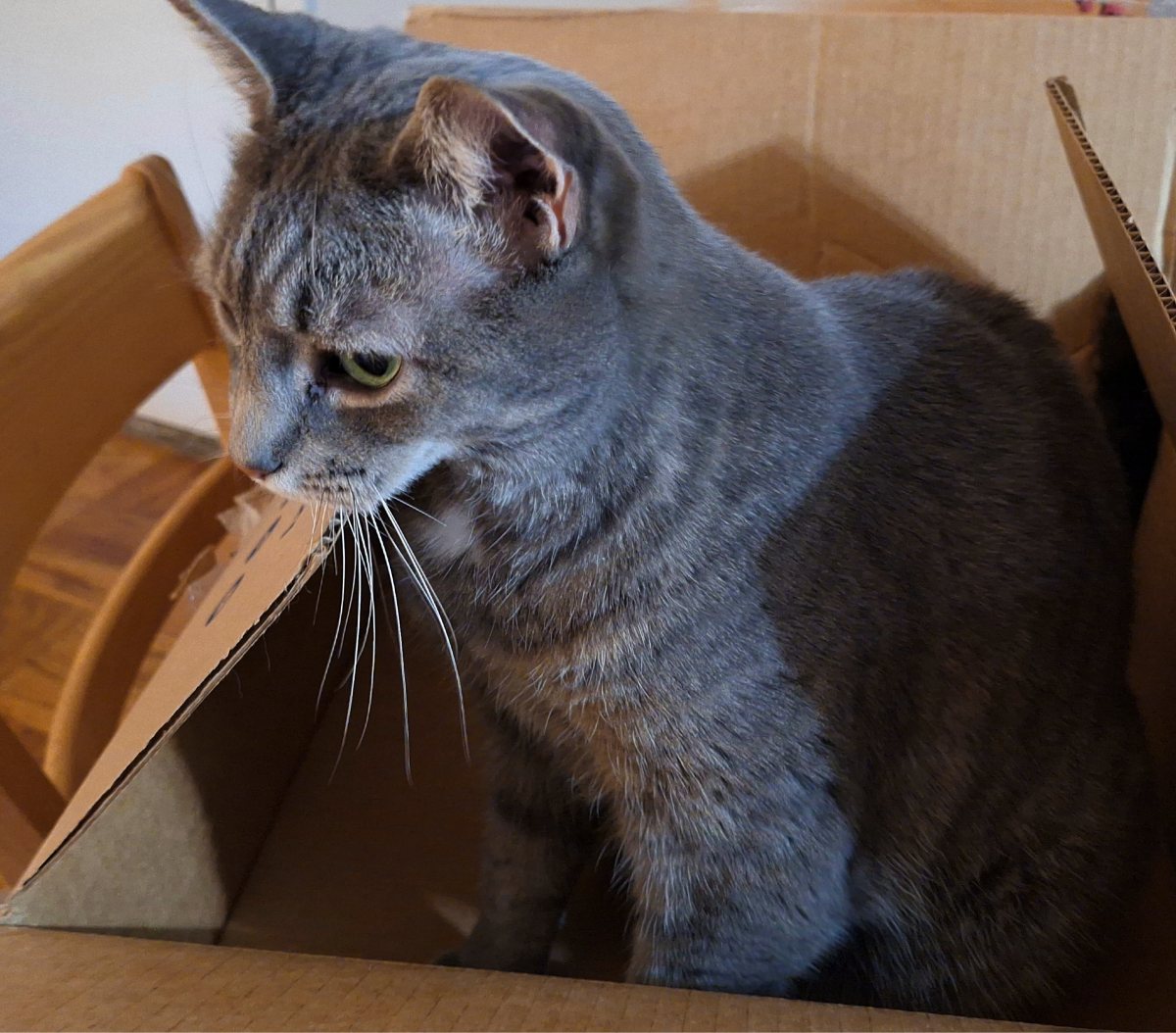
Still, if you have a “high dollar value cat,” it’s worth taking some precautions. Here at Casa de Buddy we’ve installed a feline version of a panic room: a panic box! Reinforced with heavy shipping tape, the thick corrugated cardboard is sure to keep bad guys out while also remaining roomy, yet paradoxically snug.
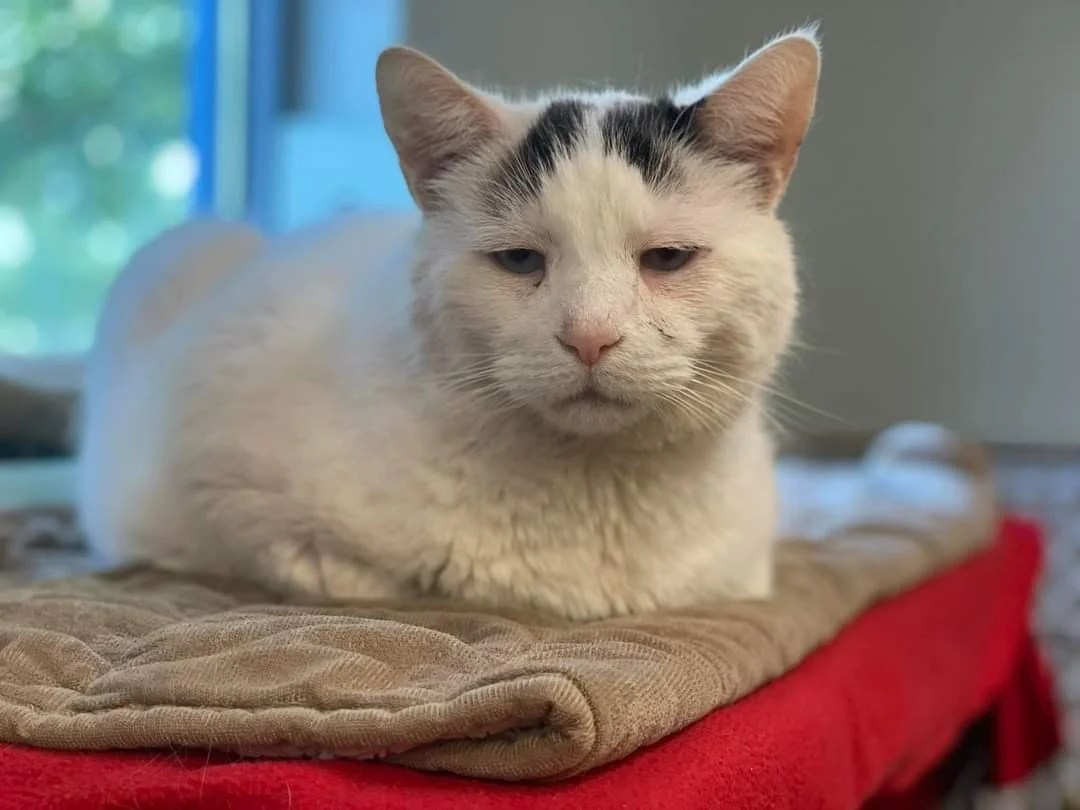
Frankie was surrendered at 13 years old and hasn’t had the easiest time adjusting to shelter life.
Even though I am the honored servant to the king, His Grace Buddy I, I am not immune to adoptable cats who tug at the heartstrings.
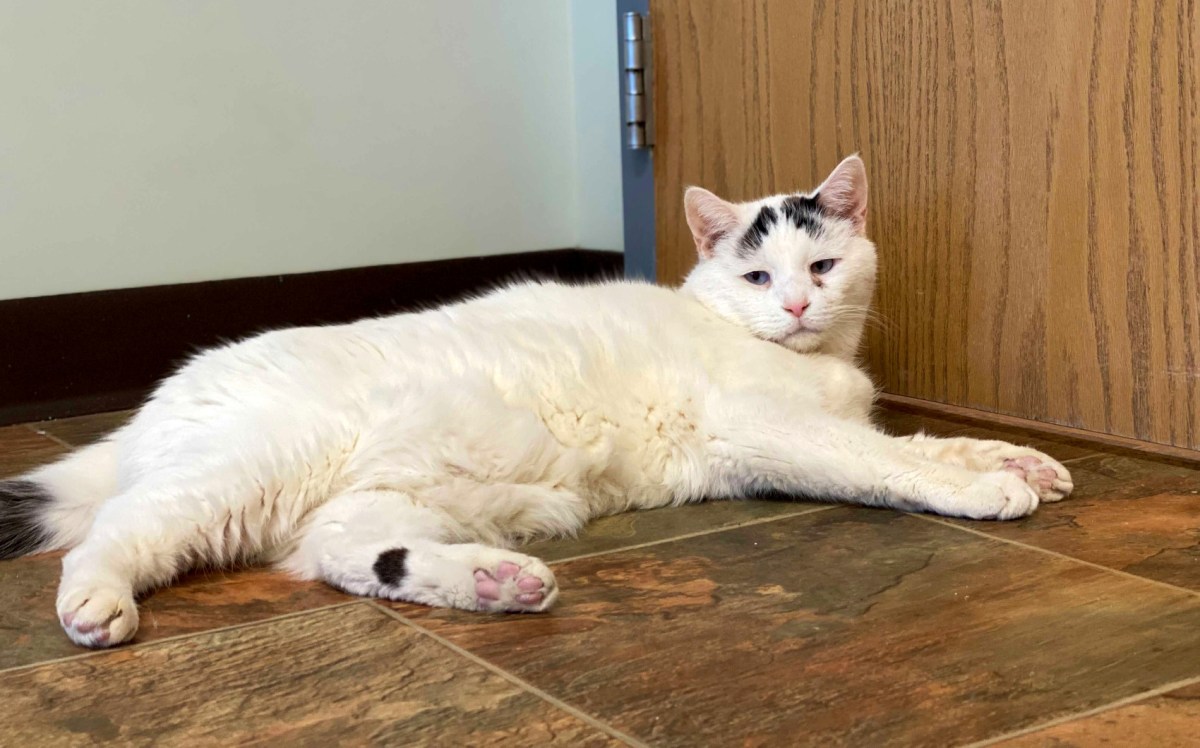
Frankie Sad Eyes is one of those cats. Just look at those eyes!
The little guy is 13 years old, and at an age when he should be enjoying a quiet, nap- and treat-filled life as the senior statesman among cats, he’s been surrendered by his people and has landed in a shelter.
Thankfully that shelter is Tabby’s Place, a no-kill, no-cage sanctuary in New Jersey that has a reputation for doing right by its cats. Still, any feline would be shocked by the experience of losing his or her family and ending up in a strange place with unfamiliar people and cats.
Frankie looks sad, and undoubtedly he’s finding it difficult adjusting to life in a sanctuary, but staff at Tabby’s Place say he’s a “joyful” cat with a zest for life.
Alas, I can’t adopt Frankie. Like the King himself, he’s not particularly keen on sharing his throne, so there can be no future where Buddy and Frankie are, well, buddies.
But Frankie, who is described as “a zesty, exuberant sweetheart” who still has kitten-like energy, is looking for a home where he can establish his new and forever kingdom, with a human or humans who will dote on him and see to his every need.
Visit Tabby’s Place to view their adoptable cats, make a donation or just brighten your day.
When I was looking to adopt a cat I spent hours on the web reading about cat care, kitten proofing, behavior and, of course, breed.
Run a Google search about looking for the right cat and you’ll get several pages of nearly identical results about different cat breeds, what their personalities are like and what to expect from them.
Yet it turned out advice from a friend — who grew up with cats and has two of his own — was more accurate than anything I’d read online.
“When it comes to cats it’s a crapshoot, man,” my friend told me. “You never know what you’re gonna get.”
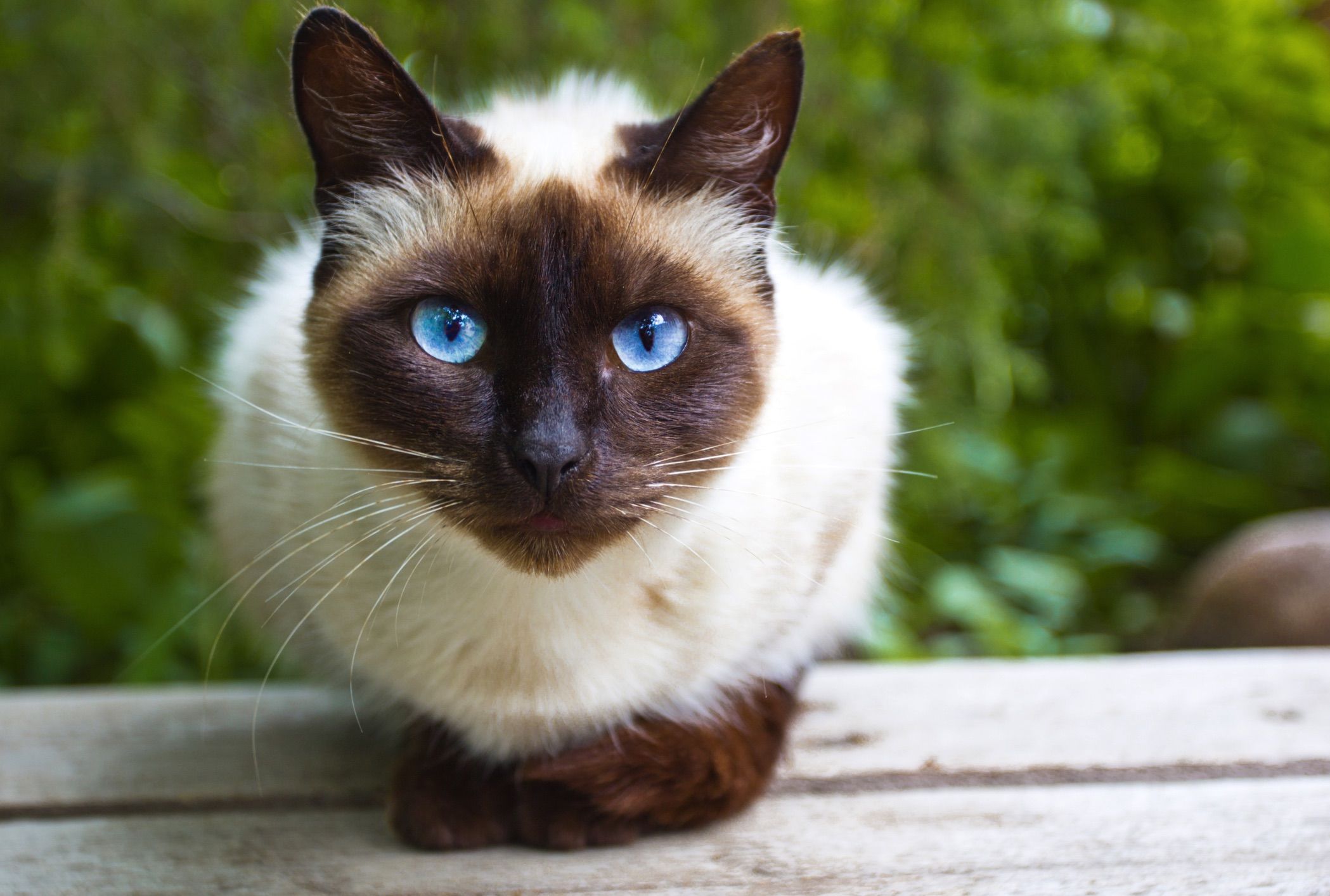
I wanted an engaged, friendly pet, and all the breed guides suggested Siamese are the best choice. But what I heard from shelter staffers echoed my friend’s observation: Don’t depend on a breed description because every cat is unique.
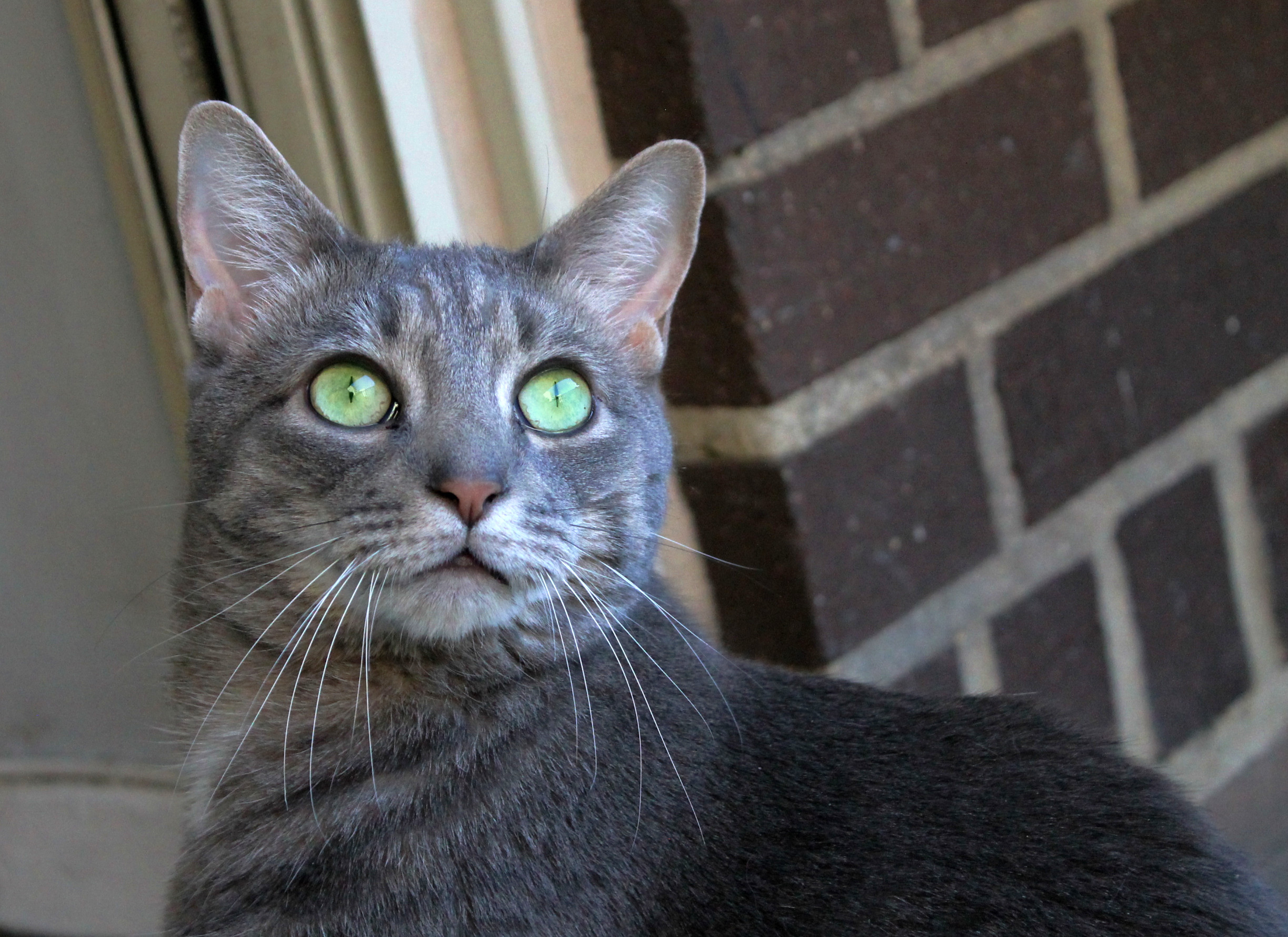
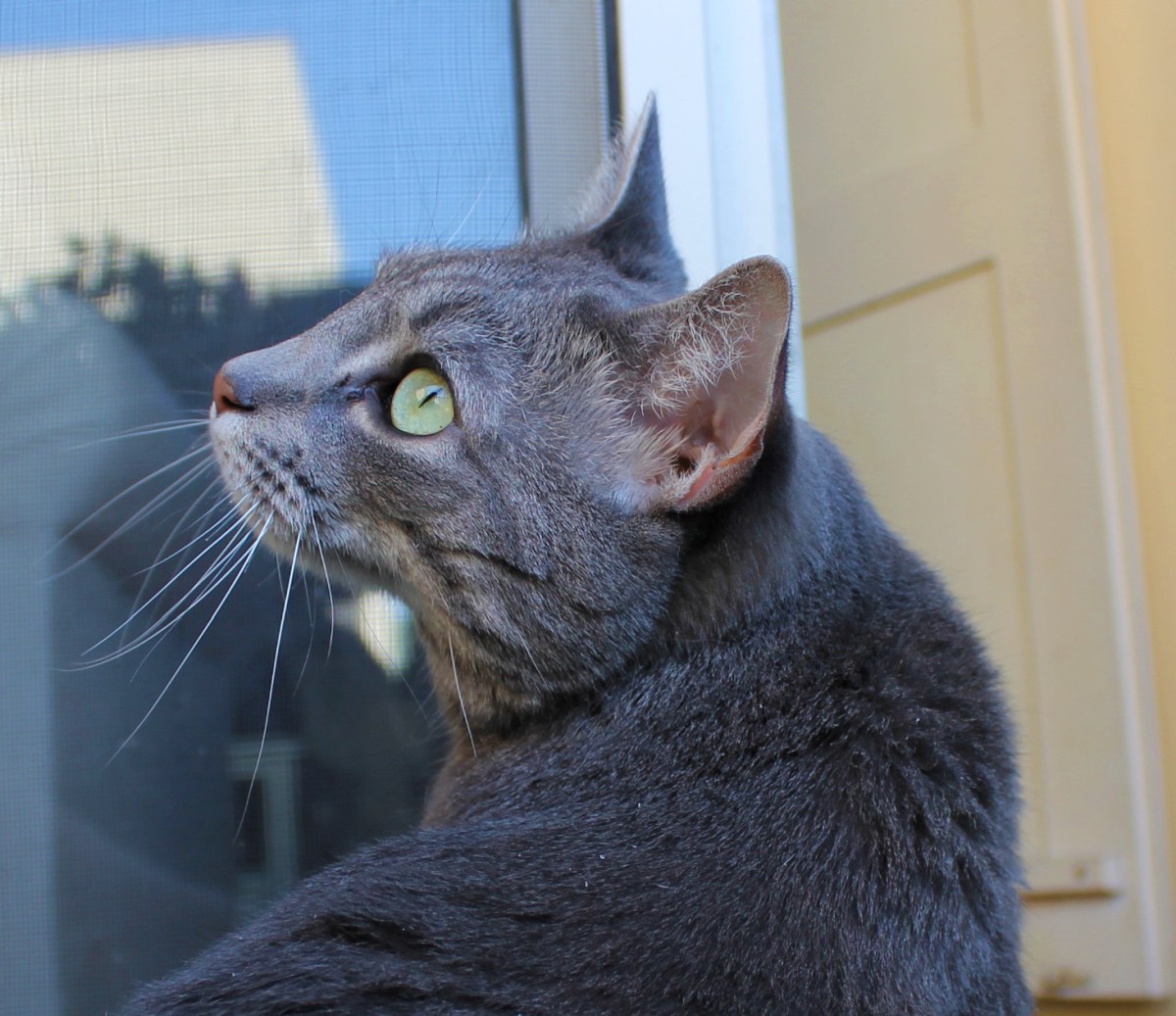
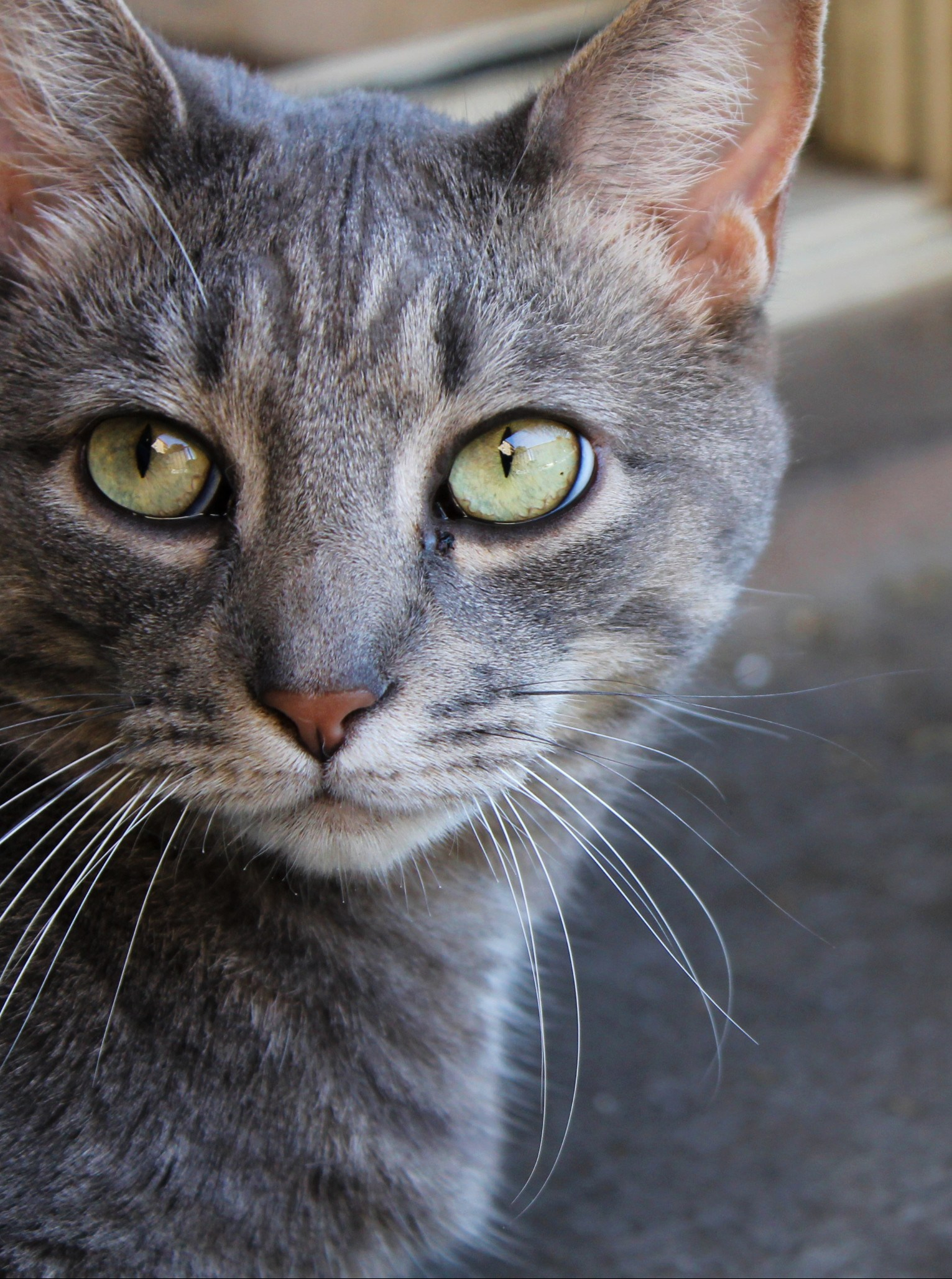
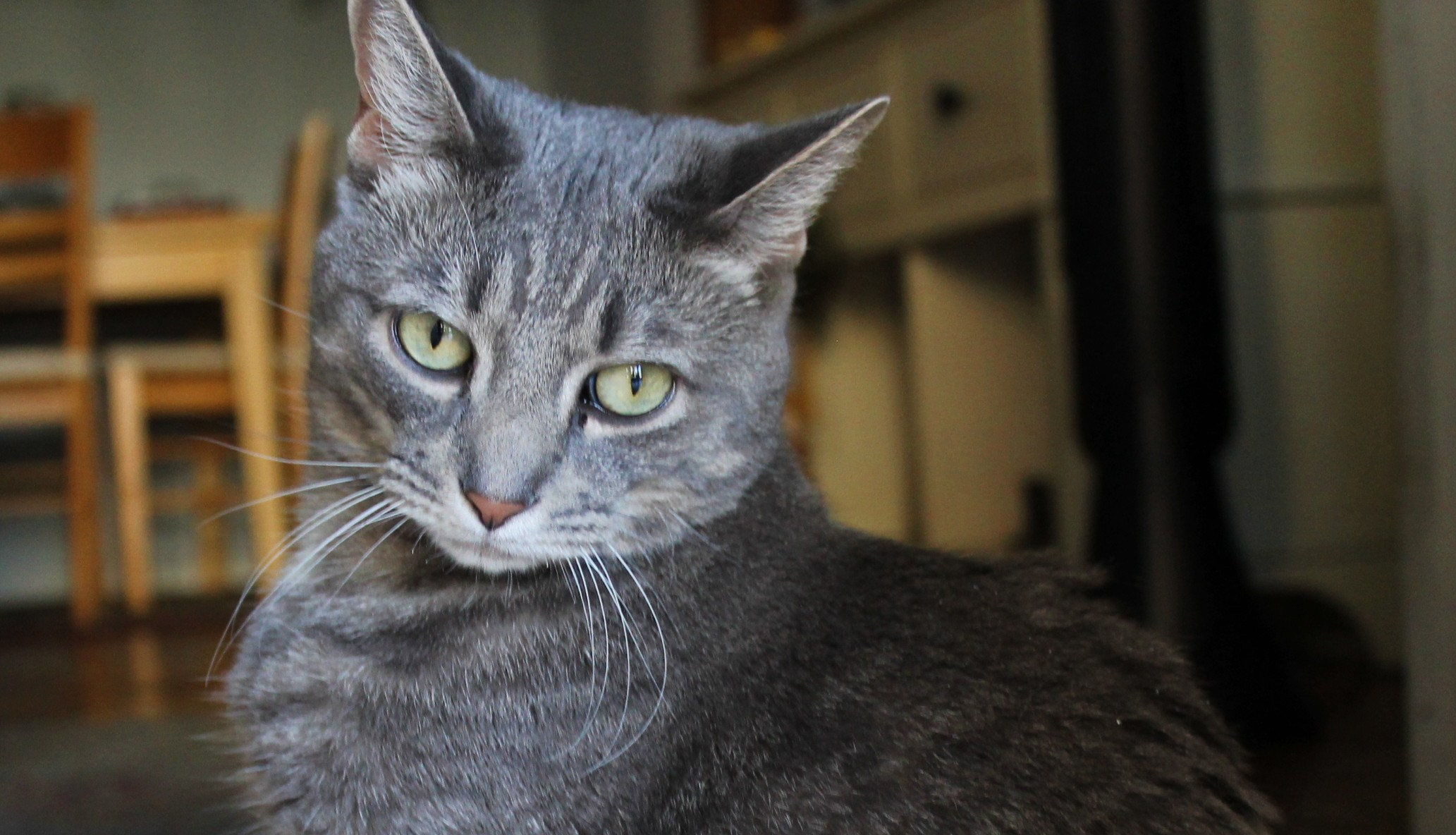
In the end I adopted Buddy, a gray tabby domestic shorthair. No particular breed, in other words. (Though he thinks he’s his own special kind of cat, and he’s not wrong.)
Buddy the Buddesian.
Buddy, it turns out, is vocal, bold and friendly. He’s constantly by my side. He’s got a vibrant language of trills, meows and chirps with which he shares his opinion on everything. Where other cats hide when guests are over or a delivery guy knocks on the door, Buddy runs up, curious to see who’s on the other side and if they’re going to be his newest friends.
So why is it so difficult to pin down a cat’s personality, and why don’t cats fit the behavioral profiles of their breeds the way dogs do?
The answer lies in how both animals were domesticated, and their respective paths to becoming companion animals.
Dogs have been working animals for 30,000 years. The earliest dogs helped their humans hunt and guarded their camps at night, alerting them to dangerous situations or intruders. Later, when humans domesticated livestock and developed agriculture, dogs were bred for different purposes: Some herded sheep, some scared off wolves and coyotes, others pulled sleds.
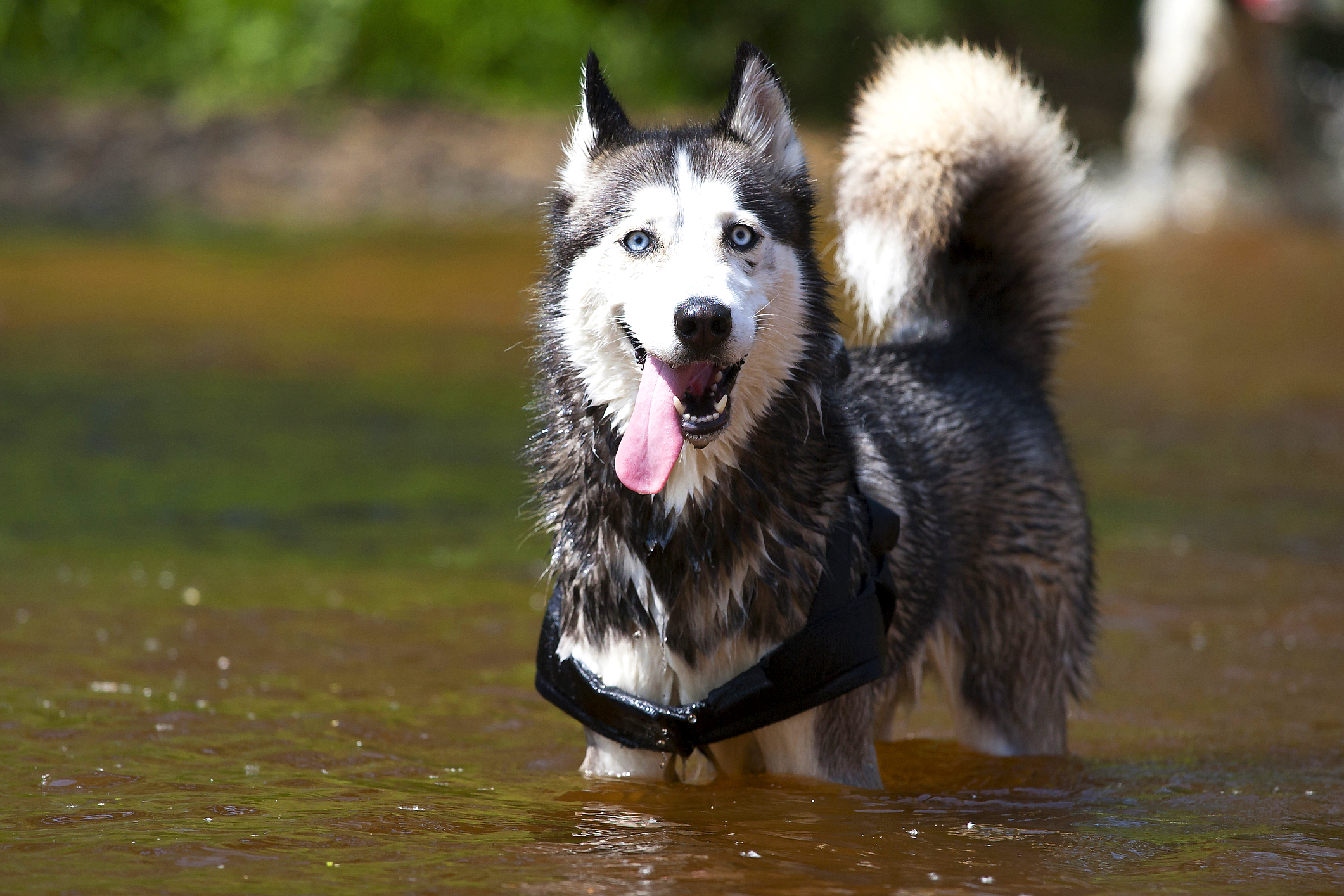
Siberian Huskies were originally sled dogs and require lots of play and stimulation. Credit: Hans Surfer
Today we’ve got dogs who sniff out explosives, drugs and diseases. Police dogs catch a scent and help officers track down suspects. Therapy dogs bring joy to the elderly, sick and injured, while guide dogs make it possible for people with disabilities to live independently.
The point is, human hands have indelibly shaped canis familiaris since long before recorded history. These days dogs are valued primarily for their companionship, but virtually every breed has a lineage that began with practicality, meaning humans shaped them for disposition and ability. A dog’s breed is a good indication of its temperament.
Cats? Not so much.
Cats are famously self-domesticated: When humans developed agriculture and began storing grain, rodents flocked to the abundant new food sources, to the dismay of early human societies.
That’s when cats just showed up, exterminating rodents while showing no interest in grain. Humans didn’t need to breed felines to hunt mice and rats — it’s as natural to cats as grooming and burying their business.
Cats didn’t take on many other jobs in addition to their mousing duties, mostly because they’re famously resistant to following orders, but their hunting skills were so valuable to early societies that they didn’t need to do anything else to earn their keep.
Because of that, no one bothered breeding cats until fairly recently, and the vast majority of cat breeding focuses on changing the way cats look, not how they behave.
Siamese cats originated in Siam, now known as Thailand. The breed is known for being vocal, but not all Siamese are talkative. Credit: iStock/Chromatos
We like to attribute qualities to cat breeds, and some of them are based in truth. Siamese do tend to talk more than other cats, ragdolls really do go limp when they’re picked up, and Maine Coons are famously chill despite dwarfing most other domestic cats.
But without the behaviorally-specific lineage common to dogs, cat breed behavioral attributes are more like broad stereotypes.
Beyond that, a cat’s personality is primarily determined by genetics and how they were raised in kittenhood. That’s why it’s crucial to handle and socialize kittens when they’re just weeks old, and why ferals will always fear humans.
It’s also why you should take stereotypes about cat breeds with a grain of salt when looking to adopt. If you’re adopting an adult, any good rescue will have information on the cat’s personality, likes and dislikes. If you’re adopting a kitten, you’re pulling the lever on a slot machine.
My advice is to put aside preconceptions about breeds, keep an open mind about looks, and find a cat who connects with you. Like people, no two cats are the same, and a cat’s personality is much more important than the color of its fur when it comes to bonding with an animal who will be in your life for the next 15 to 20 years.
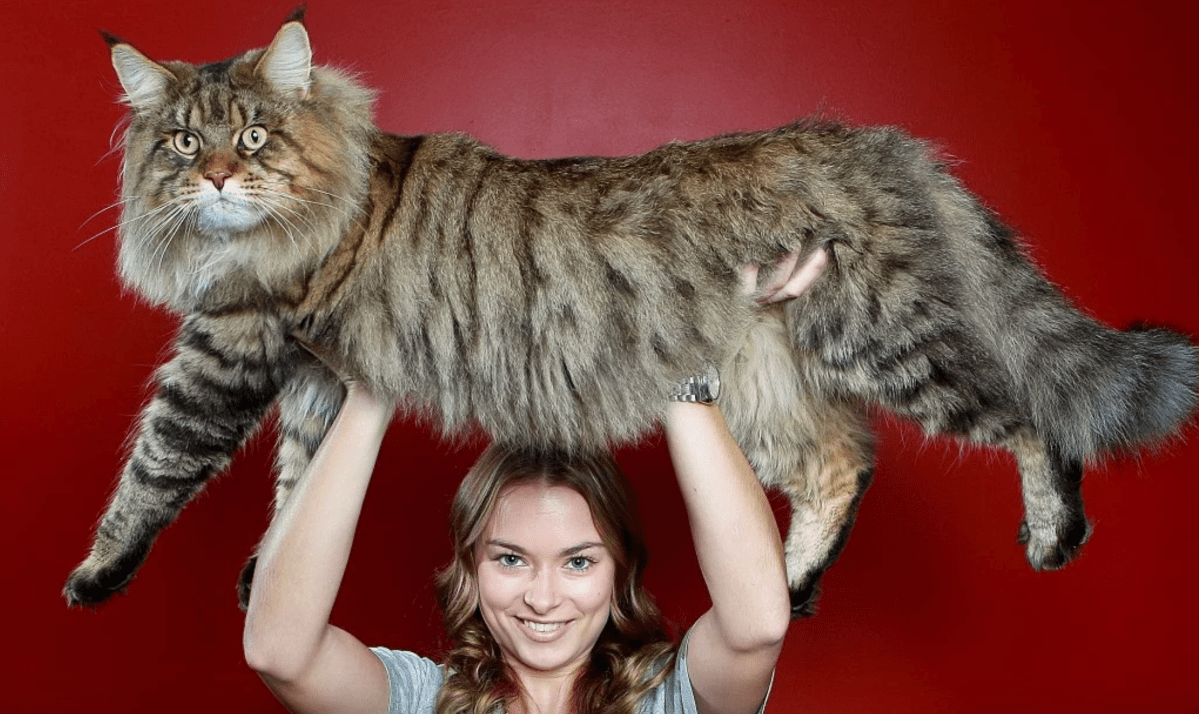
Featured image: Natalie Chettle holds Rupert, a Maine Coone.



 Pain In The Bud