Buddy saved up his profits from dealing catnip and got me a touching gift for Christmas.
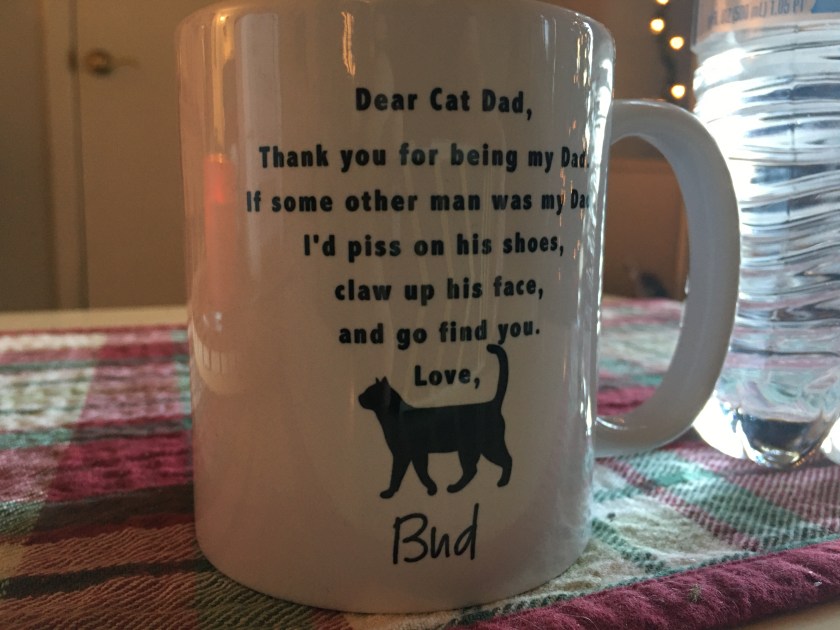
Little Buddy got a great gift for me this Christmas:
The text reads:
Dear Cat Dad,
Thank you for being my dad. If some other man was my dad, I’d piss on his shoes, claw up his face, and go find you.
Love,
Bud
Such a heartwarming message! It brings a tear to my eye. (Although I’ll have to talk to Buddy about his punctuation. We don’t use the Oxford comma in this house.)
Like any proud parent whose kid takes up a paper route or an after school job and buys presents with his own money for the first time, I beam with joy knowing Buddy sold enough catnip to neighborhood kitties to buy this mug for me. My little one is growing up!
From the Department of Your Kitty Hates Being Forced to Wear Costumes, we have Kate Beckinsale’s cat barely concealing his rage in front of a Christmas tree.
The scowling Persian’s name is Clive, and he’s 11 years old. If I had to guess, I’d say he’s thinking “I’m too old for this shit…” and planning increasingly spectacular ways to kill his human.
Dip him in some green dye and he’d be a dead ringer for the Grinch!
Seriously, this cat is not happy. Look at the tail twitching in irritation and his eyes narrowing in fury:
This is not the first time the Underworld actress has subjected poor Clive to such indignities. A few days before Christmas of 2017 Beckinsale dressed the little guy as a dinosaur, and he seemed to hate it slightly less than he hates this year’s Santa costume.
I’d suffer death by a thousand cuts if I tried to squeeze Buddy into a costume like this:
A trip to the Bronx Zoo’s annual after-dark holiday exhibit.
Every Christmas, the staff at the Bronx Zoo transform the grounds into a “winter wonderland,” an LED-illuminated forest of festive fun that begins at sundown.
The good: Young kids will enjoy themselves. The bad: All the animal exhibits are closed, with the tigers, bears, monkeys and elephants brought into their indoor enclosures before dark to shelter from the frigid New York winter.
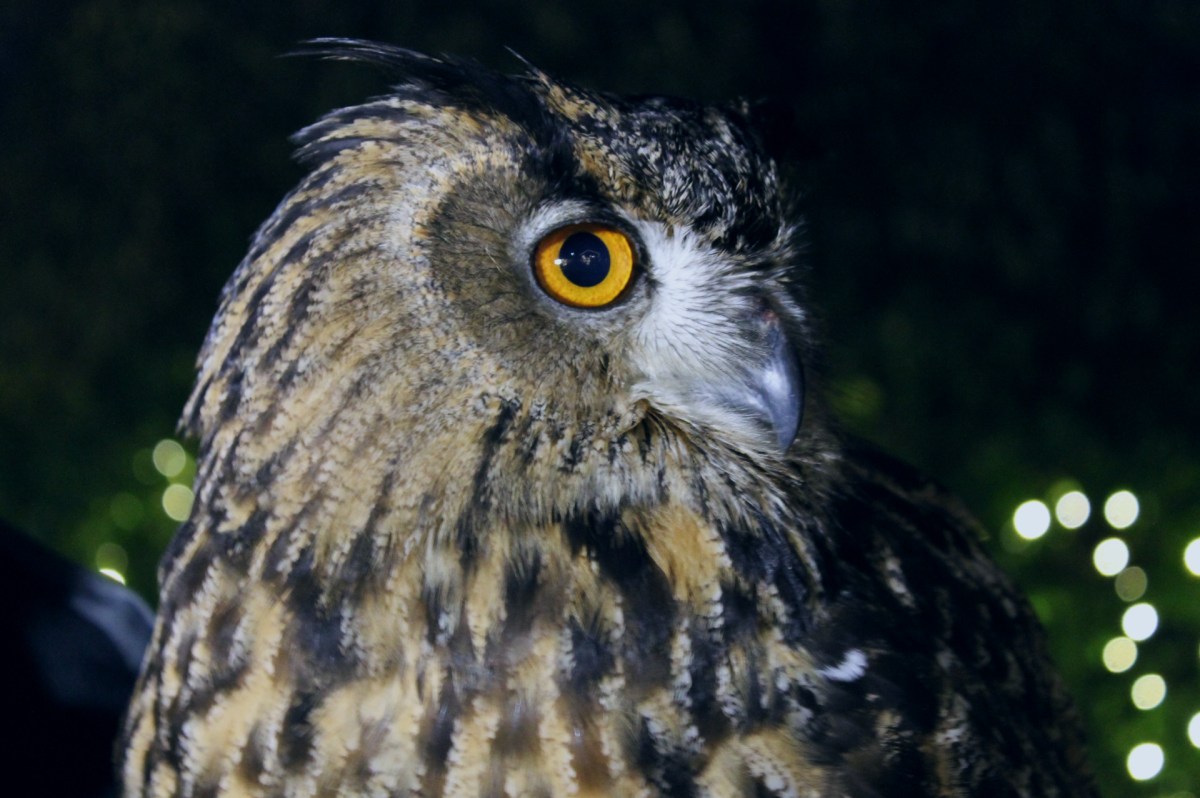
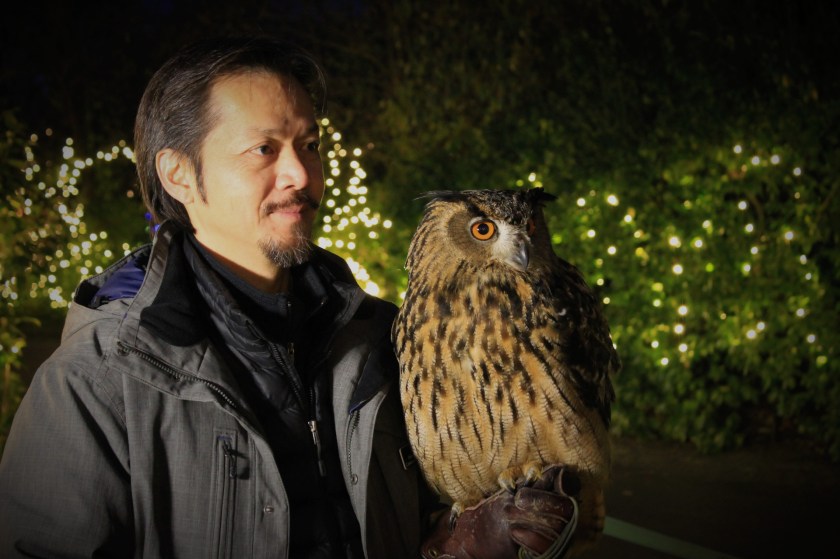
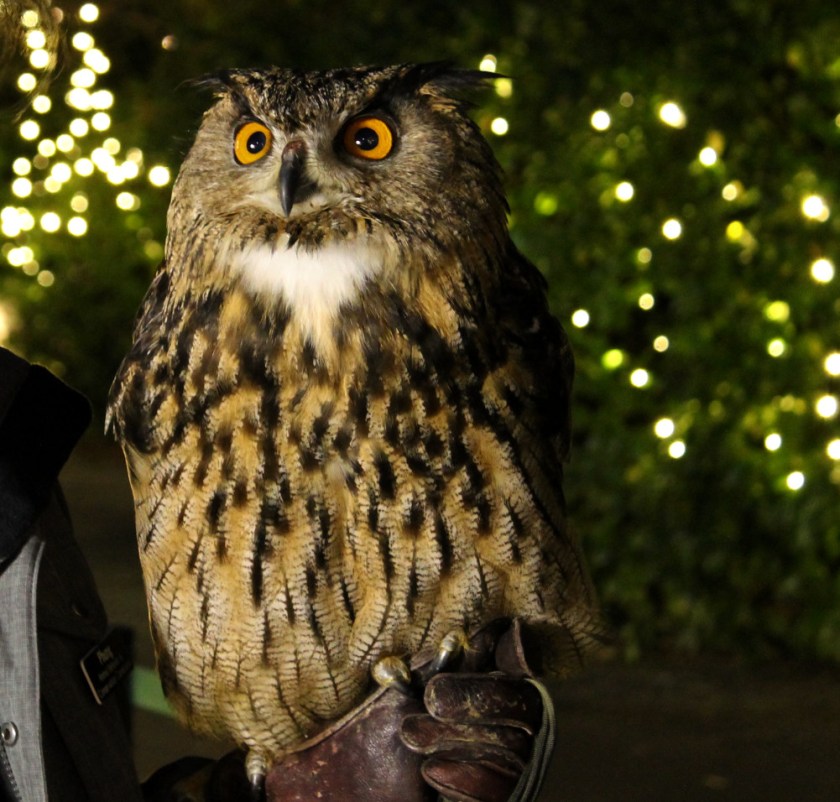
On Friday night the only animal on duty was Quincy, a 16-year-old Eurasian eagle owl. The impressively-plumed Quincy gamely hung out and remained calm despite a small crowd of guests pointing cameras at him, occasionally repeating a vocalization that sounded more like Buddy’s high-pitched greeting than a call you’d expect from an owl.
Hooting, which is what most of us associate with the nocturnal birds, is more closely associated with territorial displays and mating calls, Quincy’s handler explained.
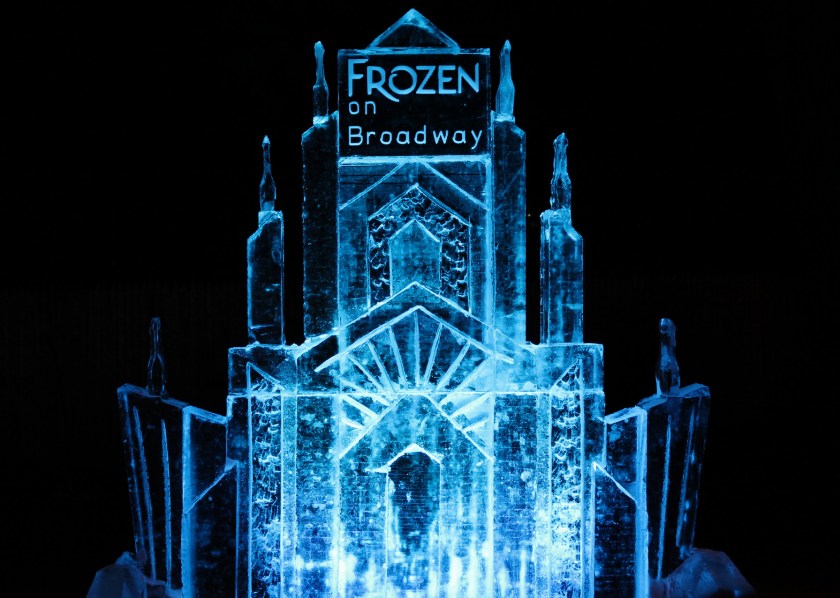
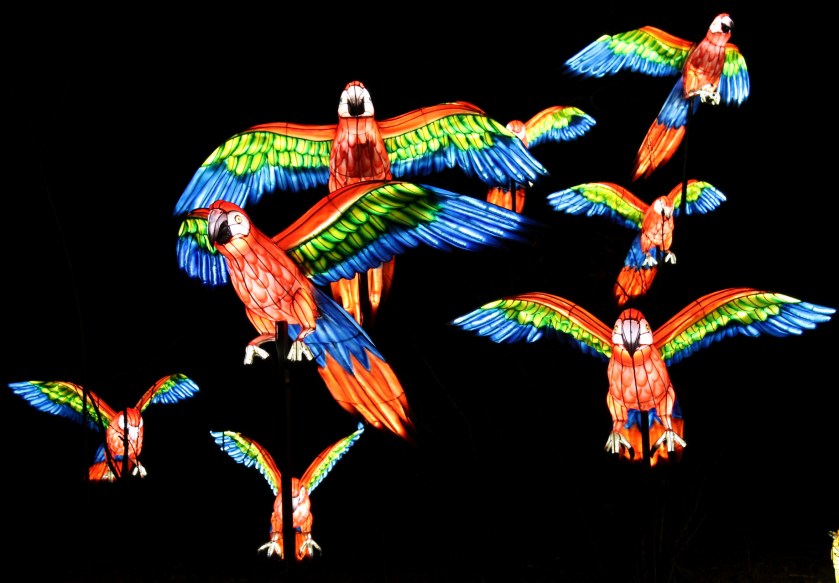
Quincy, a Eurasian eagle owl, wasn’t phased by crowds as he greeted guests at the Bronx Zoo’s Winter Wonderland. Photo: Pain In The BudEurasian eagle owls live up to 20 years in the wild, but typically live twice that long in captivity. Photo: Pain In The BudVisitors can watch artists chisel ice sculptures. Photo: Pain In The BudUnder the (very cold) sea. Photo: Pain In The BudBirds of Paradise. Photo: Pain In The BudGuests make Smores. Photo: Pain In The Bud
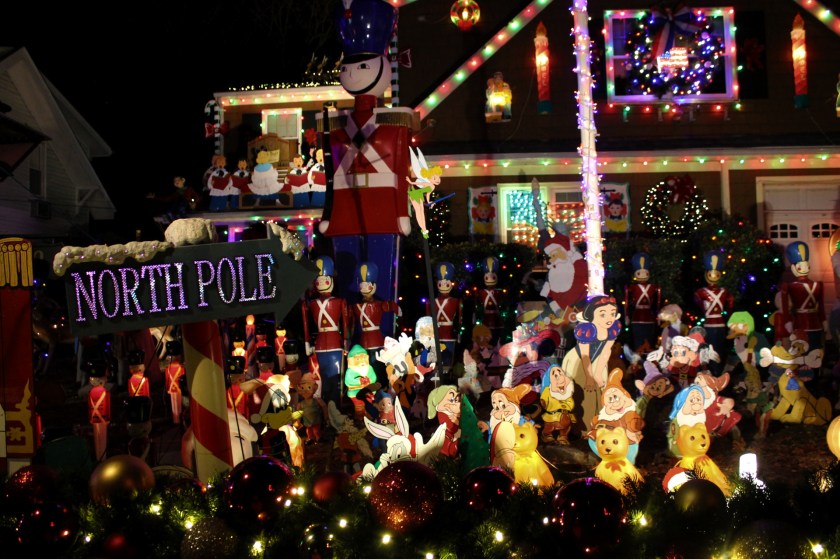
After taking my brother’s kids to Winter Wonderland, we stopped for a look at Roy’s Christmas Land in Harrison, NY. The owner, 61-year-old Roy Aletti, describes himself as a “maniac” when it comes to holiday decorating.
As you can see, his design philosophy can be summed up as “Buy as much shit as you can and cover every inch of your lawn.” The kids love it.
Roy’s Christmas Land in Harrison, NY. Photo: Pain In The BudRoy’s Christmas Land in Harrison, NY. Photo: Pain In The BudRoy Aletti, 61, has been decorating his home for decades and his display draws a steady stream of admirers every Christmas season. Photo: Pain In The Bud
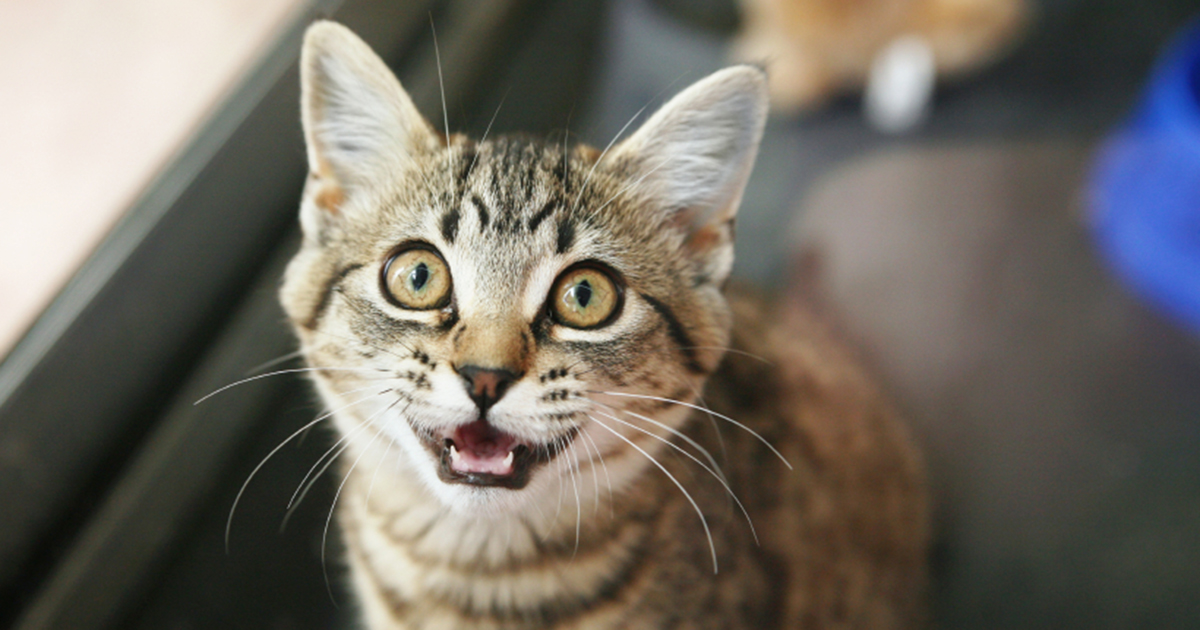
We know the meow originates as a way kittens communicate with their mothers, and adults generally don’t meow to each other. In fact, the iconic vocalization — which is the cat’s actual name in some languages — is a feline’s attempt to communicate with us, their human caretakers.
Give the little stinkers the credit they deserve: They know we don’t read tail, whisker, ear or even feline facial expressions very well, and they know we communicate verbally, so they meow to us.
We also know house cats develop exclusive “languages” with their favorite humans, forming personal and proprietary ways of exchanging information.
They’re even capable of meowing at the same frequency as a human baby’s cries by embedding the infant-like call in their purrs: Because we humans are hard-wired by evolution to respond urgently to those frequencies, our feline friends quickly realize their “solicitation purrs” are the most effective way to get our attention.
Clearly they’re manipulating us, not the other way around.
Have you decoded your cat’s repertoire of meows and other vocalizations? In addition to the meow — which comes in several different types and forms — cats can chirp, trill, chatter, growl, chirrup and purr.
Buddy is a very vocal kitty, and he likes to use trills to communicate. Here are Buddy’s favorite “words” and sentiments:
Hrrrruuuhh – “Okay then”/”I have no idea what you’re talking about”/”Sorry, not interested”
Brrrrr! Brrrrt! – “I don’t like this!” or “I don’t know about this!” (Heavy trill sound.)
(The brrrrt sound goes all the way back to Bud’s babyhood, when he wasn’t litter box trained and got nervous every time he had to eliminate. To this day, he makes that sound when he’s nervous and unsure of what to do.)
Brrrrruuuup! – “I’m fast! Watch me run! I’m running!”
(A vocalization that serves as a prelude to an energy-expending burst of activity.)
Rrrrooow! – “No!”/An expression of annoyance. May also mean “Get away from me!” in certain contexts.
Ahhhhmmmm – “Interesting!” High-pitched.
Hurrrrr – Affirmation. “Bud, do you want turkey tonight?” “Hurrrrr!”
Mmmmohhh! – “Oh, but I want to!” (Reserved for when he’s told not to do something, like scratch the couch.)
Excited chatter – About to receive catnip or one of his favorite foods.
Mrrrump! – Straining or jumping down. Often heard as he hits the ground when jumping down from a couch or bed.
Nyeeea – Okay, I’m awake!
Mmmyeoowww! – I WANT FOOD!
Mrrrrrrrooww! – I WANT FOOD!
Mrrooww! Mrrooww! – FOOD NOW!
Bah! Bah! – You jerk!
Mnyakk ak ak! – A chattering sound. “I see birds! I see birds and I can’t attack them!”
Incessant crying – Open the door so I can come in, and after five minutes I’ll cry again until you let me out. Then I’ll do it again until you let me in…
You, dear reader, have your own private language with your cat(s) too, whether you’re consciously aware of it or not. If you haven’t given it much thought, pay close attention to the sounds your cat makes and the ways you respond…and don’t get too freaked out when you realize who really runs your home. 🙂
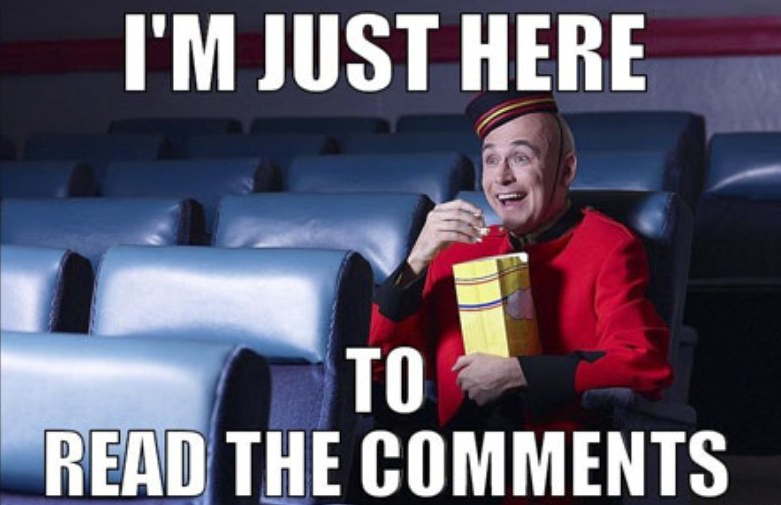
Buddy’s blissful bubble is burst when he realizes not all comments are kind.
Buddy: Watcha doin’, amigo?
Big Buddy: Nothing much, just looking at some NBA box scores before bed.
Buddy: Can you go back to the comments on that last story about me? The one where you exaggerate how I wait for you by the door…
Big Buddy: How exactly was that story exaggerated?
Buddy: I don’t wait for you by the door when you leave. I merely take a nap in proximity to the door. There’s a difference.
Big Buddy: Uh, okay then.
Buddy: Just read the comments!
Big Buddy: Okay. Wow, this one is very complementary: “Buddy is the most handsome tabby alive. Stunningly beautiful! Those eyes…”
Buddy: I like that one. More!
Big Buddy: Okay here’s one that says “He’s an absolutely beautiful cat,” and the next comment reads “What a sweetheart!”
Buddy: It’s true, isn’t it? I’m almost too handsome and charming. More!
Big Buddy: All right, this one says “Buddy has exquisite eyes.” Here’s another that says “What a gorgeous cat!” Oh, and you’ll like this: “Buddy is quite the hottie!”
Buddy: That’s what I’m talking about! People are finally recognizing my good looks! More!
Big Buddy: All right, what do we have here? “Buddy is a vain little jerk. I bet he rolls around in his own poop!”
Buddy:WHAT?! Who wrote that?
Big Buddy: Someone named LosGatos13. Pfffft. Wow. Listen to this one: “What a fat bastard. The police would throw him in jail, but he’d just eat his way out.” Ouch. Oh, this one from ChickMagnet217 is even worse: “Buddy is so fat, I took a photo of him last year and it’s still printing.”
Buddy: WHAT?!? Let me see that!
Big Buddy: Is that steam coming out of your ears?
Buddy: Buy us a plane ticket, now!
Big Buddy: Uh, why?
Buddy: Because you and I are going to fly from the internet to find this ChickMagnet217 and beat him up!
Big Buddy: You weigh 10 pounds. What are you doing to do, shred his ankles?
Buddy: No, I’m going to wait for you to beat him up, then I’m going to jump on top of him and slap him silly!
Big Buddy: That’s an assault charge, little dude. If I’m buying a plane ticket it’s gonna be to someplace warm where they put little umbrellas in cocktails, not to some nerd’s house.
Buddy: I’m sure they have umbrellas and cocktails wherever ChickMagnet217 lives. This is important. I order you, as my servant, to buy the ticket!
Big Buddy: No.
Buddy: Buy it!
Big Buddy: Nope. Calm down. Go take a nap or something.
FOUR DAYS LATER…
[There’s a knock at the door. I open it to find two unamused police detectives standing in the apartment hallway.]
Big Buddy: What can I do for you, officers?
Detective: I’m looking for a Buddy…
Big Buddy: You’ll have to be more specific, I’m afraid…
[Detective holds up a turkey-stained envelope in an evidence bag, with ChickMagnet217’s address and my return address written in sloppy crayon.)
Detective: Are you familiar with the Interstate Fecal Transport Act of 1972? It’s a federal offense to mail shit across state lines, punishable by up to five years in prison.
Big Buddy: Could you hold that thought a second? Thanks.
[Clears throat]
Buddy! Come here, Bud, these nice men are from the cat food company and you’ve just won a years’ supply of Savory Turkey Entree!
[Buddy comes tearing toward the door and skids to a halt, looking up at me and the detectives.]
Buddy: A whole year of turkey? Wow!
Big Buddy: Yup! You’ll just have to go with these two gentlemen here. They’ll take you back to the, uh, pet food headquarters to sign some paperwork for your turkey. Bye, Bud!
“A whole year’s supply of turkey! I hit the jackpot!”








 Pain In The Bud