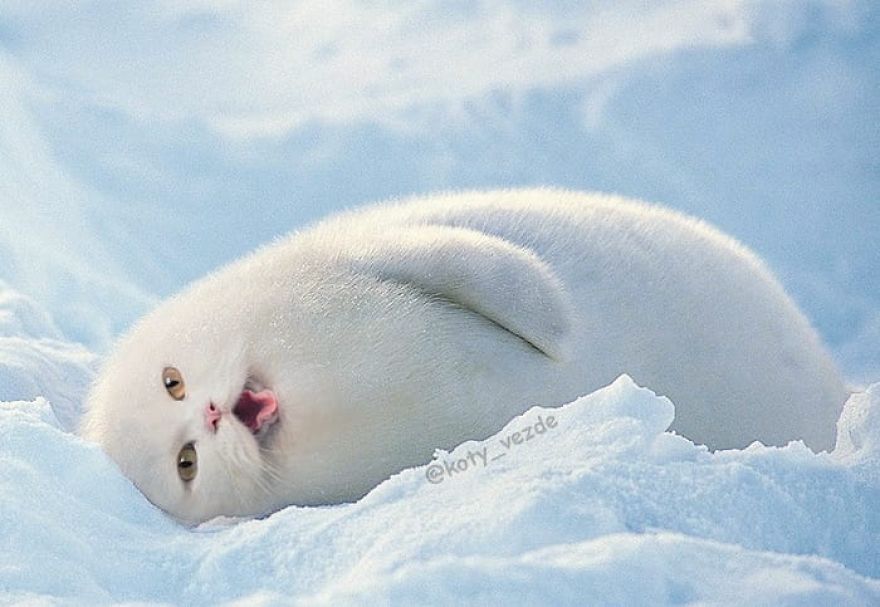
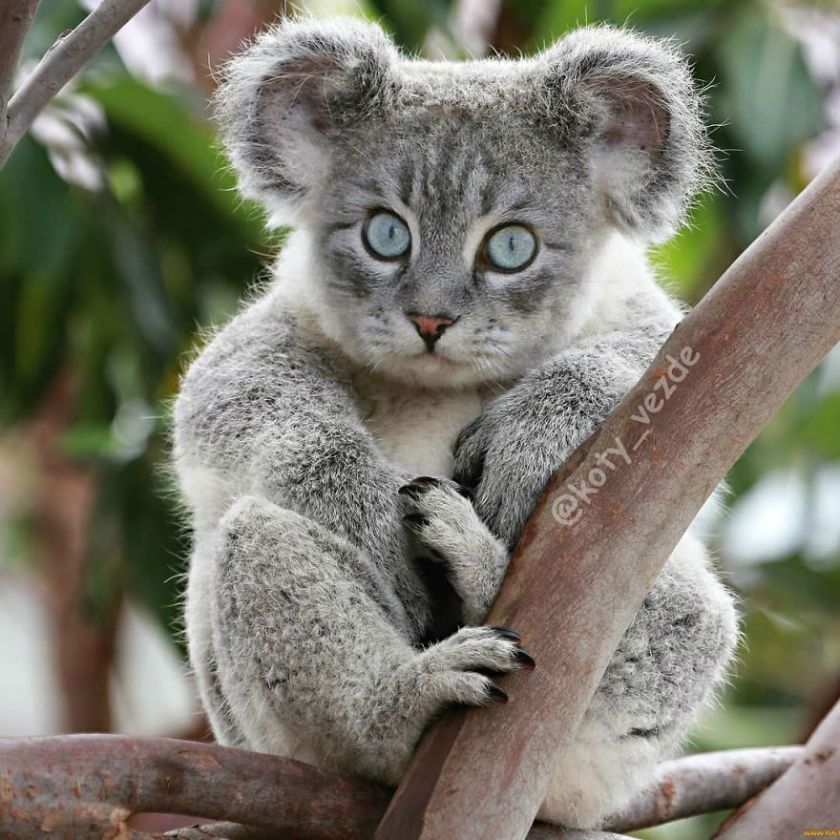
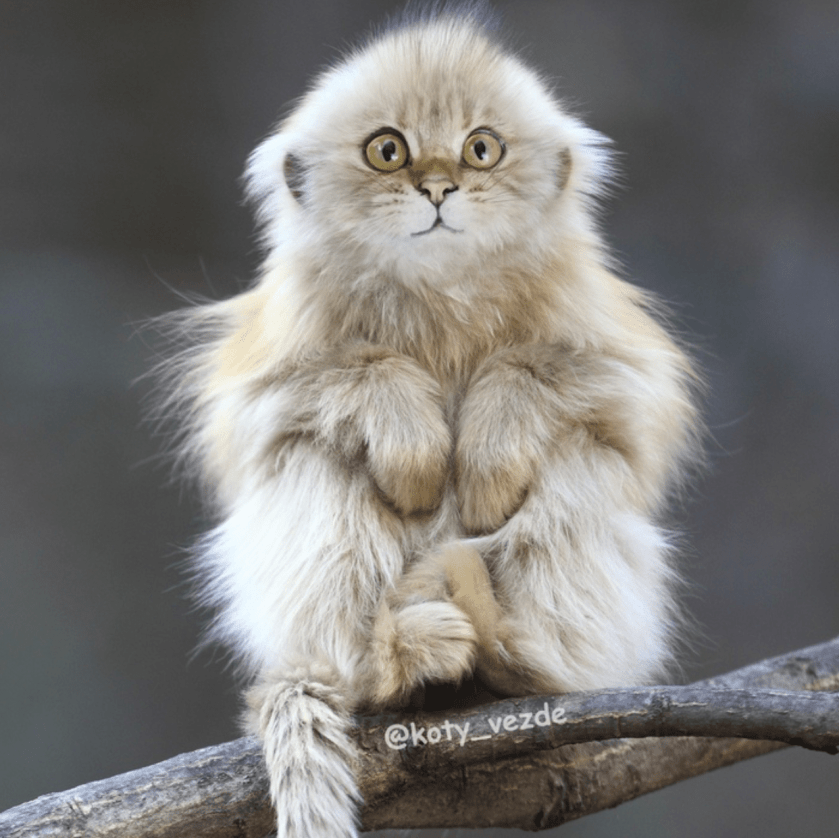
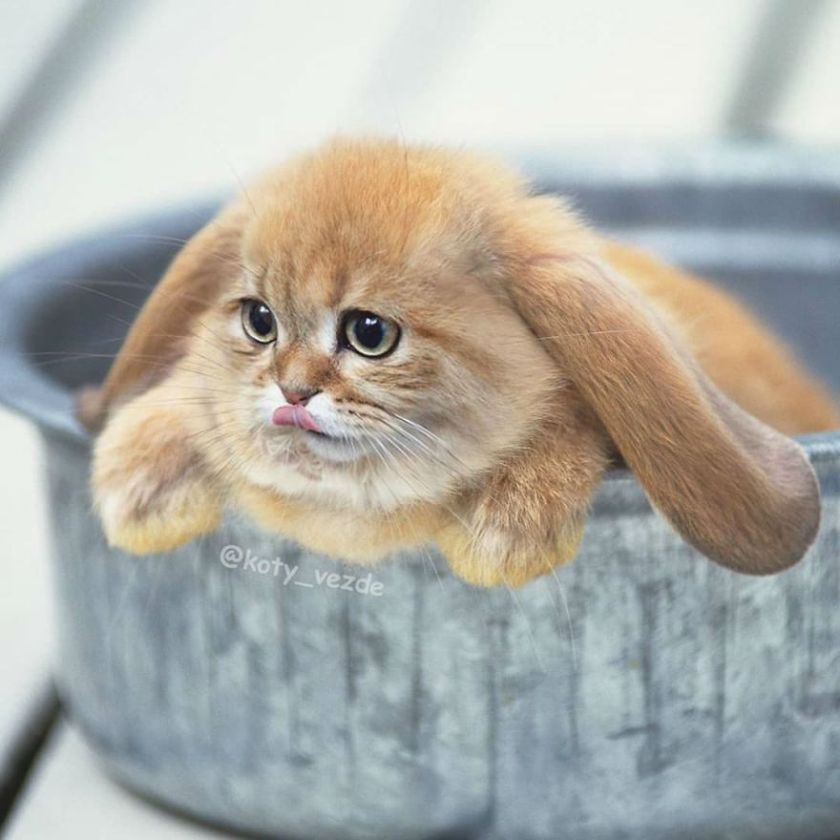
A Russian artist catifies other animals like real-life Pokémon. The results are amusing, cute and sometimes a bit freaky.
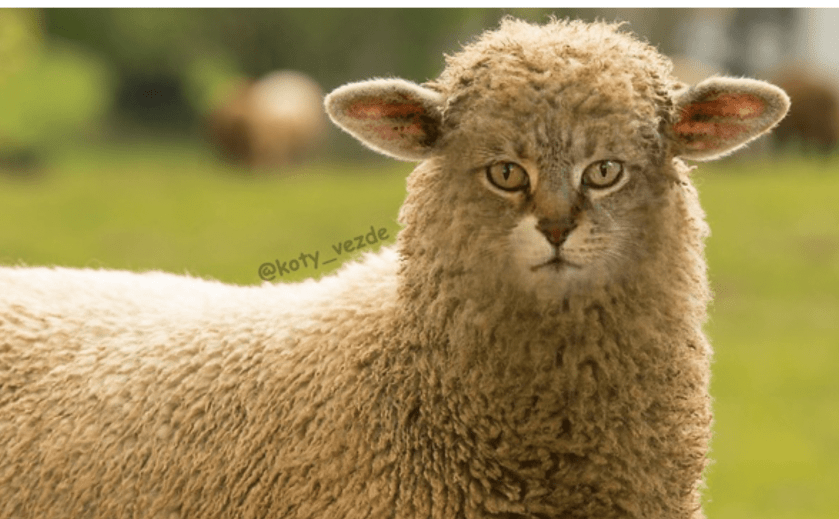
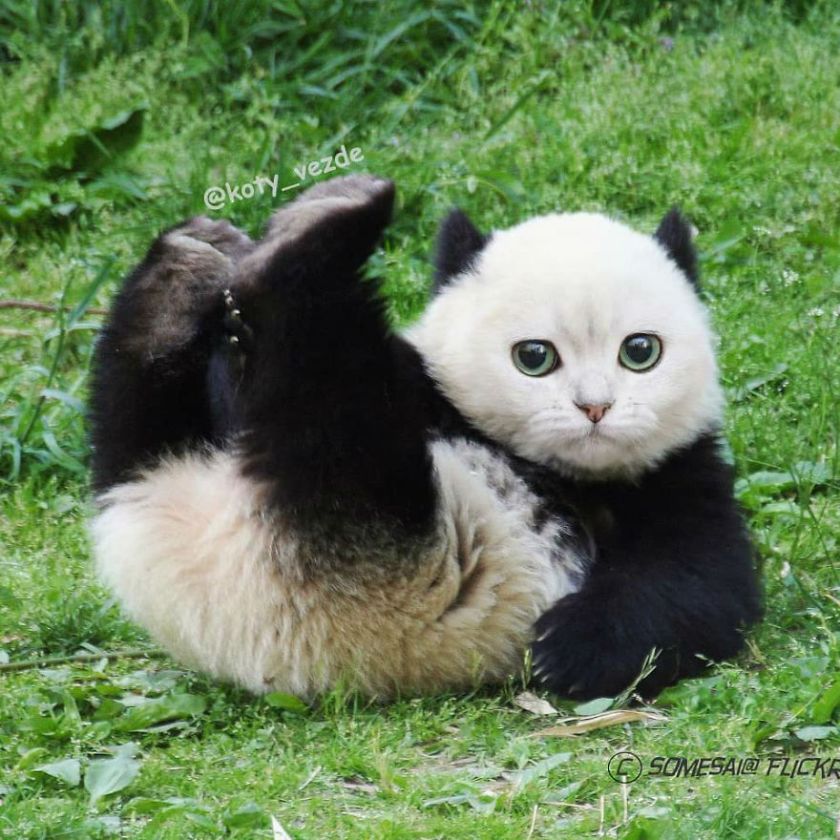
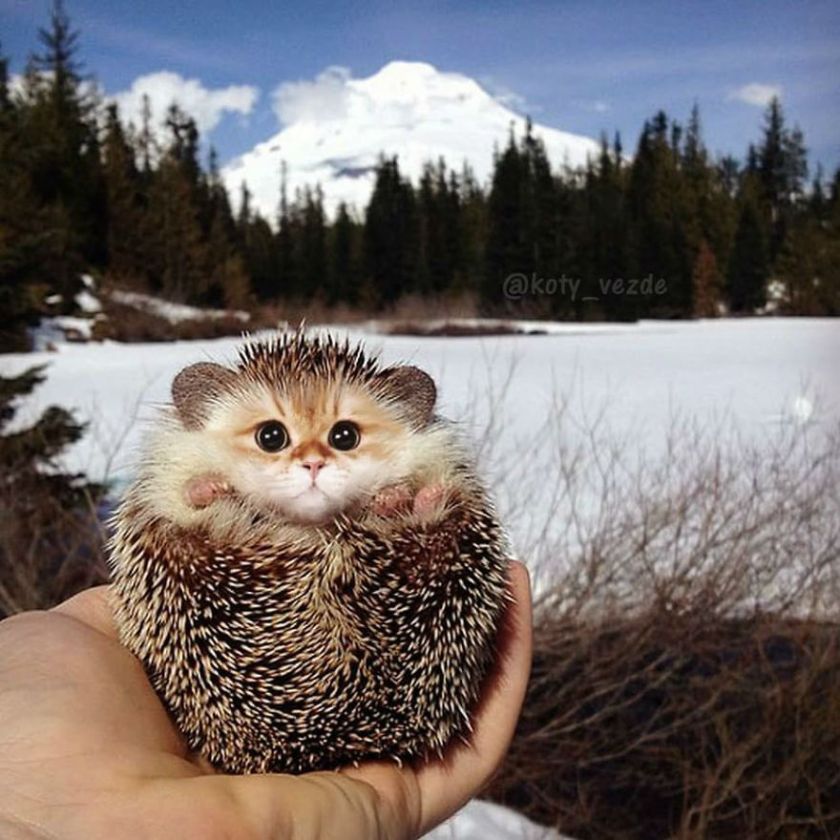
Thanks to a Russian artist with a skilled hand at Photoshop, we now have an answer to a question no one asked: Can other animals be improved by catifying them?
The answer is yes, at least for the furry ones.
Like this KoalaCat:
This moncat. Or macatque:
Credit: Koty Vezde
This cabbit:
Credit: Koty Vezde
This not-very-amused looking ceep (shat?):
Credit: Koty Vezde
And this Canda, or Pancat:
And finally this Cedgehog:
Credit: Koty Vezde
The artist, Galina Bugaevskaya, posts her creations to an Instagram account she created and dubbed Koty Vezde, Russian for “Cats Are Everywhere.” The 29-year-old is based in Moscow and, not surprisingly, she has her own feline overlords.
Visit Bugaevskaya’s Instagram and VK pages to see more.
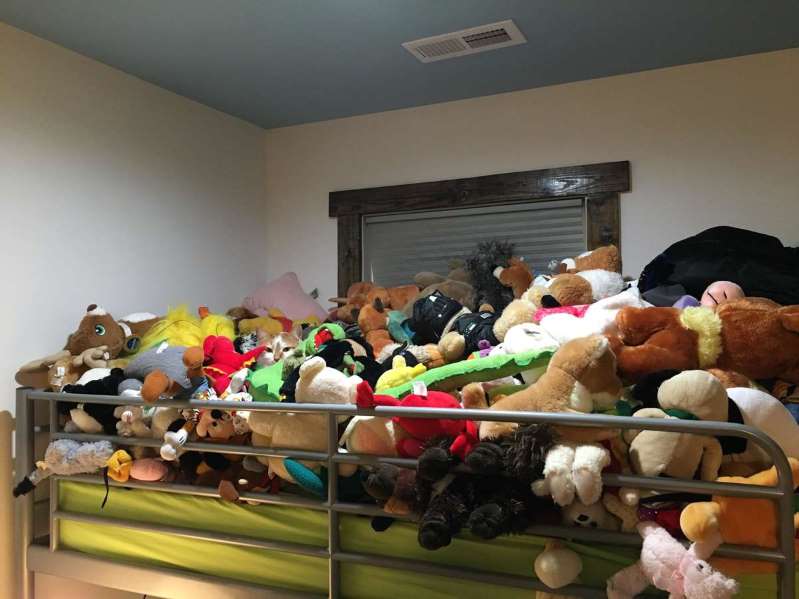
There’s a kitty hiding among the stuffed animals in this photo…
Now for another edition of Cats Hiding In Plain Sight. This time it’s a domestic cat instead of a leopard, and the landscape is a bed full of stuffed animals instead of the wild outdoors.
The challenge here is to find the fluffy cat amid all the other fluffy things.
Unlike the hidden leopard photo, which drove me crazy, I spotted the cat immediately in this one. Can you?
Where’s the cat at?
The cat’s name is Obi and he likes to snooze in the pile of stuffed animals. His favorite is a small hedgehog plushie that he likes to retrieve from the pile and carry with him around the house, owner Mark Carney said.
“We don’t think Obi is hiding per se,” Carney told The Dodo. “When we spot him, we get no reaction, so it’s not a game, either. It is just a spot he likes to sit.”
There may be another reason little Obi retreats to the stuffed animal-bedecked bunk: The family recently adopted a new kitten, and Obi may be trying to earn a reprieve from all that kitten energy.
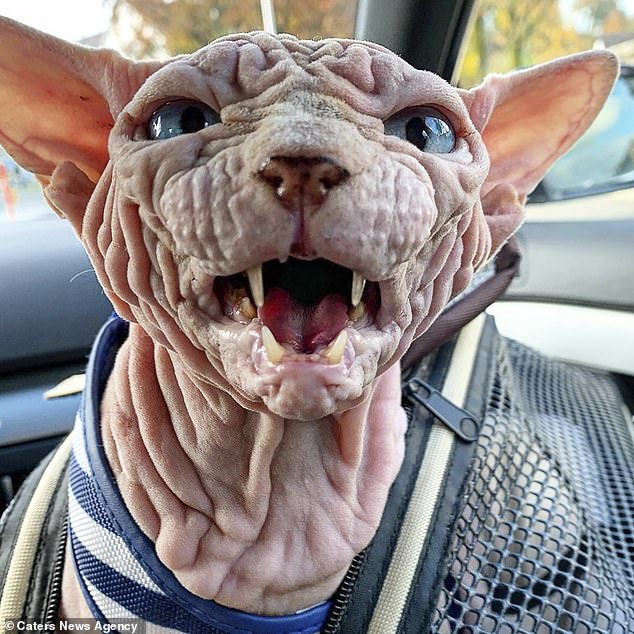
Also, we assume, known as Xherdan the Sun Eater, Xherdan the Bane of Hope, He Who Sups on Souls, and Xherdan the Earthcrusher.
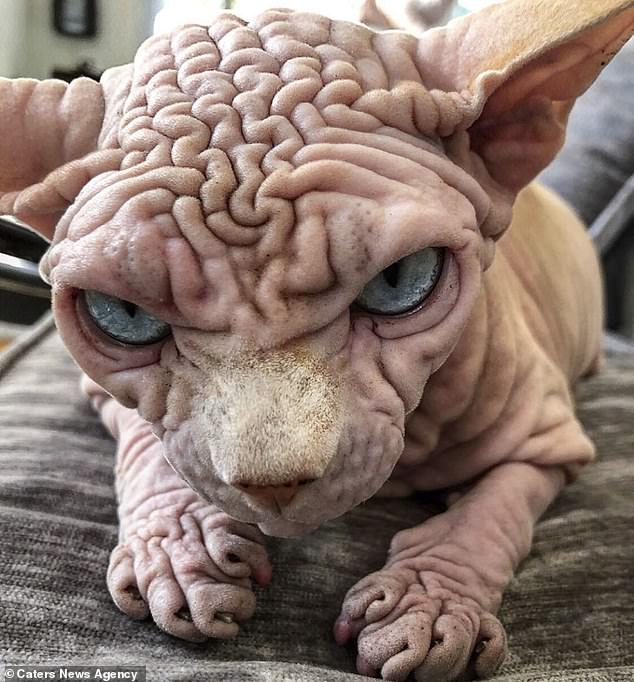
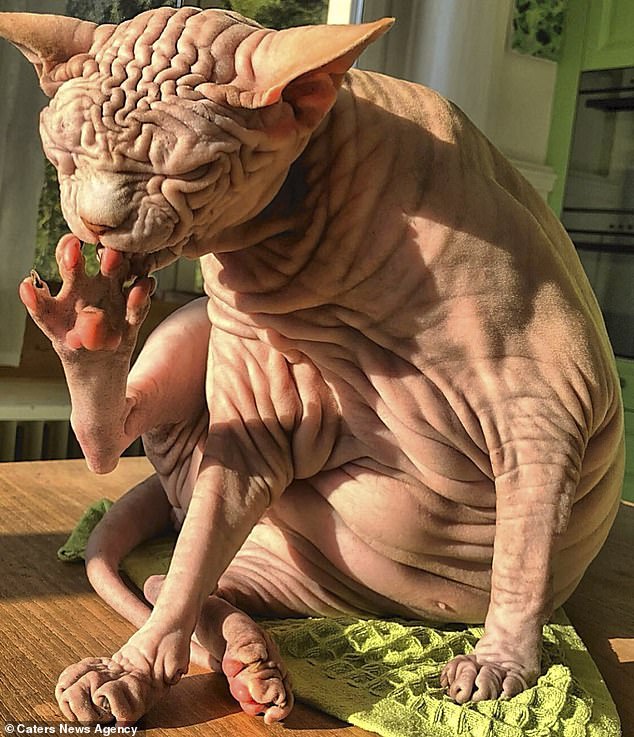
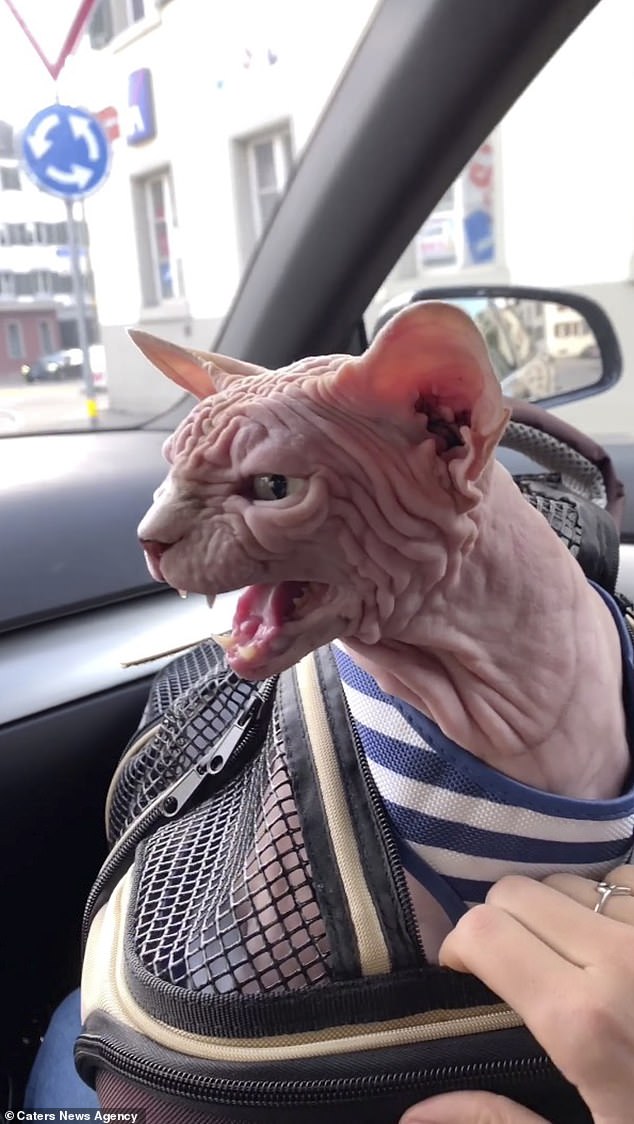
The incredibly wrinkly Sphinx cat is served by a Swiss woman named Sandra Filippi, who insists the feline, despite looking like the brain of a malevolent alien, is just a big softy who enjoys cuddling and napping when he’s not talking. We’ll give Filippi the benefit of the doubt and won’t allege those talks include nefarious plans for the subjugation of the human race, but only until we get solid evidence.
Where some of us see a Lovecraftian horror from the deepest Cthulian depths, Filippi sees an adorable kitty.
“When I first saw him, he immediately stole my heart,” Filippi told the Daily Mail. “His wrinkled pink skin, as fine as a peach, and his turquoise eyes, I was in love.”
Although she doesn’t explicitly say so, it appears her cat is named after footballer Xherdan Shaqiri, a Swiss midfielder who plays for Liverpool.
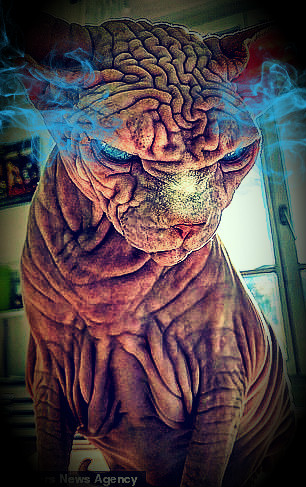
We’ve taken the liberty of making some very small adjustments (barely noticeable, really) to one of Xherdan’s photos in Pixlr, just to show our readers what an excellent Evil Overlord this cat would make:
But the truth is, he doesn’t need glowing smoke coming from his eyes or dramatic lighting. He looks terrifying enough as it is:
Xherdan orders his minions to feast on the corpses of unbelievers.Xherdan grooms himself after easily reducing another human city to rubble and salting the earth it stood on.Xherdan threatens to wipe motorists from existence in a column of balefire if they don’t make way for his vehicle.
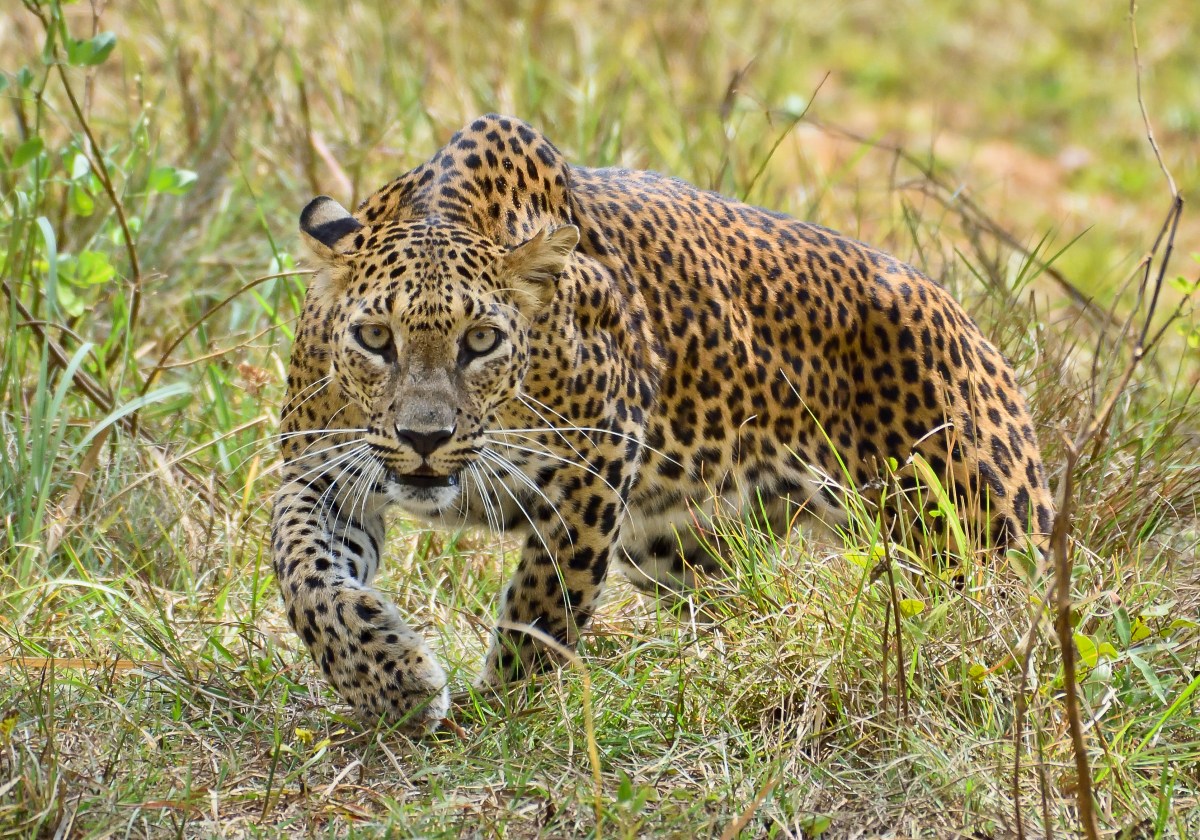
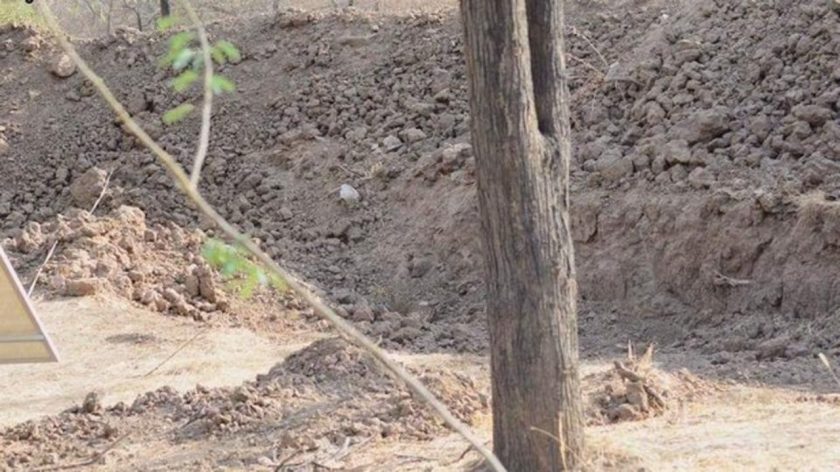
Most people know leopard spots afford the big cats excellent camouflage, but this is ridiculous. There’s a leopard in this photo. Can you see it?
The viral photo has been making the rounds online over the past 24 hours. If you can’t find the leopard, don’t feel bad: I stared at the damn thing for 10 minutes until I cheated and looked up the answer.
Unfortunately it looks like the highest-resolution version of the photo that exists on the web is only 1280×720, so we don’t get the benefit of HD. Either way, this cat has an impressive ability to blend into its surroundings.
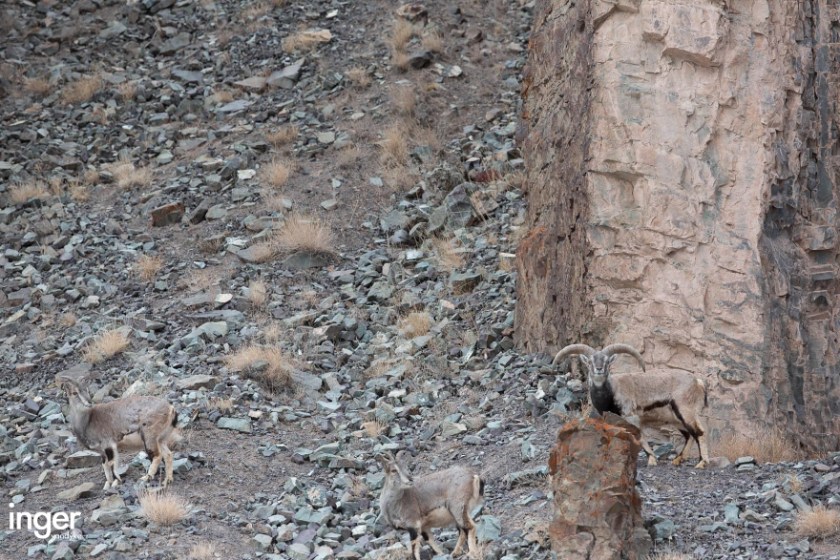
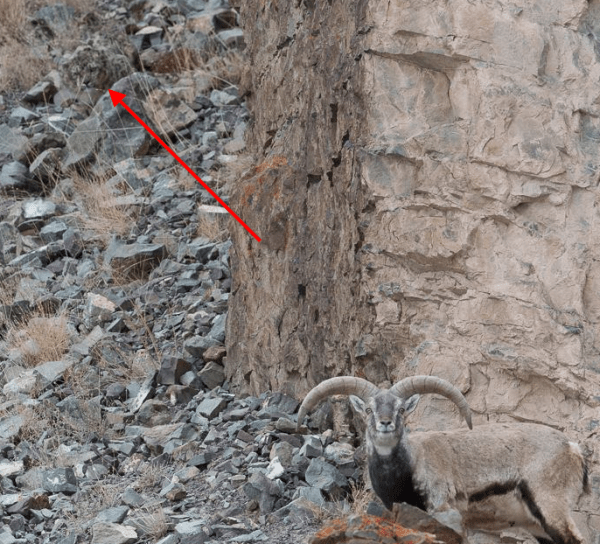
A search turns up quite a few similar photos, like this one of a snow leopard:
See it yet?
How about now?
Like all big cats, leopards are disappearing from the wild due to habitat destruction, hunting and cub-poaching.
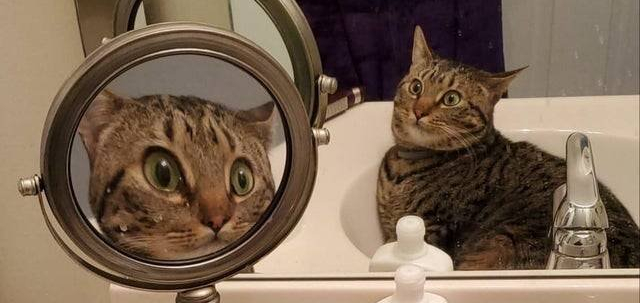
“I saw his reflection in the magnifying mirror and I started laughing hysterically,” Roscoe’s owner said.
Meet Roscoe.
The year-old tabby and his human are enjoying viral fame after the latter snapped this shot of Roscoe catching his reflection in two mirrors at the same time, prompting a hilarious look of shock:
Roscoe catches his reflection in two mirrors. Credit: Katie B.
Roscoe’s human, Katie B, explained how she got the shot.
“I was just going about my business when I looked down and saw his reflection in the magnifying mirror and I started laughing hysterically,” said the 24-year-old PhD student, who lives in Chicago. “It was hilarious, and thankfully I was holding my phone. So I quickly took a picture and sent it to my friends on Snapchat.”
Roscoe’s bewildered look has reignited the debate about feline self-awareness, a topic that still hasn’t been settled by science. It’s a subject we’ve explored here on Pain In The Bud, detailing Buddy’s “long and tumultuous history with mirrors” and his reactions to seeing himself — and me — reflected back at him.
Katie calls Roscoe “a funny little dude” and her “furry best friend.” She’s started an Instagram account for Roscoe where she documents the little guy’s antics for his followers.
“It’s been really fun seeing how much people love it and all the memes and drawings people have done of Roscoe,” Katie told Buzzfeed. “He has brought so much joy into my life, and I’m glad he’s bringing joy to others too!”
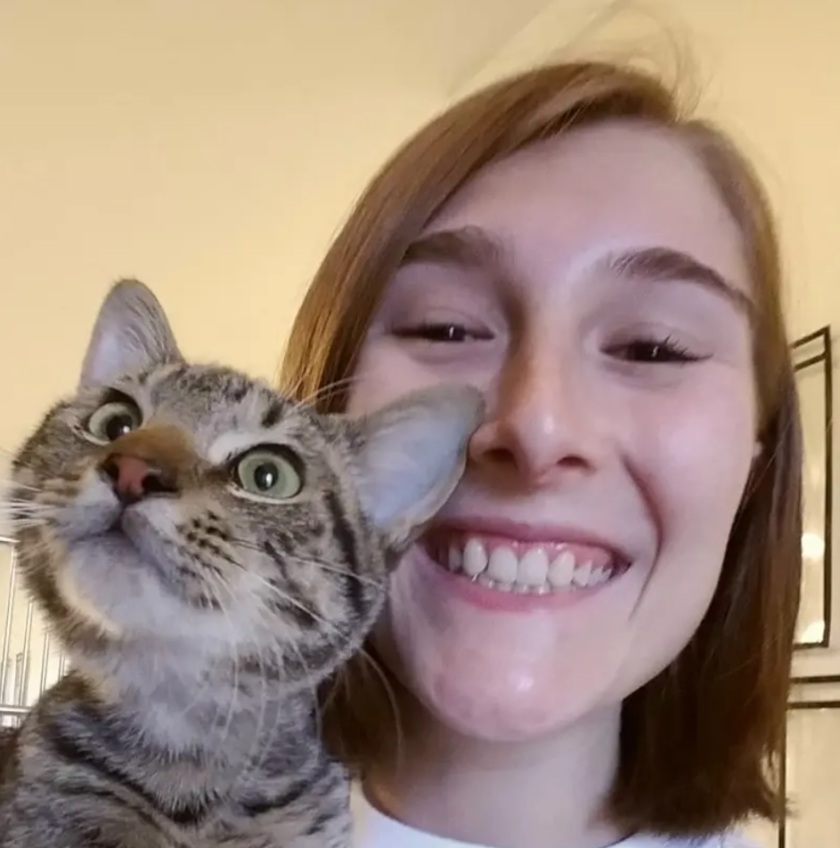
Roscoe and his human servant, Katie B. Credit: Katie BPhotos of Roscoe capture the little guy’s amusing personality. Credit: Katie B



 Pain In The Bud