Big Buddy Goes Face To Face With A Tiger

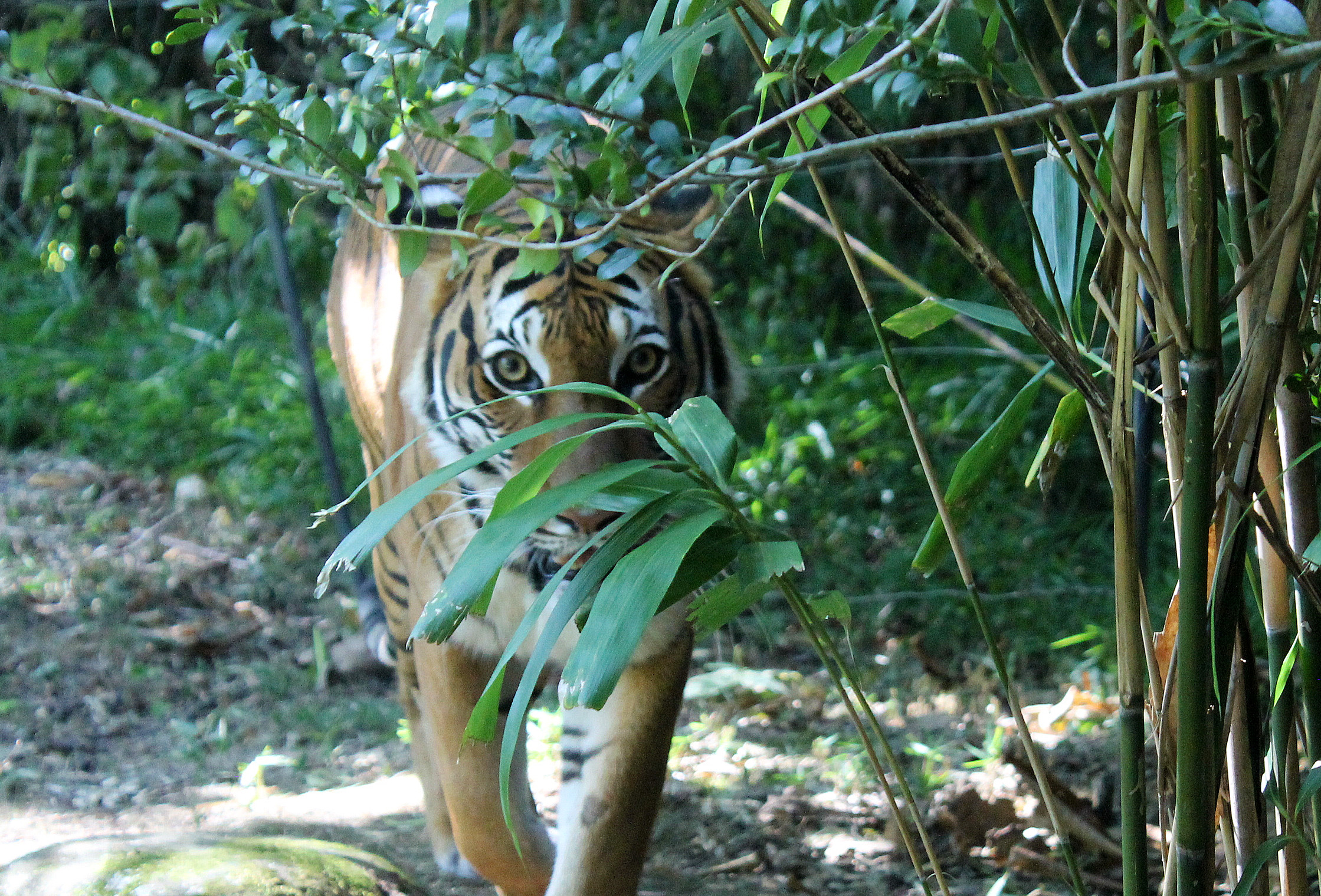
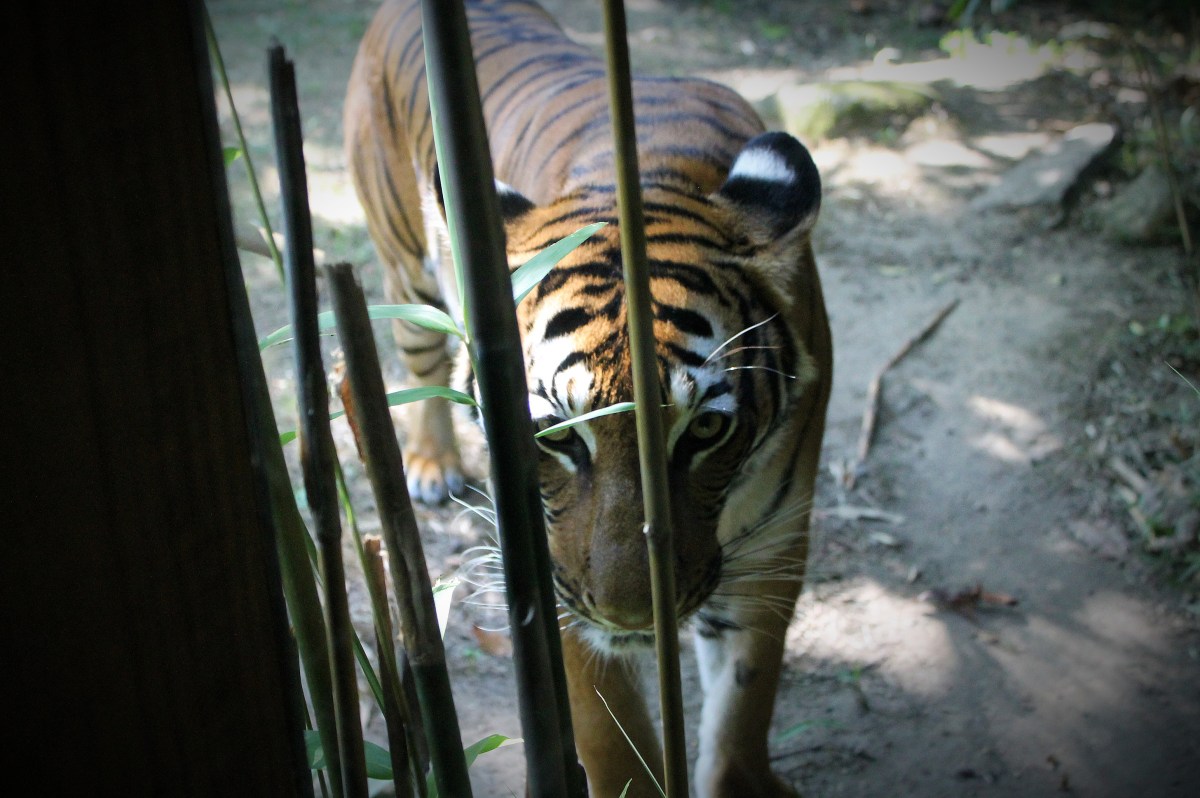
A mere three feet away, the tiger looked me in the eye.

The big cats at the Bronx Zoo have had a rough 2020 too.

First the zoo was shut down — along with thousands of other gathering places — due to the novel Coronavirus.

Then a tiger at the zoo got sick and tested positive for COVID-19, marking the first positive test for an animal in North America and the first recorded instance of human-to-tiger transmission. Seven other big cats at the zoo caught the virus, including four tigers and three lions.

Thankfully they recovered and everything — or almost everything — looked normal when I visited this week.

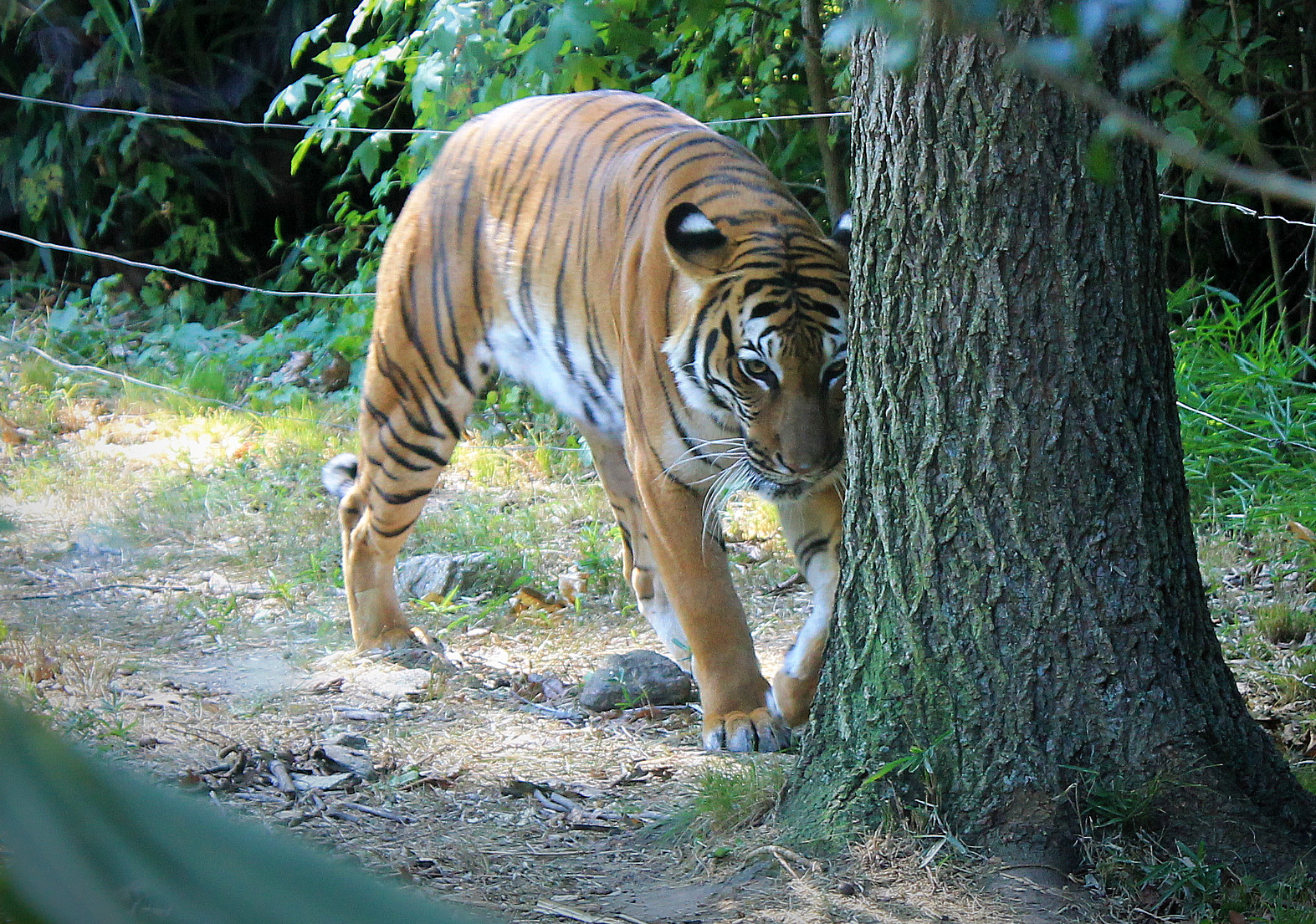
One of the awesome things about the zoo’s Tiger Mountain is that it has a trio of viewing ports that provide a prime view of a small pond where the tigers drink, swim and nap.

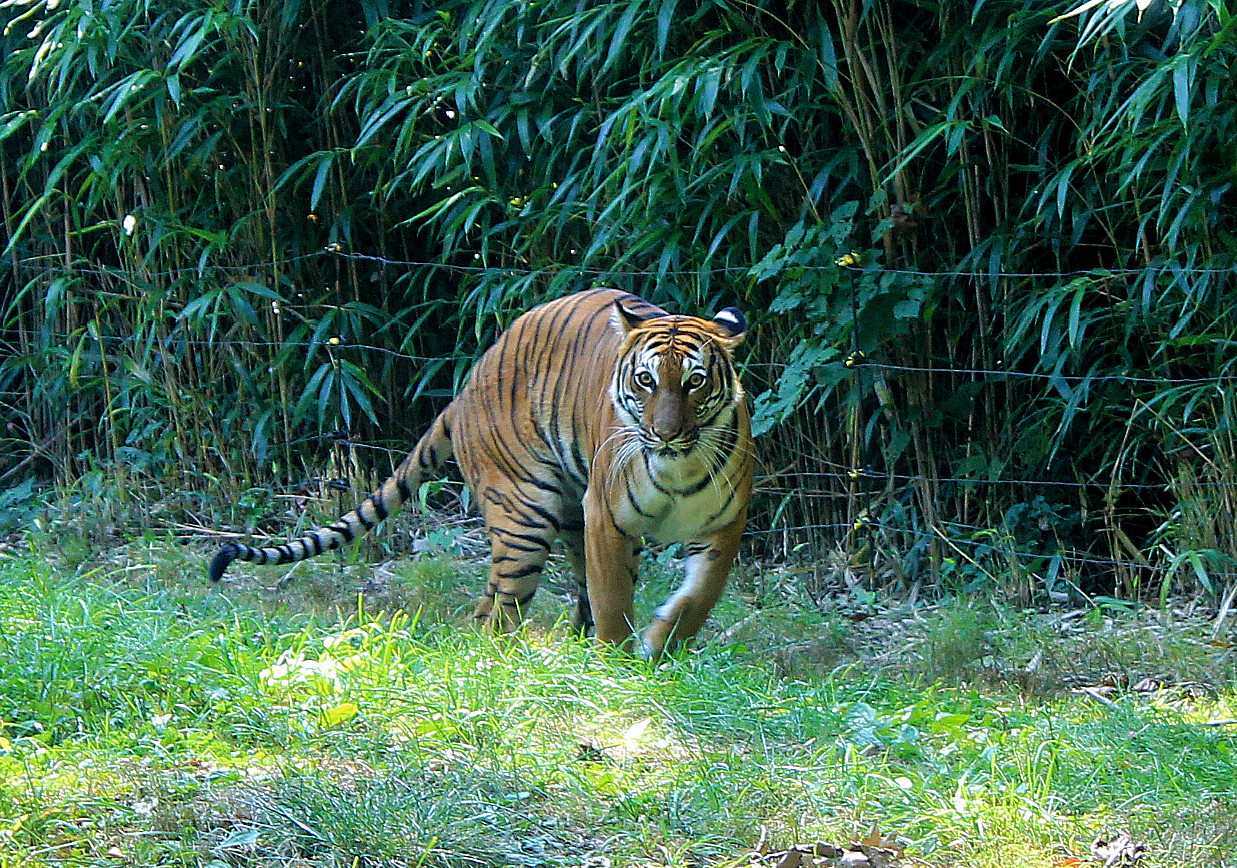
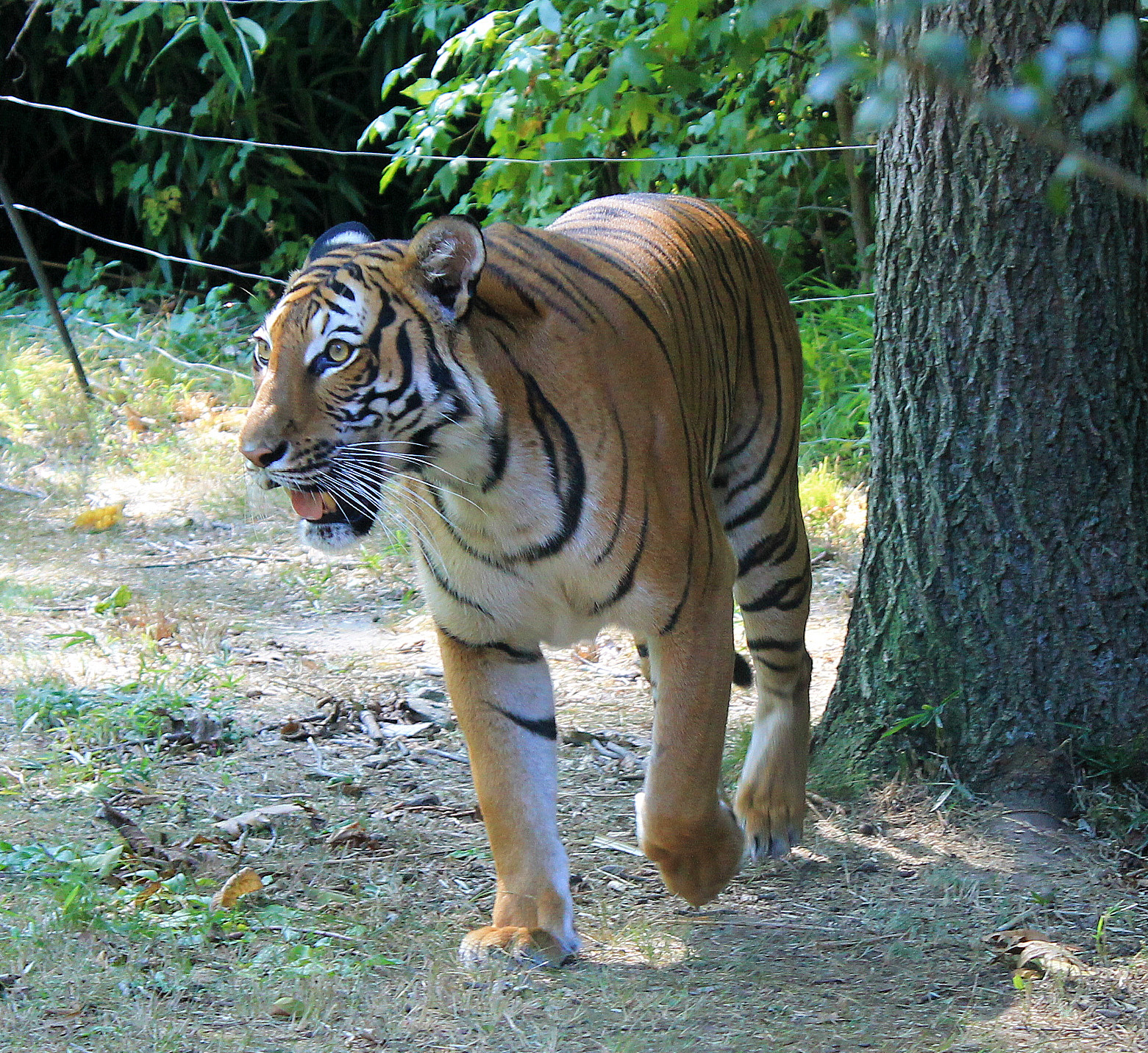
This tiger lounged in the distance for a few minutes, then got up and gave us a show.
bronxtiger16

At one point the tiger came right up to the glass and looked at me:
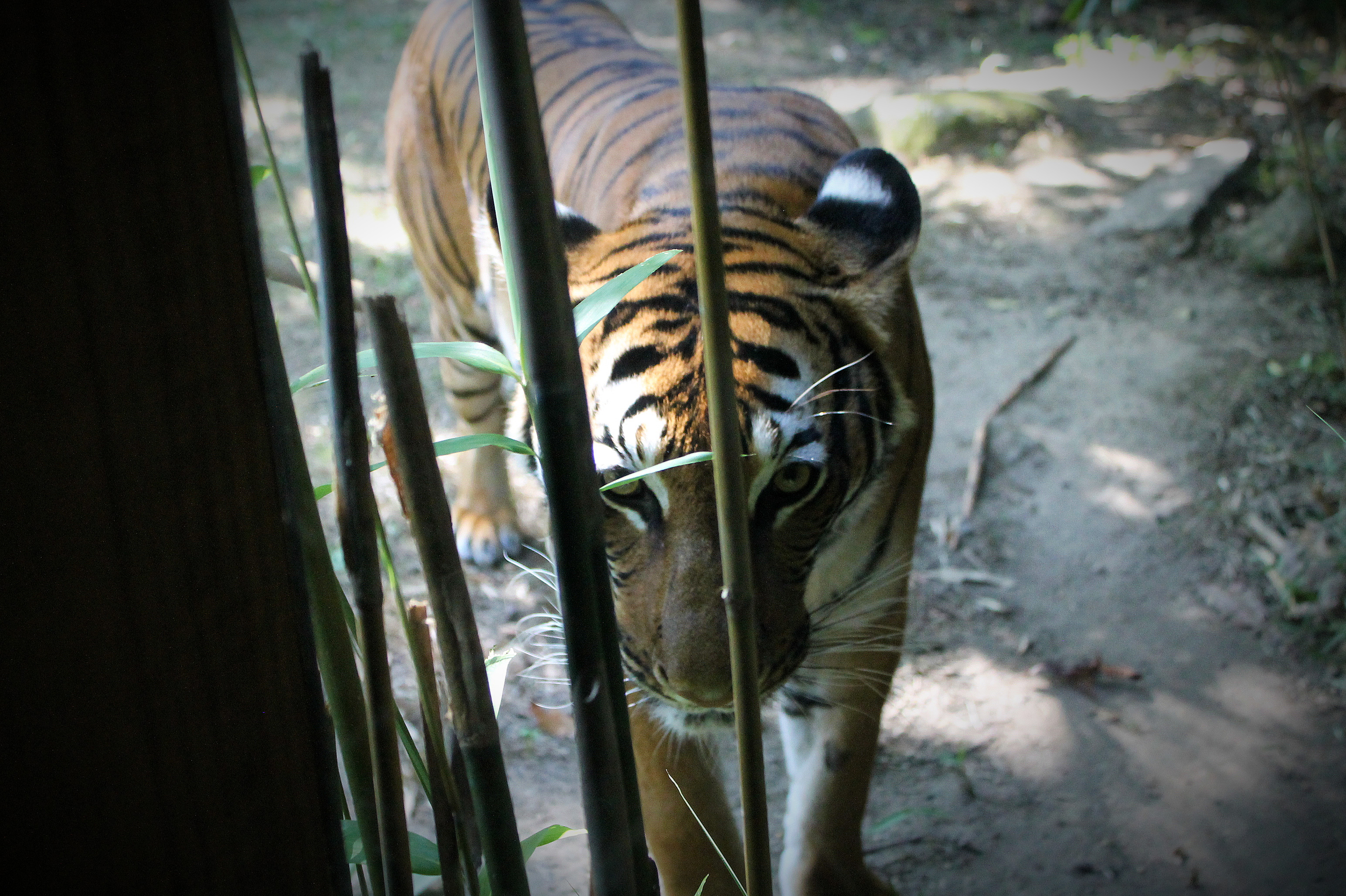
bronxtiger17

Standing three feet from a tiger is an experience, glass or no:
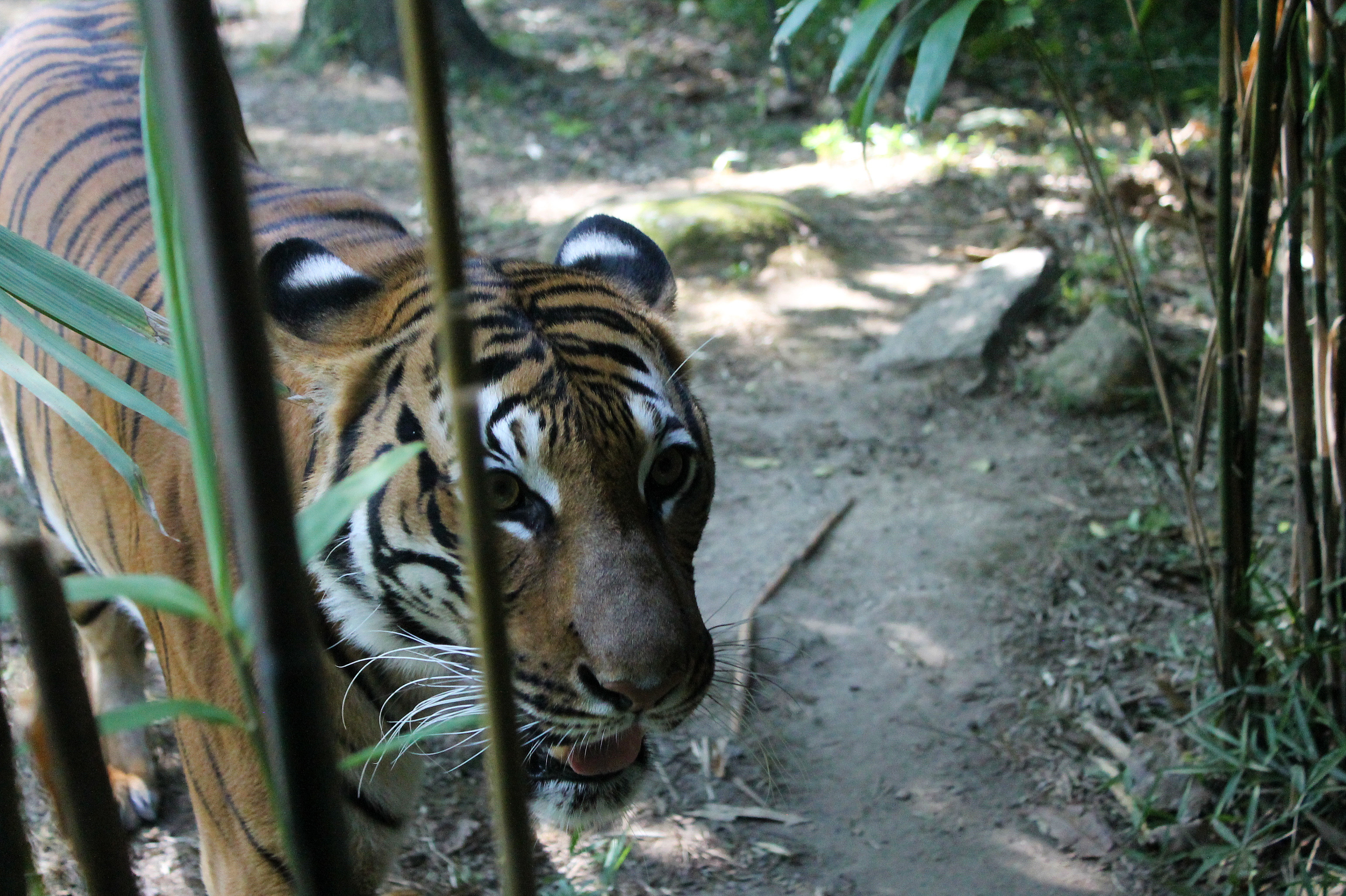
bronxtiger6

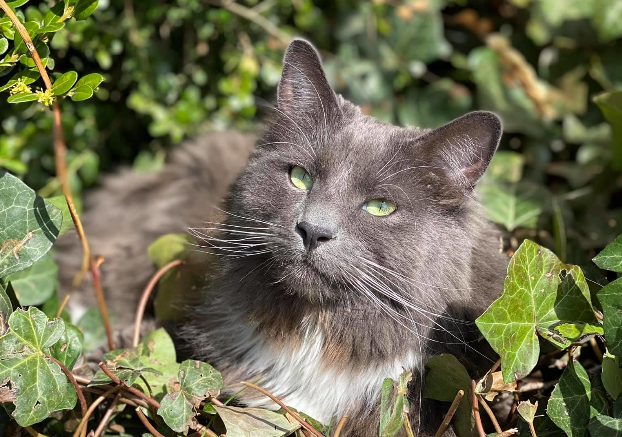
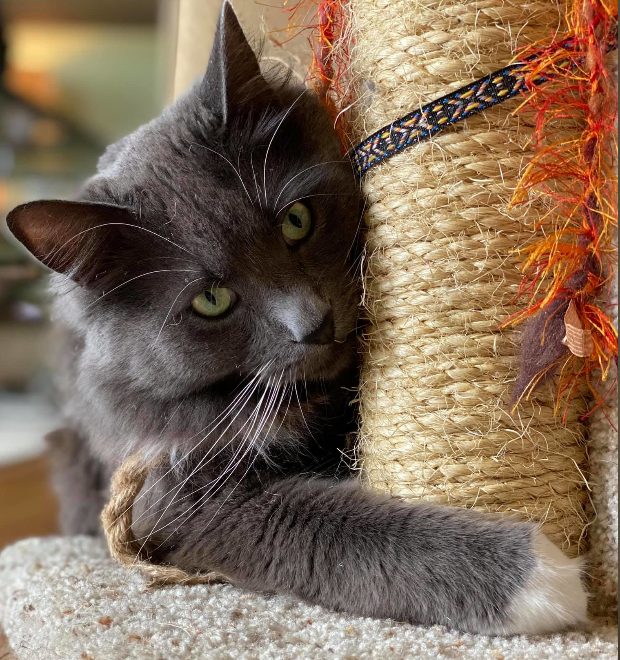
Not as terrifying as Buddy’s visage, of course, but still something to behold.
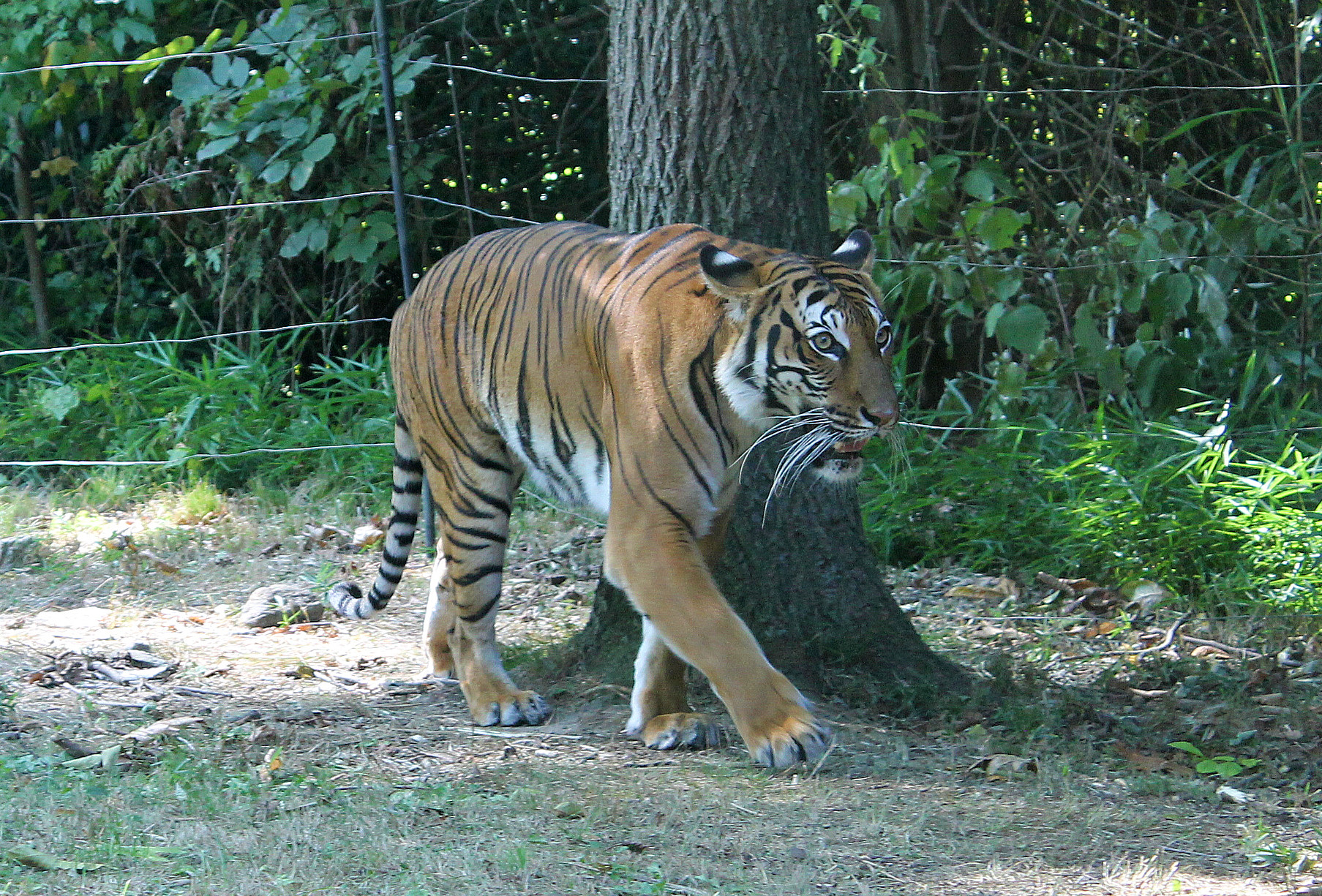
bronxtiger11

bronxtiger

bronxtiger7

bronxtiger10

The lions were less welcoming. They were clumped up in the shade of an oak tree, snoozing without so much as a tail flick for motion.

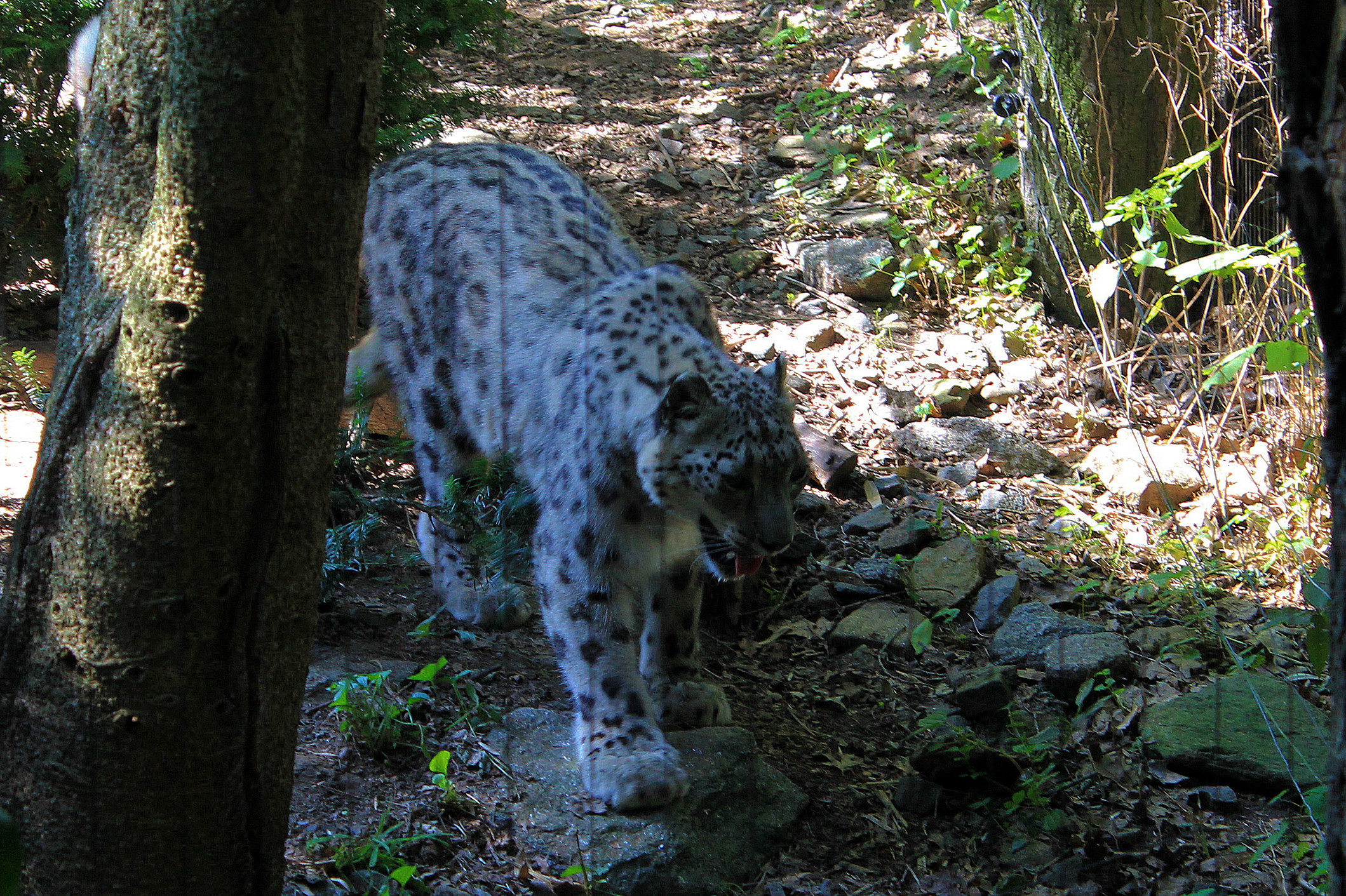
Next was a snow leopard. This guy clearly didn’t deal well with a lot of humans gawking at him, and I could only snap a few shots before he retreated back up a hill in his enclosure, where the angle and brush gave him a measure of cover from human eyes.

I also saw him spinning in a circle repeatedly, a sign of zoochosis. I’m not an animal behaviorist and I’m not qualified to judge the work of the Bronx Zoo’s keepers, who obviously care a great deal for their animals. It’s just a reminder that even the best zoos in the world — with entire teams dedicated to things like enrichment and enclosure design — struggle to keep animals healthy and happy in captivity.
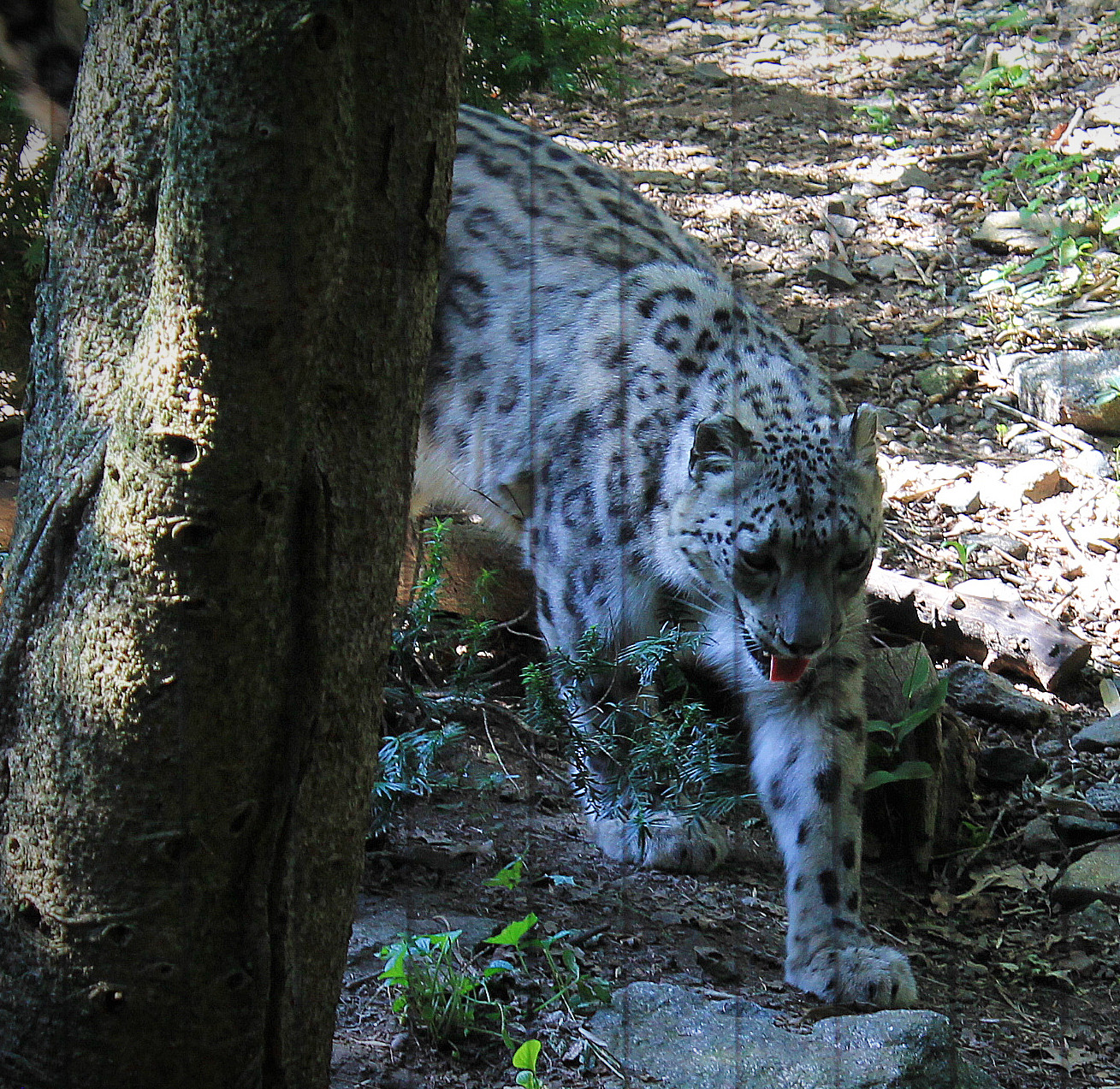
bronxsnowleopard3

bronxsnowleopard

Even though the name of their species sounds like an Italian dessert and they’re often mistaken for baboons, Gelada are old-world monkeys native to the grasslands of Ethiopia.

Geladas are the only primate species that are grazers: Up to 90 percent of their diet consists of grass and grass seeds. They’re easily recognizable by the hourglass-shaped furless patches on their chests, and they’re the only monkeys to form “herds” instead of troops, with an individual herd’s size swelling to more than 1,000 at a time.

When Geladas aren’t eating they’re grooming each other. Allogrooming, or social grooming, doesn’t just help monkeys keep their fur neat and free of parasitic bugs — it’s also a way of maintaining social bonds and reducing tension.

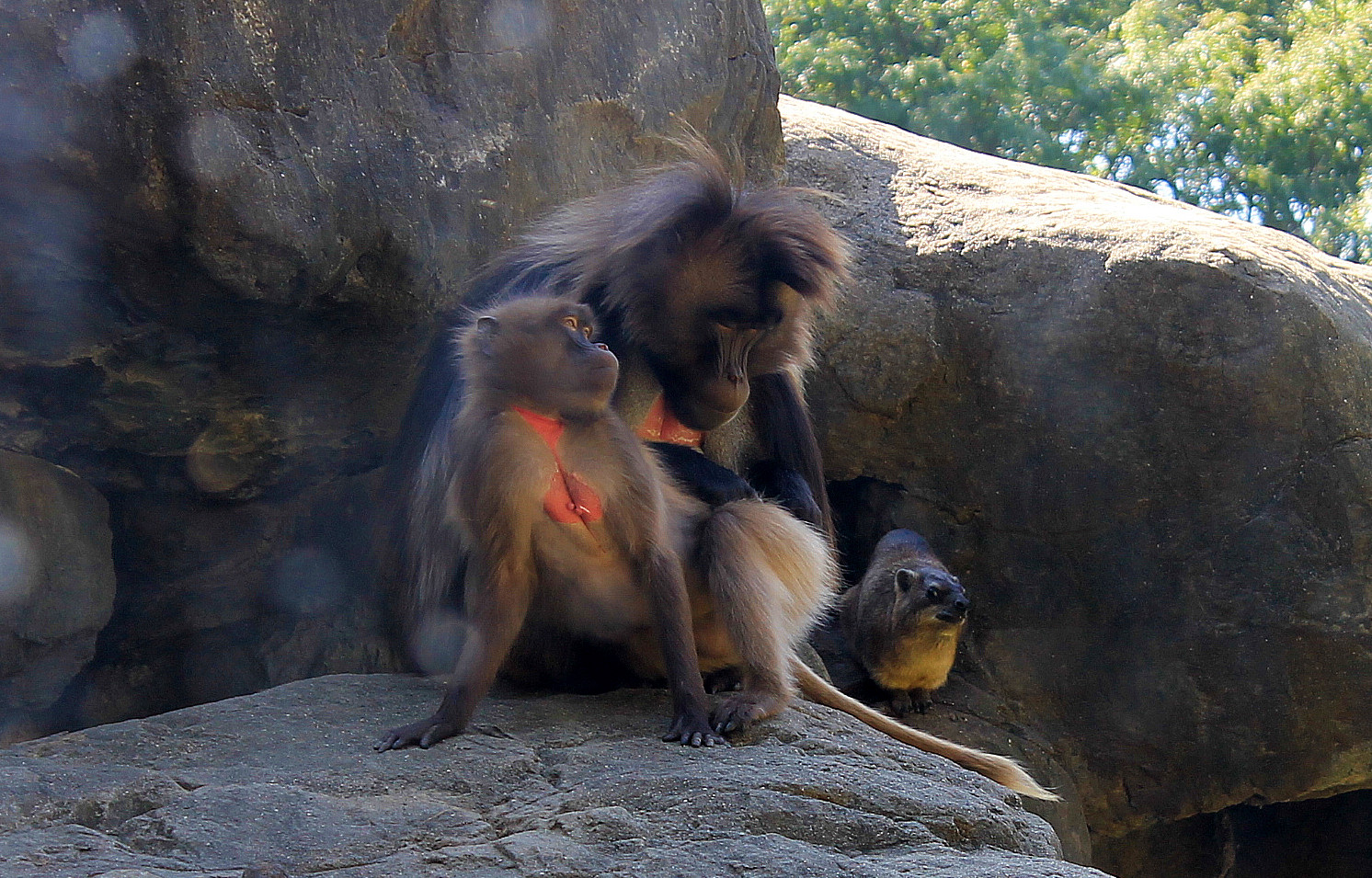
When I visited, I saw a male Gelada grooming a female. Female “heart patches” are usually more pale than their male counterparts, except when they’re in heat. So it’s probable that this scene is a bit of foreplay during mating season:
bronxgelada2

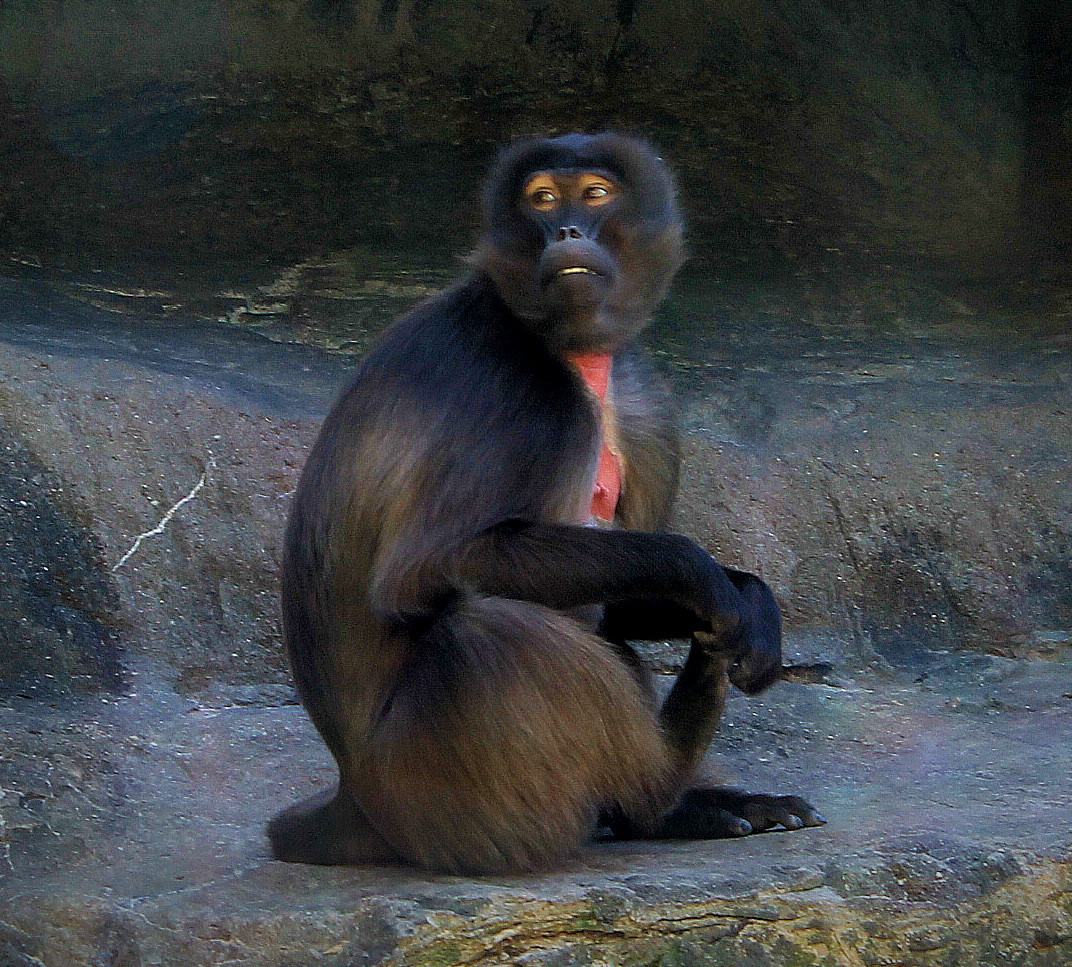
A female on the rocks nearby. The enclosure features a series of cliffs surrounding central grassland, closely mimicking the species’ native habitat:
gelada3

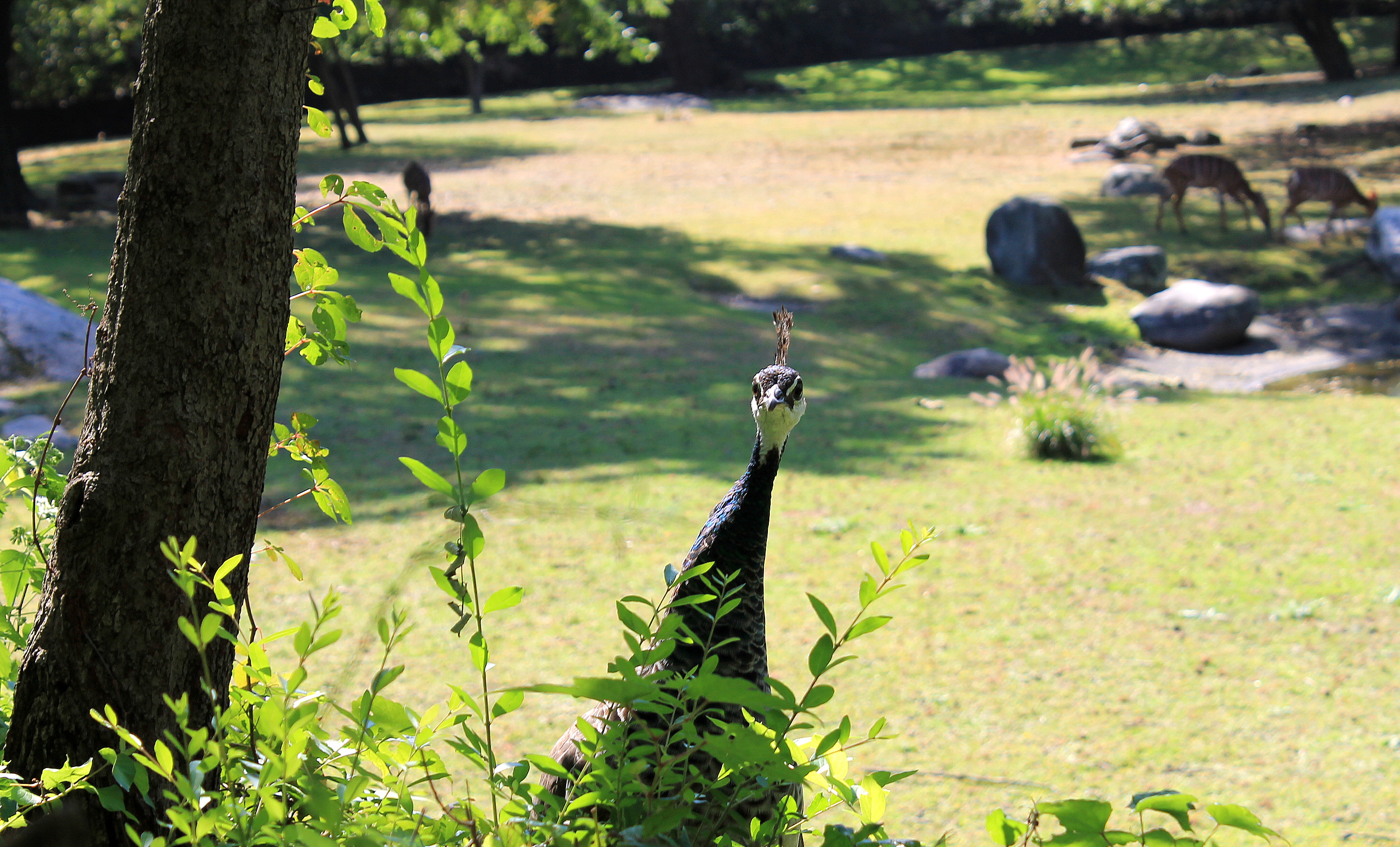
This bird got within feet of the path adjacent to its exhibit, and its kind seem to have free reign within the park, as I saw another one hanging out in a wooded area earlier.

I have no idea what kind of bird this is, but he was very vocal and insistent about something:
bronxbird

A group of zebras. I think they were sleeping. These four didn’t move a muscle, and zebras are one of a handful of species who can sleep while standing upright.
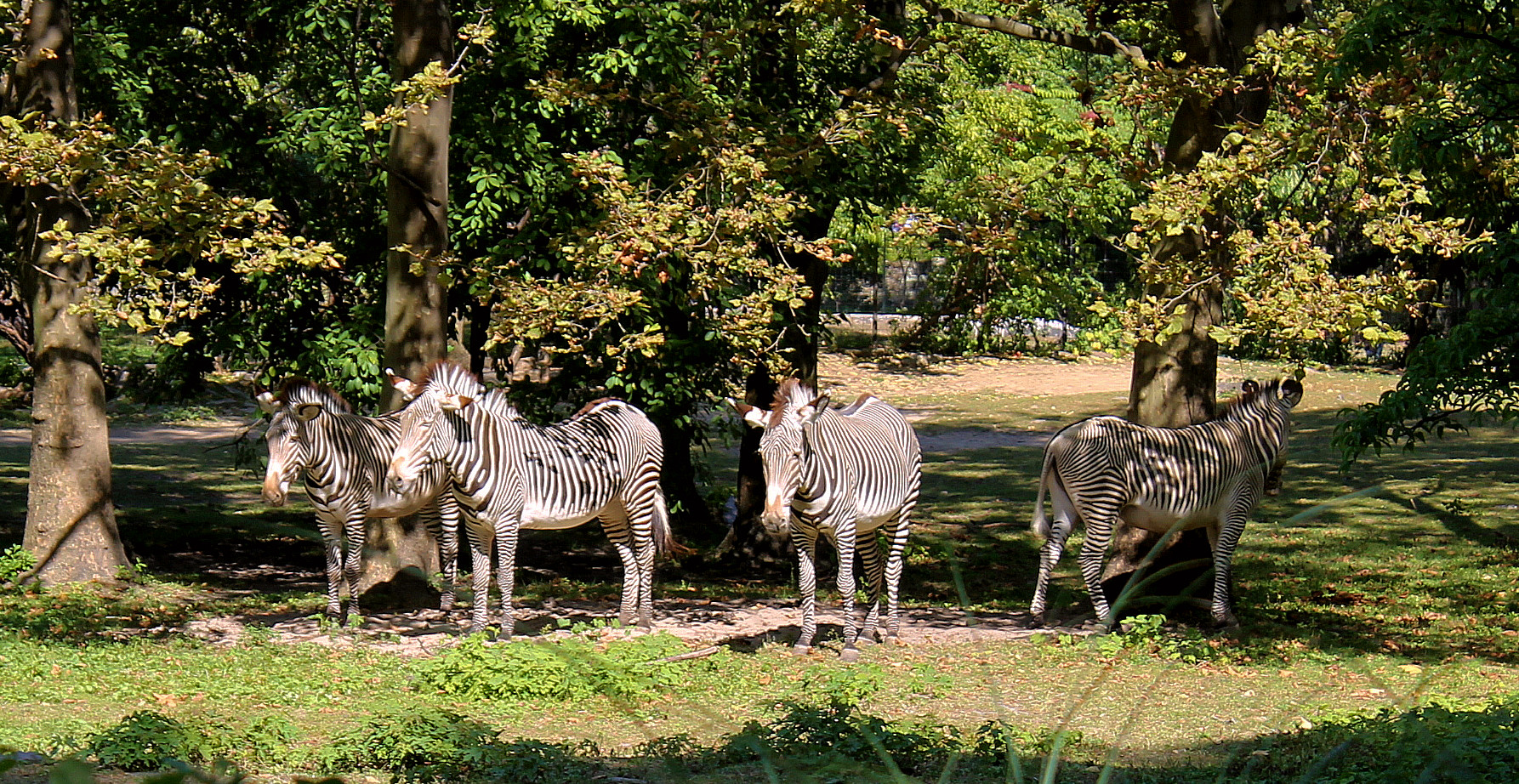
bronxzebra2


A brown bear enjoys the warm weather, which topped out at almost 80 degrees. Another bear was nearby, taking a dip in the pool.
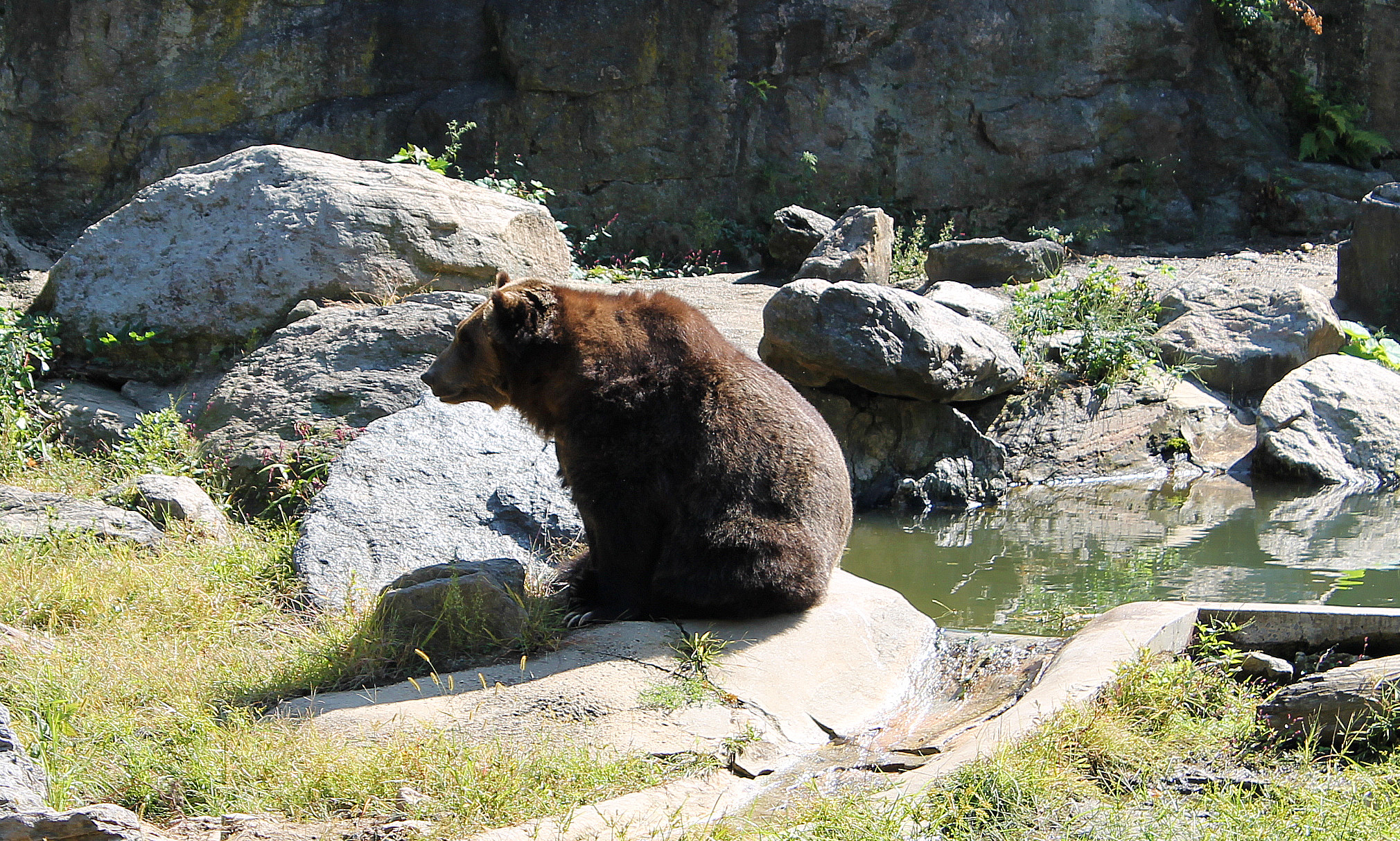

bronxbearbronxbear3

And finally, a friendly reminder to the zoo’s visitors: Wear your masks! The zoo enforces an always-on policy for masks, which I think is a reasonable precaution. While masks may not be strictly necessary while strolling down the wide visitor paths of the zoo, viewing spots at popular exhibits can get crowded, and some of them are partially-enclosed.
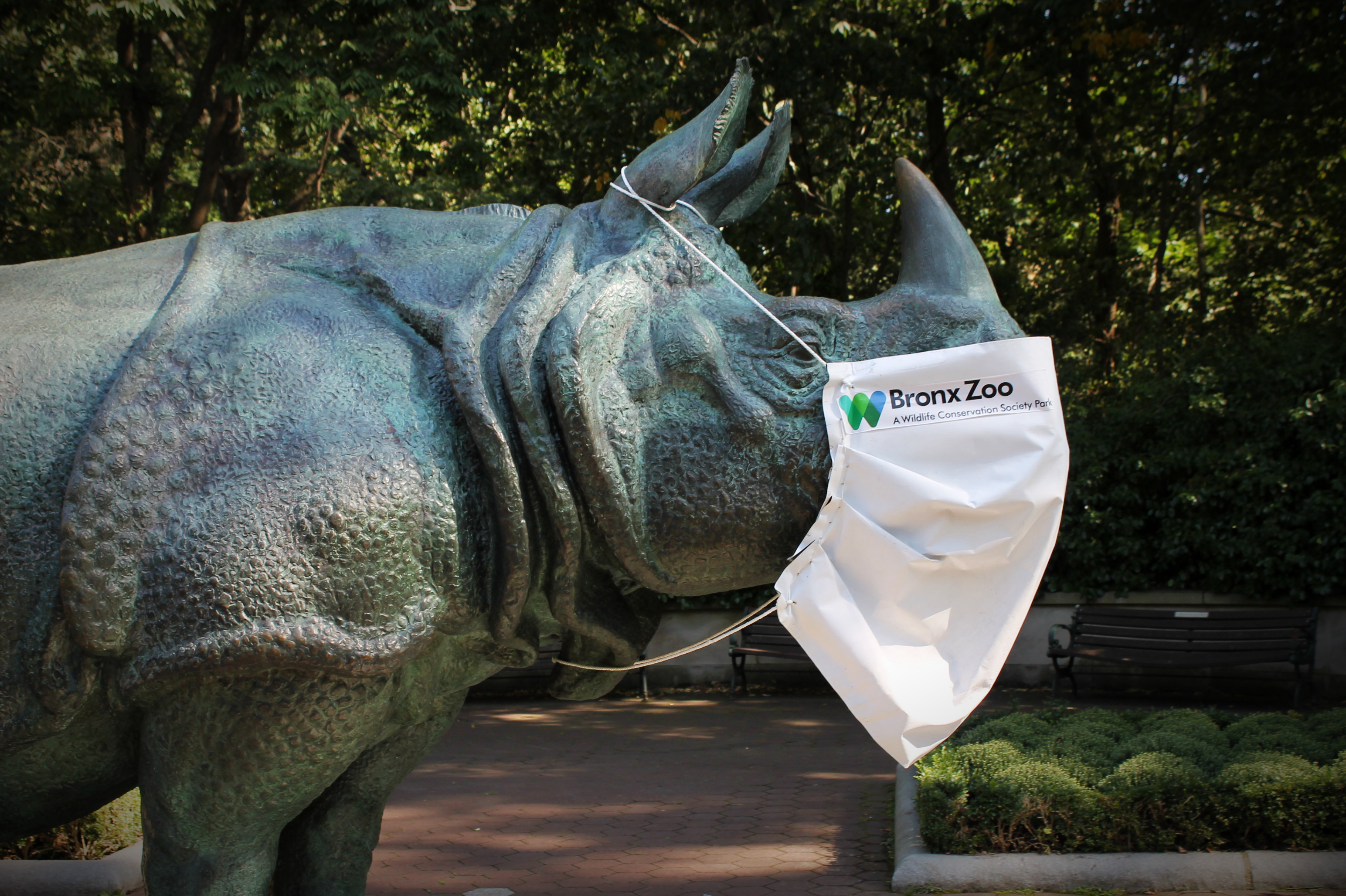
bronxrhino


Star Trek: Discovery Casts A Handsome Maine Coon

Look out, Spot! Grudge is Star Trek’s newest feline.

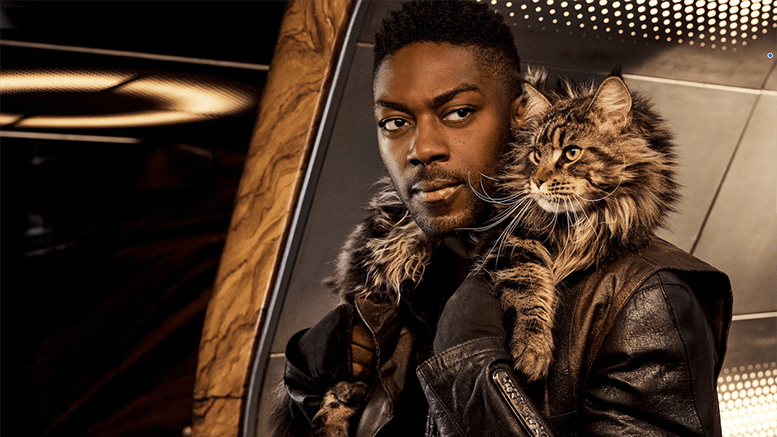
A regal Maine Coon is the newest cast member of CBS’ Star Trek: Discovery, continuing the proud tradition of felines serving aboard Starfleet vessels throughout the franchise’s half century of existence.

Leeu, an 18-pound fluffster, will play Grudge, the feline companion to David Ajala’s new character, Cleveland Booker. Science fiction fans may remember Ajala from his excellent performances in 2016’s Kill Command, about a military AI gone rogue, and Captain Roy Eris in 2018’s Nightflyers, which was based on a short story by George R.R. Martin.

“We put out a casting call for a large cat … and he fit the bill. So far he seems to be a one-take wonder,” said Leslie Lawrence, one of Leeu’s trainers.

grudgecat
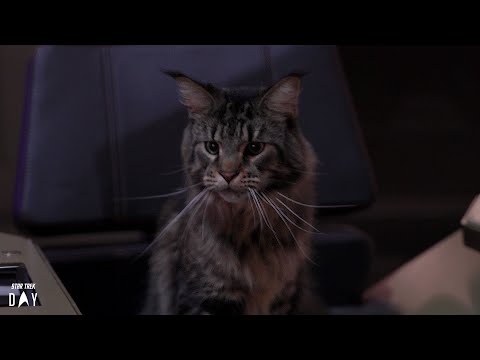
Grudge making himself comfortable in the captain’s chair on Discovery.

For Discovery’s crew, getting a solid acting performance out of Leeu isn’t much different than a photographer getting a cat to pose for a picture.

“Everybody says that their cat can make a good set cat,” Lawrence said. “But it does take a specific animal to be able to stay cool and calm and collected, because when cats are done, they’re done.”

Find out more about Grudge in the video below:

Utah Couple Drops $15k To Save Beloved Cat

A couple’s extraordinary commitment to a cat who changed their lives.

There are so many stories about people surrendering their cats to shelters, abandoning them when they move house and generally treating them like disposable creatures that it’s refreshing to read about people who wouldn’t part with their cats unless someone pried them from their cold, dead hands.

The story of a Utah couple who didn’t balk at a massive vet bill to save their cat’s life isn’t just uplifting because of the cat’s amazing recovery, but also because of their commitment to the little guy.

Golden Gibson and Lianna Warden adopted Lilou two years ago. His kittenhood sounds a lot like Bud’s: He was the runtiest of his litter and the last to be adopted out, yet he’s got a huge personality and he’s well-loved by his humans.

Warden describes him as “the cutest, happiest soul.”

Unfortunately, three weeks ago Lilou was hit by a car. Gibson and Warden didn’t know what happened to their cat until they got a call from a veterinarian telling them a Good Samaritan brought the badly-injured Lilou in.

Things looked grim: Lilou suffered multiple fractures of the skull and jaw, his hip was shattered, and he had dozens of lesser injuries. The veterinarian, Dr. Jennifer Alterman, told Gibson and Warden she wasn’t sure if Lilou would live, or if he’d be able to walk again.

The couple told Alterman to do all she could anyway, and paid the initial $5,000 for the cat’s care, despite Gibson losing his job due to the Coronavirus pandemic. Since then the bill has climbed to $15,000, and Lilou’s not done: He will need “multiple surgeries and intensive home care” to continue his recovery, the veterinarian said.

Screenshot_2020-09-10 EXCLUSIVE Utah couple explains spending $15,000 to save their cat (1)

When Lilou came to at the veterinary hospital and saw Gibson beside him, Gibson put his hand nearby — careful not to touch Lilou’s broken body — and the badly injured cat reached out, touching Gibson’s hand with his paw.

After several surgeries at the veterinary hospital, Lilou went home with his people, but he’s still got many more vet visits to go, local CBS affiliate KUTV reported. Gibson and Warden have to feed him through a tube, which takes about 45 minutes per meal, and they have to administer timed dosages of antibiotics, painkillers and anti-nausea medication.

“We sleep in shifts,” Warden said. “It’s kind of like having a newborn.”

Asked why she believes Lilou has been able to pull through such serious injuries, Warden said it’s because he loves his family, and knows they love him.

“I believe in my heart of hearts that it’s the love we’ve been giving him,” she said.

Their veterinarian agrees.

“This is a pretty rare case,” Alterman said, “in terms of that kind of commitment from an owner.”

Screenshot_2020-09-10 EXCLUSIVE Utah couple explains spending $15,000 to save their cat (2)

Lilou’s recovery has also surprised Alterman.

“It’s pretty incredible to see,” she said, “considering I thought this cat was never going to be able to walk again.”

Three weeks later he was back for an appointment “walking around like he owned the place,” Alterman said. “He was like a totally different cat and I’m totally falling in love with him.”

As for Warden and Gibson, they say they’re overcome with gratitude for kind-hearted cat lovers who donated more than $6,000 to help cover Lilou’s veterinary bills, and the still-anonymous Good Samaritan who brought the ailing cat to the veterinary hospital.

“We would love to be able to find that person and show them how well [Lilou’s] doing,” Warden said, “and have them be part of this story, because they are a huge part of it.”

Note: Because we know the images might be upsetting to some of our readers, we did not include photos of Lilou after the accident and during recovery. You can help contribute to Lilou’s medical bills by visiting Lilou’s Lifesavers on Facebook, or the GoFundMe page.

“Hello! Scratch Me Right Behind My Ears Please!”

Right there, just behind the ear. That’s it! Ah! Keep going, human…

Well hello there, human!

Let me just squeeze in here and…ah, that’s better! Now I’m sitting between you and the glowing rectangle, which means you must pay attention to me.

You know, human, you really are the best. Forget all that stuff I meowed before when it looked like dinner was gonna be late. I didn’t mean it. Can you just go ahead and scratch me behind the ears?

Ah, that feels good! Now my cheeks and under my chin! Don’t be afraid to give my fur a good scratch. That’s it. This is the life! I’m so relaxed…

Hey, could you scratch just right here on my belly? No, I’m serious, I’m not just showing you my belly for poops and giggles. I really could use a good scratch right there and…wow that feels great…hey, stop it, you jerk! You had a good thing going there and then you ruined it by going half a millisecond too long.

Now scratch my head again, it’s time for Seventh Nap…

Study: There Are 5 Types Of Cat Owners

Do you keep your cats inside, or do you let them roam free?

When it comes to attitudes about hunting and impact on local wildlife, there are five broad categories of cat owners, a new study says.

Four out of the five aren’t particularly worried about their cats killing birds and small mammals, the University of Exeter researchers wrote in the study, which was published in Frontiers In Ecology and the Environment, a research journal.

  1. Concerned Protector. These are people who keep their cats indoors to keep them safe from the world. Their main worries are cats being stolen, lost or killed. They don’t have strong feelings about hunting behaviour and wouldn’t keep their cats indoors solely to stop them hunting.
  2. Freedom Defenders believe cats should be able to roam where they please, like wild animals. Cats hunting is a good sign of normal behaviour and helps control the rodent population. They oppose any restrictions of cat access to the outdoors.
  3. Tolerant Guardians believe that the benefits of roaming outweigh the risks of the cat being injured or lost. They love wildlife and cat hunting is the least attractive part of cat ownership, but it is just what cats do. They’re not sure how cat owners can effectively reduce hunting behaviour.
  4. Conscientious Caretakers believe cats should have access to the outdoors but they don’t oppose some containment. Hunting by cats really bothers them, and they particularly worry about birds. They believe owners should have have some responsibility managing their cat’s hunting behaviour.
  5. Lasseiz-faire landlords believes it’s natural for cats to want to go out into the natural world and if they fall foul of it (dogs, bigger cats, SUVs) that’s natural too. They’ve never seriously thought about the effects of cats on wildlife populations. They’d be more likely to manage their cat’s hunting behaviours if it was killing things all the time.

You can take a short quiz (16 multiple choice questions) to find out what kind of cat caretaker you are. For what it’s worth, the quiz says I’m a “conscientious protector,” which sounds about right.

cat-predation

In his mind, of course, Buddy is a fierce, powerful feline and a mighty hunter. In reality he’s hilariously inept at the hunting games we play, and no matter how many times I’ve brought him outside on his harness, he goes into sensory overload every time, spending the first 20 minutes nervously huddled before he relaxes, his tail shoots up and he starts to enjoy the new sights and smells.

Fortunately I don’t have to deal with a cat who pines for the outdoors. Bud has no desire to go out there on his own, and he won’t even step onto the balcony if it’s too hot, too cold, raining, snowing or especially windy.

Most of all it’s too dangerous out there between traffic, potential predators like coyotes, train tracks, other cats and people who will abuse or kill cats just because they can. I don’t want to lose my little Bud.

Dear readers, if you take the test, please let us know which category it placed you in.