
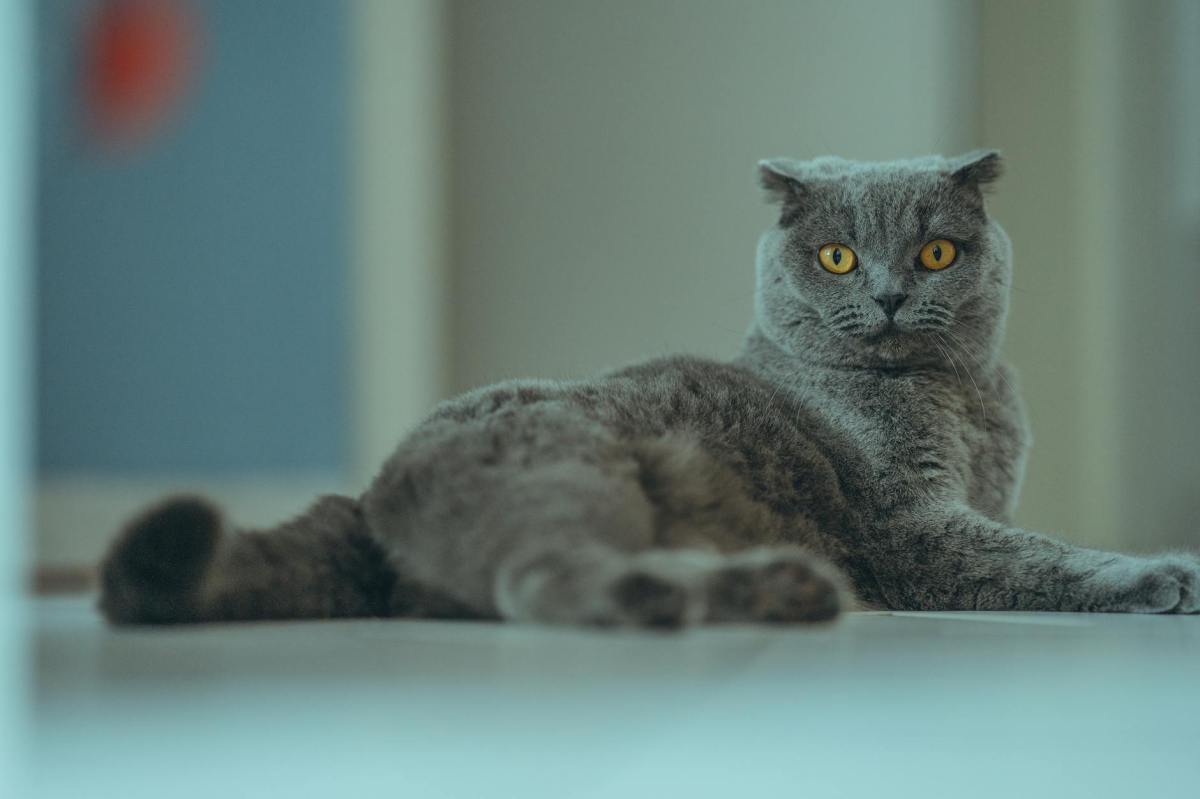
Lots of people think breed cats are the product of fine pedigrees, the result of careful breeding to produce “superior” cats, like some sort of feline genetic aristocracy.
The truth is a lot less glamorous. So-called pedigree cats are the result of relentless breeding and inbreeding, often by people who know nothing about genetics, for a single purpose: magnifying a particular aesthetic quality, like a coat pattern, ear shape or flattened head.
Because the breeding pairs are selected for aesthetic characteristics only, without consideration for anything else, breed cats are often at higher risk of certain types of diseases or physical problems.
Persians, with their flat faces, often have problems breathing. Bengals are known for heart problems and a tendency to suffer from kidney stones. Ragdolls are prone to heart disease. Munchkins, with their unnaturally stubby legs, often have joint problems and quality of life issues.
The heartiest, healthiest and most long-lived cat is the “plain” old domestic moggie, proving that human-directed breeding has nothing on the designs of evolution and mother nature.
In the Netherlands, two breeds with chronic health problems have become especially popular thanks in large part to social media influencers who show off their pets.
As a result, Dutch legislators passed a law making it illegal to buy or own Scottish fold and sphynx cats. The legislation was hailed by veterinary groups, who noted that their members know better than anyone how much cats can suffer from chronic problems like arthritis, heart disease and susceptibility to infection.
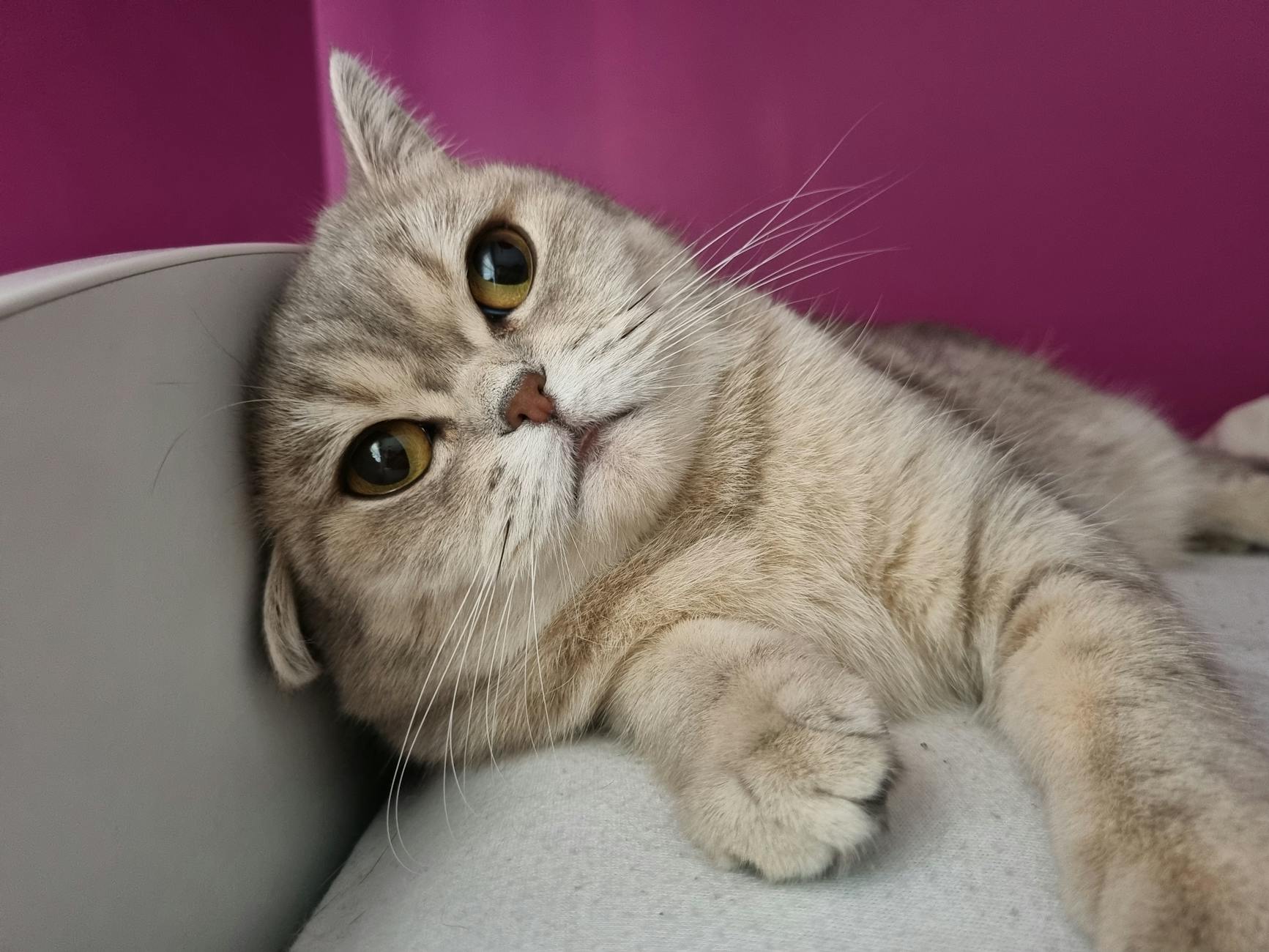
The former is a classic example of breeding to emphasize a”cute” feature without regard for the consequences. Lots of people think Scottish folds are cute because they have floppy ears like puppies, which amplifies their natal features. But the same genetic mutation that weakens the cartilage in their ears also weakens cartilage and bones in the rest of their compact bodies. As a result, Scottish folds not only regularly suffer arthritis and joint deformities, they begin to suffer from those conditions well before old age.
Taylor Swift is the most well-known fan of the breed, and its popularity skyrocketed as her two Scottish folds, Meredith Grey and Olivia Benson, have been frequently pictured on the singer’s Instagram feed. They’ve starred in her music videos, accompanied her on tour and appeared on magazine covers in her arms and perched on her shoulders.
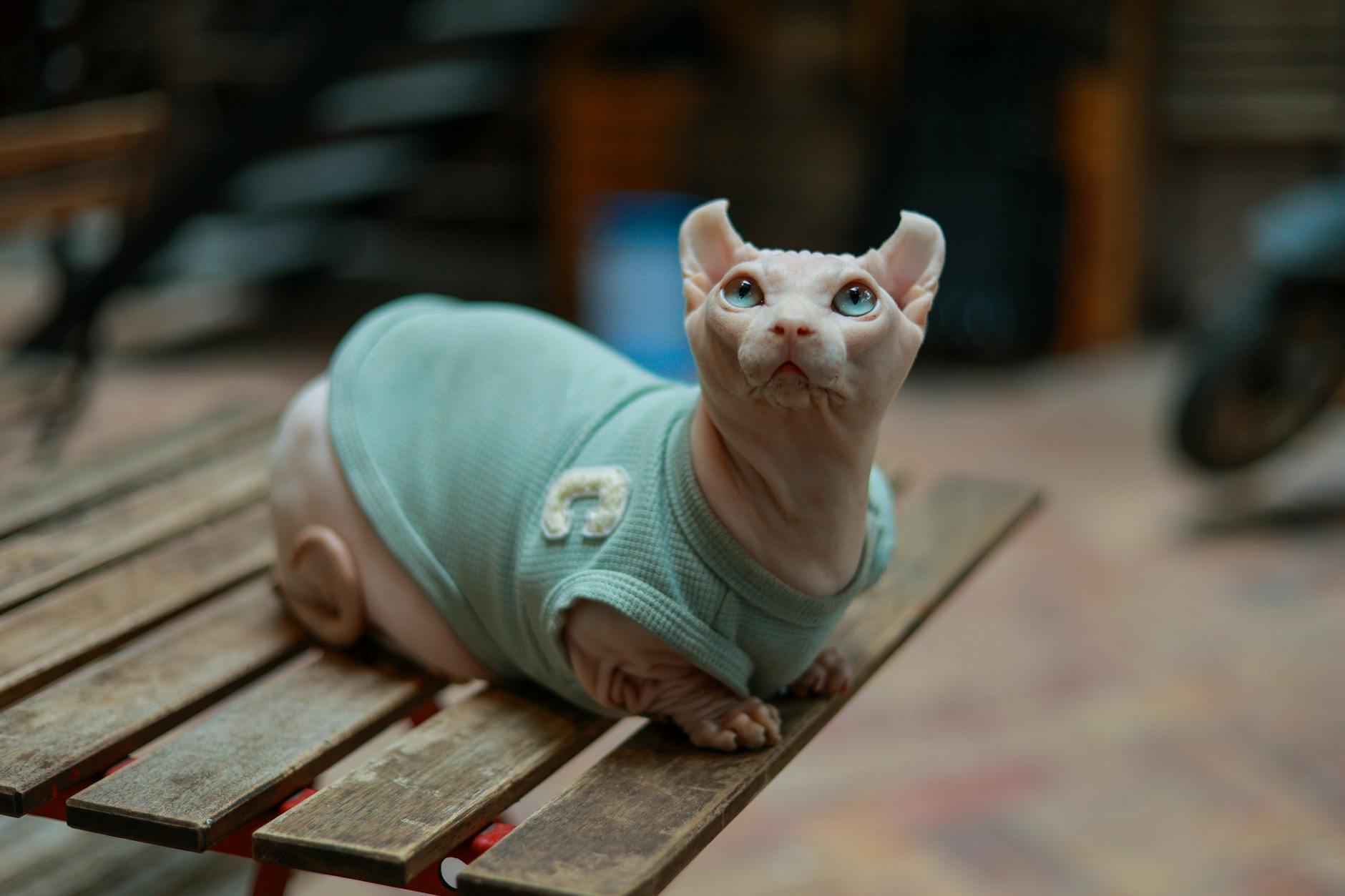
Sphynx cats have their own unique set of problems. Like several other breeds, sphynxes are more susceptible to heart disease, and their most recognizable trait, their lack of fur, is the source of most of their maladies. Sphynxes are more sensitive to cold and can’t regulate their body temperatures as well as other cats. The many folds in their skin make them vulnerable to dermatitis and fungal infections.
Previous attempts to curtail the popularity of sphynxes and Scottish folds had little impact, so under the new law it is illegal to buy, sell, breed and import felines of those breeds into the Netherlands. The previous law had severely curtailed the domestic breeding of Scottish folds and sphynxes, but did not make a dent in ownership rates as people elected to buy them from other European countries and “import” them.
People who already have cats of either breed will not have to surrender them. They will be grandfathered in, but they’re required to register their cats and have them microchipped, which the government hopes will stop people from reselling them.
“Animal welfare is my top priority,” said Jean Rummenie, the country’s agriculture and nature secretary. “It is important that cats do not suffer unnecessarily because of their physical traits. This ban allows us to prevent such suffering.”
Do you think the Netherlands made the right call here? Should the US, UK and other countries ban breeds that suffer from chronic health problems?
 Pain In The Bud
It’s the right call, so long as no animal currently living is harmed. The interests of cats alive today, and those yet to be born, must come first. If the health risks are as bad as described we should do everything we reasonably can to prevent the harmful characteristics being passed down to future generations. The interests of the cats must take precedence. I take exactly the same view with regard to so-called “designer dogs”.
Incidentally. the term “grandfathered in” was entirely new to me. I had to look it up!
LikeLike
Thank you for mentioning dogs, as I meant to include a line in there about bulldogs and other flat-faced dogs, who have the same respiratory problems that plague Persians. The “toy” breeds so popular these days also have a range of health problems, and of course the breeding industry is notorious for indifference to the welfare of animals.
I didn’t realize “grandfathered in” is just an American thing. Google says there’s a small effort to stop use of the phrase due to its alleged origins in the antebellum south, but it’s a term used all the time in municipal and legislative settings to describe compromises in the application of new laws.
LikeLiked by 1 person
The right call. Here? LMAO!!!! How else would lazy garbage breeders make thier money? Just read a story where dog breeders severly neglected them and found dead dogs in house.
LikeLike
It would have to be state level. It’s difficult to imagine congress making this a priority.
LikeLike
I’ve never been a fan of designer animals. There are so many cats looking for homes, and many of them are just as cute. And it is my firm belief that rescue cats understand how lucky they are to have found a human.
LikeLike
That’s funny, I’ve heard some people say exactly what you did, that rescued cats understand how lucky they are, while others have said a cat is a cat and that even a stray with a tough life will assume the trademark feline imperious bearing once they settle in.
I have no experience with grateful cats, obviously lol.
LikeLiked by 1 person