Badlands is a romp through a vividly realized alien world filled with danger. It’s also a film with heart.
Hollywood pumps out so much disappointing content, especially in the age of streaming, that it’s easy to become disillusioned with movies altogether.
But every once in a while there’s a film that reminds you how much fun movies can be, hitting all the right emotional notes while taking you completely out of this world for two blissful hours.
Predator: Badlands is that kind of movie. Unexpectedly funny and poignant, it also delivers the kind of action audiences have come to expect from the Predator franchise — and then some.
The biggest change here is that, for the first time, a Yautja (the alien species we call the Predators) is the protagonist.
Njohrr is a Yautja clan leader who believes Dek is not strong enough to earn his place in the clan.
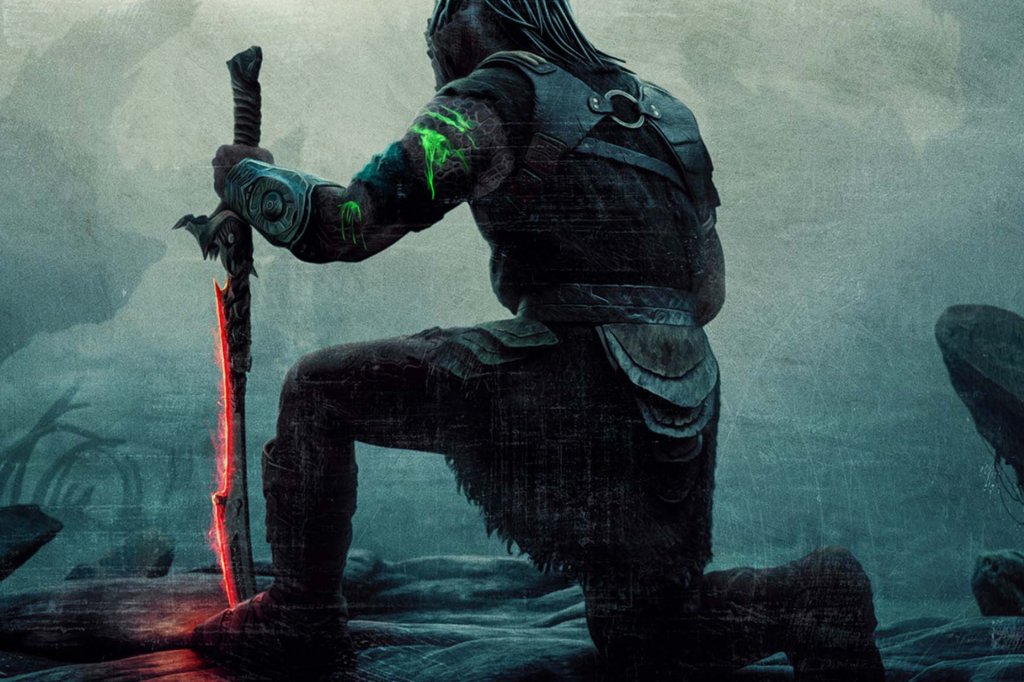
Dek isn’t just any Yautja. He’s a youngster who is horribly wronged in the opening minutes of the film and sent to Genna, a place his species calls the “death planet” because virtually every form of life there is monstrous and spectacularly lethal.
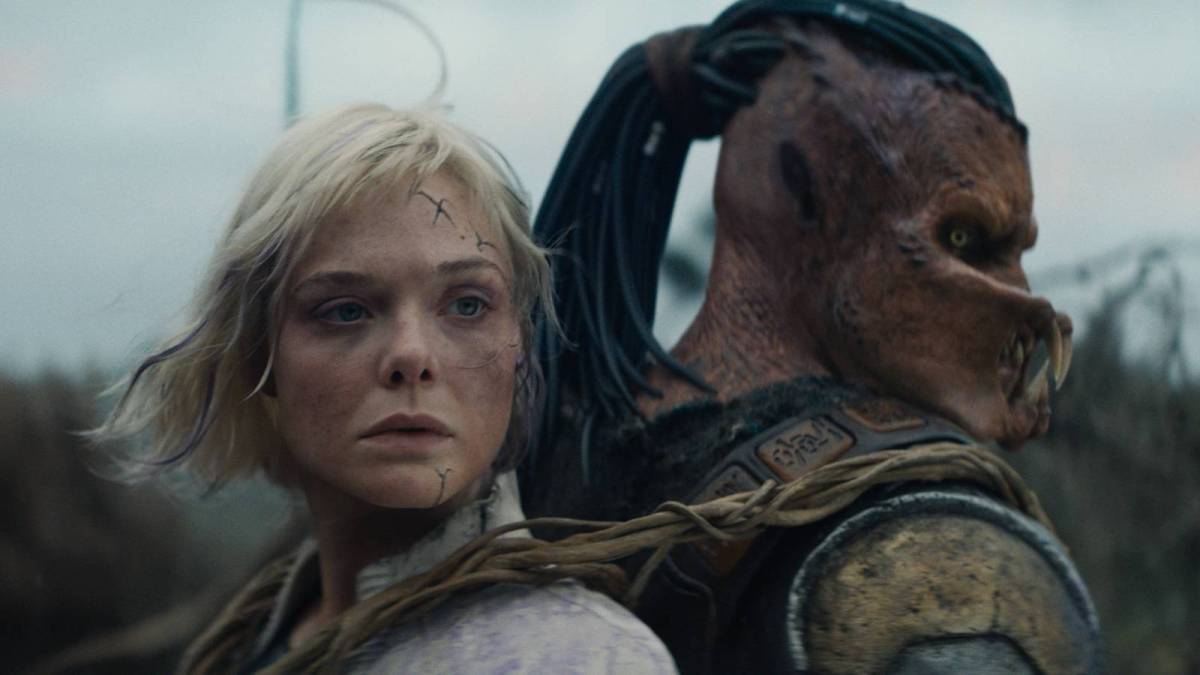
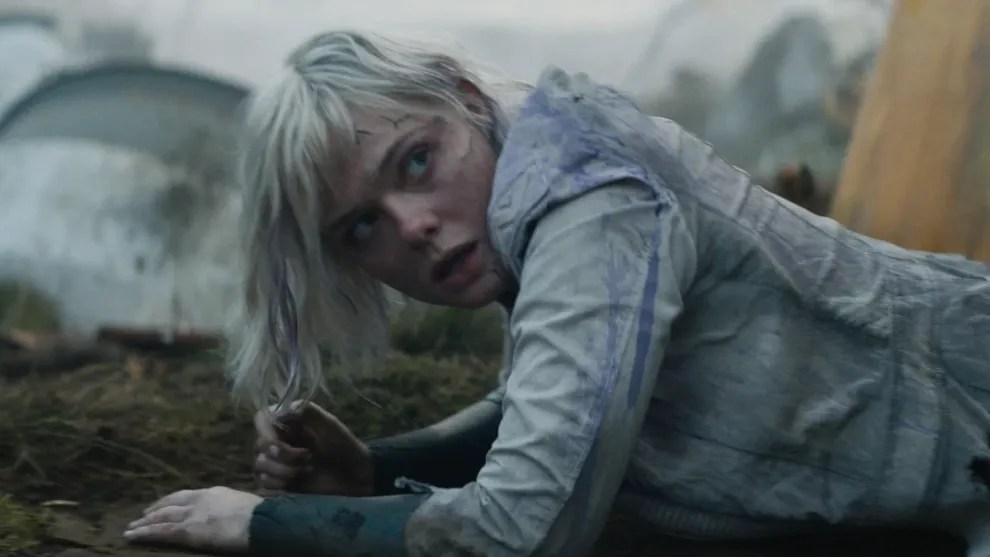
His own death is a foregone conclusion on the brutal world until he meets two unlikely allies: Thia, a damaged synthetic (android) built by the notorious Weyland-Yutani corporation, and Bud.
Bud steals the show, but I wouldn’t dream of robbing anyone of the pleasure of experiencing Bud the way writer/director Dan Trachtenberg intended, so I will say no more.
Elle Fanning and Dimitrius Schuster-Koloamatangi play Thia and Dek, respectively. Fanning adds a human element as she and Dek team up initially for survival, then out of loyalty to each other.
Badlands has a lot of heart and a script that knows just when to slice the tension. In one quiet scene after surviving an encounter with a particularly nasty creature, Thia (an energetic Elle Fanning) raves about the experience and the excitement of accompanying Dek and Bud on a hunt.
“The Dynamic Trio! Remember when we went down the tree? That monster’s mouth? I mean… Uggh. Didn’t smell great, didn’t smell great, but we got him. We got him! Thank you, seriously, for that experience. Truly amazing. Thrilling! Truly thrilling.
“What was your favorite part?” she asks the young Yautja.
“When my sword pierced the creature’s skull and its blood ran down my face,” Dek deadpans.
Dek is not invincible, and he’s without the vast majority of his arsenal, with only his trusty heat sword to defend against the hyper-aggressive fauna of Genna.
This is Trachtenberg’s second Predator film, and Badlands exists because he proved there was life still left in the franchise with 2022’s Prey.
That movie was unfortunately streamed direct to Hulu without a theatrical release, as were several big time films that year, because of a resurgent COVID wave. (Remember the Delta variant?)
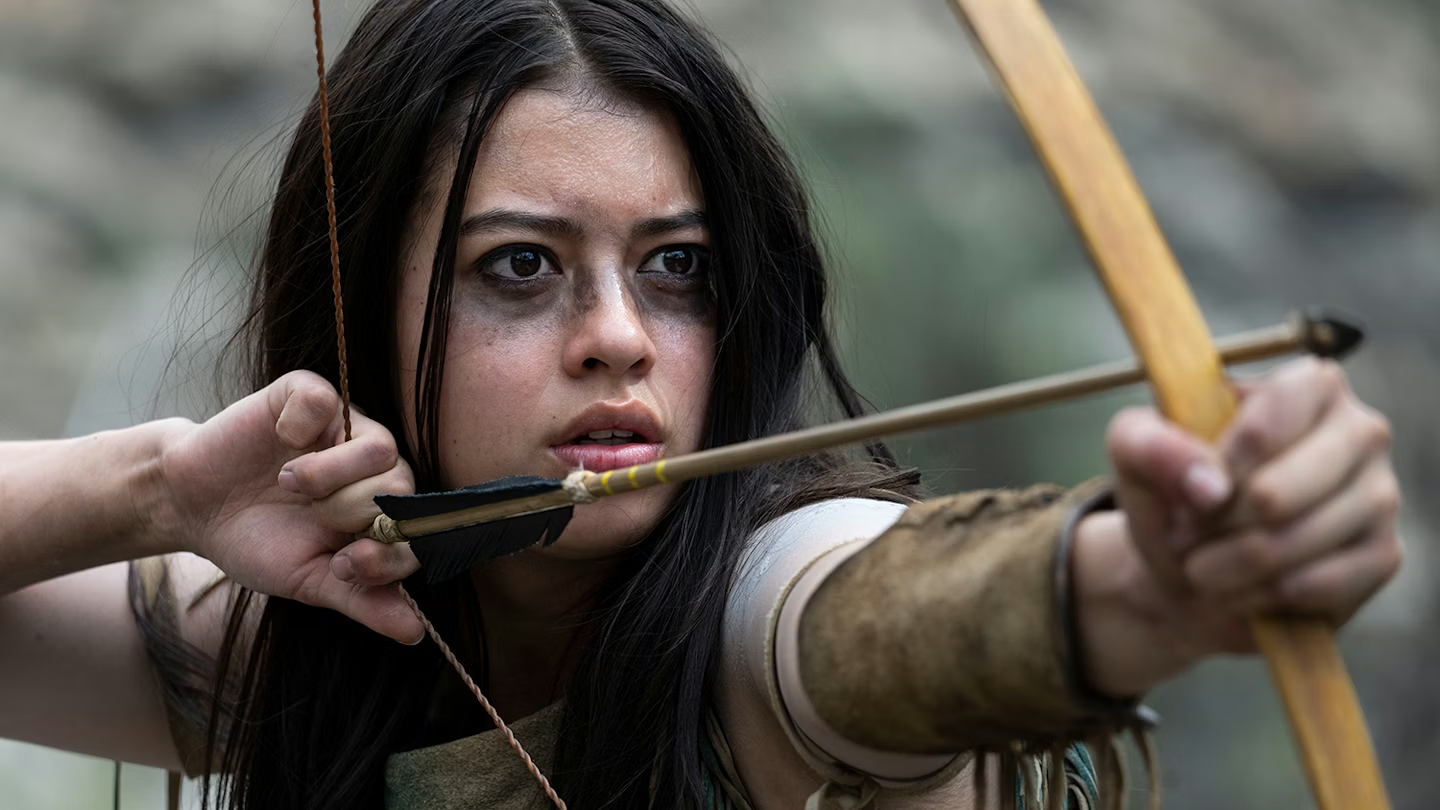
But critics and audiences, including your humble Buddesian correspondents, found a lot to like in the story of Naru (Amber Midthunder), a young Comanche woman living on the Great Plains in 1719. After encountering a Yautja, Naru warns her tribe that a mysterious and dangerous creature is stalking their lands, but they laugh at her and accuse her of telling tall tales — until they see the Yautja for themselves, at which point they don’t find it amusing anymore.
Midthunder was fantastic, and Prey balanced its historical setting with stunning action sequences and quiet character moments.
Amber Midthunder as Naru in 2022’s Prey.
In earlier installments, including Prey, the Yautja were always the antagonists. We knew they were a warrior culture, that they followed an honor code and possessed fantastically advanced technology, but for the most part the Yautja remained a blank slate aside from some non-canonical media (mostly novelizations, comics and games) that attempted to expand the universe.
Badlands demystifies the Yautja somewhat out of necessity, which is always a dangerous gamble (just ask the xenomorph of Alien fame, which lost its mystique half a dozen sequels ago), but significantly raises the emotional stakes.
Dek isn’t invincible. Circumstances have robbed him of most of his arsenal, he’s thrown into a perilous and unfamiliar world, and he’s haunted by the fresh memories of the tragedy that sets off the events of the film.
That makes it easy for the audience to identify with and root for Dek, despite the difficulty of conveying emotions with alien facial features. Dimitrius Schuster-Koloamatangi deserves credit not only for imbuing Dek with physicality, but also for getting the most he can out of the Yautja youngster’s brooding body language, howls of frustration and slowly dawning realization that he can choose his own path in life.
It may take a planet teeming with horrors to make an underdog of a Yautja, but Badlands succeeds on that count.
Predator: Badlands set a record for the franchise with a $40 million opening weekend, and pulled in $184 million total at the box office. It was made available for streaming this week. With the financial success, and the positive reviews from critics and fans alike, it’s possible we’ll see Dek, Thia and Bud continue their adventures in a sequel.
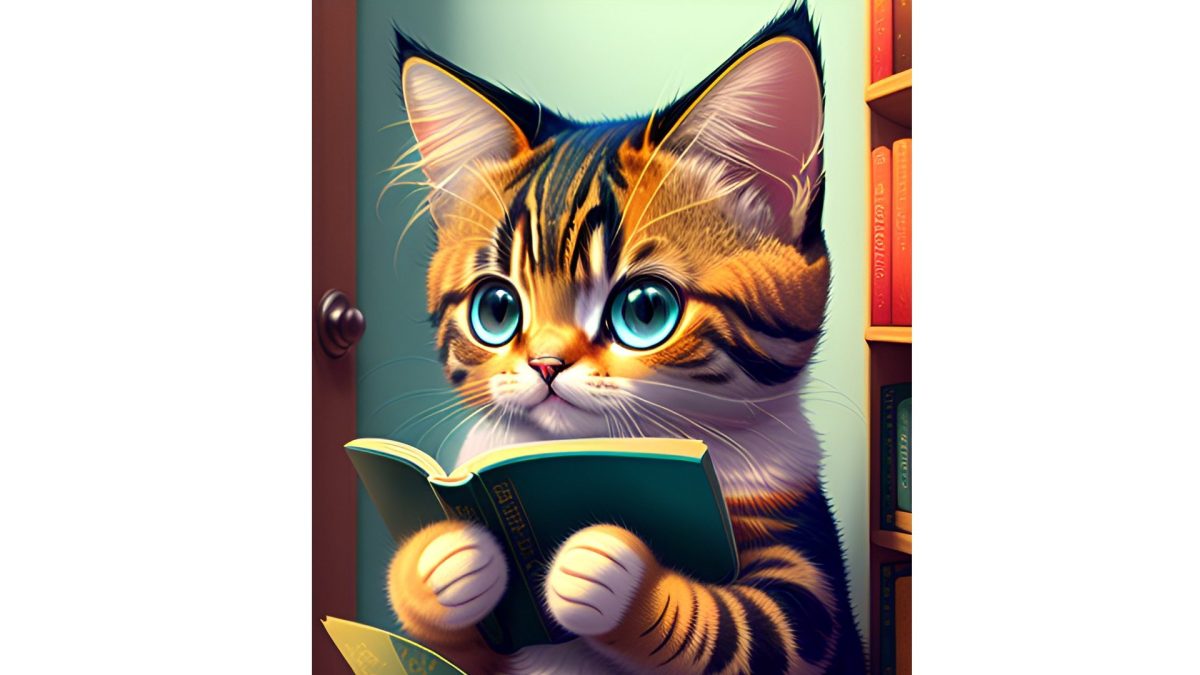
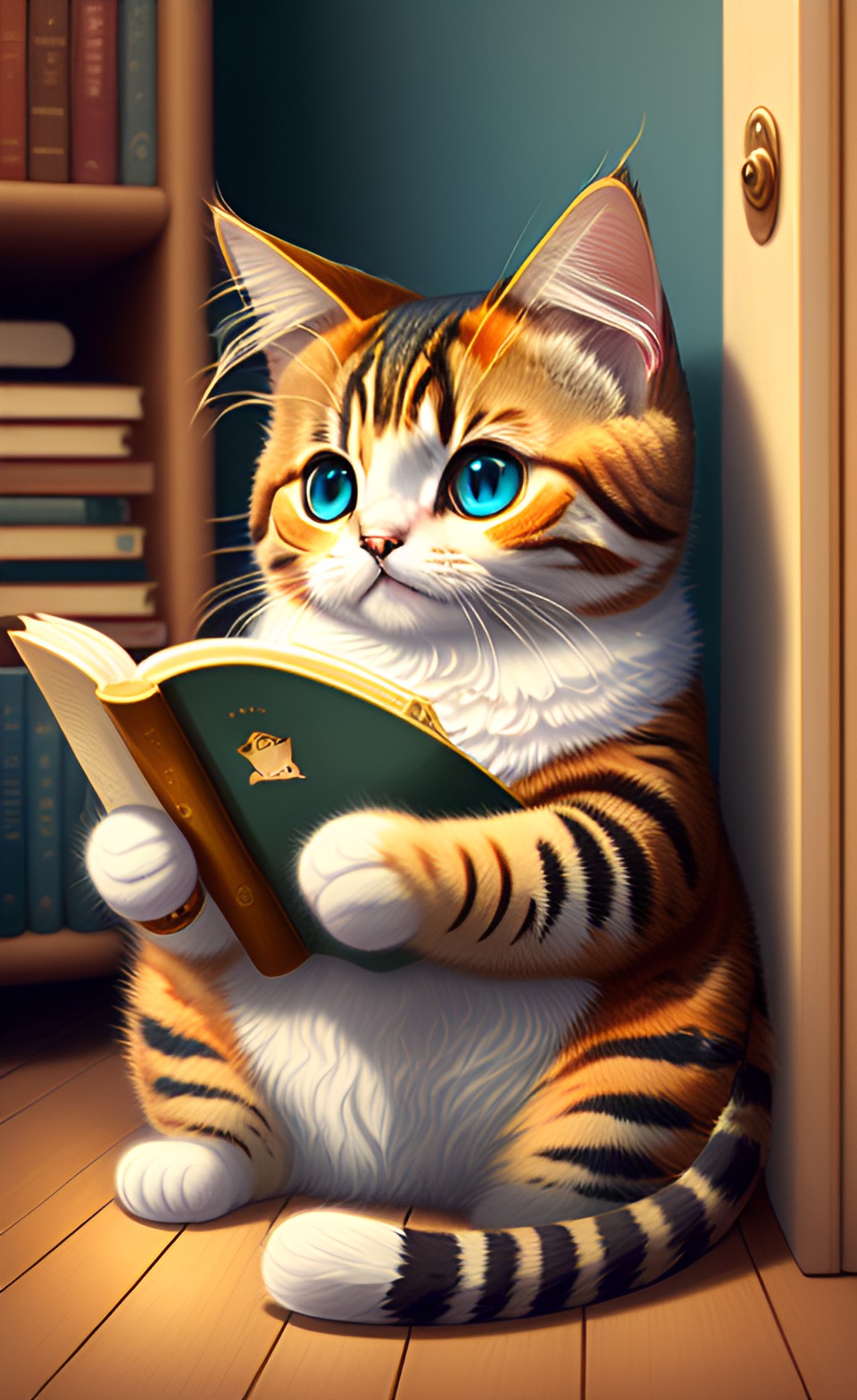
Did you now? Little Buddy the Cat read an astounding 713 books last year and authored 43 of his own, including the bestseller “How To Handle Your Human Like A Pro: 10 Steps To Better Performance By Your Servant”
You read that right. According to a survey of more than 2,000 people from an independent industry research firm, 51.7 percent of American adults did not read a book in 2021.
More than one fifth (22.01 percent) haven’t read a book in three years, and more than 10 percent haven’t read a book in 10 years.
There are obvious reasons for that, including the choice of many other mediums for entertainment, plus an unprecedented volume of content offerings from streaming networks and traditional TV, meaning most of us have tens of thousands of movies at our fingertips through paid subscriptions like Netflix, Amazon and Hulu, as well as free ad-supported streamers like Tubi and the Roku channel.
Then there’s internet doomscrolling, the endless consumption of news (of which I am guilty), social media platforms designed to keep people engaged, fan fiction sites and a million other leisure activities competing for our attention.
Yet none of those things have a quality that books do. When you read a book, you are entering a theater of the mind created by one mind. Not a movie that has 500 crew members in addition to its cast, focus groups, script writers, script doctors and script polishers. Not a TV show written by committee in a writers room to the specifications of network honchos. With a fiction book, you’re allowing one person’s imagination to usher you into a story, trusting in their storytelling skill to make the experience worthwhile. With a well-researched non-fiction book, you can travel back in time, reliving wars, coups and personal stories, events that shaped the world and events that meant the world to a few people.
Not surprisingly, the survey shows, the percentage of people who read books regularly is lower for younger age cohorts. Credit YA fiction, like Harry Potter, The Hunger Games and similar series for turning at least some of them into readers.
A curious kitty reading “The Art of Meowing for Treats” by Buddy the Cat. Credit: PITB
The publishing industry is in a sorry state. In lean times publishers and their imprints have become as risk-averse as major movie studios, so they’re far less likely to take chances on new authors with new perspectives than they are to fall back on the same handful of big-name novelists or surefire memoirs like Prince Harry’s Spare.
Because of that, publishing houses don’t invest in developing younger up-and-coming writers the way they once did, and there are fewer literary journals and genre magazines for new authors to use as stepping stones.
Compounding the problem is the echo chamber in publishing: Because many publishing jobs offer low salaries, most of the people who can afford to take those jobs are independently wealthy, increasingly concentrated in places like Brooklyn, and share similar perspectives. That has a pronounced effect on the kind of books they’re publishing.
Still, I think we all share in the blame. I read only 12 or 13 books in the past year. That seemed low but not so bad until I though about it. That’s a measly 120 books in 10 years. It doesn’t add up to much over a lifetime.
When you put it like that, you either want to make sure every book you read is a gem, or you get your ass in gear, put down the junk news articles and smartphone, and dive into more books.
I am a science fiction junkie and wanted to read more female authors since my favorites happen to be a bunch of British guys — Iain M. Banks, Alastair Reynolds, Peter F. Hamilton — and managed a measly one fiction book by a female author in the past year, although it was pretty awesome. (Dead Silence by S.A. Barnes, also known as Stacey Kincade. I think she’s Barnes for science fiction and Kincade for other stuff.) I’ll definitely be down for the planned sequel, and I have Ursula LeGuin in the queue.
What are your reading habits? How many books do you read per year, and are you happy with your pace?
Netflix’s Korean period drama is soaked in political intrigue, action and lots of blood. It also holds a mirror up to today’s pandemic and how our leaders are handling it.
Just when it seems like the zombie genre has run its course, a handful of visionary Korean storytellers come along to remind us there’s still life left in the undead genre.
First there was 2016’s record-setting, multiple award-winning Train to Busan, a film about an overworked father taking his young daughter to her mother’s house in the titular city just as a zombie plague tears human civilization apart.
Together with a core cast of affable characters — including a pregnant woman and her overprotective husband, and members of a youth baseball team — dad and daughter try to survive in a uniquely claustrophobic setting where simply running from the undead isn’t an option. Train to Busan wasn’t just a hit for its horror and action elements — the film packs a surprising amount of social criticism into its one hour and 58 minute run time, turning its lens onto modern Korean society and, by extension, modern life around the globe.
The movie has a 94 percent fresh rating on Rotten Tomatoes and sparked a bidding war for its US rights. A remake set in the US is currently in production by New Line.
Then there’s Kingdom, a Netflix series also called Kingdom of the Gods in Korean, that takes a zombie plague and drops it over a story about political intrigue and power struggles in the Joseun feudal era.
The series picks up at the beginning of the 17th century, when the kingdom of Joseon is three years removed from the second of two brutal Japanese invasions. Poverty is rampant, the common people are starving and the queen consort’s Haewon Cho clan has consolidated power, effectively insulating the king from his closest advisers, friends and family.
The country is desperate for leadership, but the king has disappeared after falling ill with smallpox.
His son, Crown Prince Lee Chang, tries to intervene and find out what’s happened to his father, but he’s repeatedly stopped by the pregnant Queen Consort Cho, who refuses to allow Chang into the royal palace.
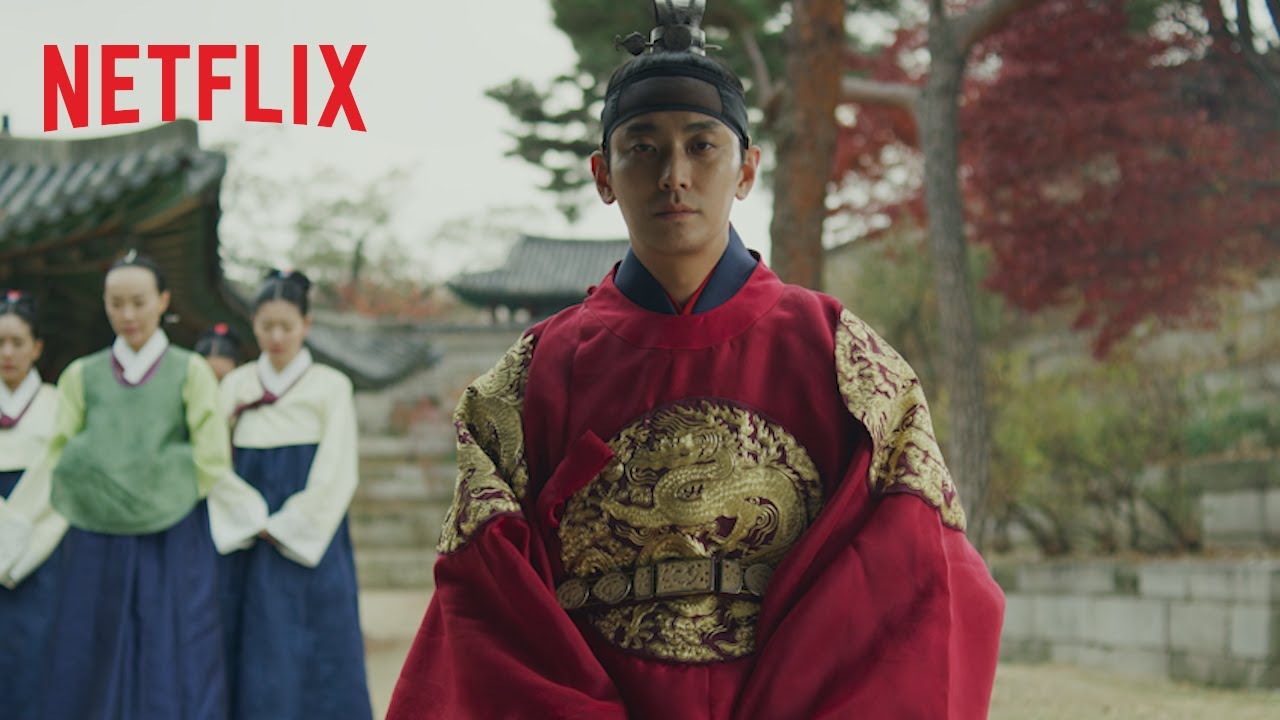
Jeoha: Crown Prince Lee Chang, wearing the distinct dragon robes of Joseon kings and crown princes, tries to gain access to the royal palace to see his ailing father, the king.
Chang is in an extremely precarious situation: Although he’s the Crown Prince and the king’s beloved only son, his mother was a concubine. If Queen Consort Cho gives birth to a son, the boy will be considered the true heir and Chang will be hunted down and executed so there can be no competing claims to the throne.
With the king missing, Crown Prince Chang knows his time is limited and if he doesn’t act, he could be arrested and put to death by the queen’s orders at any moment.
So Chang and his bodyguard/friend Mu-yeong devise a plan to steal the king’s patient journal from the royal palace at great risk to themselves. When they find bizarre entries about doctors administering a “resurrection plant” — and no subsequent entries about the king’s health — they set off south in search of the king’s physician, the one man who can tell them what really happened to the king.
What follows is a spectacular adventure fueled by gorgeous cinematography, an energetic cast of actors who go all-in on the premise, and a historically accurate look at Korea as it existed under a dynasty that lasted for half a millennia.
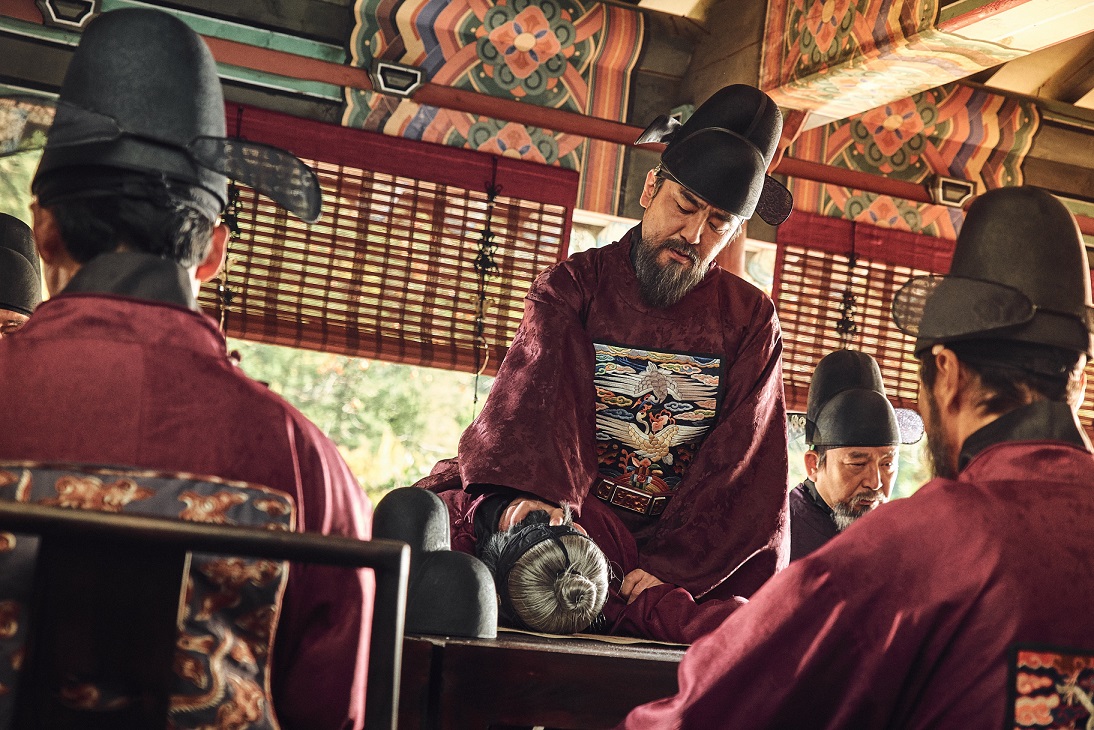
Ryu Seung-ryong plays the scheming top minister Cho Hak-ju, father of the queen consort. The double-swan embroidery on his robe indicates his status as a powerful government official. Credit: Netflix
The zombie plague itself may be the stuff of George A. Romero’s nightmares, but the attention to historical detail in Kingdom is second to none, from the costumes to the historic palaces and the strict adherence to tradition among Joseon’s bureaucrats.
It turns out the real leaders of Joseon did have many of the same dilemmas their counterparts on the show do: Kingdom’s author was inspired by historical accounts of an unprecedented deadly plague that swept through the Korean peninsula after the second Japanese invasion, piling fresh misery onto a population already reeling from Japanese invasions and hunger.
The social order compounded the misery for those at the bottom. The Joseon dynasty was marked by strict divisions between social classes, making traditionally aristocratic societies in the west look almost like pleasant meritocracies by comparison.
Everything a person wore — robes, hats, embroidered designs on their chests and backs — were indicators of class, rank and occupation. Government ministers, who were nobles, dressed in fine silks with intricately embroidered rank badges in animal motifs.
Peasants wore rags and straw hats, while the more fortunate among them wore modest clothes.
Nepotism and corruption were rampant, and the nobles, ministers and administrators who held power saw their positions as conferring privilege, not responsibility.
When a group of aristocrats and government ministers of one region take the last barge out of a doomed city, leaving thousands of vulnerable commoners behind to be eaten and turned by the tidal wave of undead, it seems unspeakably cruel and cowardly until you realize that this is a feature of the society, not a bug.
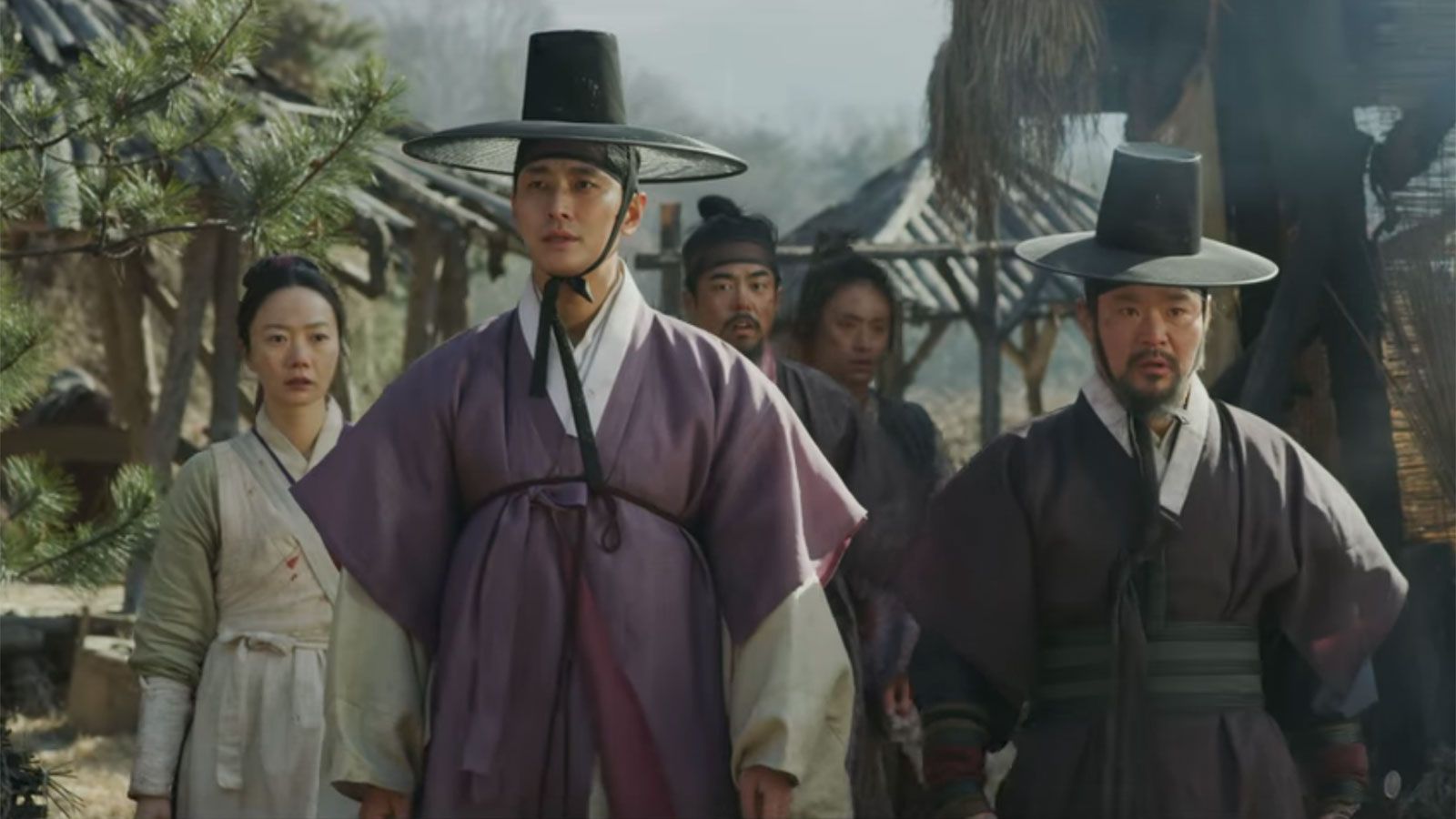
Ju Ji-hoon, center, as Crown Prince Lee Chang, with Bae Doona, left, as the physician Seo-bi and Kim Sang-ho, right, as Chang’s trusted bodyguard Mu-yeong.
When the aristocrats abandon peasants to the zombies, Crown Prince Chang and Mu-yeong risk their lives gathering a small force to protect the people and usher them to the safety of a walled stronghold.
Later, when a group of villagers bury a group of undead, unaware that they’ll rise at sunset and trample the nearest towns, the Crown Prince and his followers head out just before dusk to stop them, knowing they’ll be outnumbered and may not return.
The Crown Prince’s many kindnesses to peasants and children, and his willingness to risk his own life to protect them, draw the notice of characters who become key allies — including a member of the legendary Chakho tiger hunters, and Lord Ahn, a military hero and governor credited with expelling the Japanese during the invasion three years prior.
Crown Prince Chang set off initially to solve the mystery of the king’s disappearance and to protect himself from the scheming Haweon Cho clan, but as he sees the poverty, desperation and vulnerability of his people first-hand, he dedicates himself to a more pressing and noble cause in protecting the people of Joseon from the seemingly unstoppable plague and starvation.
In that effort, he unites people of different classes and backgrounds who fight fiercely and loyally for him, seeing hope for a brighter future if he survives and becomes king.
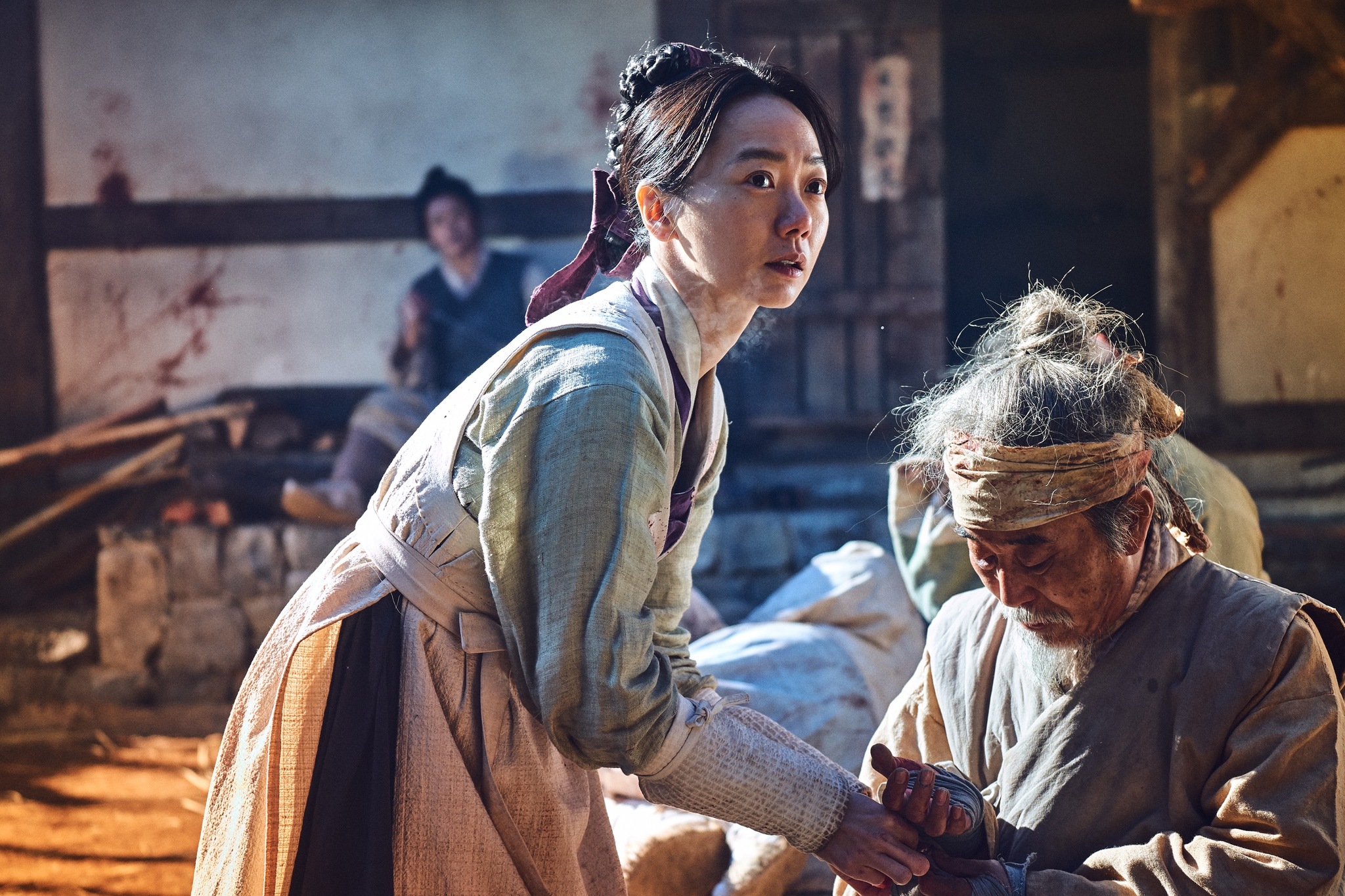
The physician Seo-bi, played by Bae Doona, attends to a man’s wounds.
The show never misses a chance to show social disparities: The upper classes do everything they can to protect themselves, everyone else be damned. They hide behind walls and ignore thousands of commoners — including women and crying children — who pound on the gates, begging to be let in. They abandon the peasants, and in many cases count on the lower classes serving as a human shield to allow the upper classes to escape danger.
“Are you sure this is okay?” one minister asks his sycophantic assistant as they take the last barge out of a doomed city, leaving throngs of peasants on the docks.
“You and the other nobles are the backbone of the city!” his assistant assures him. “You must survive so you can rebuild.”
As a result, the first waves of undead are the people on the lowest rungs of society. As the virus spreads to another city, a group of confused aristocrats can’t believe what they’re seeing.
“Those peasants are attacking nobles!” one incredulous man in ornate clothing says as undead in rags storm through Dongnae (modern day Busan).
Peasants attacking the upper class was unthinkable in Joseon, and by the time the aristocrats in that scene realize there’s something very wrong, it’s too late.
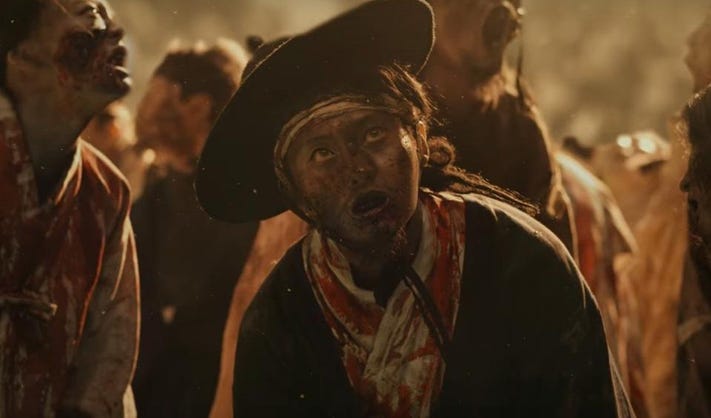
As the plague spreads, the ranks of the undead grow to include aristocrats in fine robes as well as peasants in rags.
Before long, the legions of undead include just as many people in fine silks and ornate embroidery, finally uniting the classes of Korea in a state of undead purgatory, their reanimated corpses hungering for the flesh of the still-living.
Eventually, though, Chang must confront the Haewon Cho clan and its patriarch, the powerful minister Cho Hak-ju.
Of course the show wouldn’t be a hit if it didn’t provide something for action and horror fans, and it more than delivers on its promises.
The action sequences in Kingdom are spectacular, and the show gives viewers lots of them, from outnumbered warriors holding a narrow pass from the undead, to zombie hordes laying siege to citadels, to close-quarters sword fighting.
The beautifully-shot sequences put shows like The Walking Dead to shame. Whereas the latter show often gives the impression that the money men behind the franchise are counting pennies, Kingdom‘s lavish sets, epic set pieces and impeccable special effects are the kind of thing viewers would expect from a summer blockbuster, not a television show.
Kingdom isn’t all action, and it takes time to breathe with quiet character moments between the narrow escapes and thrilling battles. The series is a period drama just as much as it falls within the action and horror genres. We see the inner workings of a society markedly different than anything most Westerners are familiar with, but driven by the same human ambitions.
KINGDOM
Kingdom
The story is also effective thanks to actors Hye-jun Kim and Seung-Ryong Ryu, who play the Queen and her father, high minister Cho Hak-ju. They’re villainous and power hungry without seeming one-dimensional, and both succeed in becoming focal points of the audience’s anger as they commit one despicable act after another.
Cho Hak-ju manipulates the court with the savvy of Game of Thrones’ Littlefinger and the brutality of Joaquin Phoenix’s Commodus in Gladiator. The other government ministers are terrified of him, and as the man who ostensibly speaks for the king, his word is effectively law.
The Queen, meanwhile, puts in motions schemes that would make Thrones’ Cersei look amateurish in comparison.
Kingdom’s got two seasons under its belt and a stand-alone special episode, Kingdom: Ashin of the North. Fans are eagerly awaiting the third season. It stands out as one of the best historical epics in recent memory.






 Pain In The Bud