
This hasn’t been a great week for feline PR.
Not only did two celebrities come out with bizarrely forceful anti-cat sentiments, but from their statements, they both “hate” cats because they’ve misinterpreted feline behavior.
The fallout hasn’t been good either, for the actress and rapper involved, or for the more extreme animal lovers who have responded with disproportionate rage.
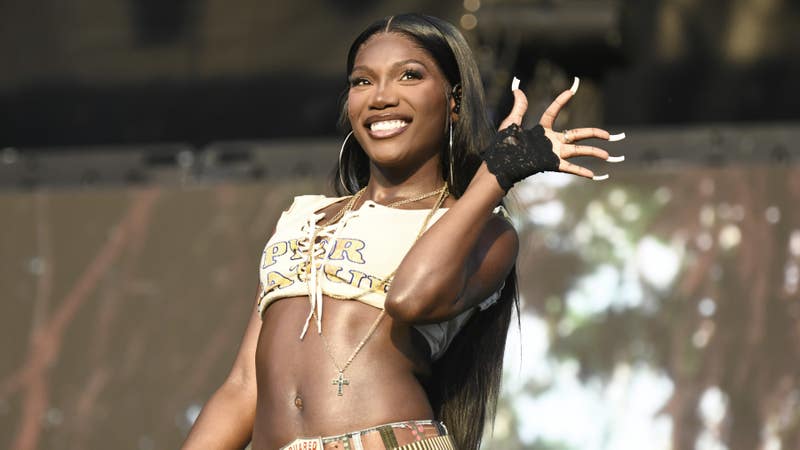
The first comes from rapper Docheii, who insists cats “genuinely aren’t friendly animals.”
“yall be scratched and beat tf up by your own animals I can’t lmaoooo,” the towering intellect from Florida wrote on social media.
Cats, she asserted, “don’t wanna be domesticated.”
Presumably she got that information from the Pew Center for Feline Public Opinion, and the rest of us simply aren’t privy to the latest opinion polls among cats. And here I thought our furry friends were mostly ambivalent about anything that doesn’t involve napping, playing and eating. (I took an informal poll of Bud. He responded with a simple “Fetch me a snack, will you, human?”)
Regardless, even if there was some way to ascertain how cats feel about a process their ancestors initiated — one that takes thousands of years to result in speciation — it’s irrelevant. The decision was made 10,000 years ago when The First Kitteh was drawn to a human settlement by the promise of rodential prey in abundance.
Modern cats have no more say in the matter than we have in our ancestors slaughtering dodos. It happened. We can’t change the past.
The actress vs the ‘pedigree bitch’
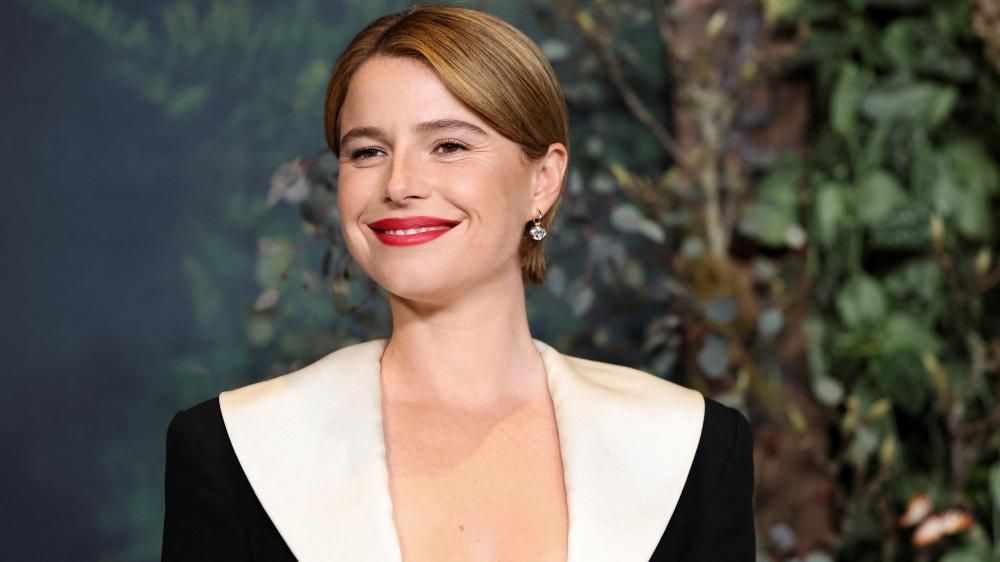
The second bit of anti-feline sentiment comes from Jessie Buckley, an Irish actress who is weirdly proud of forcing her husband to ditch his two pet cats when they began dating. She talks as if she’s been waging a personal war against the species, and her reason for disliking felines also indicates a fundamental misunderstanding of their behavior.
Buckley’s comments were made on a podcast late in 2025, but resurfaced this week and went viral as her Oscar buzz reached its peak. On the podcast, Buckley said one of her husband’s cats was a “pedigree model bitch” who was orchestrating a “coup” against her.
She thinks the cat had it out for her: “I’d come home and there’d just be, like, poo on my pillow.”
This is actually sad, because people who really know cats, who understand why they behave certain ways, will immediately understand that they don’t have accidents out of spite. If the cat was eliminating outside her litter box, there was a legitimate underlying problem causing her a great deal of stress.
She could have been injured, she could have been sick, or she could have been plagued by the cumulative stress brought on by the presence of a hostile woman who ludicrously saw her as competition. Our furry friends are much more perceptive than generally realized, especially when it comes to our emotional states, and Buckley’s hostility would have been immediately apparent.
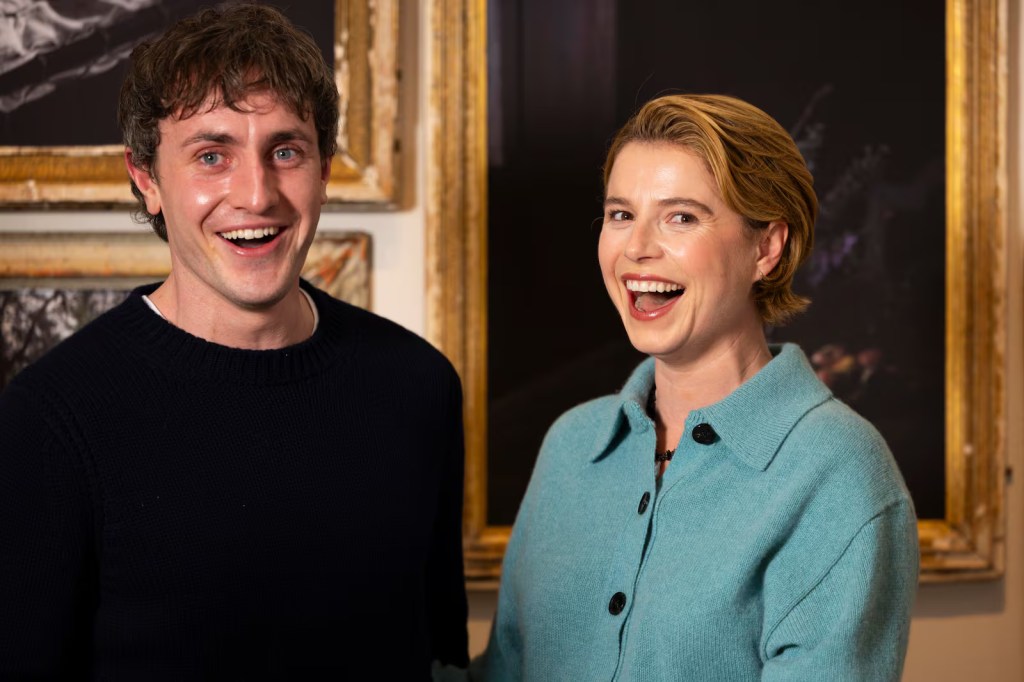
Alas, Buckley didn’t reluctantly ask her then-boyfriend to give up his cats. She demanded it, then did a victory lap when he complied, which makes me suspect she was merely taking the whip out for a test drive before further commitment. If he’s willing to abandon two pets, he’s almost certainly going to be a pushover when she begins to prune his friends from his life, starts dressing him the way she likes, maybe even monitors his phone. *shudder*
“It’s me or the cats,” Buckley said she told her husband. “But I won!”
Congratulations, I guess?
The rage of cat lovers
As ludicrous as it seems, the backlash may cost Buckley an Oscar. Personally I don’t keep up with the approximately 200 awards ceremonies actors hold to fete themselves annually, but apparently Buckley turned in a solid performance in a movie called Hamnet.
She was considered the front-runner for an Academy Award. Now critics are openly wondering about her chances.
As always, these sorts of statements reveal a lot more about the people involved than they do about cats. I just wish people understood the species a little better, so maybe attitudes won’t default to anger or hostility if, say, a scared cat scratches a person who corners her, or a kitty with a stomach bug pukes on the carpet.
When a toddler gets sick, we don’t respond by yelling at the kid, blaming him and chasing him off. We make sure he’s okay, give him some medicine or take him to the doctor, and clean up the mess. Cats are essentially furry little toddlers, with the same innocence as children. When we adopt them, we agree to care for them.
Both Buckley and Docheii have been hammered on social media since their comments went viral, and it’s important to address that too. They expressed opinions. That doesn’t make them “pieces of s—,” “worthless human beings,” “scum” or any of the other nasty things some people have been saying.
We can disagree with them without overreacting, even in the age of dehumanizing online conversation.
Maintain yourselves!
And honestly, it makes all of us look bad. The day Walter Palmer returned to work is forever seared into my mind. Palmer was the American dentist who infamously and illegally lured Cecil the lion out of a protected area and killed him to take his head as a trophy in 2015.
Worse, Palmer — who had a history of getting in trouble for breaking the law while hunting — killed Cecil with a bow and arrow in order to claim some meaningless hunting record for himself and bungled the point-blank kill shot his guides had lined up for him. Cecil, who was an iconic lion with a distinct mane, suffered for hours before he died.
People were understandably angry, and protesters showed up outside Palmer’s office the day he returned to work. Most of them behaved themselves. But as Palmer made his way toward the front door of his dental practice, one of the protesters let loose a blood-curdling scream and shouted “WAAAAALTER PAAAAALMER!“, vowing vengeance for Cecil.
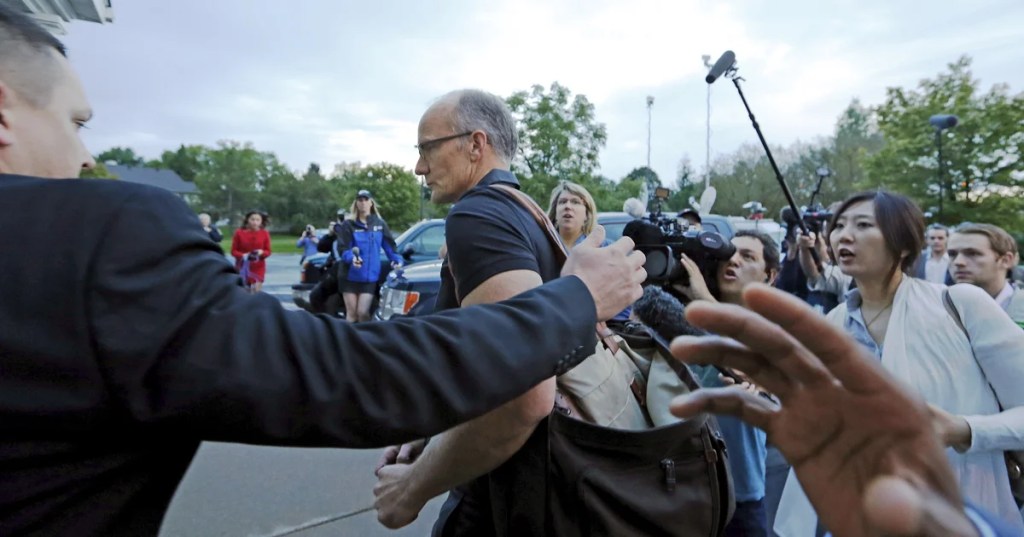
That moment of unhinged, unregulated rage overshadowed the good intentions of every person who registered their displeasure calmly and politely — and provided ample ammunition to those who enjoy painting all animal lovers as lunatics.
Buckley and Doechii expressed opinions we don’t like, and that’s their right. The best thing we can do is explain why they’ve misinterpreted feline behavior, and show them that cats really are loving, friendly animals — it just takes a little patience and trust. I say that as the faithful servant of a cat who can be particularly prickly and a complete lovebug, depending on the circumstance.
In the meantime, celebrities who hate cats should probably take a pass on broadcasting their intense dislike and save themselves the resulting headache. Sadly, we no longer have any sense of proportionality when it comes to disagreements, and no one gets a fair shake when things are litigated via social media.


 Pain In The Bud