New Crime-Comedy ‘Caught Stealing’ Stars A NY Cat Named Bud

A bartender gets more than he bargained for when he agrees to watch his neighbor’s cat in the new comedic crime flick Caught Stealing.

In Caught Stealing, the newest film from director Darren Aronofsky, a seedy guy named Russ (Matt Smith) asks his neighbor Hank (Austin Butler) to watch his cat for a few days while he’s out of town.

The cat is not only a handsome little fellow, he’s got a spiffy name: Bud.

The problem? Russ has seriously pissed off New York’s criminal element, and Hank is unaware a category five shitstorm is about to make landfall. No matter how many beatings he takes from gangsters who mistake him for his neighbor, the Lower East Side bartender takes his cat-sitting duties seriously.

“Bud remains central to the action,” the New York Times notes. “His skeptical gazes punctuate scenes and his presence endears the audience to Hank, who goes out of his way to protect the somewhat ornery creature when the going gets rough.”

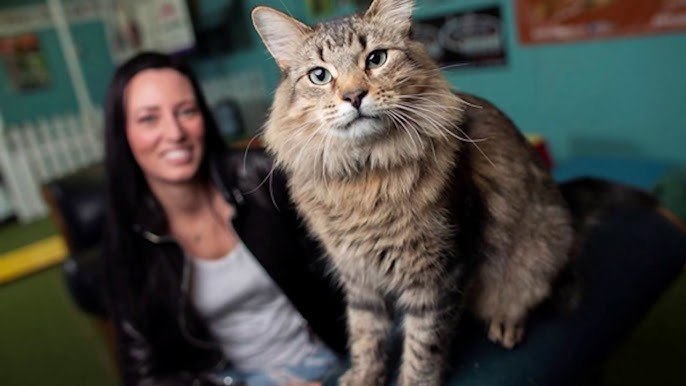
Tonic and his co-star, Austin Butler. Credit: Melissa Millett

Alas, Caught Stealing‘s Bud is not our Bud, although that’s probably for the better. Our Bud would drive the on-set catering crew mad with his turkey-related demands, and he’d run off camera to hide behind my legs during fight scenes.

Instead, Bud is played by a pro, a cat named Tonic who has appeared in the remake of Stephen King’s Pet Sematary and the horror flick Thanksgiving.

Aronofsky tells the Times about the on-set cat wrangling, noting felines are usually “not very notorious for their collaboration skills.”

Still, Charlie Huston, who wrote the book the movie’s based on as well as the screenplay, said the team didn’t take any shortcuts with Bud.

“I don’t feel like we made it as easy for ourselves as some people would have wanted,” Huston told the Times. “I remember a lot of conversations about, ‘Do we have to have the [expletive] cat in this scene?’”

The fact that they did keep him squarely in the action is testament to Tonic. Before the little guy got the role, the team had it narrowed down to him and one other cat. Tonic made the decision easy for them.

“It was just such a no-brainer because the other cat was fine, but Tonic was such a rock star on Day 1 and that was without prep,” Huston said.

Tonic with trainer Melissa Millett. Credit: Melissa Millett

Tonic is so accustomed to performing in live events and movie appearances, he was ready to show off his skills — and to get his paws on his rewards.

“The second he came out of his crate,” trainer Melissa Millett said, “he looked like he thought he was the king of the world and he was ready for all the chicken.”
Scarlett The Cat Walked Through Flames Five Times To Save Her Kittens

When the abandoned garage she was sheltering in caught fire on a cold day in 1996, Scarlett the cat was determined to get all five of her babies to safety.

The night of March 30, 1996, was unseasonably cold, and as temperatures dipped below freezing, a young cat and her litter of five found shelter in an abandoned garage in Brooklyn.

Unfortunately for them a few humans had the same idea, huddling for warmth in the garage as they smoked crack.

Prodigy’s “Firestarter” was at the top of the charts at the time, an apt soundtrack for what would happen next — the crack-addled humans started a fire that spread quickly and took the young feline mother by surprise.

That momma, who would later be named Scarlett, scooped up one of her kittens and brought it to safety before immediately heading for the flames again.

Scarlett and her babies
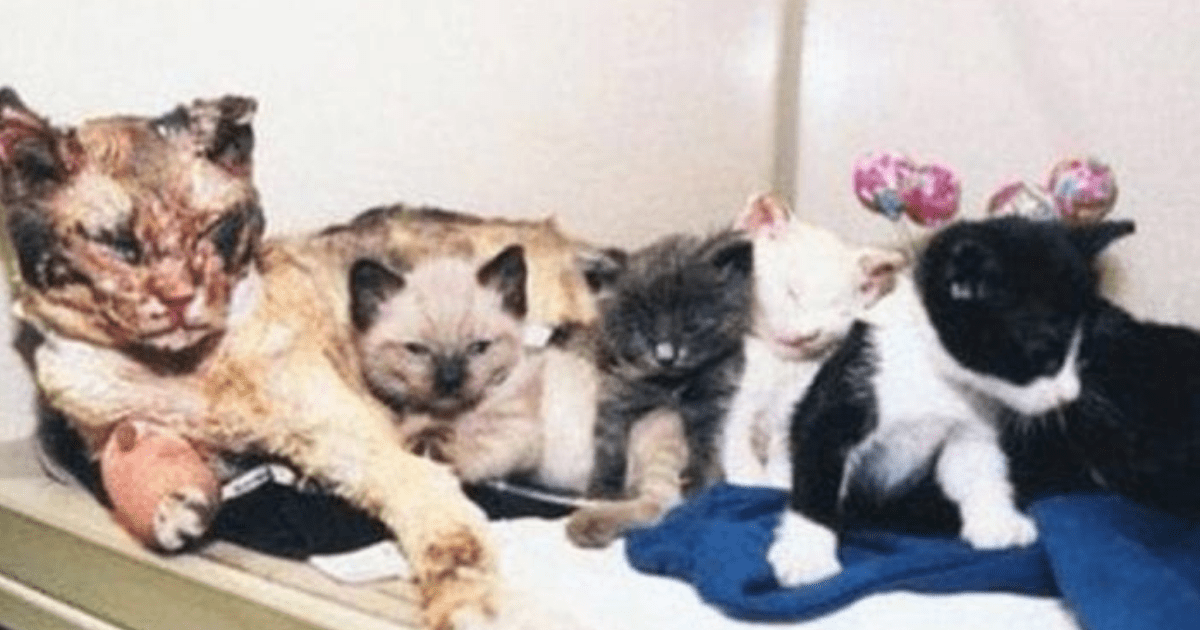
Scarlett, badly burned and bandaged, with her kittens at the North Shore Animal League. Credit: North Shore Animal League

FDNY firefighter David Giannelli was among the first responders at the engulfed garage and realized the small calico was rescuing her babies, running back into the flames to carry them out one by one.

When Scarlett had retrieved the last kitten, Giannelli watched her as she nuzzled all five of them to count them because she could no longer see — her eyes were sealed with burns and blisters.

Satisfied that her kittens were out of harm’s way, Scarlett collapsed.

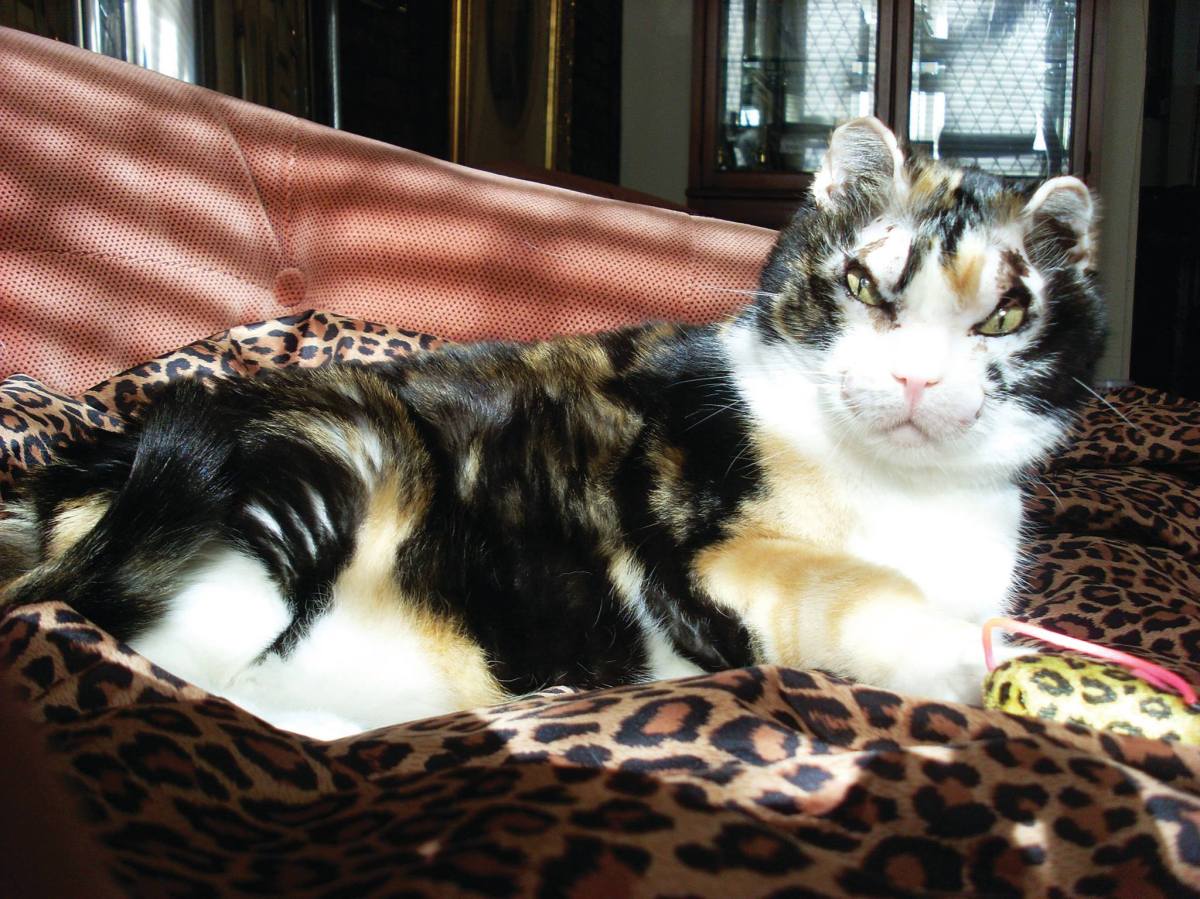
She paid a heavy toll for her actions. Her whiskers and the fur on her face was singed off, her ears were disfigured and she nearly died from smoke inhalation.

Giannelli brought the unconscious cat and her babies to New York’s North Shore Animal League, where veterinarians saved her life and put her on a path to recovery while also housing her with her beloved kittens.

Four of Scarlett’s kittens survived and were adopted out in pairs. Scarlett herself was adopted by New Yorker Karen Wellen, who was chosen out of thousands of applicants who wrote to the shelter. Wellen, who had suffered a medical emergency of her own, was specifically looking to adopt a special needs cat.

Scarlett’s kittens went to nearby families, who kept in touch with Wellen and scheduled reunions between her and the kittens she risked her life for.

“This cat is definitely the queen of the house,” Wellen told a TV news crew during a segment about Scarlett in the late 90s. “Whatever she wants is hers.”

Scarlett was a house cat for the rest of her life, living comfortably until she passed away on Oct. 11, 2008, at 13 years old.

Wellen and Scarlett
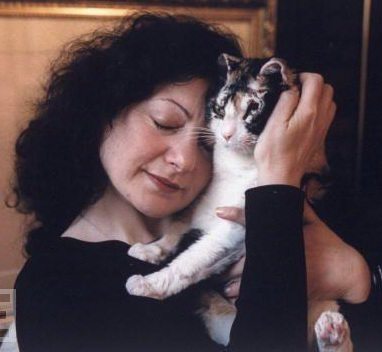
Wellen with Scarlett.

Little Scarlett’s story is not only an example of extraordinary bravery, it’s testament to how much mother cats love their kittens and should give us pause before we separate mothers from their babies too early. The absolute minimum is eight weeks, but many shelters will only allow kittens to go home with adopters at 12 weeks old or older, which they say gives them enough time with their mothers and siblings to learn crucial social skills, like sharing, not playing too rough, and proper self-grooming.

In recent years, many shelters and rescues have enacted policies of requiring that kittens are adopted in pairs. Even when they’ve got loving homes with humans who dote on them and provide them with plenty of attention, having another kitten around to grow with and learn from has a huge positive effect on a young cat’s development.

Buddy’s my first cat, as regular readers of PITB know, and if I could do it all over again, I’d have adopted one of his litter mates too. And who knows? Maybe in the future we’ll learn that keeping feline families together is optimal. Scarlett is testament to the fact that mother cats will sacrifice their own lives to save their babies. If that’s not love, what is?